In the middle of one of the most beautiful harbours in the world, ringed by the glittering skyline of modern Sydney, sits a tiny fortified island crowned by a squat round tower of golden sandstone. This is Fort Denison, a curious and fascinating little stronghold that holds a special place in the history of Australia, a fortress built against an enemy who never came, on a rock with a dark and grim past.
Fort Denison is a place of many stories. Long before the fort, its rocky island had a name given by the Aboriginal people of Sydney, and in the early days of the colony it became a place of harsh punishment for convicts, earning a nickname that recalled the hunger of those confined there. Later, in an age of imperial anxiety, it was transformed into a fort to guard the harbour, its tower a unique survivor of a vanished era of coastal defence.
In this guide you will explore the whole remarkable story of Fort Denison: its Aboriginal origins, its grim history as a convict punishment place, the war scare that led to its fortification, the extraordinary tower that makes it unique in Australia, the enemy attack that never came, and its life today as a beloved harbour landmark. It is a tiny island with an outsized and endlessly intriguing history.
A word before you begin: Fort Denison is a fortress like no other in this series, a tiny island stronghold built against an invasion that never happened, on a rock already heavy with a grim convict past. Its story is less about battles than about fear, punishment, and the layered history of a great harbour city. Keeping that in mind will help you appreciate the many chapters of this small but extraordinary place.
In This Article
- The Island Before the Fort
- A Place of Punishment
- The Fear of Invasion
- Building the Fort
- The Last Martello Tower
- The Design of the Little Fortress
- The Guns That Never Fired in Anger
- Tides, Time, and a Daily Gun
- A Jewel in the Harbour
- Part of a Harbour National Park
- Why Fort Denison Matters
- Pinchgut and the City’s Memory
- Visiting Fort Denison
The Island Before the Fort
Long before any European ship sailed into Sydney Harbour, the small rocky island on which Fort Denison stands was known to the Aboriginal people who had lived around these shores for many thousands of years. They had their own name for the island and their own relationship with it, part of a rich and ancient culture that flourished on the shores of the great harbour long before the coming of the Europeans.
The Aboriginal peoples of the Sydney region were the original inhabitants of this land, with deep connections to the harbour, its islands, and its waters. The island that would become Fort Denison was part of their world, and remembering its Aboriginal name and history is an important part of understanding the full story of the place, reaching back far beyond the colonial fort that now crowns the rock.
This deep Aboriginal history forms the essential backdrop to everything that followed. When the Europeans arrived and began to reshape the harbour and its islands for their own purposes, they did so on land that already held profound meaning for its original inhabitants, and the story of Fort Denison, like that of so many places in Australia, begins not with the colonists but with the peoples who were there long before them.
Acknowledging this ancient history is part of engaging honestly with the site, for the tiny island in the harbour carries meanings and memories that far predate the fort and the colony. The name given to the rock by the Aboriginal people is a reminder that this was their country, and that the dramatic later history of the island unfolded on ground with a far deeper past than the colonial story alone can convey.
The harbour and its many coves and islands were rich in resources that sustained the Aboriginal people for countless generations, and the waters teemed with fish and other food. The island that became Fort Denison was one small part of this abundant world, and its place in the life and culture of the harbour’s original inhabitants is a history that stretches back far beyond the reach of written records.
A Place of Punishment
In the earliest days of the British colony at Sydney, established at the end of the eighteenth century as a penal settlement, the little rocky island took on a grim new role as a place of punishment for convicts. Prisoners who had committed offences were sometimes confined on the isolated rock, cut off from the settlement and subjected to harsh conditions as a punishment for their misdeeds.
It was this history that gave the island its enduring and evocative nickname. Convicts confined there were often kept on meagre rations, and the hunger they endured on the barren rock led to the island being known as Pinchgut, a vivid and grimly humorous name that captured the miserable experience of those punished there. The name has stuck to the place ever since.
The island’s role as a place of punishment went even further in these harsh early years, for it was also used, on at least one grim occasion, for the display of an executed criminal’s body as a warning to others, a practice that reflected the brutal penal justice of the age. This dark chapter is an inseparable part of the island’s story, a reminder of the harsh realities of the convict colony from which modern Sydney grew.
The use of the island as a place of isolation and punishment set the tone for its early colonial history, marking it as a site associated with suffering and control from the very beginning of the European presence. The grimness of these early associations gives the later transformation of the rock into a fort and then a beloved landmark a certain poignancy, a story of a place redeemed from a dark past.
The gibbeting of an executed criminal on the island, displaying the body as a grim warning, belonged to a brutal tradition of public punishment that the early colony inherited from the harsh justice of the age. Such practices, shocking to modern sensibilities, were part of the reality of the convict settlement, and the island’s role in them adds a dark and sobering dimension to its early history.
The Fear of Invasion
The transformation of the island from a place of punishment into a fortress came about because of a wave of anxiety that swept through the colony in the middle of the nineteenth century. In an age of imperial rivalries and distant wars, the people of Sydney grew fearful that their prosperous but poorly defended harbour might be attacked by a hostile foreign power, and they clamoured for better defences.
The particular fears of the era focused on the great powers whose fleets roamed the world’s oceans, and events such as the Crimean War heightened anxieties that an enemy warship might one day sail into the harbour and threaten the city. Sydney was a wealthy and growing colonial port, seemingly vulnerable and far from the protection of the mother country, and the desire to guard it against attack became pressing.
In response to these fears, the colonial authorities resolved to fortify the harbour, and the little island of Pinchgut, sitting in a commanding position in the waterway, was chosen as the site for a fort. The grim rock of punishment was to be reborn as a stronghold, its guns set to guard the approaches to the city against the feared enemy who, in the event, would never actually come.
The anxieties that gripped Sydney reflected the reality of a wealthy colonial city on the far side of the world, dependent for its security on a distant mother country whose fleets could not always be present to protect it. In this vulnerable position, the fear of a sudden raid by a hostile power was entirely understandable, and the fortification of the harbour was a rational response to a genuine strategic concern.
The pattern of building defences in response to war scares, only for the feared conflict never to materialise, was repeated in many colonial ports around the world during this anxious era. Fort Denison is a classic example, a monument to a moment of collective fear, and its guns, aimed at an enemy who never came, stand as a poignant reminder of how the anxieties of an age can shape the landscape long after the fears themselves have faded.
Building the Fort
The construction of the fort in the 1850s was a major undertaking that transformed the little island completely. The rock was cut down and shaped, and upon it was raised a fortress of golden sandstone, quarried in great quantity and built into the massive walls of the tower and its associated gun battery, creating a powerful little stronghold in the heart of the harbour.
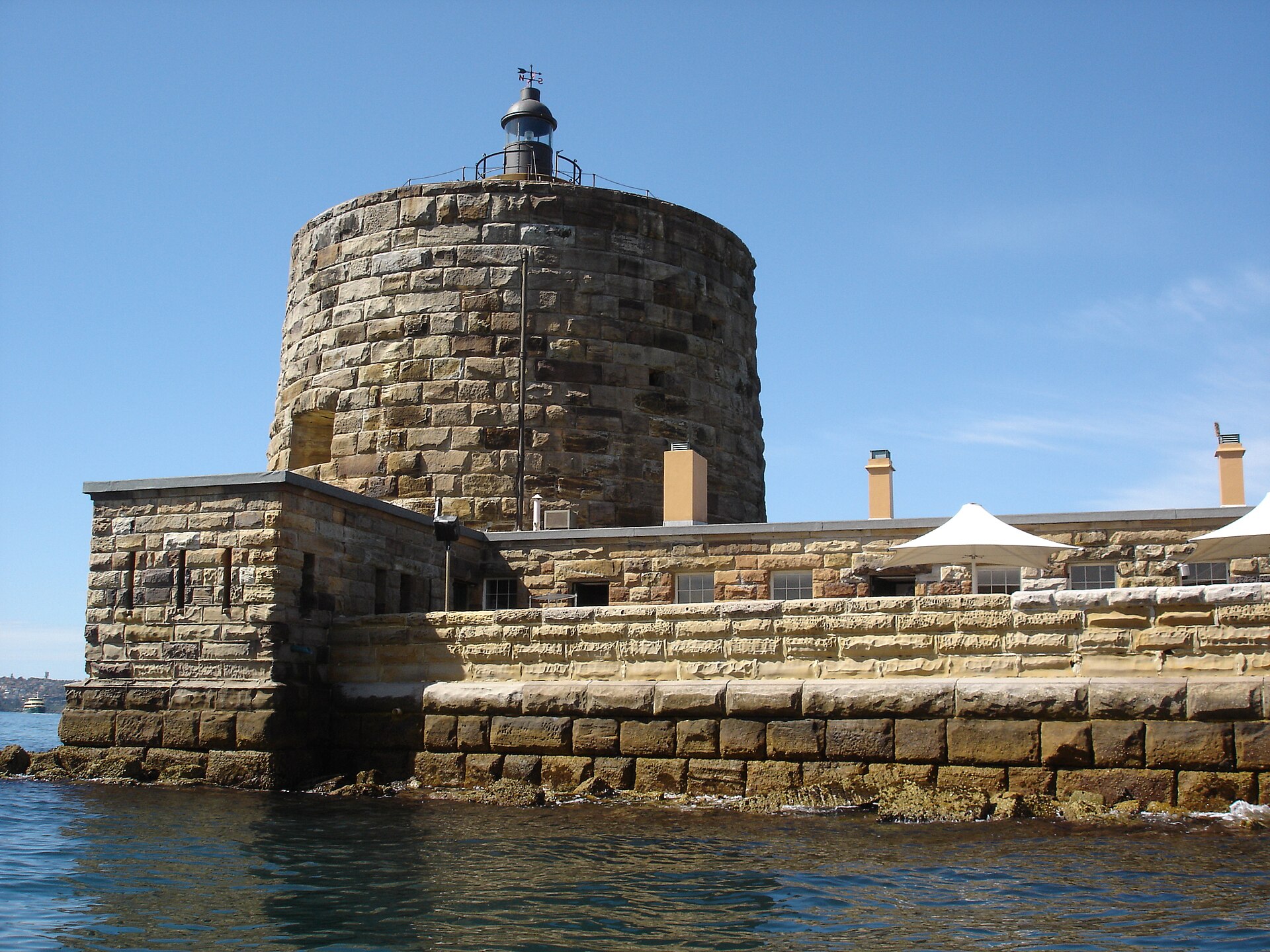
The fort was named in honour of the colonial governor of the time, becoming Fort Denison, and its completion marked the culmination of years of effort and the expenditure of considerable resources. The transformation of the barren rock into a fortified island was a striking achievement, and the new fort stood as a visible symbol of the colony’s determination to defend itself against attack.
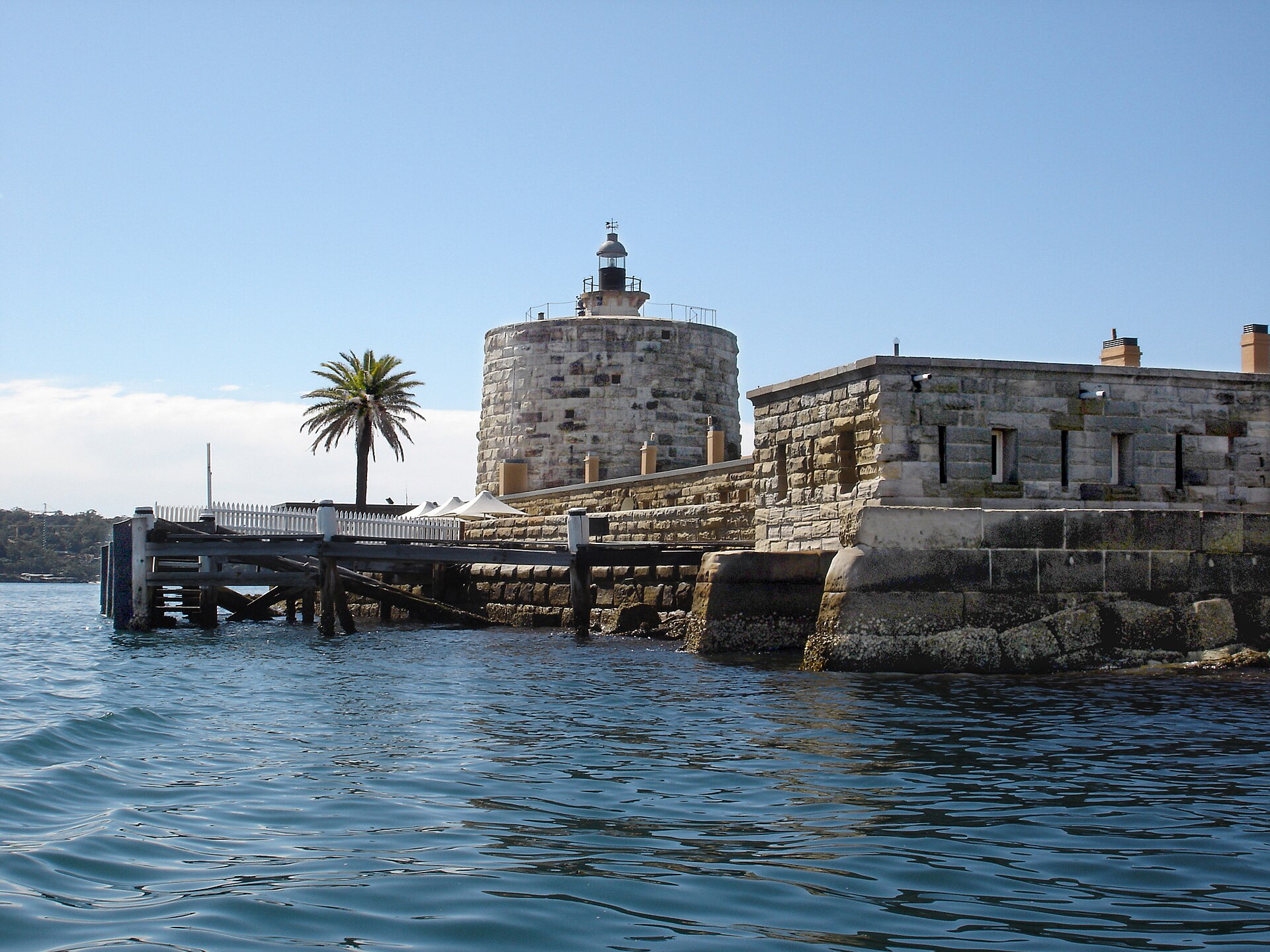
The finished fort consisted of a distinctive round tower, housing guns and a garrison, together with a gun battery at a lower level, the whole bristling with cannon aimed to command the waters of the harbour. It was a compact but formidable little fortress, purpose-built to guard the approaches to Sydney, and its completion gave the anxious colonists a reassuring sense of security in their beautiful but exposed harbour.
The engineering challenge of building a fort on a small island in the middle of a harbour was considerable, requiring the transport of vast quantities of stone and the shaping of the rock itself. That the colony was willing to undertake such a demanding project is a measure of how seriously the threat was regarded, and the result was a fort that gave Sydney a genuine strongpoint in the heart of its waterway.
The naming of the fort after the serving governor reflected the customs of the colonial era, in which such honours were commonly bestowed upon the leading figures of the day. The name Fort Denison has endured ever since, though the older nickname of Pinchgut has proved equally durable, so that the island carries both its official and its popular names down to the present day.
The Last Martello Tower
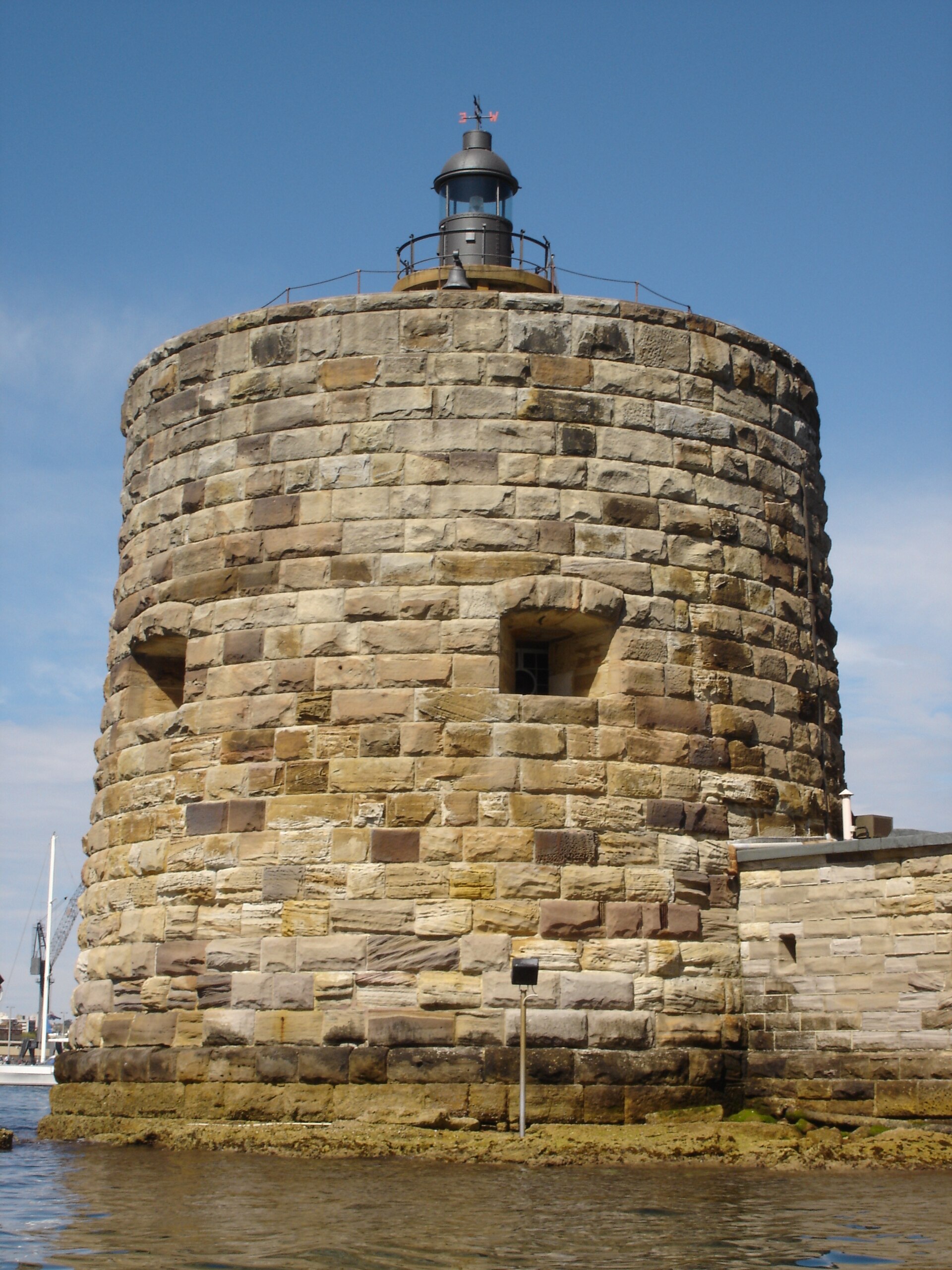
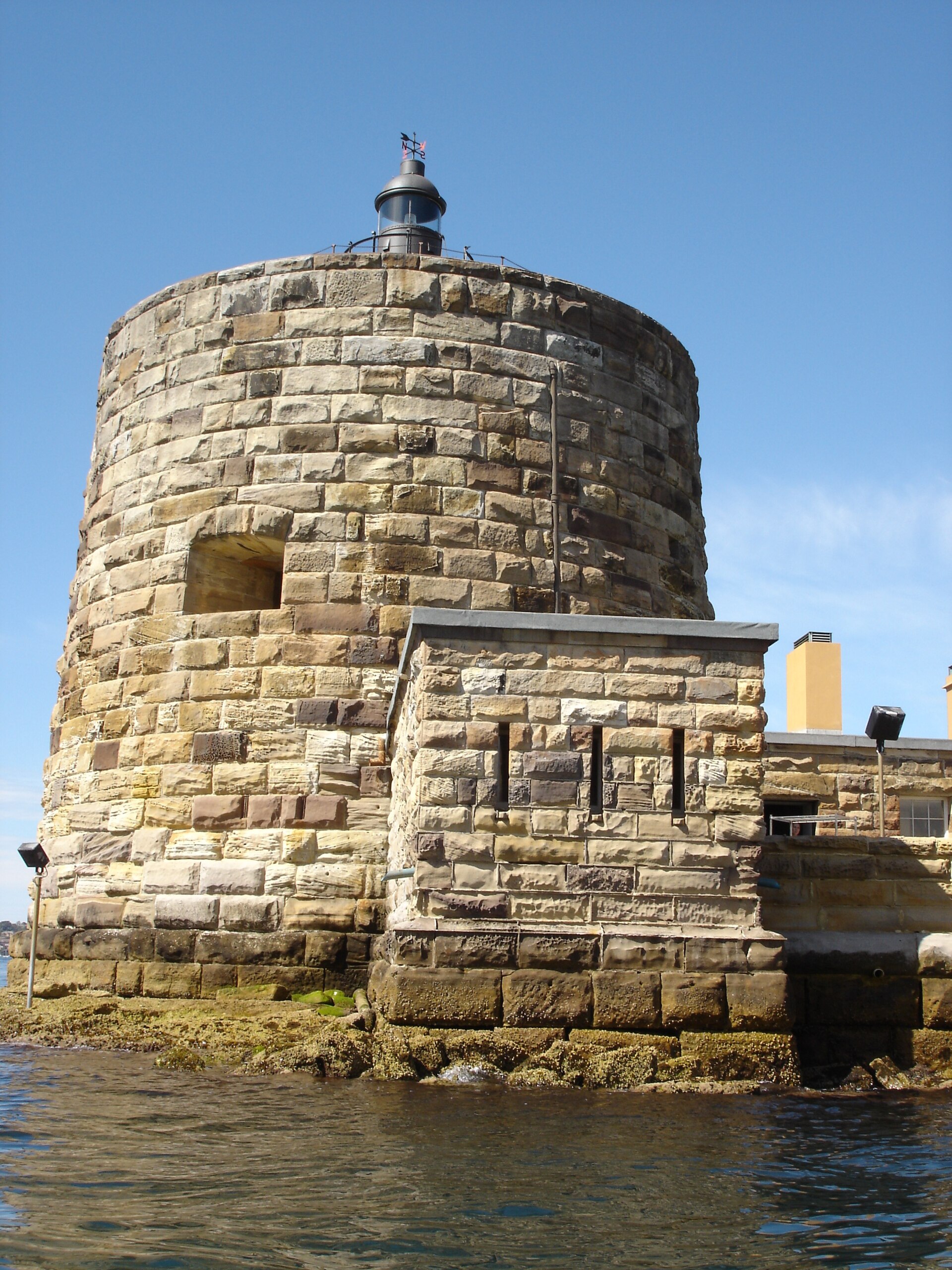
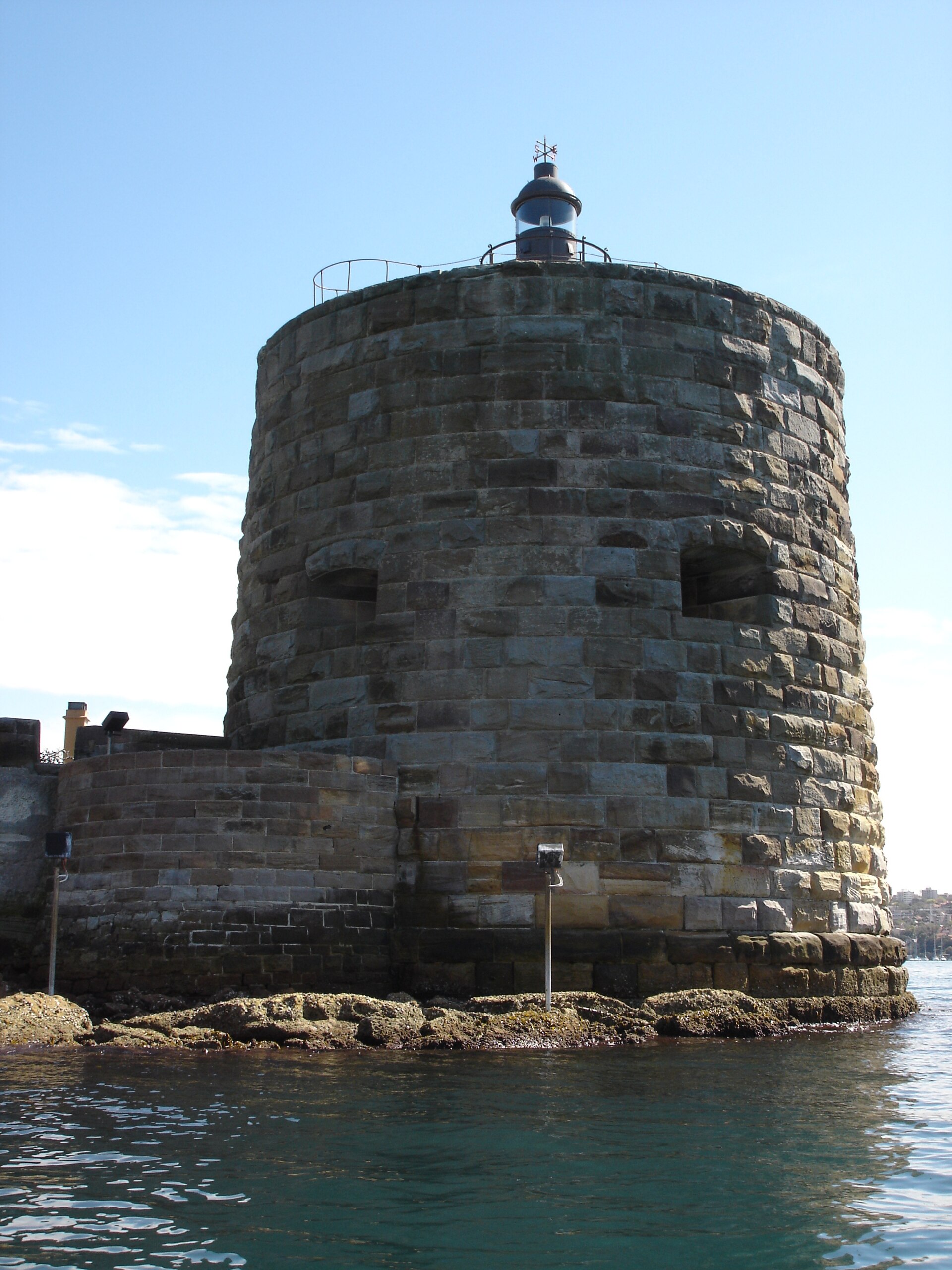
The most remarkable feature of Fort Denison, and the source of its greatest historical distinction, is its round tower. This is a Martello tower, a type of small, sturdy defensive fort with immensely thick walls that the British built in great numbers around their empire and coasts in the early nineteenth century to guard against naval attack, their design proven and refined over decades.
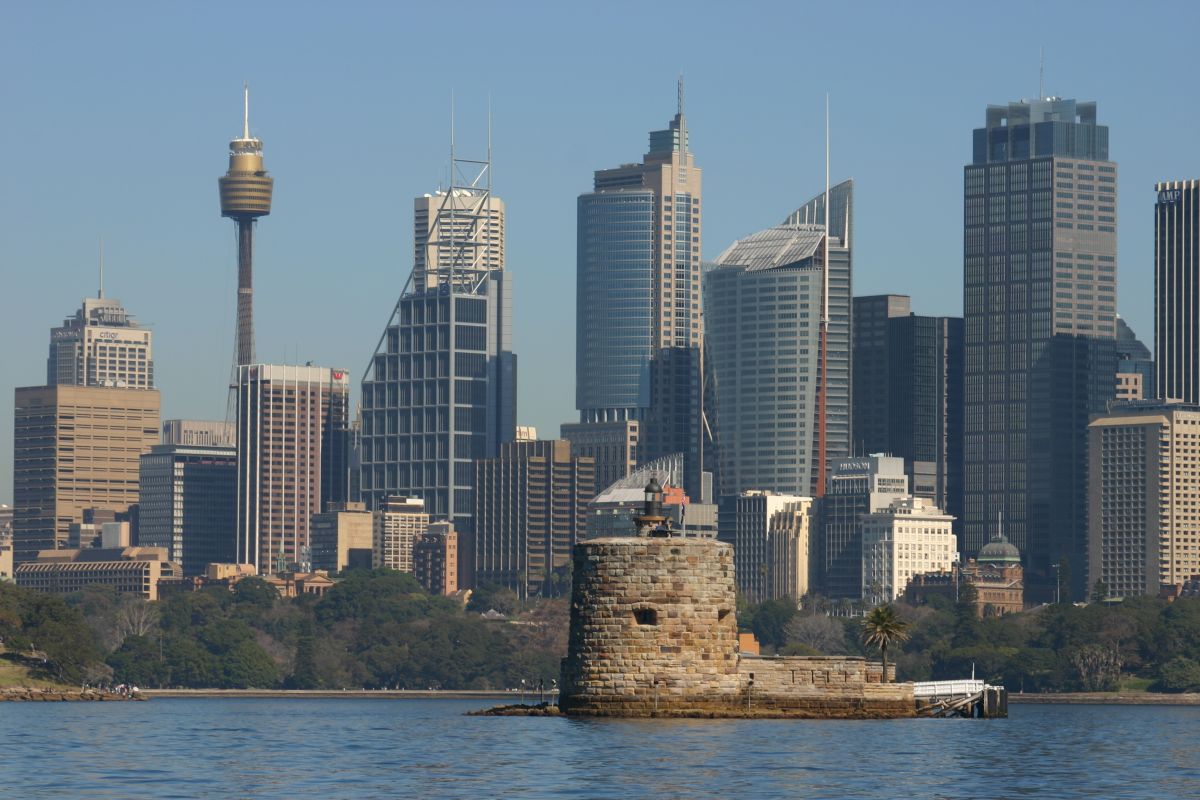
What makes the tower at Fort Denison so special is that it is the only Martello tower ever built in Australia, and it is generally regarded as the very last Martello tower ever constructed anywhere in the British Empire. By the time it was built, the age of the Martello tower was already passing, making Fort Denison a unique survivor and the final example of a once-widespread type of fortification.
The tower’s walls are astonishingly thick, built to withstand the pounding of naval guns, and it was designed to house a garrison and its cannon in a compact, defensible form. This combination of great strength and small size was the essence of the Martello tower, and Fort Denison’s example, as the last of its kind, is a precious relic of a whole tradition of coastal defence, unique in Australia and rare in the world.
The Martello tower took its name and its form from a tower on the coast of Corsica that had impressed British forces with its resistance to naval bombardment, inspiring the construction of many similar towers to guard vulnerable coasts and harbours. Fort Denison’s tower is the final chapter in this long story, the last built anywhere in the empire, making it a monument to a whole era of coastal defence.
The immense thickness of the tower’s walls, several metres of solid sandstone, was designed to absorb the impact of cannon fire, and it has proved more than equal to the far gentler test of time. This robustness is characteristic of the Martello type, and it explains why so many of these towers, including the unique example at Fort Denison, have survived so well into the modern age as durable monuments of their era.
The Design of the Little Fortress
For all its small size, Fort Denison was designed according to the sophisticated principles of nineteenth-century coastal fortification, adapted to its unique island setting. The round Martello tower, with its immensely thick sandstone walls, was built to shrug off the fire of enemy warships while its own guns, mounted high in the tower, could fire out over the water in every direction.

Below the tower, a separate gun battery mounted additional heavy cannon at a lower level, close to the water, from which they could fire directly at any ship attempting to pass. This combination of a high tower and a low battery gave the little fort a layered defensive capability, allowing it to bring a surprising weight of fire to bear on any target within range in the harbour.
The whole fort was built of the golden sandstone that is so characteristic of Sydney, quarried in great quantity and shaped into the massive walls and structures of the stronghold. The quality of the construction, and the sheer thickness of the tower’s walls, reflect the seriousness with which the threat was taken, and they have ensured that the fort has survived in fine condition to the present day, a beautifully preserved example of its type.
The Martello design had been developed and proven over decades of use around the British Empire, and its application at Fort Denison brought this mature tradition of coastal defence to Australian shores. That the design should reach Australia just as it was becoming obsolete elsewhere is a quirk of history that gave the colony the last and only example of a form of fortification with a long and distinguished pedigree.
The Guns That Never Fired in Anger
Fort Denison was armed with a formidable array of cannon for its size, with heavy guns mounted in the tower and in the gun battery below, all positioned to command the waters of the harbour and to blast any hostile ship that dared to approach the city. The fort was a serious piece of military engineering, ready to defend Sydney against the feared attack.
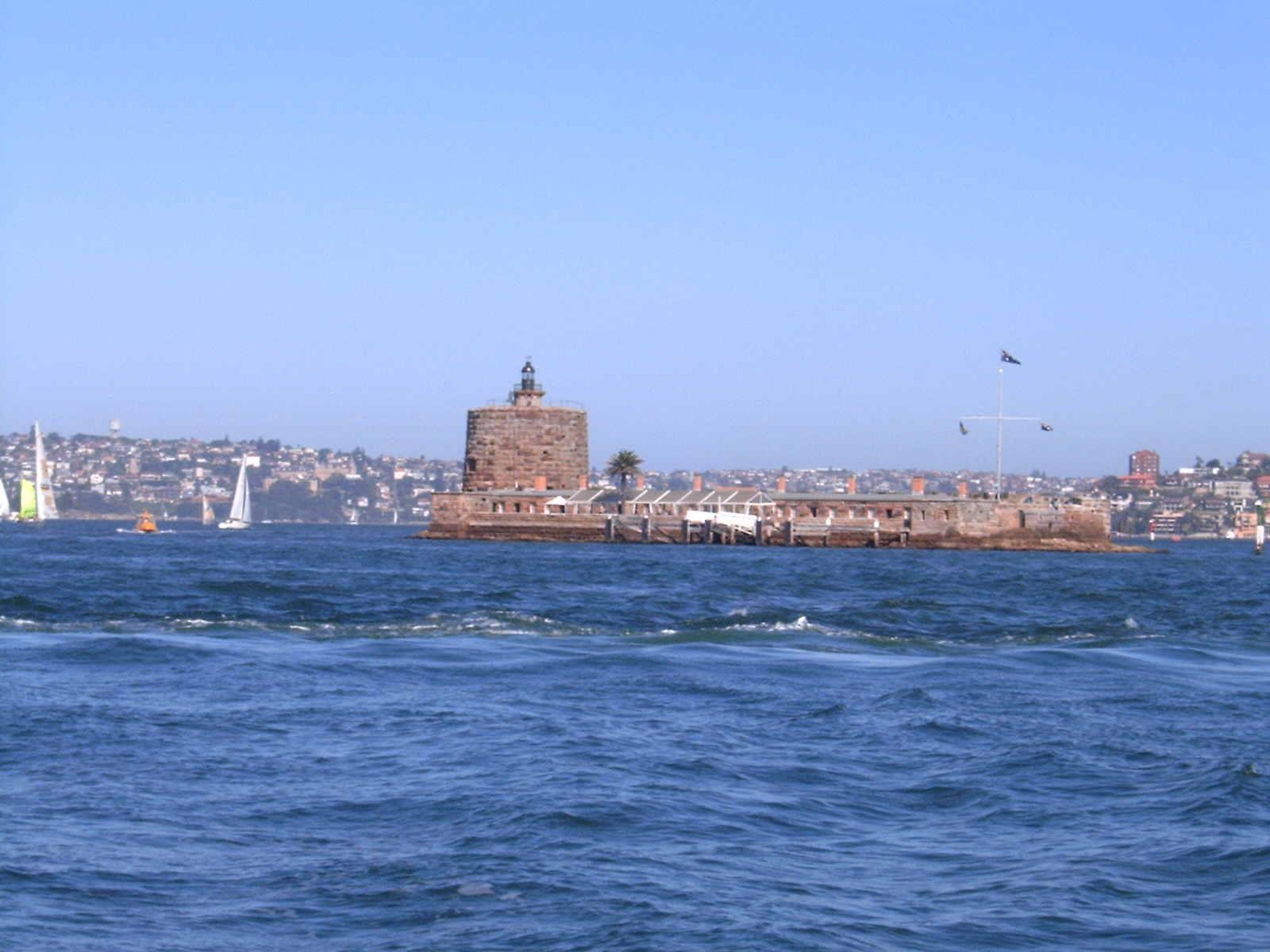
Yet for all its guns and its readiness, Fort Denison never fired a shot in anger, for the enemy against whom it was built never came. The invasion that the anxious colonists had feared, by a hostile foreign fleet, simply never materialised, and the fort stood guard over the harbour year after year without ever being called upon to fulfil its warlike purpose.
In this, Fort Denison shares the fate of many coastal defences of its era, built in response to fears that proved unfounded, standing ready for a battle that never happened. There is a certain irony in the story of this carefully constructed fortress, armed and manned to repel an enemy who never appeared, and it is part of what gives Fort Denison its particular character as a monument to an age of anxiety rather than of actual war.
The heavy guns of Fort Denison represented a serious investment in firepower for the defence of the harbour, capable of inflicting real damage on any warship that came within range. That they were never fired at an enemy does not diminish the seriousness of the preparation, and the silent guns stand today as a reminder of the fears of a bygone age and of the ever-present possibility of a war that, in this case, never arrived.
Tides, Time, and a Daily Gun
As the military threat receded and the fort’s defensive purpose faded, Fort Denison took on new and more peaceful roles that connected it to the daily life of the city. Most notably, it became an important station for the measurement of the tides, and the readings taken here have served for a very long time as a key reference for the levels of the sea in the region, a valuable scientific function.

The fort also became associated with the marking of time, an important service in an age before modern clocks and communications made accurate time universally available. Signals given from the fort helped the ships and people of the harbour to set their clocks, and the island became a fixed and reliable point of reference in the busy life of the port.
One of the most charming traditions associated with Fort Denison is the firing of a gun each day at one o’clock, a practice that once helped people to set their timepieces and that has become a beloved feature of the harbour. The daily boom of the one o’clock gun echoing across the water is a cherished Sydney tradition, connecting the modern city to the fort’s long history in a delightful and audible way.
The scientific and timekeeping functions that Fort Denison took on in its later life gave the old fort a continuing usefulness and connected it to the practical needs of the growing city. The long record of tide measurements taken at the fort is of real scientific value, a continuous data set stretching back many decades, and it represents an unexpected and valuable legacy of the little island fortress.
The one o’clock gun tradition, revived and maintained into modern times, has become one of the small but cherished rituals of Sydney life, its daily report a familiar sound across the harbour. This charming custom links the bustling modern city directly to the long history of the fort, and it is a delightful example of how a historic site can remain a living part of the life of a community.
A Jewel in the Harbour
Part of the enduring appeal of Fort Denison lies in its extraordinary setting, for it sits in the very heart of Sydney Harbour, one of the most beautiful and famous natural harbours in the world. Surrounded by sparkling water and framed by the dramatic skyline of the modern city, the little fortified island is a picturesque and much-loved landmark.
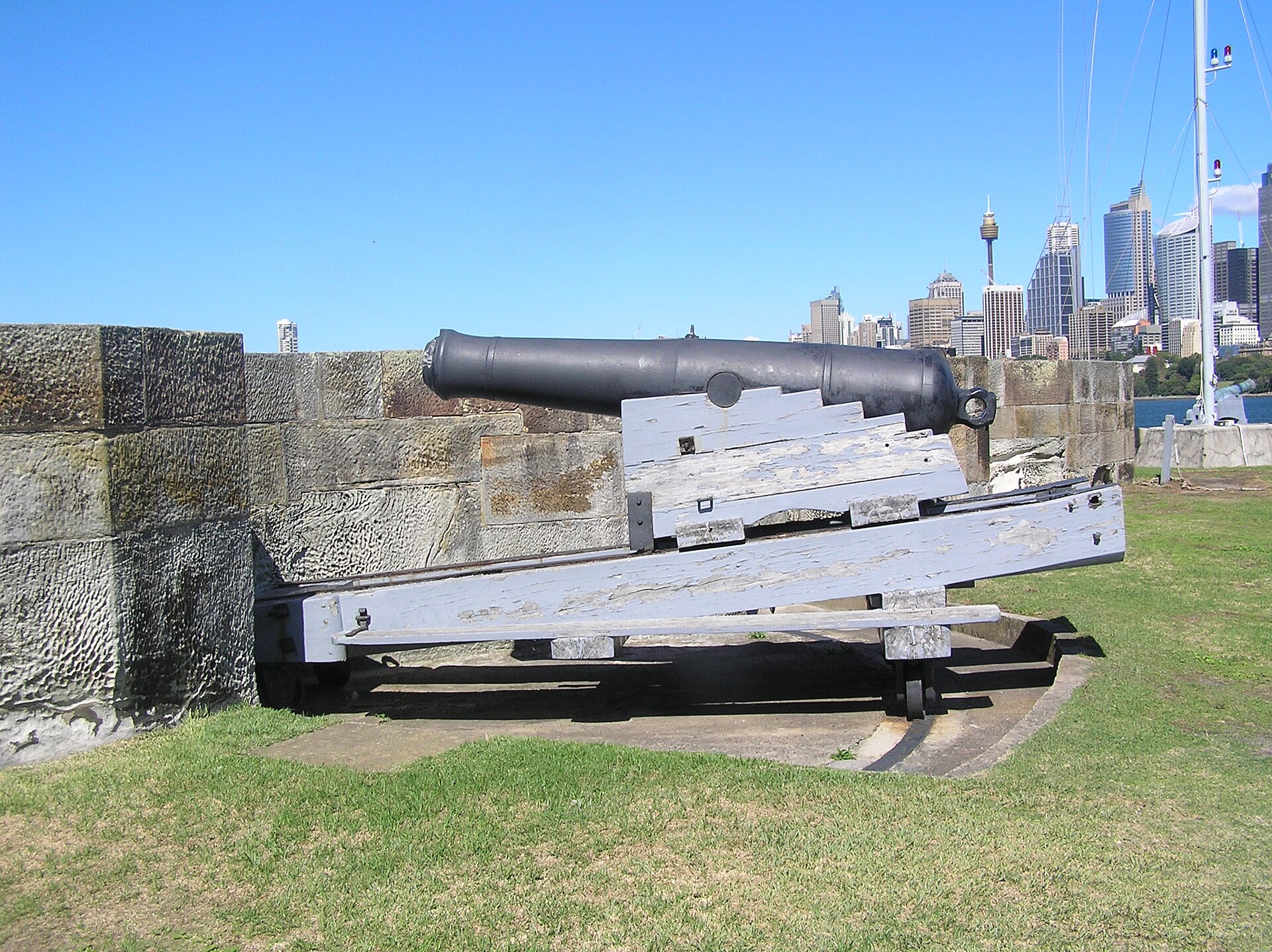
From the fort, visitors enjoy magnificent views of the harbour and its celebrated sights, and the island offers a unique vantage point from which to appreciate the beauty of Sydney. The contrast between the historic golden sandstone fort and the gleaming modern city that has grown up around it is striking, capturing in a single view the whole span of Sydney’s history from convict rock to global metropolis.
This spectacular setting makes Fort Denison far more than a historic curiosity; it is a genuine jewel in the crown of the harbour, a place of beauty as well as history. The sight of the little tower rising from the water, with the great harbour and city all around, is one of the iconic images of Sydney, and it draws admiring visitors and photographers in great numbers to enjoy its charm.
The way the historic fort sits amid the icons of modern Sydney, within sight of the great bridge and the famous opera house, creates a striking juxtaposition of old and new that captures the character of the harbour. Fort Denison is a fixed point of history amid the ever-changing life of the city, and its presence adds a note of depth and continuity to one of the world’s most celebrated urban landscapes.
Photographers and artists have long been drawn to Fort Denison, whose picturesque form and dramatic setting make it one of the most depicted landmarks of the harbour. The image of the little tower against the water and the city has become an icon of Sydney, and it captures in a single view the unique charm of this historic island in its incomparable maritime setting.
Part of a Harbour National Park
In modern times, Fort Denison has been preserved and protected as part of the network of parks and reserves that safeguard the natural and historic treasures of Sydney Harbour. As a part of the harbour’s national park, the fort is cared for and made accessible to the public, ensuring that its remarkable history and its beautiful setting can be enjoyed by all.
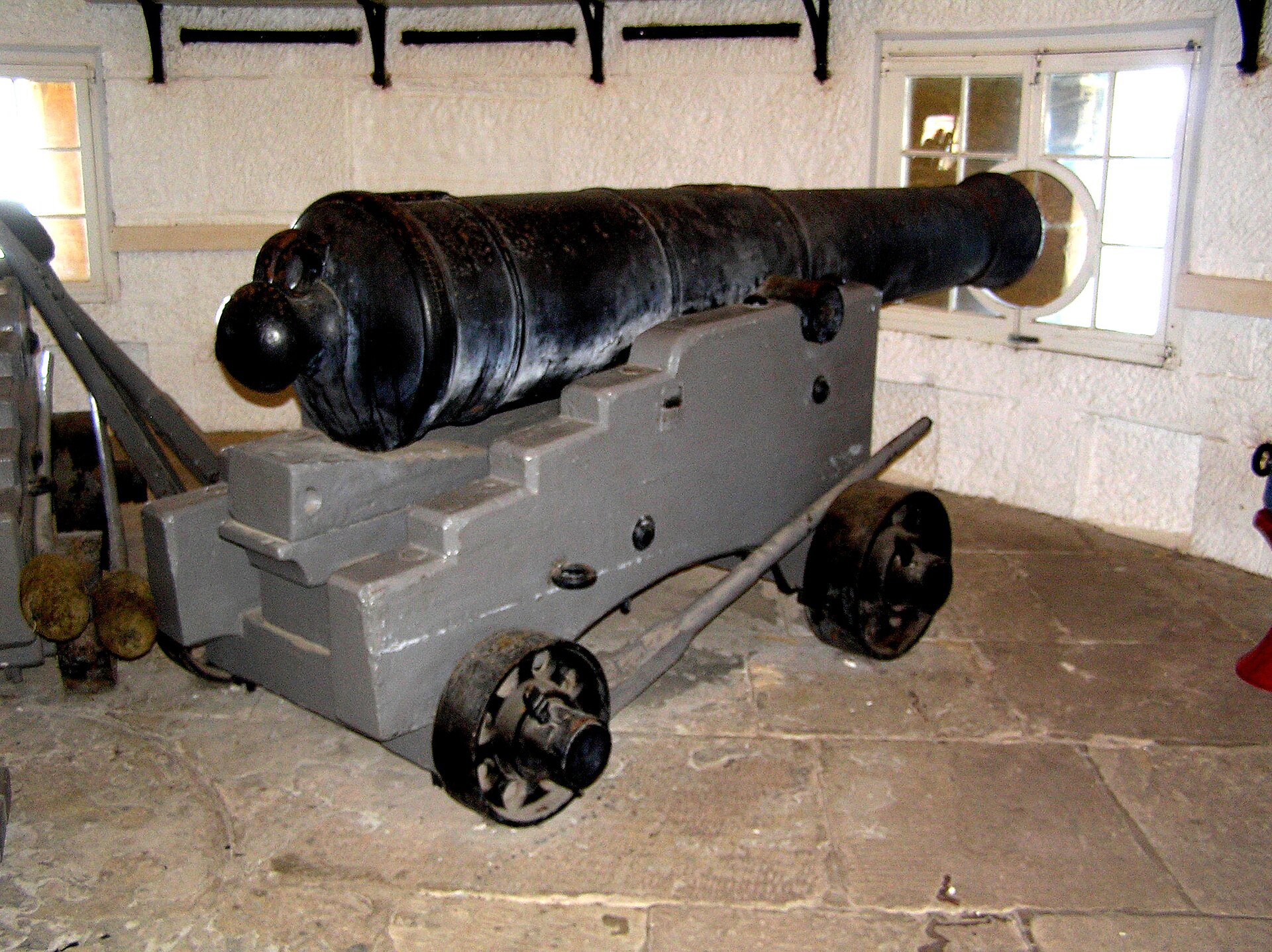
This protected status reflects the recognition of Fort Denison’s importance as both a historic site and a scenic landmark. The fort is valued not only for its unique tower and its dramatic story but as an integral part of the beloved harbour landscape, and its preservation is part of the wider effort to protect the heritage and beauty of one of the world’s great harbours.
As a managed historic site, Fort Denison welcomes visitors who come to explore its tower and battery, learn its history, and enjoy its views, and it has taken on new life as a place of hospitality and events. The little island that was once a place of punishment and then a fortress against an imagined enemy has become a place of pleasure and discovery, its turbulent past transformed into a source of fascination and delight.
The transformation of the fort into a place of hospitality and public enjoyment, hosting visitors and events in its historic spaces, represents the latest chapter in the long story of the island’s changing uses. From punishment to fortification to pleasure, the rock has served the city in many ways, and its current role as a cherished destination is a fitting culmination of its remarkable and varied history.
The careful preservation of Fort Denison as part of the harbour’s protected reserves reflects a wider appreciation of the value of Sydney’s historic and natural heritage. The little island, so rich in history and so beautiful in its setting, is a treasure worth safeguarding, and its inclusion in the national park ensures that it will be cared for and enjoyed by generations to come.
Why Fort Denison Matters
Fort Denison holds a special place among the historic sites of Australia for the richness and variety of its history, packed onto a single tiny island. In its layered story, from Aboriginal origins through convict punishment to imperial fortification, we can trace the whole early history of Sydney and of colonial Australia, making the little rock a microcosm of the nation’s past.
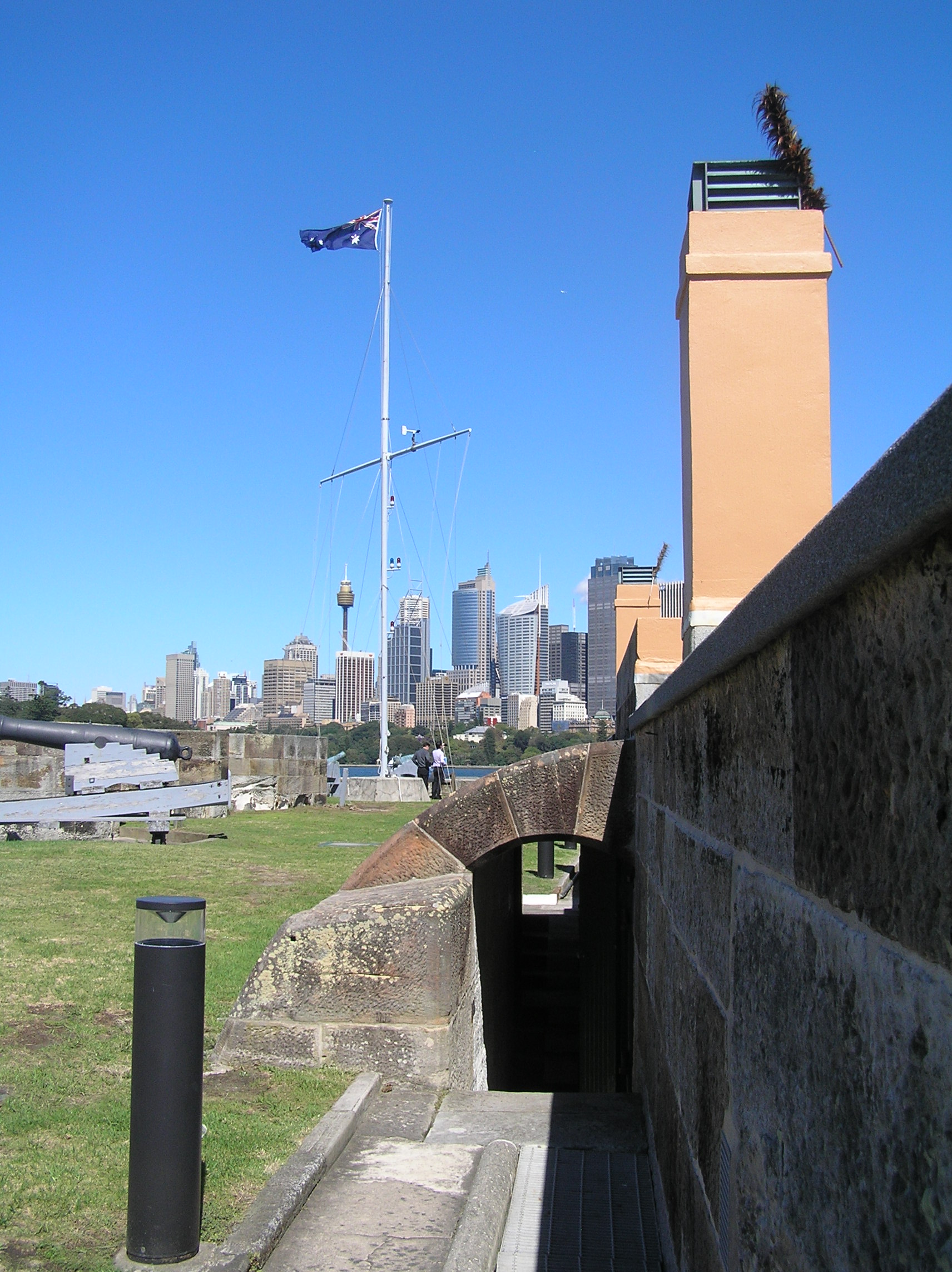
The fort is also of real significance as a piece of military heritage, above all for its unique tower, the only Martello tower in Australia and the last built in the British Empire. This distinction makes Fort Denison an important monument in the history of fortification, a rare survivor of a whole tradition of coastal defence, preserved in the heart of a modern city.
And beyond its history, Fort Denison matters as a beloved and iconic feature of Sydney Harbour, a place of beauty and character that has become woven into the identity of the city. For all these reasons, this tiny fortified island is far more than a minor curiosity; it is a treasured landmark whose fascinating story captures a vivid chapter of Australia’s history.
The concentration of so many chapters of history onto a single small island makes Fort Denison an unusually rich site, a place where the whole early story of Sydney can be read in miniature. Few places offer so much history in so compact and beautiful a form, and this density of meaning, combined with the fort’s unique tower and its stunning setting, is what gives the little island its special importance.
The fort’s status as the last Martello tower in the British Empire gives it a place in the wider history of coastal fortification that reaches far beyond Australia, connecting this remote colonial outpost to a tradition of defence that spanned the globe. In this sense Fort Denison is not merely a local landmark but a monument of imperial and military history of genuine international interest and significance.
Pinchgut and the City’s Memory
The old nickname of Pinchgut has never quite been forgotten, and it lingers in the memory of Sydney as a reminder of the island’s grim early history. This vivid name, born of the hunger of convicts punished on the barren rock, connects the modern landmark directly to the harsh world of the early penal colony, and it adds a note of dark romance to the island’s story.

The persistence of such names and memories reflects the way the history of a place lives on in the popular imagination long after its original circumstances have passed. Fort Denison wears its official name proudly, but the older nickname of Pinchgut refuses to die, a testament to the enduring power of the island’s dramatic and sometimes brutal past to capture the imagination.
These layers of memory, official and popular, historic and legendary, are part of what makes Fort Denison so rich a subject. The little island carries within it the whole story of Sydney’s beginnings, from Aboriginal country to convict punishment to imperial fortress to modern landmark, and the names it has borne along the way are like the rings of a tree, marking the passage of its extraordinary history.
The endurance of the Pinchgut nickname, passed down through generations of Sydneysiders, is a charming example of how the popular memory of a place can preserve its history in a single vivid word. Long after the convicts and their sufferings have passed into history, the name keeps their story alive, ensuring that the grim origins of the beautiful landmark are not entirely forgotten.
The dual identity of the island, as the official Fort Denison and the popular Pinchgut, captures the way history and legend intertwine in the memory of a place. Both names are true, and both tell part of the story, and together they enrich the character of the little island, giving it a depth and a resonance that a single name could never convey and that continues to intrigue all who learn of it.
Visiting Fort Denison
Fort Denison sits in the middle of Sydney Harbour, reached by boat, and a visit offers a unique opportunity to explore a historic island fortress in one of the world’s most spectacular settings. As part of the harbour’s protected reserves, the fort welcomes visitors who come to discover its history and to enjoy its incomparable views of the city and the water.

On a visit you can explore the famous Martello tower and the gun battery, learn about the island’s layered history from Aboriginal origins through convict days to its life as a fort, and take in the magnificent panorama of Sydney Harbour that surrounds you. The combination of dramatic history and breathtaking scenery makes a visit to Fort Denison a memorable experience.
View -33.8550, 151.2256 on Google Maps
Check the arrangements for reaching the island and for tours in advance, and combine your visit with the many other attractions of Sydney Harbour to make the most of your time in this beautiful city. Come ready to enjoy both the history and the views, and perhaps to hear the famous one o’clock gun. Fort Denison offers an unforgettable encounter with a unique piece of Australian heritage, set in the heart of one of the world’s great harbours.
Many visitors find that the experience of standing on the little island, surrounded by the vast and beautiful harbour with the great city all around, is unexpectedly moving, offering a unique perspective on Sydney and its history. To explore the fort and to take in the view is to feel the whole sweep of the city’s story, from its harsh convict beginnings to its emergence as one of the world’s great metropolises.
Castles Nearby
You May Like
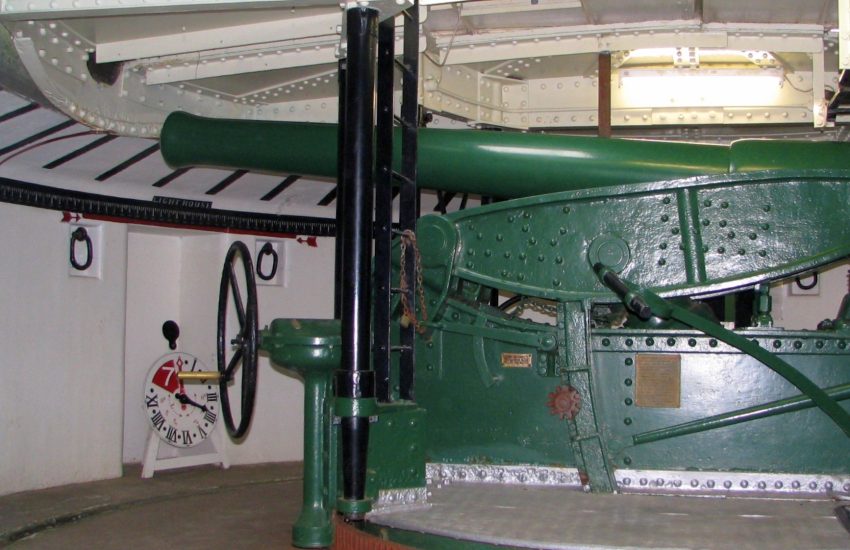
Fort Taiaroa: The Vanishing Gun That Still Guards Otago Harbour


3 thoughts on “Fort Denison: The Last Martello Tower and Sydney’s Island of Punishment”