Stand on the grassy crown of Flagstaff Hill on a clear Newcastle morning, and you will feel why the army wanted this ground. The Tasman Sea stretches out ahead of you, the Hunter River empties into the harbour to your left, and behind the low earthworks and the neat lines of sandstone, a warren of tunnels burrows down into the headland. This is Fort Scratchley, and for ninety years it was the sharp edge of a coastal city that always suspected the sea might one day carry an enemy toward its wharves.
You have probably heard that Australia was never really shelled during the Second World War, that the fighting stayed comfortably far to the north. Fort Scratchley is the quiet, stubborn exception to that story. On one winter night in 1942, the guns on this hill answered a Japanese submarine that had surfaced offshore and opened fire on the town. It remains the only place on mainland Australian soil where a coastal battery fired back at an enemy vessel, and that single detail has kept the fort alive in local memory long after its guns fell silent.
But the fort is far more than one dramatic night. It is a lesson in how a young colony imagined its own vulnerability, how it borrowed British engineering to guard its coal, and how the perceived threat shifted over the decades from Imperial Russia to Imperial Japan without the stones ever having to move. Walk through it today and you are really walking through a century of anxieties, each one written into a different layer of gun mounting, magazine, and observation post.
In the pages ahead you will trace how this headland went from a place where coal was first dug to a fortress designed by one of the British Empire’s leading military engineers, why its underground passages are the part visitors remember most, and how it slipped from active defence into the affectionate role of museum and lookout that it plays today. Bring your imagination and, if you can, your walking shoes.
In This Article
- A Headland That Was Always Watching
- The Russians Are Coming (Or So Everyone Feared)
- The Soldier-Engineer Who Gave the Fort Its Name
- Cutting a Fortress Into the Hill
- The Guns and How They Grew Up
- The Night the War Reached Newcastle
- Into the Underground Maze
- Life for the Soldiers on the Hill
- When the Guns Fell Silent
- Bringing the Fortress Back to Life
- The Fort as Museum and Meeting Place
- What Fort Scratchley Means to Australia
- Standing on the Hill Today
A Headland That Was Always Watching
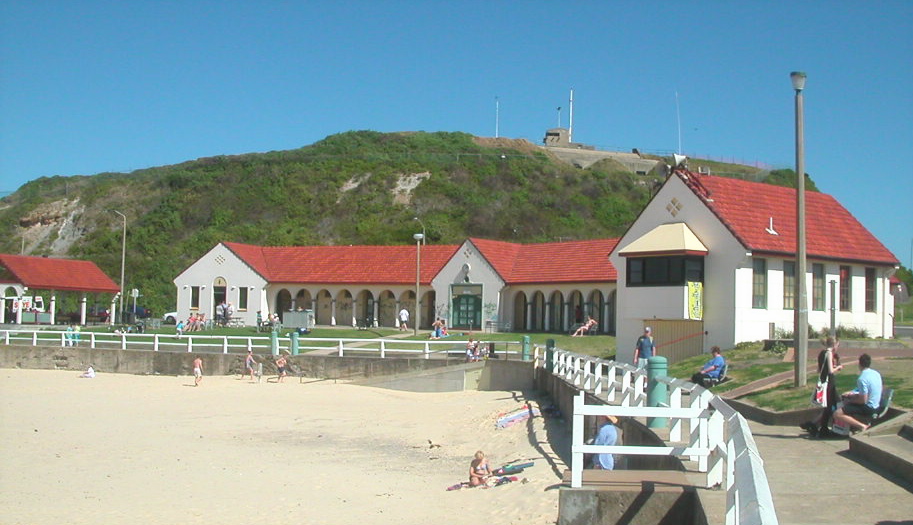
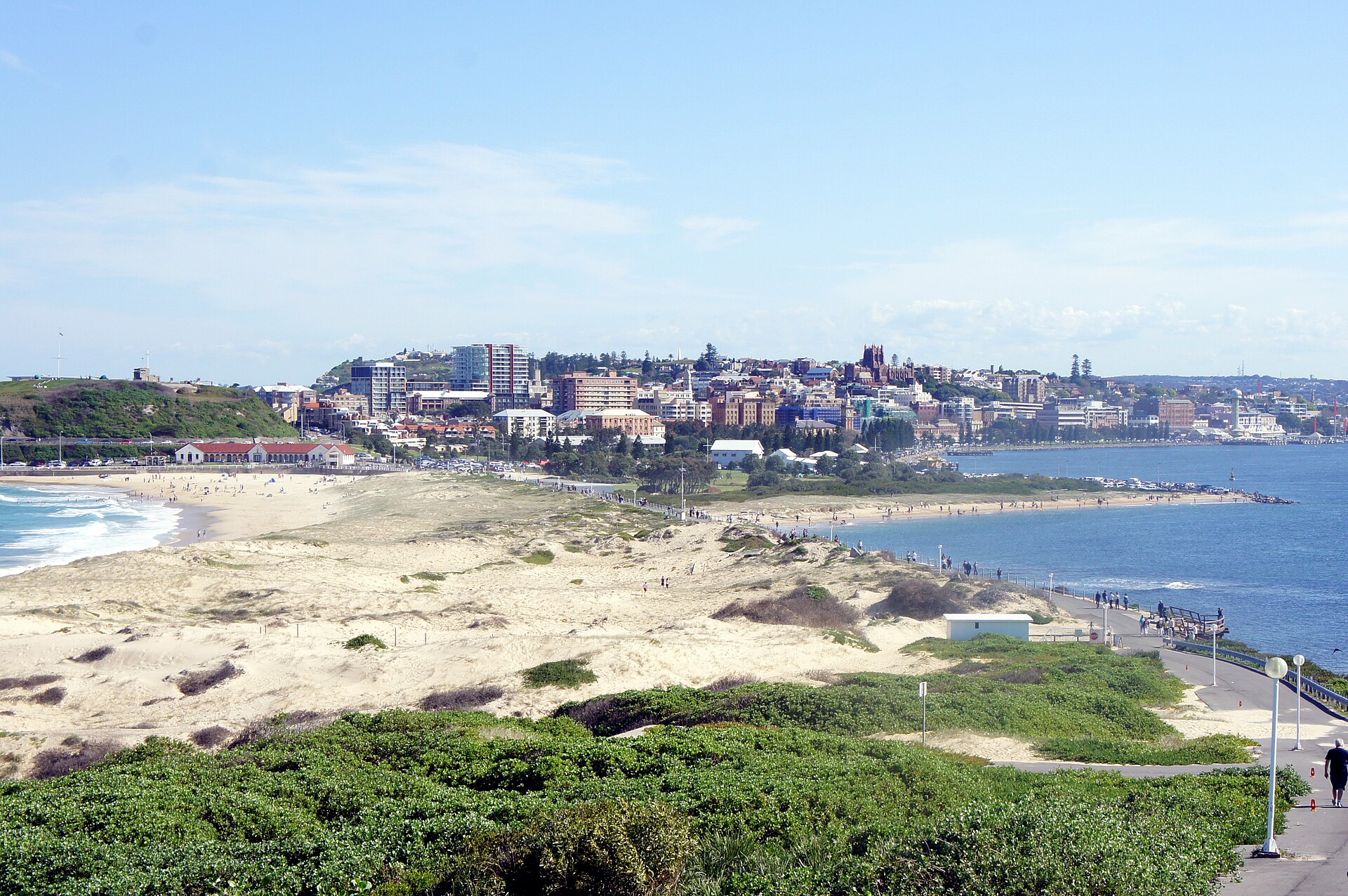
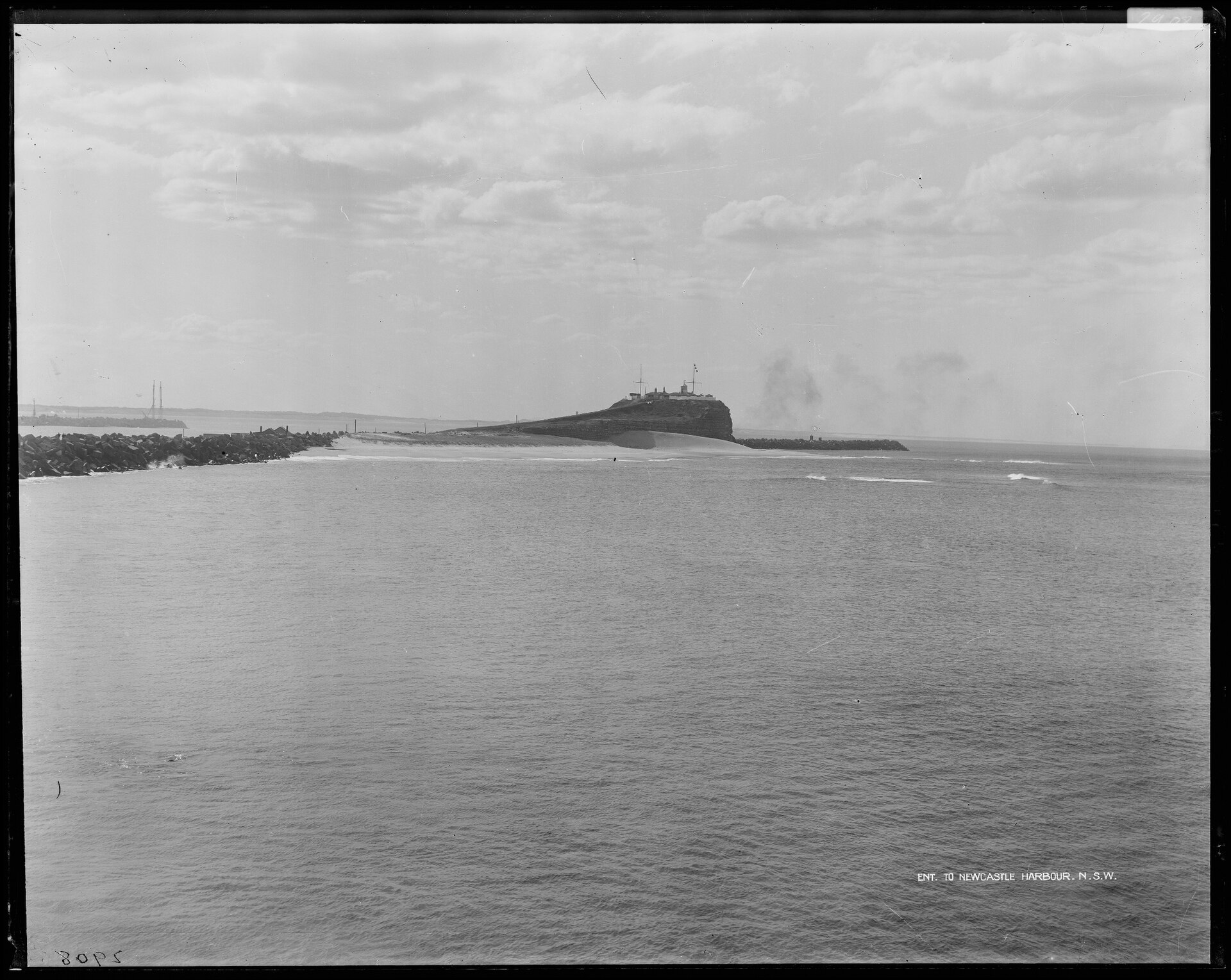
Before there was ever a fort here, there was a hill that people could not stop climbing. Flagstaff Hill rises above the eastern tip of Newcastle where the Hunter River meets the sea, and from its summit you can see almost everything that matters to a port town: the harbour mouth, the open ocean, the approaches that a ship must take to reach the coal wharves. That commanding view is the whole reason the site exists as a place of defence rather than simply a pleasant lookout.
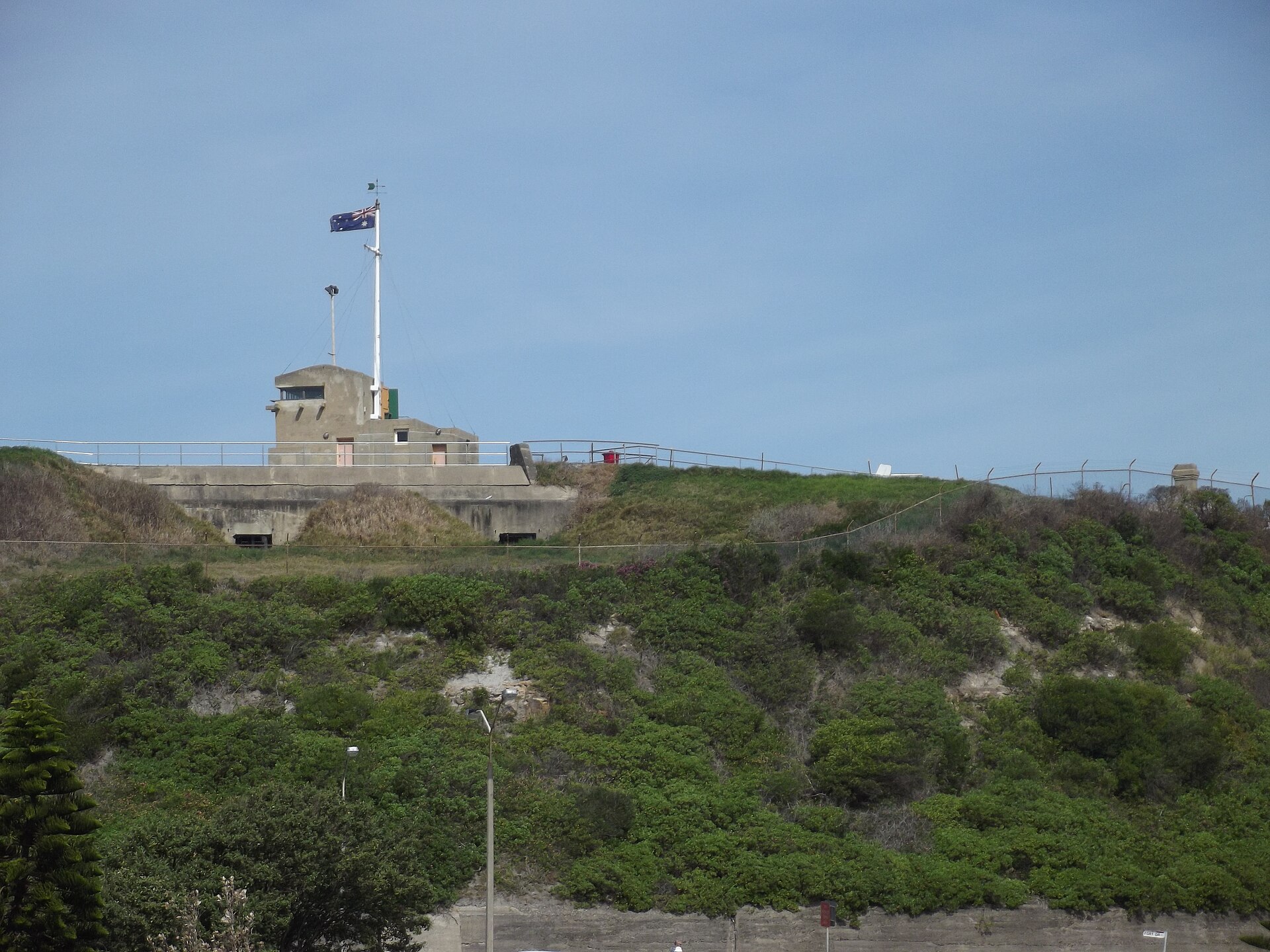
The Awabakal people knew this coast intimately long before any European surveyor sketched it, moving along the estuary and the beaches that the fort would later overlook. When British colonists arrived, they were drawn to the same high ground for the same practical reason, and a signal station and flagstaff were established on the hill to communicate with shipping. The name Flagstaff Hill comes from exactly that early function, a place where flags were run up to pass messages before the fort’s stone walls were even imagined.
Coal is the thread that ties the whole story together. The Newcastle region grew rich and strategically important because of the seams that lay beneath and around it, and a port that ships something valuable is a port that someone, someday, might want to threaten. The colonial authorities understood that a harbour full of coal and commerce was worth protecting, and the highest point over that harbour was the obvious place from which to protect it.
So when you stand on the hill and look out, you are seeing what generations of soldiers and signalmen saw before you. The geography did the arguing. Any commander looking at that headland would have reached the same conclusion, which is why the site drifted so naturally from lookout to signal station to fully armed coastal fortress over the course of the nineteenth century.
The Russians Are Coming (Or So Everyone Feared)
It is easy to assume a fort facing the Pacific was built with Japan in mind, but Fort Scratchley was conceived to meet a very different bogeyman. Through the middle decades of the nineteenth century, the British Empire and Imperial Russia circled one another in a long rivalry, and the colonies of Australia caught the nervousness. Every time relations soured in Europe or Central Asia, colonial newspapers filled with speculation that a Russian cruiser might appear off the coast and demand ransom from an undefended town.
This anxiety was not entirely fantasy. The Russian navy did operate in the Pacific, and its ships occasionally called at Australian ports on ostensibly friendly visits that nonetheless reminded everyone how exposed the colonies were. A single hostile warship arriving off Newcastle could, in theory, bombard the wharves or hold the town to ransom before any help arrived from Sydney. For a community whose wealth sat on the waterfront, that was an intolerable thought.
The result was a wave of coastal defence construction across the Australian colonies in the 1870s and 1880s, a burst of fort-building driven less by any specific declaration of war than by a generalised dread of what might come over the horizon. Fort Scratchley belongs squarely to this moment. It was one node in a defensive network meant to make the colonies too costly to raid, so that any passing raider would think twice before testing the coast.
There is something almost poignant about a fortress built for an enemy who never came. The Russian warships that colonists feared never opened fire on Newcastle, and by the time the fort saw genuine combat the feared adversary had changed nationality entirely. Yet without that Russian scare the hill might have stayed a simple signal station, and the elaborate battery that visitors explore today would never have been carved into the headland.
The Soldier-Engineer Who Gave the Fort Its Name
Forts are usually named for kings, generals, or the ground they stand on, but this one carries the name of the man who shaped its design. Peter Henry Scratchley was a British Royal Engineer, a soldier whose weapon was the survey line and the earthwork rather than the sword, and his career reads like a tour of the Victorian empire’s anxieties about defence.
Scratchley had served in the Crimea, the very theatre where British and Russian arms had clashed, and he brought that hard experience to the problem of defending far-flung colonies. He was sent to Australia as an expert adviser on fortification, tasked with looking at the colonies’ vulnerable ports and recommending how they might be shielded from naval attack. His reports shaped defensive thinking across several colonies, and Newcastle’s headland was one of the sites that received his professional attention.
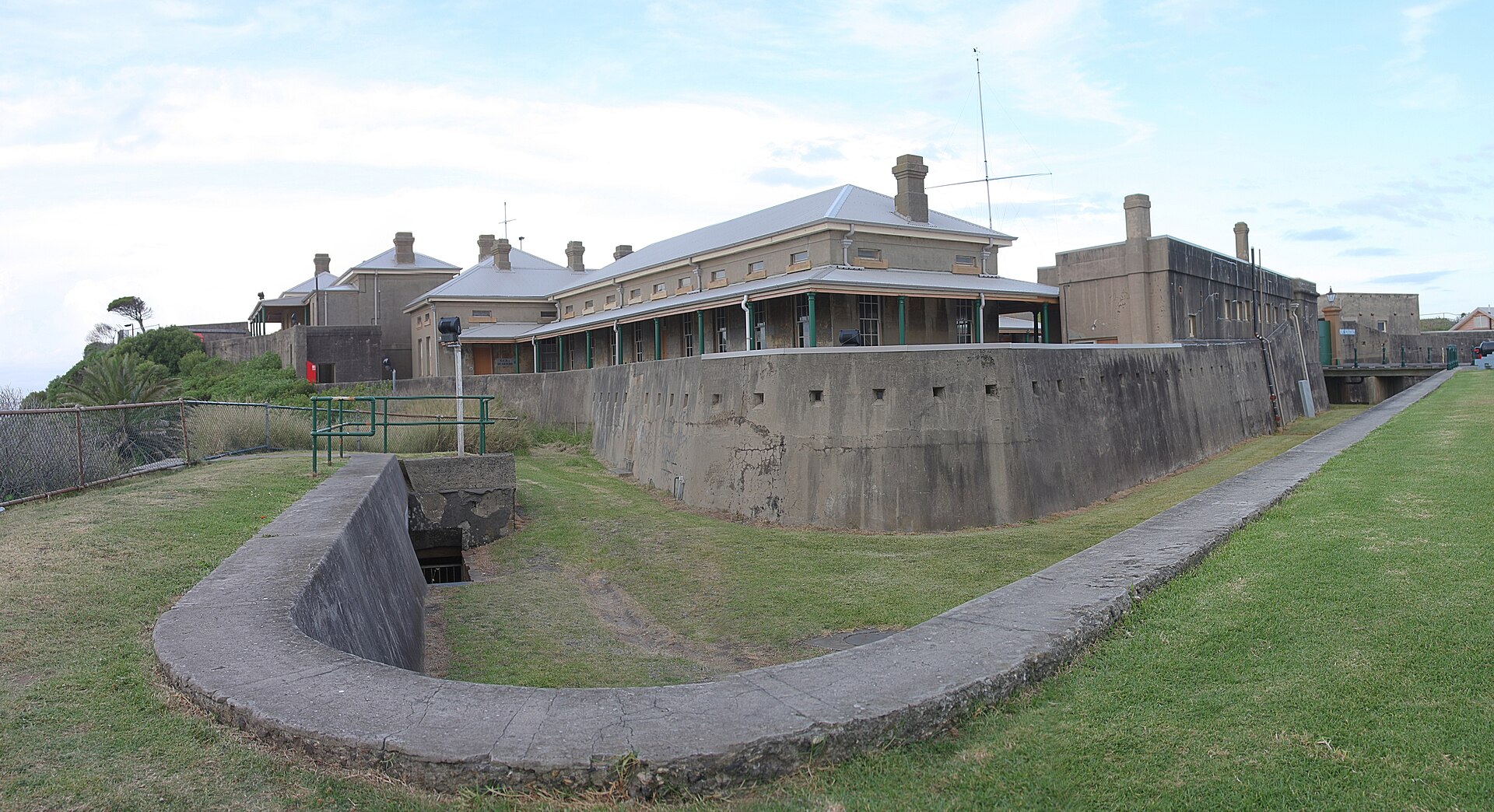
What a coastal engineer of his generation understood was that a modern fort was not a medieval castle with tall walls to be seen and admired. It was meant to be low, hard to hit, and cleverly sunk into the landscape, presenting as little of itself as possible to the guns of an approaching ship while concealing magazines and crews behind earth and stone. The design language of Fort Scratchley reflects that philosophy, all low profiles and protected emplacements rather than dramatic battlements.
Naming the fort after Scratchley was a fitting tribute to the way it was conceived. He did not simply approve a set of plans and move on; his thinking about how colonial ports should be defended is embedded in the fort’s very shape. When you look at the way the gun positions hug the contour of the hill, you are looking at the applied judgement of a soldier who had seen what artillery could do and designed accordingly.
Cutting a Fortress Into the Hill
Turning a survey and a set of anxieties into a working fortress took years of labour, and the finished battery opened in the early 1880s after a long period of construction. The builders were not raising walls so much as reshaping the headland itself, cutting emplacements and passages into the rock and packing earth to absorb the shock of enemy fire. The result was a structure that seems to grow out of the hill rather than sit on top of it.
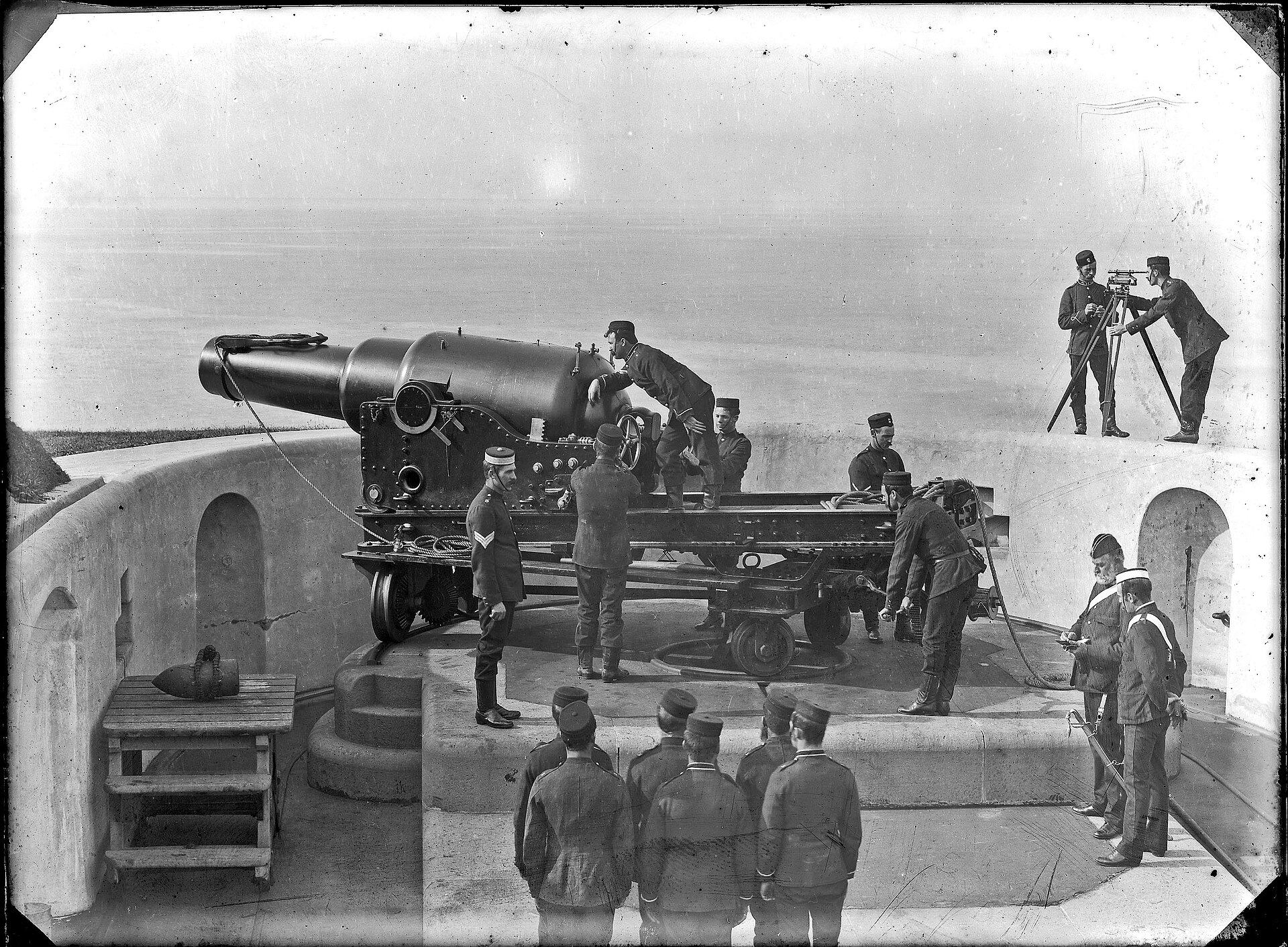
The heart of the fort was its armament, and the first guns installed were heavy rifled muzzle-loaders, massive pieces designed to throw shells at any warship rash enough to come within range. Alongside them sat lighter guns intended to deal with faster, closer threats. Every gun needed its own emplacement, its own supply of ammunition close at hand, and safe routes for the crews to bring shells up from the magazines below without exposing themselves to fire.
That last requirement explains much of what makes the fort so fascinating underground. A coastal battery cannot store its explosives in the open, so the magazines were buried deep and connected to the guns by tunnels and shafts. Powder and shells moved through this protected circulatory system, kept dry and safe until the moment they were needed at the guns above. The engineering that went into this hidden logistics is every bit as impressive as the guns themselves.
Building into a headland also meant contending with the sandstone and the sea air, and the masonry work had to be solid enough to last. The neat courses of stone that visitors admire today were laid to endure both bombardment and the relentless corrosion of a coastal climate. More than a century later the fort still stands, a testament to how carefully those foundations and passages were cut and lined.
When the work was finally complete, Newcastle had transformed its most prominent hill into a genuine military installation. The signal station and flagstaff that had given the place its name now shared the summit with heavy artillery, deep magazines, and quarters for the soldiers who would man them. The town could finally answer the old nightmare of the raiding warship with something more substantial than worry.
The Guns and How They Grew Up
A coastal fort is only as relevant as its guns, and Fort Scratchley’s armament changed steadily as artillery technology raced ahead. The heavy muzzle-loaders that opened the fort’s career were formidable in their day, but the science of gunnery did not stand still, and the men responsible for the colony’s defence were determined not to let the battery fall behind the ships it might have to face.
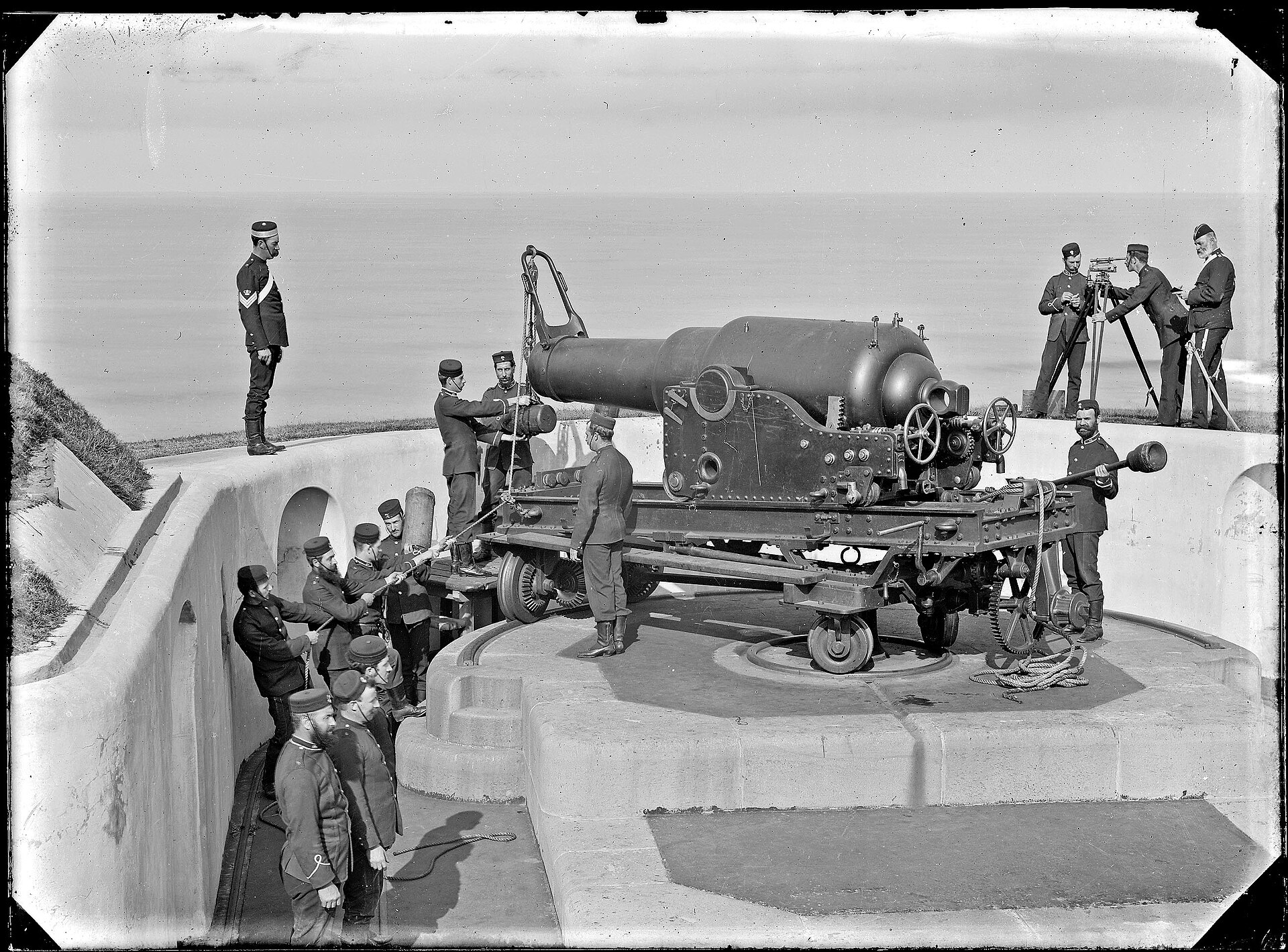
Within a decade of the fort opening, newer guns arrived that used a very different and cleverer principle. Disappearing guns were mounted on carriages that let the barrel rise up to fire and then sink back down behind the protecting parapet to be reloaded out of sight. The recoil of firing did the work of lowering the gun, so that for most of the reloading cycle the weapon and its crew were hidden from an enemy’s view. It was an ingenious answer to the problem of exposing a gun crew to return fire.
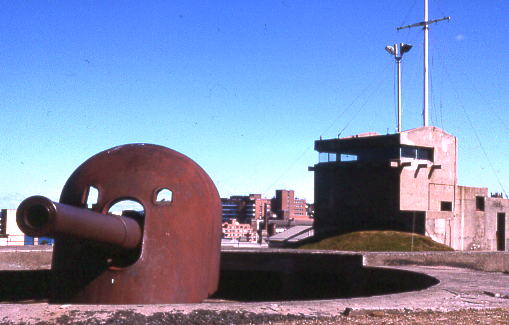
As the twentieth century approached, the fort received breech-loading guns that could be loaded from the rear and fired far more rapidly than the old muzzle-loaders. These modern weapons represented the final major upgrade to the fort’s firepower, and they were the guns that would eventually see the battery’s only real action. Each new generation of armament reflected the changing shape of the naval threat and the relentless improvement in warship design.
Keeping a fort’s guns current was expensive and never-ending work, and the story of Fort Scratchley’s armament is really the story of a defensive establishment trying to stay abreast of an arms race it could never quite win outright. Yet that constant modernisation is exactly what left the battery ready when, decades after its construction, a genuine enemy finally appeared off the coast in the dark.
It is worth remembering that each of these upgrades meant more than simply bolting on a newer weapon. A different gun demanded different mountings, revised magazines, altered ammunition handling, and fresh training for the crews who would operate it. In that sense the fort was never truly finished, but was continually rebuilt in place, its inner workings adapted again and again to keep pace with the evolving science of naval gunnery while its outer silhouette on the hill stayed reassuringly the same.
The Night the War Reached Newcastle
For sixty years the guns of Fort Scratchley waited for an enemy who never arrived, and then in the small hours of a June night in 1942 the wait ended. A Japanese submarine had surfaced off the New South Wales coast, and it opened fire on Newcastle, sending shells toward the industrial and residential heart of the town. After decades of drills and false alarms, the fort’s crews found themselves manning their guns in earnest.
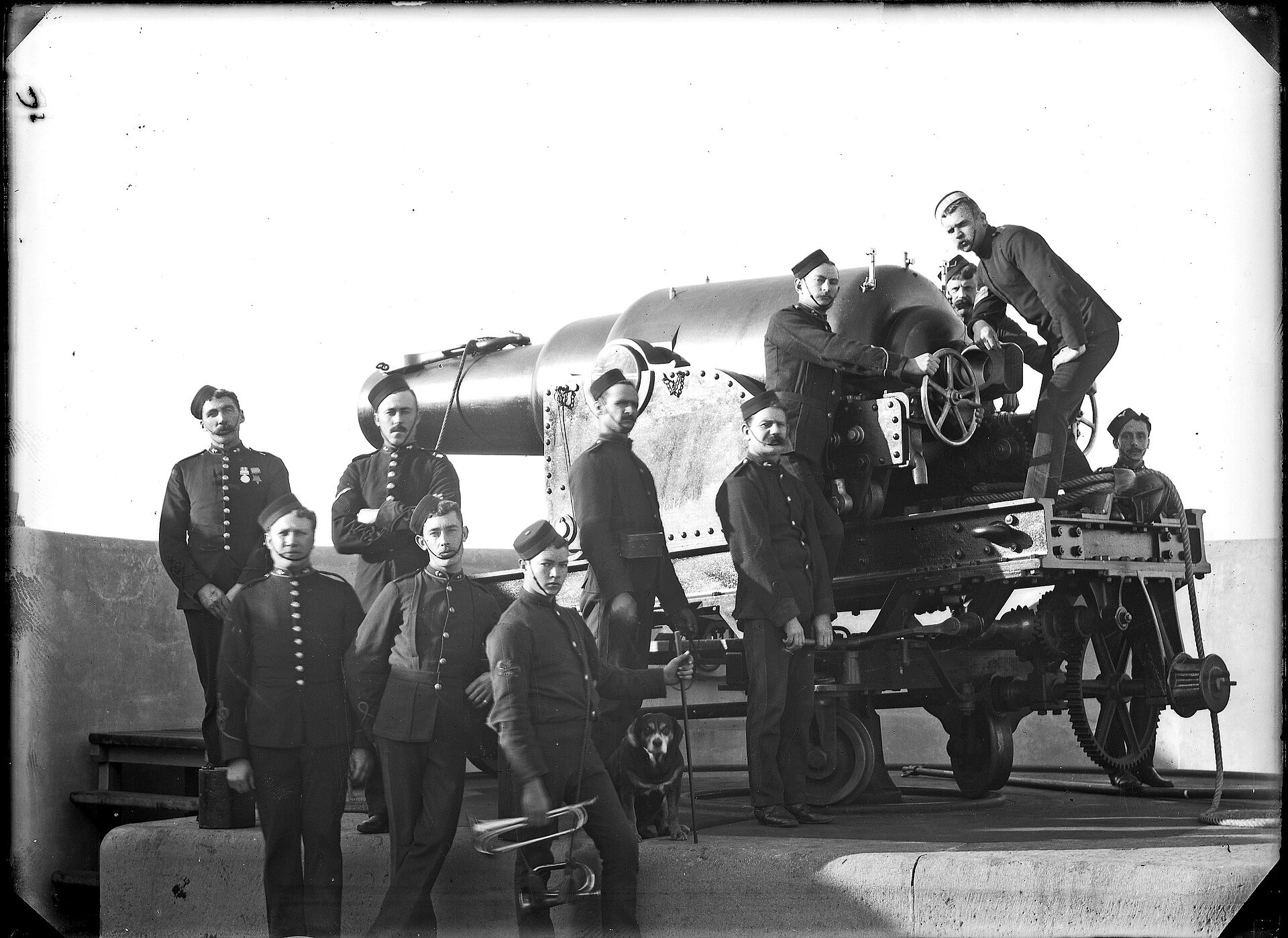
The gunners on the hill responded, their breech-loading guns firing back toward the muzzle flashes out at sea. It was a strange, disorienting engagement fought in darkness against a target that was hard to see and harder to hit, a submarine that could slip beneath the waves whenever it chose. The exchange did not end in the dramatic sinking of the attacker, but it marked something historically unique all the same.
This was the only occasion on which an Australian mainland coastal battery fired at an enemy vessel during the entire war. The fort that had been built to frighten off Russian raiders had, generations later, actually traded fire with a Japanese submarine. For the men on the guns and the townspeople woken by the shelling, the war had stopped being a distant thing reported in newspapers and become a sudden, frightening reality overhead.
The damage from the shelling was limited, but the psychological impact was enormous. Australians had grown up believing their continent was too remote to be attacked directly, and the sight and sound of shells falling on Newcastle shattered that comforting assumption. Fort Scratchley’s brief moment of combat became a symbol of a nation discovering that the ocean which had always protected it could also carry the war right to its doorstep.
Today the events of that night are the story visitors most want to hear, and the fort’s guns and observation posts are shown with that engagement firmly in mind. Standing beside the emplacements and looking out at the dark line of the horizon, it is not hard to imagine the tension of that night, the crews straining to spot a target while the town held its breath behind them.
Into the Underground Maze
Ask anyone who has visited Fort Scratchley what they remember, and the answer is almost always the tunnels. Beneath the grassy surface and the gun emplacements lies a network of underground passages, magazines, and chambers cut into the headland, and descending into them is the part of a visit that feels most like stepping into the past. The air changes, the light fades, and the sheer effort of the excavation becomes suddenly obvious.
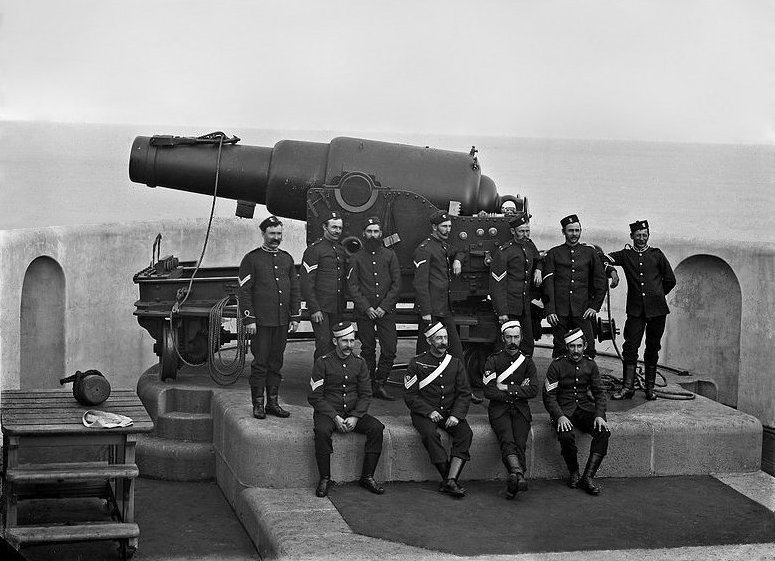
These passages were not built for atmosphere; they were built for survival. The magazines needed to keep gunpowder and shells safe from both enemy fire and the damp, and the tunnels allowed ammunition and men to move between the guns and their supplies without being exposed above ground. Every twist and chamber served a purpose in the fort’s working life, part of the hidden machinery that kept the guns fed and the crews protected.
Walking through them today, you get a visceral sense of what military service on this hill actually involved. The passages are close and cool, and the thought of moving heavy shells through them by hand, perhaps in the confusion of a night action, brings the human labour of coastal defence sharply to life. It is one thing to admire a gun on its mounting and quite another to stand in the tunnel that fed it.
The underground works also connect to the fort’s more recent history, having served the site through its long decades of operation and even finding uses during the Second World War when the threat was real. This layering of function over time is part of what makes the tunnels so evocative. They are not a single moment frozen in stone but a space that was used, adapted, and lived in across the fort’s entire working life.
For the site’s custodians, the tunnels are both a treasure and a responsibility, requiring careful maintenance so that visitors can explore them safely. The chance to walk beneath a coastal fortress, to see where its explosive heart was kept, is a rare kind of encounter with military history, and it is the reason so many people leave Fort Scratchley talking about what lies below rather than what stands above.
Life for the Soldiers on the Hill
It is easy to think of a fort as a collection of guns and walls, but for the men who served here it was a place of daily routine, of drills and duties and long stretches of waiting for an enemy who mostly refused to appear. Understanding Fort Scratchley means picturing the ordinary rhythms of garrison life as much as the rare moments of action.
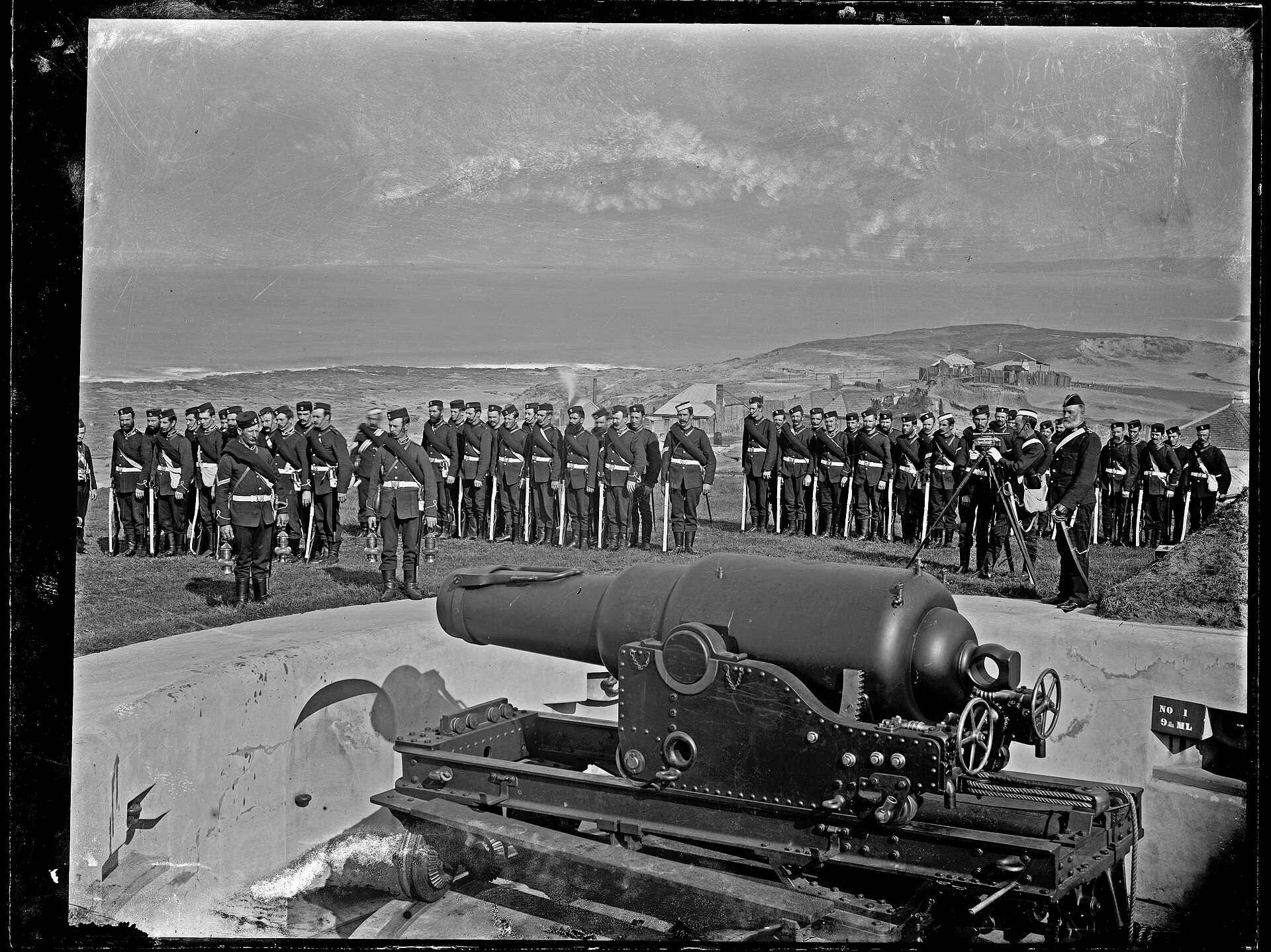
The soldiers who manned the battery had to be trained to work their guns with speed and precision, and much of their time was spent in exactly that kind of practice. Loading, aiming, and firing a heavy coastal gun was a complex team effort, and a crew had to move like a single organism if it was to hit a moving ship. The regular thump of practice firing would have been a familiar sound to the townsfolk living in the streets below the hill.
Beyond the guns there was the endless work of maintaining a military establishment exposed to salt air and weather. Metal corroded, masonry needed attention, and equipment had to be kept ready at all times against the possibility that the alarm might finally be genuine. Life on the hill combined the discipline of soldiering with something like the patient upkeep of a lighthouse, a constant readiness for a moment that might never come.
There was community here too. The fort was staffed across generations by local men as well as regular soldiers, and it wove itself into the life of Newcastle in a way that a remote fortress never could. People in the town could see the hill, hear its guns at practice, and know that the soldiers up there were their neighbours. That closeness is part of why the fort is remembered with such affection today rather than as a cold instrument of war.
When the Guns Fell Silent
Every fortress eventually outlives the threat it was built to meet, and Fort Scratchley was no exception. As warfare changed and the nature of coastal defence shifted, the idea of a fixed battery firing at ships from a headland began to look increasingly out of step with modern military reality. Aircraft, missiles, and the whole transformed landscape of twentieth-century warfare made the old coastal guns steadily less relevant.
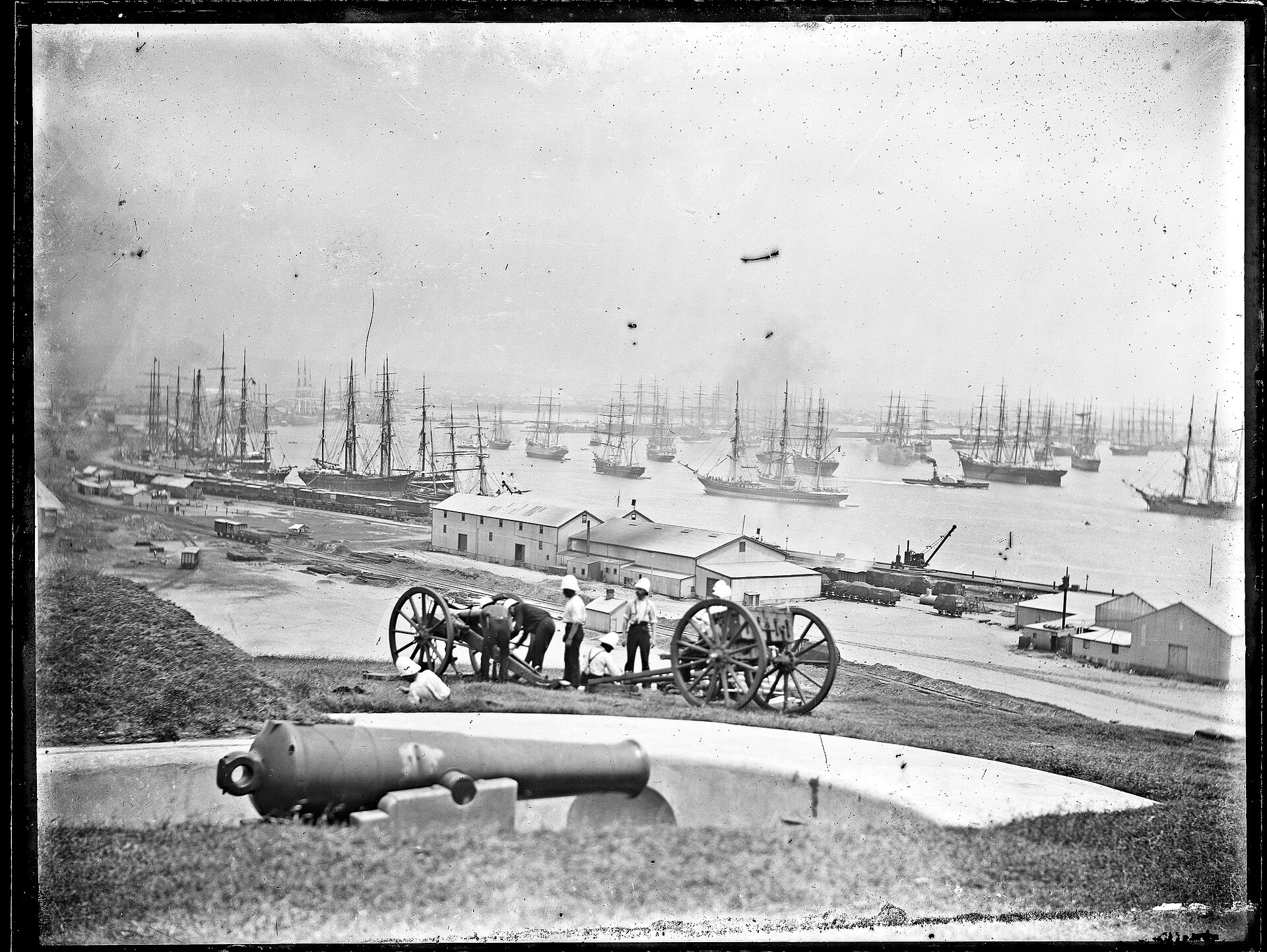
The army maintained the site through the middle of the century, but the writing was on the wall for coastal artillery everywhere. A fort designed to stop a warship steaming toward the harbour had little to offer against the kinds of threats that dominated the later part of the century. Eventually the military presence on the hill wound down and the army left the site, closing the book on nearly a hundred years of active defence.
The end of the fort’s military career could easily have meant the end of the fort itself. Redundant fortifications across the world have been demolished, left to decay, or swallowed by development, their stones carted away and their tunnels sealed. A prime piece of headland overlooking a growing city is exactly the kind of place where a historic structure can quietly disappear under the pressure of new uses.
That Fort Scratchley survived is a credit to the people who recognised what it represented. Instead of being erased, the fort passed into a new phase of its life as a heritage site, its guns preserved rather than scrapped and its tunnels kept open rather than filled. The transition from working battery to protected monument was not automatic, and it required real effort from those who understood that this hill held something worth keeping.
Bringing the Fortress Back to Life
Preserving an old fort is one thing; restoring it so that visitors can genuinely experience it is another, and Fort Scratchley underwent a major program of restoration to reach the condition it enjoys today. The work was substantial, addressing the wear of decades and the damage that any neglected structure accumulates, and it turned a fragile relic into a place that could safely welcome the public.
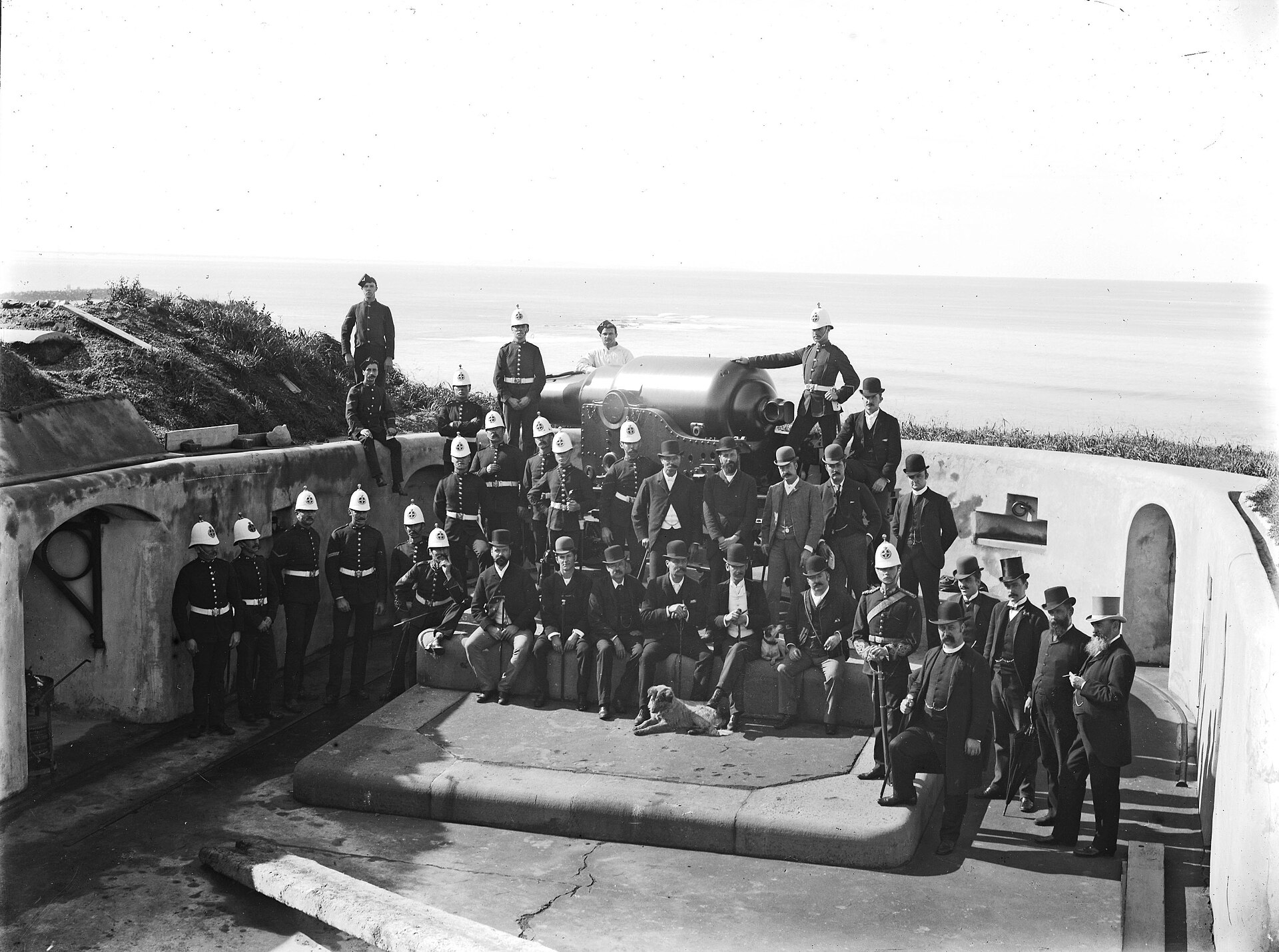
Restoration of a site like this is a delicate balancing act. The custodians had to stabilise and repair without erasing the authenticity that makes the fort worth visiting, keeping the marks of age and use while making the structure sound. Tunnels had to be made safe, masonry consolidated, and the guns and emplacements conserved so that they could tell their story without falling apart in the process.
Some of the fort’s guns received particular care, restored to a condition that allows them to be fired on special occasions, filling the hill once again with the sound that generations of Newcastle residents once knew. There is something powerful about hearing a coastal gun speak, even in ceremony, on the very spot where such guns once waited for a real enemy. It collapses the distance between the visitor and the fort’s working past.
The reopened fort is not a sterile museum piece kept behind glass. It is a place you can walk through, descend into, and stand upon, feeling the wind off the sea from the same parapets where soldiers once scanned the horizon. That commitment to keeping the fort a living, physical experience rather than a static display is what makes a visit here linger in the memory.
The Fort as Museum and Meeting Place
Today Fort Scratchley wears its history lightly, welcoming visitors as a museum and public site rather than bristling as a fortress. The transformation from military installation to community treasure is complete, and the hill that was once off-limits to civilians is now one of the most rewarding places in Newcastle to spend an afternoon. The guns still point out to sea, but the crowds around them come to learn and to look rather than to fight.
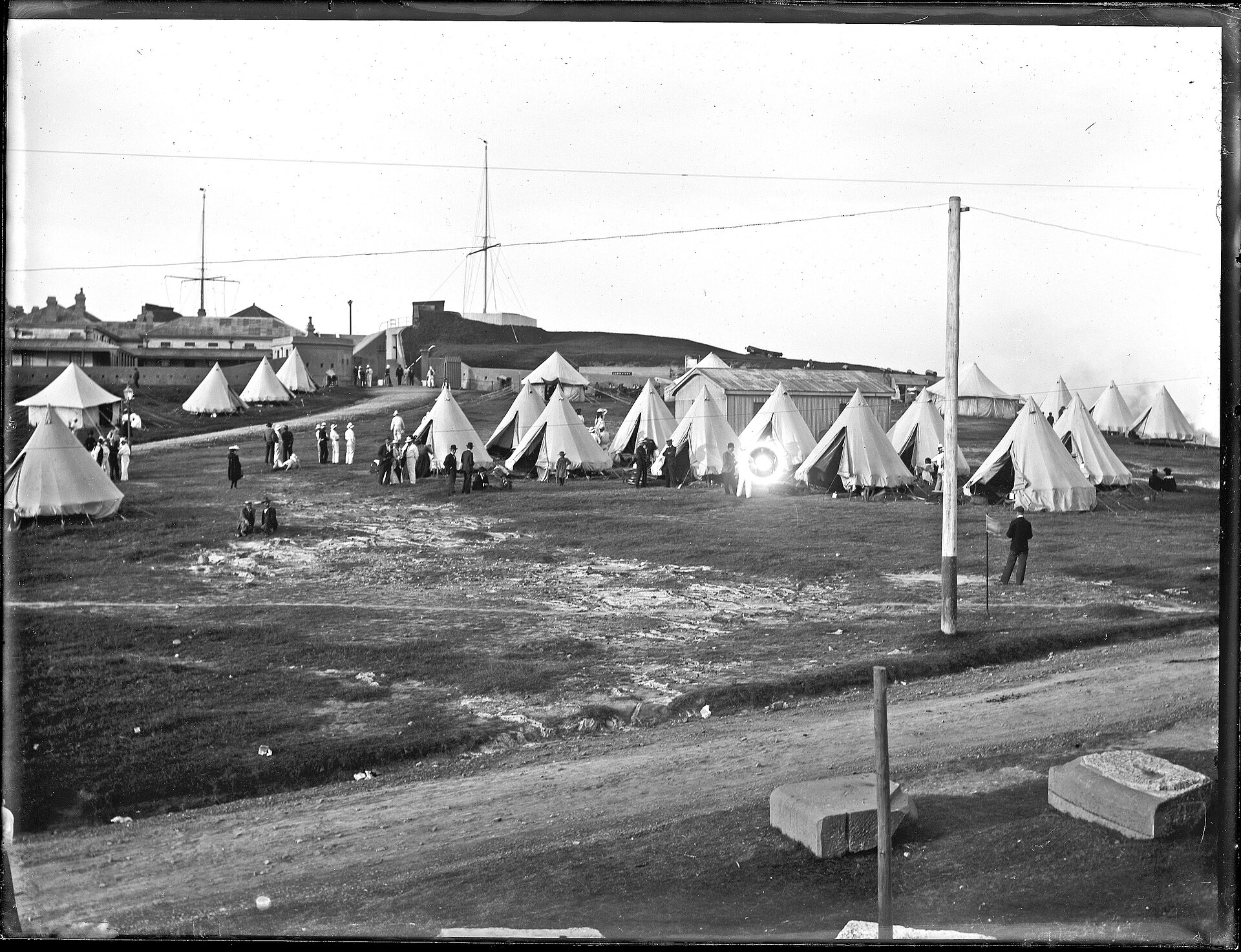
The museum tells the fort’s story through its rooms and displays, helping visitors make sense of the guns, the tunnels, and the events of that famous night in 1942. Guided experiences take people underground into the passages, where the human reality of coastal defence becomes vivid in a way no display case can quite manage. It is history you can touch, walk through, and feel in the cool of the tunnels.
The site is also simply one of the finest vantage points on this stretch of coast. From the fort’s heights the view sweeps across the harbour mouth, along the beaches, and out over the open Tasman Sea, and people come as much for that panorama as for the history. On a fine day the hill is dotted with visitors watching ships enter the harbour or whales pass offshore, enjoying the same commanding outlook that once made the site so valuable to the military.
Much of the work of keeping the fort alive falls to dedicated volunteers and a historical society whose members care deeply about the place. Their knowledge and enthusiasm turn a visit from a walk among old guns into an encounter with people who can bring the fort’s stories to life. The affection that Newcastle feels for its fort is embodied in the men and women who give their time to keep its history accessible.
For a visitor, the practical appeal is straightforward. You can explore the surface and the depths, absorb a genuinely significant slice of Australian wartime history, and reward yourself with one of the best views in the region, all in a single visit. Few historic sites manage to combine substance and spectacle so effortlessly.
What Fort Scratchley Means to Australia
Fort Scratchley occupies a place in the Australian imagination that is out of all proportion to its size. It is not a vast citadel or the scene of a great battle, yet it holds a unique distinction as the only mainland coastal battery to have engaged an enemy vessel in wartime. That single fact has anchored the fort in the national story of the Second World War and the moment when the conflict became frighteningly real for people at home.
The fort also stands as a monument to a particular kind of colonial fear, the dread of the raider from the sea that drove so much nineteenth-century defensive construction. In its stones you can read the anxieties of a young society perched on the edge of a vast ocean, aware of its distance from help and determined to make itself too costly to attack. That psychology shaped Australian coastal defence for generations, and Fort Scratchley is one of its most complete surviving expressions.
There is a quieter significance too, in the way the fort has been embraced by its community. Many old fortifications become forgotten curiosities, but this one has been folded into the identity of Newcastle, remembered and maintained and visited with genuine warmth. The story of the fort’s survival is really the story of a city deciding that its past was worth keeping, tunnels and guns and all.
Perhaps that is the deepest lesson of the hill. A fortress built out of fear became, in the end, a place of curiosity, learning, and pride, its guns fired now only in ceremony and its tunnels echoing with the footsteps of schoolchildren rather than soldiers. The threat that built it never fully materialised in the way its designers imagined, and what remains is a beautifully preserved window into how a nation once imagined its own defence.
Standing on the Hill Today
If you make the trip to Fort Scratchley, give yourself time to experience it as more than a quick photo stop. The pleasure of the place lies in moving through its layers, from the open summit with its sweeping views down into the cool dark of the tunnels and back up again, letting the contrast between the airy heights and the buried depths do its work on your imagination.
Start on the surface, where the guns sit on their emplacements and the whole reason for the fort’s existence becomes obvious the moment you take in the view. From here you command the harbour mouth and the open sea, and you can picture the sentries and gun crews scanning that same horizon for the ships they were trained to fear. The panorama alone rewards the climb.
Then descend, because the tunnels are the experience that people carry away with them. Below ground the fort reveals its working heart, the magazines and passages that kept the guns supplied, and the sudden intimacy of those close stone corridors makes the history feel immediate and physical. Take your time down there and let the quiet and the cool sink in.
View the exact location on Google Maps
Above all, let the fort tell you its story in its own way. This is a place where a colonial fear of raiders, a soldier-engineer’s careful design, and a single dramatic night of wartime action all sit together on one windswept hill above the sea. Few sites let you hold so much history in a single visit, and fewer still reward you with a view this good while you do it. Fort Scratchley is Newcastle’s guardian turned storyteller, and it is well worth the time it asks of you.
Castles Nearby
If Fort Scratchley has whetted your appetite for coastal fortresses and island strongholds, two more of the Southern Hemisphere’s most striking defensive sites are worth your time:
You May Like

Fort Glanville: Australia’s Most Complete Colonial Fortress


2 thoughts on “Fort Scratchley: The Hill That Fired Back at a Japanese Submarine”