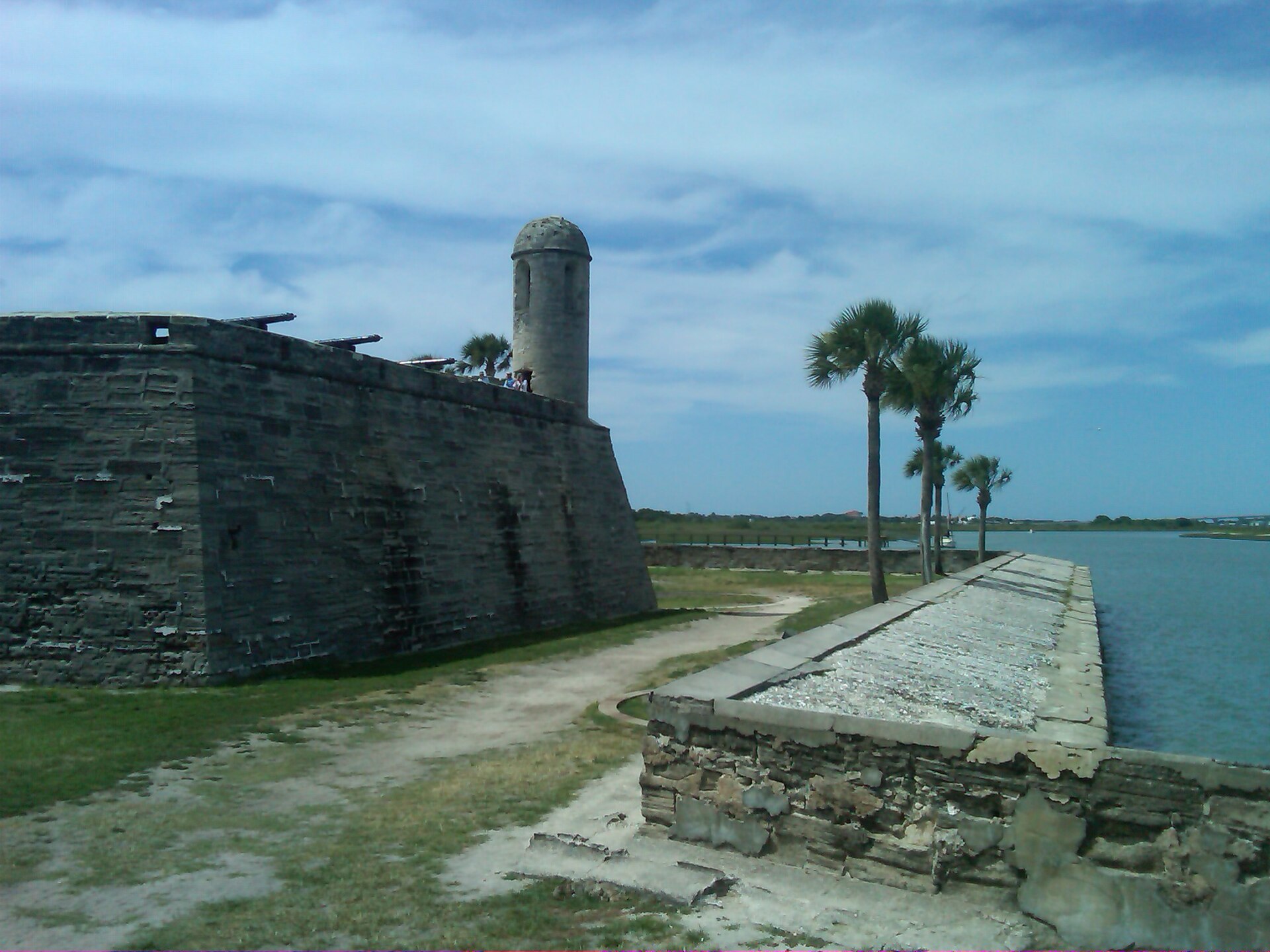
In the old city of St. Augustine, Florida, on the shore of Matanzas Bay, stands a fortress unlike any other in the United States. The Castillo de San Marcos is the oldest masonry fort in the continental country, a low, four-pointed star of pale, sea-worn stone that has guarded this coast for more than three centuries. Its walls are made of a strange and wonderful material, and they have a secret that made them almost impossible to destroy.
This was the northern outpost of Spain’s vast American empire, built to protect the oldest continuously inhabited European-founded city in what is now the United States. St. Augustine and its fort guarded the treasure fleet route and marked the frontier between Spanish Florida and the expanding English colonies to the north. Time and again, English armies came to take it, and time and again the Castillo held firm.
In this guide you will explore the whole story of this remarkable stronghold: why the Spanish built it, the extraordinary shellstone that gives its walls their almost magical resilience, the great sieges it withstood, the many flags that have flown over it, its darker later role as a prison for Native Americans, and its life today as a beloved national monument. It is a place where the deep colonial history of America is written in stone.
A word before you begin: much of the wonder of the Castillo lies in a paradox. Here is a fort that was never conquered in battle, yet changed hands peacefully several times; a fortress of soft, crumbly shellstone that proved harder to destroy than the toughest granite; a place of both refuge and imprisonment. Holding these contradictions in mind will help you appreciate why this modest star fort in Florida is one of the most fascinating monuments in America.
In This Article
- The Fort of America’s Oldest City
- The Secret of the Coquina Walls
- Building the Star Fort
- The Siege of 1702
- The Siege of 1740
- A Fort of Many Flags
- The Fort Becomes American
- A Prison for Native Peoples
- Art Born in Captivity
- Exploring the Fort’s Design
- From Fort to National Monument
- Why the Castillo Matters
- Visiting the Castillo de San Marcos
The Fort of America’s Oldest City
St. Augustine holds a special place in the history of the United States as the oldest continuously inhabited European-founded settlement in the continental country, established by the Spanish in the sixteenth century, decades before the English settled Jamestown or the Pilgrims reached Plymouth. The Castillo de San Marcos is the great stone guardian of this venerable city.
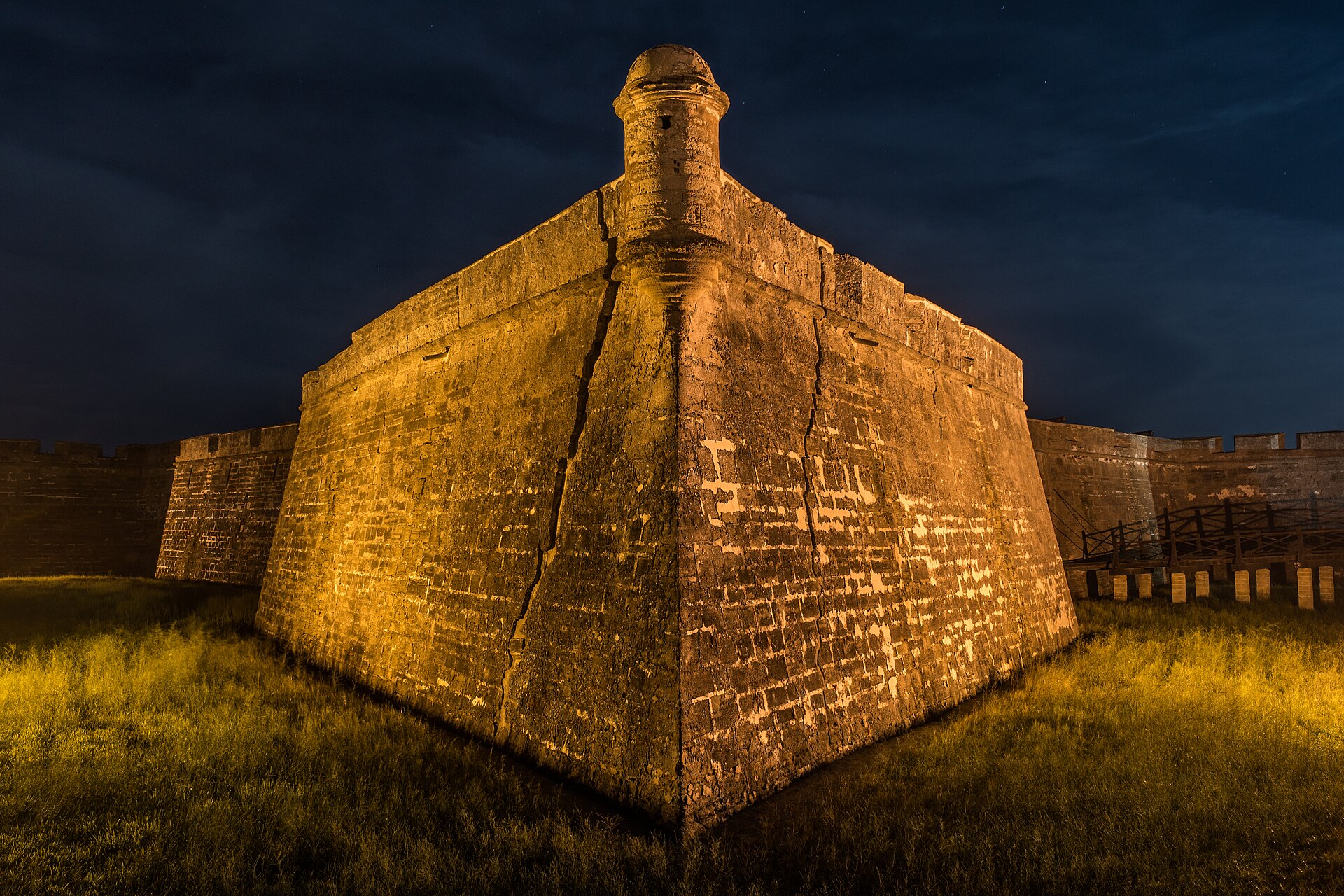
For the Spanish, St. Augustine was a vital strategic outpost. It sat on the Atlantic coast of Florida, guarding the route by which the treasure fleets sailed home to Spain, and it marked the northern frontier of Spanish power in North America. Protecting this settlement was essential to Spain’s whole position in the region, and that is why they eventually invested in building a fort of stone.
Before the Castillo, St. Augustine had been defended only by a succession of wooden forts, which were vulnerable to fire, rot, and enemy attack. After the settlement suffered raids and threats, the Spanish crown finally resolved to build a permanent, fireproof fortress of masonry, a decision that gave rise to the extraordinary structure that still stands guard over the city today.
It is worth pausing on just how far back this history reaches. When the Spanish were already well established at St. Augustine and building in stone, much of what would become the United States was still unknown to Europeans or only just being settled. The Castillo therefore stands as a reminder that the American story did not begin in New England but had deep roots in the Spanish presence along the southern coasts.
The Spanish founded St. Augustine as part of a determined effort to secure their claim to Florida and to protect the sea lanes their treasure fleets used on the voyage home. From the beginning, then, the settlement was a strategic asset as much as a colony, and the eventual decision to guard it with a great stone fort was the logical culmination of that founding purpose.
The Secret of the Coquina Walls
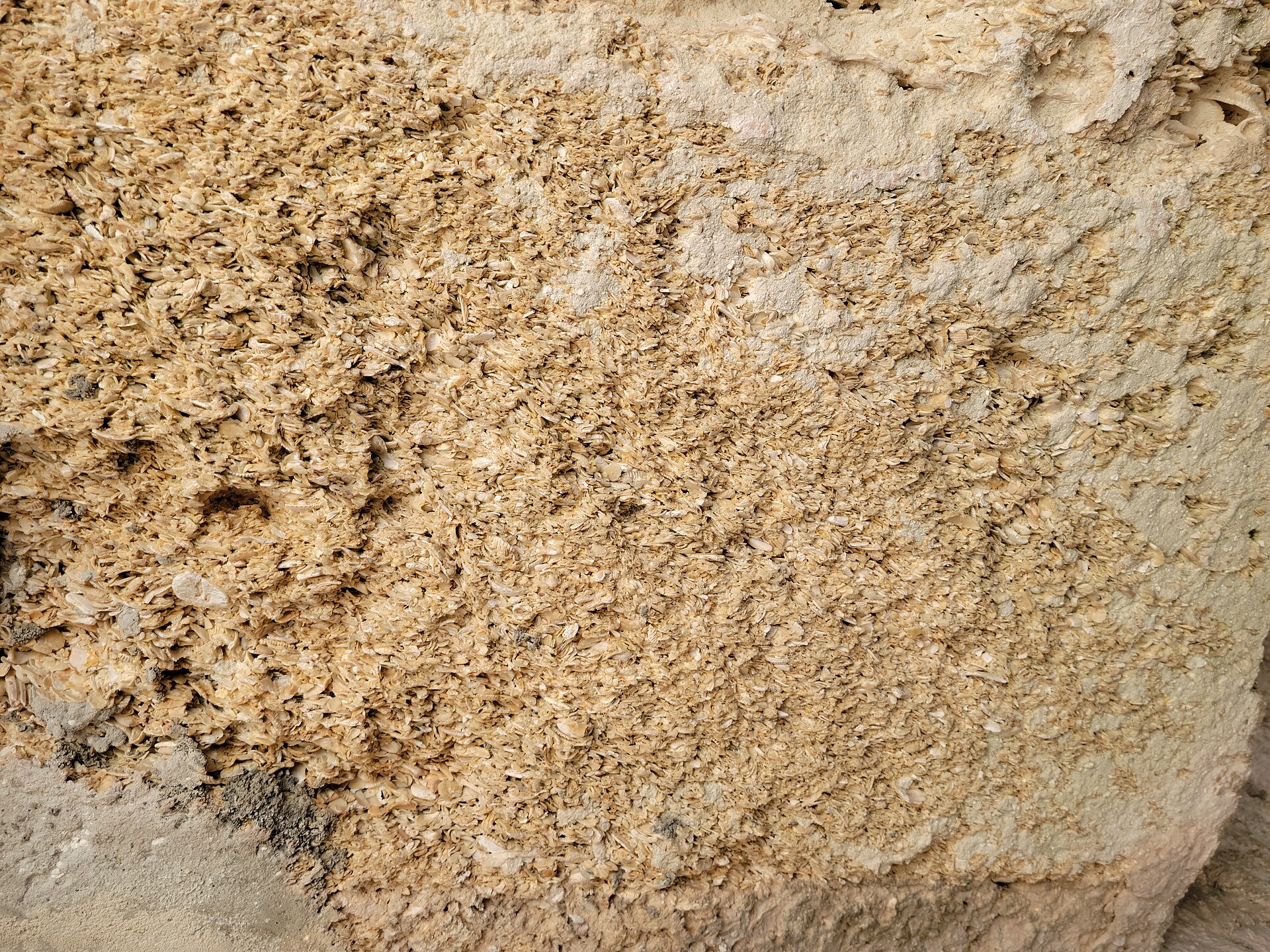
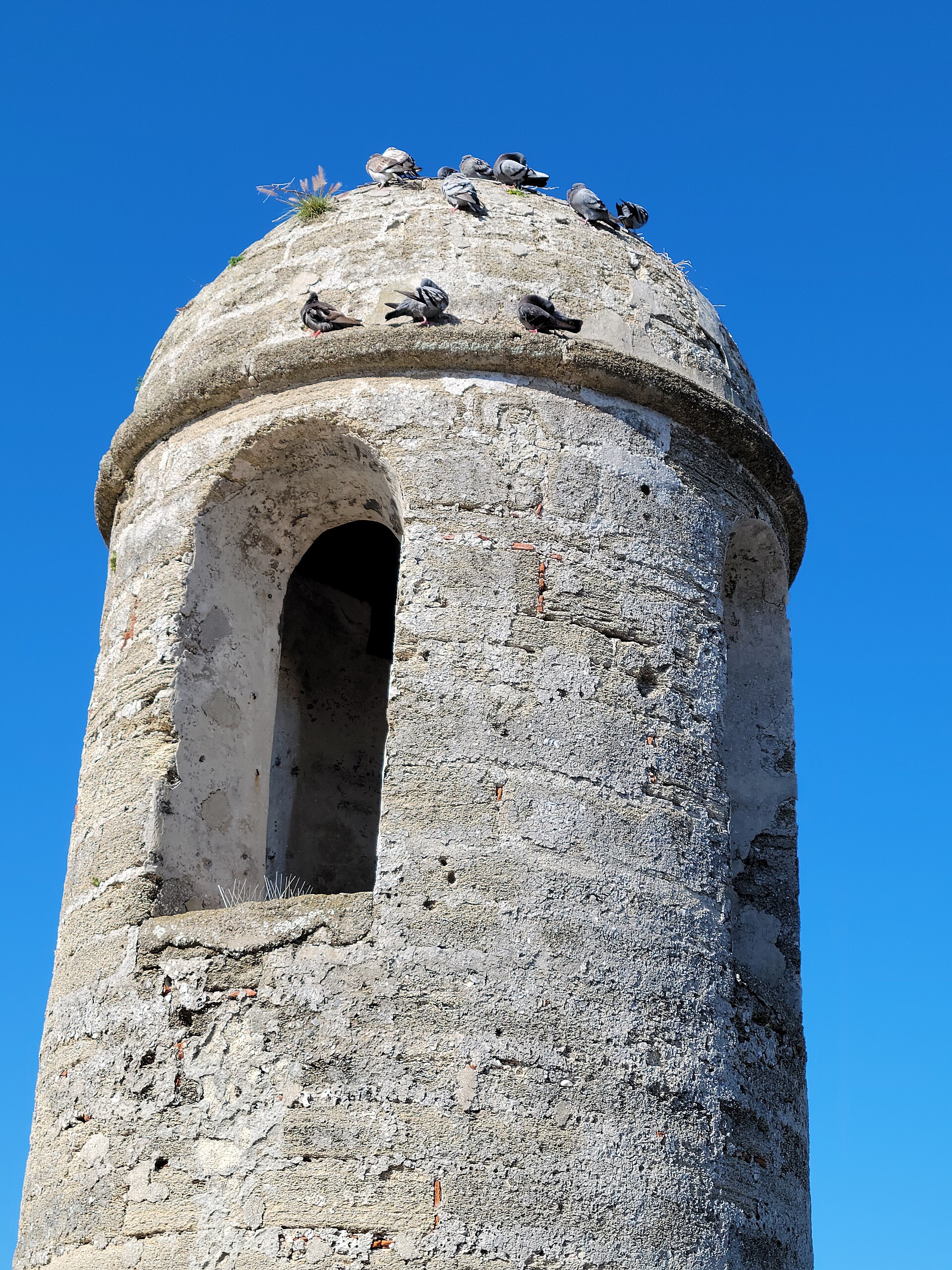
The most remarkable thing about the Castillo de San Marcos is the material from which it is built: coquina, a soft, porous stone formed from countless tiny seashells cemented together over ages. Quarried from a nearby island and hauled across the bay, this humble shellstone gave the fort a property that would prove almost miraculous in battle.
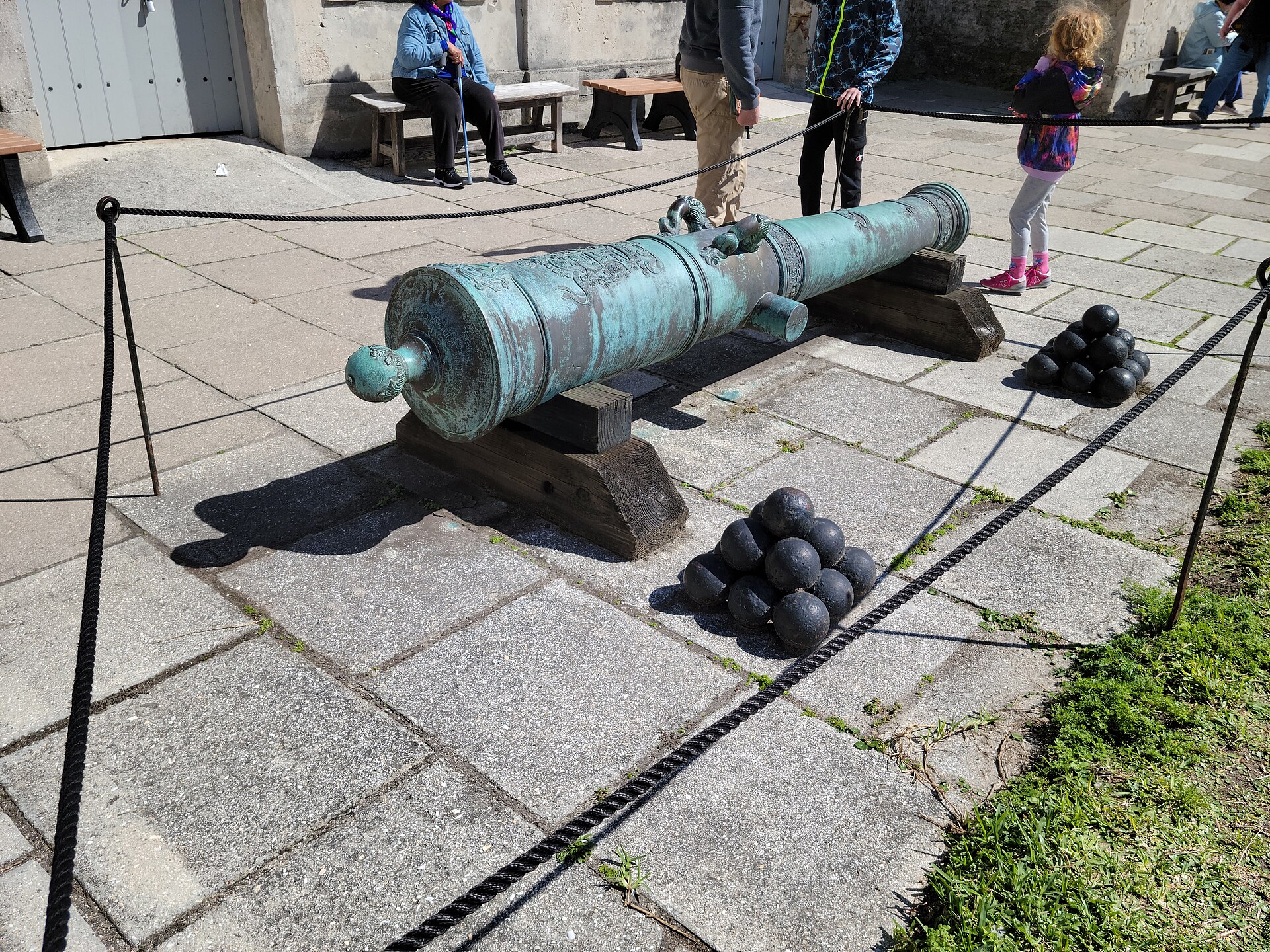
Because coquina is soft and full of tiny air pockets, it does not shatter when struck by cannon fire the way harder stone does. Instead, the walls absorb the impact of cannonballs, which sink into the stone or bounce off rather than breaking it apart. Attackers who bombarded the Castillo found to their astonishment that their shot seemed to be swallowed by the walls, doing little real damage.
This unexpected quality turned a modest local building material into one of the fort’s greatest strengths. Enemies armed with the most powerful cannon of the age could pound the walls for days and fail to breach them. The secret of the coquina is a large part of why the Castillo de San Marcos was never taken by force, and it remains one of the most fascinating aspects of the fort’s story.
Quarried from a nearby island and ferried across the water, the coquina had to be cut while still damp and allowed to harden in the walls, a process the Spanish builders understood well. The stone’s shell origins are visible up close, where you can pick out the tiny fragments of ancient sea life pressed together into the fabric of the fort, a wall quite literally built from the sea itself.
Engineers and historians have marvelled at how a material so seemingly unpromising became the fort’s salvation. Harder stone would have cracked and spalled under sustained bombardment, sending deadly fragments flying, but the yielding coquina simply swallowed the shot. It is one of history’s great accidents that the only stone readily available at St. Augustine turned out to be almost ideally suited to withstand cannon fire.
To touch the walls today is to touch millions of years of the sea’s slow work, compressed into stone and then shaped by human hands into a fortress. Few building materials carry so vivid a story, and the coquina of the Castillo de San Marcos remains one of the most beloved and remarkable features of the fort, a natural wonder pressed into the service of human defence.
Building the Star Fort
Construction of the Castillo de San Marcos began in 1672 and continued over more than two decades, with the main work completed by 1695. It was a major undertaking for a frontier settlement, requiring the quarrying and transport of great quantities of coquina and the skilled labour of engineers, masons, and workers over many years.
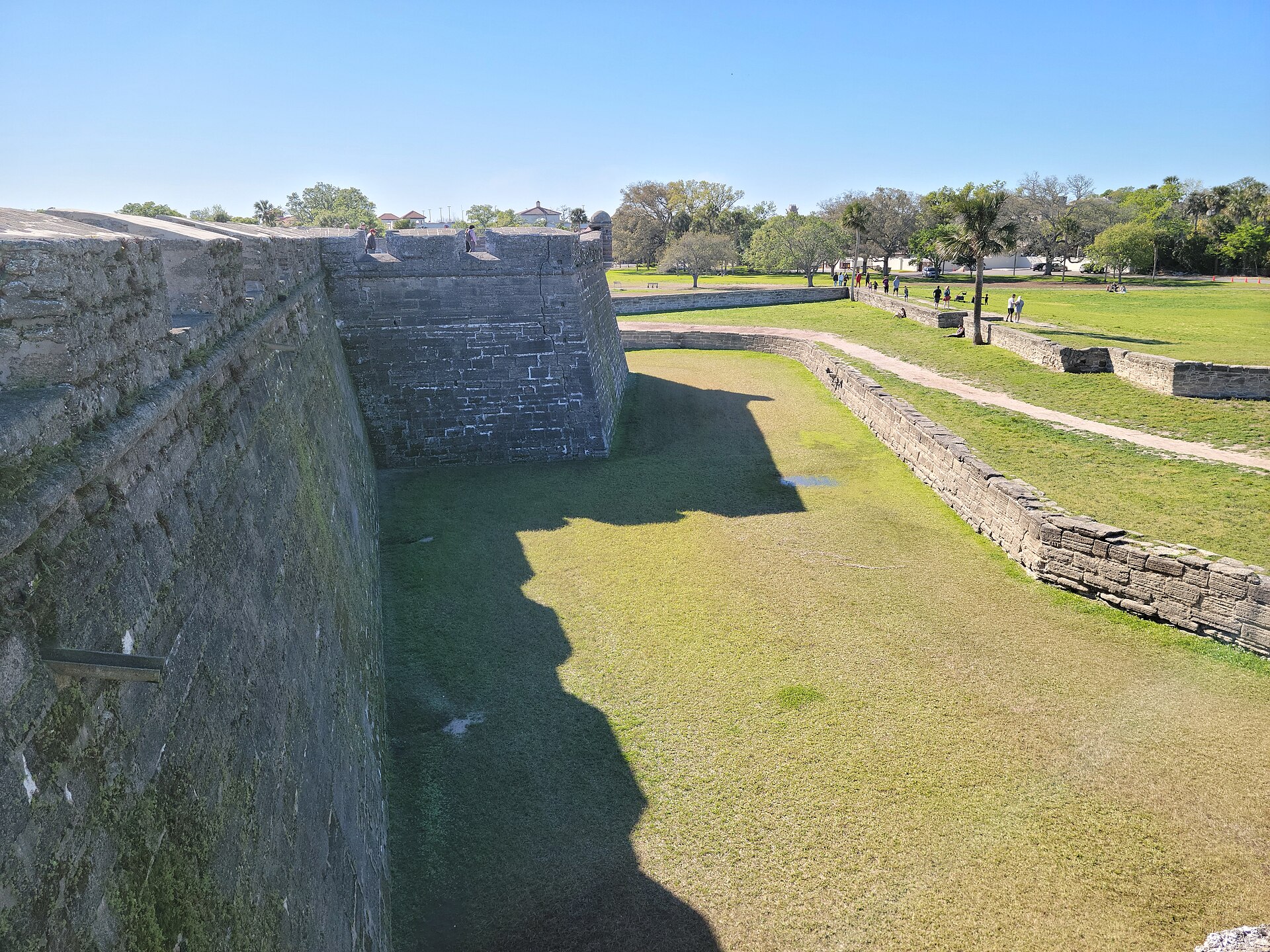
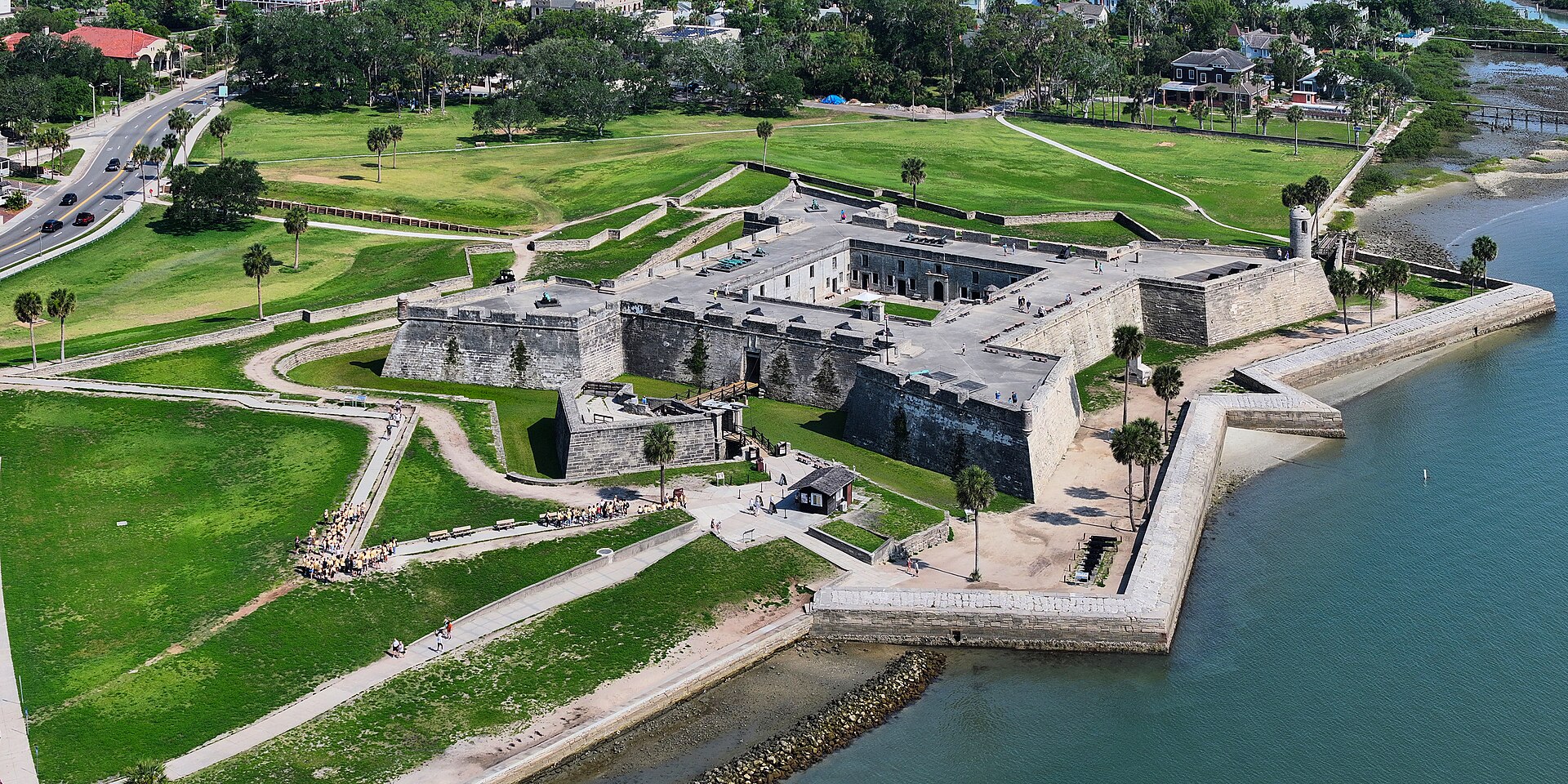
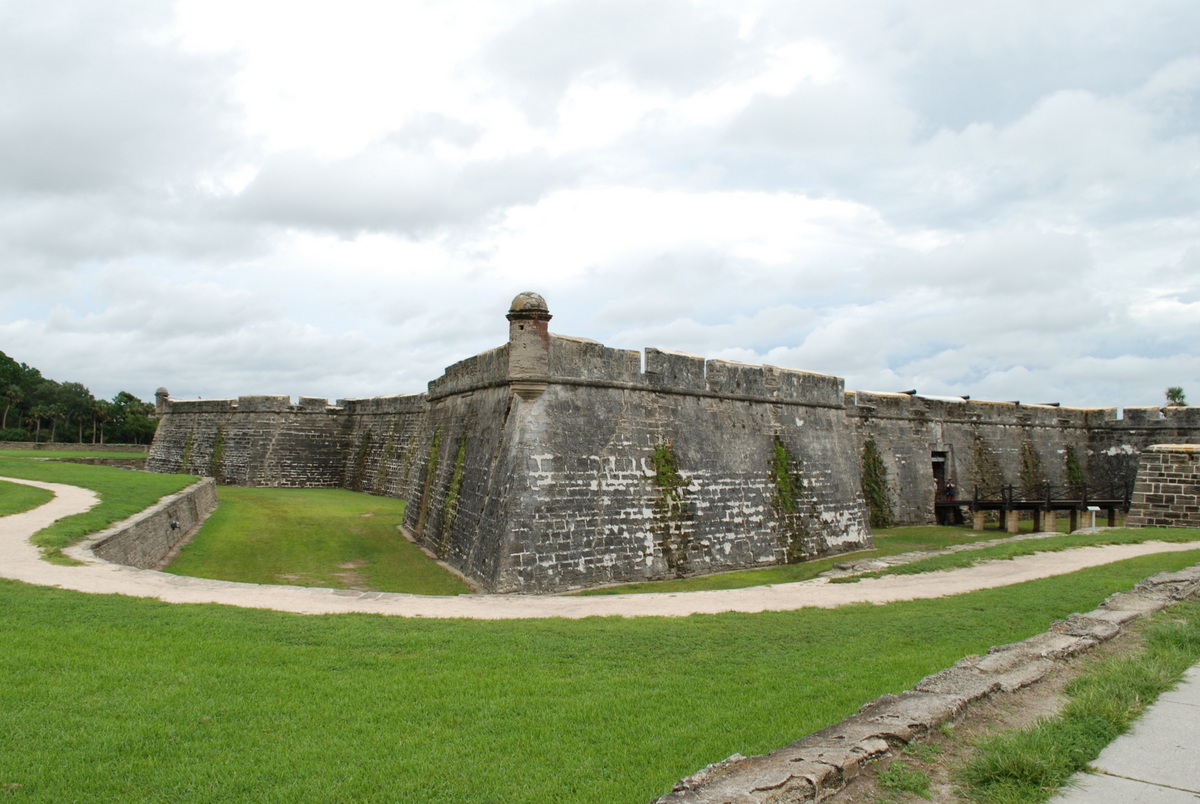
The fort was built in the shape of a star, a square with a diamond-shaped bastion projecting from each corner. This design, the standard for cutting-edge fortification in the age of gunpowder, allowed defenders to cover every wall and approach with overlapping fire, leaving attackers no safe angle from which to assault the fort. Each of the four bastions was given the name of a saint.
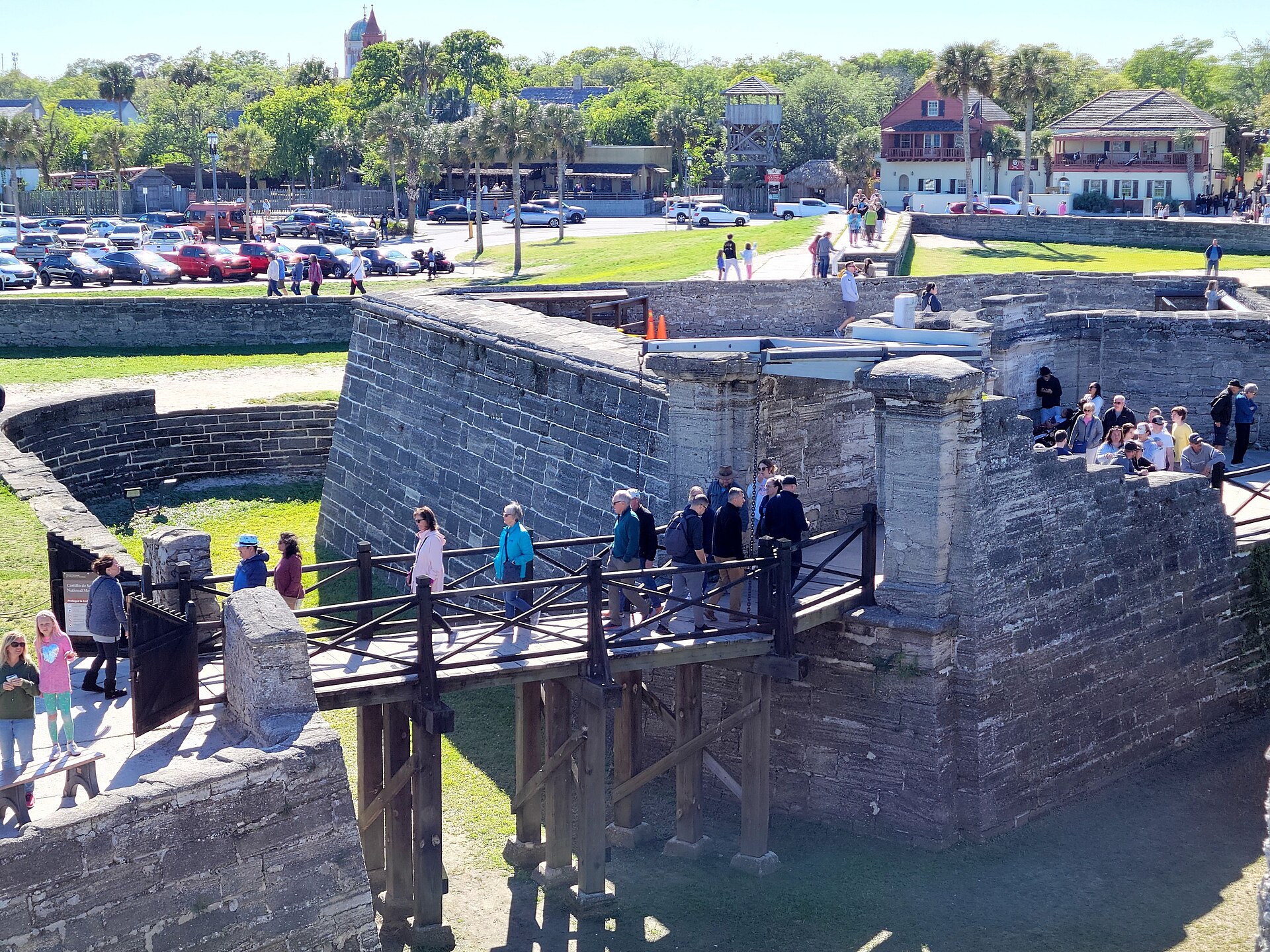
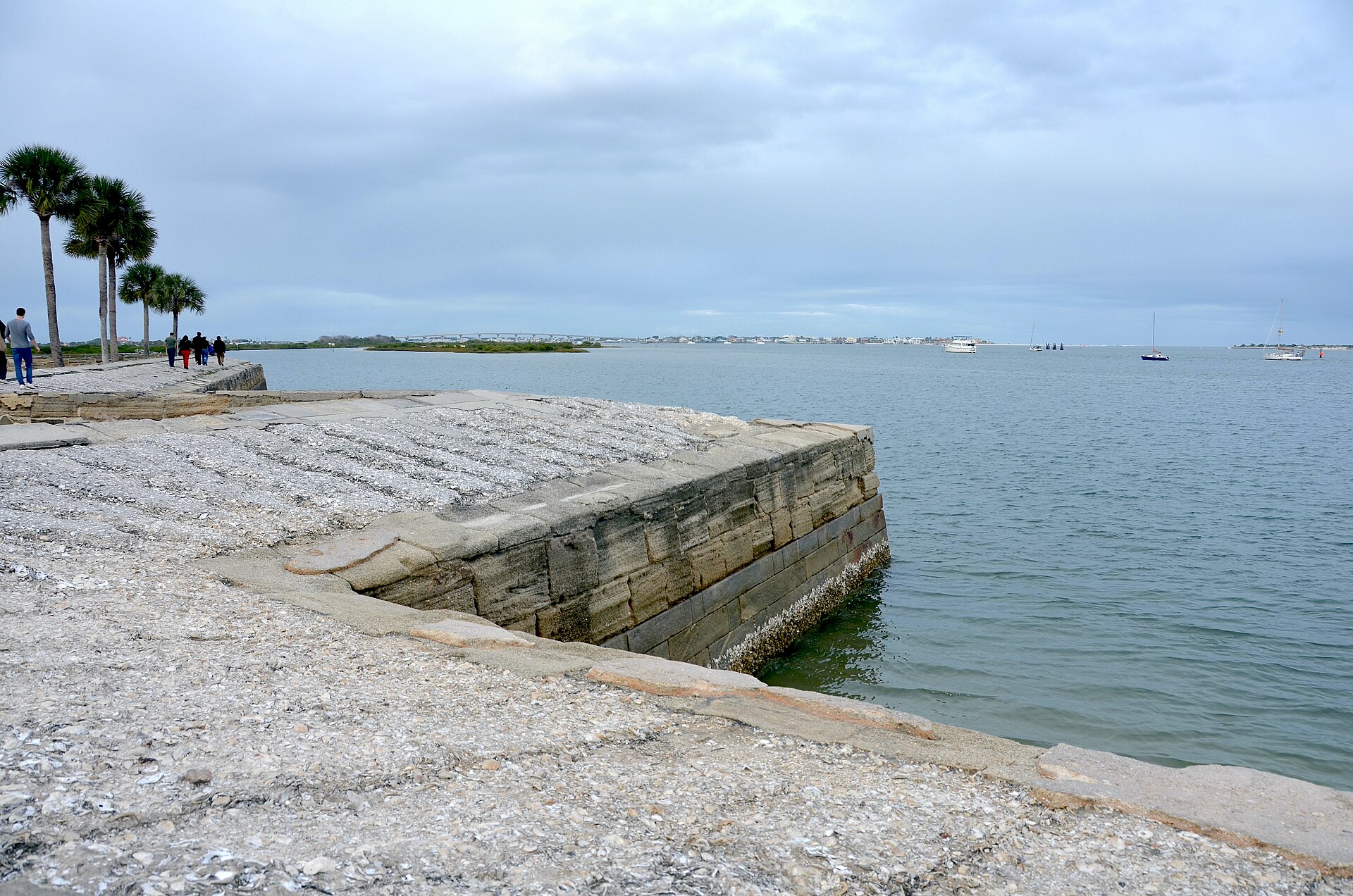
Surrounded by a moat and equipped with a drawbridge, gun platforms, storerooms, and quarters, the Castillo was a complete and self-contained stronghold. Its design reflected the best military thinking of its time, adapted to the local conditions and materials, and the result was a compact but formidable fortress that could shelter the whole population of St. Augustine in time of danger.
The naming of each bastion for a saint reflected the deeply Catholic character of the Spanish enterprise, which saw the defence of its empire as bound up with the defence of the faith. These religious names, still used today, are small reminders of the worldview of the people who raised the fort, for whom the martial and the spiritual were closely intertwined in the great project of the Spanish empire.
The more than two decades it took to complete the fort reflected both the difficulty of the work and the limited resources of a frontier outpost at the edge of the empire. Progress depended on funding and labour that were often in short supply, and the steady, patient effort required to finish the Castillo is itself a testament to how seriously the Spanish crown took the defence of this distant possession.
The Siege of 1702
The Castillo’s strength was first put to a great test in 1702, when an English force from the Carolina colony, led by Governor James Moore, marched south to attack St. Augustine. The townspeople took refuge inside the fort, and the English laid siege, determined to capture the Spanish stronghold and drive Spain from the region.
The siege dragged on for weeks, but the English could not take the Castillo. The coquina walls shrugged off their bombardment, and the defenders held firm behind them, protected and supplied within the fort. Unable to break in and running short of time, the frustrated English eventually abandoned the siege, though they burned much of the town of St. Augustine as they withdrew.
The failure of Moore’s siege was a powerful vindication of the decision to build the fort in stone. Though the town could be burned, the fort and the people sheltering within it survived, proving the value of a permanent masonry fortress. The Castillo had passed its first great trial, and its reputation as a stronghold that could not be taken began to grow.
The burning of St. Augustine by the retreating English underlined a hard lesson that the Spanish had already grasped: a town of wood could be destroyed, but a fort of stone could endure. The people of St. Augustine rebuilt their homes, secure in the knowledge that the Castillo would shelter them again if danger returned, as indeed it soon would.
The presence of the whole town’s population within the walls during the siege underscores the fort’s dual role as both a military stronghold and a refuge for civilians. In an age when a raid could mean death or captivity for an entire community, the Castillo offered the people of St. Augustine something priceless: a place of safety strong enough to outlast any attacker, and that reassurance shaped the life of the city.
The Siege of 1740
An even more determined assault came in 1740, when James Oglethorpe, the founder and governor of the neighbouring English colony of Georgia, led a substantial force against St. Augustine. Oglethorpe was intent on eliminating the Spanish threat to the south, and he brought ships and soldiers to besiege the Castillo and take the city.
Once again the fort proved its worth. Oglethorpe’s forces bombarded the Castillo, but the coquina walls absorbed the punishment as before, and the defenders held out stubbornly behind them. The Spanish garrison, supplied and reinforced by sea, refused to yield, and Oglethorpe was ultimately forced to give up the siege and withdraw his army back to Georgia in failure.
The repulse of Oglethorpe was another triumph for the Castillo and a serious blow to English hopes of conquering Spanish Florida. Twice now, major English expeditions had come to take the fort, and twice they had been sent home defeated. The Castillo de San Marcos had established itself as one of the most successful fortresses in North America, its record of defence unbroken.
Oglethorpe’s failure had lasting consequences for the balance of power in the region, helping to preserve Spanish Florida as a buffer against the English colonies for decades more. The Castillo had once again shaped the course of history simply by refusing to fall, and its unbroken record of defence made it a cornerstone of Spanish strategy in the contested borderlands of the southeast.
The rhythm of these sieges, an English army arriving, the townsfolk sheltering in the fort, a bombardment that achieved nothing, and finally a frustrated withdrawal, became almost a pattern in the fort’s history. Each repetition reinforced the same lesson and further burnished the Castillo’s growing reputation as the fortress that simply could not be taken, a reputation that in itself helped deter future attacks.
A Fort of Many Flags
Although the Castillo was never taken by force, it did change hands several times through the shifting fortunes of diplomacy and war, flying the flags of several nations over its long history. After remaining Spanish for nearly a century, the fort passed to Great Britain in 1763 through a treaty, part of the great reshuffling of colonial territories at the end of a European war.
The British held St. Augustine and its fort for two decades, renaming the stronghold, before Florida was returned to Spain in 1783. Spain then ruled once more until, in the early nineteenth century, Florida was ceded to the United States, and the Castillo passed into American hands, receiving yet another new name in honour of an American Revolutionary War hero.
This succession of rulers, Spanish, British, Spanish again, and finally American, makes the Castillo a witness to the whole colonial contest for the southeastern corner of North America. Few places have flown so many different flags, and the fort’s changing names and masters tell the story of how this frontier passed from empire to empire before finally becoming part of the United States.
Each change of flag brought new soldiers, new customs, and sometimes new names to the fort, layering the cultures of several nations onto a single structure. This makes the Castillo a uniquely cosmopolitan monument, its stones having witnessed the rise and fall of empires and the slow, complicated emergence of the United States from the colonial patchwork of the southeast.
The peaceful transfers of the fort through treaties, rather than through conquest, are a striking feature of its history and a reminder that the fate of colonial territories was often decided far away at the negotiating tables of Europe. The soldiers in the Castillo might never lose a battle, yet still find themselves handing over the keys because of a settlement reached across the ocean.
The Fort Becomes American
When Florida became a United States territory in the early nineteenth century, the Castillo de San Marcos became an American military installation, and it was renamed Fort Marion in honour of Francis Marion, a hero of the American Revolution known as the Swamp Fox. Under this name it would serve the United States for many decades.
The old fort continued to have military uses well into the American period, adapting to the needs of a new nation. During the American Civil War it briefly changed hands as Confederate and then Union forces controlled St. Augustine, adding yet another chapter to its long history of shifting allegiances, though it saw no major fighting in that conflict.
For a structure built by the Spanish in the seventeenth century, this continued service under the flag of the United States was a remarkable testament to the enduring value of its position and the soundness of its construction. The Castillo, or Fort Marion as it was then known, remained a working fort long after most of its contemporaries had fallen into ruin.
The renaming of the fort as Fort Marion reflected the way the young United States sought to claim and reinterpret the places it inherited from earlier powers, attaching the names of its own heroes to structures built by others. That the fort’s original Spanish name was later restored shows a maturing appreciation of the full depth of its history, beyond the American chapter alone.
The Civil War episode, brief and bloodless as it was at the fort, added the flags of the Confederacy and the reunited Union to the long roll of banners that have flown over the Castillo. Even in a conflict fought largely far to the north and west, this ancient Spanish fort found itself drawn in, a small but telling illustration of how thoroughly it has been woven into every era of the nation’s history.
A Prison for Native Peoples
One of the darker chapters in the fort’s history came during the American era, when it was used as a prison, most notably for Native Americans. Over the course of the nineteenth century, the fort held captured members of several Native peoples, becoming a place of confinement far from their homelands as the United States pursued its wars and removals against the continent’s original inhabitants.
Among those imprisoned here were Seminole people from Florida itself, including individuals connected to the famous resistance leader Osceola, as well as, later in the century, Plains and Apache people brought from the west. For these prisoners, held far from home within the thick coquina walls, the fort was a place of hardship, exile, and loss.
This history gives the Castillo a solemn dimension beyond its role as a military stronghold. The same walls that sheltered the people of St. Augustine also confined others against their will, and remembering the Native men, women, and children imprisoned here is an essential part of understanding the fort’s full and complicated significance in American history.
The use of the fort as a prison for Native peoples connects this single site directly to some of the most painful episodes in American history, the wars, removals, and confinements inflicted on the continent’s original inhabitants. Standing within the walls with this knowledge, the visitor feels the weight of a history that is not only about military glory but also about profound human suffering.
The stories of individual prisoners, held far from their homelands within these walls, bring the human reality of this history into sharp focus. For people accustomed to the open spaces of Florida or the western plains, confinement in a coastal stone fort must have been a profound and disorienting ordeal, and their experiences form an essential, sobering counterpart to the fort’s military triumphs.
Art Born in Captivity
Out of the hardship of imprisonment at the fort came an unexpected and poignant legacy. Among the Plains people held here in the later nineteenth century, some created remarkable drawings on paper, often in the accounting ledgers they were given, depicting scenes of their traditional life, their journey into captivity, and the world changing around them. This became known as ledger art.
These drawings are now recognised as an important body of Native American art and as precious historical documents, offering a firsthand view of a vanishing way of life recorded by the very people living through its disruption. Created in confinement, they are testaments to the resilience of the human spirit and the persistence of culture even under the most difficult circumstances.
That such art was born within the walls of the Castillo adds a moving layer to its story. The fort was not only a place of imprisonment but, unexpectedly, a place where a significant chapter of Native American artistic expression unfolded. Remembering this helps ensure that the voices and creativity of those held here are not lost amid the more familiar military history of the fort.
The survival of these drawings is itself remarkable, for they might easily have been lost or discarded as mere prisoners’ doodles. Instead they have come to be treasured, studied, and exhibited, ensuring that the perspective of the confined, so often absent from the historical record, is preserved in their own hand. Ledger art stands as one of the most valuable legacies to emerge from the fort’s history.
Museums and collectors have since recognised ledger art as a vital bridge to a world that was being violently transformed, valuing these works both as art and as testimony. That such a legacy should have emerged from a place of confinement is a powerful reminder that even in the darkest circumstances, human creativity and the will to record one’s own truth can endure and ultimately triumph.
Exploring the Fort’s Design
Walking through the Castillo today, you can read its clever design in every feature. The star shape with its four bastions, each named for a saint, allowed the defenders to command every approach, while the surrounding moat and the drawbridge controlled access and kept attackers at bay. Everything was arranged for maximum defensive strength.
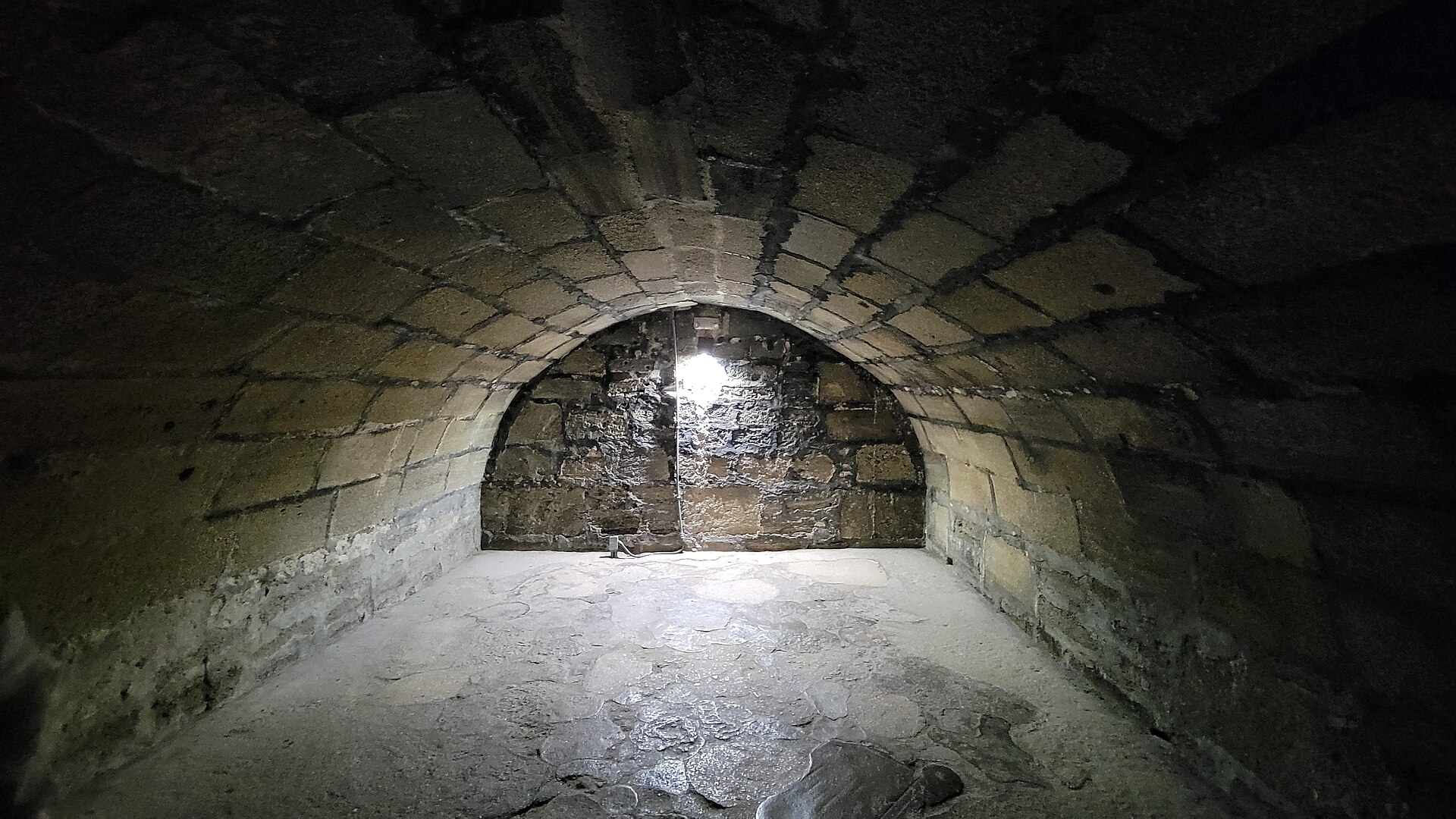
Inside the walls, the fort was a self-contained world. Vaulted rooms built into the thick ramparts served as storerooms, quarters, a chapel, and a powder magazine, all protected by the massive coquina walls above. A central plaza provided space for the garrison to muster, and ramps allowed cannon and supplies to be moved up to the gun deck on top of the walls.
From the gun deck, the highest level of the fort, cannon commanded the bay and the approaches to the city, and today visitors enjoy sweeping views over the water and the old town. Studying these features, you come to appreciate how much thought went into making the Castillo both a strong fortress and a place where a garrison could live and hold out through a long siege.
The vaulted rooms, added and modified over the fort’s long life, show how the structure was continually adapted to the needs of its changing occupants. What served as a Spanish storeroom might later become an American guardroom or a cell, and tracing these changes as you explore reveals how a single building can be reshaped again and again by the different peoples who hold it across the centuries.
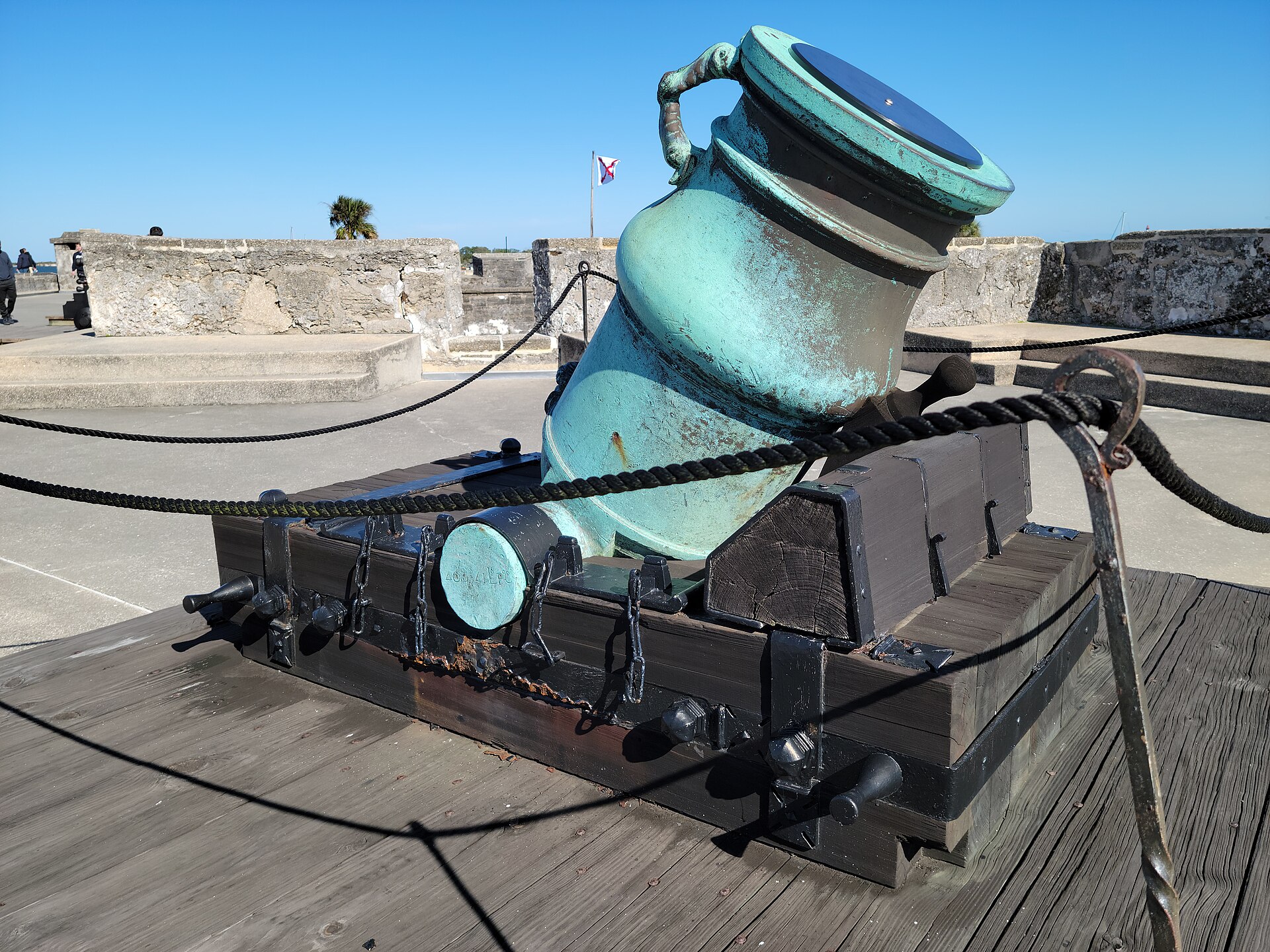
The gun deck atop the walls was the fort’s fighting heart, where the cannon that commanded the bay were mounted and served. From here the defenders could rain fire on any hostile ship or force approaching the city, and the careful arrangement of the guns ensured that every angle of approach lay within their reach, a final expression of the thought that went into the fort’s design.
From Fort to National Monument
By the twentieth century the Castillo’s days as an active military post had ended, and the old fort took on a new life as a preserved historic site. Recognised as a treasure of American history, it was designated a national monument and eventually placed under the care of the National Park Service, which has protected and interpreted it ever since.
In the twentieth century the fort’s original Spanish name, Castillo de San Marcos, was officially restored, honouring its deep origins and setting aside the later American name of Fort Marion. This change reflected a growing appreciation of the fort’s significance as a monument to the Spanish colonial era and to the multicultural roots of American history.
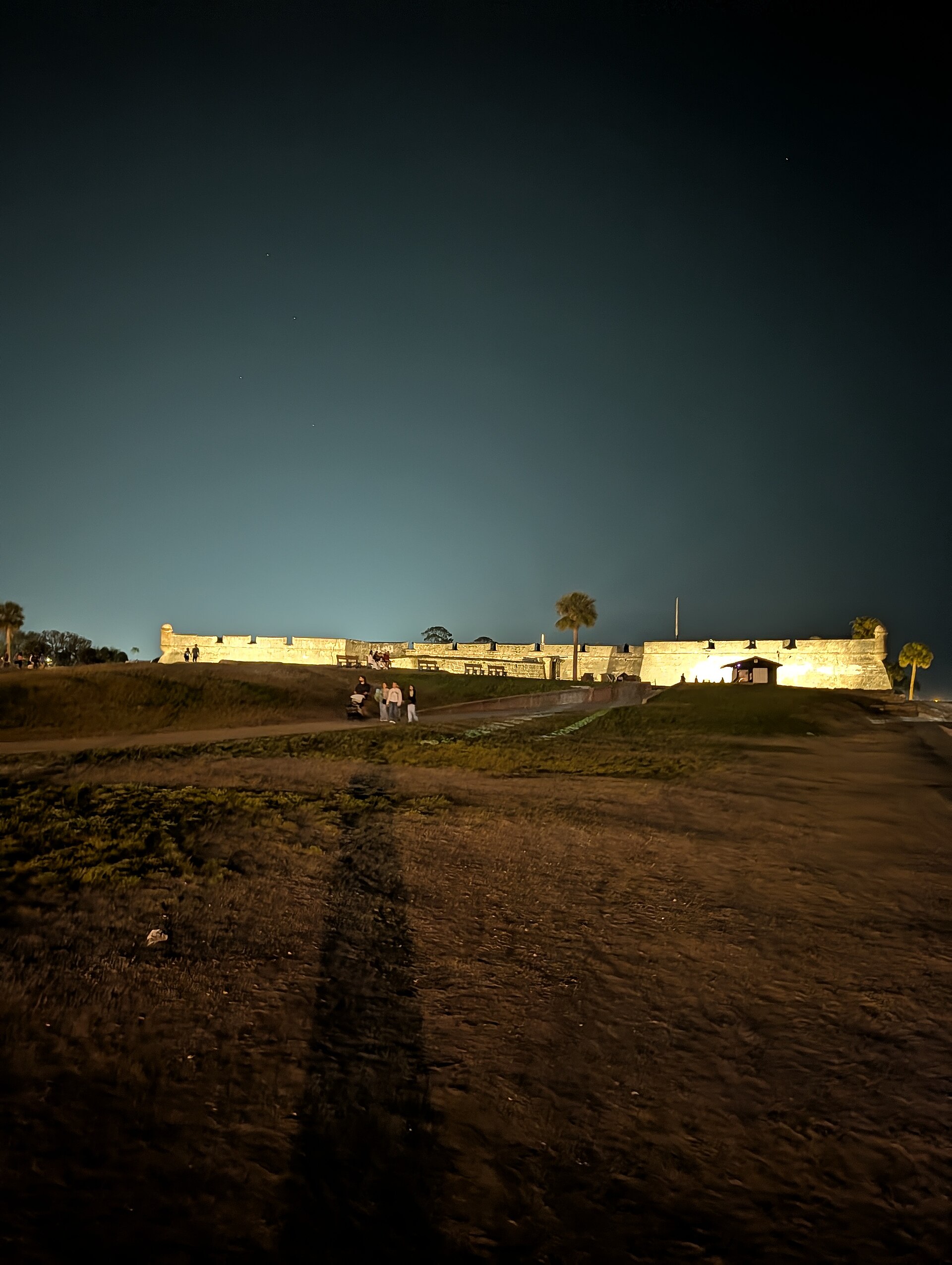
Today the Castillo is one of the most visited historic sites in Florida, welcoming hundreds of thousands of people each year. Cared for as a national monument, it offers visitors a vivid encounter with more than three centuries of history, from Spanish soldiers to Native American prisoners, all preserved within the enduring embrace of its remarkable coquina walls.
The care lavished on the fort today, from structural conservation to historical interpretation, reflects a recognition that it belongs not just to St. Augustine or Florida but to the whole nation as a piece of its shared heritage. The rangers, historians, and volunteers who bring the Castillo to life for visitors continue a long tradition of stewardship that keeps this ancient monument meaningful for each new generation.
The restoration of the fort’s Spanish name was more than a symbolic gesture; it signalled a broader shift in how Americans understand their own history, embracing its full multicultural depth rather than viewing it solely through an English colonial lens. In reclaiming the name Castillo de San Marcos, the nation acknowledged the Spanish foundations of one of its most treasured landmarks.
Why the Castillo Matters
The Castillo de San Marcos holds a unique place in the story of the United States. As the oldest masonry fort in the continental country, it is a tangible link to an era of American history that predates the familiar narrative of English colonies and the thirteen states, reminding us that the roots of America are Spanish and multicultural as well as English.
Its record of successful defence, thanks in large part to its extraordinary coquina walls, makes it a fascinating case study in the history of fortification, a fort that turned a humble local material into an almost impregnable defence. And its later history as a prison ties it directly to the difficult story of the United States and its Native peoples.
To understand the Castillo, then, is to understand a whole sweep of American history that is too often overlooked, from the Spanish frontier to the imperial contests of the colonial age to the tragedies of Native American removal. Few single monuments encompass so much, which is what makes this old shellstone fort in St. Augustine so richly rewarding to visit and to contemplate.
Perhaps the deepest value of the Castillo is the way it complicates and enriches the familiar story of American origins. By standing here, older than the nation itself and built by a different empire, it insists that the history of the land is longer and more varied than any single narrative can capture, a truth embodied in every shell-flecked block of its enduring walls.
In an age when the story of America is being told in ever fuller and more inclusive ways, the Castillo de San Marcos has taken on renewed importance as a symbol of the nation’s deep and diverse origins. It stands as physical proof that the American past is a tapestry woven from many threads, Spanish and Native and African as well as English, all present in the history of this single, extraordinary fort.
For the traveller, all of this makes the Castillo far more than a pretty old fort on a Florida waterfront. It is a doorway into layers of history that reach back before the founding of the United States and touch on some of the deepest and most difficult themes in the nation’s past, from imperial ambition to cultural survival, all held together within a single, enduring monument of shell and stone.
Visiting the Castillo de San Marcos
The Castillo de San Marcos sits right on the waterfront in the heart of historic St. Augustine, easily reached and impossible to miss, its star-shaped bulk rising beside the bay. As a national monument it is open to visitors, who can cross the bridge over the moat and explore the fort much as its garrisons and prisoners once knew it.
Inside, take time to walk the central plaza, peer into the vaulted rooms built into the walls, and climb to the gun deck for the cannon and the sweeping views over the water and the old town. Interpretive displays and, at times, historical reenactments including cannon firings help bring the fort’s long and varied history vividly to life for visitors of all ages.
View 29.8978, -81.3114 on Google Maps
Pair your visit with a stroll through the charming streets of old St. Augustine, the oldest city of its kind in the country, to round out the experience. Come ready for sun and coastal weather, and give yourself time to absorb the many layers of history the fort contains. The Castillo de San Marcos offers an unforgettable and unexpectedly moving encounter with the deep and complicated past of America.
Many visitors find that the most memorable moments come atop the gun deck, where the sea breeze blows and the old cannon point out over the water toward threats that never managed to prevail. Standing there, with three centuries of history beneath your feet and the bay stretching away before you, it is easy to feel the enduring power of this remarkable fort to connect us with the distant past.
If you time your visit to coincide with one of the fort’s living history programs, you can watch costumed interpreters demonstrate the firing of the cannon, the boom echoing out over the bay just as it did centuries ago. These moments collapse the distance between past and present in a thrilling way, and they are a highlight of many visitors’ experience of the Castillo de San Marcos.
Castles Nearby
You May Like


One thought on “Castillo de San Marcos: The Coquina Fort That Cannonballs Could Not Break”