In the heart of the old capital of Japan, surrounded by a vast walled park, stands a palace of quiet and profound dignity. The Kyoto Imperial Palace, known in Japanese as the Kyoto Gosho, was for more than a thousand years the residence of the emperors of Japan, the sacred center of a court whose refinement shaped the culture of the nation. Unlike the golden halls and soaring spires of many royal palaces, it impresses not through overwhelming grandeur but through restraint, harmony, and an almost sacred simplicity.
For most of its history, Kyoto was the imperial capital of Japan, and this palace was the home of its emperors. Here the sovereigns of Japan lived, performed the ancient rituals of their office, and presided over a court famous throughout history for its cultivation and its devotion to beauty. The palace and its ceremonies preserved traditions of extraordinary antiquity, linking the emperors to the earliest days of the Japanese state.
The palace you see today is a faithful reconstruction of an ancient design, for the buildings were destroyed by fire many times over the centuries and rebuilt according to venerable models. In its wooden halls, its cypress-bark roofs, and its serene gardens, it preserves the aesthetic of the classical Japanese court, an aesthetic of natural materials, elegant proportion, and harmony with the surrounding landscape.
In this article you will explore the Kyoto Imperial Palace from its origins as the seat of the imperial court to its great ceremonial halls and gardens, through the unique culture of the Japanese court to the events that ended its role as the imperial residence. Along the way you will discover the distinctive beauty of classical Japanese palace architecture and understand why this serene complex in the old capital holds so deep a place in the history of Japan.
In This Article
- The Palace in the Old Capital
- Kyoto, the Imperial Capital
- Fire and Rebuilding
- The Hall of State Ceremonies
- The Emperor’s Residence
- The Gates of the Palace
- The Beauty of Wood and Restraint
- Gardens of Harmony
- The World of the Court
- The Emperor and Power
- The Move to a New Capital
- A Preserved Monument
- Visiting the Kyoto Imperial Palace Today
The Palace in the Old Capital
The Kyoto Imperial Palace stands within a large walled enclosure in the city of Kyoto, set inside an extensive park that was once filled with the residences of the court nobility. The palace complex itself is a collection of halls, gates, and gardens, arranged within its walls, forming the historic residence of the emperors of Japan.
The complex is composed of a number of buildings, each with its own function in the life and ceremony of the imperial court. Halls for state ceremonies, private residences for the emperor, and various other structures are arranged within the enclosure, connected by covered corridors and surrounded by gardens and open spaces.
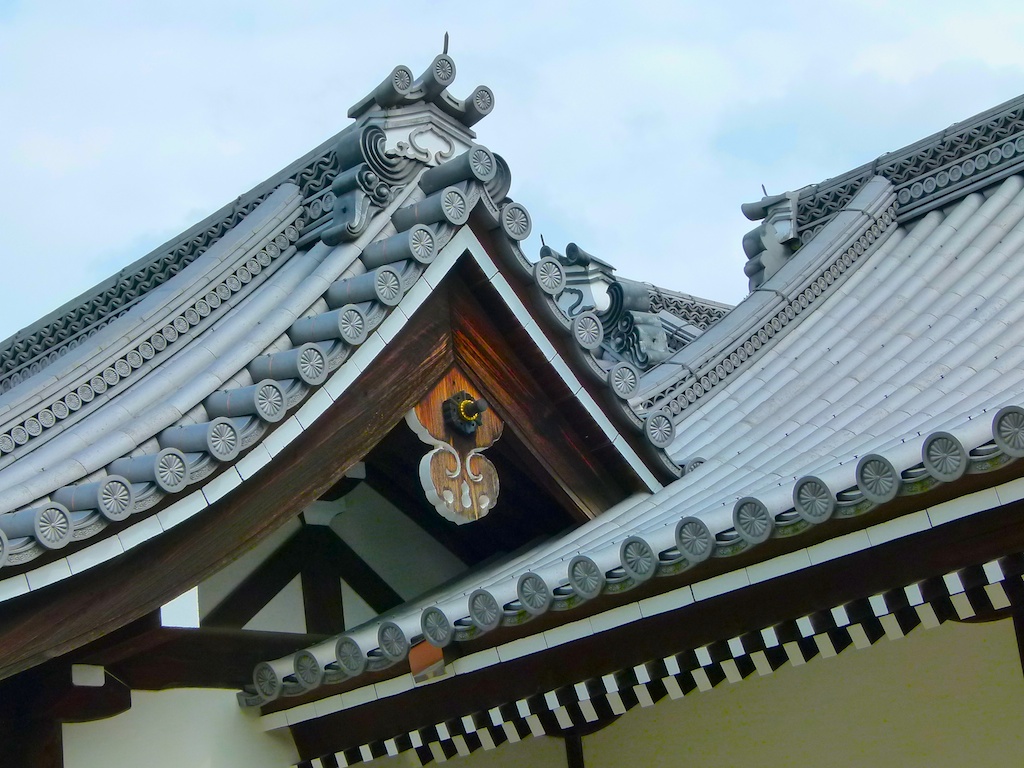
The architecture of the palace is built of wood, with roofs of cypress bark and a restrained elegance that is characteristic of classical Japanese design. Rather than seeking to overwhelm through size or ornament, the palace achieves its effect through harmony, proportion, and the beauty of natural materials, expressing a distinctly Japanese aesthetic.
For all its historical importance, the palace has an atmosphere of serenity and dignity rather than of overwhelming splendor. Set within its quiet park in the heart of the old capital, it preserves the world of the classical Japanese court, and it stands as one of the most important and evocative historic sites in all of Japan.
Visitors expecting the gilded opulence of a European palace are often surprised by the quiet of the Kyoto Gosho, and it is precisely this quiet that rewards attention. The palace asks you to slow down, to notice the grain of the wood, the line of a roof against the sky, the raked gravel of a courtyard, and in that slowing down its deep and understated beauty gradually reveals itself.
Kyoto, the Imperial Capital
For more than a thousand years, Kyoto was the capital of Japan and the seat of the imperial court. Established as the capital late in the eighth century, the city was laid out on a grand plan inspired by the great capitals of the wider region, and it remained the home of the emperors for over a millennium, until the modern era.

The founding of Kyoto as the capital inaugurated a long and culturally brilliant period in Japanese history, during which the imperial court reached extraordinary heights of refinement. The city became the center of Japanese civilization, the place where the arts, literature, and courtly culture of the nation flourished under the patronage of the emperors and the aristocracy.
Throughout the many centuries when Kyoto was the capital, the imperial palace was the sacred and symbolic heart of the nation, the residence of the emperors and the center of the court. Even during long periods when real political power lay elsewhere, the emperor in Kyoto remained the source of legitimacy and the focus of the ancient traditions of the state.
The long history of Kyoto as the imperial capital gives the palace its profound significance. It was the center of Japanese civilization for over a thousand years, and its halls witnessed the whole sweep of the nation’s classical and medieval history. To understand the palace is to understand the central role that Kyoto and its court played in the history of Japan.
The classical era centered on this court gave Japan some of its most enduring cultural treasures, including works of literature regarded as among the finest ever produced in the country. That so much of what defines Japanese aesthetic sensibility took shape within the world of this palace and its court gives the site a cultural weight that goes far beyond its architecture.
Fire and Rebuilding
The history of the Kyoto Imperial Palace is one of repeated destruction and rebuilding, for the wooden palace was vulnerable to the fires that periodically swept through the city. Over the centuries, the palace was destroyed by fire many times, and each time it was rebuilt, often according to ancient models that preserved its classical character.
The vulnerability of the wooden buildings to fire meant that the palace was in a sense continually renewed, its halls rebuilt again and again over the generations. The location of the palace itself shifted over time, and the present site and buildings represent the palace as it was reconstructed in the modern era, following venerable designs.
Despite this repeated destruction, the essential character and design of the palace were preserved through the successive rebuildings. The reconstructions faithfully followed classical models, so that the palace maintained its ancient form and aesthetic across the centuries, a remarkable continuity of design achieved through constant renewal.
The palace that visitors see today is thus both old and new, an ancient design realized in relatively recent buildings, faithfully preserving the classical architecture of the imperial court. This continuity through repeated rebuilding is characteristic of Japanese attitudes toward architecture and tradition, in which the preservation of form matters more than the age of the materials.
This attitude, in which a faithfully rebuilt structure is valued as fully as an ancient one, can be difficult for outside visitors to grasp at first. Yet it reflects a profound idea, that what endures is the form, the design, and the tradition, rather than the particular pieces of wood, and it has allowed the classical architecture of the court to survive intact across many centuries of fire and renewal.
The Hall of State Ceremonies
The most important building in the palace is the great hall used for the most solemn ceremonies of the imperial court, including the enthronement of emperors. This hall, the ceremonial heart of the palace, was the setting for the most sacred and significant occasions of the monarchy, and it remains the centerpiece of the complex.
The hall stands before a broad courtyard of white gravel, approached by steps and flanked by ceremonial trees, an arrangement of great dignity and antiquity. Its wooden structure, with its sweeping roof and open form, embodies the classical style of the palace, and its setting creates a space of profound solemnity for the ceremonies performed there.
Within the hall stood the imperial throne, used on the most important occasions of state. Here the emperors were enthroned and the greatest ceremonies of the court were conducted, in rituals of extraordinary antiquity that linked the reigning sovereign to the earliest traditions of the Japanese monarchy.
The importance of the hall has endured even into modern times, for its design has continued to serve as the model for the most important imperial ceremonies. As the setting for enthronements and the great rituals of the monarchy, it remains the most sacred and significant space in the palace, the ceremonial heart of the imperial court.
The broad courtyard of white gravel before the hall is itself a masterpiece of design, its emptiness and light setting off the dignity of the building beyond. Two ancient ceremonial trees flank the steps, and the whole composition, of hall, courtyard, and trees, creates a space of extraordinary solemnity, calibrated to frame the most sacred moments of the monarchy.
The Emperor’s Residence
Beyond the great ceremonial hall, the palace contains the private residential quarters of the emperor, the buildings where the sovereign lived and conducted the more personal aspects of his role. These halls, more intimate than the great ceremonial spaces, formed the domestic heart of the imperial residence.

The emperor’s private hall was the setting for daily life and for many of the rituals and duties of the sovereign that were performed away from the great public ceremonies. Elegant and refined, these residential buildings reflected the cultivated life of the imperial court and the dignity of the emperor’s person.
The residential quarters were arranged with the same care for harmony and proportion that marks the whole palace, their wooden halls opening onto gardens and courtyards. The relationship between the buildings and the surrounding gardens was central to the design, bringing the beauty of nature into the daily life of the court.
These private halls complete the picture of the palace as both a ceremonial center and a residence. Here the emperor lived his daily life, surrounded by the refinement of the court and the beauty of the gardens, and the residential quarters offer a glimpse into the intimate world of the imperial household behind the grand ceremonies of state.
The covered corridors that link the halls are themselves a delight, framing views of the gardens and courtyards as one moves between the buildings. This gentle choreography of movement, of passing from hall to corridor to garden and back, was part of the refined experience of the palace, turning the simple act of crossing the complex into a sequence of composed and beautiful scenes.
The Gates of the Palace
The Kyoto Imperial Palace is entered through a number of gates, each with its own name and significance, set into the walls that enclose the complex. These gates controlled access to the palace and marked the thresholds between the outside world and the sacred precinct of the imperial court.

The most important of the gates was reserved for the most solemn occasions and for the passage of the emperor and the greatest dignitaries. Dignified and elegant in the classical style, with its roof of cypress bark, this gate embodied the reverence surrounding the imperial person and the ceremonies of the court.
The other gates served various functions, admitting officials, nobles, and others to the palace according to their rank and the occasion. The system of gates reflected the hierarchical and ceremonial world of the imperial court, in which access to the palace and its various parts was carefully regulated according to status and custom.
The gates, with their elegant classical forms, are among the most beautiful features of the palace and important elements of its ceremonial architecture. Passing through them, one enters the world of the imperial court, and they remain, as they were for centuries, the dignified thresholds to the sacred precinct of the emperors of Japan.
The Beauty of Wood and Restraint
The architecture of the Kyoto Imperial Palace is a supreme expression of the classical Japanese aesthetic, built of wood with roofs of cypress bark and marked by restraint, proportion, and harmony with nature. Rather than seeking grandeur through size or ornament, it achieves beauty through elegance, simplicity, and the quality of its natural materials.

The buildings are constructed in an ancient style associated with the classical court, with raised wooden floors, sweeping roofs, and open forms that allow the halls to connect with the surrounding gardens and courtyards. Covered corridors link the buildings, and the whole complex is composed with a careful attention to proportion and to the relationship between the buildings and the spaces around them.
The use of natural, unpainted wood and cypress bark gives the palace a quiet, understated beauty quite different from the painted and gilded splendor of many other royal palaces. This restraint reflects a deep aesthetic principle in Japanese culture, in which beauty is found in simplicity, natural materials, and harmony rather than in overwhelming display.
The result is an architecture of profound serenity and refinement, in which every element is considered and nothing is superfluous. The Kyoto Imperial Palace stands as one of the great masterpieces of classical Japanese architecture, embodying an aesthetic that has shaped Japanese design for centuries and that continues to be admired throughout the world.
The genius of this architecture lies in what it leaves out as much as in what it includes. There is no gilding, no riot of carving, no soaring dome, only wood, bark, gravel, and space, arranged with such care that the result is unmistakably a palace. It is an architecture of confidence, secure enough in its principles to achieve majesty through restraint alone.
Gardens of Harmony
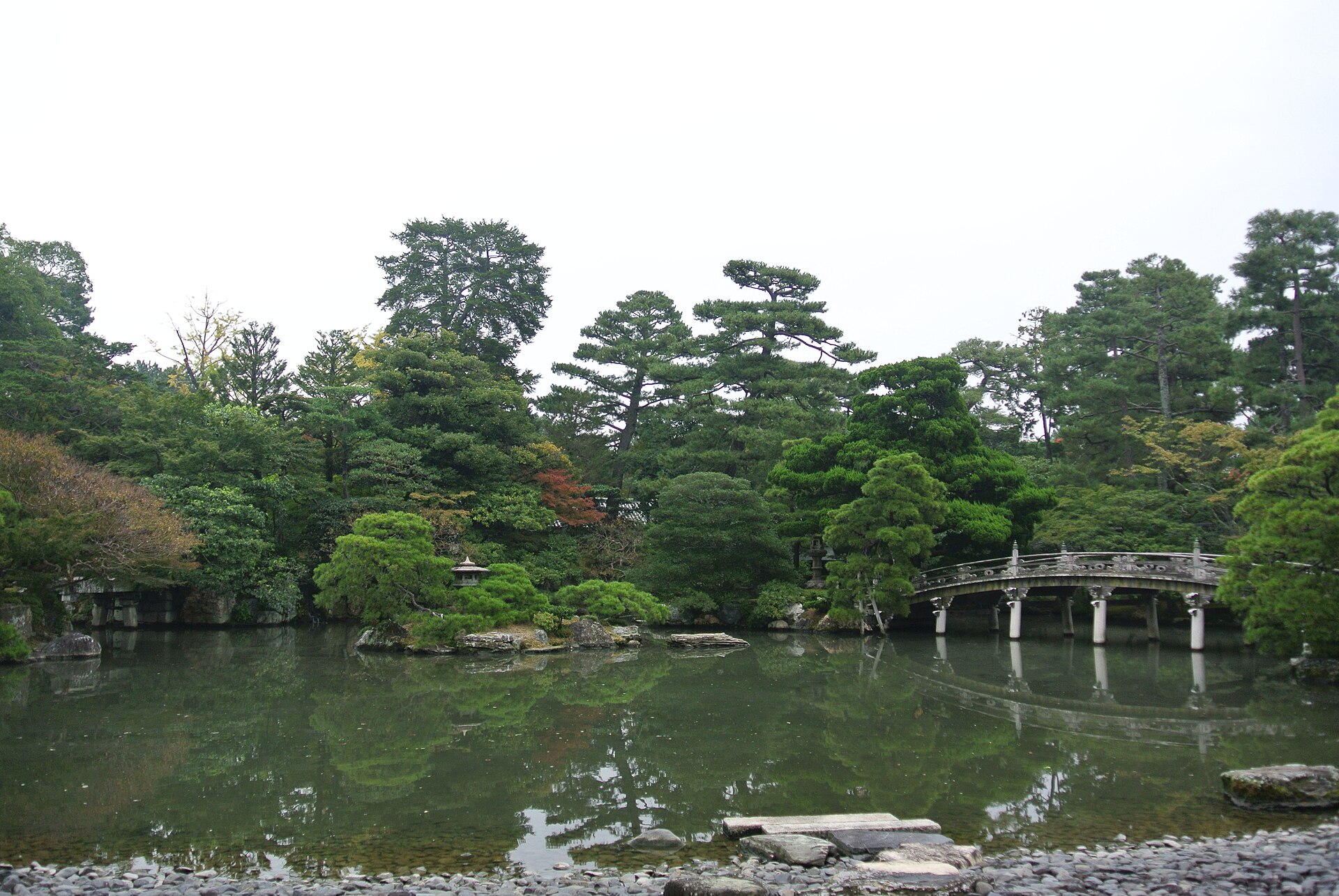
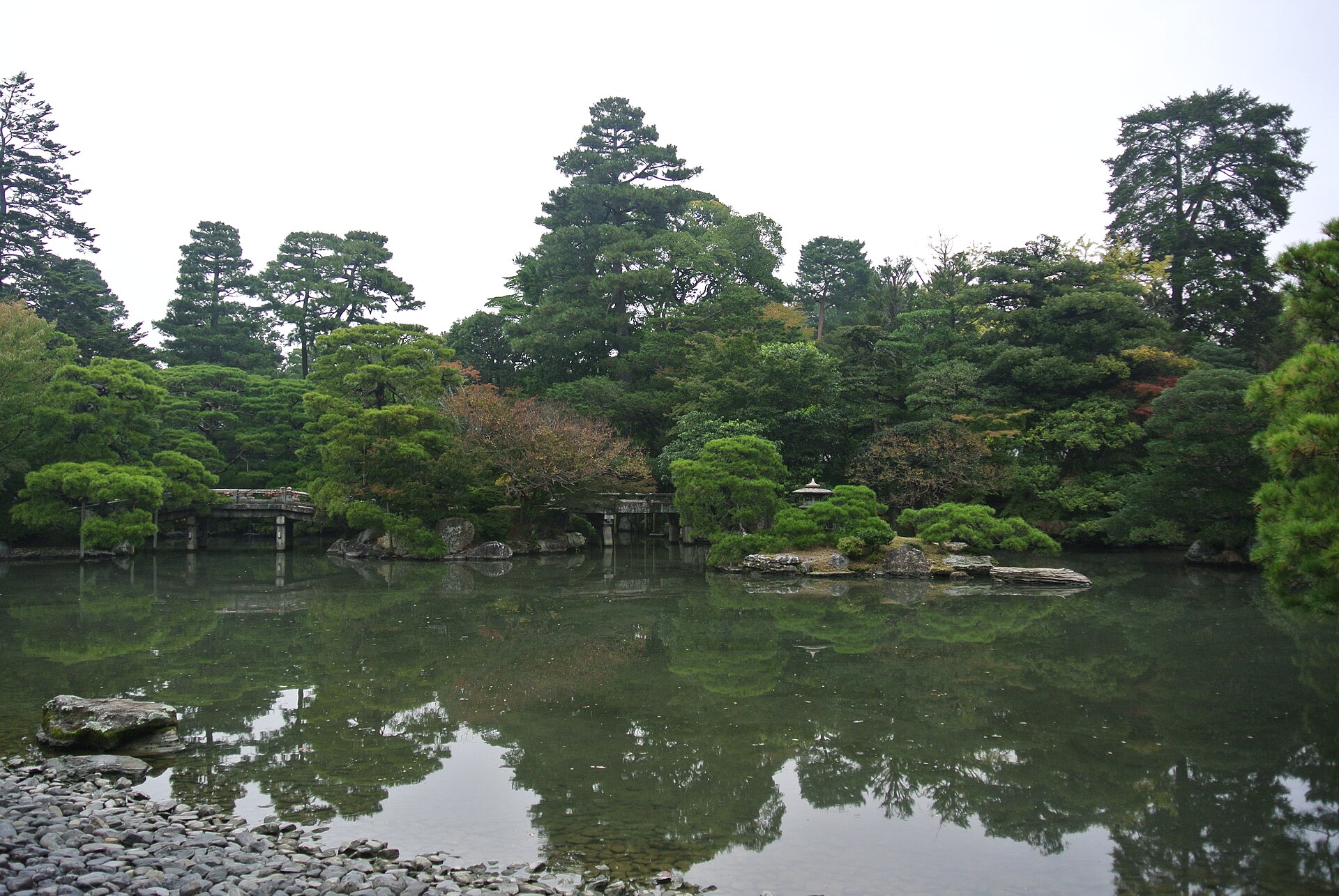
The gardens of the Kyoto Imperial Palace are among its greatest treasures, embodying the classical Japanese art of garden design. Arranged around ponds and among the buildings, they create scenes of great beauty and tranquility, and they are integral to the experience and meaning of the palace.
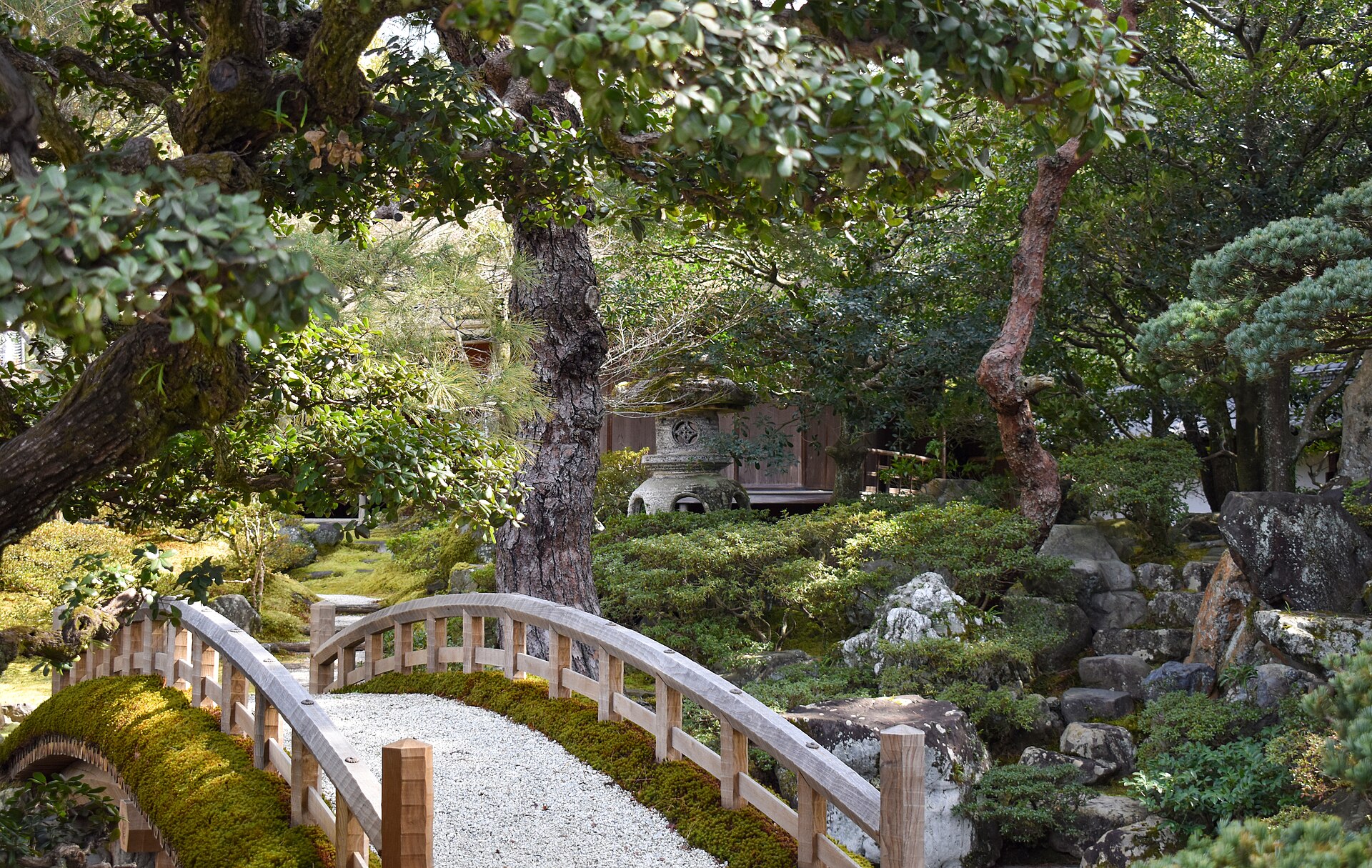
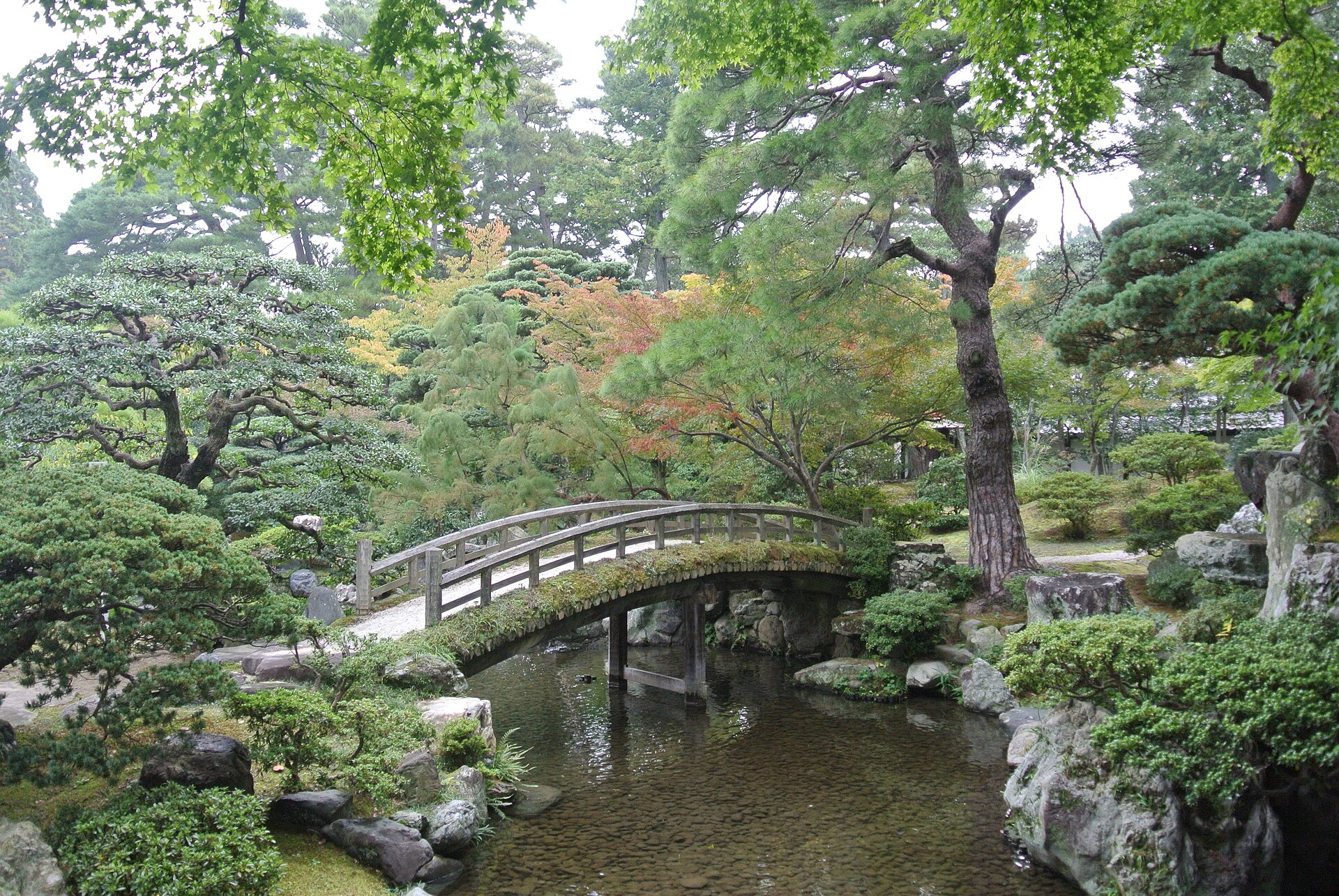
The gardens combine water, stones, trees, and carefully composed plantings to create landscapes of harmony and repose. Ponds reflect the sky and the surrounding greenery, bridges cross the water, and paths lead through scenes designed to be beautiful from every angle, in the tradition of the classical Japanese garden.
The relationship between the buildings and the gardens is central to the design of the palace. The halls open onto the gardens, blurring the boundary between the built and the natural, and the changing beauty of the gardens through the seasons was an essential part of the life and aesthetic of the court.
These gardens reflect the deep Japanese love of nature and the belief that beauty is found in harmony with the natural world. Among the most beautiful and tranquil spaces in the palace, they offer a glimpse into the refined aesthetic of the imperial court, and they remain a highlight for the visitors who come to experience the serenity of the palace today.
Through the turning of the seasons the gardens continually change their character, from the blossom of spring to the fiery leaves of autumn and the stillness of winter snow. This sensitivity to the seasons was central to the aesthetic of the court, which found in the passing year a source of endless beauty and poignancy, and the gardens were designed to make that beauty visible in every season.
The World of the Court
The Kyoto Imperial Palace was the center of the imperial court, a world of extraordinary refinement and cultivation that shaped the culture of Japan. The court nobility who surrounded the emperor devoted themselves to the arts, to poetry, music, and the appreciation of beauty, creating one of the most sophisticated court cultures in history.
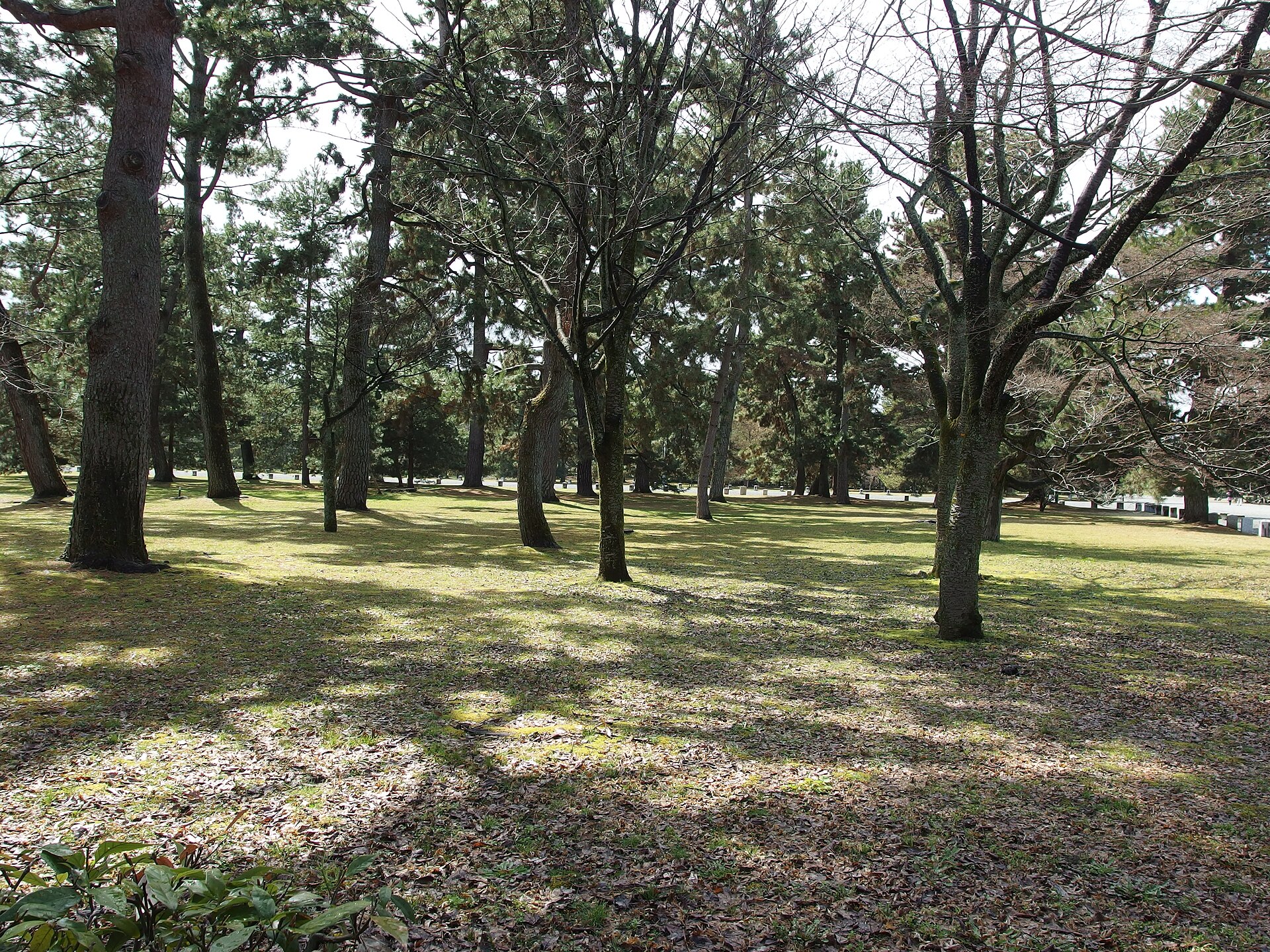
The classical period of the court, centered on the palace in Kyoto, produced masterpieces of literature and art that remain among the treasures of Japanese culture. The refined aesthetic of the court, its love of beauty and its elaborate customs and ceremonies, set the standard for Japanese culture and influenced the arts for centuries.
Life at the court was governed by elaborate custom and ceremony, and by a deep concern for refinement and propriety. The nobility competed in the arts and in the appreciation of beauty, and the court became a world in which cultivation and taste were prized above all, a world of exquisite sophistication centered on the palace and the emperor.
The culture of the court, nurtured in the palace over the centuries, is one of the great legacies of Kyoto and of the imperial institution. The palace was the setting for this brilliant culture, and its refined architecture and beautiful gardens both reflected and shaped the aesthetic of the court, making it a place of profound importance in the cultural history of Japan.
It is remarkable to reflect that so much of what the world recognizes as classically Japanese, from a particular sense of restraint and seasonality to specific arts and forms of poetry, was refined within the world of this single court. The palace was not merely a residence but a workshop of culture, and its influence radiated across Japanese civilization for a thousand years.
The Emperor and Power
For much of Japanese history, the emperor in Kyoto reigned but did not rule, holding a position of great symbolic and religious importance while actual political power lay in the hands of military rulers elsewhere. This distinctive arrangement gave the palace and its court a particular character, as the sacred center of legitimacy rather than the seat of practical government.

The emperors were regarded as figures of profound religious and symbolic significance, the descendants of the gods according to ancient belief and the source of legitimacy for those who governed in their name. Even when real power lay with the military rulers, the emperor in his palace remained the sacred focus of the state and the guardian of its most ancient traditions.
This separation of symbolic and actual power meant that the palace in Kyoto was above all a ceremonial and religious center, the place where the emperor performed the rituals that maintained the cosmic and social order. The court preserved the ancient traditions and ceremonies of the monarchy, even as the practical business of government was conducted far away.
This unique role gave the emperor and the palace an enduring significance through the long centuries of Japanese history. As the sacred center of the nation, the source of legitimacy and the guardian of tradition, the palace in Kyoto retained its profound importance even in ages when the emperors held little practical power, a symbol of continuity and identity for the whole nation.
This long tradition of a reigning but not ruling sovereign is one of the most distinctive features of Japanese history, and it helps explain the survival of the imperial line across so many centuries. Sheltered from the direct dangers of political power, the emperors in their palace endured as a symbol of continuity while dynasties of military rulers rose and fell around them.
The Move to a New Capital
The role of the Kyoto Imperial Palace as the imperial residence came to an end in the later nineteenth century, when Japan underwent a great transformation and the emperor took on a new and more active role. As part of these sweeping changes, the imperial court was moved from Kyoto to a new capital, ending more than a thousand years of imperial residence in the old city.
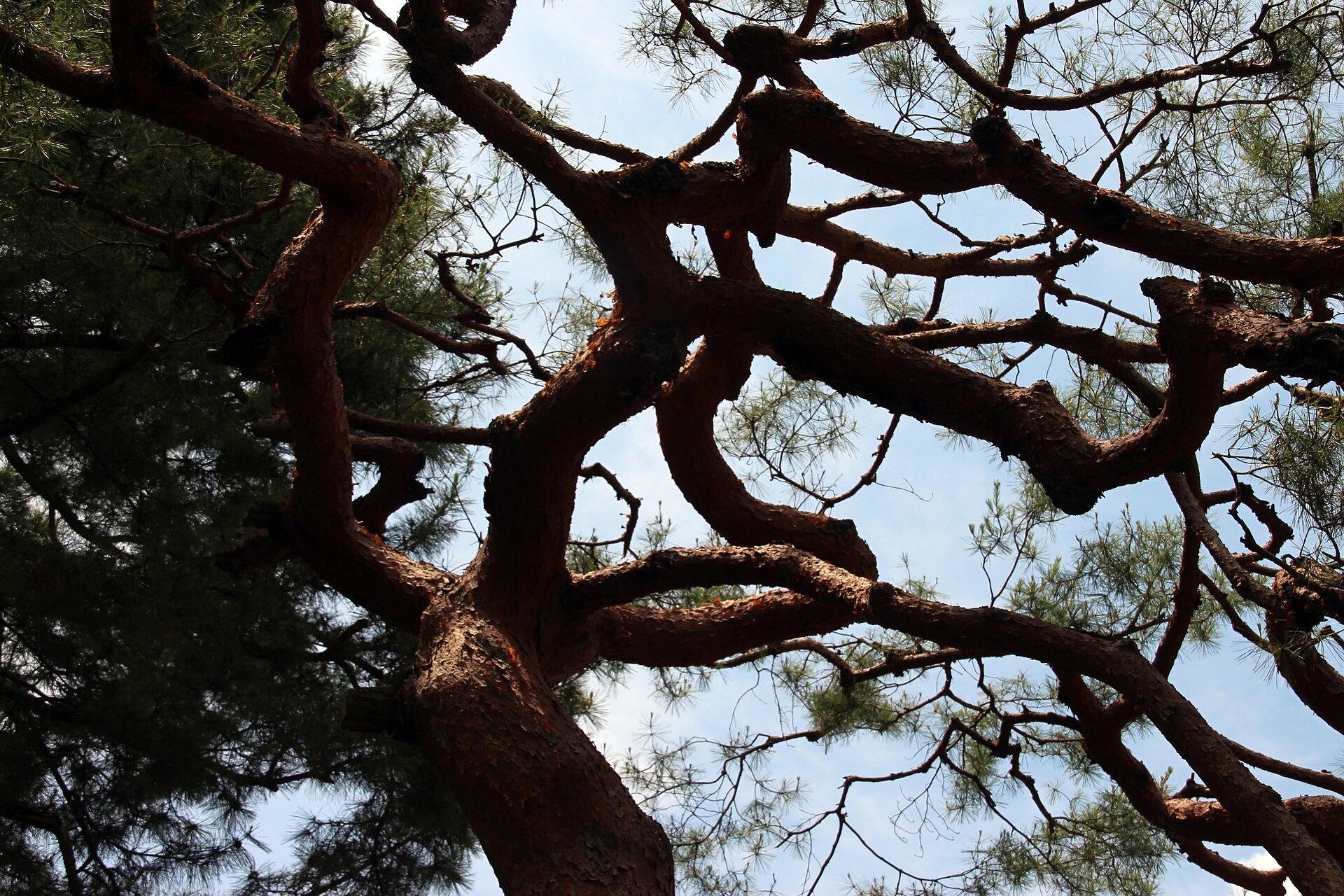
This great transformation marked the beginning of Japan’s rapid modernization, and it changed the position of the emperor, who now became the active head of a modernizing state. The move of the capital reflected these changes, shifting the center of the nation away from the ancient imperial city to the new seat of government and imperial residence.
The departure of the court from Kyoto brought to an end the palace’s long history as the residence of the reigning emperor. After more than a millennium as the imperial capital, Kyoto ceased to be the home of the emperors, and the palace, so long the sacred center of the nation, was left without its imperial occupant.
Yet the palace retained its profound significance as a monument to the long history of the imperial institution and the classical culture of Japan. Even after the court departed, it remained a place of great importance, preserved as a symbol of the ancient traditions of the monarchy and of the thousand years during which Kyoto was the heart of the nation.
A Preserved Monument
After the imperial court moved to the new capital, the Kyoto Imperial Palace was preserved as a monument to the history and traditions of the imperial institution. Maintained and cared for, it continued to be used for certain important ceremonies and to serve as a symbol of the ancient heritage of the monarchy.

The preservation of the palace reflected its deep importance to Japanese identity and history. As the ancient seat of the imperial court and a masterpiece of classical architecture, it was recognized as a treasure of the nation, and its careful maintenance ensured that this heritage would be preserved for future generations.
The palace and its surrounding park were in time opened to the public, allowing visitors to experience the world of the classical imperial court. This opening of the palace made its beauty and history accessible to all, and it became one of the most important and beloved historic sites in Japan.
The preservation of the palace as a monument ensured the survival of one of the most important expressions of classical Japanese culture. Its halls, gates, and gardens continue to embody the aesthetic and traditions of the imperial court, and they stand as a lasting testament to the thousand years during which Kyoto was the imperial capital of Japan.
Visiting the Kyoto Imperial Palace Today
Today the Kyoto Imperial Palace is one of the most important historic sites in Japan, open to the public and drawing visitors from around the world to experience the world of the classical imperial court. Set within its great park in the heart of Kyoto, it offers a serene and beautiful retreat from the busy modern city.
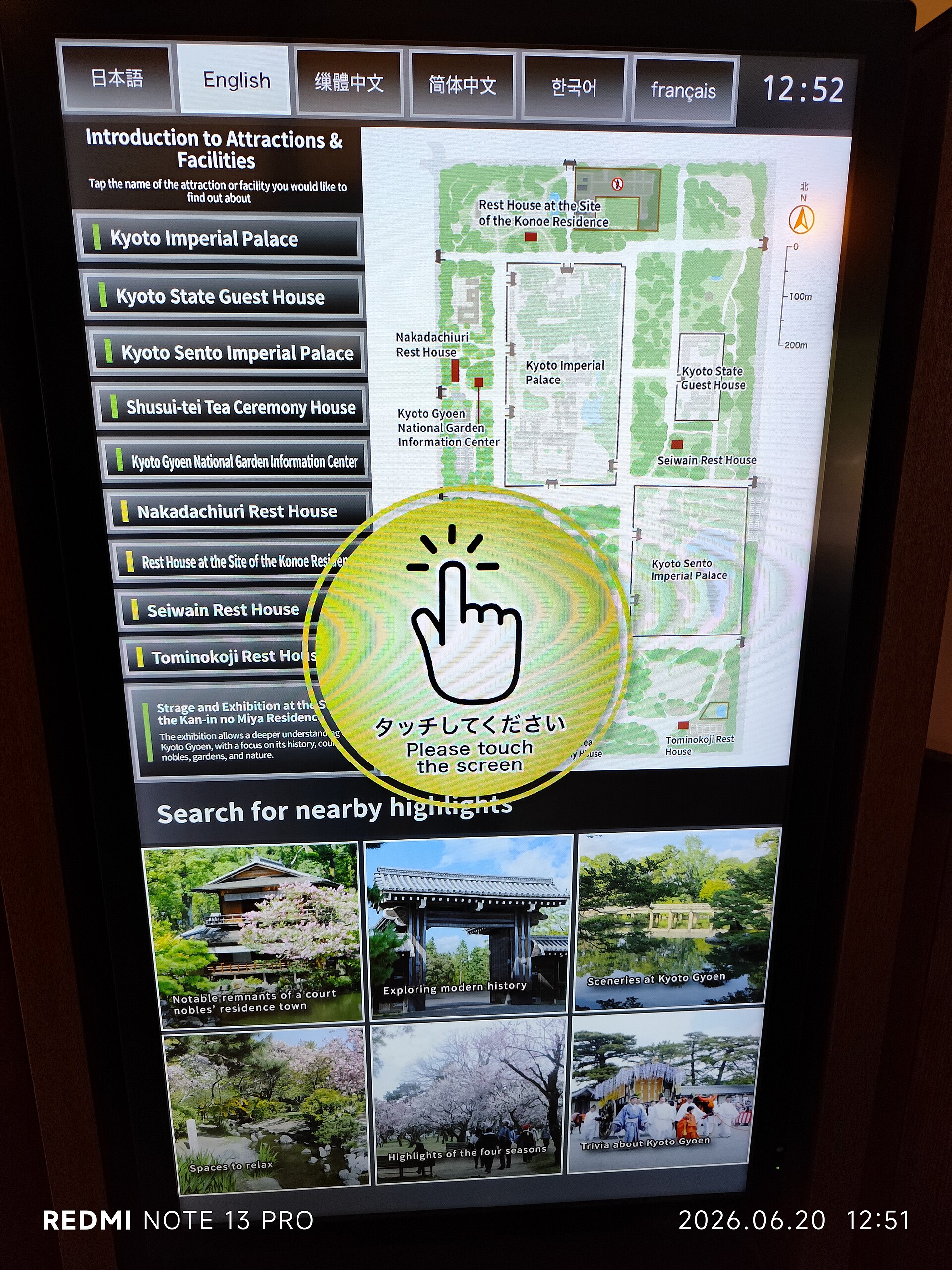
View the exact location on Google Maps
A visit leads through the grounds of the palace, past the great ceremonial hall, the residential quarters, and the elegant gates, and through the beautiful gardens. The restrained beauty of the architecture and the tranquility of the gardens offer a vivid sense of the aesthetic and the atmosphere of the classical Japanese court.
The surrounding park, once filled with the residences of the court nobility, is a spacious and beautiful green space in the heart of Kyoto, a place for walking and repose. A visit to the palace can easily be combined with time in the park and with the many other historic sites of the old capital, making for a rich experience of Japanese history and culture.
Whether you come for the architecture, the gardens, the history, or the serene atmosphere, the Kyoto Imperial Palace offers an unforgettable encounter with the classical culture of Japan. It is the ancient seat of the emperors, a masterpiece of classical design, and a place where the thousand-year history of the imperial capital is preserved in halls and gardens of profound and enduring beauty.
To visit the palace is to step, for a while, out of the pace of modern Japan and into a slower, older rhythm. In the hush of its courtyards and the stillness of its gardens, something of the atmosphere of the classical court survives, and many visitors find that the palace lingers in the memory less as a set of buildings than as a mood, a lasting impression of dignity and calm.
Palaces Nearby
The Kyoto Imperial Palace is one of the great royal residences of Japan and East Asia. More palaces of Japan will join it here soon, to trace the varied splendor of the courts and rulers of the islands.
You May Like
Chehel Sotoun: The Pavilion of Forty Columns in Safavid Isfahan


2 thoughts on “The Kyoto Imperial Palace: A Thousand Years of Japan’s Emperors”