At the foot of Edinburgh’s ancient Royal Mile, where the medieval streets of the old town give way to open parkland beneath a dramatic volcanic hill, stands the official residence of the British monarch in Scotland. The Palace of Holyroodhouse is a place where royal grandeur and Scottish history meet, a working palace still used by the crown yet steeped in some of the most dramatic and tragic episodes in the nation’s past. Few royal residences carry so heavy a burden of memory.
Holyroodhouse grew from an ancient abbey, whose romantic ruins still stand beside the palace, and rose over the centuries into a royal residence of the kings and queens of Scotland. It was here that the Scottish court held its ceremonies, here that royal marriages and murders took place, and here that the tumultuous history of the Scottish crown was played out, against a backdrop of political and religious upheaval.
Above all, the palace is bound up with the story of one of history’s most famous and ill-fated queens, whose years at Holyrood were marked by drama, love, betrayal, and violence. Her apartments, preserved within the palace, are among its most visited and evocative spaces, and her tragic story colours the whole building. Yet Holyroodhouse is also a living palace, still used by the monarch for ceremonies and receptions each year.
In this article you will get to know the Palace of Holyroodhouse fully: its origins in an ancient abbey, its rise as the seat of the Scottish court, the dramatic and tragic story of its most famous queen, its grand baroque rebuilding, its royal apartments and great gallery, its role in the modern monarchy, and its life today as the official residence of the crown in Scotland and one of the most storied royal palaces in Britain.
In This Article
- The Royal Palace in Scotland
- The Ancient Abbey
- Seat of the Scottish Crown
- The Tragic Queen
- The Historic Apartments
- The Grand Rebuilding
- The Great Gallery
- The State Apartments
- The Gardens and the Setting
- After the Union of Crowns
- A Living Royal Residence
- The Palace and the City of Edinburgh
- Holyroodhouse Today
The Royal Palace in Scotland
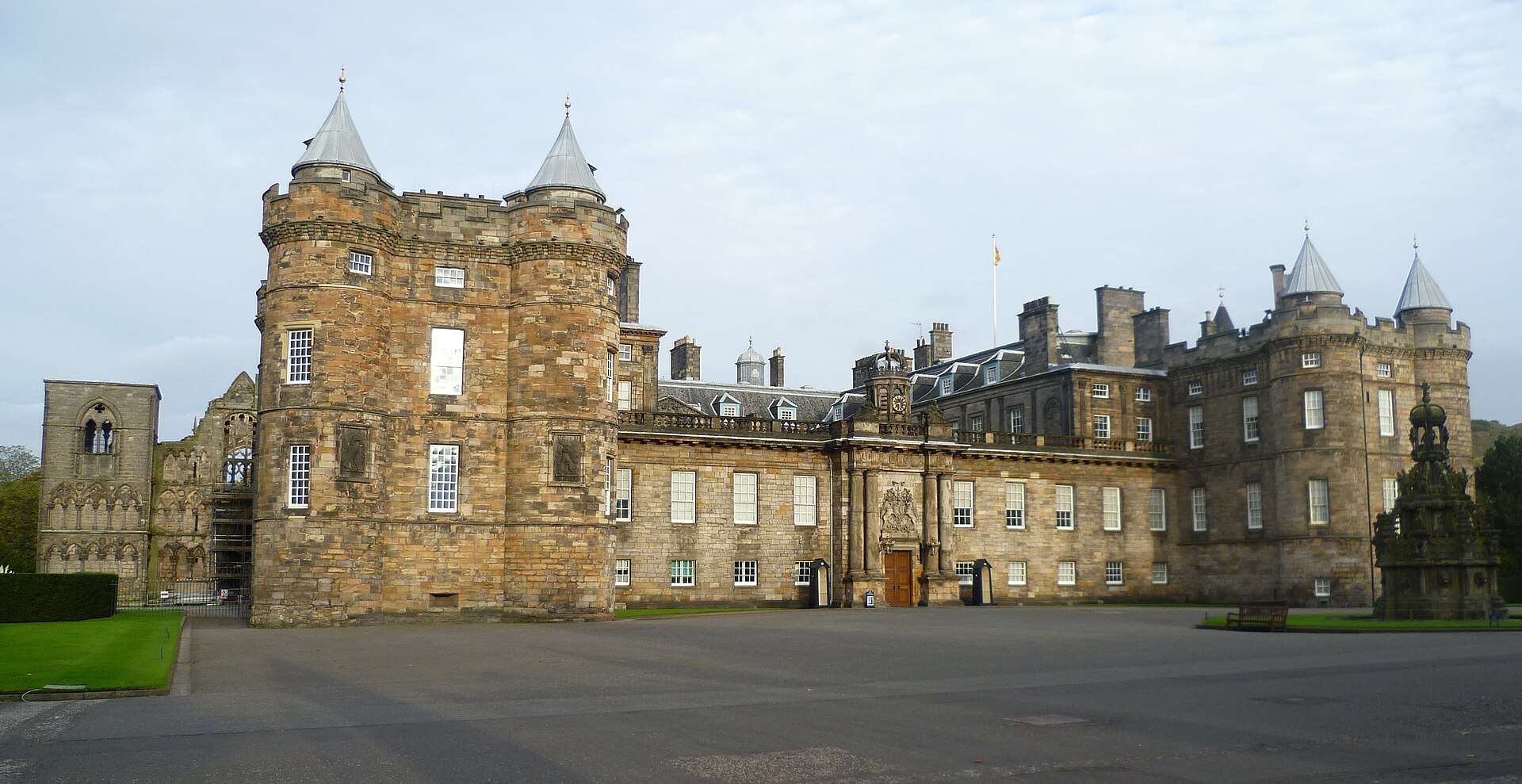
The Palace of Holyroodhouse stands at the eastern end of the Royal Mile, the historic spine of Edinburgh’s old town, in a dramatic setting beneath the craggy heights of an ancient volcanic hill and its surrounding royal park. This magnificent location, where the medieval city meets wild parkland, gives the palace one of the most striking settings of any royal residence in Britain.

The palace serves as the official residence of the British monarch in Scotland, the place where the sovereign stays and carries out official duties when in Edinburgh. It is thus a working royal palace, used each year for ceremonies, receptions, and the business of the crown in Scotland, while also being open to the public for much of the year as one of the great historic attractions of the city.
This dual role, as both a living royal residence and a historic monument steeped in the drama of Scotland’s past, gives Holyroodhouse its particular character. It is at once grand and intimate, ceremonial and haunted by history, a palace where the modern monarchy carries out its duties amid the settings of some of the most famous and tragic episodes in the nation’s story.
The setting of the palace, poised between the medieval city and the wild parkland beneath the hill, is one of its greatest assets and part of what makes a visit so memorable. Few royal residences enjoy so dramatic a natural backdrop, and the sight of the elegant palace against the craggy heights behind it is among the most striking images of Edinburgh, uniting royal grandeur with the raw beauty of the Scottish landscape.
There is a particular pleasure in visiting a palace that is still genuinely used by the crown, for it lends every room a sense of living purpose. At Holyroodhouse the visitor is aware of walking through spaces where the monarchy still conducts its business, and this knowledge, combined with the weight of the palace’s dramatic history, gives a visit an intensity that a purely historical monument could not provide.
The Ancient Abbey
The origins of Holyroodhouse lie in an ancient abbey, founded in the medieval period on this site beneath the hill. According to legend, the abbey was established after a king had a miraculous vision while hunting, and it grew into an important religious house, its great church serving as a place of worship, royal ceremony, and burial for the Scottish crown.

Beside the abbey there developed a royal guest house and lodging, for kings often stayed at such great religious houses, and over time this royal accommodation grew in importance. As the Scottish monarchy increasingly favoured Edinburgh, the lodging beside the abbey developed into a royal residence, the seed from which the later palace would grow, rooted in the ancient sanctity of the abbey.
The abbey itself, after centuries of use, eventually fell into ruin, and its roofless remains still stand beside the palace, a romantic and evocative relic of the site’s ancient origins. These beautiful ruins, with their soaring Gothic arches open to the sky, are among the most atmospheric features of Holyroodhouse, a reminder of the religious foundation from which the royal palace grew.
The romantic ruins of the abbey, roofless and open to the sky, are among the most atmospheric features of the whole site, a haunting reminder of the religious foundation from which the royal palace grew. To wander among their soaring Gothic arches is to feel the deep antiquity of Holyrood, and the ruins lend the palace a poetic quality that has inspired artists and visitors for generations.
The legend of the abbey’s founding, tied to a king’s miraculous escape while hunting, gives the site a romantic origin story that has clung to it through the centuries. Whatever the truth of the tale, it captures the deep and ancient roots of Holyrood as a sacred place, and it reminds visitors that the royal palace grew from a religious foundation whose atmosphere still lingers among the ruins.
Seat of the Scottish Crown
As the royal residence beside the abbey grew in importance, it became a principal seat of the Scottish crown, favoured by kings who transformed it into a true palace worthy of the monarchy. Under a succession of ambitious rulers, the palace was built up and adorned, becoming the setting for the ceremonies, the court life, and the government of the Scottish kingdom.

The palace flourished as the heart of the Scottish court during the era before the crowns of Scotland and England were united. Here the kings held their councils, received their nobles and ambassadors, celebrated marriages and festivals, and conducted the affairs of the realm. The palace was thus the political and ceremonial centre of an independent Scottish kingdom, the stage on which its royal life unfolded.
This period established Holyroodhouse as the principal royal residence of Scotland, a position it has held ever since. Even after the union of the crowns drew the monarchy south, the palace remained the royal seat in Scotland, the place where the sovereign’s presence in the northern kingdom was embodied, and where the ceremonies of the crown in Scotland continued to be performed.
The transformation of the royal lodging beside the abbey into a true palace reflected the growing importance of Edinburgh as the capital of Scotland and the increasing splendour of its court. As the monarchy invested in Holyroodhouse, it became a residence worthy of a European crown, and its rise mirrored the ambitions of a Scottish kingdom determined to take its place among the nations of the continent.
The Tragic Queen
No figure is more closely bound up with Holyroodhouse than the famous and ill-fated queen whose dramatic reign unfolded in part within its walls. Returning to Scotland to take up her throne, she made the palace her principal residence, and it became the setting for the personal and political dramas that would make her one of the most famous and tragic figures in history.

It was at Holyroodhouse that one of the most notorious episodes of her reign took place: the brutal murder of her private secretary, dragged from her presence and stabbed to death within the palace, an act of shocking violence that reflected the deadly politics of the age. The rooms where these events occurred are preserved, and the story lends the palace an air of dark drama that fascinates visitors to this day.
The queen’s years at Holyroodhouse were marked by love, intrigue, betrayal, and violence, a whirlwind of personal and political turmoil that would end in her downfall, imprisonment, and eventual execution. Her tragic story is inseparable from the palace, and her preserved apartments, with their associations of drama and doom, are among the most evocative and visited spaces in all of Holyroodhouse.
The tragic story of the famous queen, with its love, betrayal, and violence, has fascinated the world for centuries, and Holyroodhouse stands at its very heart. That the actual rooms where these dramatic events unfolded still survive gives the palace an extraordinary power to connect visitors with one of history’s most compelling and sorrowful tales, and it is this human drama, as much as the architecture, that draws so many to the palace.
The murder committed within the palace, one of the most notorious episodes of its kind, has left an indelible mark on the memory of Holyroodhouse. That the deed was done in the very presence of the queen, in her own apartments, made it all the more shocking, and the story has been told and retold for centuries, drawing countless visitors to stand in the rooms where the tragedy unfolded.
The Historic Apartments
Among the most fascinating parts of the palace are the historic apartments associated with its famous queen, preserved high in one of the palace’s ancient towers. These rooms, where she lived, worked, and witnessed the dramatic events of her reign, are among the oldest parts of the palace and the most powerfully atmospheric, steeped in the memory of their tragic occupant.
The apartments include her bedchamber and the small supper room where the fatal violence of the famous murder erupted, spaces that bring the visitor into direct contact with one of history’s most dramatic stories. Preserved and displayed, these rooms allow visitors to stand where the queen stood and to imagine the events that unfolded within them, an unusually vivid encounter with the past.
These historic apartments are among the treasures of Holyroodhouse, a rare survival of royal interiors from the age of the Scottish court, charged with the drama of the queen’s reign. Their preservation makes the palace not merely a grand residence but a place where history can be touched, and they draw visitors eager to encounter the setting of one of the most famous tragedies in the annals of monarchy.
To climb to these ancient apartments, high in the oldest tower of the palace, is to ascend into the very setting of the queen’s tragedy, and the rooms retain an atmosphere of drama and foreboding. Their survival, largely unchanged, is a rare and precious thing, offering an unusually direct encounter with the past, and they remain the emotional core of a visit to Holyroodhouse for many who come.
Few royal residences in Britain preserve rooms so directly linked to so famous a historical drama, and this is part of what makes Holyroodhouse unique. The survival of the tragic queen’s apartments, largely as they were, offers an encounter with the past of extraordinary immediacy, and it ensures that her story, and the palace that witnessed it, will continue to fascinate visitors for generations to come.
The Grand Rebuilding
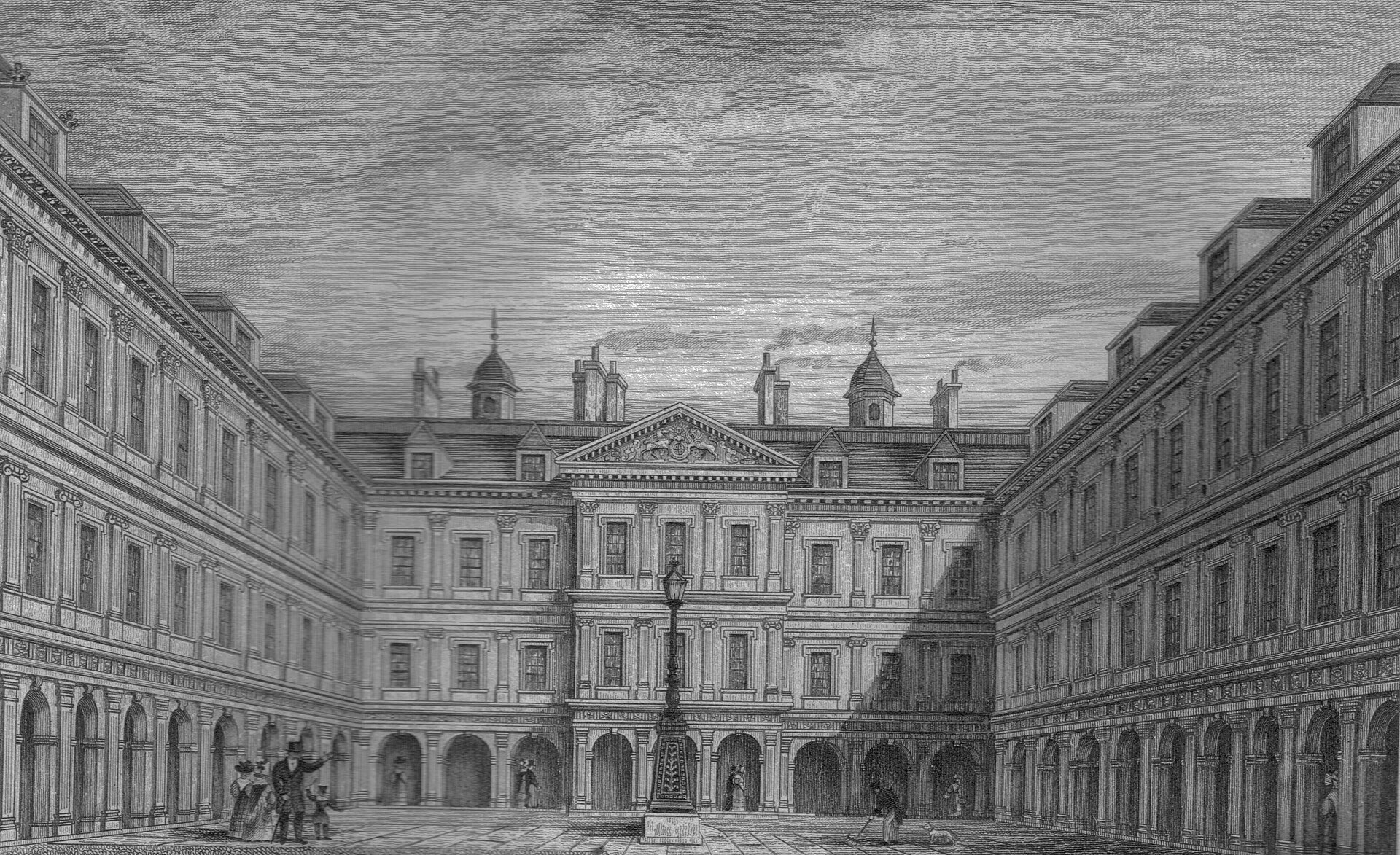
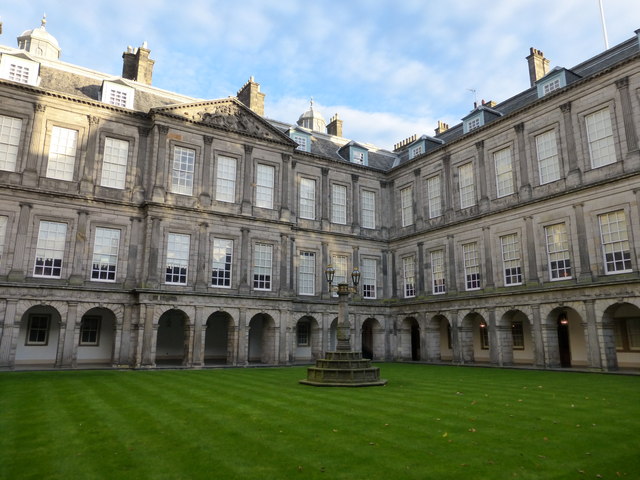
The palace as we largely see it today owes its grand form to a major rebuilding undertaken after the union of the Scottish and English crowns, when a restored monarchy sought to give Holyroodhouse a magnificent new appearance worthy of a royal residence. This rebuilding transformed the palace into an elegant classical building arranged around a stately courtyard.
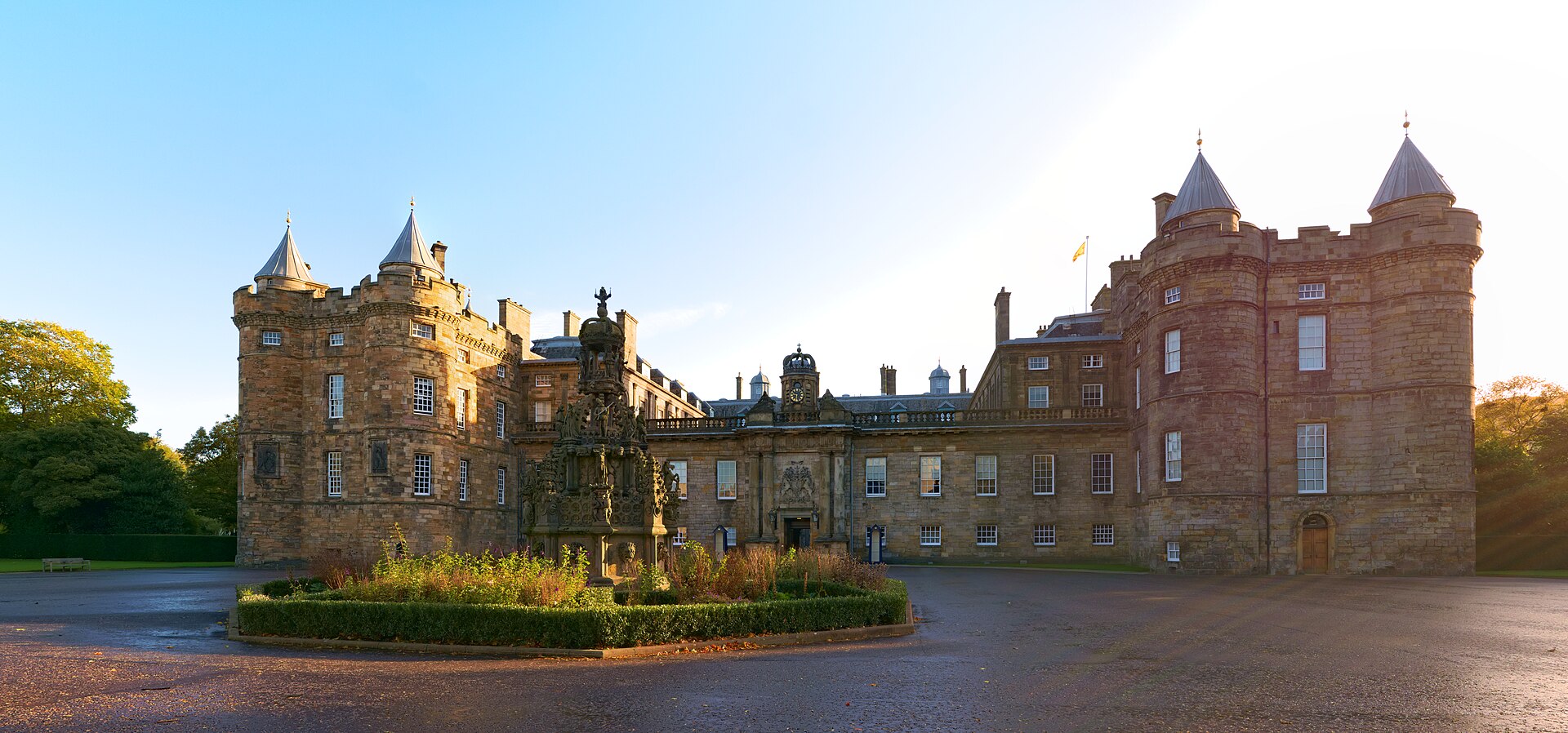
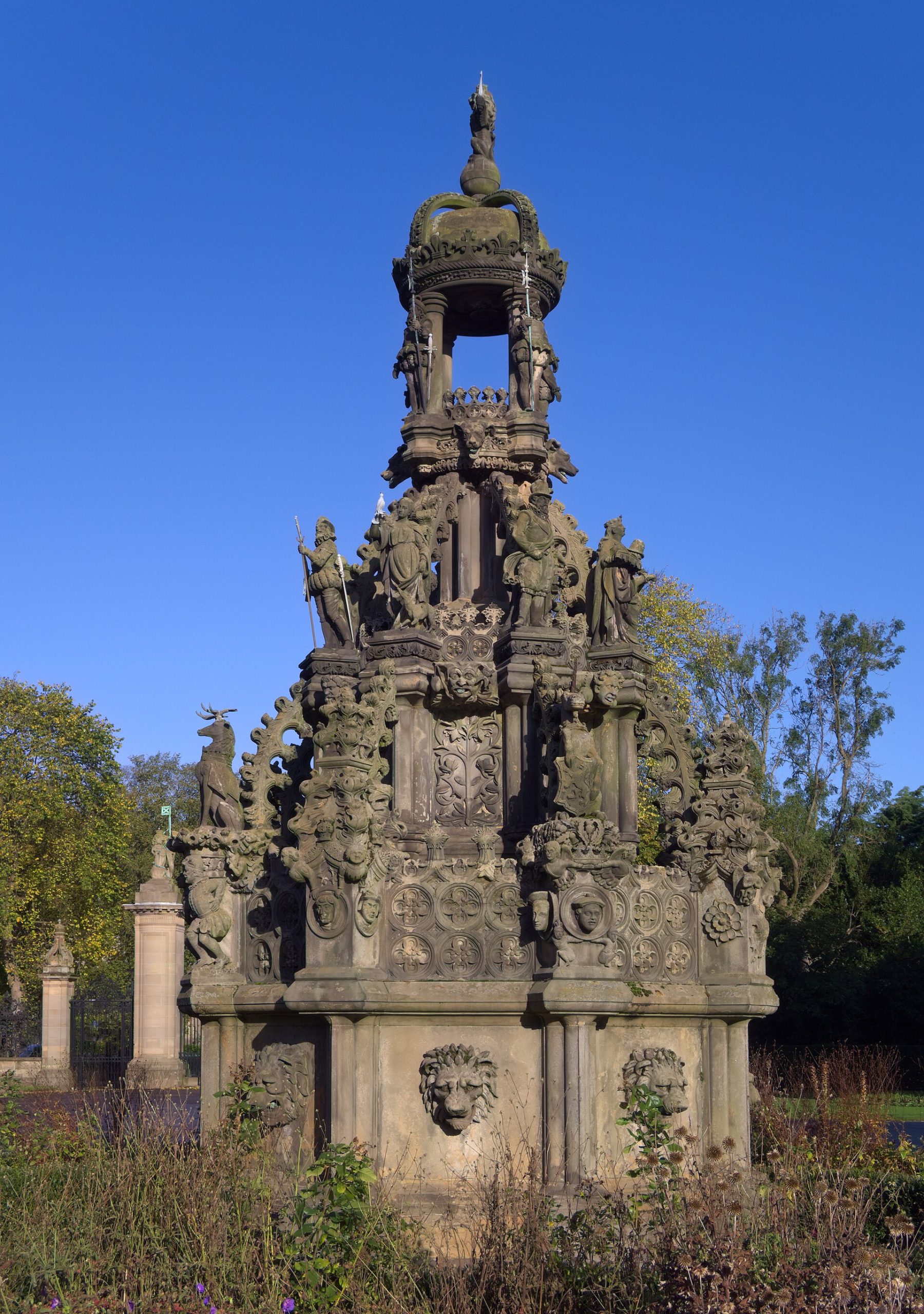
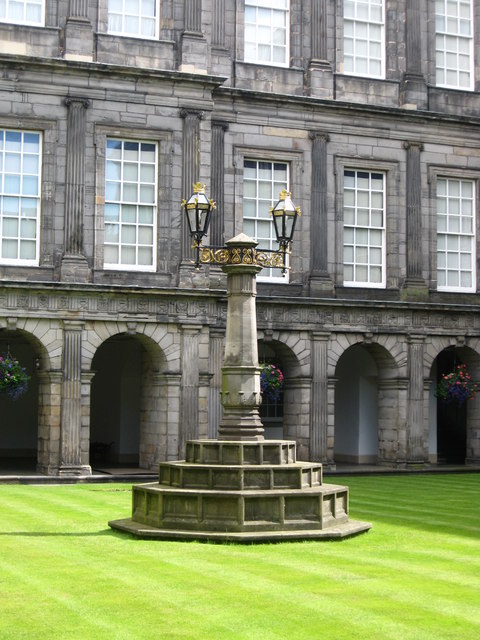
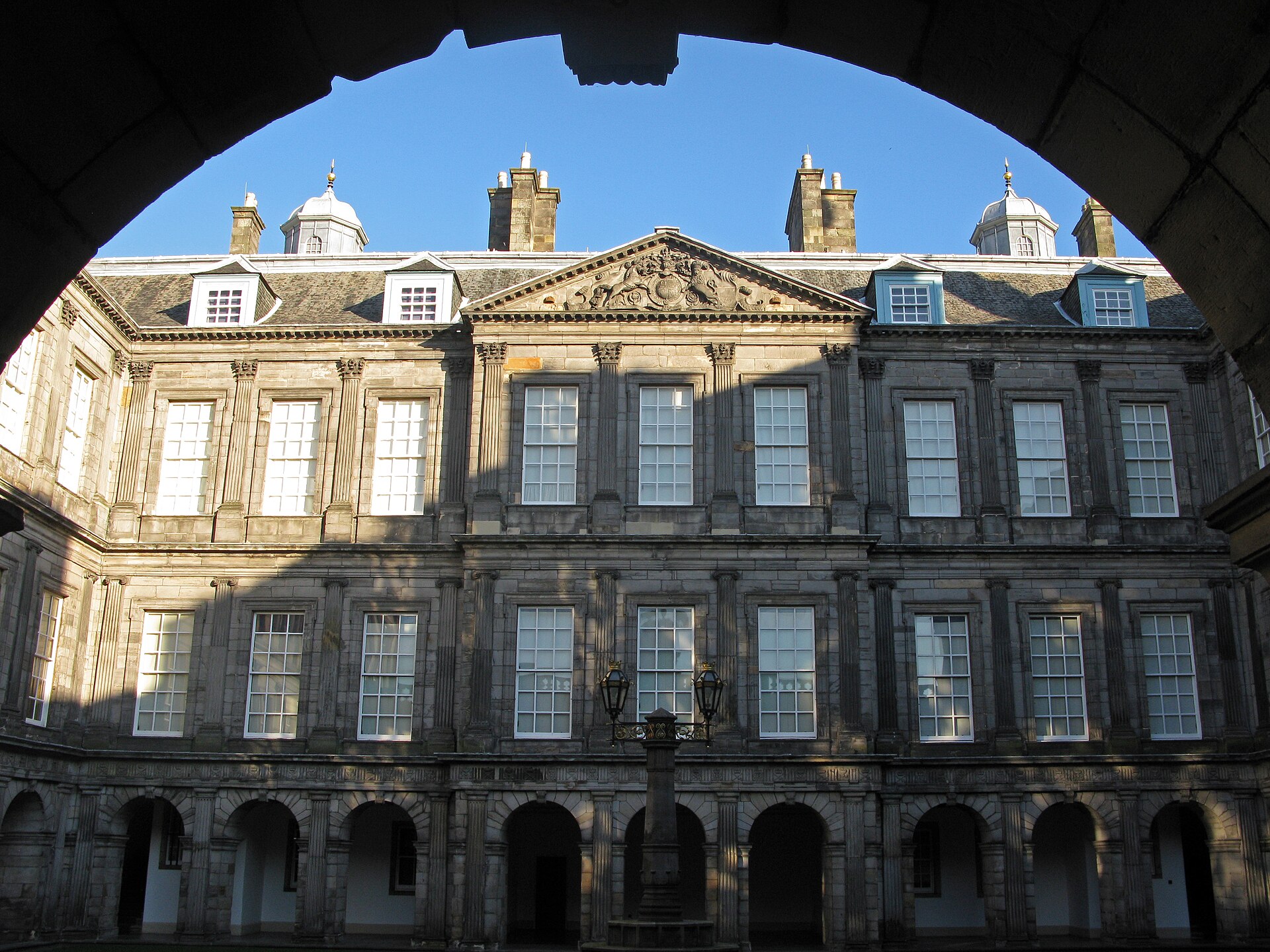
The rebuilding created the grand facade and the harmonious quadrangle that give the palace its present dignity, blending the older towers with new classical ranges to produce a unified and imposing whole. The result was a royal residence of considerable grandeur, its architecture expressing the restored authority and magnificence of the monarchy in Scotland.
This grand rebuilding gave Holyroodhouse the form it has retained ever since, a palace of classical elegance incorporating the ancient towers of the earlier royal residence. The combination of old and new, of medieval tower and classical range, gives the palace a rich architectural character, layering its long history into the very fabric of the building that visitors admire today.
The great rebuilding after the union of the crowns was a deliberate act of royal magnificence, intended to give the palace a dignity befitting the restored monarchy. The architects skilfully united the surviving ancient tower with elegant new classical ranges, producing a harmonious whole that respected the palace’s history while giving it a new grandeur, and it is this building that visitors largely admire today.
The Great Gallery
One of the grandest spaces in the palace is its great gallery, a long and magnificent room hung with a remarkable series of portraits depicting the kings of Scotland, stretching back into legendary antiquity. This extraordinary gallery of royal portraits, created to glorify the ancient lineage of the Scottish crown, is one of the most striking features of Holyroodhouse.

The great gallery has served as the setting for grand occasions throughout the palace’s history, and it remains one of the principal ceremonial spaces used by the monarchy in Scotland today. Its long line of royal portraits, gazing down upon the visitor, creates an atmosphere of historic grandeur and dynastic continuity, asserting the ancient roots of the Scottish crown.
The gallery is not only a magnificent room but a statement of royal legitimacy, its portraits designed to trace the monarchy back through a long and glorious line of kings. Whether or not all the figures depicted were historical, the gallery served to root the crown in a deep and honourable past, and it remains one of the most impressive and evocative spaces in the whole palace.
The long line of royal portraits in the great gallery, stretching back into legend, was designed to impress upon all who entered the ancient and unbroken lineage of the Scottish crown. Whether the earliest figures were historical or mythical mattered less than the message they conveyed, and the gallery remains a powerful assertion of dynastic continuity, as well as one of the grandest and most memorable rooms in the palace.
Walking the length of the great gallery, beneath the gaze of the long line of royal portraits, one feels the full weight of the dynastic ambition that created it. The room was designed to overwhelm visitors with the antiquity and legitimacy of the Scottish crown, and it succeeds still, its grandeur and its historic associations making it one of the most memorable spaces encountered anywhere in the palace.
The State Apartments
Beyond the historic towers and the great gallery, the palace contains a sequence of grand state apartments, created in the great rebuilding and used for the ceremonial functions of the monarchy. These richly decorated rooms, with their fine plasterwork, tapestries, paintings, and furnishings, provide a setting of appropriate splendour for the receptions and ceremonies of the crown in Scotland.
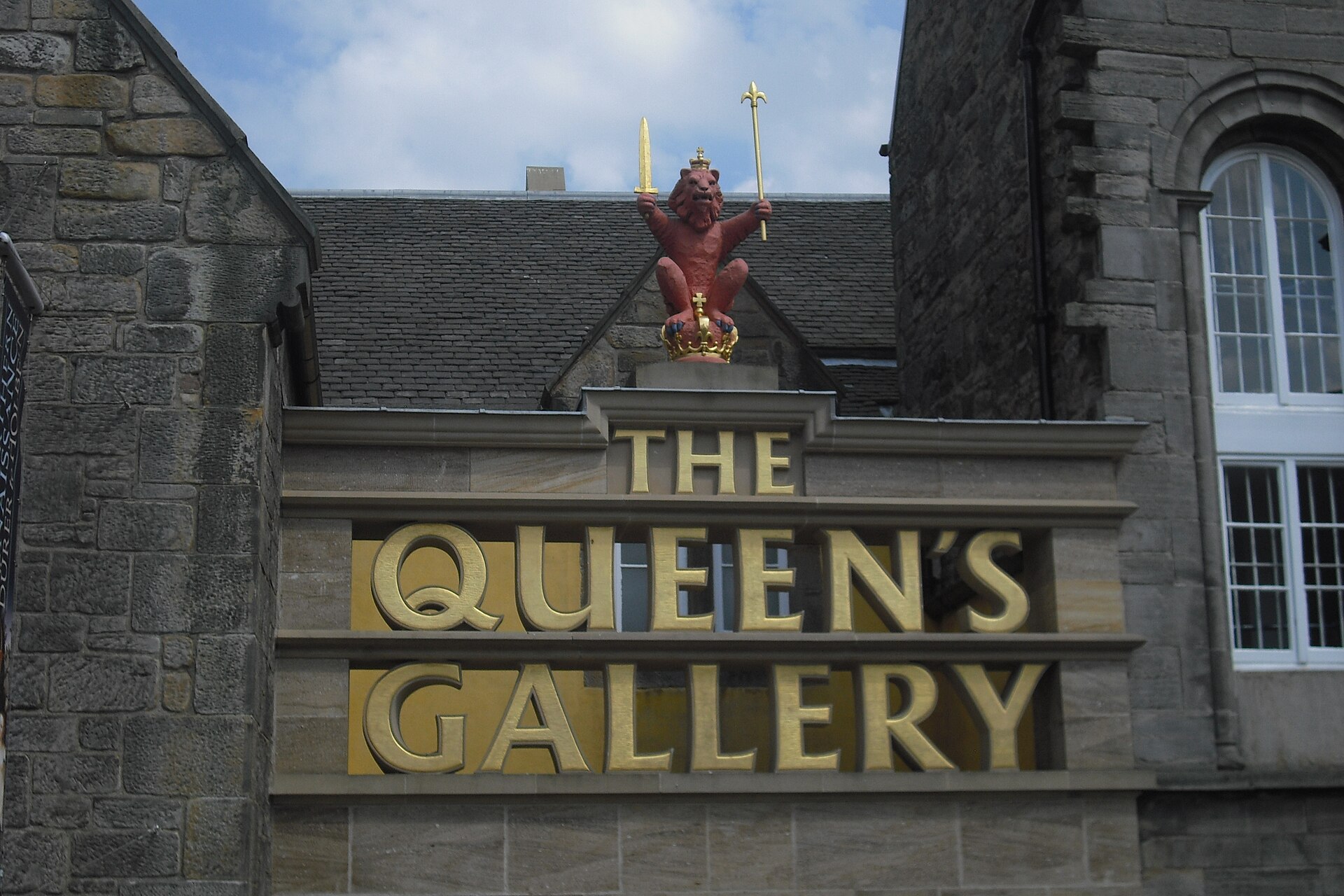
The state apartments proceed in a stately sequence, from grand reception rooms to the throne room and the spaces used for the most important occasions. Their decoration reflects the taste of the ages through which the palace has served the monarchy, and they retain the grandeur appropriate to a royal residence used by the sovereign for official duties in Scotland.
These apartments are the working ceremonial heart of the modern palace, the settings in which the monarchy conducts its official business in Scotland, from investitures to receptions. Open to the public when the court is not in residence, they allow visitors to experience the grandeur of a working royal palace and to admire the fine interiors and collections that adorn them.
The state apartments, created in the great rebuilding and enriched over the centuries, provide the grand setting for the ceremonial life of the modern monarchy in Scotland. Their fine plasterwork, tapestries, and furnishings reflect the taste of successive reigns, and when they are opened to the public they allow visitors to experience the grandeur of a working royal palace still used by the sovereign.
The Gardens and the Setting
The Palace of Holyroodhouse is set amid gardens and parkland of great beauty, beneath the dramatic heights of the ancient volcanic hill that rises behind it. The palace gardens, laid out around the building, provide a green and tranquil setting, while beyond them stretches the vast royal park, a wild and beautiful landscape at the very edge of the city.
The gardens are used each year for the great garden party held by the monarch, one of the principal royal occasions in Scotland, when thousands of guests are received in the grounds of the palace. This tradition brings the gardens to life as a setting for royal ceremony, uniting the beauty of the grounds with the living functions of the crown.
The dramatic natural setting of the palace, with the craggy hill rising behind and the wild park stretching beyond, gives Holyroodhouse a grandeur that few urban palaces can match. The contrast between the elegant classical palace, the romantic abbey ruins, the formal gardens, and the wild landscape beyond creates a setting of extraordinary beauty and atmosphere, one of the glories of the palace.
The annual garden party held in the grounds is one of the great royal occasions in Scotland, bringing the palace gardens to life as thousands of guests are received amid the beauty of the grounds. This tradition unites the natural beauty of the setting with the living ceremony of the crown, and it is one of the ways in which Holyroodhouse continues to serve its ancient purpose as the royal seat in Scotland.
The wild royal park beyond the gardens, dominated by the great volcanic hill, offers a dramatic contrast to the elegant palace and its formal grounds. That so wild a landscape should lie at the very edge of a capital city, immediately behind a royal palace, is remarkable, and the park is a beloved place of recreation for the people of Edinburgh as well as a magnificent setting for the palace.
After the Union of Crowns
When the crowns of Scotland and England were united, and the monarchy moved its principal seat south, Holyroodhouse entered a new phase of its history. No longer the constant residence of a resident Scottish court, it became the royal palace used during the sovereign’s visits to Scotland, a role it has continued to play through the centuries since.
Through the changing fortunes of the monarchy, including periods of upheaval and neglect, the palace remained the symbol of the crown’s presence in Scotland. Royal visits, though less frequent than in the days of the independent Scottish court, kept the palace in use, and it continued to serve as the setting for the ceremonies of the monarchy in the northern kingdom.
In the modern era, the palace has resumed a central role as the official royal residence in Scotland, used regularly by the monarch for ceremonies, receptions, and official duties. The revival of the palace’s royal function has ensured that Holyroodhouse remains a living palace, its long history as the seat of the crown in Scotland continuing unbroken into the present day.
Even after the monarchy moved its principal seat south, the enduring symbolic importance of Holyroodhouse as the crown’s residence in Scotland was never lost. The palace remained the place where the sovereign’s presence in the northern kingdom was embodied, and its continued use for royal visits and ceremonies kept alive the ancient link between the crown and Scotland that the palace represents.
The role of the palace as the enduring symbol of the crown’s presence in Scotland took on renewed importance in the modern era, as royal visits became more frequent and the ceremonial life of the monarchy in Scotland was revived. Holyroodhouse, as the official royal residence in the northern kingdom, stands at the centre of this revived tradition, embodying the ancient bond between the crown and Scotland.
A Living Royal Residence
Today the Palace of Holyroodhouse is a working royal residence, the official home of the British monarch in Scotland. Each year the sovereign spends time at the palace, carrying out official engagements, holding ceremonies and receptions, and hosting the great garden party in the grounds. The palace thus continues to serve its ancient purpose as the seat of the crown in Scotland.
The palace is used for a range of official functions, from investitures at which honours are conferred to receptions and audiences with visiting dignitaries and representatives of Scottish life. These occasions, conducted amid the grandeur of the state apartments and the great gallery, embody the continuing role of the monarchy in Scotland and the palace’s place at its ceremonial heart.
This living royal function gives Holyroodhouse a vitality that distinguishes it from a mere museum. When the court is not in residence, the palace opens to the public, allowing visitors to explore its historic and ceremonial spaces, so that it serves both the monarchy and the nation, a working palace that shares its grandeur and history with all who come to see it.
The regular use of the palace by the monarch for official duties in Scotland ensures that Holyroodhouse remains a living institution rather than a preserved relic. When the flag flies and the ceremonies are held, the palace resumes its ancient role as the seat of the crown in Scotland, and this continuing royal function gives the historic building a vitality and meaning that no museum could match.
The Palace and the City of Edinburgh
The Palace of Holyroodhouse stands at one end of the Royal Mile, the historic thoroughfare that links it to the great castle perched on its rock at the other end of the old town. Between these two royal fortresses stretches the medieval heart of Edinburgh, one of the most beautiful and historic city centres in Europe, and the palace anchors it at its lower, eastern end.
This position at the foot of the Royal Mile ties the palace intimately to the life and history of the Scottish capital. The processional route between castle and palace has been the setting for royal and ceremonial occasions through the centuries, and the two great royal buildings, at either end of the historic street, together frame the old town and its long history.
The dramatic contrast between the palace in its parkland setting beneath the volcanic hill and the dense medieval streets of the old town above gives Edinburgh its distinctive character. Holyroodhouse, at the meeting point of city and wild landscape, is one of the defining features of this remarkable capital, and its setting is inseparable from the beauty and drama of Edinburgh itself.
For the visitor, the palace and the city are best experienced together, walking the Royal Mile from the castle down to Holyroodhouse, tracing the historic spine of the old town. This journey, from fortress to palace through the heart of the medieval city, offers an unforgettable encounter with the history and beauty of Edinburgh and the long story of the Scottish crown.
The processional route of the Royal Mile, linking the castle at its summit to the palace at its foot, is one of the most historic thoroughfares in Britain, and it has been the setting for royal and ceremonial occasions through the centuries. To walk it is to trace the spine of the old town and to connect the two great royal buildings that frame the medieval heart of the Scottish capital.
That Edinburgh’s old town survives so intact, its medieval streets running from castle to palace, makes the city one of the great historic capitals of Europe. Holyroodhouse, anchoring the lower end of this remarkable townscape, is inseparable from the character and beauty of the city, and to visit the palace is also to encounter one of the most atmospheric and historic urban landscapes on the continent.
Holyroodhouse Today
Today the Palace of Holyroodhouse is one of the most visited and admired royal palaces in Britain, drawing visitors from around the world to explore its historic apartments, grand state rooms, great gallery, and romantic abbey ruins, and to encounter the dramatic history of the Scottish crown. Set at the foot of the Royal Mile beneath its dramatic hill, it is one of the great sights of Edinburgh.

A visit reveals the preserved apartments of the tragic queen, the great gallery with its line of royal portraits, the grand state apartments, the beautiful abbey ruins, and the gardens beneath the volcanic heights. Few palaces gather so much history, drama, and beauty into a single site, and the combination of royal grandeur and Scottish history makes Holyroodhouse an unforgettable place to visit.
To experience the Palace of Holyroodhouse is to encounter the whole dramatic story of the Scottish crown, from the ancient abbey to the modern monarchy, with the tragic tale of its most famous queen at its heart. Still serving as the official royal residence in Scotland, the palace unites the living monarchy with the deep and often turbulent history of the nation, and it stands as one of the most storied and evocative royal palaces in all of Britain.
For the visitor to Edinburgh, the Palace of Holyroodhouse is among the essential experiences of the city, combining royal grandeur, dramatic history, and beautiful surroundings in a single memorable site. Whether drawn by the tragic story of its famous queen, the grandeur of its state rooms, or the beauty of its setting, visitors come away with a vivid impression of the Scottish crown and its long and turbulent history.
A visit to Holyroodhouse rewards those who take the time to absorb both its grandeur and its history, from the tragic apartments of its famous queen to the splendour of its state rooms and the beauty of its setting. It is a palace that lingers in the memory, uniting the drama of the past with the living presence of the monarchy, and it stands among the most rewarding royal experiences to be had anywhere in Britain.
Palaces Nearby
The Palace of Holyroodhouse is one of the great royal residences of the British Isles beyond England, and its story finds echoes in the royal castles and palaces of the neighbouring nations of these islands. Two more of these royal seats make natural companions to a visit here, each guarding the history of its own nation.
- Dublin Castle – from seat of rule to the heart of a free Ireland.
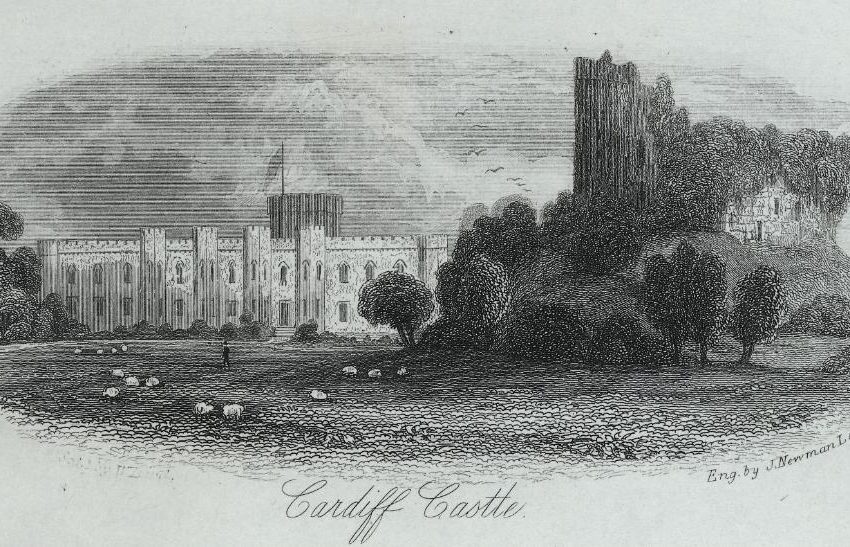
- Cardiff Castle – two thousand years and a Gothic dream in the Welsh capital.
You May Like
Cardiff Castle: Two Thousand Years and a Gothic Dream


2 thoughts on “The Palace of Holyroodhouse: The Royal Seat of Scotland”