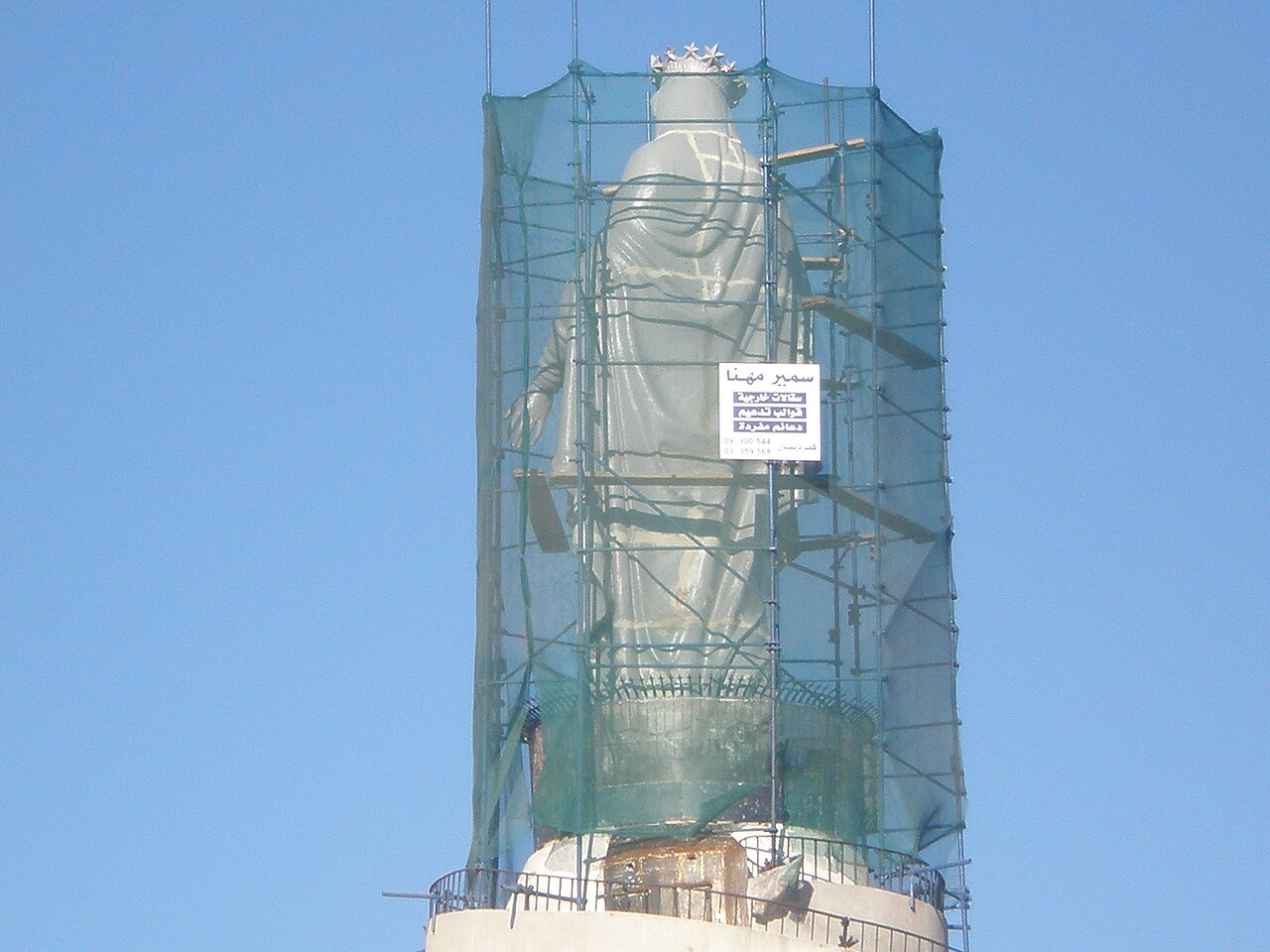
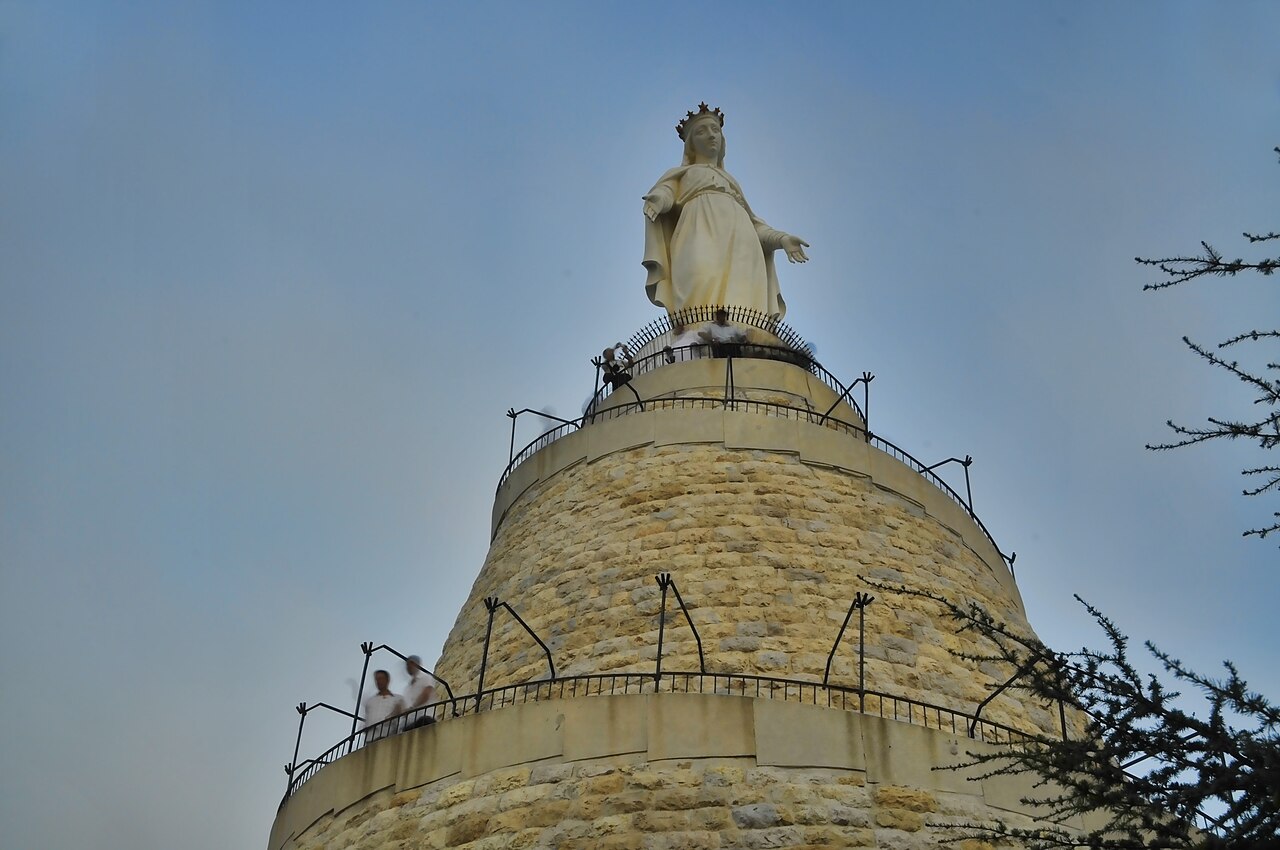
Drive north out of Beirut along the Lebanese coast, and at a certain point you will see her, far up on a hill, small and white against the sky: a towering statue of a woman with her arms opened wide, looking out over the sea. This is Our Lady of Lebanon, and the hill she stands on, called Harissa, is the most beloved religious site in the country. From her feet the view sweeps down over the glittering bay of Jounieh and the Mediterranean beyond, and on a clear day you can see for miles along the coast. For the Christians of Lebanon, and for many of its Muslims too, she is a national symbol, a mother watching over a small and often troubled land.
To understand why this hilltop Virgin means so much, it helps to understand the unusual and ancient Christian community whose heart she has become.
A statue raised by a mountain people
The shrine was created at the turn of the twentieth century, when a great statue of the Virgin Mary, cast in bronze and painted white, was set up on the hill of Harissa overlooking the bay. A spiralling ramp winds up around the base, so that pilgrims can climb to her feet, and she stands with her arms held out and slightly down, in a gesture of welcome and protection, turned toward the capital and the sea. Compared with the ancient monasteries of the Balkans or the Caucasus, this is a young shrine, yet it quickly became the spiritual focus of Lebanese Christianity.
That is partly because of where it stands. Lebanon is a country of mountains, and those mountains have for many centuries been the refuge of its Christians, a place where they could maintain their faith and their distinct identity. Harissa, perched on its hill, looks out over the historic Christian heartland of the Lebanese coast and mountains. To climb to the statue is, in a sense, to stand at the symbolic centre of that world, with the homeland of a people spread out below.
The Maronites and their long, singular story
The Christians most closely associated with Harissa are the Maronites, and they are one of the most distinctive and fascinating communities in the whole Christian world. The Maronite Church traces its origins to a Syriac-speaking hermit and the followers who gathered around his memory in the early centuries of the faith, in the lands of the eastern Mediterranean. Over the centuries, as the region around them changed profoundly, the Maronites withdrew into the mountains of Lebanon, where they preserved their ancient traditions through times that scattered or absorbed many other Eastern Christian groups.
What makes the Maronites especially interesting is their position within the wider Christian family. They are an Eastern church, with their own ancient liturgy, traditions, and Syriac heritage, yet unlike the Orthodox churches they are in full communion with the Roman Catholic Church and recognise the authority of the pope. They are, in other words, one of the Eastern Catholic churches, bodies that keep the rich liturgical and spiritual inheritance of the Christian East while belonging to the Catholic communion of the West. This dual character, Eastern in worship and Catholic in allegiance, is part of what gives Lebanese Christianity its particular flavour, and it sets the Maronites apart from both the Roman Catholics of Europe and the Eastern Orthodox of the Balkans and beyond.
A shrine for a whole country
Although Harissa is at the heart of Maronite devotion, its meaning has spread well beyond any single community. Lebanon is famously a land of many faiths living side by side, Christians of several different churches and Muslims of different traditions, and Our Lady of Lebanon has come to be regarded, remarkably, as a figure of affection across some of those lines. Mary is honoured in Islam as well as in Christianity, and it is not unusual to find Muslim visitors among those who come to the hill, which has given the shrine a quiet role as a meeting point in a country that has too often known division and conflict.
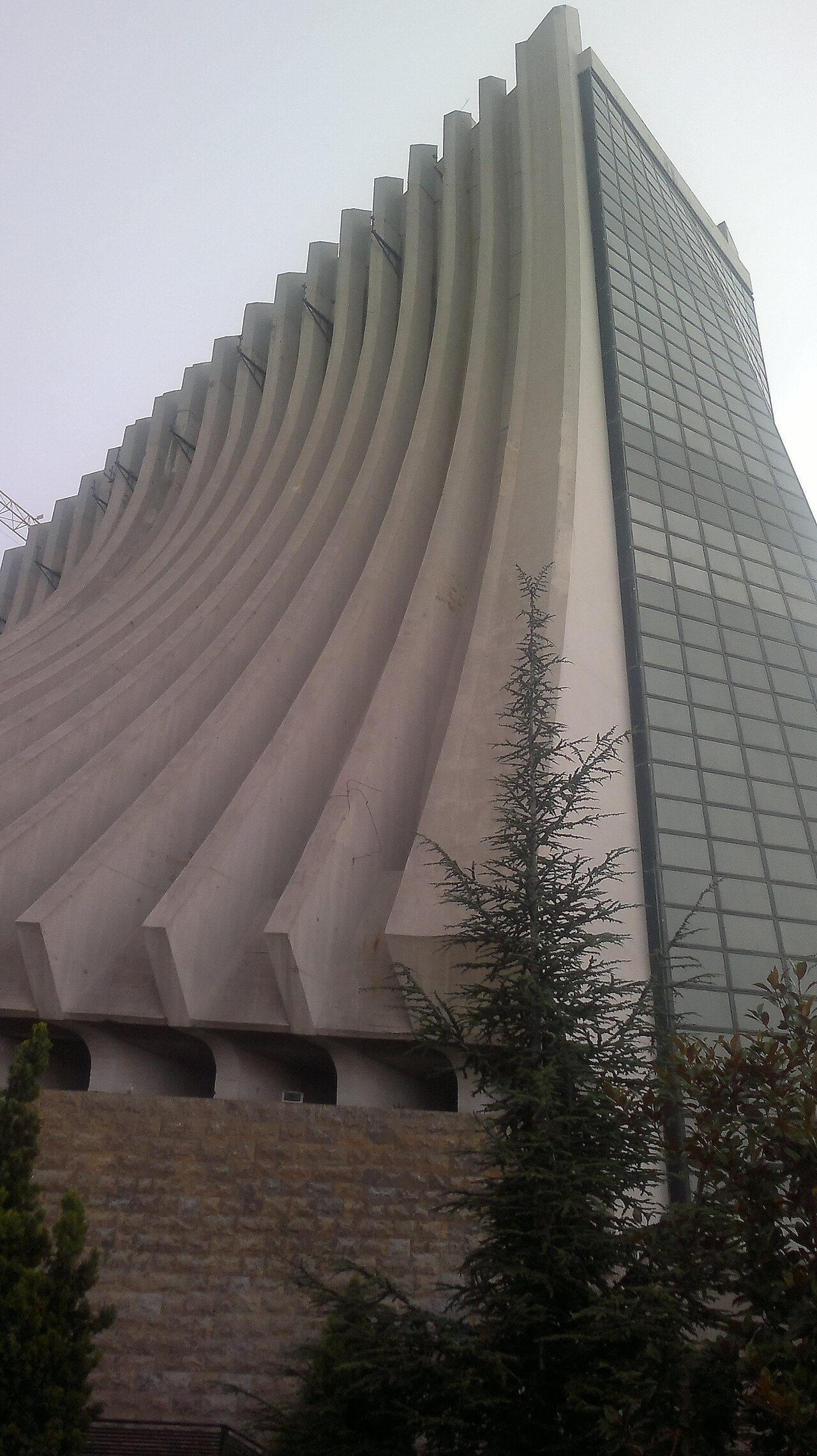
Beside the old white statue now rises a large modern cathedral, built in recent decades to accommodate the great numbers who come, its bold contemporary design contrasting with the serene old figure on her hill. Popes have visited, and the site has become firmly established as the spiritual capital of Lebanese Christianity, a place the faithful turn to in times of national crisis as well as in personal need. Through the wars and upheavals that have so often shaken Lebanon, the Virgin on the hill has remained, arms open, a fixed point of hope for many who look up to her from the city and the coast below.
Climbing to the Virgin
Reaching Harissa is part of the pleasure of a visit. You can drive up the winding mountain road, but many prefer to take the cable car that climbs steeply from the coast at Jounieh, swinging up over the rooftops and the bay in a slow, spectacular ascent that delivers you almost at the foot of the shrine. Either way, the reward at the top is the same: the great white statue, the spiralling climb to her feet, and that breathtaking view out over the sea and the curve of the bay.
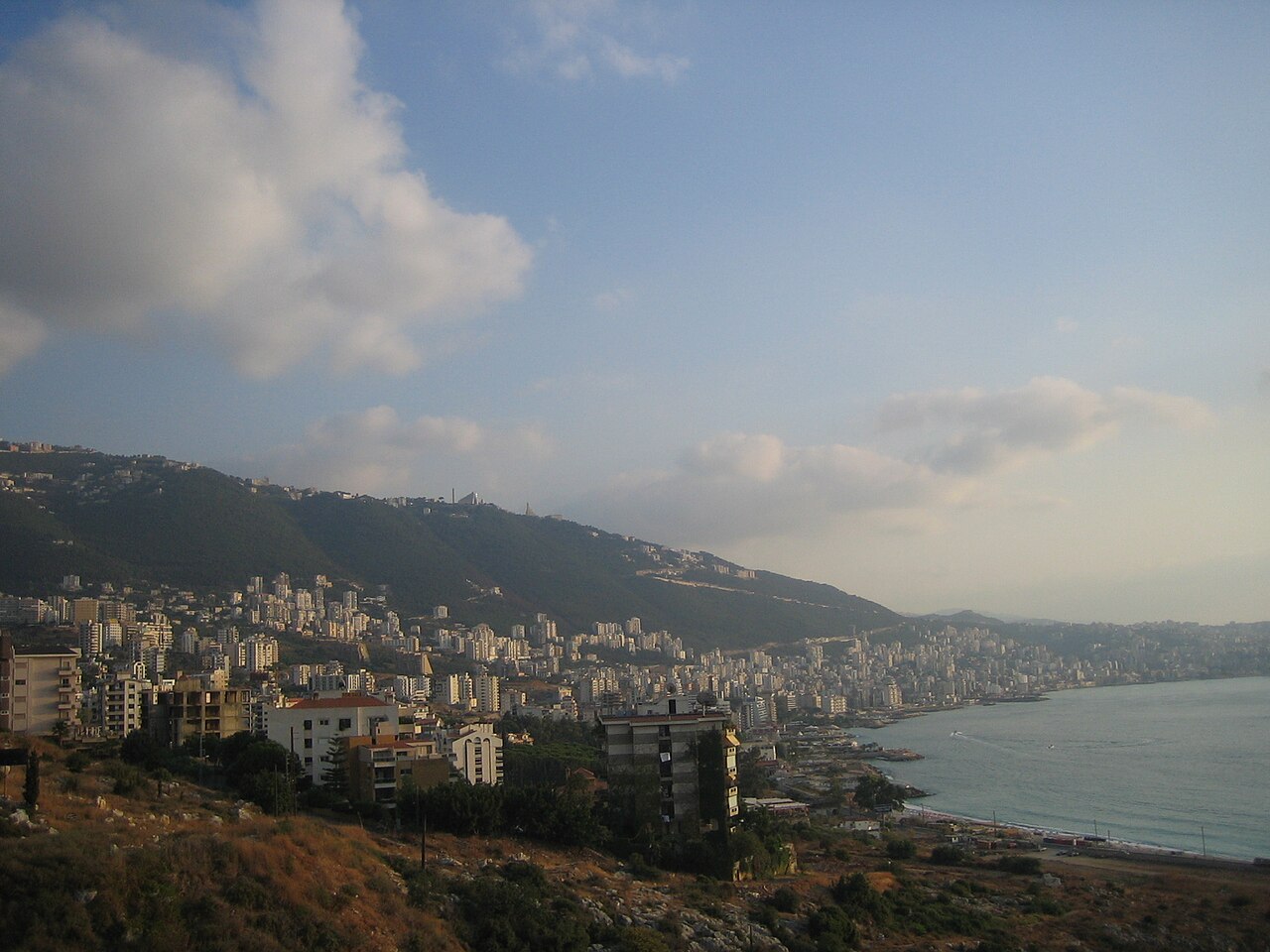
It is a place that works on more than one level. For the devout it is a deeply holy site, a chance to pray before the mother they feel watches over their country. For others it is simply one of the most beautiful viewpoints in Lebanon, a spot to stand in the sea breeze and take in the sweep of the coast. The two experiences are not really separate, since part of what makes Harissa moving is exactly that union of faith and landscape, a serene white Virgin with her arms open above a small, resilient nation, looking out, as she has for over a century, toward the sea and whatever comes across it. To stand beside her and look down at the bright bay below is to feel, just for a moment, something of why the people of this land hold her so close.


