High in the Colombian Andes, on a broad, cool plateau that today holds the sprawling capital city of Bogota, a confederation of farming and salt-trading chiefdoms once flourished with enough gold in circulation that Spanish conquistadors chasing rumors of their wealth helped give rise to one of the most enduring legends to come out of the entire conquest of the Americas: El Dorado, the golden one. The people behind that legend were the Muisca, and their real history is, if anything, more interesting than the myth.
Unlike the Inca or Aztec, the Muisca never built monumental stone cities, and much of their architecture, made largely of wood and thatch, has long since disappeared. What they did leave behind is a rich record of goldwork, a documented political system organized around two paramount chiefs, and a story of resistance, conquest, and quiet cultural persistence that continues in Colombia’s Cundinamarca and Boyaca highlands today, even though Muisca language and many overt cultural markers were nearly extinguished under Spanish rule.
This article traces the Muisca story from its origins through the meaning of their name, their language, their highland homeland, their old way of life, the way their society was organized, their religious world, their traditions, their crafts, their food, their festivals, their history, and where Muisca heritage and identity stand today.
- Origins
- Name
- Language
- Homeland
- Old way of life
- Society
- Religion
- Traditions
- Crafts
- Food
- Festivals
- History
- Today
Origins
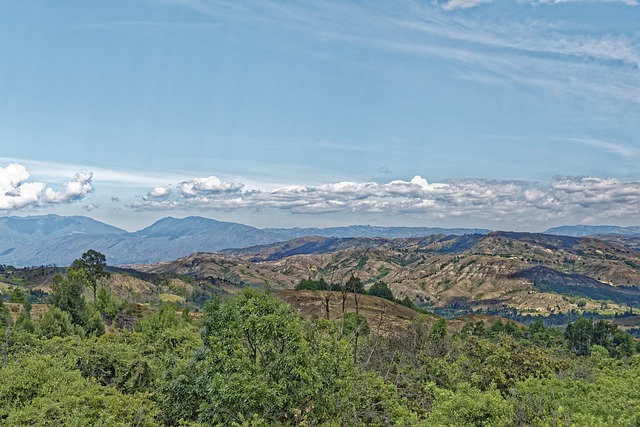
Archaeological evidence places early farming settlement on the high plateau around modern Bogota, known as the altiplano cundiboyacense, back more than two thousand years, with communities gradually shifting from a mixed hunting and gathering economy toward settled maize and potato agriculture as population grew across the region’s cool, fertile valleys.
By the centuries just before Spanish contact, these highland communities had coalesced into a loose confederation generally referred to by scholars as the Muisca Confederation, organized around two major paramount chiefdoms, one centered near modern Bogota under a ruler known as the zipa, and another centered further north near Tunja under a ruler known as the zaque, with numerous smaller allied and tributary chiefdoms filling out the wider political landscape.
Muisca origin narratives recorded by early Spanish chroniclers describe several culture-hero figures, including a deity or teacher figure associated with introducing weaving, agriculture, and moral law, reflecting a rich oral tradition that, like much of Muisca culture, survives today mainly through colonial-era Spanish transcription rather than through surviving Muisca-authored texts.
Lake Guatavita, a nearly circular volcanic crater lake northeast of Bogota, held special ritual significance in Muisca cosmology and origin belief, and it was ceremonies said to take place at this lake, involving a gold-dusted chief and offerings of gold and emeralds cast into the water, that Spanish colonizers transformed into the legend of El Dorado, a story that drove decades of increasingly frustrated and often violent Spanish treasure-hunting expeditions across the wider region.
Beyond Guatavita, other lakes and lagoons across the plateau, including Lake Fuquene and Lake Tota, held their own place in Muisca ritual geography, reflecting a broader pattern in which water sources of many kinds, not just the single most famous lake now associated with El Dorado, carried real spiritual weight for highland communities dependent on a reliable water supply for both farming and daily life.
What Does Muisca Mean?
Muisca comes from the people’s own language and is generally translated as person or people, a straightforward self-designation similar in structure to self-names found among a number of other Indigenous peoples covered on this site. Early Spanish sources often referred to the same people as Chibcha, a name now more commonly used to describe the wider language family to which the Muisca language belongs rather than the Muisca people specifically.
This naming distinction matters because Chibchan languages and peoples extend well beyond the Muisca themselves, covering related groups across parts of Colombia, Panama, and Central America, including some peoples with their own separate identities and histories, so modern scholarship generally reserves Muisca for the historic highland Bogota-Tunja confederation and its cultural descendants specifically.
Because the Muisca language itself fell out of everyday spoken use by around the eighteenth or nineteenth century, contemporary Muisca identity in Colombia today is defined less by shared daily language use, as is the case for many other Indigenous peoples profiled on this site, and more by descent, community membership in officially recognized Muisca cabildos, or councils, and active participation in cultural and territorial revitalization efforts.
Colombia’s government formally recognizes several Muisca communities, including cabildos in towns like Cota, Chia, Sesquile, and parts of Bogota itself, as Indigenous entities with certain legal rights, a recognition that has become an important tool for communities seeking to reclaim and assert a Muisca identity that Spanish colonization and centuries of assimilation pressure had pushed toward near invisibility.
Language
Muisca, also referred to as Chibcha or Muysccubun in some sources, belonged to the Chibchan language family, a large grouping of related languages spoken historically across a wide arc from Central America through Colombia, making it a distant linguistic relative of a number of other Indigenous languages spoken well outside Colombia’s present borders.
Spanish missionaries in the colonial period actually documented Muisca in some detail, producing grammars and religious texts in the language as part of early evangelization efforts, an unusual degree of early linguistic documentation compared to many other Indigenous languages of the Americas, though this documentation did not prevent the language’s eventual decline as Spanish became dominant in everyday highland life.
By most linguistic accounts, Muisca ceased to be spoken as a first language sometime between the late eighteenth and the nineteenth century, making it now a extinct language in terms of everyday native speakers, though the substantial colonial-era documentation that survives has allowed modern linguists and community members to reconstruct significant portions of its grammar and vocabulary.
In recent decades, some Muisca cabildos and cultural organizations have pursued language revitalization projects drawing on this colonial documentation, teaching Muisca vocabulary and phrases in community programs, a project that faces the particular challenge, shared with a small number of other Indigenous language revival efforts worldwide, of rebuilding fluent daily use from historical texts rather than from a base of living elder speakers.
Place names across the Bogota savanna and surrounding highlands, including Bogota itself, Chia, Suba, Fusagasuga, and many others, derive directly from Muisca-language originals, meaning that even Colombians with no particular knowledge of or connection to Muisca history use Muisca words every day simply by naming the places where millions of people now live.
Homeland
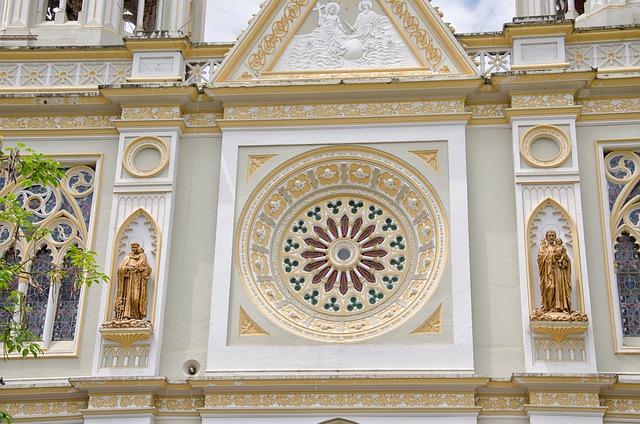
The historic Muisca homeland centers on the altiplano cundiboyacense, a high, cool plateau in the Eastern Cordillera of the Colombian Andes spanning what are today the departments of Cundinamarca and Boyaca, sitting at elevations generally above two thousand five hundred meters, cool enough to support potato and other high-altitude crops alongside maize farmed at somewhat lower elevations within the same general region.
This plateau’s naturally fertile volcanic soil, reliable rainfall compared to some other parts of the Andes, and relatively gentle terrain compared to the steeper slopes found elsewhere in the Colombian Andes made it capable of supporting a large and, for the region, unusually dense population, a key factor behind the Muisca Confederation’s ability to sustain a relatively complex, multi-tiered political system without ever needing to build large-scale monumental architecture.
Beyond the core plateau, Muisca political and trade influence extended into surrounding lower-elevation valleys, giving the confederation access to a wider range of ecological zones and resources, including salt, emeralds, and cotton textiles from areas somewhat outside the immediate high plateau, resources that fed into an extensive regional trade network extending well beyond Muisca political borders.
Today, the same plateau hosts Bogota, Colombia’s sprawling capital and largest city, along with a ring of rapidly growing satellite municipalities, a level of urban development that has placed enormous pressure on the smaller parcels of land still held by officially recognized Muisca communities, several of which are now essentially surrounded by dense urban and suburban development rather than existing in a rural setting as their ancestors would have known it.
Old Way of Life
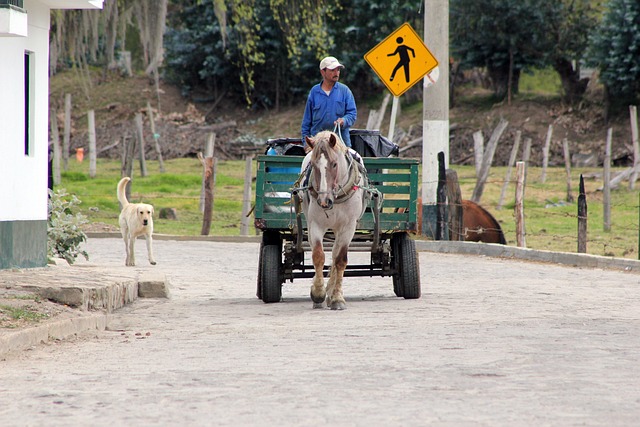
Maize and potatoes together formed the backbone of traditional Muisca subsistence, supplemented by quinoa-like grains, beans, and a range of native tubers well suited to the plateau’s cool climate, farmed using raised-field and terracing techniques in wetter, lower-lying areas to manage seasonal flooding and maximize the productive use of the region’s naturally fertile but sometimes waterlogged soils.
Salt production was a particularly significant and distinctly Muisca economic specialty, with major salt springs and deposits at Zipaquira, Nemocon, and Tausa mined and processed by Muisca communities into a valuable, easily transportable commodity that was traded widely across the wider region, giving certain Muisca towns an economic importance well beyond what their agricultural output alone would have provided.
Cotton cultivation in warmer, lower-elevation zones under Muisca political influence supplied raw material for a well-developed textile industry, with woven cotton cloth serving both practical clothing needs and, alongside gold and emeralds, as a form of wealth and tribute within the confederation’s internal economic and political system.
Gold, worked into intricate ceremonial objects rather than mined directly within Muisca territory itself, arrived largely through long-distance trade with goldworking peoples elsewhere in Colombia, and Muisca artisans then transformed this imported metal into finely detailed votive figures, ornaments, and ritual pieces, a pattern of importing raw material and adding specialized craft value that speaks to the sophistication of the wider regional trade network the Muisca participated in.
Muisca traders also maintained regular exchange relationships with lowland peoples beyond the plateau, including groups living toward the Magdalena River valley and the eastern llanos, trading highland salt, textiles, and finished goldwork for lowland products such as cotton, coca leaf, and tropical feathers, a network of relationships that placed the Muisca confederation at the center of a genuinely regional trade system rather than an isolated highland enclave.
Society
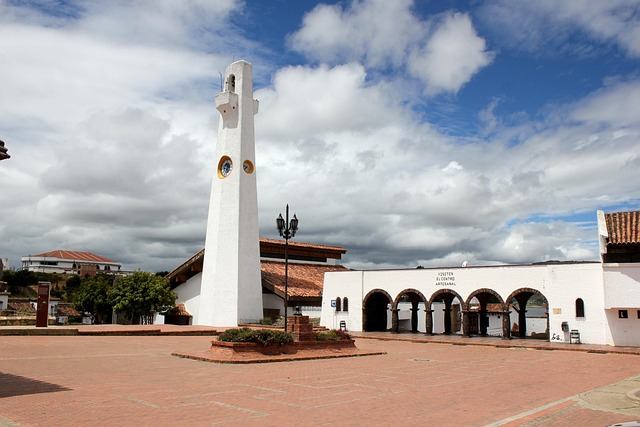
The Muisca Confederation was organized as a loose alliance of chiefdoms rather than a single centralized empire, with two paramount rulers, the zipa based near modern Bogota and the zaque based near modern Tunja, each presiding over a hierarchy of subordinate regional and local chiefs called caciques, a structure that allowed considerable local autonomy even as the paramount chiefs commanded tribute and, when needed, coordinated military action across a wide territory.
Succession to chiefly positions generally followed a matrilineal pattern, passing through the ruler’s sister’s sons rather than his own direct offspring, a system that gave certain women within ruling families significant indirect political importance as the mothers of future chiefs, even though formal rulership itself remained held by men.
Below the ruling chiefs, Muisca society included specialized roles for priests, called xeques, who underwent lengthy training and observed strict ritual disciplines, alongside farmers, salt workers, traders, and skilled craftspeople, with social status tied closely to a person’s role within this occupational and religious structure rather than to wealth in land alone.
Spanish colonization dismantled the paramount chiefdoms fairly quickly following conquest in the 1530s, but local Muisca community structures persisted in modified form through the colonial period as resguardos, protected Indigenous landholding communities, a legal category that, despite being steadily eroded over the following centuries, provided at least some continuity of communal land tenure that present-day Muisca cabildos have drawn on in their own modern legal recognition claims.
Religion
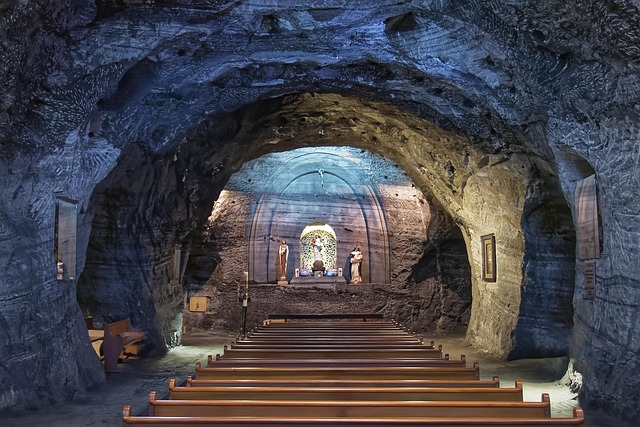
Muisca religion centered on a pantheon that included Bochica, a culture-hero and civilizing deity credited with teaching agriculture, weaving, and moral law, alongside Bachue, a mother-goddess figure associated with human origins and fertility, and Chia, a moon deity, among a wider set of gods and sacred forces tied to the sun, water, and specific sacred landscape features across the plateau.
Lakes held particular ritual importance in Muisca belief, serving as sites for offerings of gold, emeralds, and other valuable objects cast into the water as part of ceremonies intended to secure divine favor, a practice that, centered most famously on Lake Guatavita, directly inspired the El Dorado legend that so thoroughly captured the Spanish colonial imagination.
Spanish missionaries, primarily Dominican and Franciscan friars, undertook an intensive campaign of conversion following conquest, and the Muisca population today is overwhelmingly Catholic, with pre-Hispanic religious practice surviving mainly in fragmentary form, through place names, some ritual echoes in local festivals, and a body of ethnohistorical and archaeological research rather than through any continuous, unbroken religious practice.
Contemporary Muisca cultural revitalization movements have in some cases worked to research and reconstruct elements of pre-Hispanic Muisca spirituality, including renewed ceremonial gatherings at sites like Lake Guatavita, though these modern efforts are generally understood by participants themselves as a conscious act of cultural reclamation and reconstruction rather than a claim of unbroken traditional continuity.
Priests and ritual specialists observed lengthy periods of fasting, isolation, and instruction before taking on their full religious duties, a training process that Spanish chroniclers compared, with some admiration, to the discipline expected of clergy in their own religious tradition, even as those same chroniclers worked actively to suppress the belief system those priests served.
Traditions
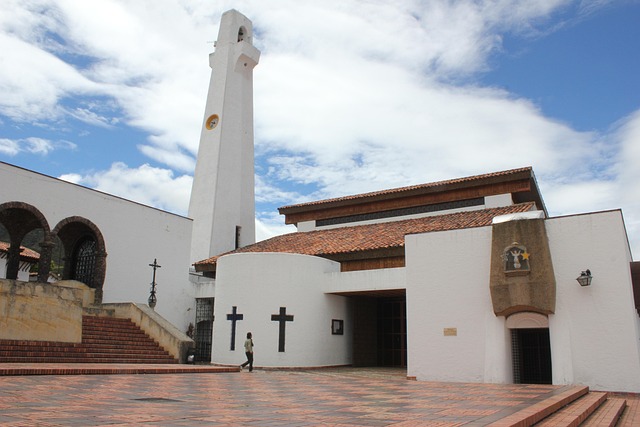
Community labor exchange and mutual aid customs, generally referred to across much of rural Colombia as minga or convite, have deep roots in the highland region and continue to be practiced by Muisca-descended communities today, bringing neighbors together to complete shared agricultural tasks, communal construction projects, or land restoration work through voluntary, reciprocal labor rather than paid wages.
Muisca cabildos, the officially recognized community councils that anchor much of present-day Muisca identity, hold regular assemblies and ceremonial gatherings that blend contemporary Colombian Indigenous-rights organizing with symbolic references to reconstructed pre-Hispanic tradition, including the use of Muisca vocabulary, references to Bochica and Bachue, and ceremonial gatherings timed around the solstices.
Respect for community elders and for those who take on leadership roles within the cabildo system carries real social weight, echoing, in updated form, the importance historically placed on chiefly and priestly roles within the old Muisca confederation, even though the specific institutions involved have changed enormously since the colonial period.
Extended family and godparent relationships remain significant in daily social life across Muisca-descended communities, much as they do among neighboring Colombian rural communities more broadly, providing networks of mutual support that have become especially important as urban expansion from Bogota continues to press against the boundaries of traditional Muisca landholding areas.
Crafts
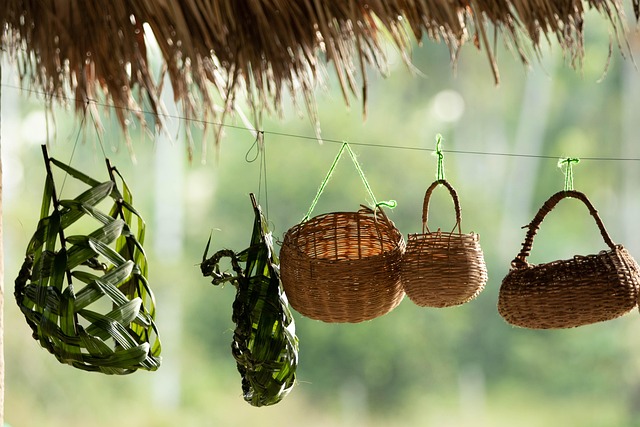
Muisca goldwork, known through both archaeological finds and colonial-era accounts, ranks among the most sophisticated metalworking traditions of pre-Columbian South America, producing small, finely detailed votive figures called tunjos, along with ceremonial ornaments, nose rings, and pectoral pieces using techniques including lost-wax casting, many examples of which are now preserved and displayed at Bogota’s Gold Museum, one of the most important collections of pre-Columbian metalwork anywhere in the world.
Cotton weaving was another major Muisca craft specialty, producing textiles used both for everyday clothing and as a valued trade commodity and form of tribute within the confederation’s internal economy, with weaving techniques and patterns passed down through households in a craft tradition that, while much diminished, has left some continuing influence on regional Colombian textile work.
Pottery production, including both utilitarian vessels and more elaborately decorated ceremonial pieces, was widespread across Muisca territory, and archaeological excavations in the Bogota savanna region continue to recover pottery fragments that help researchers reconstruct details of daily Muisca life that colonial-era Spanish written accounts simply did not think to record.
Contemporary Muisca cabildos and cultural organizations have worked in recent decades to revive and teach traditional crafts, including weaving and elements of the old goldworking tradition, both as a form of cultural education for younger community members and as a way to generate income through the sale of craft items connected to a publicly recognized Muisca identity.
Emeralds, mined in territory somewhat to the north and west of the core Muisca plateau but traded extensively through Muisca hands, formed another valuable component of the confederation’s wealth, and Colombia’s emerald deposits, among the finest in the world, continue to be mined commercially today in territory with deep historical ties to the same pre-Columbian trade networks the Muisca once helped operate.
Food
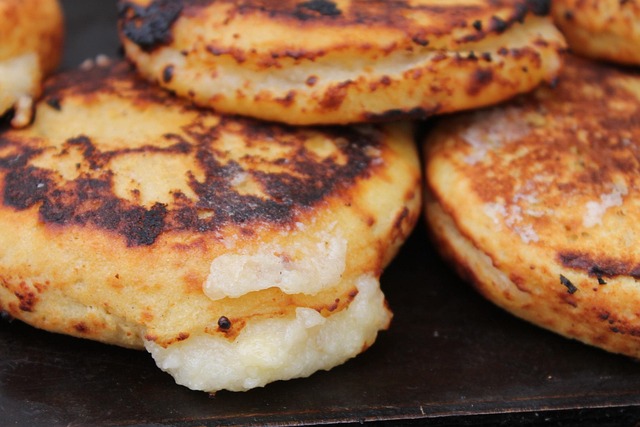
Maize and potatoes remain foundational to highland Colombian cuisine in areas historically associated with the Muisca, prepared in forms ranging from simple roasted or boiled preparations to arepas, the flat maize cakes eaten across much of Colombia and Venezuela today in numerous regional variations, some of which trace their basic preparation method directly back to pre-Columbian highland cooking traditions.
Ajiaco, a hearty potato-based soup closely associated with Bogota and typically made with several distinct potato varieties, chicken, corn, and the herb guascas, is often described by Colombian food writers as carrying a direct culinary link back to the pre-Hispanic highland diet, reflecting the deep, longstanding importance of potato cultivation on the cool plateau the Muisca once controlled.
Chicha, a fermented maize beverage with roots across much of pre-Columbian South America, held both everyday dietary and ceremonial importance in Muisca society, consumed at community gatherings and rituals in a manner broadly similar to the role fermented maize and other plant-based beverages played among neighboring Andean and Mesoamerican peoples covered elsewhere on this site.
While much of specifically Muisca culinary identity has blended into the broader Bogota and Colombian highland food culture over the centuries, some Muisca cabildos have made deliberate efforts in recent years to research and highlight pre-Hispanic dishes and ingredients as part of broader cultural revitalization work, presenting traditional foods at community events as a tangible, easily shared expression of Muisca heritage.
Festivals
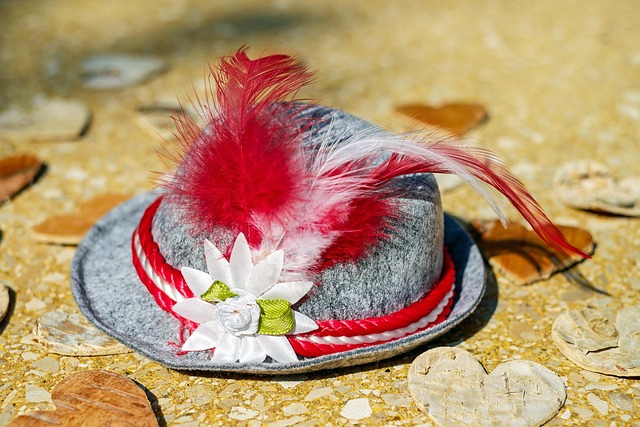
Contemporary Muisca cabildos organize an annual calendar of cultural gatherings that combine Catholic patron saint festival traditions, common throughout rural Colombia, with ceremonies more explicitly framed as Muisca cultural revival, including solstice observances and gatherings held at symbolically significant sites like Lake Guatavita.
The Guatavita region and nearby towns also host events specifically built around El Dorado legend tourism and Muisca heritage education, drawing both Colombian visitors and international tourists interested in pre-Columbian history, events that Muisca community organizations have increasingly sought to shape and participate in directly rather than leaving entirely to outside tourism operators.
Bogota itself, along with satellite towns like Cota, Chia, and Sesquile that host recognized Muisca cabildos, holds cultural festivals and educational events throughout the year highlighting Indigenous Colombian heritage more broadly, providing platforms where Muisca community members can present their specific history and ongoing cultural claims alongside those of Colombia’s many other Indigenous peoples.
Life-cycle celebrations, including baptisms, quinceaneras, and weddings, generally follow patterns common across rural and urban Colombia more broadly today, reflecting just how thoroughly Muisca-descended communities have been integrated into mainstream Colombian society over the centuries since the confederation’s political independence ended.
Music and dance accompanied by flutes, drums, and rattles played an important role in both religious ceremony and everyday celebration in Muisca society, and while the specific pre-Hispanic musical repertoire has not survived intact, some contemporary Muisca cultural programs incorporate reconstructed instruments and rhythms alongside more recent Colombian highland musical traditions during cabildo gatherings and public cultural events.
History
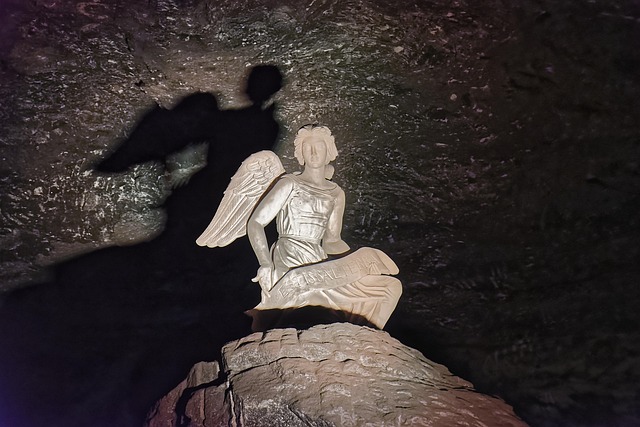
Spanish forces under Gonzalo Jimenez de Quesada arrived on the Bogota plateau in 1537 and 1538, finding a wealthy, populous, but internally divided confederation, and within a relatively short campaign brought the core Muisca territory under Spanish control, aided considerably by ongoing rivalry between the zipa and zaque chiefdoms that Spanish forces were able to exploit much as their counterparts did with rival polities elsewhere in the Americas.
News of Muisca gold, and particularly the Guatavita lake ceremony, spread quickly among Spanish colonizers and fed directly into the El Dorado legend, motivating several increasingly elaborate and often disastrous Spanish expeditions searching for a golden city or kingdom that, as a literal place, never actually existed, even as the historical gold-offering ceremonies that inspired the legend were real.
Colonial rule brought profound disruption to Muisca society, including forced labor obligations, the imposition of Catholic religious practice, smallpox and other introduced diseases that caused severe population decline, and, over subsequent generations, steady pressure toward linguistic and cultural assimilation into the broader colonial and later Colombian mestizo population, developments that combined to push overt Muisca identity toward near invisibility by the nineteenth century.
The twentieth and twenty-first centuries have seen a notable reversal of this trend, with several highland communities formally organizing as Muisca cabildos beginning in the latter twentieth century and pursuing legal recognition under Colombian Indigenous-rights law, a process that has involved both genuine cultural revitalization work and, at times, public debate within Colombia about the nature and depth of contemporary Muisca cultural continuity given the near-total loss of the spoken language.
Muisca Life Today
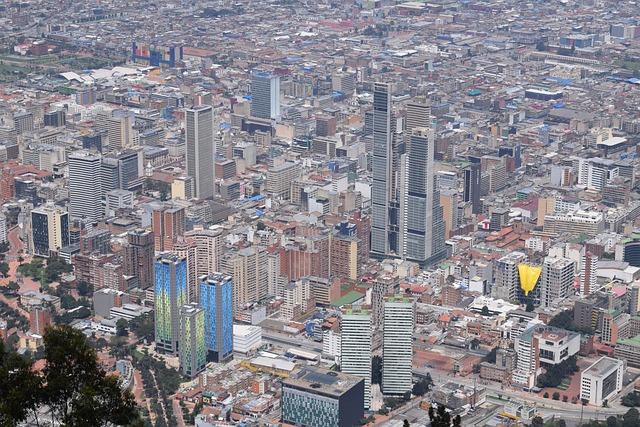
Colombia’s government today formally recognizes several Muisca cabildos, most prominently in Cota, Chia, Sesquile, Suba, and Bosa, the latter two now essentially neighborhoods within greater Bogota itself, a recognition that grants these communities certain land, cultural, and consultation rights under Colombian Indigenous-rights law even though their members are largely Spanish-speaking and, in daily life, culturally similar in many respects to their non-Indigenous Colombian neighbors.
This situation has produced an ongoing and sometimes contentious public conversation in Colombia about what contemporary Muisca identity actually consists of, given the near-total loss of the spoken language and centuries of cultural blending with the broader Colombian mestizo population, a debate that echoes similar discussions surrounding Indigenous identity and recognition in other parts of the Americas where colonization was particularly early and thorough.
Muisca community organizations have responded to this challenge with active cultural revitalization work, including language reconstruction projects drawing on colonial-era documentation, craft and agricultural knowledge programs aimed at younger community members, and vocal participation in Colombian environmental and land-rights advocacy, particularly around protecting remaining wetlands and green space on the increasingly urbanized Bogota savanna.
From gold offerings cast into Lake Guatavita to modern cabildo assemblies debating land rights in the shadow of Bogota’s skyscrapers, Muisca history offers a striking example of how an Indigenous identity that colonization pushed to the edge of disappearance can still be actively rebuilt, contested, and claimed by a new generation determined not to let their ancestors’ story end with the conquest.
Environmental advocacy has become a particularly active area of Muisca cabildo involvement in recent years, with community organizations pushing for stronger protection of the wetlands, or humedales, that remain scattered across the heavily urbanized Bogota savanna, arguing that these fragile ecosystems carry both ecological importance and a direct connection to the landscape their ancestors depended on and considered sacred.
Nearby Peoples of Colombia and Venezuela
The Muisca are one of several Indigenous nations of Colombia and Venezuela profiled on this site. Here are a couple of others worth exploring next.
- Wayuu: The Desert People an Empire Could Never Conquer
- Kogi: The Elder Brothers Watching Over the Mountain
Together, these highland and coastal Indigenous nations show just how varied Colombia’s Indigenous history really is, spanning deserts, coastal mountains, and the cool Andean plateau where the Muisca once built their confederation.
You May Like
The Damara, an Ancient People of Namibia