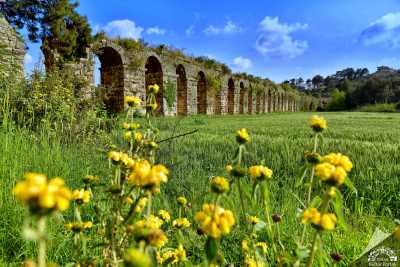
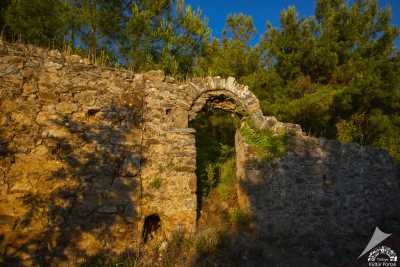
Syedra Ancient City is located within the borders of Seki village, approximately 20 kilometers southeast of Alanya. It can be said that the city’s history of settlement dates back to the 9th century BC, and traces of life continued until the 13th century AD.
Syedra, which has the characteristics of both a mountain and a coastal city, is among the most strategic cities of the region due to its location. The name Syedreon, which is the ancient name of the city, which maintains its importance as the western border of the Cilicia Region, is first seen on the coins minted by the Roman Emperor Tiberius in the 1st century AD. Thanks to the inscriptions unearthed during the excavations in Syedra, it is understood that the city was a center where important competitions were held and that it lived its most glorious years between the 2nd and 4th centuries AD.
Official Turkish Museums
The structures that reveal the residential area in the city are in the “Upper City” section, built on the slope. Two large streets cross the city, which is protected by walls, and the streets with stairs going down perpendicular to them form the city plan.
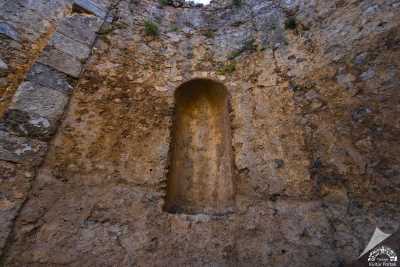
Syedra is entered through the monumental gate that is still standing in the west. The wooden walkway, which starts from the visitor reception area, continues to the 250-meter-long colonnaded street of the city. This was once the social center of the city and the place where the people came together most densely. There are niches on the wall in the north of the street extending in east-west direction. At the western end of the colonnaded street, there is a heroon (monumental tomb) that can be reached by stairs.
Official Turkish Museums
In the east of the city, you can find the bathhouse, which is a magnificent building ruin. Mosaic ruins can be seen here and there on the floor. The gymnasium, located adjacent to the bathhouse, where athletes train and competitions are held, is among the well-preserved structures of the city.
Many inscriptions containing information about the games and races held in the city are among the ruins in the ruins. Inscribed statue bases standing at important points in the city provide information about the winners of competitions such as wrestling and athletics, the organizers of these competitions and those who provide financial support. The mosaics and inscriptions found during the excavations carried out in the harbor section of Syedra, called the “Lower City”, are exhibited in the Alanya Museum.
Official Turkish Museums
The city’s water needs were met by the Cistern (Source) Cave, which is fed by a natural source, water storage pools and cisterns filled with rainwater. Close to the Cistern Cave, there is the Baptism Cave, which was carved into the rocks and decorated with frescoes, and appears to have a religious function due to the pool inside.
Apart from these, there are also ruins of buildings such as theatre, temple, basilica, church, house and shop in Syedra Ruins. The olive processing workshops in the west of the city give clues about what life was like in the city once upon a time.
Sources:
“Syedra”, Antalya From Past to Present II. Volume, Antalya Provincial Directorate of Culture and Tourism (2012).
Antalya Provincial Directorate of Culture and Tourism.
Places to Visit in Antalya
Source: Antalya Provincial Culture and Tourism Directorate