Tokyo is the capital of Japan. Its literal meaning is “capital in the east”. Tokyo, a megapolis with a surface area of 600 km² and a population of 35.3 million, is the largest city in the world. It is located in the central part of Honshu Island, at the mouth of the Sumida River, on the shores of Tokyo Bay, an inlet of the Pacific Ocean. Winters in Tokyo are quite mild, and summers are hot and humid.
Tokyo Pictures
The settlement of the area where Tokyo is located today dates back to ancient times. After the establishment of a strong imperial administration in Japan in the 6th century, it became part of Musashi prefecture.
The port city of Tokyo on the shores of Tokyo Bay was known as Edo (“estuary gate”) until the 19th century. Edo Castle came into Japanese history in the 12th century as the home of the powerful samurai clan Edo family. In 1603, Ieyasu Tokugawa, the founder of the Tokugawa Shogunate, made Edo the capital of the shogunate. Under the shogunate regime, Edo developed into the political, cultural and economic center of Japan.
The name of the city changed to Tokyo because the Japanese emperor, who ended the Shogunate rule in 1868, migrated from Kyoto to the old shogunate palace in Edo Castle and became the capital in the east from the old capital Kyoto.
Tokyo suffered great damage from the earthquake on September 12, 1923. After the earthquake, the city was rebuilt, and suburbs began to form around it during this period. 20 years later, II. It was destroyed again after serious bombardment by US planes in World War II.
Tokyo grew rapidly after the 1950s, developing parallel to the country’s economy, and reached its current level.
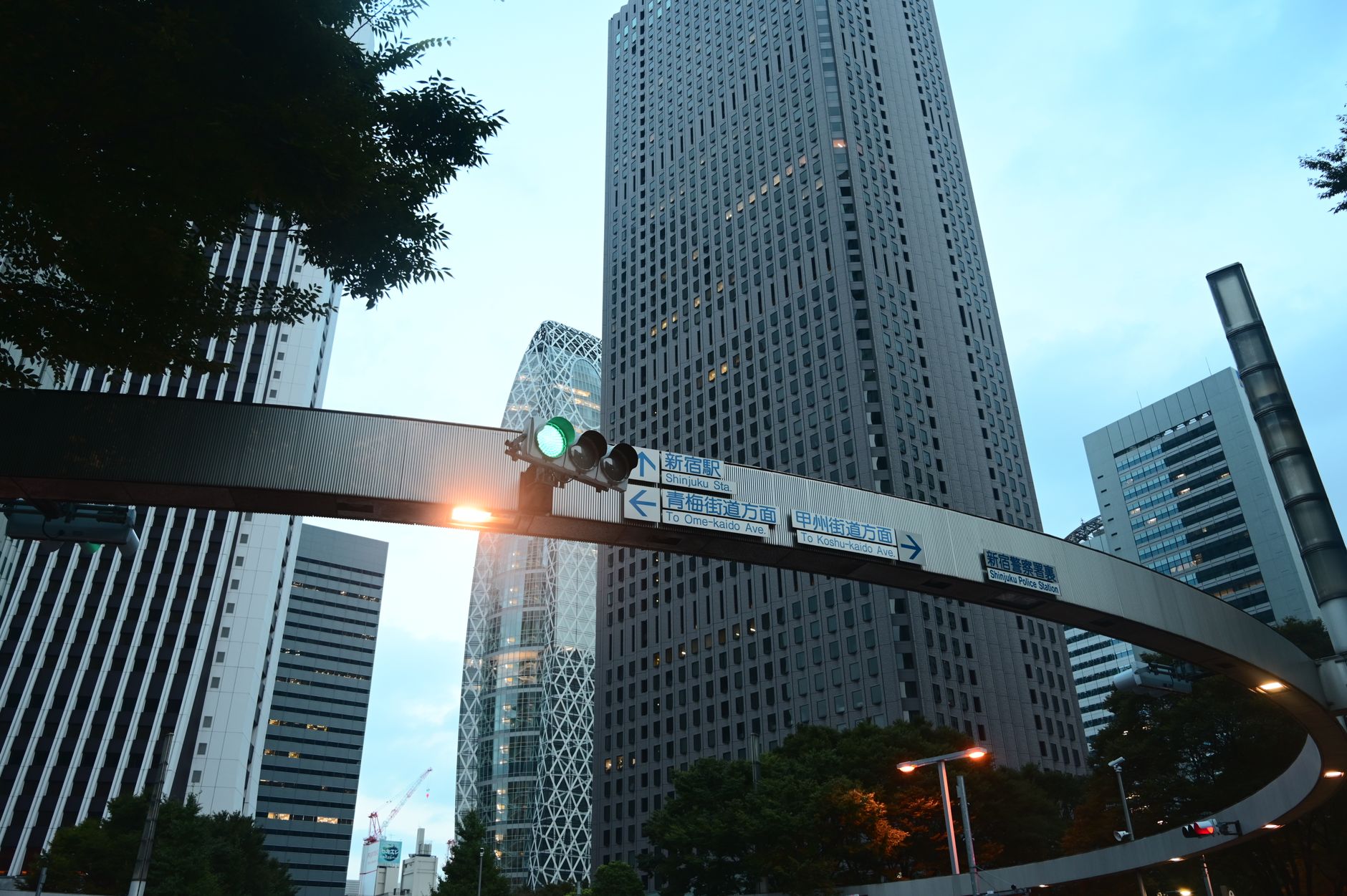
In the center of the city is the Imperial Palace, surrounded by moats and extensive gardens. To the east of the palace is the Maranouchi district, which is described as the center of the Japanese business world; To the northeast lies the Kanda district, where many universities and printing houses are located. Official buildings are concentrated in the Kasumigaseki district to the south of the palace. The national parliament building is in the west of Kasumigaseki.
Ginza district, a world-famous shopping center, is in the eastern part of the city. Tokyo’s architecture varies from two- or three-story wooden houses to Meiji-era stone structures and skyscrapers made of concrete or steel. Meici Temple, Japan’s main center of worship, is considered a national monument.
Initially, buildings were limited to 30 meters in height to be earthquake resistant, but after the 1960s, many new earthquake-resistant buildings exceeding this height were built. The main ones are Mainiçi Publishing House, Tokyo Cathedral, National Theater and International Trade Center.
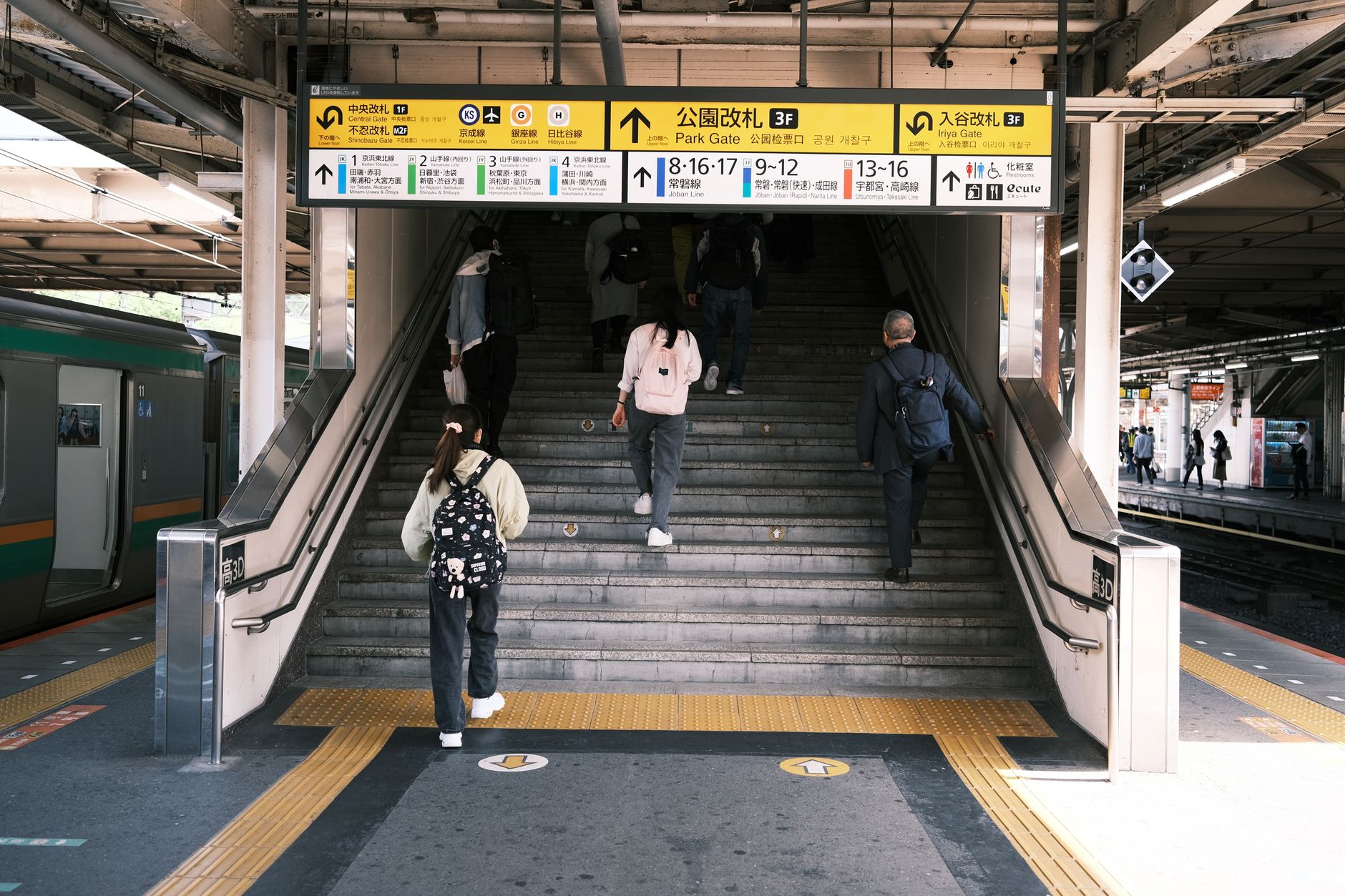
Urban transportation is provided by buses, metro and public or private electric trains. Tokyo has two airports, one for domestic flights and the other for international flights.
Tokyo, the cultural center of Japan, has many museums, libraries and universities. Ueno Park includes the Tokyo National Museum, the National Science Museum, the Zoo and the National Museum of Western Art. Most of the universities and colleges in Japan are in Tokyo. The main national higher education institutions other than the University of Tokyo are Tokyo Institute of Technology, Hitotsubashi University and Tokyo University of Fine Arts.
The most famous private universities are Vaseda and Keio universities.
Places to See: In fact, Tokyo will surprise those who are looking for a very authentic and exotic city at the first step. Visible are all forms of modern life.
What about those hidden and those in between? The Imperial Palace is in the very center of Tokyo. You can photograph the palace, which is usually closed to visitors, from outside (best viewed from the Nijubashi Bridge). Sensoji Temple is also one of Tokyo’s most important tourist attractions. M.S. The temple, built in 620, is one of the Kaabas of Buddhism. Its address is 2-3-1 Asakusa, Taito-ku.
Tokyo National Museum is the largest museum in Japan. You can see all stages of Japan’s history here.
You should also definitely see Tsukiji Fish Market. The best time is between 4-8 am. There is no other place where you can eat sushi this fresh. Its address is Tsukiji Subway Station, exit Honganji Temple.
You can also visit the Tokyo Stock Exchange free of charge with an English-speaking guide. One of the activities you must see in Tokyo is the traditional tea ceremony. You can see tea ceremonies in many hotels. Before you go, be sure to ask if you can watch the tea ceremonies.
The world’s tallest aquarium is in Tokyo. At the Tokyo International Aquarium, you can see fish from every region of the world.
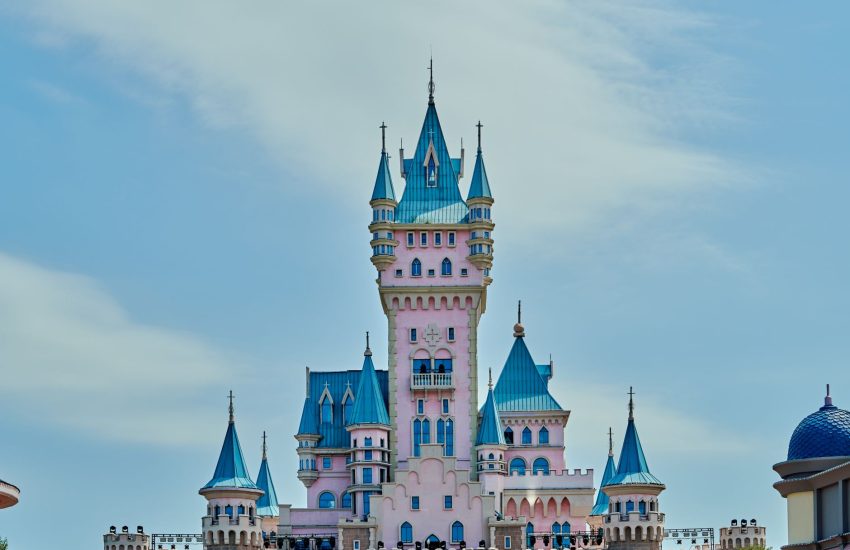
Disneyland is one of the attractive centers of Tokyo.
Ueno Park, Shinjuku Gyoen, Hama Rikyu Garden are also must-see places.
You May Like
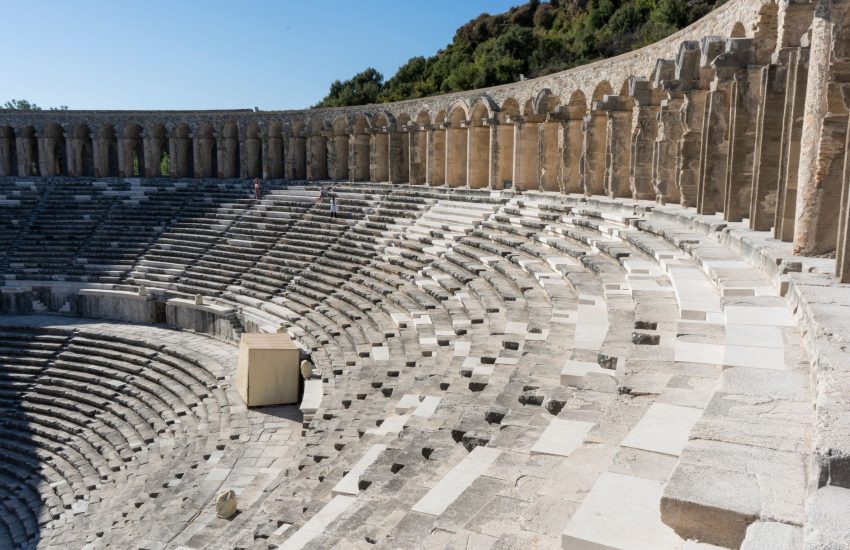
Aspendos Ancient Theater Travel Guide