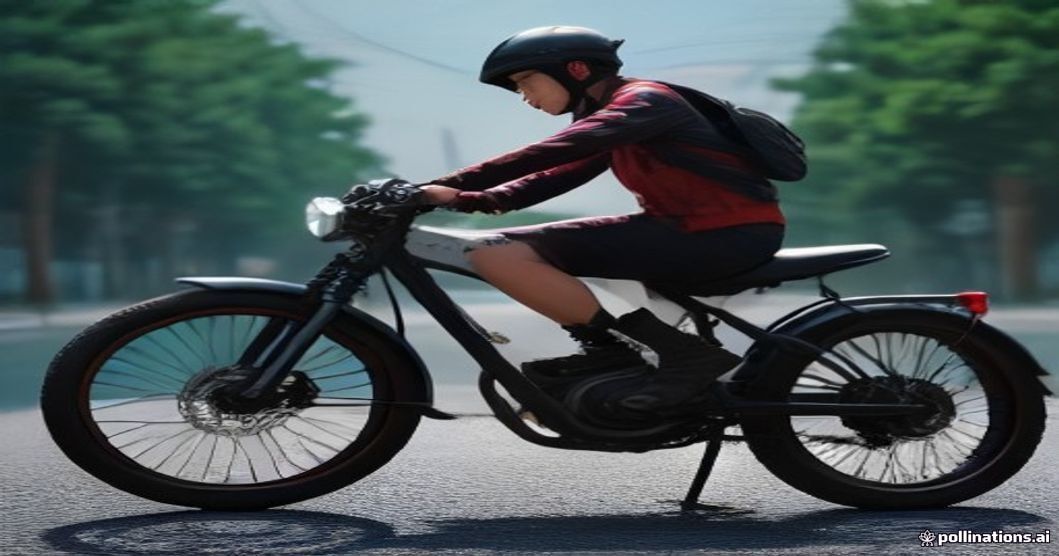
The heart of an electric bike is its motor. The motor directly determines power, acceleration and climbing performance. In this article we cover the types, technical features and selection criteria of electric bike motors in detail. Understanding the right motor is the first step to choosing a bike that suits your needs. Mid-Drive Motors
A mid-drive motor transfers power directly to the pedal axle, providing a balanced weight distribution.
Mid-drive motors are placed on the central axle (bottom bracket) where the bike’s pedal mechanism is located. Because they transfer power directly to the chain, they benefit from the bike’s own gear system and offer high efficiency, especially when climbing hills. Since the center of gravity is right in the middle of the bike and low down, balance and ride feel are noticeably good. Torque values are generally in the 60-90 Nm range, which means strong assistance even on steep hills.
Its disadvantage is that it can cause more wear on the chain and gears. Hub Motors
Hub motors are integrated into the center of the front or rear wheel. Hub motors are placed in the hub of the front or rear wheel. Their structure is simple, maintenance is easy and they run quietly. Rear hub motors provide good traction, while front hub motors offer ease of installation.
Because these motors work independently of the bike’s gear system, they don’t create chain wear. However, since all the motor weight is concentrated in the wheel, balance is slightly weaker than with mid-drive motors, and torque can remain limited on steep hills. It is an ideal option for flat routes within the city. Power, Torque and Efficiency
Three basic parameters stand out when choosing a motor: power (Watts), torque (Nm) and efficiency.
Legally, in many countries road-legal pedal-assist bikes are limited to 250W; higher-power models (500W-1000W) are generally for special use. Torque determines starting and climbing power. Brushless direct current (BLDC) motors have become the standard today with their high efficiency and low maintenance requirements.
The motor’s heat management is also important for long-term performance; a well-cooled motor maintains its power longer on steep inclines. Which Motor Is Right for You? If you will ride on rough terrain and hilly routes, a high-torque mid-drive motor is the most sensible choice. If you’re looking for an economical and quiet solution on flat city roads, a rear hub motor will be enough.
The pedal-assist levels the motor offers and the sensor type (torque sensor or speed sensor) greatly affect the ride feel. Torque-sensor systems provide assistance proportional to the pedal force you apply, offering a much more natural feel. Sensor Systems and Ride Feel
The sensor type that determines how the motor engages directly affects ride quality.
Speed-sensor systems give constant assistance as the pedals turn, while torque-sensor systems measure the pedal force you apply and provide proportional power. Torque-sensor models offer a much more natural feel, integrated with the bike, and use energy more efficiently. In addition, the pedal-assist levels are usually between three and five steps, allowing the rider to adjust the amount of assistance according to their needs.
Maintenance and Durability
Electric bike motors generally require low maintenance, but regular checks extend their life. Since chain and gear wear can be faster on mid-drive motors, their periodic inspection is important. On hub motors, the wheel bearings and cable connections should be reviewed. Motors with a high waterproofing rating allow safer use in rainy conditions.
A quality motor can run smoothly for tens of thousands of kilometers with proper care. Future Motor Technologies
Electric bike motors continue to develop rapidly. AI-assisted control units can learn the rider’s pedaling habits and automatically optimize assistance. Lighter and stronger magnet materials allow higher torque to be produced in the same size.
Integrated gear systems and quiet belt drives are also becoming popular. Thanks to connectivity features, the motor’s software can be updated via a smartphone, so the user can personalize performance settings. These innovations make electric bikes more efficient, quieter and more user-friendly every year.
📚 This article is part of the Electric Bikes Series. You can reach all the guides from the main page.
Related Articles
Electric Bike Frame: Durability and Materials
Aerodynamics and Efficiency in Electric Bikes
Electric Bike Batteries: Lifespan and Features
Choosing an Electric Bike: Performance and Overall Evaluation
You May Like

House Plants That Will Beautify Your Home