Lighting and ergonomics in a child’s work area are often the last considerations but most critical to health. These are complementary to a well-designed study. Insufficient light can lead to eye strain and myopia, and improper sitting can lead to posture disorders and back pain. In this article, we discuss the correct lighting and ergonomic layout in the children’s work area, along with technical values and practical recommendations.
Adequate light protects eye health and reduces fatigue
Layered Lighting Principle
A good work lighting does not come from a single source. Three layers should work together: general lighting (ceiling light), task lighting (desk light) and natural light if possible. Using only a table lamp creates a sharp contrast between the environment and the table, tiring the eye.
General lighting fills the room evenly, while the desk lamp provides additional light focused on the work surface. Using these two layers together is essential for eye comfort. Correct Light Intensity and Color Temperature
The level of illumination on the table surface in the work area should be about 500 lux, which is the recommended value for comfortable reading and writing. The color temperature of the light is also important: neutral white light in the range of 4000-5000K during operation supports attention and alertness
Warm light around 2700-3000K is more suitable in the evening and before sleep. Color temperature adjustable led table lamps offer the flexibility to change the light according to the need during the day. Choosing flicker-free LED lamps significantly reduces eye strain. The right light and the right fit should work together
Direction of Light and Shadow Control
The position of the table lamp is as important as the light intensity.
The lamp should come from the opposite direction of the hand that writes: from the left for the right-handed child and from the right for the left-handed child. In this way, the shadow of the hand does not fall on the notebook. The neck of the lamp should be adjustable so that the light can be directed directly to the work surface, not to the child’s eye. On the tables where the screen is used, the lamp position should be adjusted accordingly so that the light does not reflect on the screen.
Ergonomic Seating Arrangement
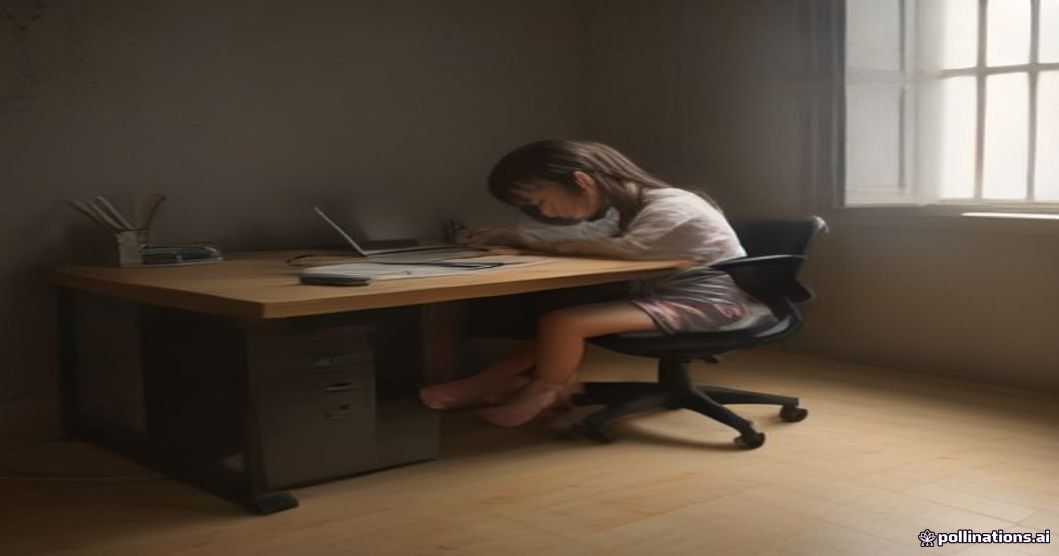
The basic rule of ergonomics is summarized as “90-90-90”: knees should be 90 degrees, hips 90 degrees, and elbows 90 degrees in angle. The child’s feet should be fully on the ground; if they do not reach, a foot support should be used. Choosing the right table and chair forms the basis of this order. The back should rest against the backrest of the chair and receive lumbar support.
If the screen is used, the top edge of the screen should be at or slightly below eye level, the distance between the eye and the screen should be about 50-60 cm. The chair, which is high enough to stand on the ground, provides ergonomics
Breaks and Eye Health
Even the best installation damages with uninterrupted use. For eye health, the 20-20-20 rule should be applied: every 20 minutes, looking at a spot about 6 meters (20 feet) away for 20 seconds relaxes the eye.
In addition, taking a short physical break every 45-60 minutes reduces the tension of the muscles and refreshes the attention. Gaining these habits to the child at an early age prevents health problems that may occur in the future. With this article, we complete our series on children’s working environments. You can take a look at our other articles about the study room, table, library and color in the related articles section below.
Making the Most of Natural Light
No matter how good the artificial lighting is, it cannot replace natural light. Daylight is extremely valuable for both eye health and the child’s biological rhythm (circadian cycle). Positioning the desk close to the window reduces the need for artificial light during daylight hours.
However, it is necessary to soften the light with adjustable roller blinds or light curtains so that direct sunlight does not create glare by hitting the screen or work surface. Balancing natural light, which varies with the season and time of day, with artificial lighting ensures a consistent level of illumination throughout the day. Giving the child the habit of looking away from the window at regular intervals, in green areas, also relaxes the eye muscles and maintains eye health in the long term.
📚 This article is part of the series. To see the full set of children’s work environment guides, visit the Children’s Work Environment Series: All Guides Together page. Related Articles
How is the Ideal Study Room for Children Organized?
Children’s Desk Selection: Height, Size and Technical Details
Choosing and Organizing Bookshelves for Children’s Room
Children’s Study Room Color Selection: The Effect of Colors on Focus
You May Like

House Plants That Will Beautify Your Home