Near the Baltic coast of Mecklenburg, in the gentle countryside around the little town of Klutz, stands a red brick palace that looks as if it had been lifted straight out of the English countryside. Bothmer Palace is the largest baroque palace in Mecklenburg, and it was built for a German count who spent much of his life in London, where he once lived in the house that later became the most famous address in British politics: 10 Downing Street.
Come along and I will tell you how a Hanoverian diplomat brought English and Dutch style to the shores of the Baltic, show you an avenue of lime trees trained into living garlands, and walk you through rooms that were rescued from decay only a few years ago.
And as always, we will finish with tips for your own visit, including a little detour to the sea.
In This Article
- An English Palace by the Baltic
- Count Hans Caspar von Bothmer
- Building the Palace
- The Festoon Avenue
- Rooms of a Diplomat
- Between London and Mecklenburg
- Decline and Rescue
- The Palace Park
- Close to the Baltic Sea
- Events at Bothmer
- Bothmer on Video
- Visiting Bothmer Today
An English Palace by the Baltic
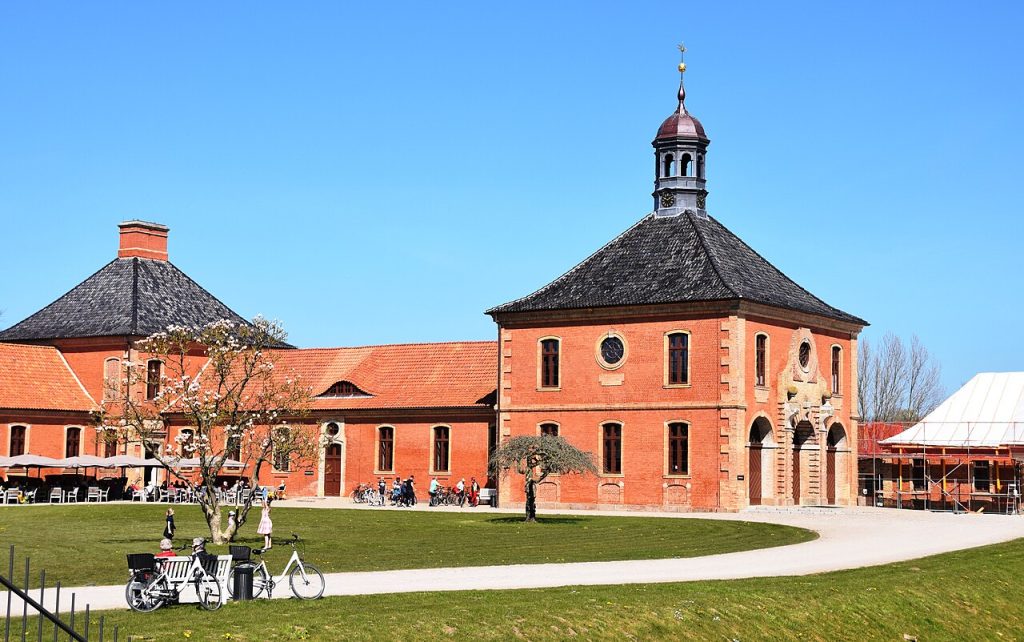
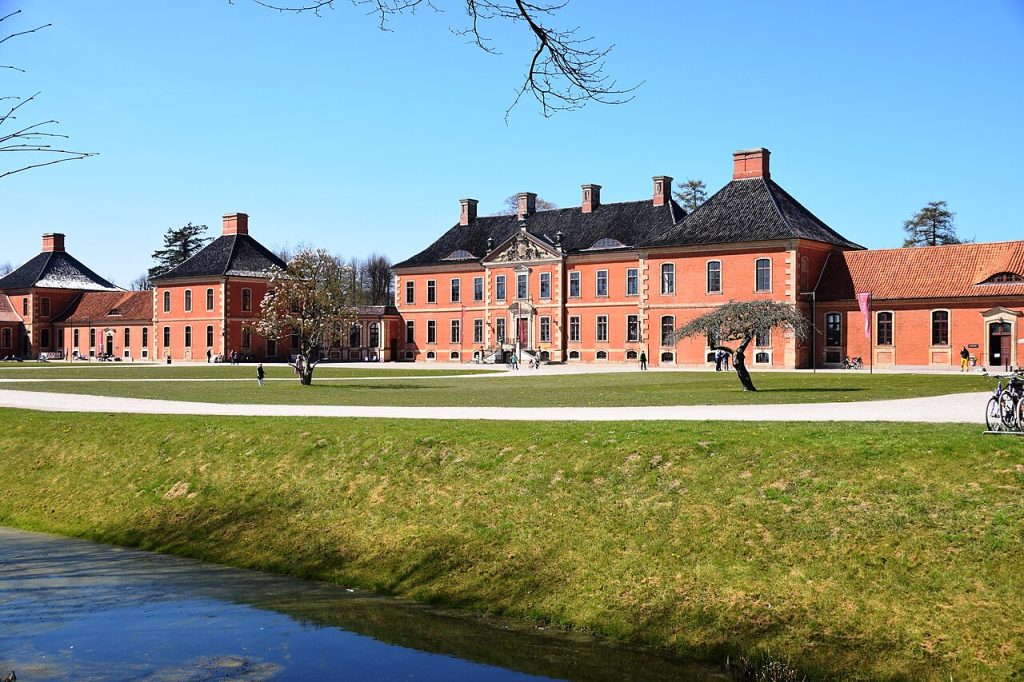
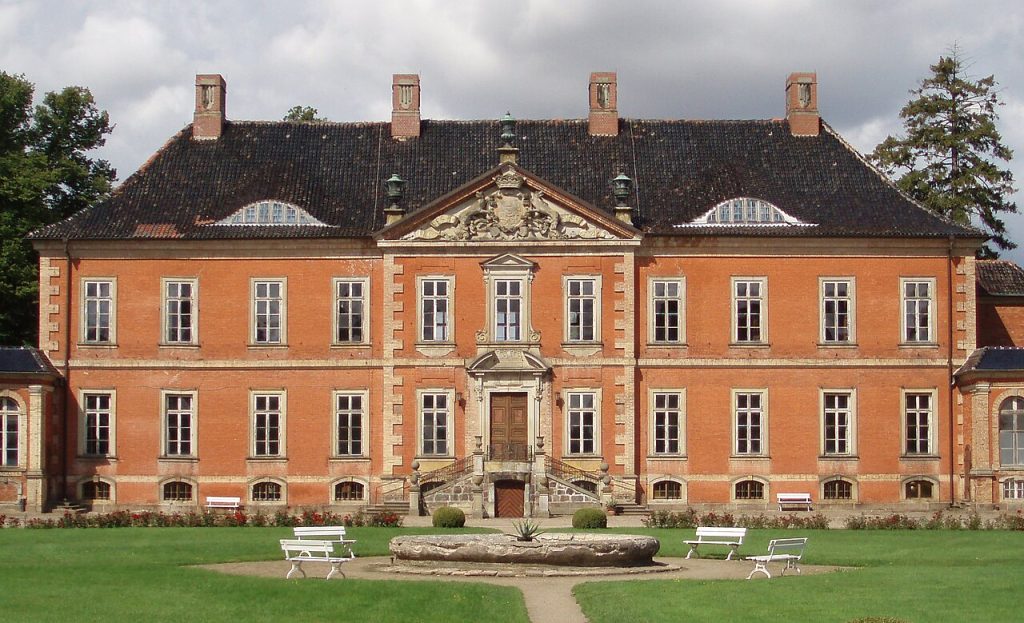
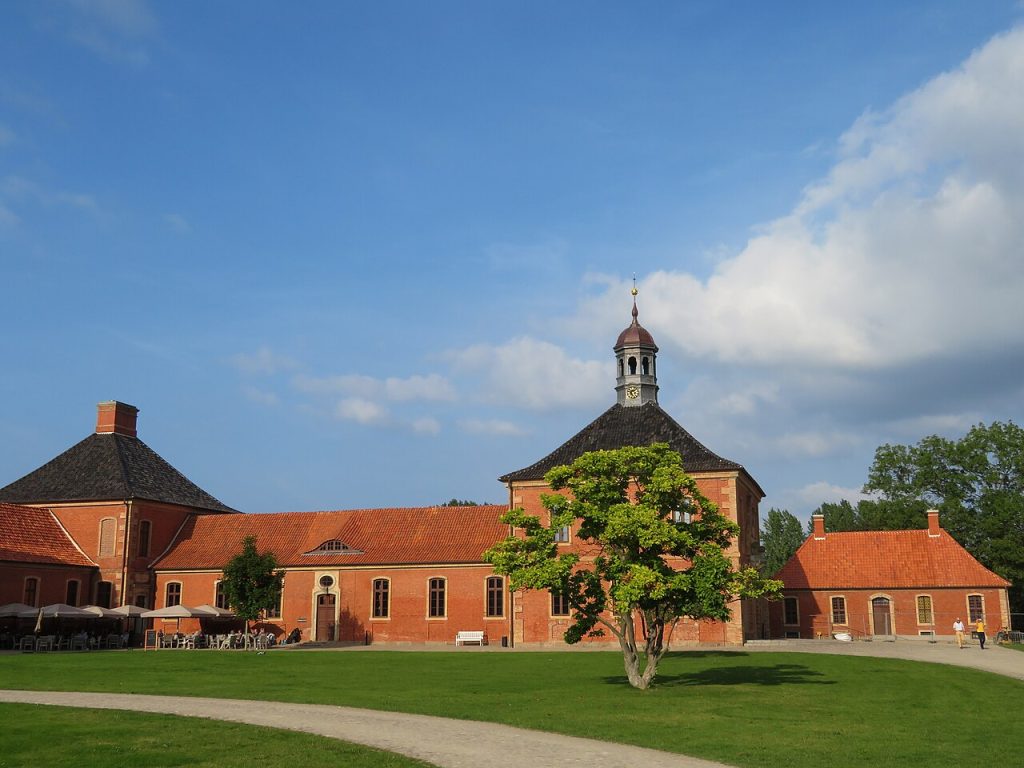
As you drive through the flat fields near Klutz, the palace suddenly appears, long and low, built of warm red brick with white window frames and a central block flanked by wings.
It does not look like a typical German palace at all. With its brickwork and calm proportions, it feels more like an English country house or a Dutch mansion.
Surrounded by a moat and a park, the palace sits quietly in its landscape, and on a sunny day the red brick glows against the green lawns and the blue sky.
This mix of English, Dutch and German influences makes Bothmer one of the most unusual palaces in northern Germany.
Count Hans Caspar von Bothmer
The palace was built for Hans Caspar von Bothmer, a diplomat from Lower Saxony who served the electors of Hanover. When the elector became King George I of Great Britain in 1714, Bothmer followed him to London.
In London he became one of the king’s most trusted advisers on German affairs, a powerful figure behind the scenes at court.
Here comes the famous part. In London, Bothmer lived in a house on Downing Street. After his death in 1732, King George II offered the house to his prime minister, Robert Walpole, and it became the official residence of British prime ministers: 10 Downing Street.
So the man who built this palace in Mecklenburg once lived at the most famous political address in the world. Guides love telling this story, and visitors love hearing it.
Building the Palace
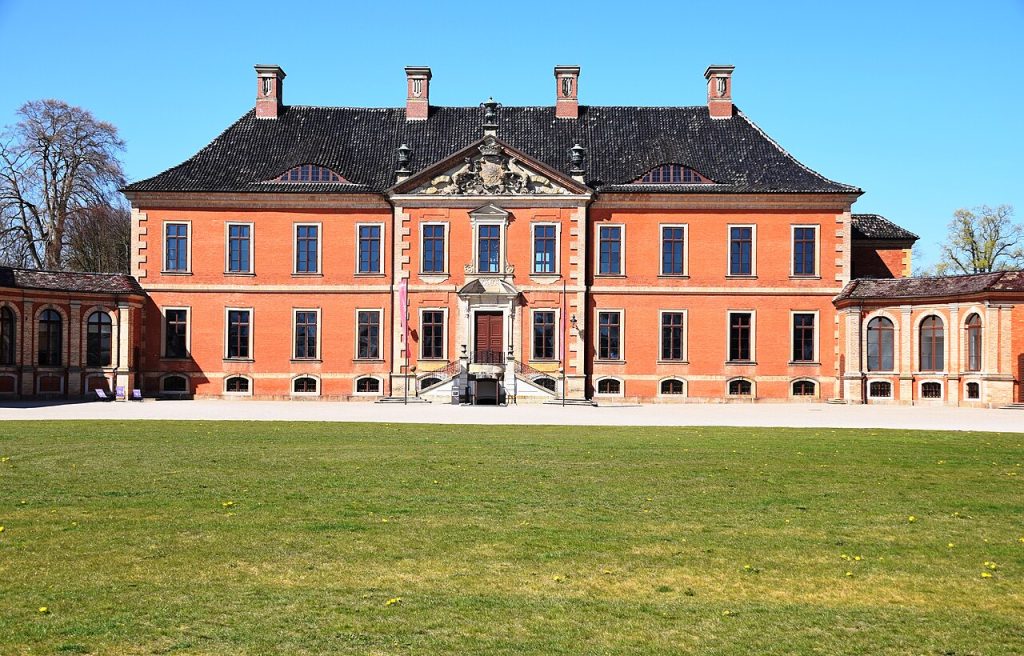
Bothmer bought the estate of Klutz and had the palace built between 1726 and 1732, probably to designs influenced by English and Dutch architects he knew from his travels.
The red brick and the simple, elegant forms reflect the English baroque style of the early eighteenth century, rare in Germany.
The count planned the palace as a family seat for his descendants, and the Bothmer family lived here until 1945.
The Festoon Avenue
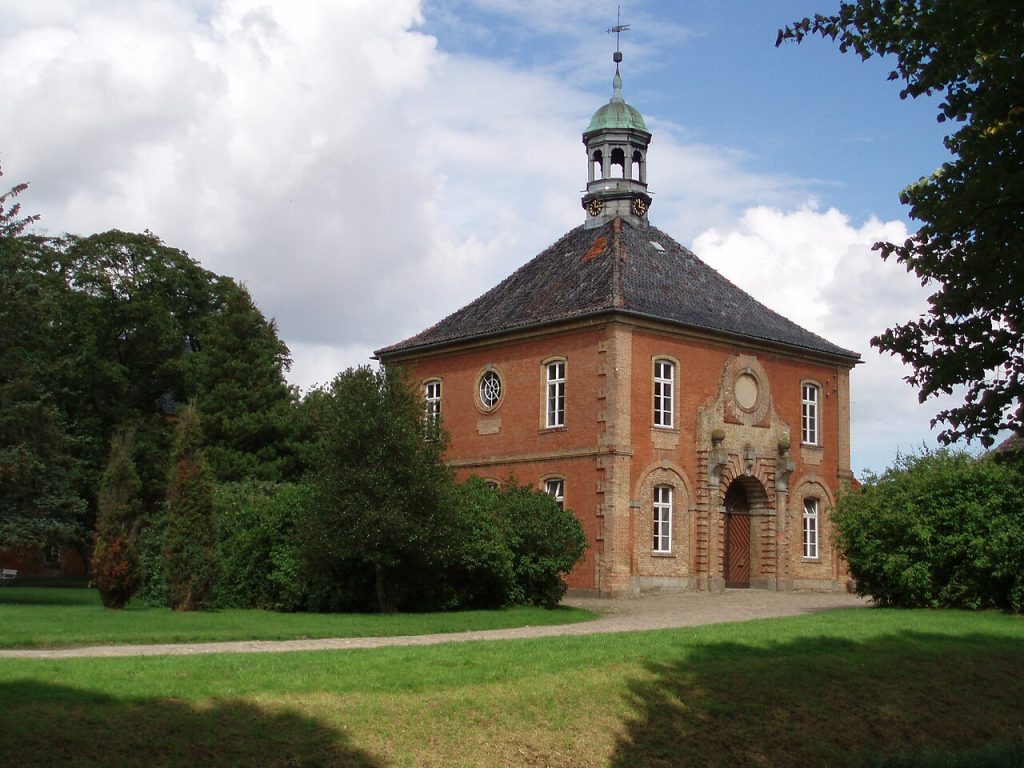
Now let me show you one of the most charming sights in Mecklenburg. Leading toward the palace is the Festoon Avenue, a double row of lime trees whose branches are trained and trimmed into hanging garlands, like festive decorations.
The avenue is about two hundred and seventy metres long, and walking under the green festoons feels like entering a living theatre set.
Gardeners still trim the trees by hand to keep the garland shape, a tradition that goes back to the eighteenth century.
In spring and summer, when the leaves are fresh, the avenue is especially beautiful, and it is a favourite spot for photographs.
Rooms of a Diplomat
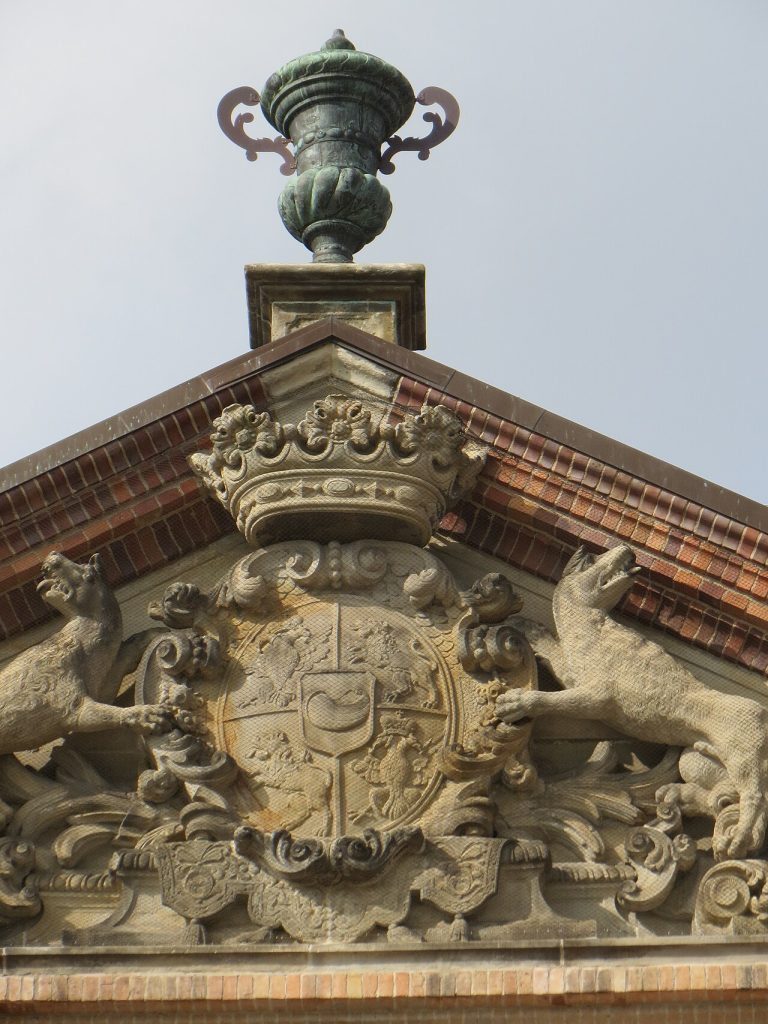
After a long restoration, the palace interiors have been reopened as a museum. The rooms show the life of the Bothmer family and the elegant taste of the eighteenth century.
You will see panelled rooms, stucco ceilings, fireplaces and furniture that reflect the English and German connections of the count.
Exhibitions tell the story of the count, his diplomatic career and the history of the palace through the centuries.
Between London and Mecklenburg
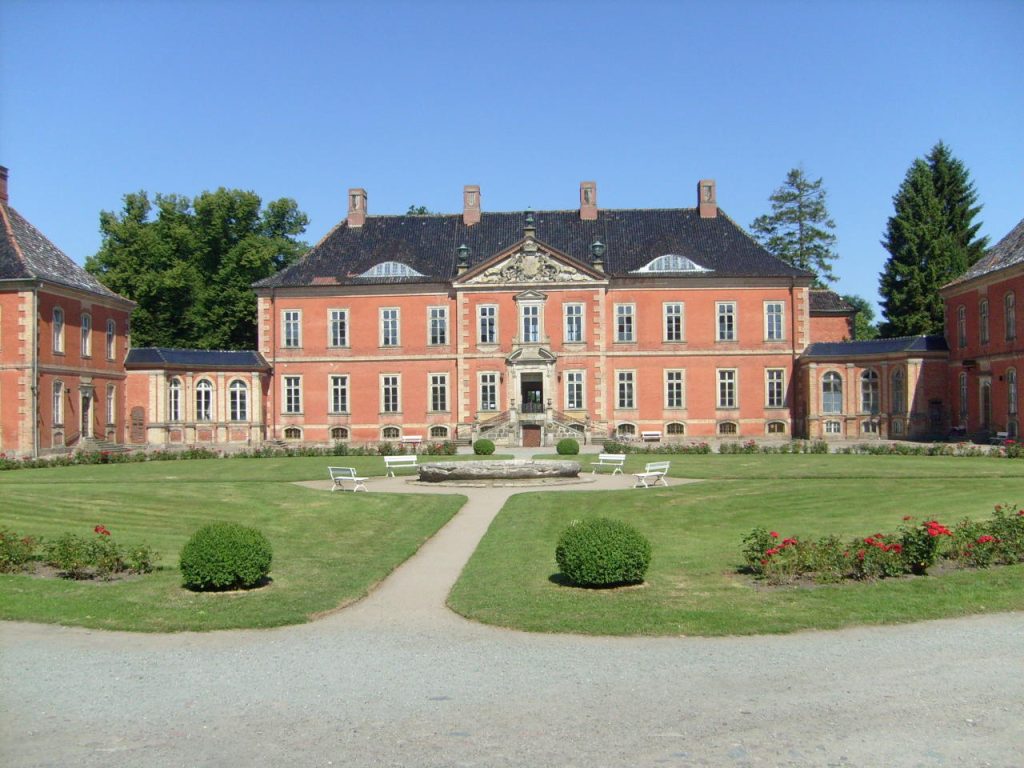
Bothmer’s life connected two worlds. In London he moved among kings, ministers and ambassadors, while his heart and his family seat lay in quiet Mecklenburg.
The palace contains portraits and documents from this double life, including references to the Hanoverian kings who ruled both Britain and Hanover for more than a century.
It is a reminder of how closely German and British history were linked in the eighteenth century.
Decline and Rescue
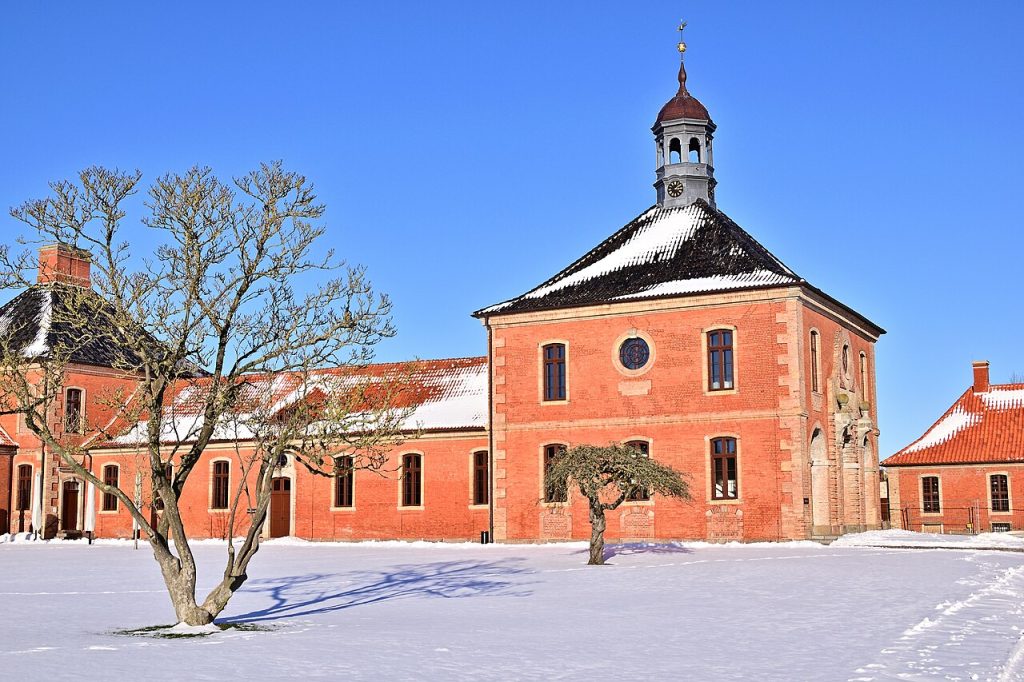
After 1945, the Bothmer family lost the palace, and in the following decades it was used as a hospital, a school and a care home. The building slowly fell into disrepair.
After German reunification, the state of Mecklenburg Western Pomerania bought the palace and carried out a major restoration from 2008 to 2015.
Today it shines again, and it has become one of the most popular cultural destinations in the region.
The Palace Park
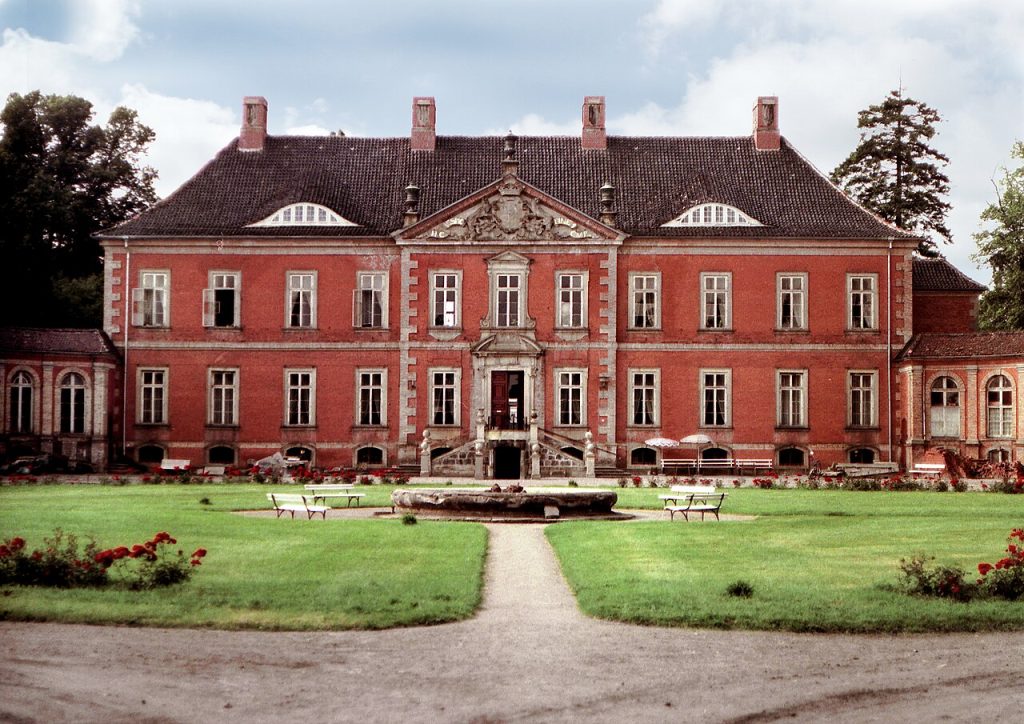
Around the palace stretches a landscaped park with lawns, old trees, water and paths, partly restored to its historic layout.
The moat surrounding the palace reflects the red brick walls, and on calm days the reflection is perfect.
A walk around the park offers changing views of the palace and the countryside, and in summer it is a lovely place for a picnic.
Close to the Baltic Sea
Bothmer lies only a few kilometres from the Baltic coast, with its sandy beaches, steep cliffs and seaside resorts such as Boltenhagen.
After your visit, head to the sea for a walk along the beach. Few palaces offer the chance to combine baroque splendour and a swim on the same afternoon.
The nearby Hanseatic town of Wismar, a UNESCO World Heritage Site, is also well worth a visit.
Events at Bothmer
The palace hosts concerts, exhibitions, garden festivals and Christmas markets, and its rooms are popular for weddings.
Summer evening concerts in the park, with the red palace glowing behind the musicians, are especially atmospheric.
Bothmer on Video
Here is a short video of the palace and its famous avenue.
If the video makes you want to visit, here are some practical tips.
Visiting Bothmer Today
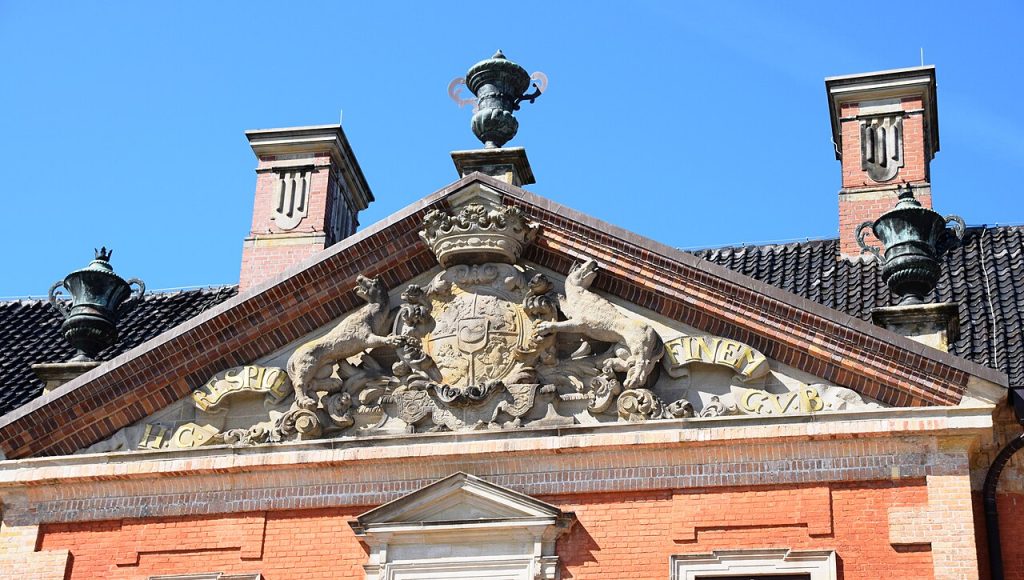
Bothmer Palace is open throughout the year, with longer hours in summer. The park and the Festoon Avenue can be visited freely.
The palace lies near the town of Klutz, about twenty kilometres west of Wismar, and is best reached by car.
Plan about two hours for the palace and the park, and combine your visit with Wismar and the Baltic beaches.
A local tip: walk through the Festoon Avenue twice, once toward the palace and once away from it. The views are completely different in each direction.
View the location on Google Maps
Palaces Nearby
If you have enjoyed this palace, the region holds more remarkable residences. Here are two more well worth adding to your journey:
- Gustrow Palace – one of the finest Renaissance palaces in northern Germany.
- Ludwigslust Palace – the Versailles of the North in Mecklenburg.