On the shore of a quiet lake in northern Brandenburg stands a palace where a young prince spent what he later called the happiest years of his life. Rheinsberg Palace was the home of Crown Prince Frederick of Prussia, the future Frederick the Great, before he became king, and here he gathered friends, read philosophy, made music and dreamed of a life devoted to the arts.
Later the palace became the home of his brother, Prince Henry, who created a beautiful park and a cultured court. Today Rheinsberg is a museum, a centre for music and a destination for lovers of lakes, forests and history.
In this article we will explore Rheinsberg from the crown prince who lived here to its architecture, its rooms, its park and its literary fame, and we will finish with practical tips for your visit.
In This Article
- A Palace by the Lake
- Crown Prince Frederick at Rheinsberg
- Rebuilding the Palace
- Rococo Rooms
- Prince Henry of Prussia
- The Palace Theatre and Music
- The Palace Park
- The Grienericksee
- Rheinsberg in Literature
- Frederick’s Circle of Friends
- The Town of Rheinsberg
- Rheinsberg on Video
- Visiting Rheinsberg Today
A Palace by the Lake
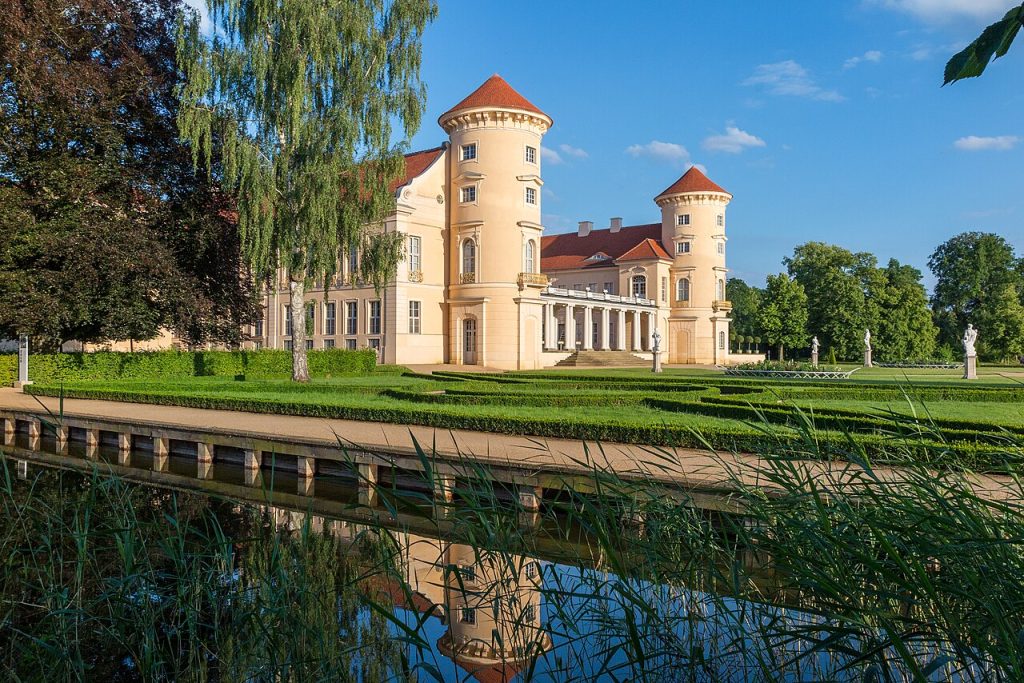
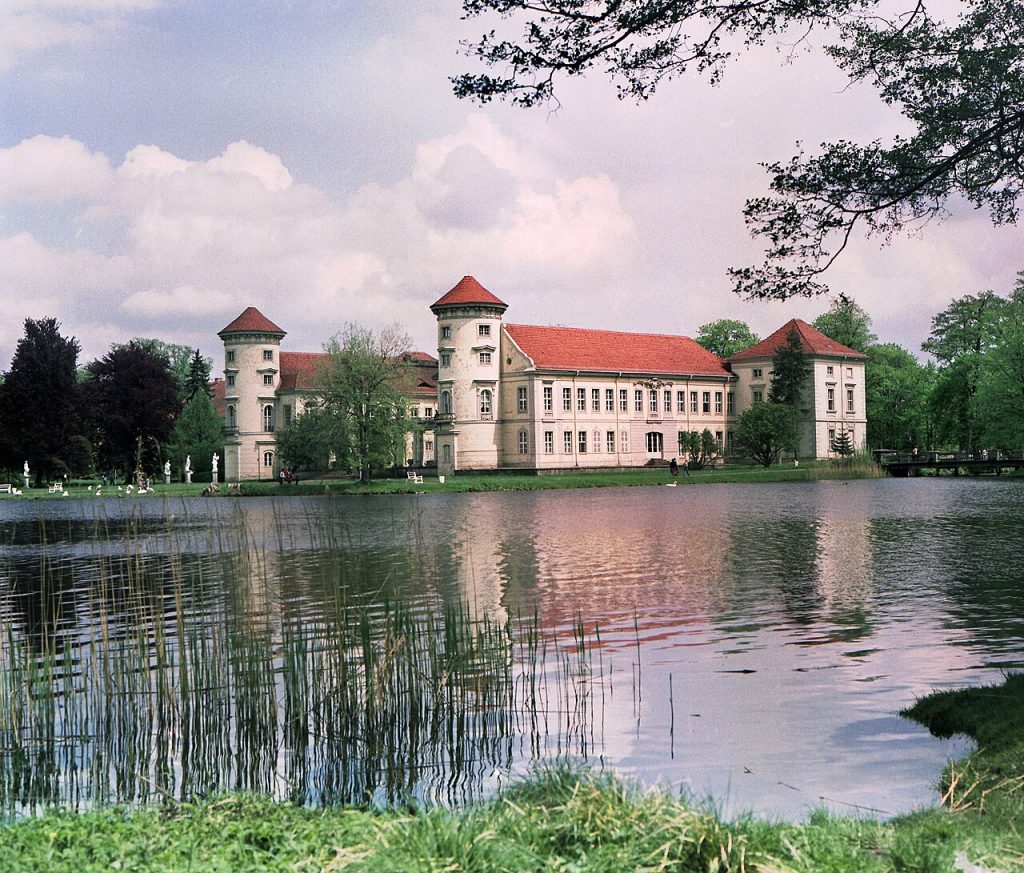
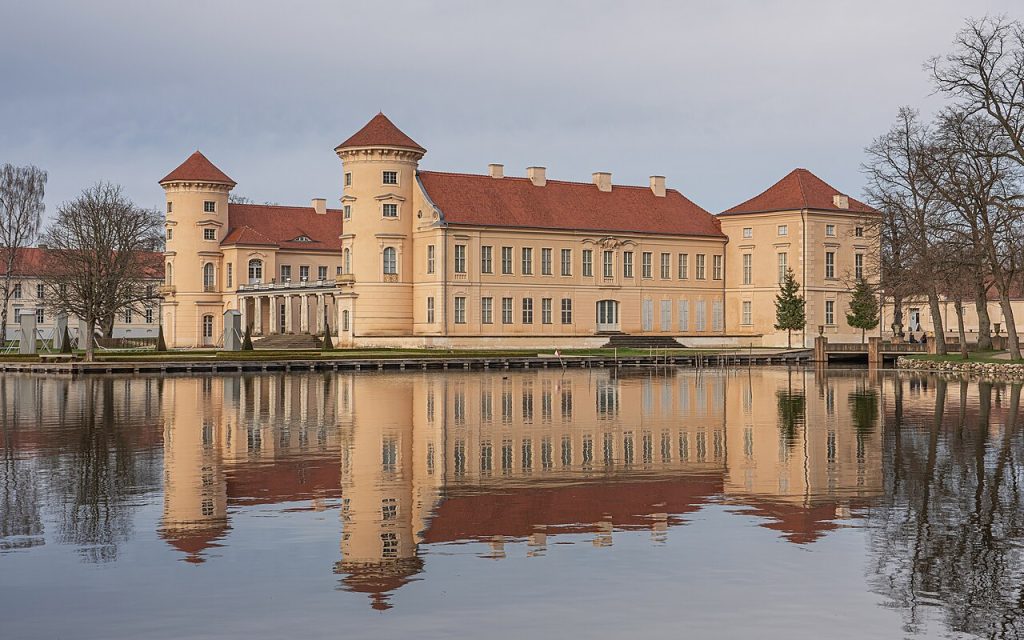
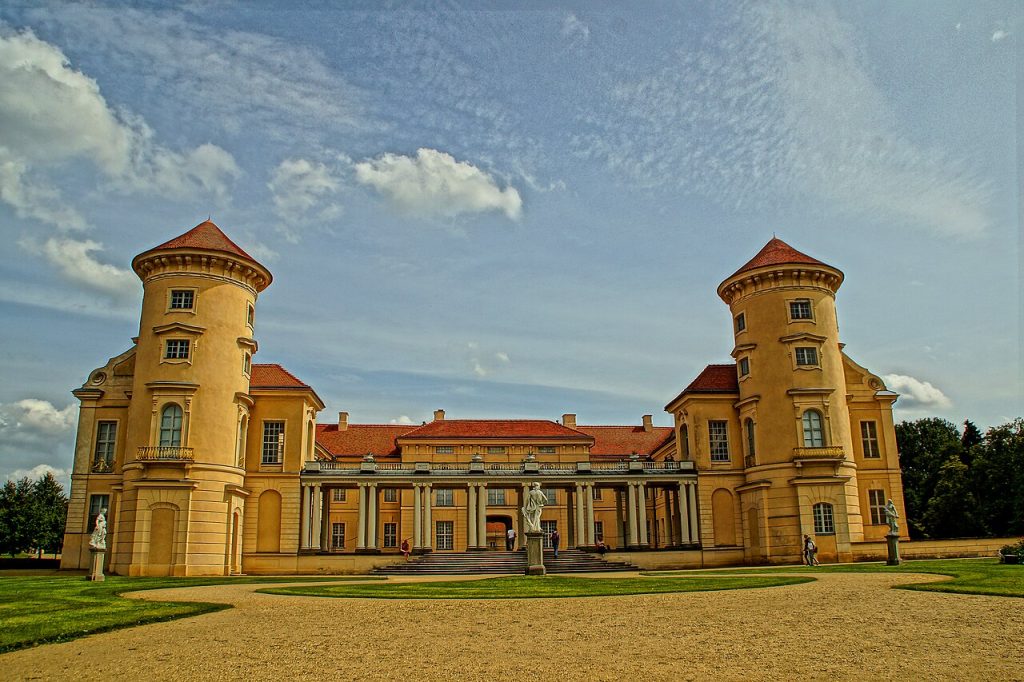
Arriving in Rheinsberg, you see a graceful palace with two round towers standing on the shore of the Grienericksee. A colonnade connects the towers on the lake side, framing views across the water like a painting.
The palace is surrounded by a park along the lake, and the small town lies next to it with streets of low houses laid out in a regular plan.
What makes Rheinsberg special is its atmosphere of peace and its connection with the youth of one of the most famous kings in history.
In summer, boats glide past the colonnade, and the reflections of the towers in the lake create one of the most romantic scenes in Brandenburg.
The palace’s soft pastel colours and the green of the park make it a perfect place for a slow, peaceful day.
Now, stop for a moment on the lakeside path and look at the two round towers. See how the colonnade between them opens the whole palace to the water? That was the young prince’s idea of paradise: books, music, friends and a lake view, far away from his strict father in Berlin.
Crown Prince Frederick at Rheinsberg
In 1736, Frederick William I, the strict soldier king of Prussia, gave his son Frederick the estate of Rheinsberg. After years of conflict with his father, the crown prince finally had a place of his own, and he lived here until he became king in 1740.
He read philosophers and poets, corresponded with Voltaire, played the flute and composed music, and wrote his essay against Machiavelli on the duties of a ruler.
His wife, Elisabeth Christine, also lived at Rheinsberg, and later in life Frederick looked back on these years with nostalgia.
Frederick’s youth had been marked by conflict with his father. In 1730 he tried to flee Prussia with his friend Hans Hermann von Katte; they were caught, and Katte was executed before the prince’s eyes, an event that haunted Frederick for the rest of his life.
After this trauma and years of obedience, Rheinsberg gave him freedom for the first time, which explains why he remembered it so fondly.
In a famous letter, he wrote that he had never been as happy as during his years at Rheinsberg.
His first letter to Voltaire, written in 1736, began one of the most famous friendships between a monarch and a philosopher in European history.
Here is a story guides love to tell. The soldier king hated his son’s flute and French books, and once even broke his flute and threw his books into the fire. So when Frederick finally got Rheinsberg, the first thing he did was fill it with music and books. You could call it a quiet revenge.
On summer evenings, the prince and his friends would play chamber music late into the night, and the sound of the flute drifted out over the lake. Locals said you could hear it from the boats.
Rebuilding the Palace
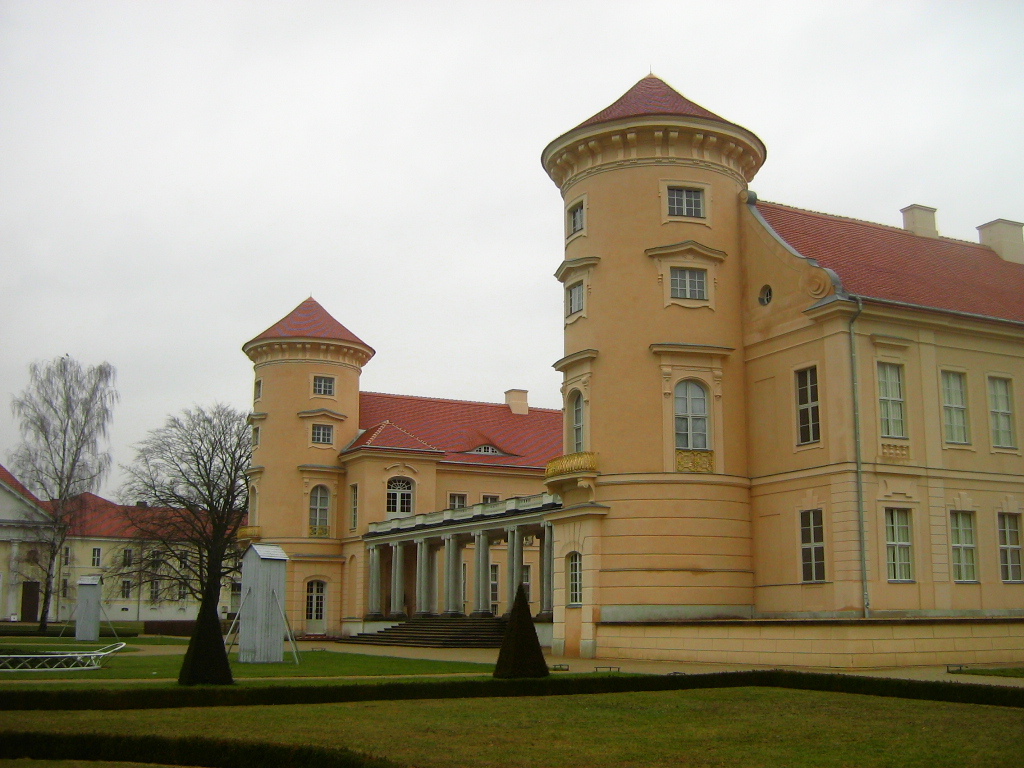
Frederick commissioned Georg Wenzeslaus von Knobelsdorff, who later designed Sanssouci, to transform the old castle into an elegant palace with two towers and a colonnade on the lake side.
The work at Rheinsberg began a long collaboration that produced some of the finest buildings in Prussia.
Knobelsdorff had travelled to Italy and France, and he brought new ideas to Prussian architecture, combining elegance with restraint.
The colonnade on the lake side was a novel idea, opening the palace to the water and the landscape.
Rococo Rooms
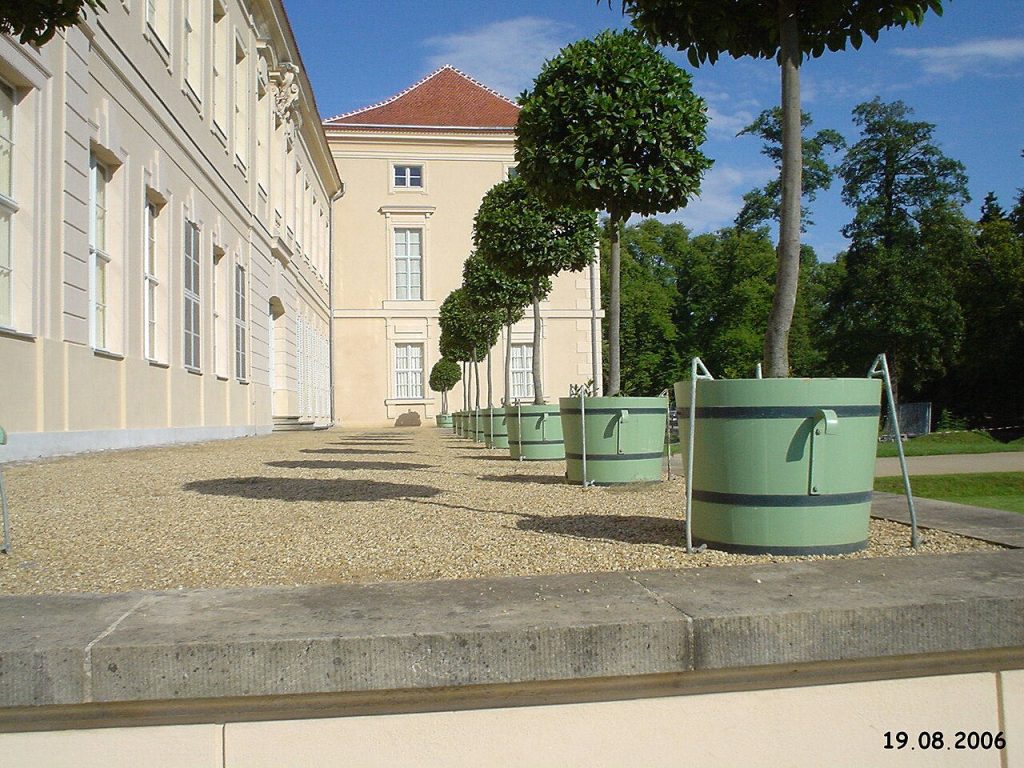
The rooms created for Frederick are among the earliest examples of Frederician rococo. The Hall of Mirrors, the music room and the library show his love of music, literature and elegant decoration.
Painted ceilings by the court painter Antoine Pesne celebrate the arts and the dawn of a new age.
The Hall of Mirrors was the setting for concerts and balls, and its mirrors multiplied the light of the candles, creating a festive glow.
Antoine Pesne’s ceiling painting in the hall shows night giving way to the dawn of a new day, an allegory of the young prince’s hopes for his future reign.
The library, with its books and busts of philosophers, reflects Frederick’s lifelong love of reading and learning.
In the tower room, Frederick had his study, a small and private space where he wrote and read late into the night.
Step into the Hall of Mirrors and look up. Pesne painted night retreating before the dawn, and everyone at court knew what that meant: the old, dark rule of the soldier king would soon give way to a bright new age under Frederick.
In the little tower study, imagine the prince bent over his desk by candlelight, writing to Voltaire. Those letters are still read today, and some of them were written right here.
Prince Henry of Prussia
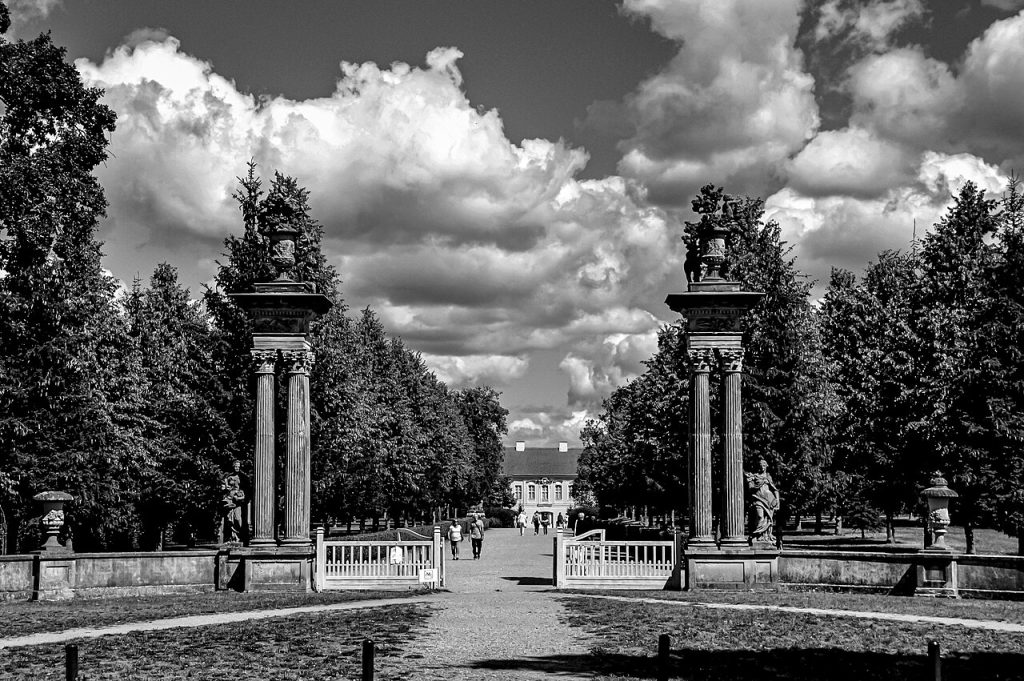
In 1744 Frederick gave Rheinsberg to his younger brother, Prince Henry, a talented general and diplomat who lived here for more than fifty years and created a cultured, French speaking court with theatre and music.
Henry died at Rheinsberg in 1802 and was buried in a pyramid in the park.
Henry’s relationship with his brother was complicated. He admired Frederick’s genius but resented his authority, and he felt that his own military achievements in the Seven Years War were never properly recognised.
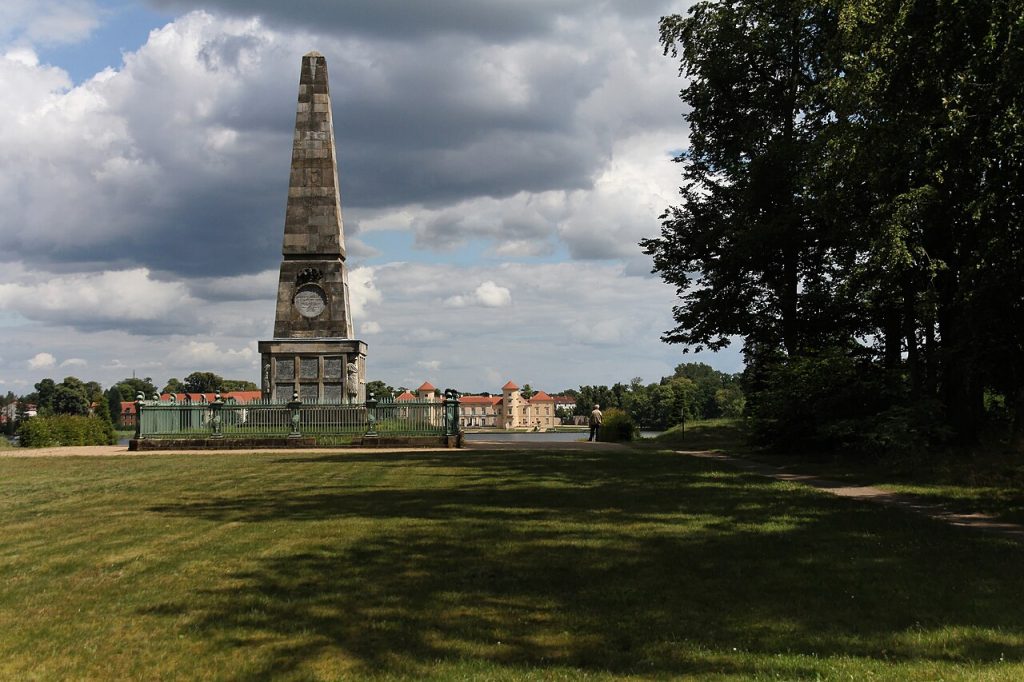
To honour officers he felt had been forgotten, Henry erected an obelisk in the park with the names of Prussian generals, a quiet act of protest against his brother.
Henry was also considered as a possible king for the newly independent United States and for Poland, though nothing came of these ideas.
Walk down to the obelisk in the park and read the names. Henry carved them there because he felt his brother had taken all the glory of the Seven Years War. Frederick’s own name, by the way, is nowhere to be found on it.
And if you wander to the far end of the park, you will find a small pyramid. That is where Henry chose to be buried, alone, in his beloved garden rather than with the royal family in Potsdam.
The Palace Theatre and Music
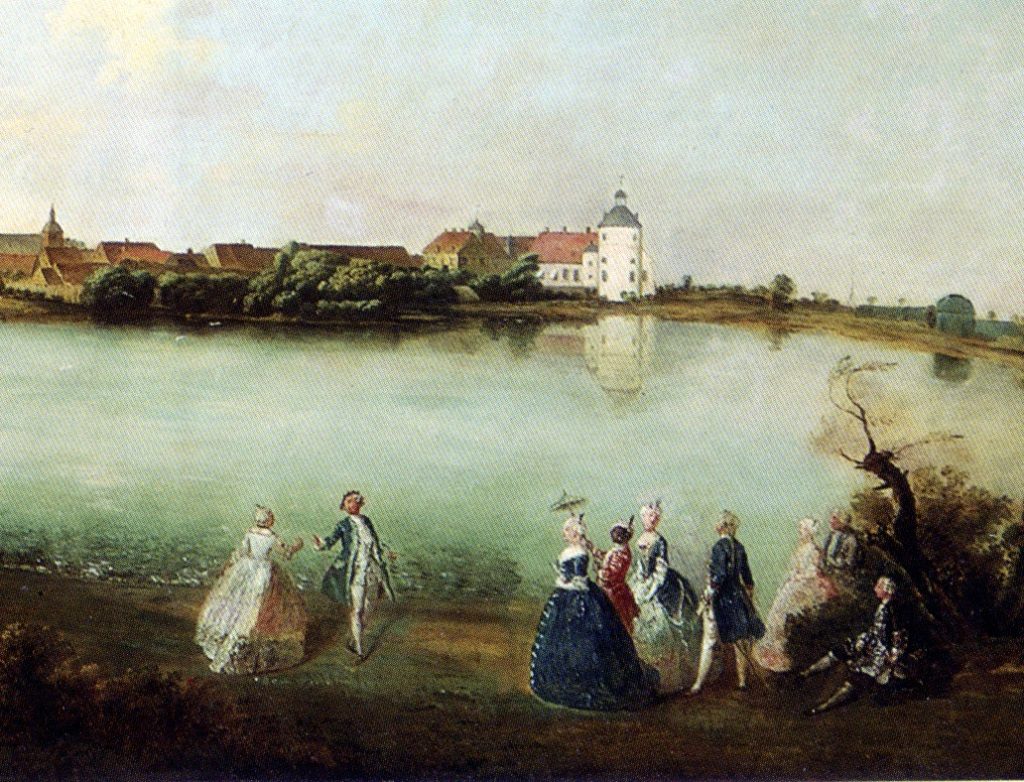
Prince Henry built a theatre at Rheinsberg, and today the Rheinsberg Chamber Opera holds an international festival for young singers here every summer.
Henry’s court theatre staged French plays and operas, and the prince himself sometimes took part in performances.
Every summer, young singers from around the world come to Rheinsberg to perform opera in the historic setting.
The Palace Park
The park laid out by Prince Henry combines formal and landscape elements, with avenues along the lake, garden buildings and an obelisk honouring Prussian officers of the Seven Years War.
Henry built several garden buildings, including a Chinese house and a temple, and his pyramid tomb stands in a quiet corner of the park.
In autumn, the avenues glow with gold and red leaves, and the park is especially beautiful.
The Grienericksee
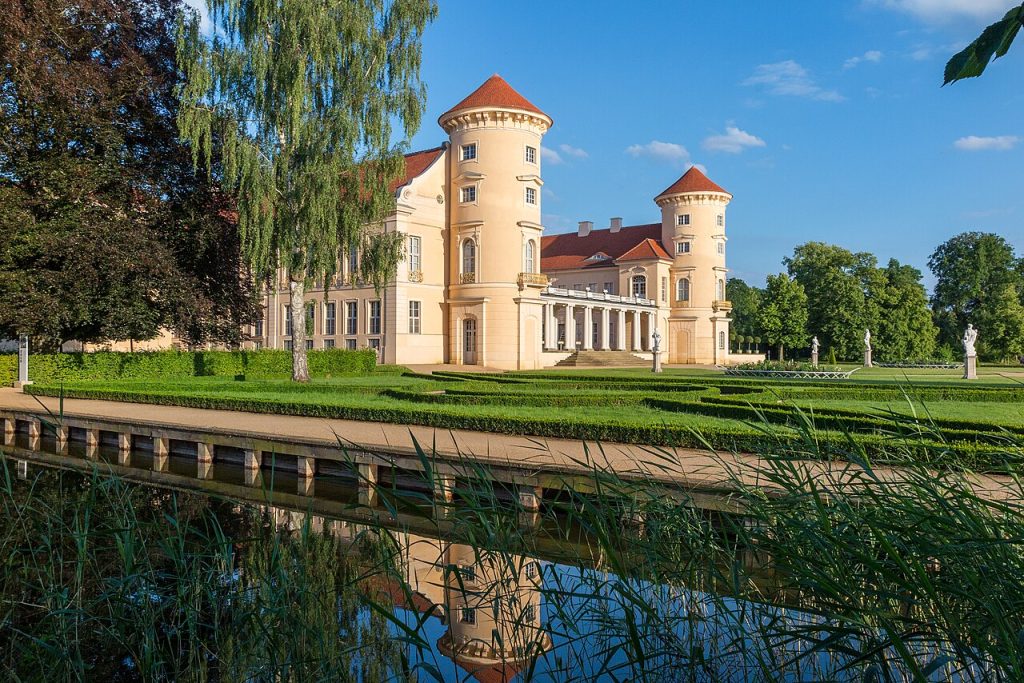
The palace stands on the Grienericksee, one of many lakes in the area, connected by canals and rivers and popular for boat trips and canoeing.
The Rheinsberg lake district is part of a network of waterways that extends into Mecklenburg, popular with canoeists and houseboat travellers.
Rheinsberg in Literature
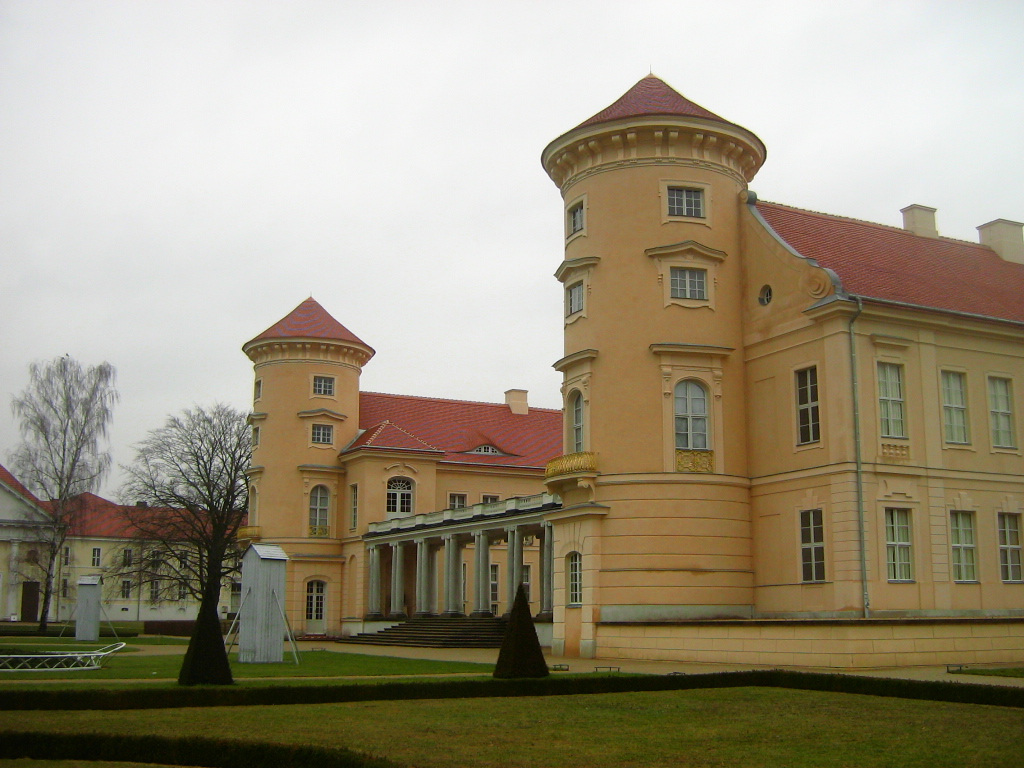
Kurt Tucholsky’s short novel Rheinsberg, A Picture Book for Lovers, published in 1912, made the town a symbol of youthful love, and a museum dedicated to him is located in the palace.
In the novel, a young couple from Berlin spends a weekend in Rheinsberg, and their playful, tender story captured the spirit of freedom of the time.
The book is still widely read, and many visitors come to Rheinsberg because of it.
Ask anyone in Germany about Rheinsberg and they will probably mention Tucholsky. His young lovers strolled through this very park, and generations of couples have followed in their footsteps ever since.
Frederick’s Circle of Friends
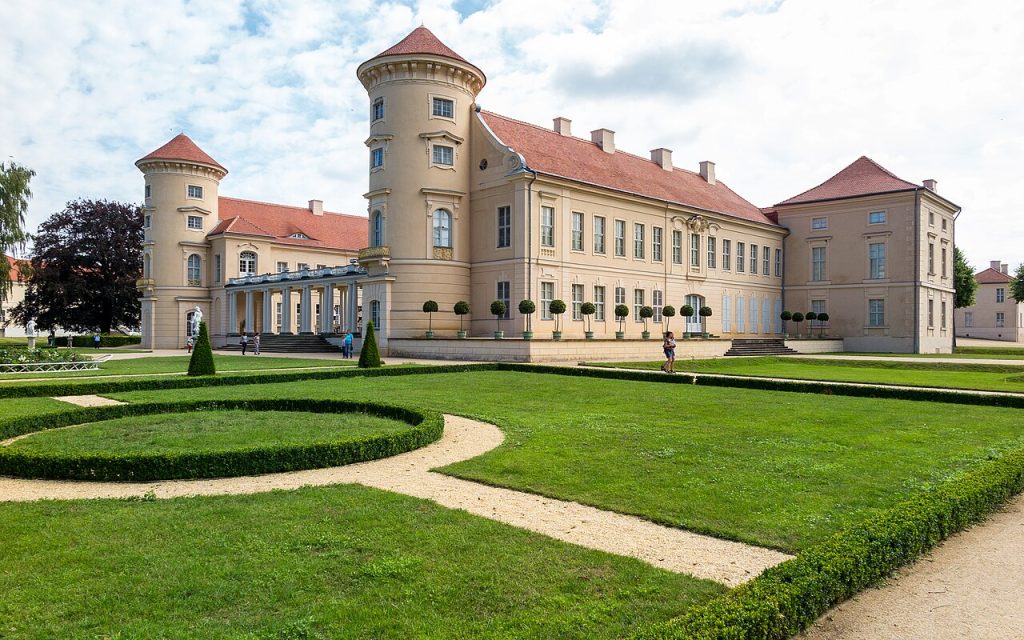
At Rheinsberg the crown prince gathered officers, artists and intellectuals who shared his interests, performing plays and concerts and writing poems, and he founded the Order of Bayard, celebrating friendship and chivalry.
Among the guests was the painter Antoine Pesne, who painted portraits of the prince and his circle that are still admired today.
The Town of Rheinsberg
The town was rebuilt after a fire in 1740 on a regular plan and is known for its ceramics, and it lies at the heart of a region of lakes and forests ideal for hiking and cycling.
Rheinsberg ceramics, with their colourful patterns, have been produced since the eighteenth century and make popular souvenirs.
Rheinsberg on Video
For a look at Rheinsberg, the video below presents the palace and its surroundings.
If the video inspires you, read on for practical tips.
Visiting Rheinsberg Today
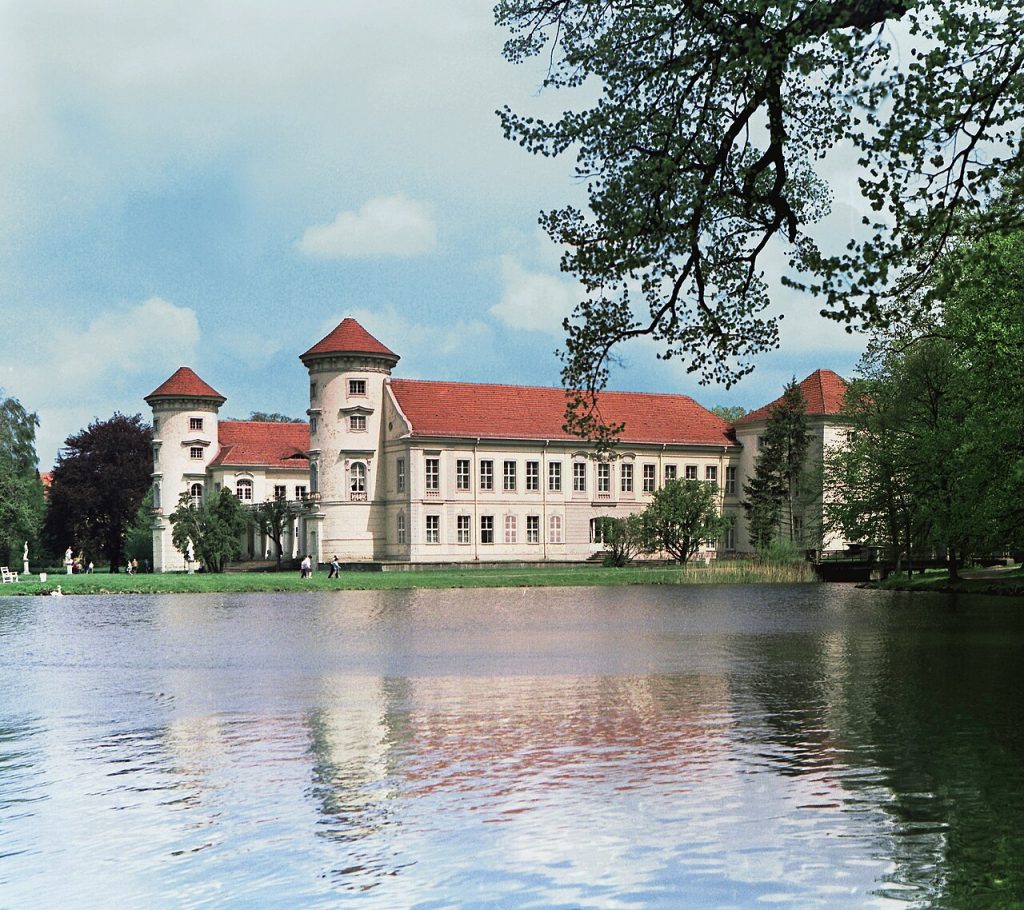
Rheinsberg Palace is open throughout the year, except on certain days. Rheinsberg lies about one hundred kilometres north of Berlin and can be reached by car or train.
Plan a full day to see the palace, the Tucholsky museum, the park and the town, and consider a boat trip on the lakes.
Whenever you visit, Rheinsberg offers a peaceful and romantic glimpse into the youth of Frederick the Great.
There are hotels and restaurants in the town, and the surrounding area is ideal for a longer stay with boat trips and cycling.
A tip from the locals: come on a weekday morning, take a boat trip on the lake first, then visit the palace when the tour groups have gone. And do try the local pottery shops in town; a little Rheinsberg ceramic bowl makes a lovely souvenir.
View the location on Google Maps
Palaces Nearby
If you have enjoyed this palace, the region holds more remarkable residences. Here are two more well worth adding to your journey:
- The New Palace of Potsdam – the triumphant palace of Frederick the Great in the park of Sanssouci.
- Sanssouci Palace – the summer palace of Frederick the Great in Potsdam.
You May Like
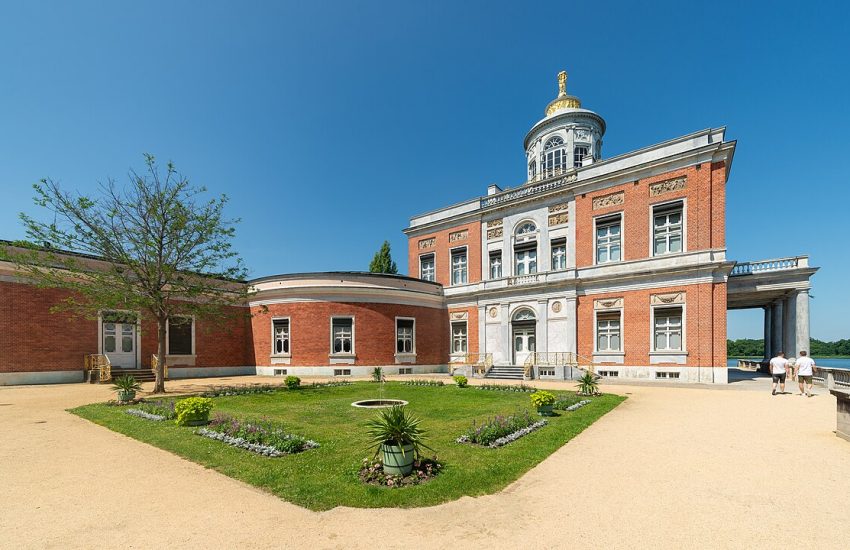
The Marble Palace of Potsdam on the Shore of the Holy Lake