In the New Garden of Potsdam, beside a quiet lake, stands a palace that looks like an English country manor. Cecilienhof was the last palace built by the Hohenzollern dynasty, completed during the First World War for Crown Prince Wilhelm and his wife Cecilie. Yet its greatest fame came in the summer of 1945, when the leaders of the United States, Britain and the Soviet Union met here for the Potsdam Conference.
Decisions made in this palace shaped the fate of Germany and Europe after the Second World War. Today Cecilienhof is a museum and part of the UNESCO World Heritage Site of the palaces and parks of Potsdam and Berlin.
In this article we will explore Cecilienhof from its royal builders to its architecture, the Potsdam Conference and its gardens, and we will finish with practical tips for your visit.
In This Article
- An English Manor in Potsdam
- Crown Prince Wilhelm and Crown Princess Cecilie
- Tudor Style Architecture
- The Potsdam Conference
- The Conference Room
- The Red Star in the Courtyard
- The Private Rooms
- Truman, Stalin and Churchill at Cecilienhof
- The Exhibition on the Conference
- The New Garden
- The Lake and the Border
- Cecilienhof on Video
- Visiting Cecilienhof Today
An English Manor in Potsdam
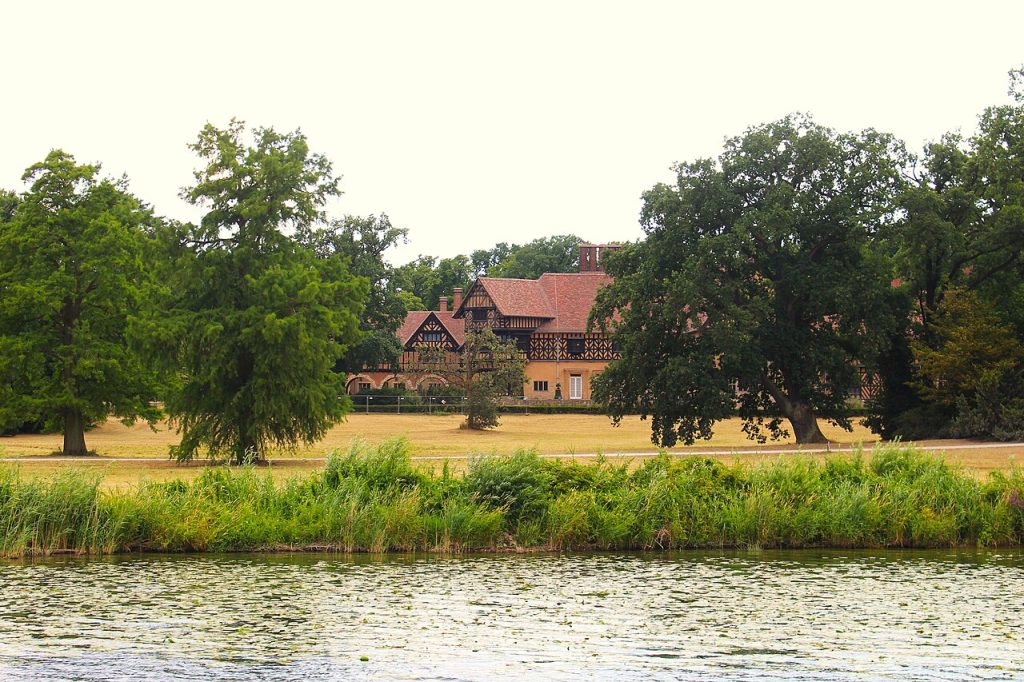
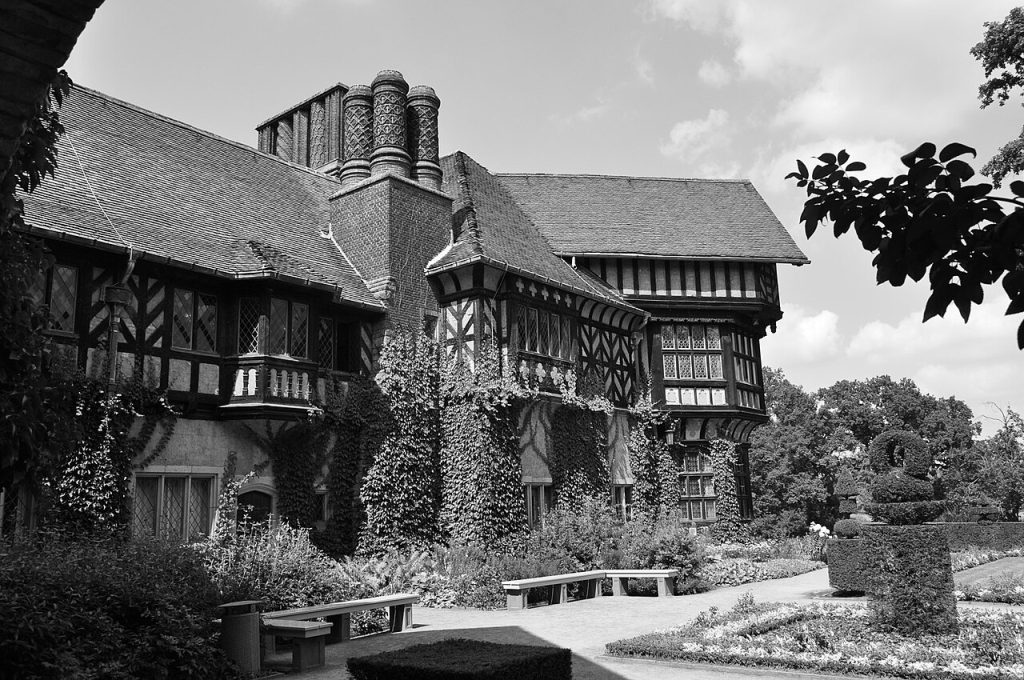
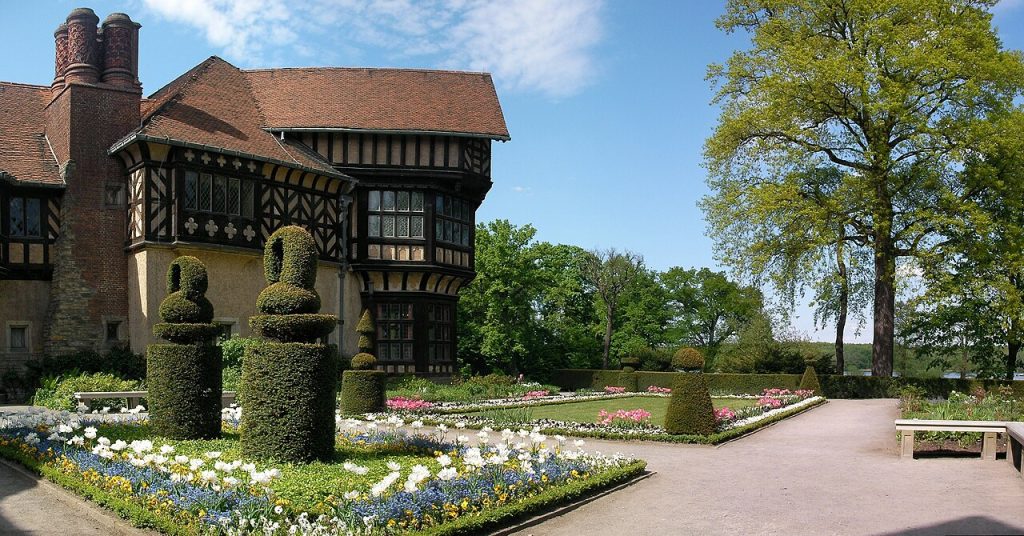
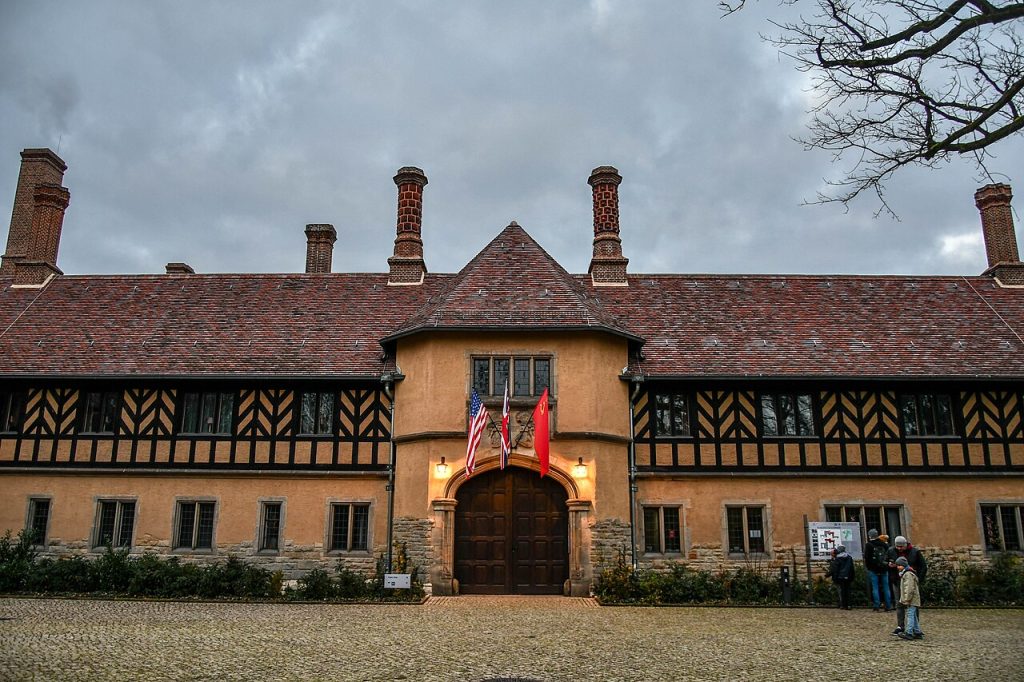
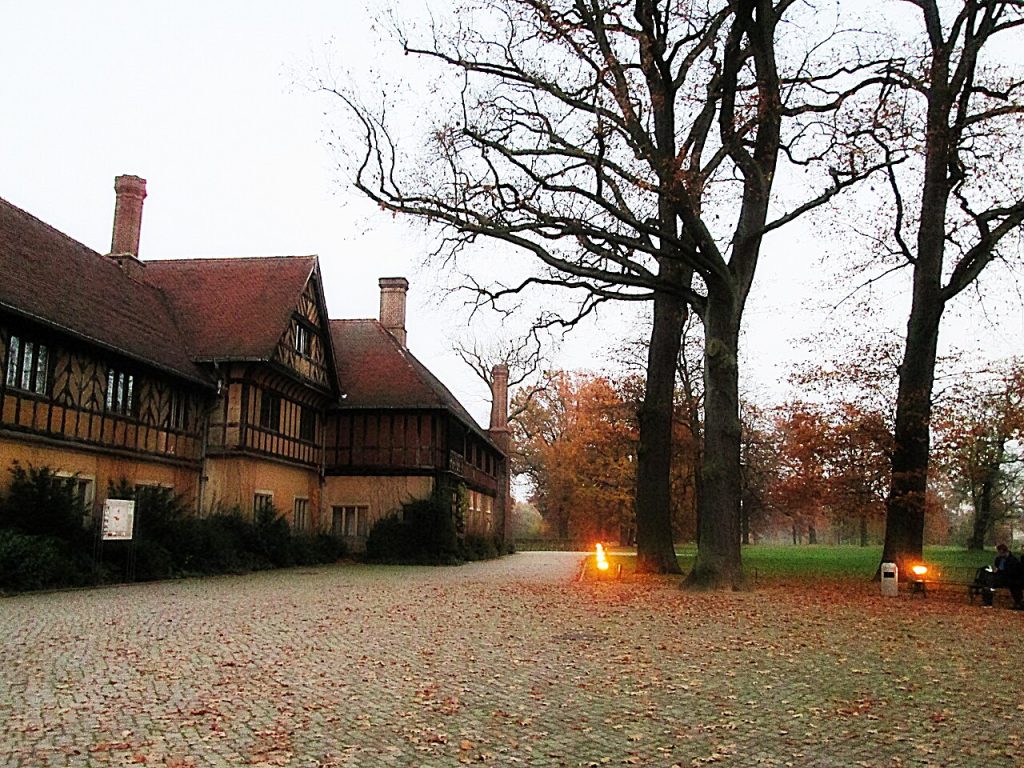
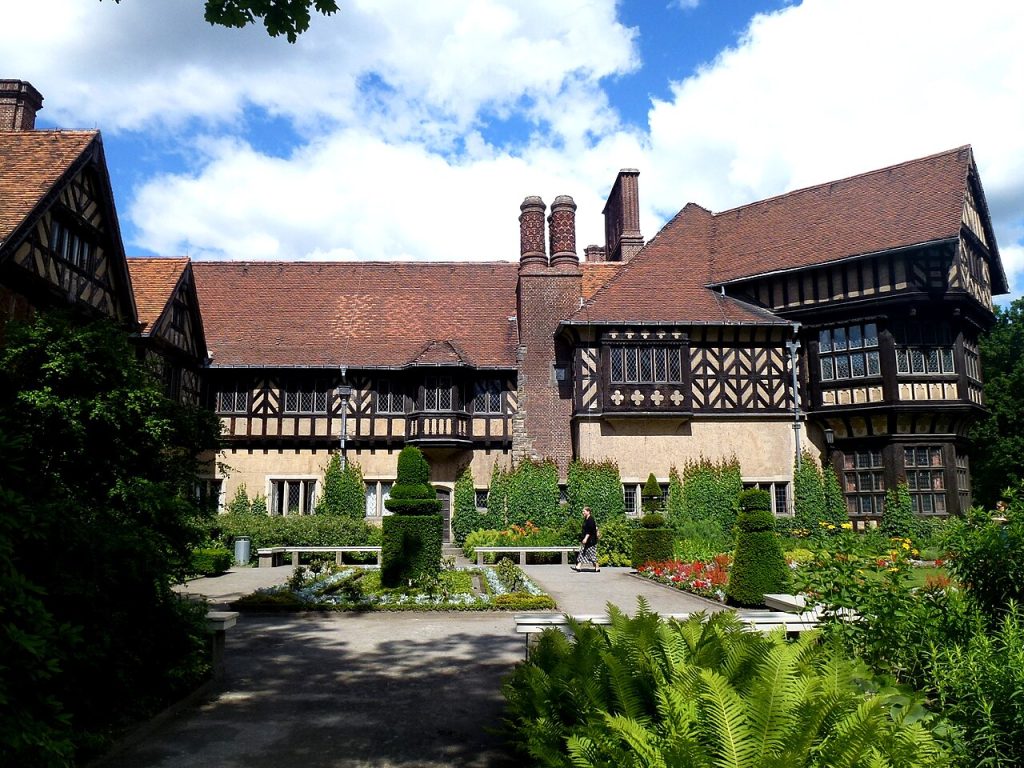
Approaching Cecilienhof through the New Garden, you see a rambling building of half timbering, brick and tall chimneys, more like an English country house than a German palace.
The palace is arranged around several courtyards, with wings of different heights and shapes that give it a picturesque, informal character, beside the Jungfernsee lake.
What makes Cecilienhof special is the contrast between its homely architecture and the momentous events that took place within its walls.
Climbing roses and ivy cover parts of the walls, and in early summer the courtyards are full of flowers, giving the palace a warmth that few royal residences possess.
Many visitors are surprised to learn that a building so cosy and domestic was the stage for negotiations that redrew the map of Europe.
Crown Prince Wilhelm and Crown Princess Cecilie
Cecilienhof was built between 1913 and 1917 for Crown Prince Wilhelm of Prussia, the eldest son of Emperor Wilhelm II, and his wife, Duchess Cecilie of Mecklenburg Schwerin, after whom it was named.
The architect Paul Schultze Naumburg designed it in the style of an English Tudor country house, reflecting the close ties between the German and British royal families before the war.
The family lived at Cecilienhof until 1945, even after the end of the monarchy in 1918.
Cecilie was elegant, cultured and fond of music and fashion, and she became one of the most admired women in imperial Germany; her image appeared on postcards sold across the country.
The couple had six children, and the palace was designed with nurseries, playrooms and family spaces rather than grand halls of state.
When the monarchy fell in 1918, the crown prince went into exile in the Netherlands for several years, while Cecilie stayed with the children at Cecilienhof.
An anecdote often told by guides recalls that the crown princess insisted the palace feel like a real home, and she chose many of the furnishings herself, from chintz fabrics to English style furniture.
Tudor Style Architecture
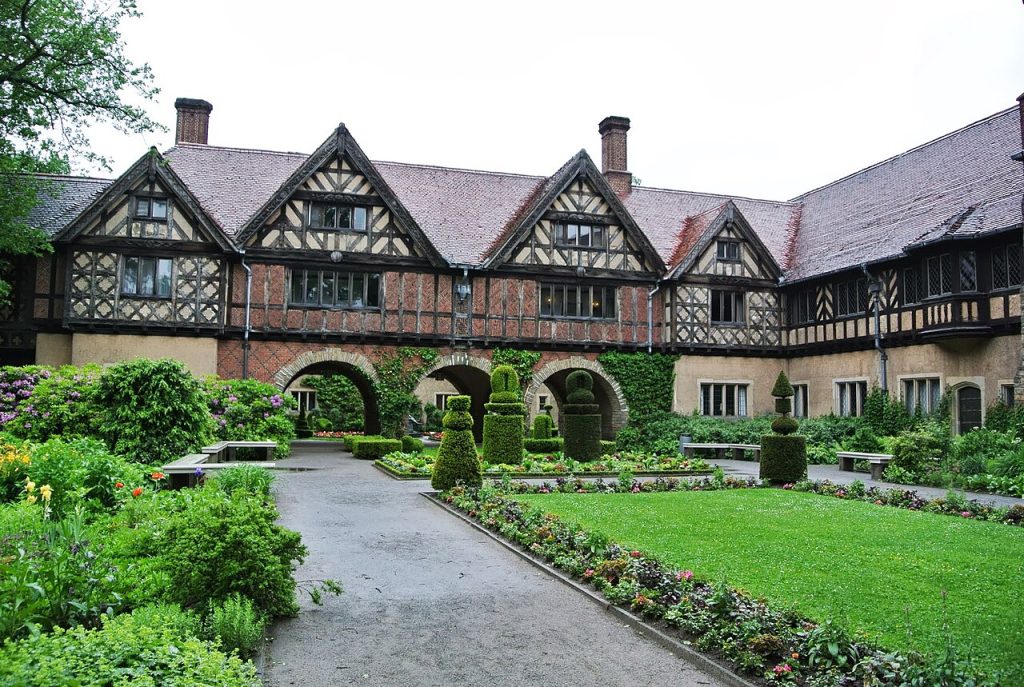
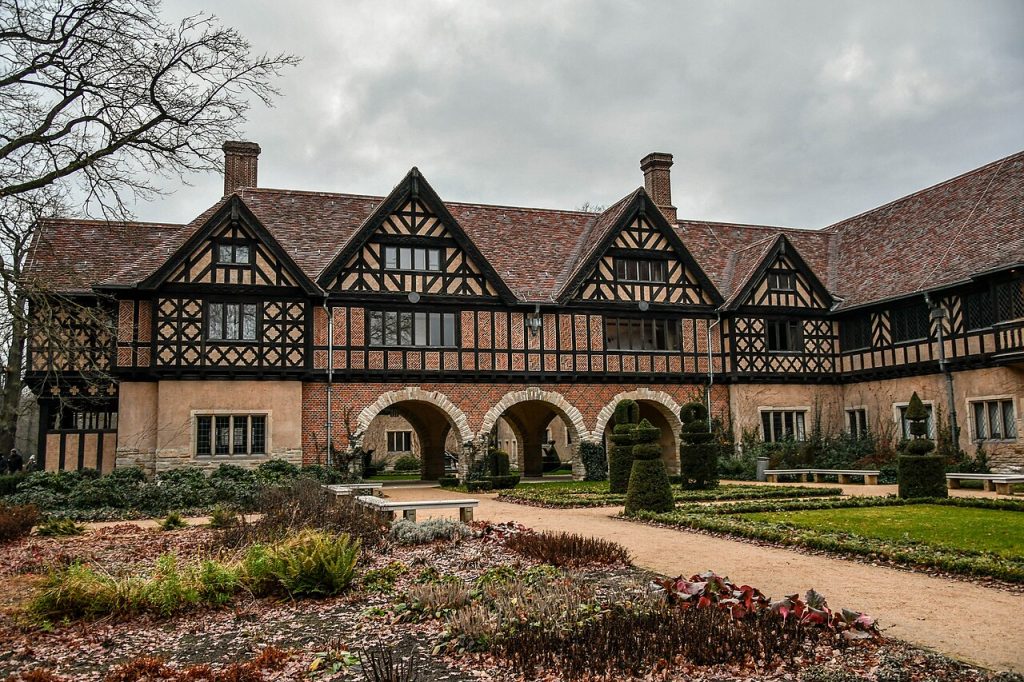
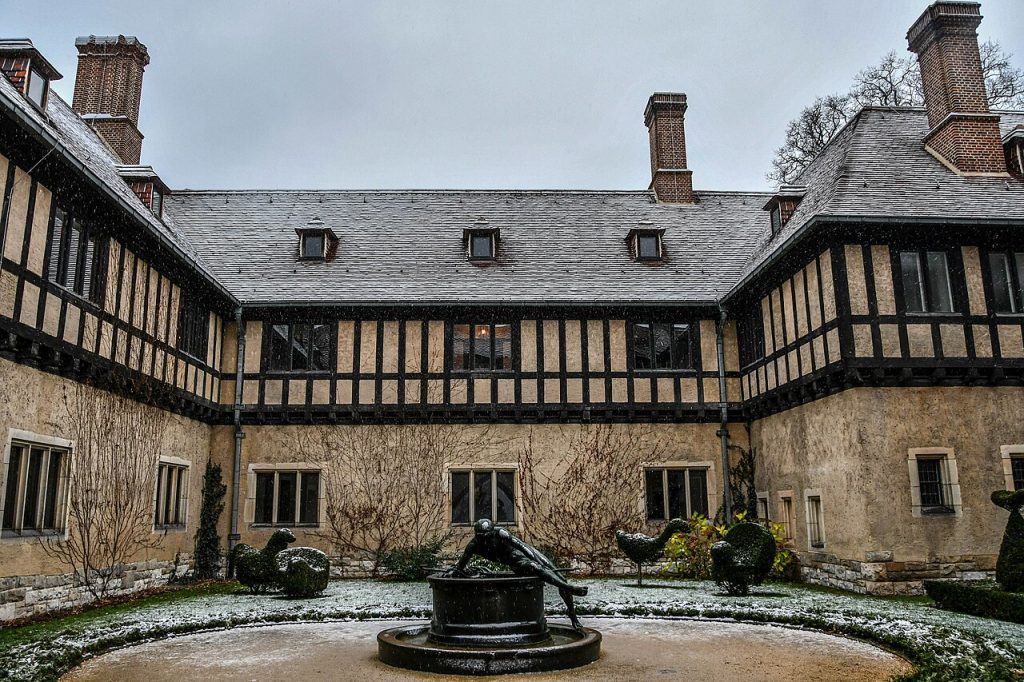
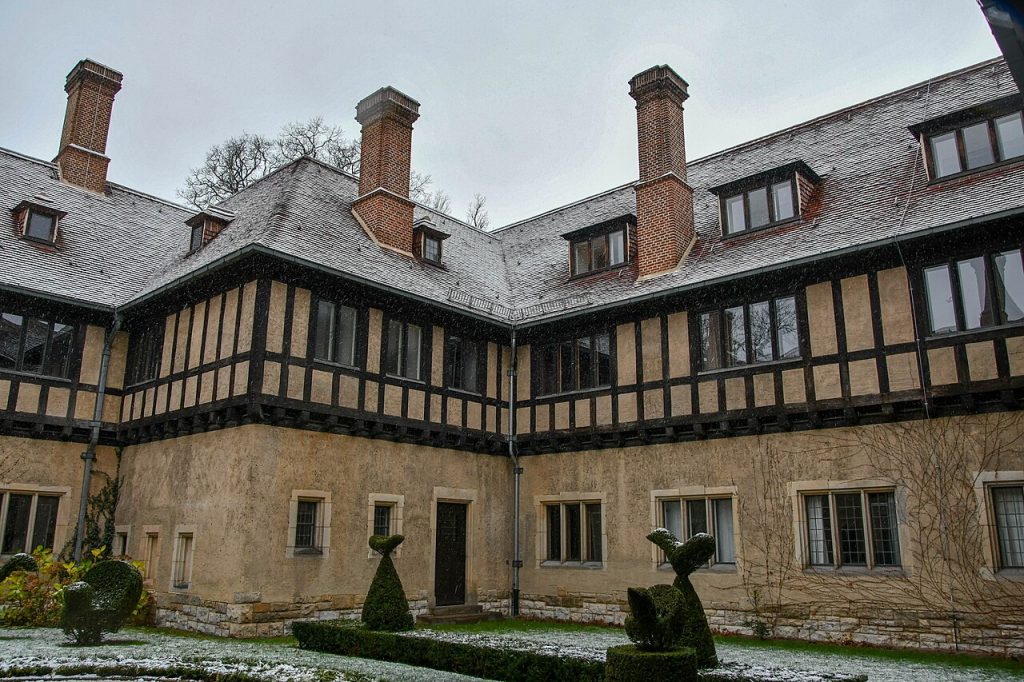
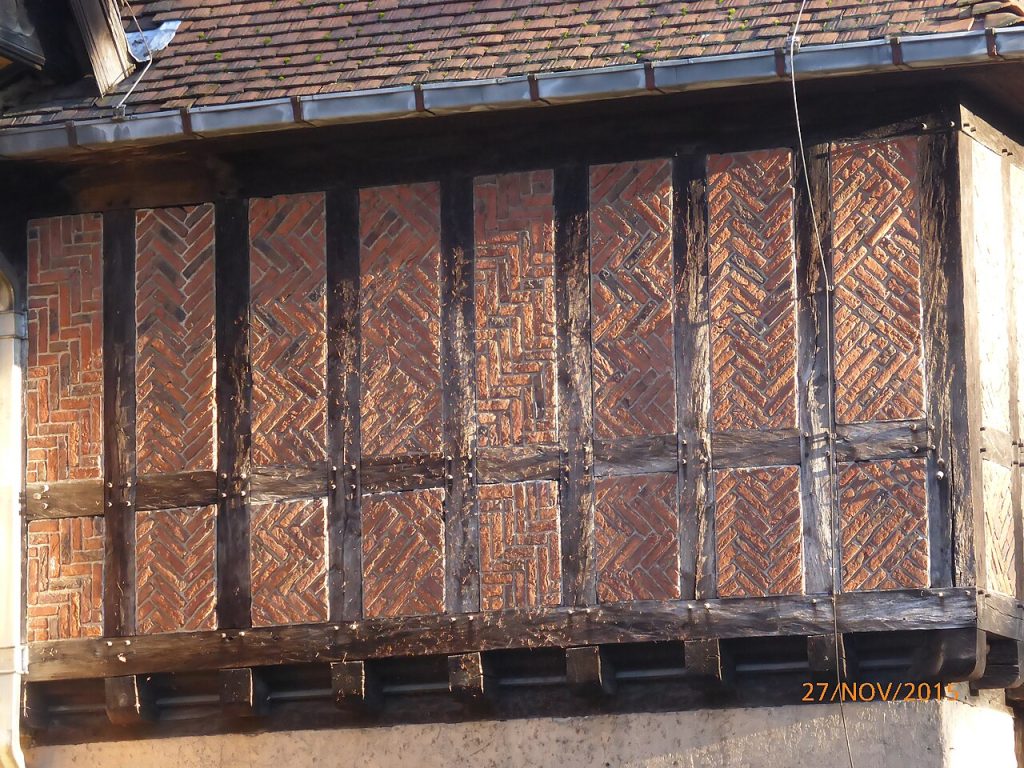
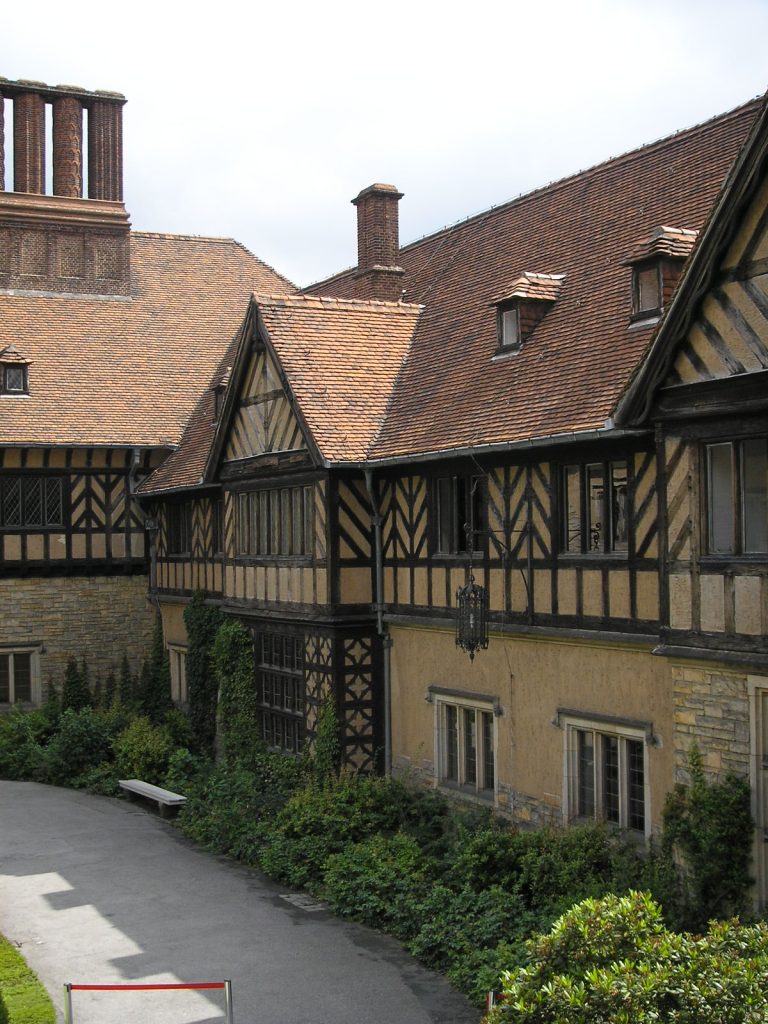
The palace has 176 rooms grouped around five courtyards. Its facades combine half timbering, brick and plaster, with more than fifty decorative chimneys, each designed differently.
Inside, the rooms are panelled in wood and furnished in a comfortable, domestic style, and the great hall with its wooden staircase and gallery is the heart of the palace.
The many chimneys were not only decorative. The palace was heated by numerous fireplaces and stoves, and each chimney served a different room, which is why no two look alike.
Carved oak panelling, leaded windows and wooden staircases reflect the Arts and Crafts ideals of craftsmanship that influenced architecture in the early twentieth century.
The Potsdam Conference
From 17 July to 2 August 1945, Cecilienhof hosted the Potsdam Conference. Harry Truman, Joseph Stalin and Winston Churchill, later replaced by Clement Attlee, met to decide the future of defeated Germany.
The conference agreed on the occupation of Germany, new borders, reparations, demilitarisation and denazification, and the Potsdam Declaration calling for the surrender of Japan was issued during the conference.
Its decisions shaped the postwar order in Europe and the beginning of the Cold War.
During the conference, Truman informed Stalin that the United States had a new weapon of unusual destructive force. Stalin reacted calmly, and historians still debate how much he already knew about the atomic bomb.
The decisions on Germany’s eastern borders led to the expulsion of millions of Germans from the former eastern territories, one of the largest population movements in European history.
The Conference Room
The sessions took place in the great hall around a large round table that still stands in the room, with the chairs and flags preserved as they were in 1945.
Each delegation had its own rooms, including the study used by Stalin and the room used by the British delegation, which can also be visited.
The round table was specially made in Moscow for the conference and brought to Potsdam, and the seating arrangement around it was carefully negotiated between the delegations.
Visitors often notice how small the room feels compared with the importance of the decisions taken in it.
The Red Star in the Courtyard
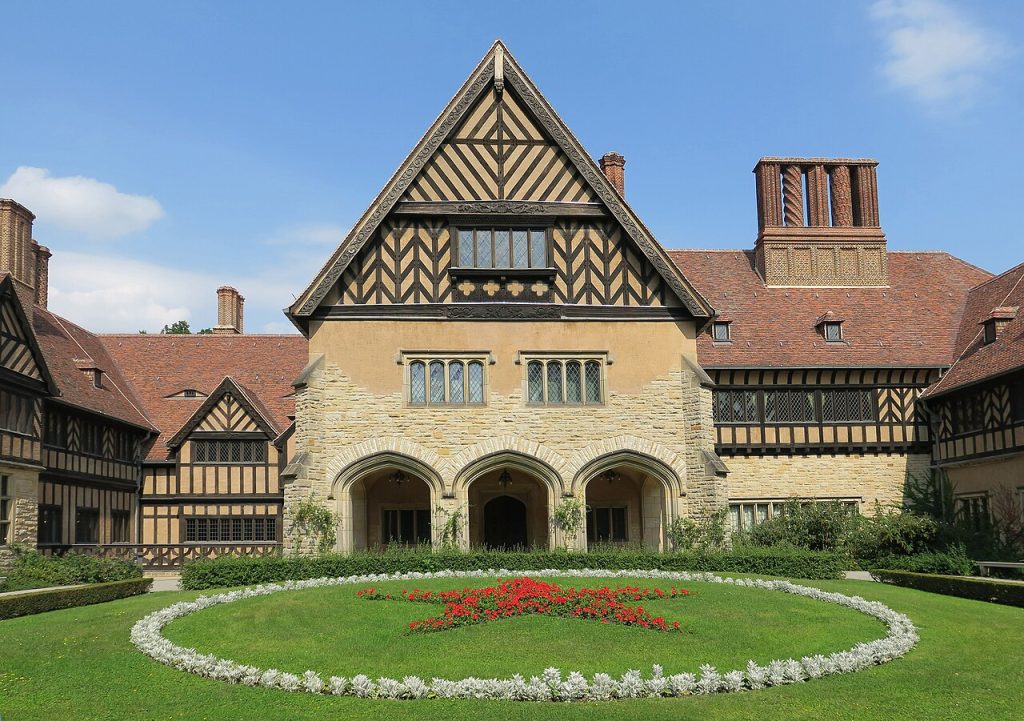
In the main courtyard, a large red star of flowers was planted by the Soviets for the conference, and it is still recreated today, a reminder that Potsdam was in the Soviet zone.
The star of flowers, with red geraniums, has become one of the most photographed images of the palace.
The Private Rooms
Visitors can also see the private rooms of the crown prince’s family, including a cabin like room for the crown princess inspired by the interior of a ship.
The crown princess’s ship cabin room reflects the fashion for ocean liners in the early twentieth century, when luxury ships were symbols of modern elegance.
Truman, Stalin and Churchill at Cecilienhof
The delegations stayed in villas in nearby Babelsberg. Truman was attending his first major international conference, Churchill lost the British election during the conference, and Stalin played a dominant role as host.
The tense atmosphere foreshadowed the Cold War.
Famous photographs of Churchill, Truman and Stalin sitting in wicker chairs in the courtyard became some of the defining images of the end of the Second World War.
The Exhibition on the Conference
An exhibition presents documents, photographs and objects from the summer of 1945, explaining the decisions and their consequences, including the new borders and the division of Germany.
Original documents, uniforms and personal objects of the delegations are displayed, and audio guides bring the voices and atmosphere of 1945 to life.
The New Garden
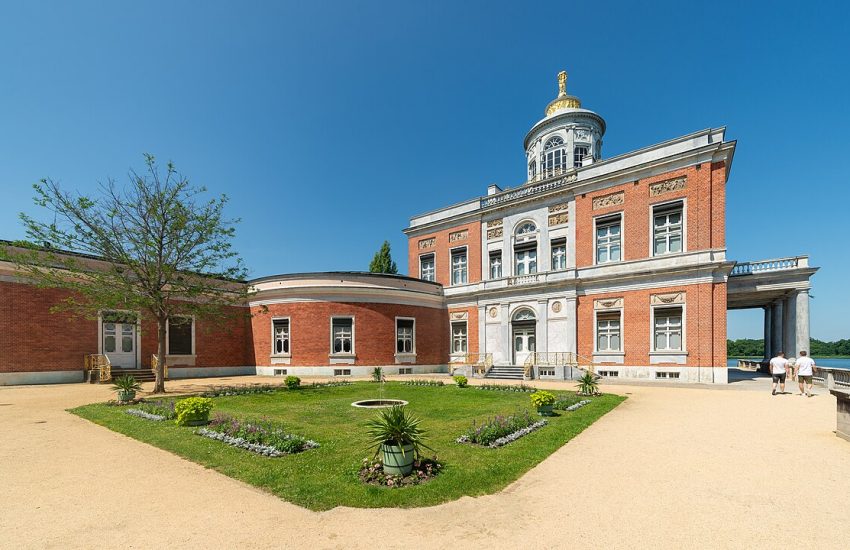
Cecilienhof lies in the New Garden, a landscape park laid out in the late eighteenth century for King Frederick William II, which also contains the Marble Palace and a pyramid shaped ice house.
The pyramid shaped ice house in the New Garden stored ice cut from the lake in winter, keeping food cool for the royal kitchens through the summer.
The Lake and the Border
During the Cold War, the border between East and West ran through the water nearby. Today the lake is peaceful, with views of the Glienicke Bridge, famous for spy exchanges.
The Glienicke Bridge nearby became famous during the Cold War as the place where spies were exchanged between East and West, an episode later told in films and books.
Cecilienhof on Video
For a look at the palace where history was made in 1945, the video below presents Cecilienhof.
If the video inspires you, read on for practical tips.
Visiting Cecilienhof Today
Cecilienhof is open throughout the year, except on certain days, and can be reached by bus from the centre of Potsdam.
Plan about two hours for the palace and the exhibition, and combine your visit with the Marble Palace, Sanssouci and the New Palace. Part of the palace is a hotel.
Whenever you visit, Cecilienhof offers a fascinating meeting of royal history and world history in a peaceful lakeside setting.
Guided tours explain both the royal history and the conference, and the palace grounds are a pleasant place for a walk afterwards.
View the location on Google Maps
Palaces Nearby
If you have enjoyed this palace, the region holds more remarkable residences. Here are two more well worth adding to your journey:
- The New Palace of Potsdam – the triumphant palace of Frederick the Great in the park of Sanssouci.
- The Marble Palace – the early classical palace of Frederick William II on the Holy Lake.
You May Like
Rheinsberg Palace and the Happiest Years of Frederick the Great