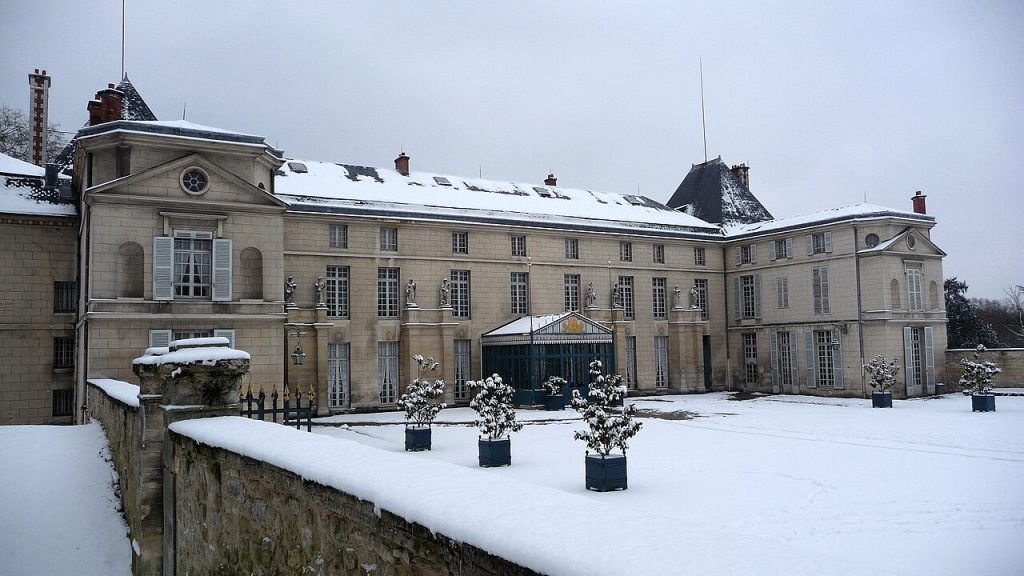
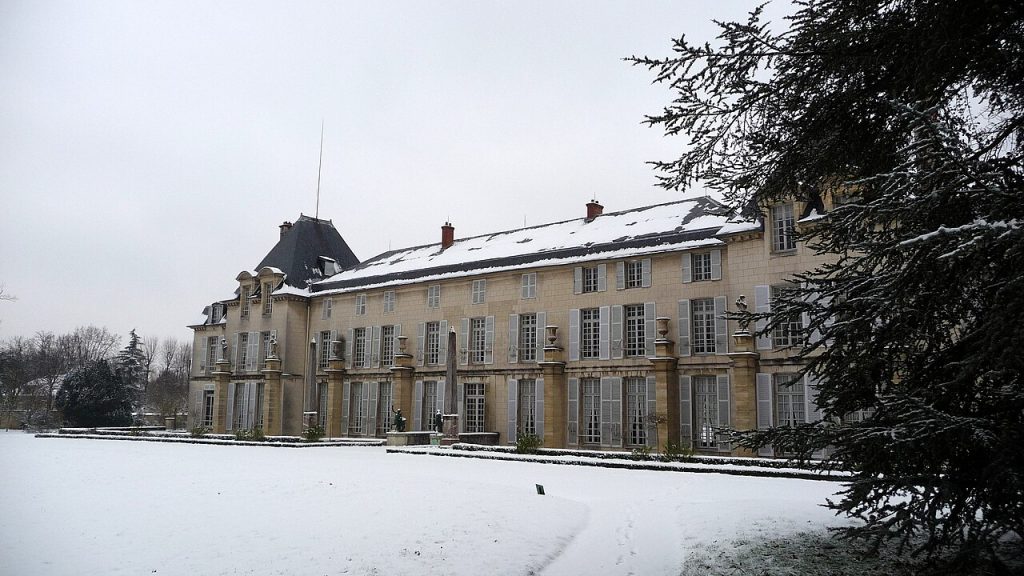
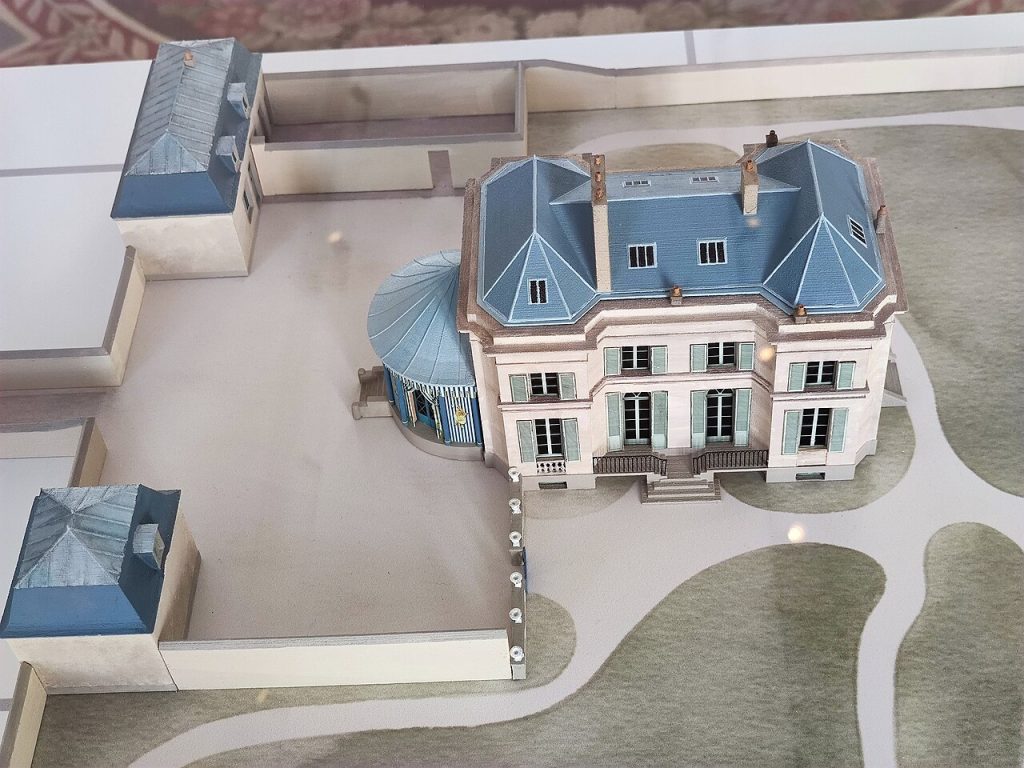
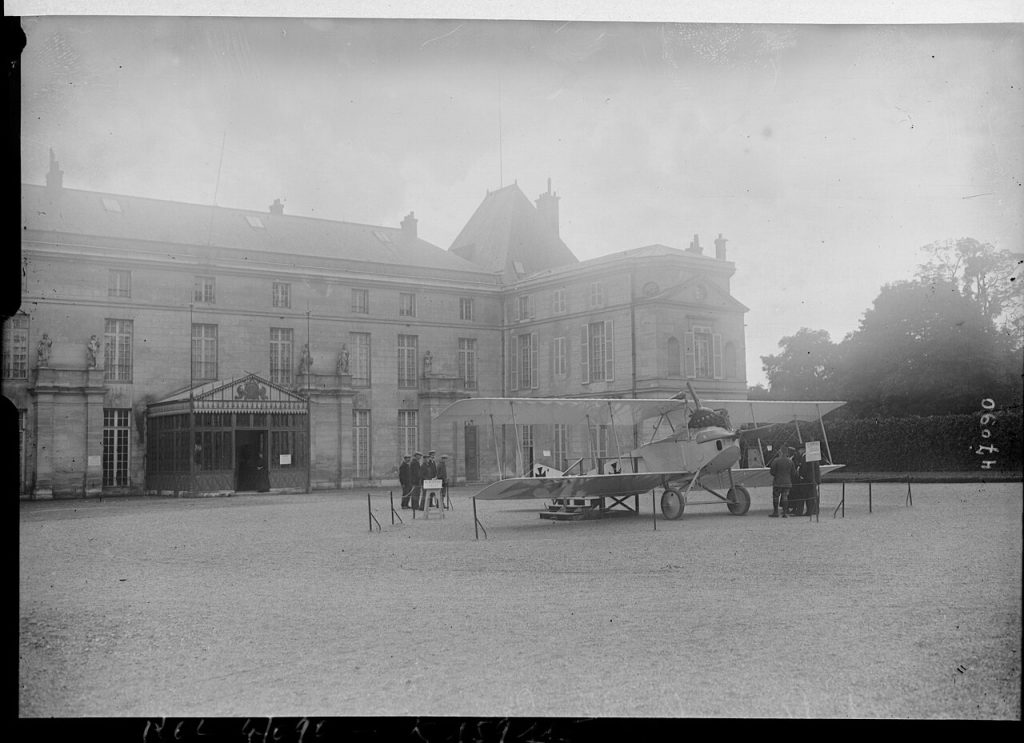
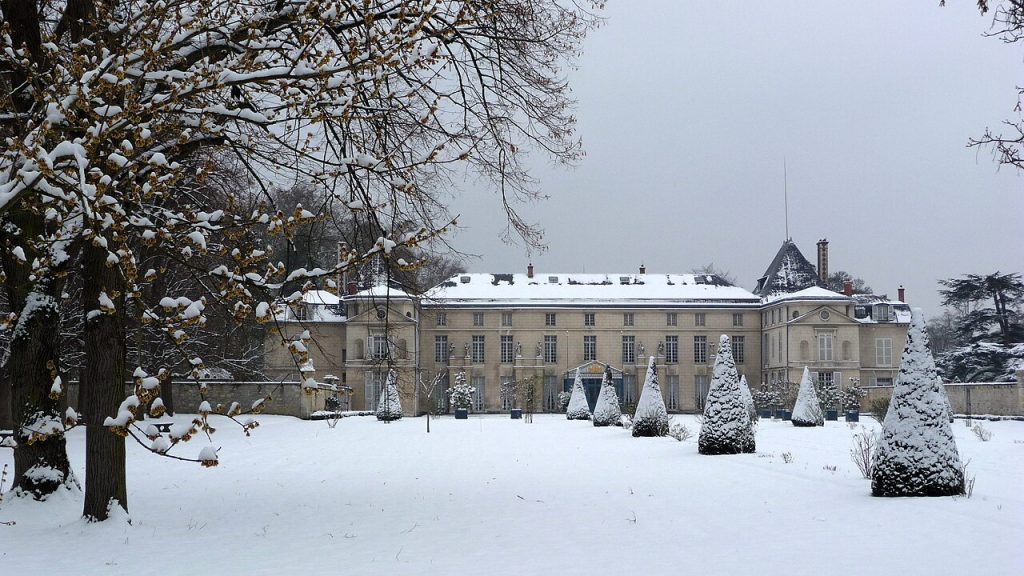
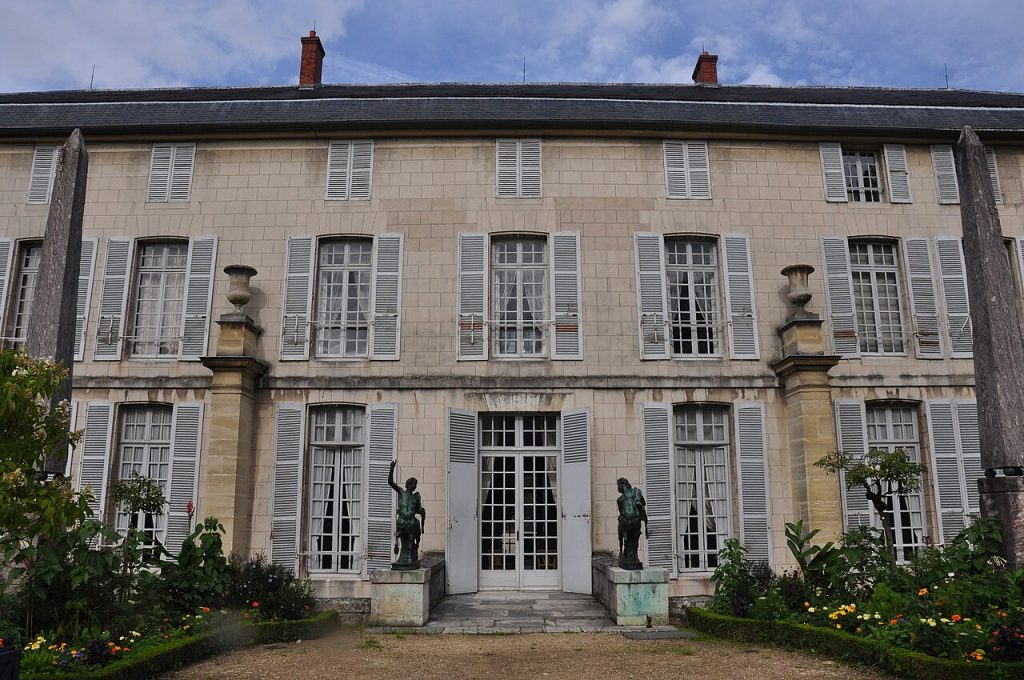
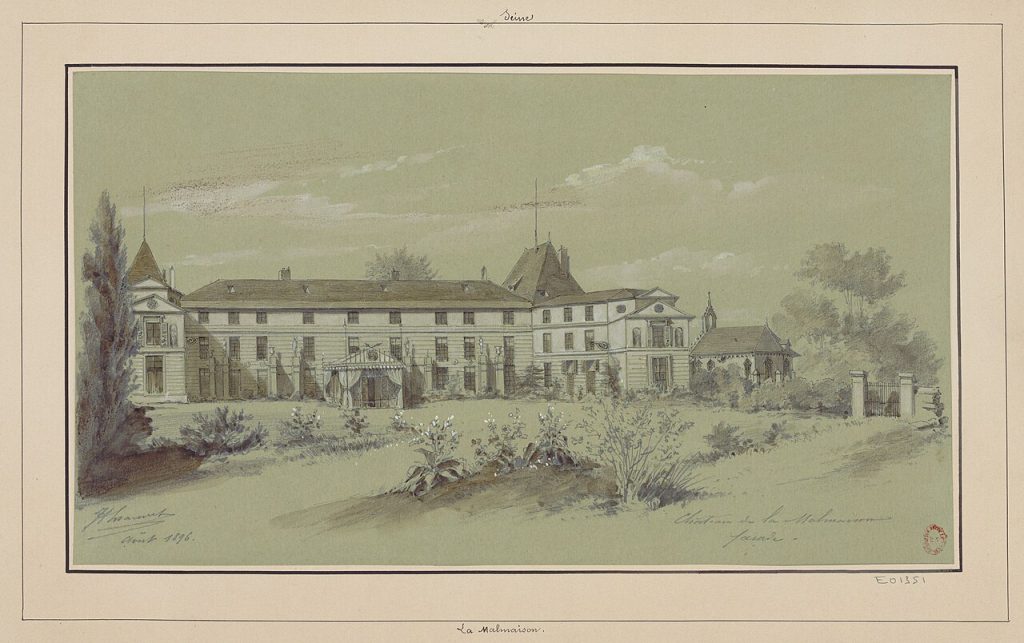
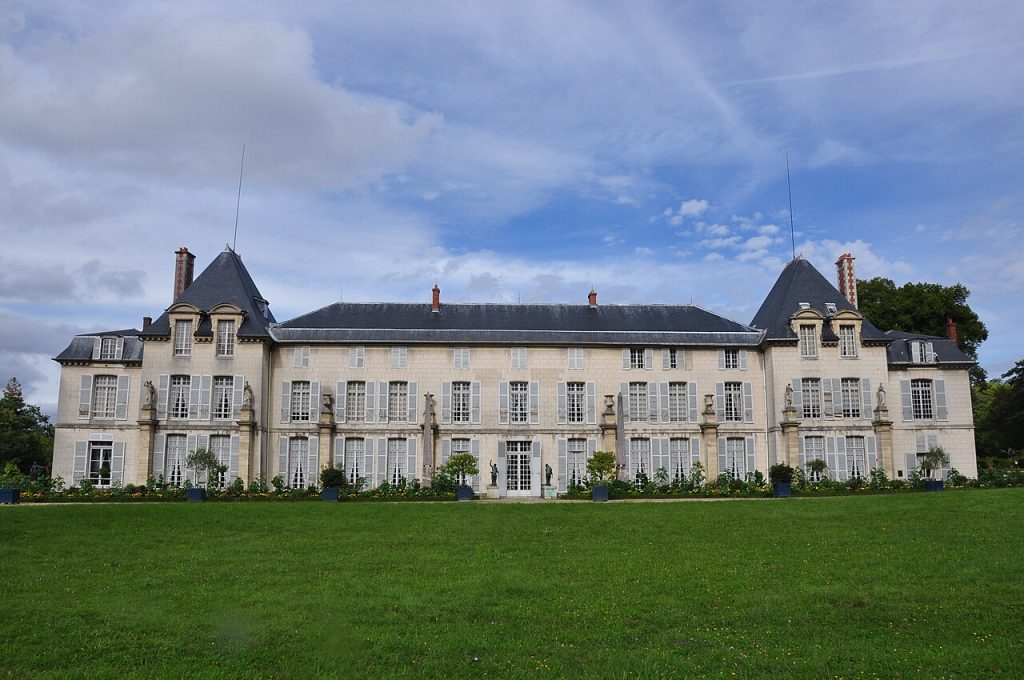
Fifteen kilometres west of Paris, in the suburb of Rueil-Malmaison between the Seine and the forest of Marly, a modest château of pale stucco, two storeys under a slate roof with a tented iron porch at the door and a garden of lawns, cedars and a stream running down to a temple of love, sits behind a wall in a park that was once seven hundred hectares and is now six. It is the Château de Malmaison, the house that Josephine Bonaparte bought in April 1799 for a price she could not pay while her husband was fighting in Egypt, and that became, between 1800 and 1802, the real seat of the French government, where the First Consul worked, held council, played games on the lawn and decided the shape of modern France. It is the smallest house in this series and one of the most consequential.
Malmaison was Josephine’s house more than Napoleon’s. He gave it to her in effect, she rebuilt it with the young architects Percier and Fontaine, who created in its rooms the Empire style of tented ceilings, mahogany, gilt bronze and Pompeian colours, she filled its greenhouses with plants from every continent her husband’s wars touched and grew the roses that Redouté painted, she kept black swans, kangaroos, emus and a seal in its park, and after the divorce of 1809 she retired here with her title of Empress, her two hundred gardeners and her debts, and died here in May 1814 of a chill caught walking with the Tsar in the garden. Napoleon, returning from Elba, came to Malmaison in June 1815 after Waterloo to spend his last four days in France in her rooms. Malmaison is the fourth of the French houses in the series, after Fontainebleau, Compiègne and Vaux-le-Vicomte.
Walk with me through the gate, into the council chamber and the library, up to Josephine’s bedroom and out into the rose garden, with the Consulate, the Empress and the roses in order. The contents are below.
In This Article
- The Bad House and the Bargain of 1799
- Josephine, from Martinique to the Tuileries
- 1800 to 1802: The Government at Malmaison
- Percier and Fontaine Invent the Empire Style
- The Council Chamber Under the Tent
- The Library and Napoleon’s Desk
- The Music Room and the Dining Room
- Josephine’s Bedroom
- The Roses and Redouté
- Black Swans, Kangaroos and the Greenhouse
- 1809: The Divorce and the Empress in Retirement
- May 1814: The Tsar’s Visit and Josephine’s Death
- June 1815: Napoleon’s Last Days in France
- Malmaison on Video
- Visiting Malmaison Today
- Palaces Nearby
The Bad House and the Bargain of 1799
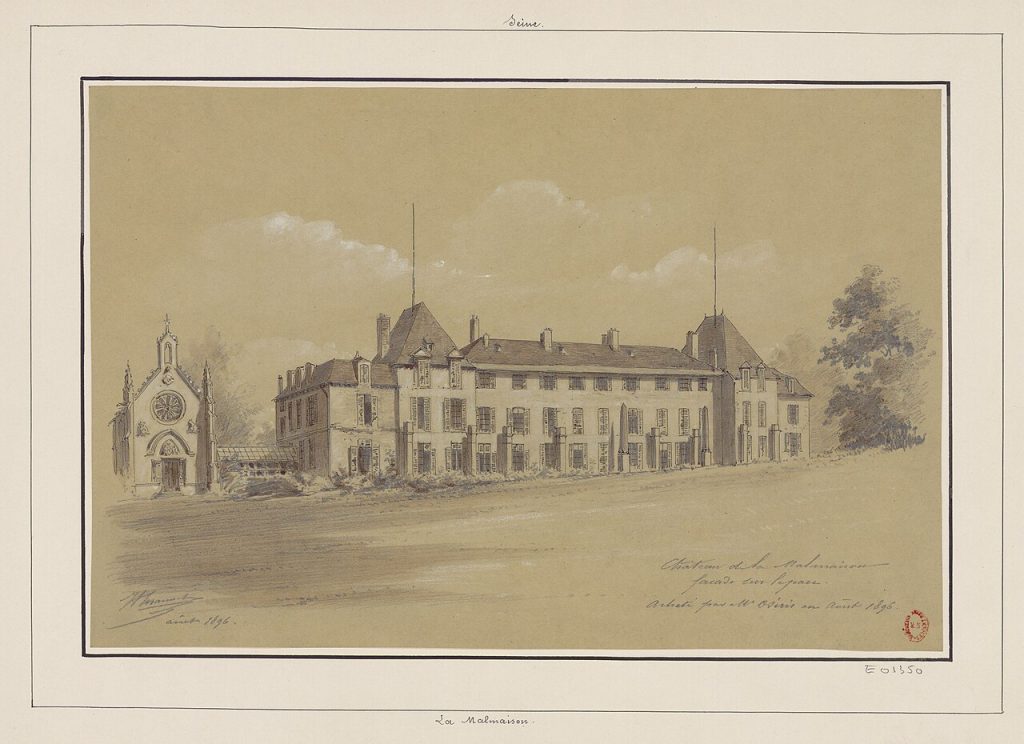
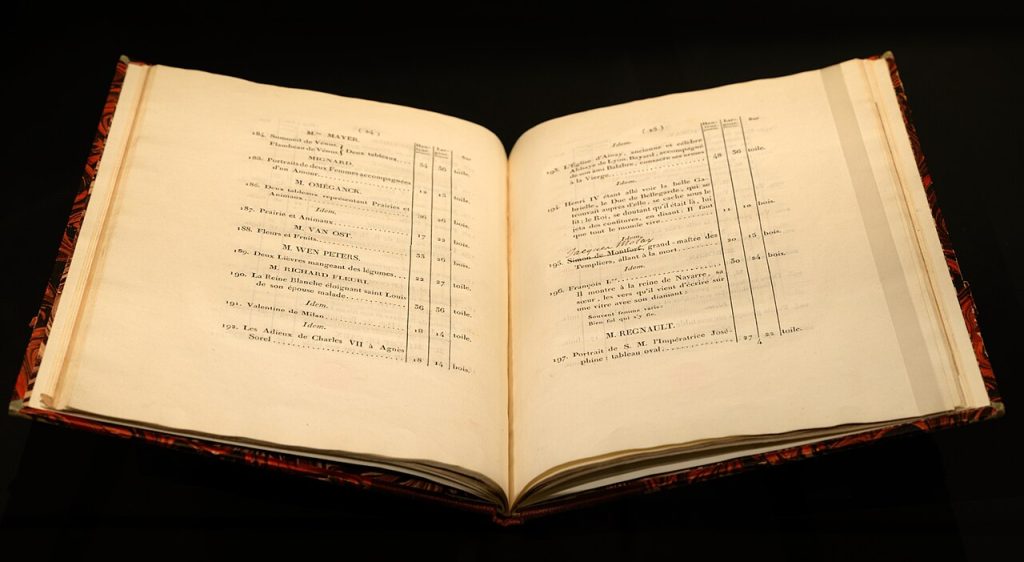
The name means bad house, from a medieval estate that was a den of Norman raiders and later of plague, and the château that stands there was built in the 1620s for a Paris financier and enlarged in the eighteenth century into a plain country house of two storeys with a central block and two short wings. Josephine saw it in 1798, while Napoleon was away in Egypt, and in April 1799 bought it with its three hundred hectares for 325,000 francs that she did not have, borrowing the deposit and leaving the balance to her husband, who was furious when he returned in October and found the debt, and then paid it, and then spent far more.
Now, stop here at the gate and look at the house. It is small, a rich bourgeois’s country place, and the Empire would be governed from it.
Josephine, from Martinique to the Tuileries
Marie-Josèphe-Rose Tascher de La Pagerie was born in 1763 on a sugar plantation in Martinique, came to France at sixteen to marry the Vicomte Alexandre de Beauharnais, bore him Eugène and Hortense, was separated from him, imprisoned with him in the Terror of 1794 and widowed by the guillotine five days before Robespierre’s fall ended the killing. In the Paris of the Directory she lived by her charm and her friends, became the mistress of the politician Barras and in 1796 married his protégé, the young General Bonaparte, who renamed her Josephine, wrote her the most passionate letters in French and discovered during the Italian campaign that she had a lover. The marriage survived, became a partnership, and when Bonaparte seized power in November 1799 she became, at thirty-six, the first lady of France and the owner of Malmaison.
Her Creole softness, her taste, her debts and her inability to give Napoleon a child are the four facts of her life, and the house holds all of them.
1800 to 1802: The Government at Malmaison
From 1800 to 1802 the First Consul lived at the Tuileries during the week and at Malmaison from Saturday to Wednesday, and increasingly the other way round: the council of state met in the house, the ministers came out from Paris, the Concordat with the Pope, the Civil Code, the Bank of France, the lycées and the Legion of Honour were worked out in its rooms, and the aides and secretaries slept in the attics and the outbuildings. In the evenings the household played prisoners’ base on the lawn, with Napoleon cheating and running faster than anyone, acted comedies in a small theatre Josephine built in the park and dined at twenty minutes, the Consul’s limit for a meal. Those two years were the happiest of the marriage and the most productive of the man’s life.
In 1802 the Consulate for life gave Napoleon Saint-Cloud, a real palace, and Malmaison became Josephine’s weekend retreat and, in time, her refuge.
Percier and Fontaine Invent the Empire Style
Josephine hired in 1800 two architects in their thirties, Charles Percier and Pierre Fontaine, friends since the Rome prize, who had never had a major commission, and they remodelled Malmaison over three years in a style that had no name until the Empire gave it one: tented ceilings of striped fabric recalling the campaign tents of the Egyptian and Italian wars, mahogany furniture with gilt-bronze mounts by Jacob-Desmalter, Pompeian reds, greens and yellows, Roman and Egyptian motifs, sphinxes, winged victories, laurels and bees, and a severe symmetry that made rich materials look military. Percier and Fontaine went on to the Tuileries, the Louvre, the Arc du Carrousel and the Rue de Rivoli and published the pattern book that spread the Empire style from Saint Petersburg to Washington; Malmaison is where they tried it first.
Look at the entrance vestibule, a Roman atrium with stucco columns and a mosaic floor, which is their first room and announces everything that follows.
The Council Chamber Under the Tent
The Council Chamber, built in ten days in 1800 in what had been a bay of the house, is the most famous room at Malmaison: Percier and Fontaine decorated it as a military tent, with striped fabric of blue and white over the walls and ceiling, gathered to a central rosette, trophies of Roman arms painted between the stripes, and a table where the Council of State sat under the First Consul’s chair. Here the Civil Code, the Code Napoléon that still governs France and half the world’s legal systems, was argued clause by clause in 1801 and 1802, with the Consul attending more than half the sessions and asking what a peasant would understand. The room was dismantled in the nineteenth century and reconstructed in the 1900s from the architects’ drawings.
Now, stop here under the tent and look at the table. The law of marriage, property and inheritance for a quarter of the planet was debated in a room decorated as a bivouac.
The Library and Napoleon’s Desk
The Library, at the end of the ground floor, is the house’s best-preserved room: Percier and Fontaine divided it with mahogany columns into three bays, lined it with Jacob bookcases holding Napoleon’s four thousand five hundred volumes of history, geography and military science, painted the vaulted ceiling with Apollo, Minerva and the great authors in grisaille on a Pompeian ground, and set in it the First Consul’s mechanical desk, whose top rolled back to reveal the papers, and a secret staircase to his bedroom above. Napoleon worked here in the early mornings, dictating to Bourrienne and Méneval, and kept on the shelves the books he carried on campaign in travelling cases that are shown in the room.
The library is the Consulate’s office, and the view through its windows onto the lawn is the one Napoleon saw while composing the Concordat.
The Music Room and the Dining Room
The Music Room, a gallery lit from above that Josephine added in 1800, held her harp, her piano and her picture gallery, which included Italian and Flemish masters, modern paintings by Gérard, Girodet and Gros, and the famous Ossian paintings commissioned for the house; most went to Tsar Alexander after her death and are in the Hermitage. The Dining Room beside it is painted with dancing Pompeian figures on a pale ground by Louis Lafitte, with a floor of black and white marble, and seated the Consul’s household at the twenty-minute dinners; the Billiard Room and the Gilded Salon, with its Jacob furniture and portraits of the family, complete the ground floor. Hortense and Eugène, Josephine’s children, have their rooms upstairs.
The ground floor is the Consulate’s house as it was in 1802, reassembled over a century of collecting the furniture that was dispersed in 1814.
Josephine’s Bedroom
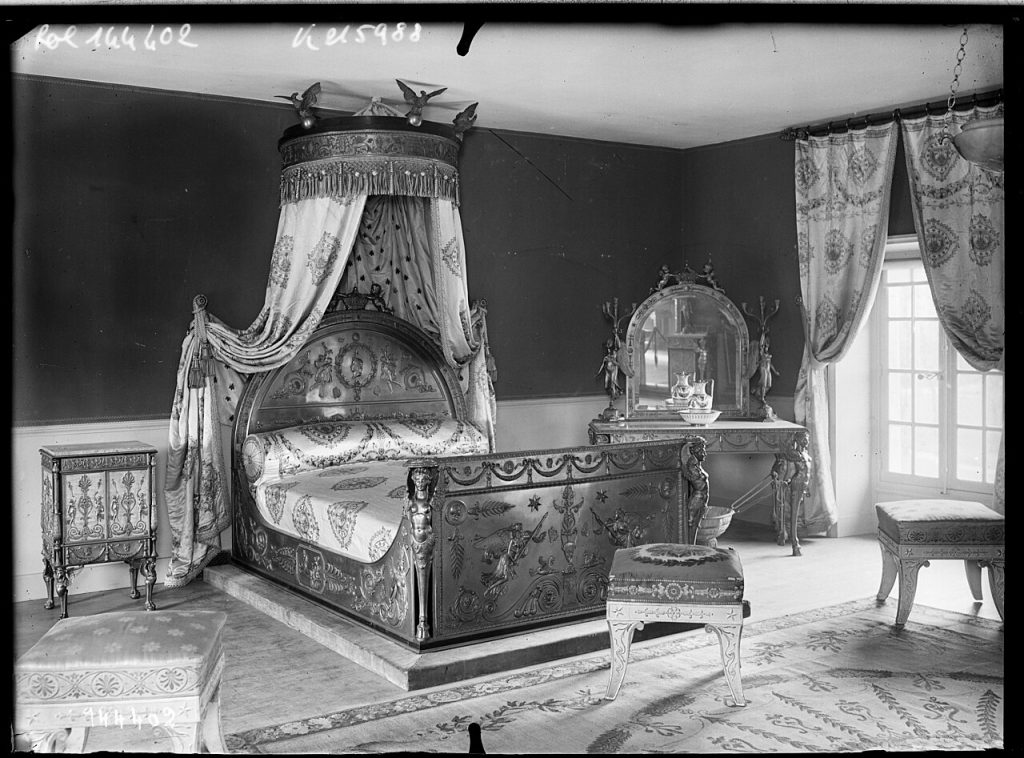
Josephine’s Bedroom on the first floor was redecorated in 1812, after the divorce, by Louis Berthault as a red tented pavilion with a round ceiling of crimson fabric, mirrors between the folds and a gilded bed by Jacob-Desmalter with swans at the head and cornucopias at the foot, the swan being her emblem. The room, with its boudoir and bathroom beside it, is where she received the Tsar in May 1814 and where she died on 29 May; it was restored in the 1990s with the original bed, which had passed through the Bonaparte family and was bought back. Napoleon’s own bedroom, plainer, is next door, and his campaign bed is shown in it.
Now, stop here at the door and look at the swan bed under the red tent. It is the most feminine room of the Empire style, and the one its creator did not live to enjoy long.
The Roses and Redouté
Josephine was the greatest gardener of her age. She collected roses, some two hundred and fifty varieties by 1814, gathered from Holland, England and China even through the blockade, with the British Admiralty passing her plant shipments through the war, and she hired the Belgian painter Pierre-Joseph Redouté, who had painted for Marie Antoinette, to record them; his Les Roses, published in three volumes from 1817 to 1824 with a hundred and seventy stipple engravings, is the most famous flower book ever made and the reason Malmaison is the mother of the modern rose garden. The variety Souvenir de la Malmaison, a blush-pink Bourbon of 1843, is named for the house, and the rose garden in the park, replanted in the twentieth century with the varieties she grew, blooms in June.
Josephine’s roses are the Empire’s gentlest legacy, and the only one that is still growing.
Black Swans, Kangaroos and the Greenhouse
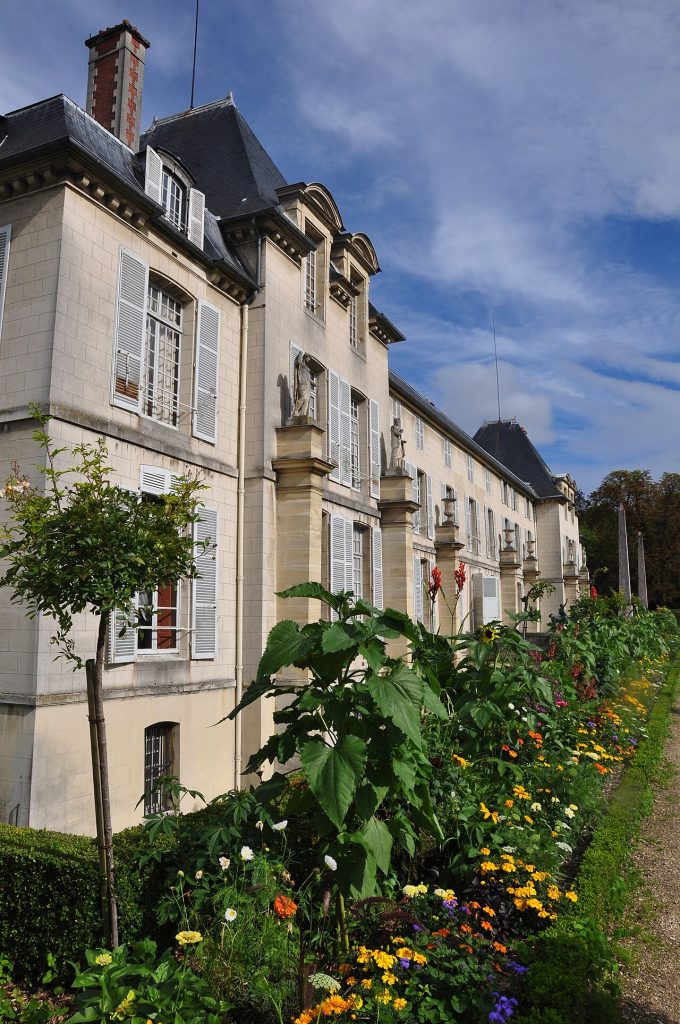
Beyond the roses Josephine grew in a heated greenhouse fifty metres long, the largest in Europe, some two hundred species of plant new to France, brought back by Baudin’s Australian expedition of 1800 to 1803, by the Egyptian campaign and by botanists she paid in every colony; a hundred and eighty of them flowered in France for the first time at Malmaison and were painted by Redouté in the Jardin de la Malmaison. In the park she kept black swans from Australia, which bred and are still at Malmaison, kangaroos, emus, gazelles, llamas, zebras, ostriches, a Swiss cow for the dairy and a seal in the stream, in a menagerie that supplied the Paris natural history museum; the park was landscaped in the English manner with a stream, a lake, a temple of love and a bridge, and its remains are what the visitor walks today.
Look for the black swans on the lake; their ancestors came from Western Australia in 1803 and have never left.
1809: The Divorce and the Empress in Retirement
Josephine, crowned Empress by Napoleon at Notre-Dame in December 1804, bore him no child, and in December 1809, after the Austrian victory, he divorced her for a Habsburg bride who could give him a son. The ceremony in the Tuileries was wrenching for both; she kept the title of Empress, an income of three million francs, the château of Navarre in Normandy and Malmaison, where she lived from 1810 with a court of two hundred, her gardeners, her collections, her grandchildren by Hortense and her debts, visited by Napoleon only once, in 1810, and in secret. She received the new Empress’s little King of Rome’s portraits with courtesy, kept the ex-husband’s letters and spent, as she always had, more than she had.
The retirement years made Malmaison what it is, the house of a woman with time, money and perfect taste, and the rooms upstairs are hers.
May 1814: The Tsar’s Visit and Josephine’s Death
When the allies took Paris in April 1814 and Napoleon abdicated, Tsar Alexander, who admired Josephine, called at Malmaison to assure her of her safety and income and came back several times, charmed by her and by Hortense’s children; on one of these visits she walked with him in the gardens in a thin dress in a cold wind, caught a chill that became pneumonia, and died in her swan bed on 29 May 1814 at fifty, with Eugène and Hortense beside her, while Napoleon on Elba learned of it from a newspaper. She was buried in the church of Rueil, where her tomb and Hortense’s are, and the Tsar bought thirty-eight of her paintings for the Hermitage; the house and collections went to Eugène and were sold.
Napoleon said on Saint Helena that she was the woman he had loved most, and that her last word had been his name; the second claim is disputed.
June 1815: Napoleon’s Last Days in France
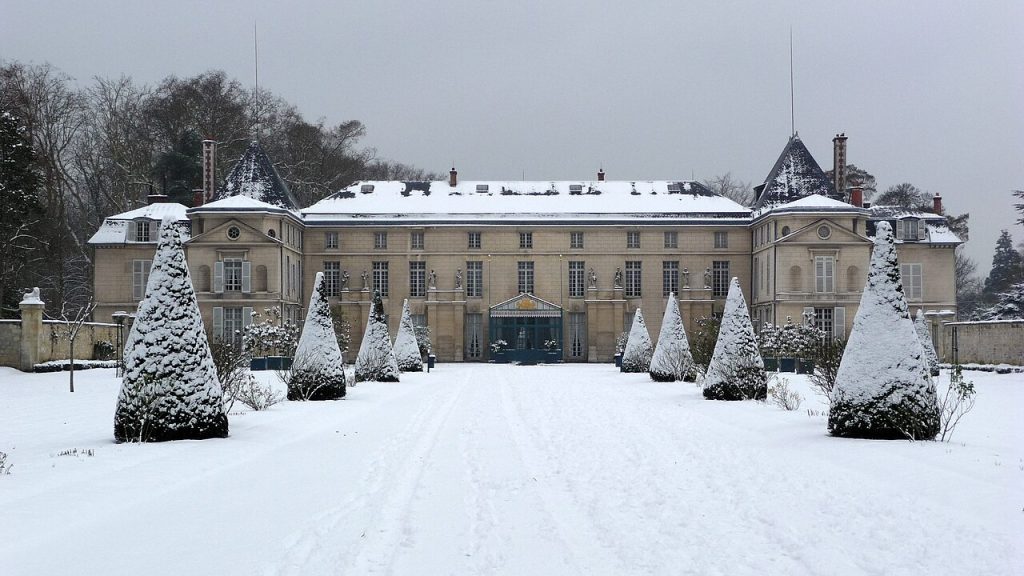
After Waterloo and his second abdication Napoleon left Paris on 25 June 1815 and came to Malmaison, which belonged to Eugène, to spend his last days in France in Josephine’s house, walking in her gardens, sitting in her rooms and, by his own account, visiting her bedroom alone and saying she would have told him not to go to Russia. On 29 June, with the Prussians at Saint-Germain, he put on civilian clothes, embraced Hortense and his mother, and drove away to Rochefort, the British fleet and Saint Helena, where he died in 1821; his coat from that day is in the house, and the room he used is kept as he left it. In 1861 Napoleon III bought Malmaison for the state, and after further sales the banker Daniel Iffla, called Osiris, bought it in 1896, restored it and gave it to France as a museum in 1904.
Now, stop here at the gate, where the Emperor’s carriage drove out on 29 June 1815. He had entered as a general in 1799; he left as a fugitive from the house where he had been happiest.
Malmaison on Video
Visiting Malmaison Today
The Château de Malmaison is a national museum, open daily except Tuesday with a ticket covering the ground floor, the first-floor apartments, the attics with Napoleon’s Saint Helena relics and the park with the rose garden, the pavilion of the Emperor’s carriage and the Osiris collection; audio guides in English are available and the rose garden is at its best in June. Allow two hours for the house and an hour for the park, and walk to the neighbouring Château de Bois-Préau, part of the museum, and to the church of Saint-Pierre-Saint-Paul in Rueil for Josephine’s and Hortense’s tombs. Admission is free on the first Sunday of the month.
Malmaison is in Rueil-Malmaison, fifteen kilometres west of Paris, reached by RER A to Rueil-Malmaison and bus 258, or by bus 258 from La Défense; Versailles is twenty minutes by car to the south and Fontainebleau an hour and a quarter. Here is the exact spot: Château de Malmaison on Google Maps.
Palaces Nearby
You May Like
The Palace of Versailles and the Court That Invented Etiquette