Every day, people die while waiting for an organ transplant that never comes. The demand for hearts, kidneys, livers and lungs vastly exceeds the supply of donated human organs, and the waiting lists in many countries number in the tens or hundreds of thousands. For decades, scientists have pursued a bold and once-unthinkable solution to this shortage: using organs from animals. The field is called xenotransplantation, and after a long history of failure, recent breakthroughs powered by gene editing have brought it tantalisingly close to reality, with the first attempts in living human patients marking a genuine medical milestone.
An old dream with a troubled history
The idea of transplanting animal parts into humans is far older than you might imagine, stretching back centuries to desperate and often grisly experiments that uniformly ended in failure. Even as human-to-human transplantation became a triumph of modern medicine in the latter half of the twentieth century, the dream of using animal organs to close the supply gap persisted, and so did the failures. Early attempts to transplant organs from primates and other animals into humans almost always ended quickly and tragically, the foreign organ swiftly destroyed.
The fundamental obstacle was, and remains, the immune system. The human body is exquisitely tuned to recognise and attack anything it identifies as foreign, and an organ from another species sets off the most violent alarm imaginable. Faced with animal tissue, the immune system mounts a furious assault that can destroy a transplanted organ within minutes or hours, a reaction so rapid and severe that it long seemed to render the whole enterprise hopeless.
Why pigs, of all animals
You might expect that our closest animal relatives, primates, would make the best organ donors, and early efforts often focused on them. But the field has converged instead on an unlikely candidate: the pig. There are several good reasons. Pig organs happen to be remarkably similar in size and function to human ones, making them a reasonable anatomical match. Pigs grow quickly, produce large litters, and are already raised in enormous numbers, so the supply could in principle be plentiful.
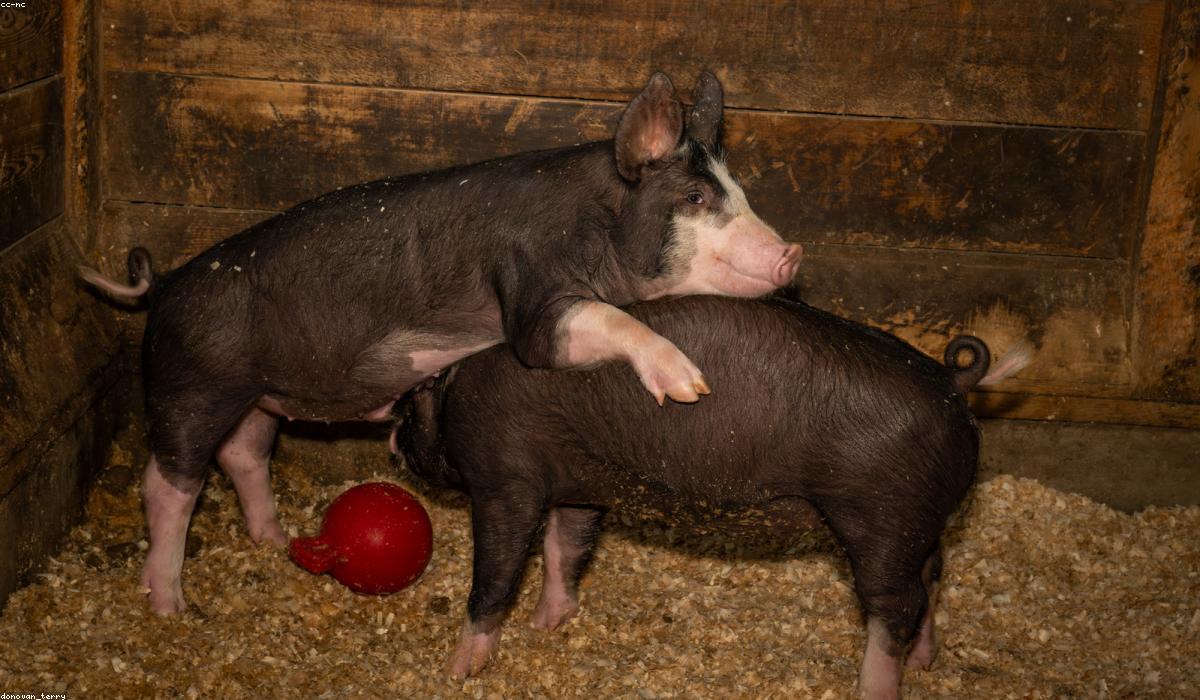
Using primates, by contrast, raises serious practical and ethical problems, including their scarcity, slow breeding, and a heightened risk of transmitting diseases to humans precisely because they are so closely related to us. Pigs, being more distant from us, carry a somewhat lower risk on that front, and society has long accepted raising them for food, which shifts the ethical calculus, though by no means does it silence the ethical debate.
The gene-editing breakthrough
The reason xenotransplantation has surged forward recently comes down to one thing: our newfound ability to edit genes precisely. The old approaches failed because pig organs are riddled, from the human immune system’s point of view, with red flags that trigger rejection. What gene editing allows scientists to do is to go into the pig’s genome and make a series of careful changes designed to make its organs far more acceptable to the human body.
These modifications fall into a few broad categories. Some involve removing specific molecules on the surface of pig cells that the human immune system instantly recognises as foreign and attacks. Others involve adding human genes that help regulate the immune response and prevent the blood clotting problems that can otherwise destroy a transplanted organ. Still others address the concern that pig genomes contain remnants of ancient viruses, which can be disabled through editing to reduce any theoretical risk of infection. Producing a pig with a whole suite of such precise genetic changes would have been impossible not long ago; today it is achievable, and it has transformed the prospects of the entire field.
The first human attempts
The field reached a historic threshold when surgeons performed the first transplants of genetically modified pig organs into living human patients. These were extraordinary, carefully considered procedures, undertaken in patients who were critically ill and out of other options, under special arrangements given the experimental nature of the treatment. For the first time, a gene-edited pig organ was placed inside a living person and began to function.
These pioneering cases were watched closely by the entire medical world. They demonstrated that a pig organ, suitably modified, could be transplanted into a human and could work, at least for a time, without the immediate, catastrophic rejection that doomed earlier attempts. That alone was a remarkable achievement and a vindication of the gene-editing approach. At the same time, it is essential to be clear-eyed: these were desperately ill patients, the situations were extraordinary, and the outcomes, while groundbreaking, also underscored how much remains to be learned about keeping such organs functioning over the long term.
The formidable challenges ahead
Despite the genuine excitement, xenotransplantation faces a long road before it could become a routine, widely available treatment, and honesty about the hurdles is important. The immune rejection problem, while dramatically reduced by gene editing, is not entirely solved, and patients still require powerful drugs to suppress their immune systems, which carry their own risks. Ensuring that transplanted organs continue to function reliably over months and years, rather than weeks, remains a central challenge.
There is also the ongoing concern about the potential transmission of infections from animals to humans, which must be managed with great care, including through careful breeding of the donor animals in highly controlled, clean conditions. The animals destined to provide organs must be raised under stringent conditions to minimise any risk of carrying pathogens.
And then there are the ethical dimensions, which are real and deserve respect rather than dismissal. Raising and modifying animals specifically to harvest their organs raises questions about animal welfare that thoughtful people weigh differently. There are questions of fairness about who would receive such organs and how the technology would be regulated and distributed. These are not afterthoughts but central considerations that must accompany the science.
A glimpse of a possible future
It is worth stepping back to appreciate what is at stake. If xenotransplantation can be made to work safely and durably, it could fundamentally transform medicine by turning the chronic, deadly shortage of transplantable organs into a manageable problem. Instead of patients languishing on waiting lists, hoping a suitable human donor organ becomes available in time, a steady supply of organs could, in principle, be available when needed. The number of lives that could be saved is enormous.
That future is not here yet, and it would be a mistake to promise it is imminent. The first human transplants are beginnings, not endings, and the path from these pioneering cases to a reliable, broadly available therapy will require years of careful research, larger and more rigorous trials, and the steady accumulation of knowledge about how these organs behave over time. There may yet be setbacks and disappointments along the way, as there have been throughout the long history of this pursuit.
But the combination of a desperate and persistent medical need with a powerful new technology has reignited a centuries-old dream and, for the first time, made it look genuinely achievable. The marriage of gene editing and transplant surgery has carried xenotransplantation across a threshold that once seemed permanent, and in doing so has offered real hope to the countless people for whom the gift of a new organ can mean the difference between life and death. It is one of the most dramatic frontiers in medicine today, and its story is still being written, one carefully watched patient at a time.