You are, by one way of counting, only about half human. Inside and on the surface of your body live trillions of microscopic organisms, bacteria, viruses, fungi and others, in numbers that rival or exceed the count of your own cells. This vast community, known as the microbiome, was for most of medical history dismissed as either harmless passengers or, when noticed at all, as germs to be eliminated. In recent years, a revolution in our understanding has revealed that these tiny tenants are not passengers at all but active partners, deeply involved in our health in ways we are only beginning to comprehend.
An ecosystem you carry with you
The greatest concentration of this microbial life resides in the gut, where a teeming ecosystem of microorganisms makes its home, particularly in the large intestine. The composition of this community is staggeringly complex, with hundreds of different species coexisting, competing and cooperating, and the exact makeup varies from person to person, shaped by genetics, diet, environment, early life experiences and much else. No two people’s microbiomes are identical, rather like a fingerprint made of living organisms.
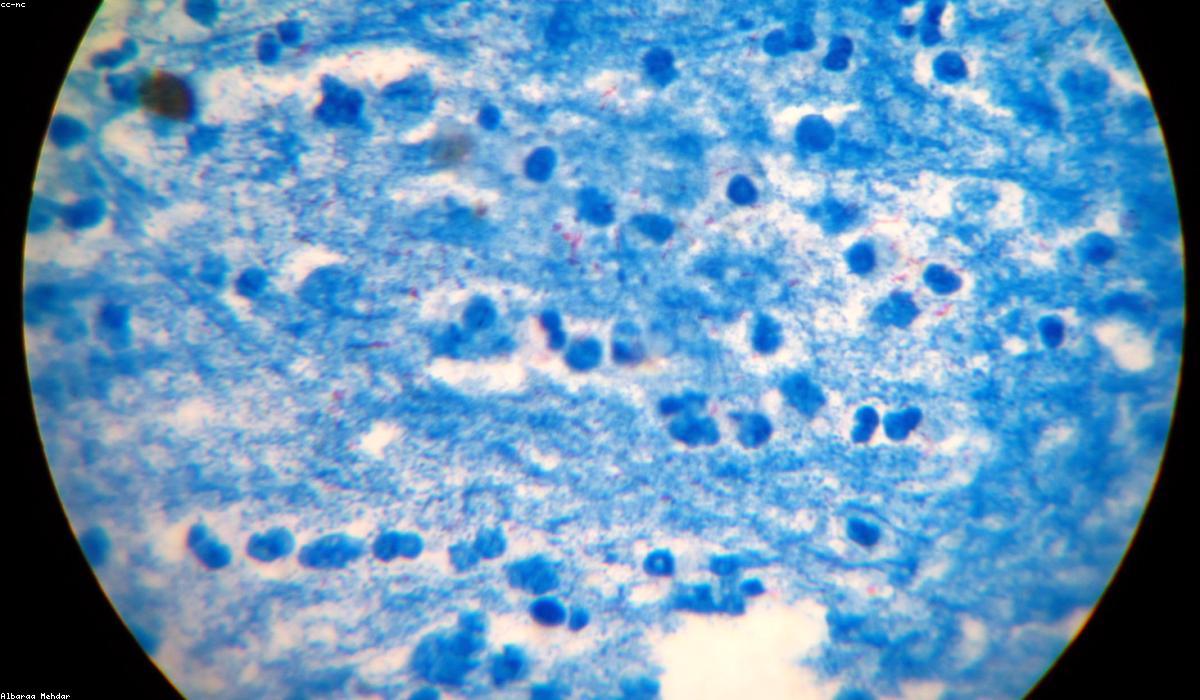
For a long time, studying these organisms was extremely difficult, because the vast majority of them cannot easily be grown in a laboratory dish. They are adapted to the particular conditions inside the body and simply refuse to thrive elsewhere. The breakthrough that opened up the field came from genetic sequencing technology, which allowed scientists to identify and study the microbes not by growing them but by reading the DNA present in a sample. This let researchers take a census of these hidden communities for the first time, and what they found reshaped our view of the human body.
The work these microbes do for us
It turns out our microbial residents earn their keep, performing functions that are genuinely important to our wellbeing. Among the most well established is their role in digestion. The bacteria in our gut help break down components of our food that our own bodies cannot handle, particularly certain kinds of dietary fibre. In doing so, they produce beneficial compounds that nourish the cells lining our intestine and have effects that ripple throughout the body.

Our gut microbes also play a significant part in training and regulating the immune system. A very large share of our immune defences is concentrated around the gut, which makes sense given that this is a major point of contact with the outside world through what we eat. The microbial community helps the developing immune system learn to distinguish friend from foe, and a healthy, diverse microbiome appears to be important for keeping the immune system properly balanced. Microbes also help protect us by crowding out and competing with harmful invaders, forming a kind of living barrier.
The surprising reach of the gut
Perhaps the most fascinating and rapidly developing area of research concerns the ways the gut microbiome may influence parts of the body far from the intestine. Scientists have been investigating connections between the state of the microbiome and a remarkably wide range of conditions, from metabolic and digestive disorders to aspects of immune and inflammatory disease. One of the most intriguing frontiers is the so-called gut-brain axis, the network of communication that links the gut and its microbes with the brain.
There is growing evidence that the gut and brain are in constant dialogue, through nerves, hormones and immune signals, and that the microbiome may participate in this conversation. Studies have explored possible links between the microbiome and mood, stress and certain neurological conditions. This is a genuinely exciting area, but it is also one where caution is especially important, because much of the most striking research has been done in animals, and translating those findings to humans is far from straightforward. The idea that the bacteria in your gut might influence how you feel is captivating, but it is still being carefully investigated, and the popular enthusiasm has sometimes run ahead of the solid evidence.
When the balance is disturbed
Researchers have observed that the microbiomes of people with various health conditions often differ from those of healthy people. This has led to enormous interest in the idea that disturbances in the microbial community might contribute to disease, and that restoring a healthier balance might help treat it. A crucial note of caution belongs here, however. Observing that two things tend to occur together does not prove that one causes the other. A different microbiome in someone with a particular illness might be a cause of the illness, a consequence of it, or simply a side effect of something else entirely, such as their diet or medication. Untangling cause from effect is one of the central challenges of the entire field.
Tinkering with the microbiome
If the microbiome matters, the natural next question is whether we can deliberately improve it. This is where much of the practical and commercial excitement lies, and also where a great deal of overheated marketing has flourished. The simplest lever is diet, since what we eat strongly influences which microbes thrive. Diets rich in diverse plant fibres, for instance, tend to support a more varied microbial community, which is generally considered a sign of a healthy gut.
Then there are probiotics, products containing live microbes intended to confer a health benefit, and prebiotics, which are essentially food for beneficial bacteria. These are hugely popular, though the scientific evidence for many specific products and claims is more mixed and modest than the marketing would suggest, and the effects can be highly individual.
One intervention that has shown genuinely powerful, evidence-backed results in a specific situation is more dramatic: transplanting the gut microbial community from a healthy donor into a patient. This approach has proven remarkably effective against a particular kind of stubborn, recurring gut infection that resists ordinary treatment, essentially by reintroducing a healthy community of microbes to outcompete the troublemaker. Its striking success in that narrow application has fuelled interest in whether similar approaches might help with other conditions, though that remains under active investigation.
A frontier full of promise and hype
The microbiome has become one of the hottest areas in all of biology and medicine, and with good reason, but it is also an area drowning in hype, where bold claims often outpace the careful science. It is genuinely true that we have radically revised our understanding of the microscopic life we carry, and that it appears to matter for our health in important ways. It is also true that the field is young, that much remains poorly understood, and that simple stories about good and bad bacteria rarely capture the real complexity.
The honest position is one of excited humility. We have discovered an entire hidden organ, in a sense, an ecosystem of trillions of organisms intimately bound up with our biology, and we are still in the early stages of learning how it works and how, or whether, we can usefully influence it. The coming years are likely to bring both genuine medical advances and a fair amount of disappointment as inflated promises fail to pan out.
What seems certain is that the old view of microbes as mere germs to be wiped out has given way to a richer and more accurate picture, one in which we are not isolated individuals but walking ecosystems, in constant partnership with the countless tiny lives we host. Learning to be good stewards of that inner ecosystem may turn out to be one of the more important and surprising chapters in the future of human health.