The idea sounds, at first, like something dreamed up in a science fiction novel: real meat, grown not from a living animal but from a tiny sample of cells multiplied in a steel tank. No farm, no slaughter, no herd of cattle belching methane into the atmosphere. Just the meat itself, cultivated like a crop. Yet this is no longer fiction. Cultivated meat, sometimes called lab-grown or cell-based meat, has moved from a laboratory curiosity to a real product that has been served to paying customers, and it represents one of the boldest attempts yet to rethink how humanity feeds itself.
Whether it becomes a genuine pillar of the future food system or remains an expensive niche is still very much an open question. But the science behind it, and the problems it is trying to solve, are worth understanding clearly.
Why anyone is trying to do this
To appreciate cultivated meat, you first have to appreciate the scale of the problem it aims to address. Raising animals for food is one of the most resource-intensive things our species does. It requires vast quantities of land, water and feed, and it is a significant contributor to greenhouse gas emissions and deforestation. As the global population grows and more people can afford to eat meat, the pressure these systems place on the planet is set to intensify.
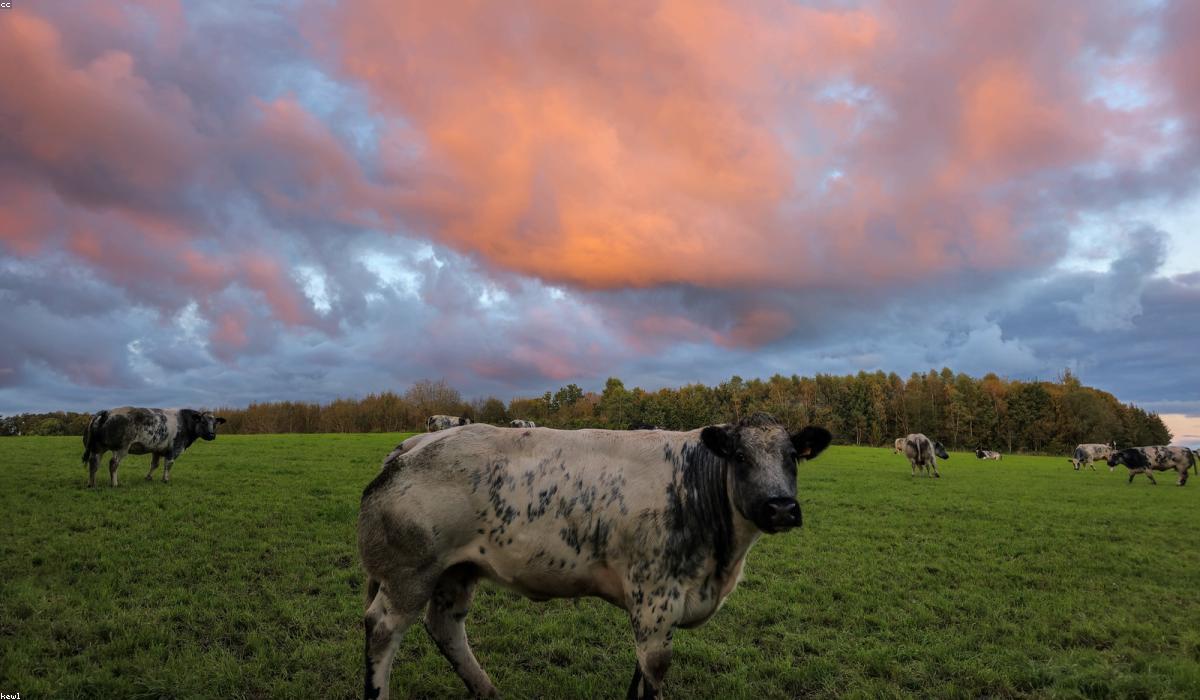
There are also concerns about animal welfare, given that modern meat production often involves keeping enormous numbers of animals in intensive conditions, and about food safety, since crowded animal agriculture can be a breeding ground for disease. Cultivated meat is, in essence, an attempt to keep the thing many people love and rely on, meat itself, while shedding much of the environmental and ethical baggage that comes with producing it the traditional way.
How you grow meat without an animal
The underlying biology is surprisingly intuitive once you set aside the strangeness of it. Meat is, after all, animal muscle tissue, and muscle is made of cells. Those cells, given the right conditions, are capable of growing and multiplying. The process of making cultivated meat begins with obtaining a small sample of cells from an animal, which can be done harmlessly. The crucial cells are ones capable of multiplying many times over and of maturing into the muscle and fat that make up meat.
These cells are then placed in a controlled environment and bathed in a nutrient-rich liquid, often called a growth medium, that supplies everything they need to thrive: the sugars, proteins, fats, vitamins and minerals that a living body would normally provide through its blood. Kept warm and fed, the cells do what cells do, dividing and multiplying, until there are a great many of them. This all takes place in large vessels called bioreactors, the same basic kind of equipment used to brew beer or produce many pharmaceuticals.

Growing a soup of muscle cells is one thing; turning it into something that looks and feels like a steak is another, and considerably harder. Loose cells naturally yield something more like mince, which is why the earliest cultivated products have tended to be things like nuggets, burgers and sausages, where structure matters less. Creating the complex three-dimensional architecture of a whole cut of meat, with its interwoven muscle fibres, fat and connective tissue, often requires growing the cells on some kind of scaffold that gives them a structure to organise around. This remains one of the field’s central technical challenges.
From laboratory to dinner plate
The journey of cultivated meat into the real world reached a milestone when regulators in a small number of countries gave approval for it to be sold to the public, and the first cultivated chicken was served in restaurants. This was a genuine landmark, the moment the technology stepped out of the laboratory and onto a plate that an ordinary person could order and eat. For the companies and scientists who had poured years of work into the field, it was proof that the concept could clear not just the scientific hurdles but the regulatory ones too.
The enormous obstacles that remain
It would be misleading, though, to suggest that cultivated meat is poised to take over the world’s dinner tables anytime soon. The obstacles are formidable, and intellectual honesty requires laying them out plainly. The single biggest is cost. The early cultivated products have been extraordinarily expensive to produce, and bringing the price down to anything competitive with conventional meat is a monumental challenge. The growth medium that feeds the cells has historically been one of the most expensive ingredients, and finding cheaper alternatives is a major focus of research.
Then there is the question of scale. Producing a few portions for a demonstration is vastly different from producing the millions of tonnes of meat the world consumes. Building enough bioreactor capacity, and running it efficiently and reliably, is an industrial challenge of staggering proportions, and some experts are openly skeptical about whether cultivated meat can ever scale up enough to make a meaningful dent in global meat consumption.
There are also questions about the environmental benefits, which, while potentially significant, depend heavily on how the process is powered and run. A bioreactor running on dirty energy could undermine some of the climate advantages. And finally there is the human factor: will people actually want to eat it? Surveys suggest a mix of curiosity and squeamishness, and overcoming the instinctive unease some feel about meat grown in a tank, as well as navigating debates over what such products should even be called, is a challenge all its own.
One piece of a larger puzzle
It is probably wise to think of cultivated meat not as a silver bullet that will single-handedly transform how we eat, but as one of several approaches being pursued to make the food system more sustainable. Alongside it sit plant-based meat alternatives, which are already widely available, and efforts to make conventional farming less harmful. Cultivated meat may end up complementing these rather than replacing them, perhaps finding its place first in particular products or markets before, if costs fall far enough, expanding more broadly.
The technology also overlaps with the wider field of cellular agriculture, which applies similar principles to produce other animal products, from milk proteins to fats and even leather, without the animal. The common thread is the ambition to make the things we get from animals while sidestepping the downsides of raising and slaughtering them at scale.
A question still being answered
The story of cultivated meat is, at this moment, genuinely unfinished, and anyone who tells you confidently that it will either conquer the world or fizzle into irrelevance is guessing. What is clear is that something remarkable has been demonstrated: it is possible to grow real, edible meat from a handful of cells, without raising and killing an animal. Turning that proof of concept into something affordable, scalable and appealing enough to change the world is the work of the years ahead, and it is far from guaranteed to succeed.
Whatever the outcome, the very existence of cultivated meat forces a fascinating conversation about food, sustainability, ethics and technology, and about how willing we are to rethink something as ancient and fundamental as the way we put meat on the table. It is one of the most intriguing experiments unfolding in food today, and the next chapter of it is being written in laboratories and pilot factories right now.