



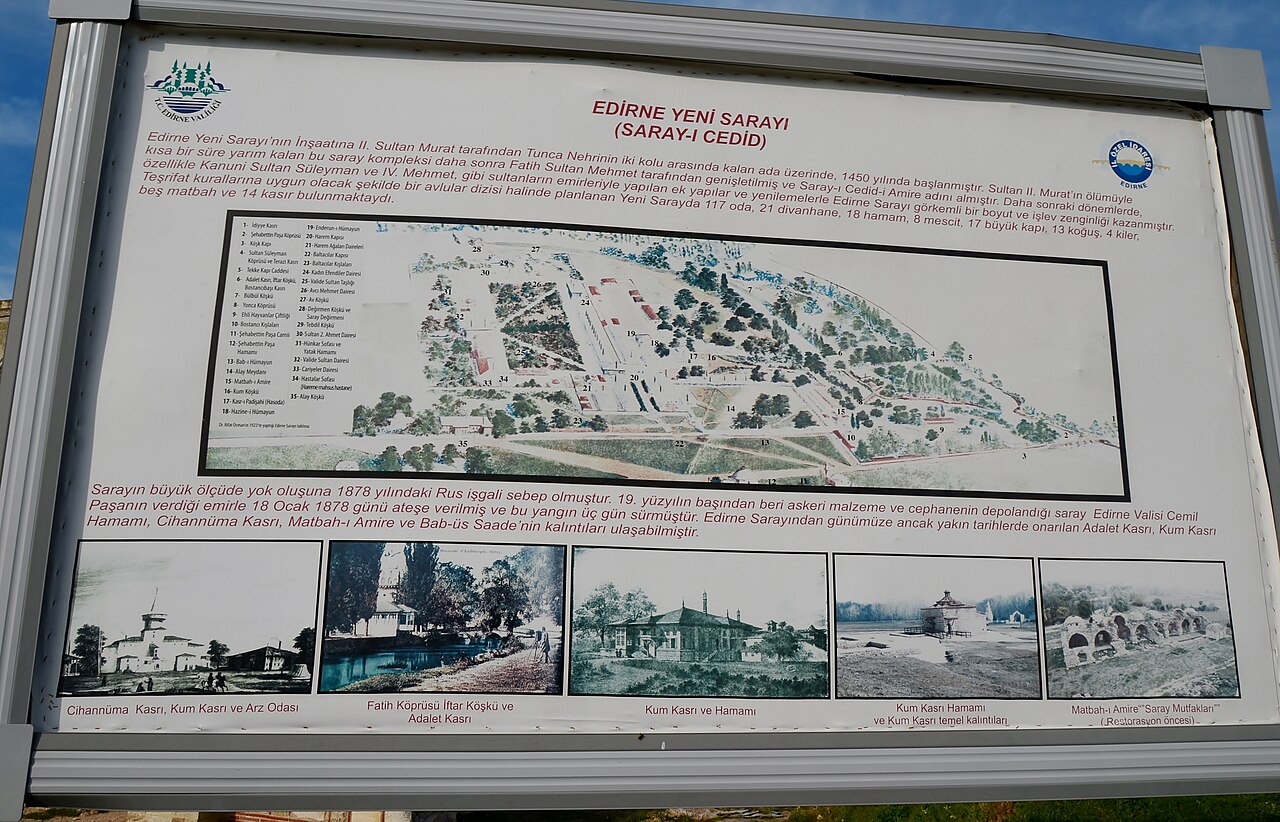
The Royal Palace of Amsterdam: A Golden-Age Town Hall Turned Palace
On the great central square of Amsterdam, facing the bustle of the city it was built to serve, stands one of the noblest buildings of the Dutch Golden Age. The
Where the World’s Past Meets Your Next Journey
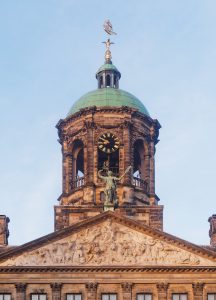
On the great central square of Amsterdam, facing the bustle of the city it was built to serve, stands one of the noblest buildings of the Dutch Golden Age. The
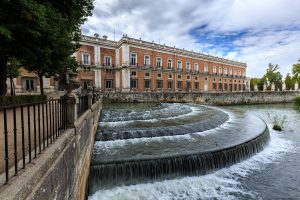
An hour or so south of Madrid, where the waters of the Tagus spread out to nourish a green and fertile plain, stands one of the most enchanting of all
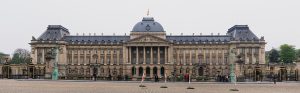
Facing a great park in the heart of Brussels, its long neoclassical facade stretching in dignified symmetry above the city, stands the official palace of the King of the Belgians.

Discover the Royal Palace of Godollo near Budapest, one of Hungary’s grandest baroque palaces and the cherished Hungarian retreat of the beloved Empress Elisabeth, known as Sisi.
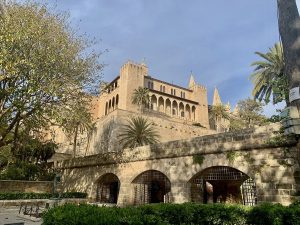
The Moorish alcázar on the harbour of Palma that James II rebuilt from 1281 as the palace of the short-lived kingdom of Mallorca, with its Gothic great hall, its chapel of Saint Anne, its Arab baths and its seaside gardens, seat of medieval kings, Aragonese governors and, today, the official Balearic residence of the Spanish crown, across the square from one of Europe’s greatest cathedrals.

Rising above the western edge of old Madrid, its long pale facade looking out across a great paved square, stands the largest royal palace in Western Europe. The Royal Palace
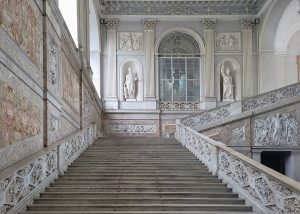
The palace on Piazza del Plebiscito built for a Spanish king who never came, home of the Bourbons of Naples for a century and a half, with the great staircase, the court theatre, the throne room, the National Library and the eight statues of Naples’ dynasties on its facade, from the Normans to the Savoy.
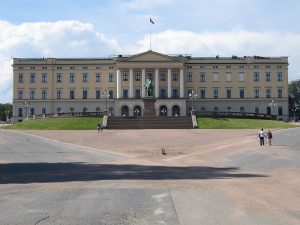
Founded by a French marshal turned northern king, Oslo’s neoclassical Royal Palace stands at the head of the city’s grand avenue as the heart of Norway’s monarchy.

At the top of Oslo’s grandest avenue, raised on a gentle hill above the heart of the Norwegian capital, stands a long, dignified building of pale yellow that closes the
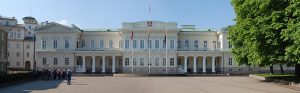
The Italian-designed palace on a hill above Tirana that King Zog I of Albania commissioned but never lived in, finished by Mussolini’s governors, used by Enver Hoxha’s party and now the presidential reception palace, is the story of a self-made king, a fascist occupation and a communist dictatorship in one building.


