In this article
- A real robot, living on your floor
- From the vacuum cleaner to the autonomous one
- The cleaning part: how it picks up dirt
- The hard part: how it finds its way around
- Building a map of your home
- The senses that keep it out of trouble
- The brain, the battery, and going home
- The ones that mop, and other tricks
- Getting the best from a robot vacuum
- Where home robots are heading
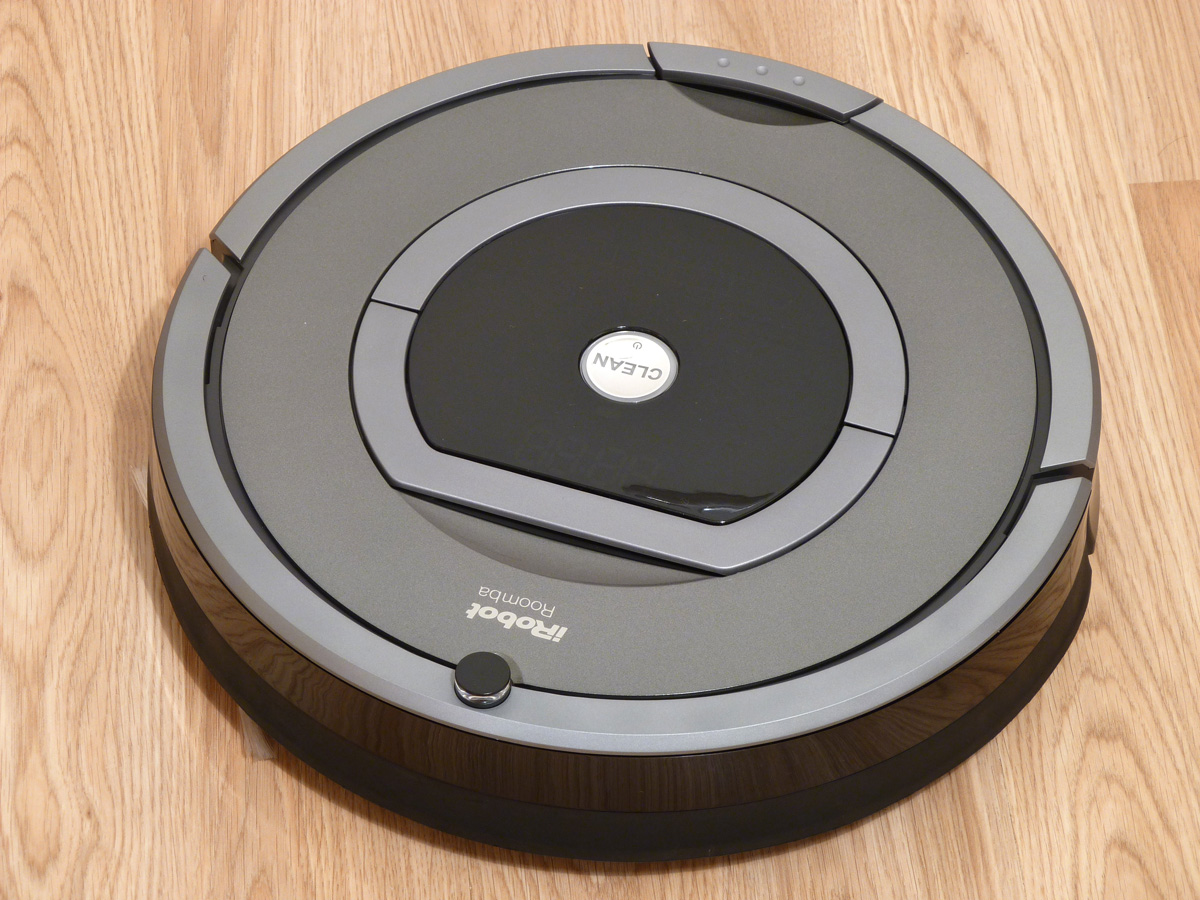
For decades, the household robot was a fixture of science fiction—a humanoid servant bustling about doing the chores. The robot that actually arrived in our homes looks nothing like that. It is a flat disc that glides across the floor, bumps gently into the furniture, and quietly sucks up crumbs and dust while you are out. The robot vacuum is, for most people, the first and only genuine robot they have ever owned, and it has become a surprisingly common sight, humming around living rooms and disappearing under sofas in homes all over the world.
It is easy to dismiss it as a gimmick, but a robot vacuum is doing something genuinely difficult: navigating an unpredictable, ever-changing human environment entirely on its own, without getting stuck, falling down the stairs, or missing half the floor. This article looks at how it manages that—how it actually cleans, the clever and varied ways it works out where it is and where it has been, the sensors that stop it tumbling down the stairs or eating the curtains, and how to set up your home so the little robot can do its job well.
A real robot, living on your floor
What makes a robot vacuum a true robot, rather than just a gadget, is that it senses its environment, makes decisions, and acts on them without a human guiding it. You press a button or schedule a time, and from then on it is on its own, working out how to clean a space it must figure out for itself. That loop—sense the world, decide what to do, then move—is the essence of robotics, and the humble floor-cleaner performs it constantly.
The challenge it faces is harder than it looks, because homes are chaotic. Furniture moves, shoes and cables and toys appear on the floor, doors open and close, pets wander past, and the lighting changes through the day. A factory robot works in a rigid, predictable environment built around it; a robot vacuum has to cope with the messy, unpredictable reality of a lived-in home, and do so cheaply and safely. Much of the cleverness in these devices is not about cleaning at all—it is about not getting hopelessly lost or stuck in a world designed entirely for humans.
From the vacuum cleaner to the autonomous one
The cleaning half of the robot is old technology. The vacuum cleaner has existed for over a century, and the principle has barely changed: a motor spins a fan that creates suction, pulling air—and the dust and dirt carried with it—into the machine, where the debris is trapped in a bag or bin and the cleaned air passes out through a filter. Early vacuum cleaners were heavy, sometimes enormous machines, but they established the basic mechanism that every vacuum, robotic or not, still uses.

For most of that history, vacuuming meant a human pushing the machine back and forth, whether a cylinder model dragged behind or an upright shoved across the carpet. The labour was the point of attack for the robot designers: the suction worked fine, but it still needed a person to guide it around every inch of floor. The robotic vacuum, which began appearing in homes in the early 2000s, set out to remove that person from the equation entirely—to take the century-old suction mechanism and bolt it onto a small, self-driving platform that could cover the floor by itself.

The cleaning part: how it picks up dirt
If you flip a robot vacuum over, you can see how it gathers dirt, and it is a clever adaptation of the traditional vacuum to a low, flat body. Because it is too thin to rely on suction alone, it uses brushes to do much of the work. Spinning side brushes on the edges sweep dirt from along walls and out of corners inward, toward the centre of the machine, flicking debris into the path of the main cleaning system.

Underneath the centre, a main brush—often a rotating roller—agitates the floor and carpet to loosen dirt and sweep it up into the suction channel. A small fan creates the airflow that pulls the loosened debris into an onboard dustbin, with a filter trapping the fine dust so clean air passes out. It is the same fundamental suck-and-trap principle as a full-sized vacuum, simply miniaturised and reoriented to work from a disc only a few centimetres tall. The dustbin is necessarily small, which is one of the real limitations of the format and the reason these robots need emptying often.
The hard part: how it finds its way around
The genuinely interesting engineering is not the cleaning but the navigation, and here robot vacuums fall into two broad camps that work very differently. The earliest and cheapest models use what is essentially an intelligent random approach. They drive in straight lines until they bump into something—detected by a touch-sensitive bumper on the front—then turn and head off in a new direction. By doing this for long enough, following clever patterns of spirals and wall-following, they eventually cover most of the floor, more or less by persistent trial and error.
This bump-and-turn method is simple and robust but inefficient, missing spots and going over others many times, with no real idea of where it is. The more sophisticated approach, found in better models, gives the robot the ability to actually see and remember its surroundings, so it can clean methodically in neat rows and know which areas it has already done. To do this, the robot has to solve one of the classic problems of robotics: working out where it is and building a map at the same time.
Building a map of your home
The smarter robots build a map of your home and track their own position within it, a process roboticists call simultaneous localisation and mapping. The challenge is circular and rather profound: to know where you are, you need a map, but to build a map, you need to know where you are. The robot solves both at once, constantly refining its estimate of its position and its picture of the room as it moves and gathers new information.
To sense the room, these robots use one of a couple of methods. Many use a spinning laser scanner—a small turret on top that sends out laser pulses in all directions and measures how long they take to bounce back, building a precise map of the distances to walls and furniture. Others use a camera looking at the ceiling or surroundings, recognising visual landmarks to keep track of their position. Either way, the robot assembles a floor plan of your home in its memory, which is why a good robot vacuum can clean in tidy, overlapping lines, cover the whole floor efficiently, and pick up exactly where it left off after recharging—and why it can show you a map of your home in its app.

The senses that keep it out of trouble
Beyond navigation, a robot vacuum carries a set of sensors devoted entirely to not coming to grief, because a home is full of hazards for a small autonomous machine. The most important are the cliff sensors on the underside, which point downward and constantly check the distance to the floor. If the robot approaches the top of a staircase, these sensors suddenly detect a long drop instead of a nearby floor, and the robot stops and turns away—the single feature that stops it hurling itself down the stairs.
The front bumper detects collisions so the robot can react to obstacles it did not see, while wall-following sensors let it hug the edges of a room to clean along the skirting boards. Many newer models add forward-facing object recognition—often a small camera with onboard image processing—trained to identify and avoid particular hazards like cables, shoes, and, notoriously, pet mess, which a robot that simply drives through can smear catastrophically across an entire floor. Each sensor addresses a specific way the robot could fail, and together they let it roam a human home for an hour at a time without constant rescue.
The brain, the battery, and going home
Coordinating all of this is a small onboard computer that takes in the streams of sensor data, maintains the map, plans the cleaning route, and drives the motors that turn the wheels and brushes. It is a modest processor by phone standards, but it is doing real-time robotics—making continuous decisions about where to go next based on everything it senses. Powering the whole thing is a rechargeable battery, usually good for an hour or two of cleaning.
One of the most satisfying behaviours is how the robot handles its own battery. When it senses its charge running low, or when it has finished cleaning, it navigates back to its charging dock entirely on its own, lining itself up with the contacts to recharge—and, in mapping models, remembering where it stopped so it can return and finish the job after topping up. This self-docking is a small thing, but it is what makes the device truly autonomous: it not only cleans without you, it looks after itself, asking for human help only when it gets stuck or needs emptying.
The ones that mop, and other tricks
Many robot vacuums now do more than vacuum. Hybrid models add a water tank and a cloth pad on the underside, letting them mop hard floors at the same time as vacuuming, wiping the surface as they pass. More advanced ones lift the mop pad automatically when they detect carpet, so they do not soak it, using the same sensors that distinguish floor types.

At the higher end, the docking station itself has grown into an elaborate base that empties the robot’s small dustbin into a much larger bag automatically, so you only deal with it every month or two, and may even wash and dry the mop pads. These features address the format’s real weaknesses—the tiny dustbin and the chore of maintenance—by shifting the work to the dock. The underlying robot is much the same; the cleverness has increasingly moved into the station it returns to, turning the system into something that can genuinely look after the floors for weeks with minimal human involvement.
Getting the best from a robot vacuum
A robot vacuum rewards a little preparation, because it works best in a home arranged with it in mind. The single biggest help is tidying the floor before it runs—clearing away cables, socks, and small objects that it can swallow or get tangled in, since these are the most common causes of a robot grinding to a halt. Decluttering also lets it reach more of the floor and build a cleaner map.
Regular maintenance keeps it working well: emptying the dustbin, cleaning the filter, and especially cutting away the hair and threads that inevitably wind around the brushes and axles, which can otherwise stop them turning. Using the app to set no-go zones around problem areas—a pet’s water bowl, a nest of cables, a deep-pile rug it struggles with—saves a lot of frustration. And scheduling it to run while you are out makes the most of its great advantage: it does the chore entirely in your absence, so you come home to clean floors without ever having lifted a finger.
Where home robots are heading
Robot vacuums keep getting smarter at perceiving and understanding the home. Better cameras and onboard image recognition let them identify and avoid more objects, distinguish rooms and furniture, and clean more intelligently—targeting the dirtiest areas or cleaning a specific room on command. The docking stations are taking over ever more of the maintenance, pushing toward a machine that genuinely tends the floors for a month at a stretch without human attention.
More broadly, the robot vacuum is a glimpse of how household robots are likely to arrive—not as humanoid butlers, but as humble, single-purpose machines that quietly master one chore at a time. The navigation and perception technology being refined in these floor-cleaners is the same kind needed for any robot that must operate in a human space, and lessons learned guiding a disc around the furniture feed into far more ambitious machines. The science-fiction robot servant has not appeared, but its unglamorous ancestor is already under the sofa, patiently sensing, deciding, and moving—a real robot doing a real job, asking only that we pick our socks up off the floor.