Few decisions in English history have echoed as loudly as one man’s determination to end his marriage. When Henry VIII set out, in the late 1520s, to rid himself of his first wife, he could not possibly have foreseen that the quest would lead him to break with the Pope, seize the wealth of the Church, dissolve a thousand years of monastic life and set England on a religious path it has never entirely abandoned. The English Reformation began as a royal divorce and ended as a revolution.
To understand it you have to set aside the cartoon image of Henry as a fat, bellowing tyrant working through six wives. In his youth he was the opposite of that caricature — athletic, charming, genuinely learned, and so devoutly Catholic that the Pope had awarded him the grand title “Defender of the Faith” for a book he wrote attacking the reformer Martin Luther. Henry did not set out to be a Protestant. In many ways he never really became one. What he became was a king who would not be told no.
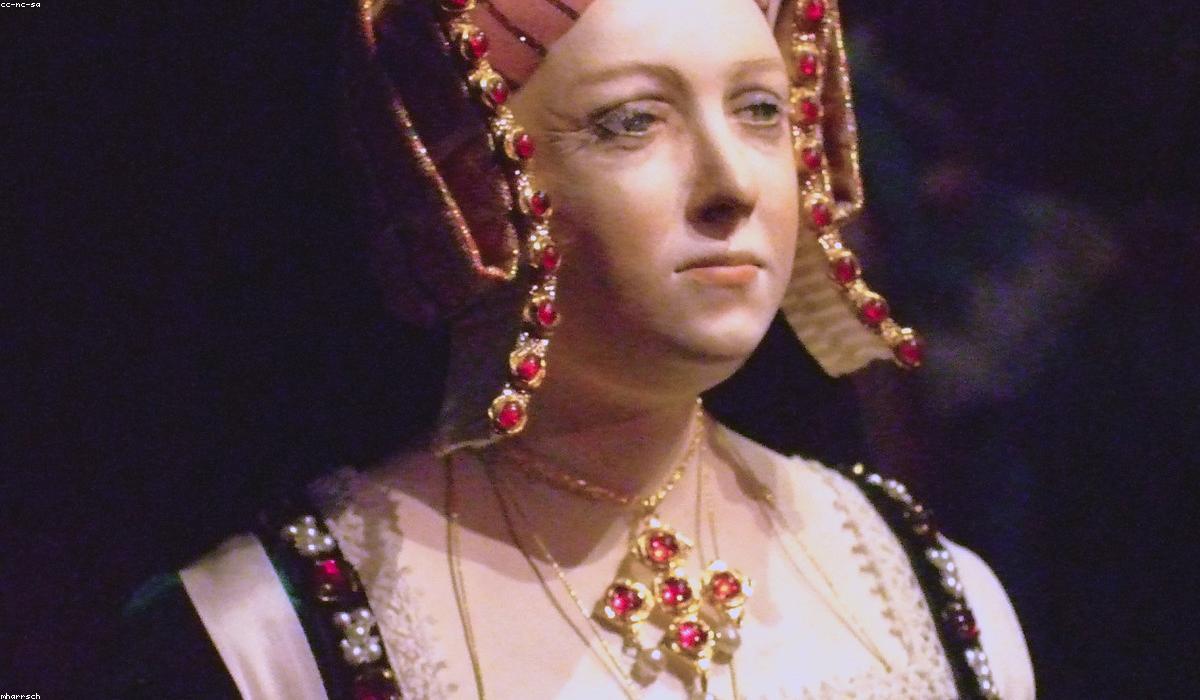
The problem was the succession. Henry’s first wife, Catherine of Aragon, had given him a daughter, Mary, but no surviving son, and Henry was convinced that a male heir was essential to spare England another bloody dynastic war like the one his father had ended. By the late 1520s he had also fallen hard for Anne Boleyn, who refused to become merely his mistress. Henry decided his marriage to Catherine had been sinful from the start and demanded that the Pope annul it. Under ordinary circumstances a king might have got his way. But the Pope was, at that moment, effectively under the thumb of Catherine’s nephew, the most powerful ruler in Europe, and an annulment was politically impossible.
What followed was a slow-motion collision between a king who would not back down and a Church that could not give way. When Rome refused, Henry simply removed Rome from the equation. Through a series of acts of Parliament in the early 1530s, he declared himself Supreme Head of the Church in England, severing a thousand years of obedience to the Pope at a stroke. He married Anne, had his first marriage declared void, and dared anyone to object. Those who did — most famously his own former chancellor, Sir Thomas More — paid with their heads.

Then came the part that touched ordinary lives most directly: the dissolution of the monasteries. England’s abbeys and priories were ancient, wealthy and woven into the fabric of the countryside — they ran schools and hospitals, gave alms to the poor, and owned a staggering proportion of the nation’s land. Between 1536 and 1540 Henry’s government swept them all away. The monks and nuns were pensioned off or turned out, the buildings stripped of their lead and treasure, and the vast estates sold off, largely to the gentry, in the greatest transfer of land England had seen since the Norman Conquest.
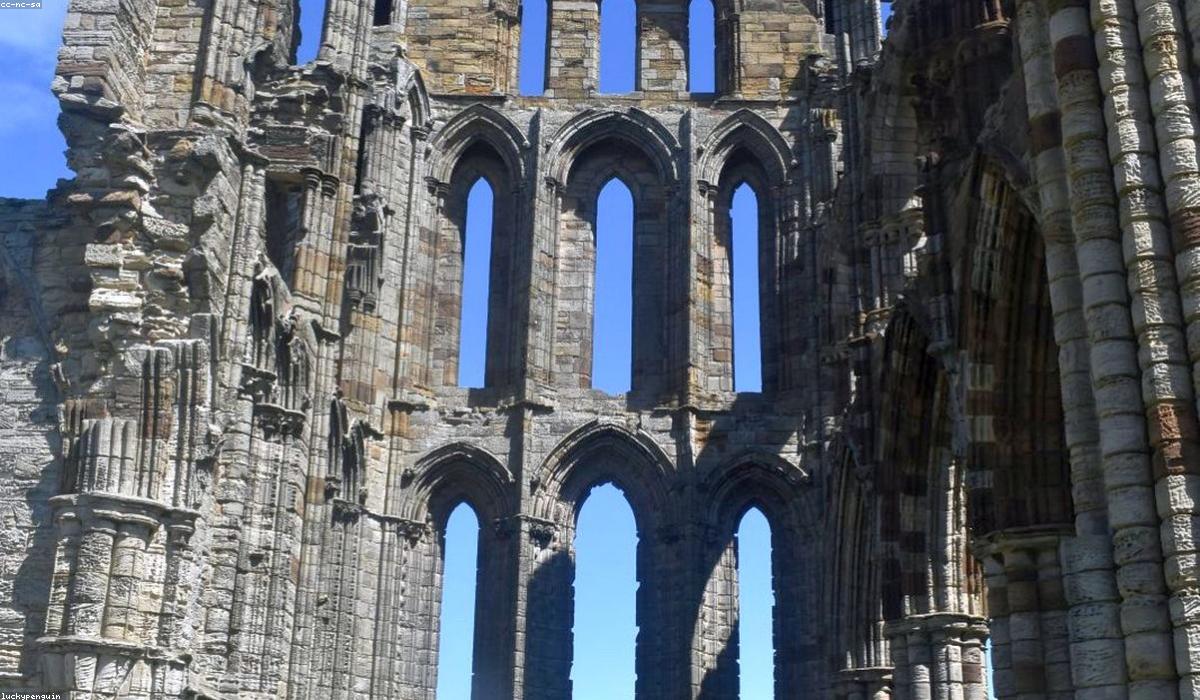
The motives were tangled together: there was genuine reforming zeal among some of Henry’s ministers, but there was also a king badly in need of money, and the monasteries were fabulously rich. Whatever the reasons, the effect was permanent. The skeletal ruins of great abbeys that still haunt the English landscape — at Fountains, at Rievaulx, at Tintern — are the scars of this moment. So is the wealth of many an old landed family, founded on monastic land snapped up cheaply when the Church was broken.
Henry himself remained, in his own mind, a good Catholic who simply happened to have replaced the Pope with himself. He kept the Latin Mass and burned Protestants he considered heretics even as he executed Catholics who denied his supremacy. But he had opened a door he could not close. After his death the country lurched hard toward Protestantism under his young son Edward VI, then violently back to Catholicism under his daughter Mary, who burned reformers by the hundred and earned the grim nickname “Bloody Mary.” Each swing left fresh wounds.
It would fall to Henry’s other daughter to find a way through the wreckage. When Elizabeth I came to the throne in 1558 she inherited a country exhausted and bitterly divided by a generation of religious upheaval. How she navigated that minefield — and how England, under her, faced down the mightiest empire in Europe — is where we’ll turn in the next instalment of this series.
You May Like
The Belle Époque and the War That Ended It