For seventy-two extraordinary days in the spring of 1871, the city of Paris governed itself. The national government had fled, the regular army had withdrawn, and into the vacuum stepped the ordinary people of the capital, who proclaimed a revolutionary government of their own and set about building, in a frantic rush, the kind of society they had long dreamed of. It was called the Paris Commune, and it ended in one of the bloodiest weeks in the history of any European city. More than a century and a half later, people still argue fiercely over what it was and what it meant.
To understand the Commune, you have to start with a humiliating defeat. In 1870 France had blundered into a war with Prussia and the German states, and it had gone catastrophically wrong. The French army was crushed, the emperor Napoleon III — nephew of the great Napoleon — was captured, and his regime collapsed overnight. The Germans laid siege to Paris itself, and the city endured a brutal winter of bombardment and near-starvation, its people reduced at times to eating rats and zoo animals before the government finally surrendered.
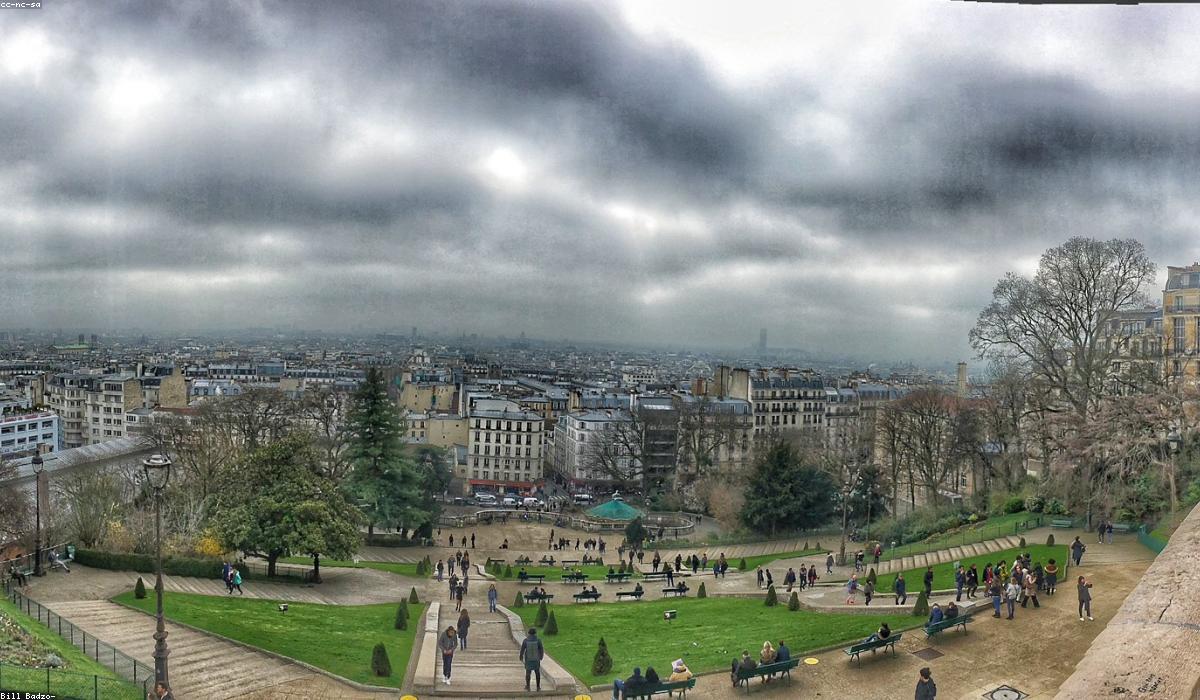
The people of Paris, who had suffered and armed themselves to defend their city through the siege, felt bitterly betrayed by the surrender and by the conservative new national government that negotiated it. That government, nervous of the radical, heavily armed and rebellious mood of the capital, made a fateful decision: it tried to seize the cannons that the Parisian citizens’ militia, the National Guard, had gathered on the heights of Montmartre. The attempt backfired spectacularly. The soldiers sent to take the guns fraternised with the crowd instead, and the city erupted in revolt.
With the national government and army fleeing to nearby Versailles, Paris was suddenly in the hands of its own people, and they moved quickly to organise. Elections were held and a governing council, the Commune, was proclaimed. What it tried to do in its brief life was genuinely radical for its time. It separated church and state, made education free and secular, handed abandoned workshops over to the workers who ran them, banned night work in bakeries, and took steps to improve the lot of the poor. It was, depending on whom you ask, an inspiring glimpse of a fairer world or a dangerous experiment in mob rule.
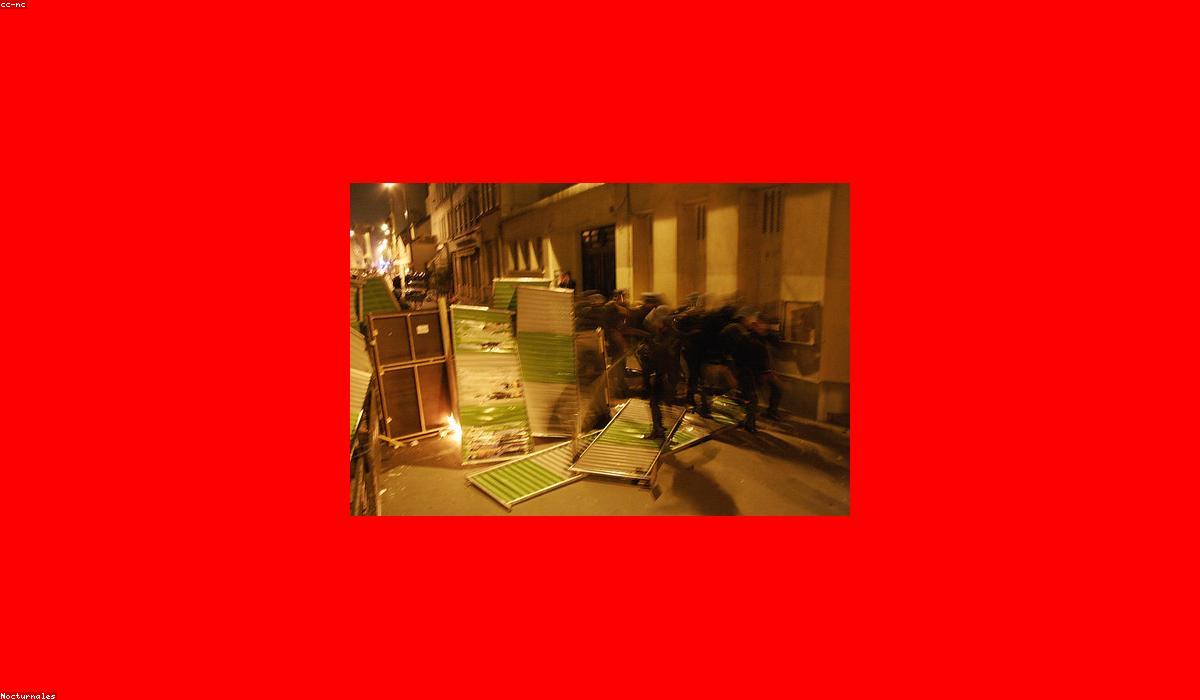
The Commune was also chaotic, improvised and deeply divided within itself, and it never had time to settle into anything stable, because the national government at Versailles had no intention of allowing it to survive. Through April and into May 1871, government troops gathered their strength and then launched an assault on the city. The Communards threw up barricades across the streets and fought desperately, neighbourhood by neighbourhood, but they were outnumbered and outgunned by a disciplined regular army.
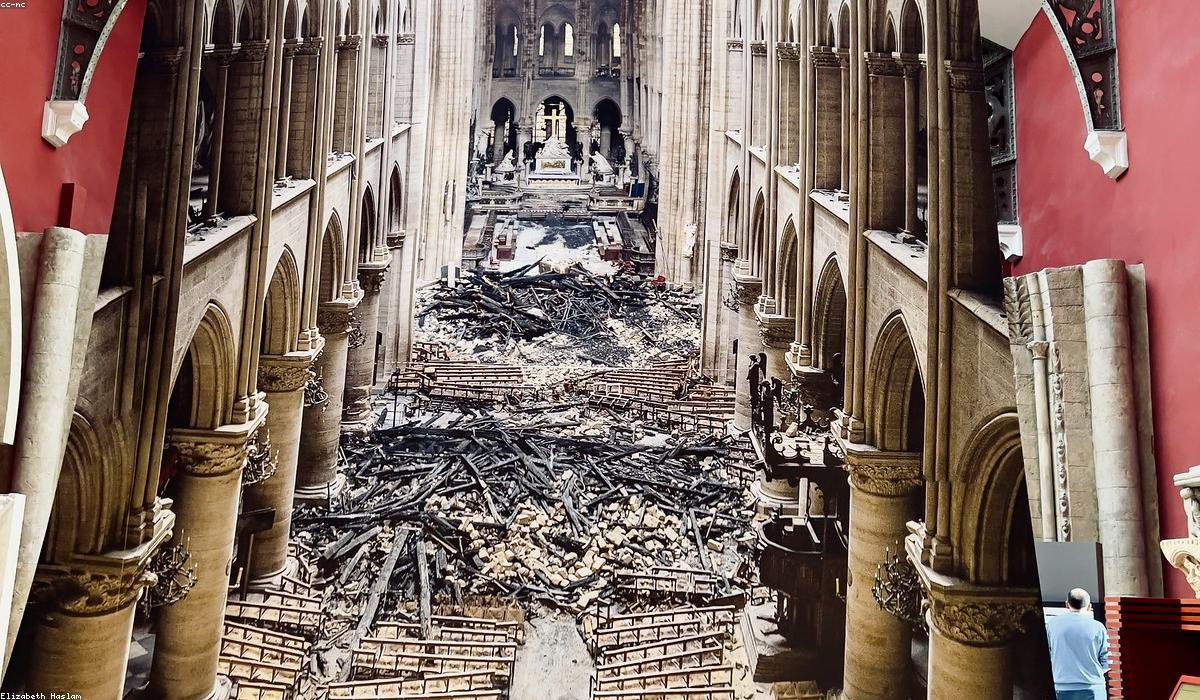
The final assault, in late May, became known as the Bloody Week, and it lived up to the name. As the army fought its way into the city, the violence escalated into something close to a massacre. Government troops shot prisoners and suspected Communards in their thousands, often after the most cursory of judgements or none at all. The Communards, for their part, executed hostages and set fire to grand public buildings as they retreated. By the time the fighting ended, whole districts were in ruins, and the death toll among the defenders and the executed ran into the many thousands — the exact figure is disputed, but it was a slaughter on a horrifying scale.
The repression that followed was severe and long-lasting. Thousands more Communards were arrested, imprisoned, or deported to far-off penal colonies, and the radical movement in Paris was crushed for a generation. The conservative republic that emerged from the wreckage was determined that nothing like the Commune should ever happen again.
And yet the memory of those seventy-two days refused to die. To revolutionaries and socialists across the world, the Paris Commune became a powerful and enduring symbol — the first time, they believed, that ordinary working people had seized control of a great city and tried to govern it for themselves. Karl Marx wrote about it almost immediately, and later revolutionaries studied it obsessively, drawing lessons from both its idealism and its failure. To its enemies, it remained a terrifying warning about the dangers of mob rule. It became one of those events whose meaning depends entirely on the politics of the person describing it.
The Commune marked, in a sense, the violent last gasp of the great age of Parisian revolutions that had begun in 1789. The republic that survived it would endure, and France entered a calmer, more confident era. In the final instalment we’ll turn to that age — the glittering, optimistic decades known as the Belle Époque, and the catastrophe that brought them crashing down: the First World War.
Continue wandering through French history here:
- 732 and the Hammer: The Battle That Made Frankish Power
- Charlemagne: The Warrior King Who Reinvented Europe
- Bouvines, 1214: The Forgotten Battle Where France Was Born
- Joan of Arc: The Teenage Girl Who Turned the Tide of a War
- The French Wars of Religion and the Peace That Followed
- Louis XIV: The Sun King and the Palace That Tamed a Nation
- 1789: The Revolution That Tried to Remake the World
- Napoleon: The Corsican Who Conquered a Continent
- The Belle Époque and the War That Ended It
You May Like
The Bardo, a Palace of the Beys Filled With Roman Mosaics