There is an old habit among historians of pointing to a single battle and declaring that the entire future of a continent hung upon it. Usually the claim deserves a raised eyebrow. But the clash that took place somewhere between the cities of Tours and Poitiers in October 732 has a stronger case than most, and for more than a thousand years writers have argued over just how much turned on that one autumn day in the heart of what would one day become France.
To understand the stakes, you have to picture the world of the early eighth century. A little over a century earlier, the religion of Islam had emerged in Arabia, and the empire that carried it had expanded at a breathtaking pace. Within a few generations it stretched from the borders of India across North Africa and, crucially, into the Iberian Peninsula — modern Spain and Portugal — which the Muslim armies had overrun with startling speed after 711. From this new frontier, raiding expeditions began to push north across the Pyrenees into the land the Romans had called Gaul.
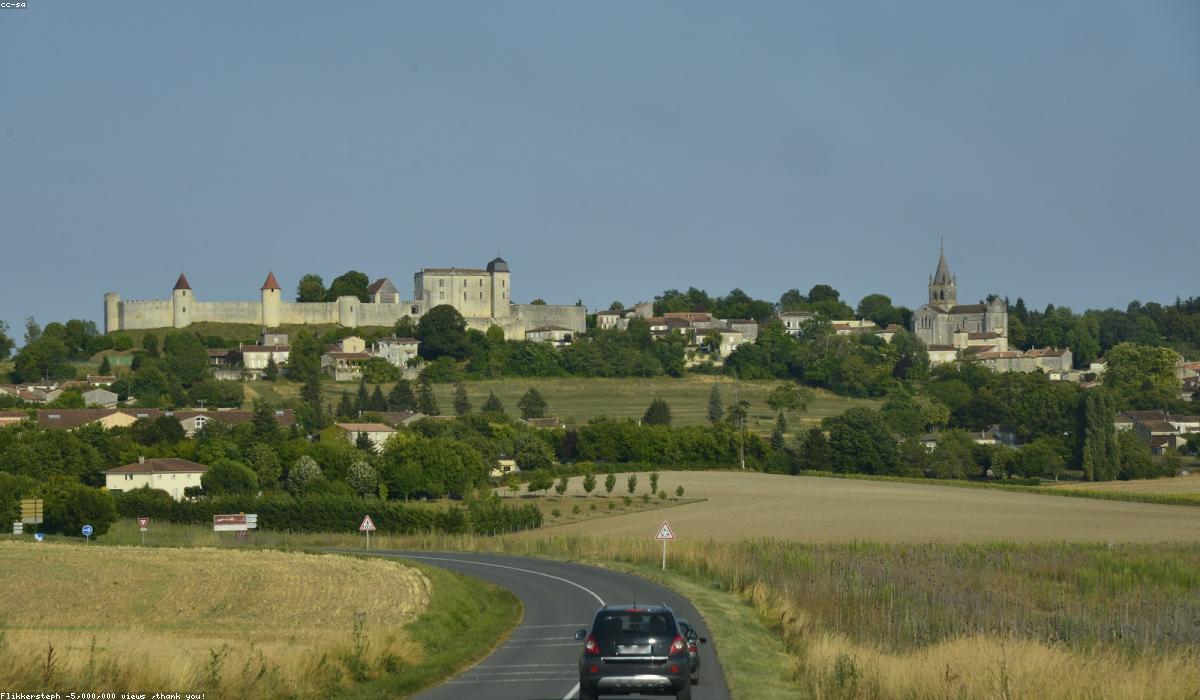
That land was held, loosely and quarrelsomely, by the Franks, a Germanic people who had settled there after the collapse of Roman authority and given their name to France itself. The Frankish realm was not a tidy kingdom but a patchwork of competing nobles nominally ruled by the long-haired Merovingian dynasty. By 732, however, real power lay not with the feeble Merovingian kings but with a tough, capable official who served as the power behind the throne — Charles, the man history would remember by the nickname Martel, meaning “the Hammer.”
In 732 a substantial Muslim army, led by the governor of Spain, pushed deep into Frankish territory, sacking towns and gathering plunder as it advanced toward the rich city of Tours, famous for the shrine of Saint Martin and the treasures it held. Charles Martel gathered his forces and moved to block the road. The two armies met and, in a fashion that frustrates historians to this day, the surviving sources are frustratingly vague about the precise location and the exact course of events. What we can reconstruct, however, is genuinely dramatic.
Charles had prepared his men carefully. According to the accounts that survive, he drew up his seasoned, heavily armed Frankish infantry in a tight, disciplined square or phalanx on wooded high ground, ground that favoured men standing firm on foot and made things difficult for cavalry. There they waited. For several days, it seems, the two armies eyed each other warily, neither wanting to throw away its advantage by attacking first.
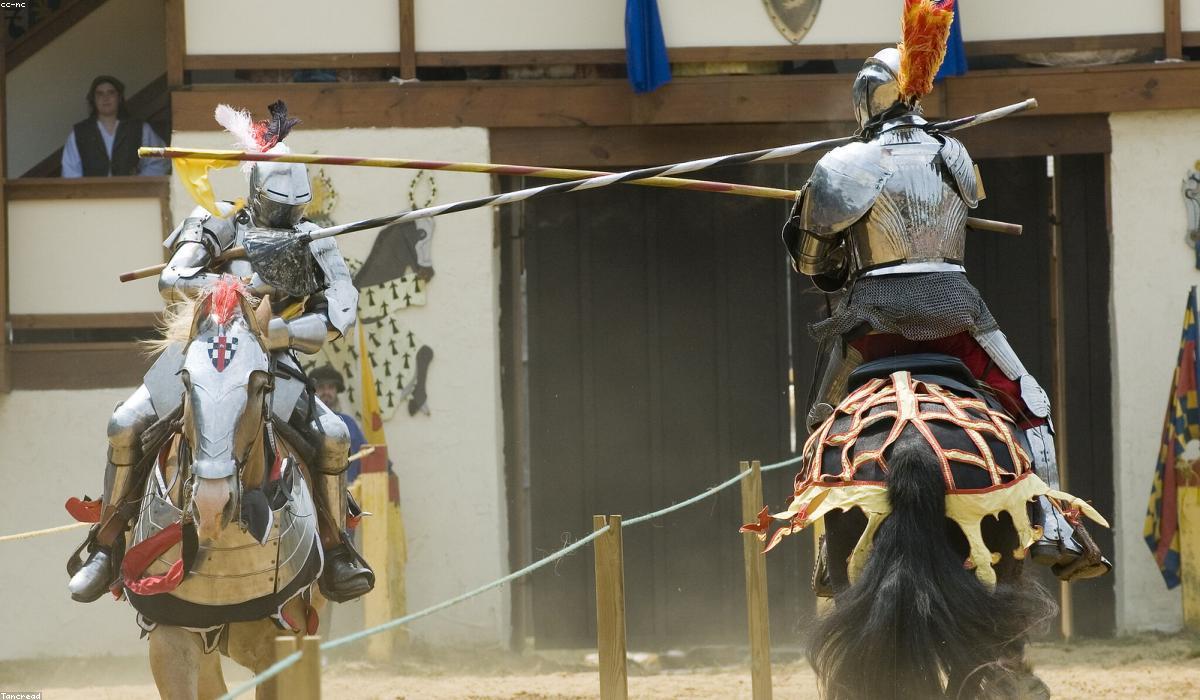
When the fighting finally came, the Frankish line held. One chronicler famously described Charles’s men standing immovable, frozen together like a wall, like a belt of ice that would not be broken. Wave after wave of attackers, it seems, failed to shatter that disciplined mass of armoured infantry. The decisive blow, by some accounts, came when a portion of the attacking force broke off to protect the plunder they had already gathered, and the resulting confusion spread. Their commander was killed in the fighting. By the next morning, the Franks discovered that their enemy had slipped away in the night, abandoning the campaign and withdrawing back toward Spain.
Now comes the hard part: what did it actually mean? For centuries, particularly among later European writers, the Battle of Tours was painted in the grandest possible colours — the moment Christian Europe was saved, the high-water mark of Muslim expansion in the West, the day a continent’s destiny was decided. Some scholars went so far as to suggest that without Charles Martel, the great cathedrals of France might never have been built and the whole map of European faith would look utterly different.
Modern historians tend to be more cautious, and rightly so. The expedition of 732 may well have been a large raid for plunder rather than a campaign of permanent conquest, and Muslim power in the region was already overstretched and divided. The dramatic notion that this single battle alone turned back the tide is probably too neat. Yet even the cautious view leaves Tours looking genuinely important. It confirmed that the northern frontier would hold, it ended the northward push, and above all it made the reputation of Charles Martel.
And that reputation is where the deepest consequences really lie. The victory cemented Charles’s authority over the fractious Frankish nobles and the prestige of his family. His son would push aside the last of the old Merovingian kings and take the crown himself, and his grandson would become the most famous ruler of the early Middle Ages — Charlemagne, who would forge an empire and have himself crowned by the Pope on Christmas Day in the year 800. In that sense, the man who stood firm near Tours laid the foundation for a dynasty that would shape the very idea of Europe. That extraordinary grandson, and the empire he built, are where we’ll turn next.
If you enjoyed this, you might also like these stories from French history:
- Charlemagne: The Warrior King Who Reinvented Europe
- Bouvines, 1214: The Forgotten Battle Where France Was Born
- Joan of Arc: The Teenage Girl Who Turned the Tide of a War
- The French Wars of Religion and the Peace That Followed
- Louis XIV: The Sun King and the Palace That Tamed a Nation
- 1789: The Revolution That Tried to Remake the World
- Napoleon: The Corsican Who Conquered a Continent
- The Paris Commune: The 72 Days When a City Ruled Itself
- The Belle Époque and the War That Ended It
You May Like
The Belle Époque and the War That Ended It


2 thoughts on “732 and the Hammer: The Battle That Made Frankish Power”