Imagine an illiterate teenage girl from a remote village, with no military training and no standing whatsoever, walking into the court of a desperate prince and announcing that God had sent her to save the kingdom and crown him king. Imagine, even more improbably, that it worked. The story of Joan of Arc is so unlikely that if a novelist invented it, you would put the book down in disbelief. And yet it happened, in the depths of one of the longest and most ruinous conflicts in European history — the Hundred Years’ War.
That war, despite its name, dragged on for well over a century, from 1337 to 1453, in fits and starts of fighting, truce and renewed bloodshed. At its root lay a tangled dispute over the French crown itself: the kings of England, through their French ancestry, claimed they were the rightful kings of France, and they were prepared to fight for that claim for generations. For long stretches the English and their allies had the upper hand, winning a string of famous victories at battles like Crécy, Poitiers and, most devastatingly, Agincourt in 1415.
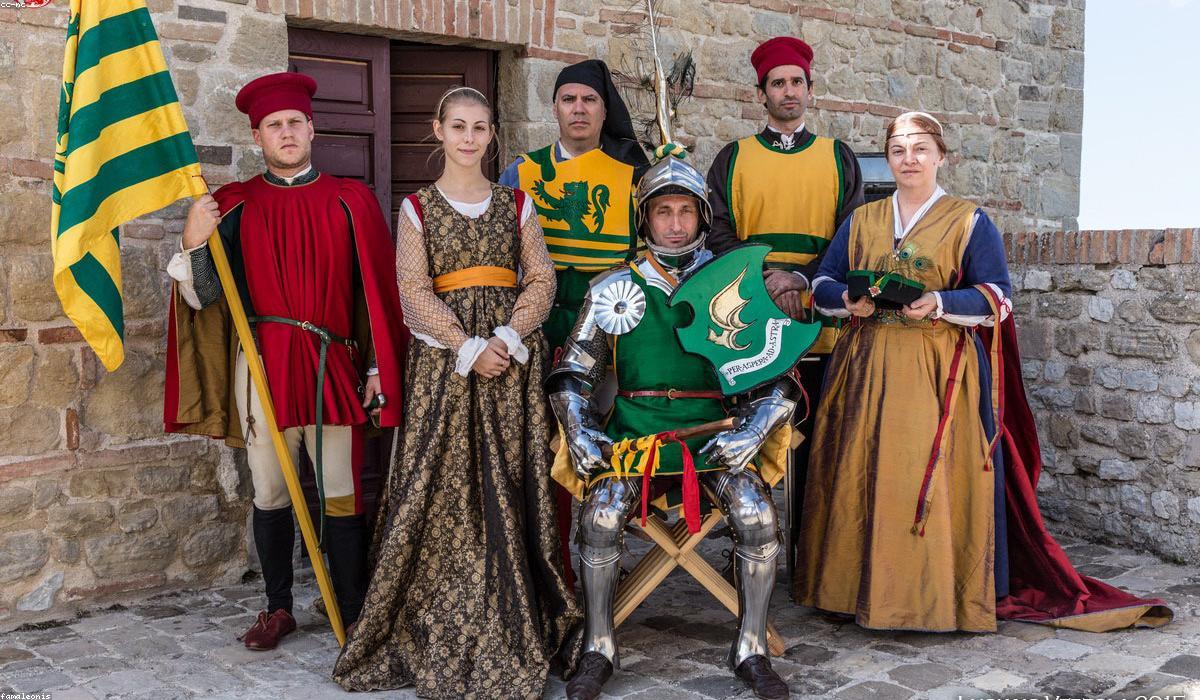
By the late 1420s, France was on its knees. Through a combination of crushing military defeats and a treaty signed in a moment of weakness, the situation had become catastrophic for the French cause. The English, allied with the powerful Duke of Burgundy, controlled Paris and much of northern France. The French heir to the throne, Charles, had not even been crowned and was mockingly dismissed by his enemies; his cause seemed all but lost. It was at this lowest of low points that a peasant girl from the village of Domrémy, in the east of France, began to insist that she had a mission.
Joan claimed that from the age of around thirteen she had heard the voices of saints, instructing her to drive the English from France and see the rightful king crowned. What is genuinely astonishing is not that a teenager had visions — that was not so unusual in a deeply religious age — but that anyone in authority listened to her. After persistent effort she persuaded a local commander to send her, dressed in men’s clothing, on the long and dangerous journey across hostile territory to the prince’s court. There, somehow, she convinced the wavering Charles to give her a chance.

The first great test was the city of Orléans, a vital stronghold that the English had been besieging for months and that seemed certain to fall. Its loss would likely have meant the collapse of the entire French position. Joan, given a suit of armour and a banner, rode to the relief of the city, and within days of her arrival the siege was broken and the English driven off. Whether she actually directed the fighting or simply electrified the exhausted French soldiers with a sense of divine purpose is debated, but the effect was undeniable. Suddenly the French were winning.
A string of victories followed in rapid succession, and Joan pressed Charles to do the thing that mattered most symbolically: to march deep into contested territory to the cathedral city of Reims, where French kings had traditionally been crowned for centuries. It was a bold, almost reckless gamble, cutting through enemy-held land. But it succeeded, and in July 1429 Charles was anointed and crowned King Charles VII in Reims Cathedral, with Joan standing beside him holding her banner. The transformation in French fortunes, in barely a few months, was breathtaking.
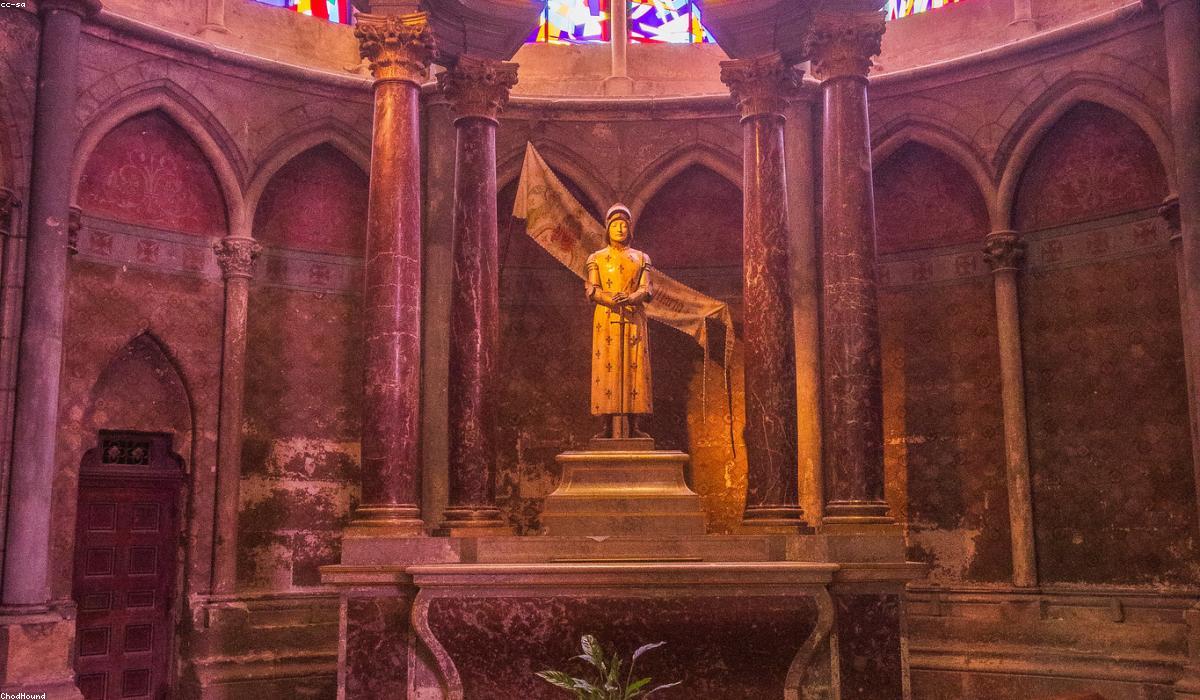
The end of her story is as dark as its beginning was bright. The following year Joan was captured by Burgundian forces and handed over to the English, who were desperate to destroy her reputation and, with it, the legitimacy of the king she had crowned. She was put on trial not as a prisoner of war but as a heretic, subjected to weeks of relentless interrogation by hostile churchmen. The charges were a tangle of accusations about her visions and her wearing of men’s clothing. The verdict was never really in doubt. In May 1431, still only around nineteen years old, Joan of Arc was burned at the stake in the marketplace of Rouen.
Her death, however, did not save the English cause — it may even have doomed it. The momentum she had created carried the French forward, and over the following decades they steadily reconquered their lost territory until, by 1453, the English had been pushed out of France almost entirely, retaining only the port of Calais. The Hundred Years’ War was over, and France had survived as an independent kingdom under its own crowned king. A generation after her execution, a new trial reviewed her case and declared her innocent, and centuries later the Catholic Church would make her a saint.
Joan became something larger than a historical figure: a symbol of France itself, invoked across the centuries by people of every political stripe. From this medieval drama of faith, fire and survival we’ll turn next to a very different kind of agony — the bitter religious wars that tore France apart in the sixteenth century, and the king who finally bought peace with one of history’s great acts of tolerance.
Keep exploring France’s past with these related articles:
- 732 and the Hammer: The Battle That Made Frankish Power
- Charlemagne: The Warrior King Who Reinvented Europe
- Bouvines, 1214: The Forgotten Battle Where France Was Born
- The French Wars of Religion and the Peace That Followed
- Louis XIV: The Sun King and the Palace That Tamed a Nation
- 1789: The Revolution That Tried to Remake the World
- Napoleon: The Corsican Who Conquered a Continent
- The Paris Commune: The 72 Days When a City Ruled Itself
- The Belle Époque and the War That Ended It
You May Like

Mafra, the Palace a King Built From a Vow


2 thoughts on “Joan of Arc: The Teenage Girl Who Turned the Tide of a War”