“L’état, c’est moi” — “I am the state.” Whether or not Louis XIV ever actually uttered those words, they have clung to him for three centuries because they capture the essence of the man and his reign so perfectly. For seventy-two years, the longest reign of any major European monarch, Louis XIV ruled France as the living embodiment of absolute royal power. He turned himself into the Sun King, the radiant centre around which the entire kingdom was made to orbit, and he built, at Versailles, the most dazzling stage set in the history of monarchy to prove it.
Louis came to the throne in 1643 as a child of just four, and his earliest years as king were anything but secure. During his minority France was convulsed by a series of revolts known collectively as the Fronde, in which nobles and law courts rose against the crown. The young king experienced real danger and humiliation, even being forced to flee Paris. Historians often point to this trauma as the key to understanding everything he did afterwards: a lifelong determination never again to be at the mercy of an over-mighty aristocracy or a rebellious capital.
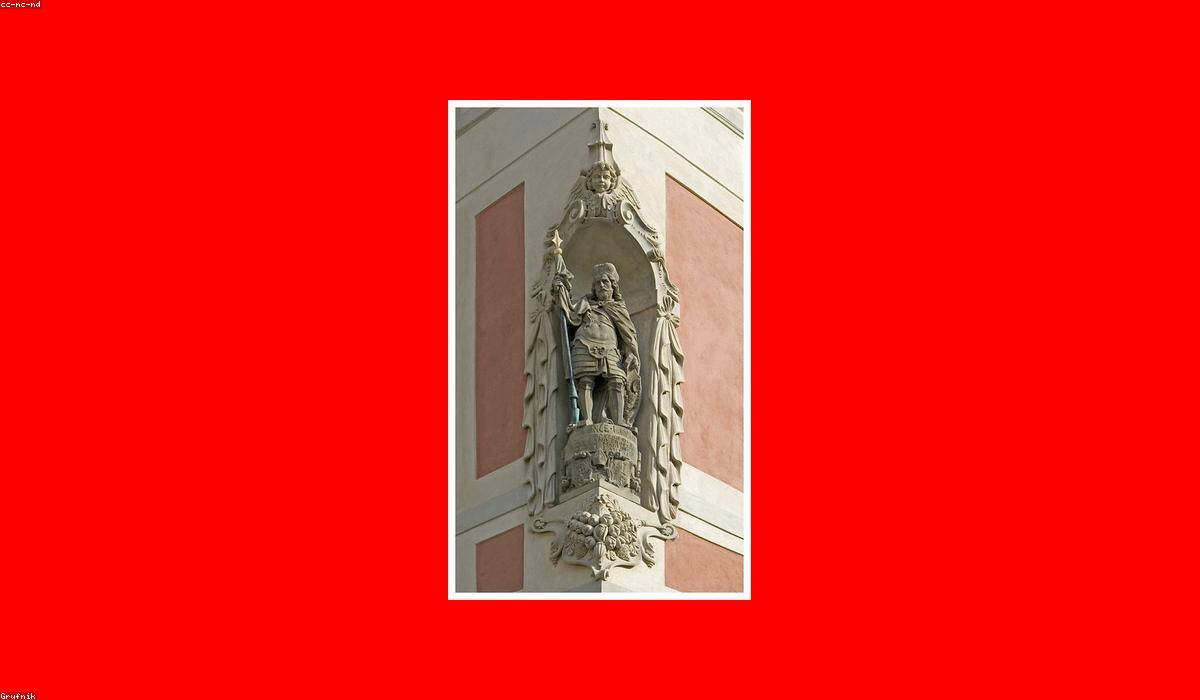
When his chief minister died in 1661, the twenty-two-year-old Louis astonished his court by announcing that he would rule alone, without a first minister, and would be his own master. And he meant it. He threw himself into the daily business of government with a discipline that rarely flagged across the decades. He chose his ministers from the rising professional classes rather than the great noble families, deliberately keeping power in the hands of men who owed everything to him. The old idea that the king was merely the first among the nobles was finished; under Louis, the king stood alone and supreme.
His masterstroke for taming the nobility was Versailles. What had begun as his father’s modest hunting lodge in the countryside outside Paris, Louis transformed, over decades and at staggering expense, into a palace of almost unimaginable splendour. But Versailles was far more than a vanity project. It was a brilliant instrument of control. By requiring the great nobles of France to attend him at court, dancing attendance on his every move, Louis turned the most dangerous men in his kingdom into gilded courtiers, more concerned with the honour of handing the king his shirt in the morning than with plotting rebellion on their distant estates.
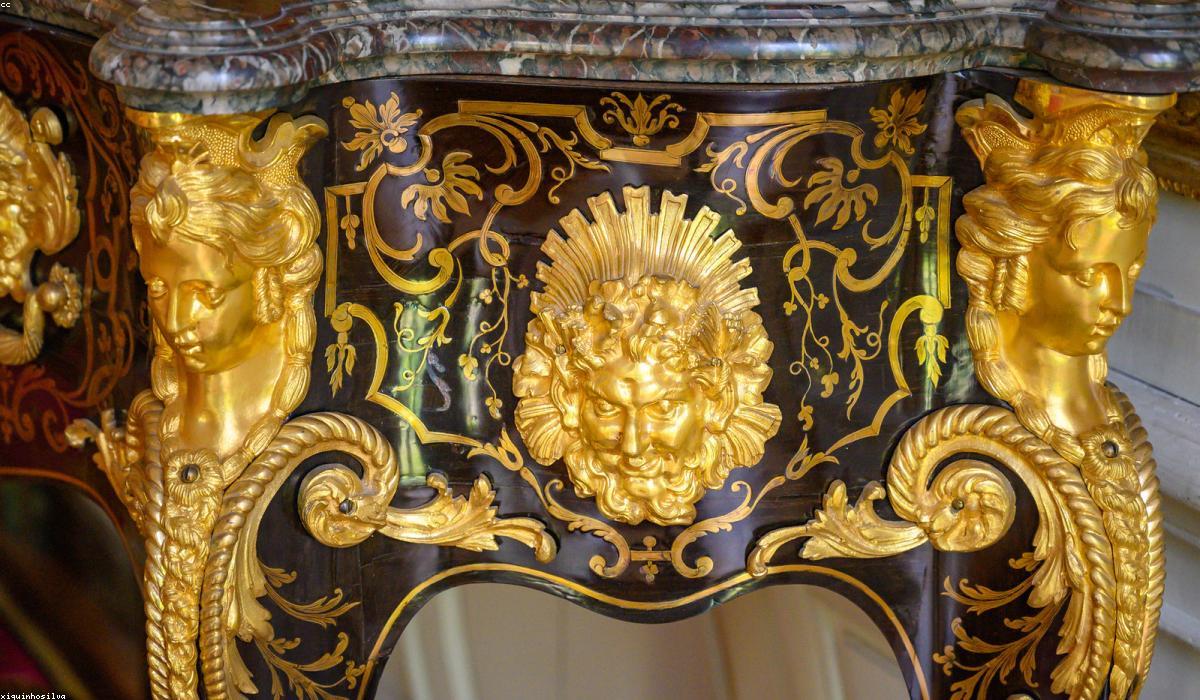
Life at Versailles was governed by an elaborate, almost suffocating etiquette in which proximity to the king was the only currency that mattered. Thousands of nobles competed ferociously for tiny marks of royal favour — a glance, a word, the right to attend the king’s ceremonial rising and going to bed. It was, in its way, a kind of golden cage, and it worked. The aristocracy that had risen against the crown during Louis’s childhood was neutralised, distracted and domesticated by ritual.
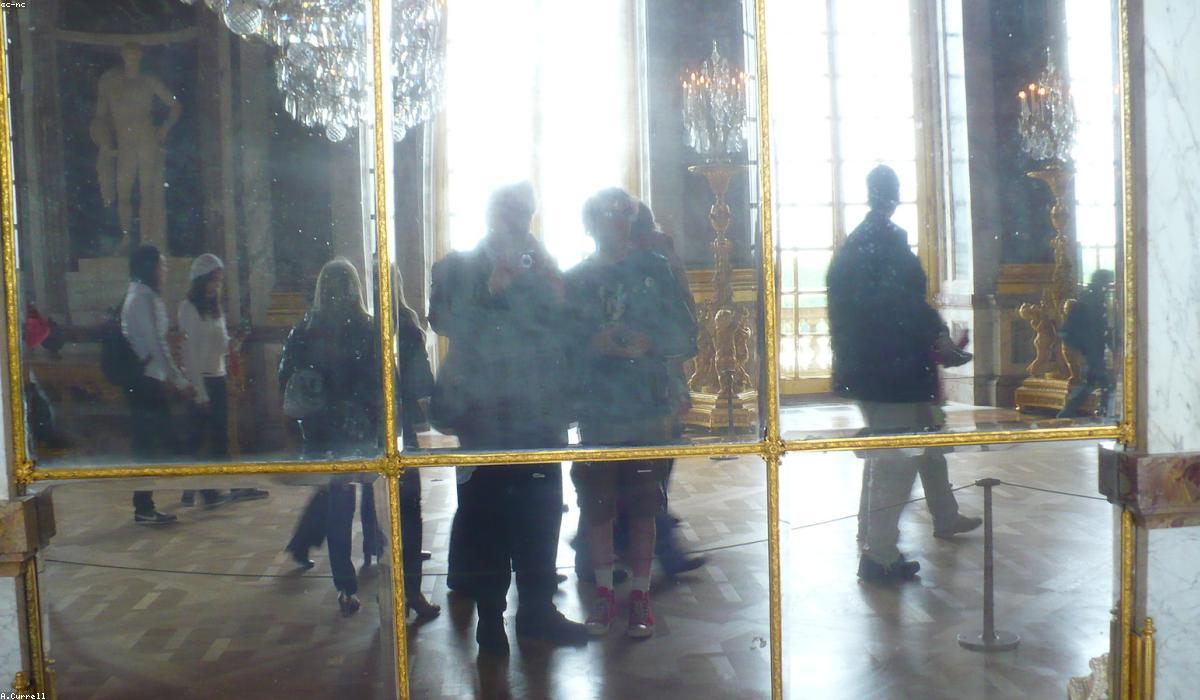
Louis was determined that France should dominate Europe as he dominated France, and for much of his reign it did. He built the largest and most formidable army on the continent, reformed and professionalised it, and used it in a long succession of wars to push out France’s frontiers and humble its rivals. French culture, too, reigned supreme: this was the great age of French theatre, art and design, with playwrights, painters and architects gathered under royal patronage, and the French language and French taste became the standard to which the courts of Europe aspired.

Yet the glittering surface concealed deepening problems, and the later decades of the reign cast long shadows. The endless wars drained the treasury and exhausted the country, and several ended without the triumphs Louis had hoped for. His revocation of the Edict of Nantes in 1685 — undoing his grandfather’s great act of tolerance — drove tens of thousands of skilled Protestant Huguenots into exile, a self-inflicted wound that enriched France’s rivals. And the sheer cost of the court and the constant warfare fell, as always, on the ordinary people of France through crushing taxation, while the nobility and clergy were largely exempt.
By the time Louis XIV died in 1715, having outlived his son and his grandson, France was simultaneously the most powerful and culturally dominant nation in Europe and a country groaning under debt and inequality. He left the throne to his five-year-old great-grandson, along with a model of absolute monarchy that looked magnificent and permanent. It would prove to be neither. The very system he perfected — an all-powerful crown, a privileged elite exempt from taxes, and a vast population shouldering the burden — contained the seeds of catastrophe.
Those seeds would take three-quarters of a century to ripen, but ripen they did. In the next instalment we’ll arrive at the moment they burst into flame — the event that shook not just France but the entire world, and that still shapes how we think about freedom, equality and revolution to this day: the French Revolution of 1789.
You might also enjoy these other chapters of France’s story:
- 732 and the Hammer: The Battle That Made Frankish Power
- Charlemagne: The Warrior King Who Reinvented Europe
- Bouvines, 1214: The Forgotten Battle Where France Was Born
- Joan of Arc: The Teenage Girl Who Turned the Tide of a War
- The French Wars of Religion and the Peace That Followed
- 1789: The Revolution That Tried to Remake the World
- Napoleon: The Corsican Who Conquered a Continent
- The Paris Commune: The 72 Days When a City Ruled Itself
- The Belle Époque and the War That Ended It
You May Like
The Belle Époque and the War That Ended It