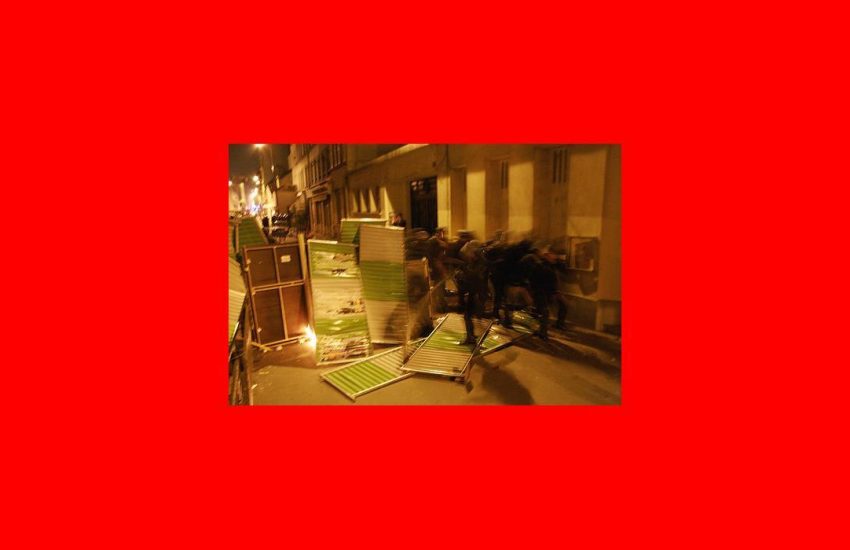
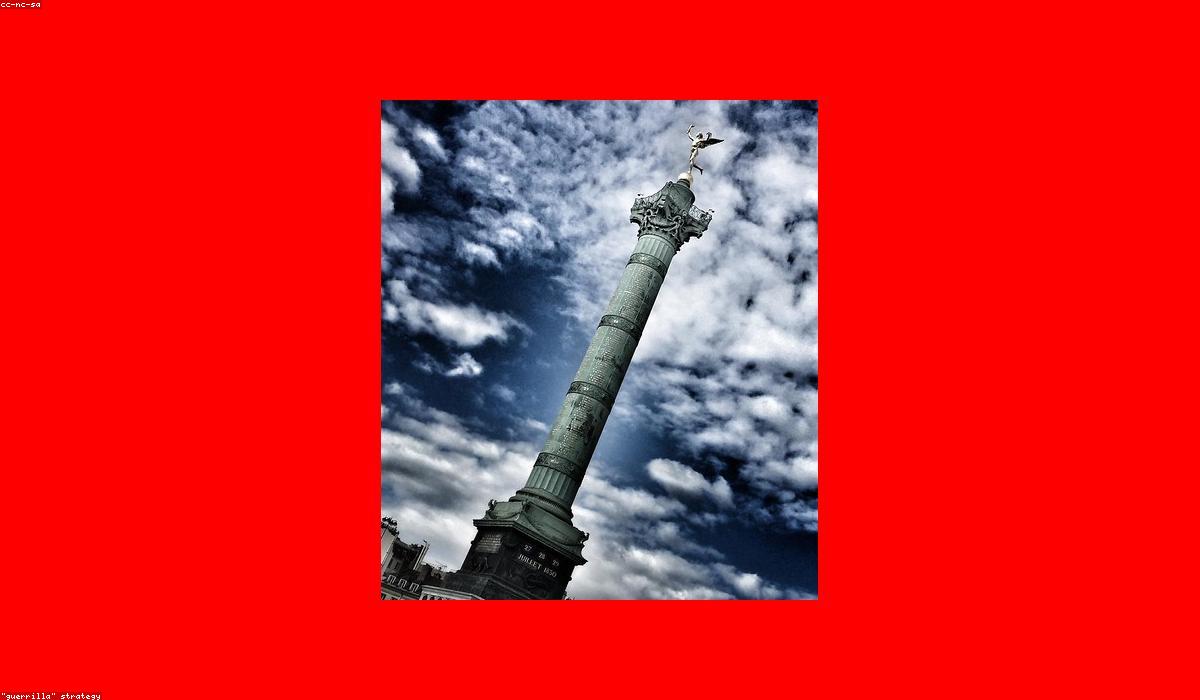
On the 14th of July 1789, a Paris mob stormed an old royal fortress called the Bastille, and the world has never been quite the same since. We tend to remember the French Revolution through its most dramatic images — the falling of the Bastille, the guillotine, the severed head of a king — but its real significance is grander and stranger than any of these. It was the moment when a great European nation tore up the entire framework of kings, nobles and inherited privilege and tried, in blood and idealism, to build a society on the radical new principles of liberty, equality and the rights of man.
To understand how it happened, you have to picture France in the late 1780s as a society of glaring contradictions. It was one of the richest and most cultured nations on earth, yet its government was effectively bankrupt, drained by generations of expensive wars — including, ironically, the money it had poured into helping the American colonists win their independence from Britain. The tax system was a tangled mess of exemptions in which the wealthiest groups, the nobility and the clergy, paid little or nothing, while the heaviest burden fell on the ordinary people who could least afford it.
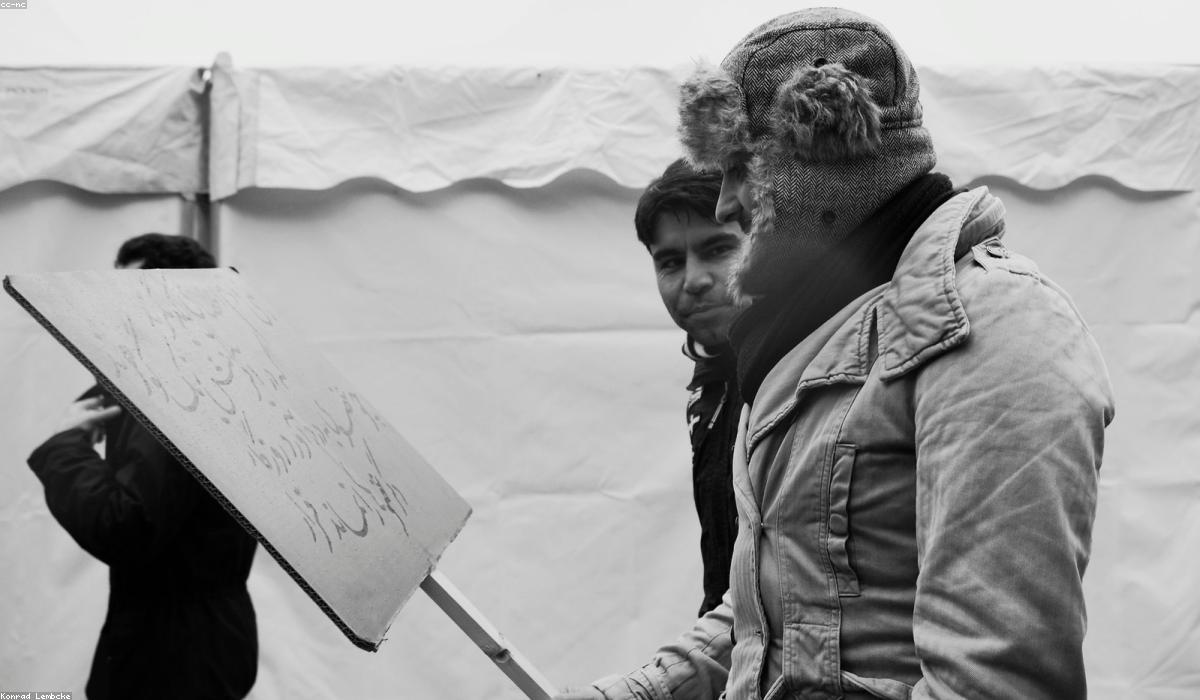
Desperate for money and out of options, King Louis XVI was forced to summon a body that had not met for 175 years: the Estates-General, an assembly representing the three “estates” of the realm — the clergy, the nobility and everyone else, the so-called Third Estate. The Third Estate represented around 98 percent of the population, yet under the old rules it could always be outvoted by the two privileged orders. When the assembly met in 1789, the representatives of the common people refused to accept this any longer. They broke away, declared themselves a National Assembly speaking for the whole nation, and swore a famous oath not to disband until France had a constitution.
This was already a revolution in principle — the idea that sovereignty belonged to the nation and not the king. What turned it into a revolution in fact was the people of Paris. Fearing that the king was massing troops to crush the new Assembly, and gripped by hunger and rumour, crowds rose up, and on the 14th of July they attacked the Bastille, partly for the gunpowder stored inside and partly because the grim old fortress was a hated symbol of royal tyranny. Its fall electrified the country and is celebrated as France’s national day to this day.
In the heady months that followed, the Revolution swept away the old order with breathtaking speed. The Assembly abolished feudalism and noble privilege in a single dramatic night. It issued the Declaration of the Rights of Man and of the Citizen, a ringing statement that men are born free and equal in rights — a document whose influence has rippled across the world ever since. The whole structure of inherited inequality that had defined France for a thousand years was, in principle, demolished.
But revolutions are far easier to start than to control, and the French Revolution soon spun toward darkness. The king’s position grew impossible; his attempted flight from the country in 1791, caught and dragged back in humiliation, destroyed what trust remained. France was declared a republic, and in 1793 Louis XVI was tried, condemned and beheaded by guillotine, followed later by his queen, Marie Antoinette. The crowned heads of Europe, horrified, went to war against revolutionary France, and the young republic found itself fighting for survival on every front.
Under the pressure of war and internal revolt, the Revolution turned on itself in the period known as the Terror. A faction led by Maximilien Robespierre seized control through the Committee of Public Safety and unleashed a campaign of state violence against anyone suspected of betraying the revolutionary cause. Tens of thousands were arrested, and the guillotine worked relentlessly, claiming nobles, priests, ordinary citizens and eventually the revolutionaries themselves. The Terror finally consumed its own architect when Robespierre, in 1794, was overthrown and sent to the guillotine in his turn.
What followed the Terror was instability and exhaustion. A series of weak governments struggled to hold the republic together amid corruption, plotting and the ever-present threat of war. France had overthrown a thousand years of monarchy and proclaimed the loftiest ideals in human history, yet it had also descended into bloodshed and chaos, and it now seemed to lack any stable centre. Into that vacuum, inevitably, stepped a man on horseback — a brilliant young general whose ambition matched the scale of the times.
That general was Napoleon Bonaparte, and his rise from the wreckage of the Revolution would carry French armies across the whole of Europe and reshape the continent yet again. The Revolution itself never truly ended so much as transformed; its ideals of liberty and equality, and its violent contradictions, were inherited by everything that came after. We’ll follow that thread next, into the extraordinary career of the man who crowned himself emperor.
More from across the centuries of French history:
- 732 and the Hammer: The Battle That Made Frankish Power
- Charlemagne: The Warrior King Who Reinvented Europe
- Bouvines, 1214: The Forgotten Battle Where France Was Born
- Joan of Arc: The Teenage Girl Who Turned the Tide of a War
- The French Wars of Religion and the Peace That Followed
- Louis XIV: The Sun King and the Palace That Tamed a Nation
- Napoleon: The Corsican Who Conquered a Continent
- The Paris Commune: The 72 Days When a City Ruled Itself
- The Belle Époque and the War That Ended It
You May Like
The Belle Époque and the War That Ended It