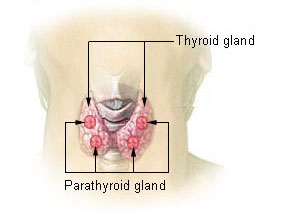
The thyroid is a small, butterfly-shaped gland in the front of the neck, and despite its modest size it acts like a thermostat for the entire body. When it slows down and stops making enough thyroid hormone, the result is hypothyroidism, also called an underactive thyroid. Because thyroid hormones touch nearly every organ, an underactive gland can quietly leave a person tired, cold, foggy, and gaining weight without an obvious reason. The reassuring news is that hypothyroidism is well understood, easy to diagnose with a simple blood test, and highly treatable. In this article I explain what hypothyroidism is, which organs it affects, how it develops, its relationship with diet, and how it is managed by both natural and medical means.
Table of Contents
- What is hypothyroidism?
- What are the symptoms?
- Which organs does it affect?
- Progression: how an underactive thyroid develops
- How it presents and is diagnosed
- Causes and risk factors
- Its relationship with nutrition
- The place of fats
- Natural foods that support the thyroid
- Supporting the thyroid by natural means
- Where to find natural support
- When medical treatment is needed
- Small but effective daily changes
- A final word
What is hypothyroidism?
Hypothyroidism means the thyroid gland is underactive, producing less thyroid hormone than the body needs. The thyroid makes two main hormones, often shortened to T4 and T3, which together set the pace of the body’s metabolism. They influence how fast the heart beats, how the body burns energy, how warm a person feels, and even mood and concentration. When these hormones run low, the body’s processes gradually slow down across the board.
The gland does not work in isolation. It takes its instructions from the pituitary, a small structure at the base of the brain, which releases a messenger called thyroid-stimulating hormone, or TSH. When thyroid hormone levels fall, the pituitary senses this and sends out more TSH to push the thyroid harder. This feedback loop is why a high TSH on a blood test is such a useful early clue: it signals that the brain is straining to wake up a sluggish gland.
Hypothyroidism is common, especially in women and in people over sixty, and many cases are mild. Because the slowdown happens gradually, the condition can be present for months or years before anyone connects the scattered symptoms to the thyroid. Understanding this slow, system-wide nature is the first step to recognising and managing it well.
What are the symptoms?
The symptoms of hypothyroidism reflect a body running in low gear, and they vary a great deal from person to person. Among the most common are persistent fatigue, unexplained weight gain, and a striking sensitivity to cold. Many people notice dry skin and dry, thinning hair, along with constipation, muscle and joint aches, and a general sense of sluggishness that is easy to dismiss as ordinary tiredness.
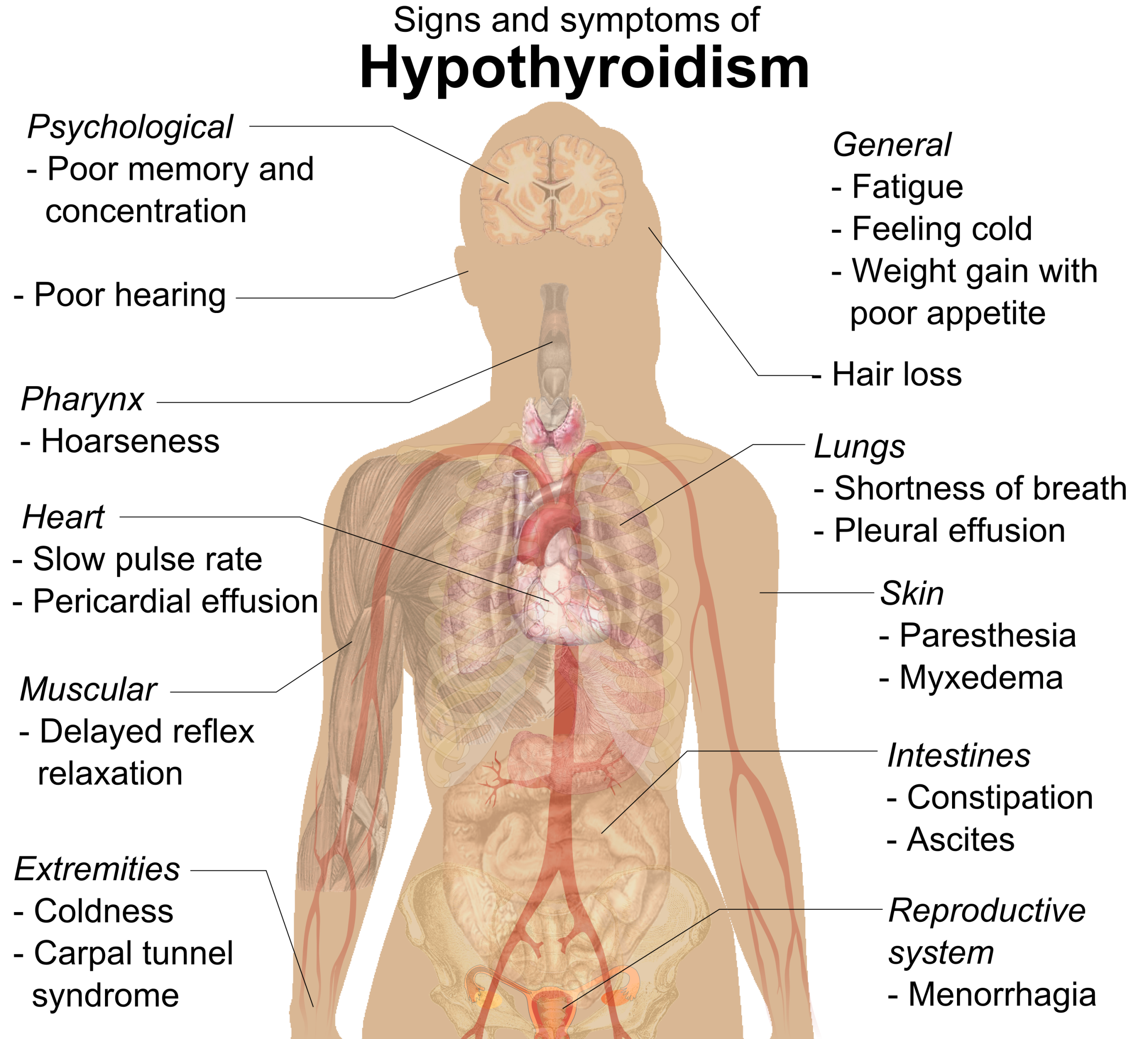
The mind is affected too. Low thyroid hormone can bring a foggy, slowed thinking, poor concentration, low mood, and even depression. In women, menstrual periods may become heavy or irregular, and fertility can be affected. A slowed heart rate, a puffy face, and a hoarse voice are other signs that can appear as the condition deepens.
What makes hypothyroidism tricky is that almost none of these symptoms are unique to it. Fatigue and weight gain in particular are extremely common and have countless causes. This is exactly why doctors do not diagnose hypothyroidism on symptoms alone; a blood test is needed to confirm it. Still, when several of these features cluster together and build slowly over time, the thyroid is well worth checking.
Which organs does it affect?
Because thyroid hormone sets the metabolic pace of almost every tissue, an underactive thyroid casts a wide net. The heart is one important target: low thyroid hormone can slow the heart rate and is linked with higher cholesterol, which over time can affect the blood vessels. In fact, anyone found to have high cholesterol is reasonably checked for hypothyroidism, since treating the thyroid can sometimes improve the numbers.
The brain and nervous system feel the slowdown as low mood, poor memory, and mental fog. The digestive system slows too, often causing constipation. Muscles and joints can ache and feel weak, the skin becomes dry, and hair may thin. In women, the reproductive system is sensitive to thyroid balance, which is why menstrual changes and fertility difficulties can be early signals.
Hypothyroidism also keeps company with several other conditions. It is more common in people with autoimmune diseases such as type 1 diabetes, celiac disease, and rheumatoid arthritis, and during pregnancy it needs careful attention because it can affect both mother and baby. Rarely, severe untreated hypothyroidism can slow the body to a dangerous degree, a medical emergency, which underlines why the condition, although usually mild, should never simply be ignored.
Progression: how an underactive thyroid develops
Hypothyroidism usually develops slowly and in stages. Often the earliest phase is what doctors call subclinical hypothyroidism, where the TSH is mildly raised but the thyroid hormone levels are still within range and symptoms may be absent or vague. At this point the pituitary is quietly working harder to keep output normal, and some people never progress beyond it.
Over time, in many cases, the gland falls further behind. Thyroid hormone levels drop below normal, TSH climbs higher, and the symptoms become more noticeable. This is overt hypothyroidism, the stage at which treatment is clearly beneficial. How fast a person moves from one stage to the next varies widely and depends on the underlying cause.

Some causes produce a different pattern. In thyroiditis, an inflamed thyroid first leaks stored hormone, briefly causing levels that are too high, before settling into underactivity that may become permanent. The thyroid can also visibly enlarge into a goiter as it strains to keep up. The key message across all these paths is that hypothyroidism is rarely sudden; it tends to creep in, which is why periodic testing matters for those at higher risk.
How it presents and is diagnosed
For most people, hypothyroidism does not arrive with a dramatic event but as a slow accumulation of small complaints: more tiredness than usual, a few extra kilograms, feeling cold when others are comfortable, drier skin, and a mind that feels a step behind. Often it is a routine check-up, or testing for high cholesterol or fertility problems, that first uncovers it.
Diagnosis is refreshingly straightforward. After taking a history and examining the neck, the doctor orders blood tests. The most important is TSH, which rises early when the thyroid struggles, often making it the most sensitive marker. Measuring the thyroid hormone itself, usually free T4, helps confirm how far things have gone. In some cases, tests for thyroid antibodies are added to identify an autoimmune cause, and imaging such as an ultrasound may be used if the gland is enlarged or nodular.
This clarity is one of the most reassuring aspects of hypothyroidism. Unlike many conditions that require complex or invasive testing, an underactive thyroid can usually be confirmed with a simple blood draw, and the same test is later used to fine-tune treatment. Because the symptoms overlap with so many other issues, that objective number is what turns a vague suspicion into a clear, treatable diagnosis.
Causes and risk factors
By far the most common cause of hypothyroidism in many parts of the world is Hashimoto’s disease, an autoimmune condition in which the immune system mistakenly attacks the thyroid. The gland becomes inflamed and gradually loses its ability to make enough hormone. Because it is autoimmune, it tends to run in families and to appear alongside other autoimmune conditions.
Other causes include various forms of thyroiditis, including the temporary inflammation that can follow pregnancy, as well as the deliberate treatment of an overactive thyroid. Surgery to remove part or all of the thyroid, and radioactive iodine treatment, can both leave the gland unable to keep up, sometimes resulting in permanent hypothyroidism. Certain medicines, including some heart, psychiatric, and cancer drugs, can interfere with thyroid function as well.
Risk factors worth knowing include being female, being older than sixty, a family history of thyroid disease, recent pregnancy, and having another autoimmune condition. Globally, too little iodine in the diet is a major cause, although in countries with iodised salt this has become rare. Recognising these risk factors helps identify who should be tested, so that a quietly underactive thyroid is caught before it causes years of unexplained symptoms.
Its relationship with nutrition
Nutrition and the thyroid are linked in a subtle, two-sided way, and the key mineral at the centre of it is iodine. The thyroid uses iodine as a raw material to build its hormones, so a genuine iodine deficiency can cause the gland to underperform and enlarge. This is why iodised salt has been such a successful public-health measure in many countries, largely banishing iodine-deficiency goiter.
But here the story has an important twist. For people whose hypothyroidism is caused by Hashimoto’s or other autoimmune thyroid disease, too much iodine can actually be harmful and may worsen the condition. Loading up on high-iodine foods such as kelp and other seaweeds, or taking strong iodine supplements, can backfire. This is one of those areas where more is not better, and where the right amount depends on the individual cause, which is best discussed with a doctor.
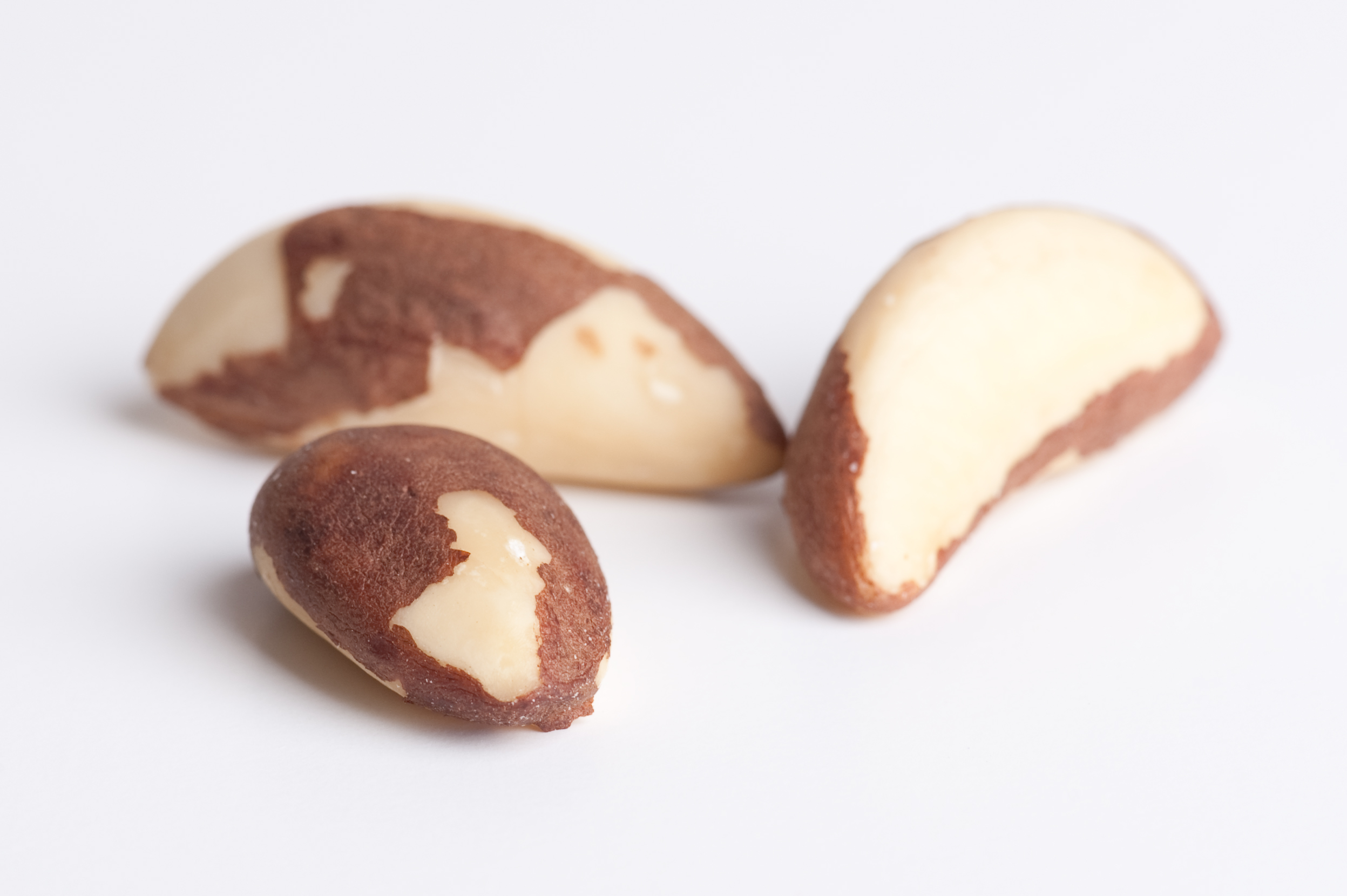
Beyond iodine, a few other nutrients support thyroid health, including selenium and zinc, which are involved in thyroid hormone metabolism. Brazil nuts, fish, eggs, and seeds supply these in normal dietary amounts. The broader principle is familiar: a varied, whole-food diet that avoids extremes generally serves the thyroid best, while chasing megadoses of any single nutrient can do more harm than good.
The place of fats
It is a common mistake to think that managing weight gain from an underactive thyroid means cutting fat as drastically as possible. Yet fat is an essential nutrient the body genuinely needs. It builds the membrane of every cell, is a raw material for hormones, and is required to absorb the fat-soluble vitamins A, D, E, and K. Stripping fat out of the diet does not fix a thyroid problem and can leave the body short of these essentials.
The sensible aim is to choose the right fats rather than to fear all of them. Healthy fats from olive oil, fish, nuts, and avocado are linked with lower inflammation, which is relevant because the most common cause of hypothyroidism is itself an inflammatory autoimmune process. The omega-3 fats in oily fish are especially worth keeping on the plate. What truly deserves limiting are the spoiled and repeatedly heated fats in fried and ultra-processed foods, which add inflammatory stress rather than nourishment.
There is also a trap to name. Many “fat-free” and “low-fat” products replace the missing fat with extra sugar or refined starch to rescue the flavour. For someone already prone to weight gain and a sluggish metabolism, that swap can be counterproductive, adding empty calories without the satisfying fullness that natural fat provides. A modest amount of quality fat, eaten in its whole form, is generally a healthier choice than a processed low-fat substitute. The thyroid is helped most by a balanced diet, not by an extreme one in either direction.
Natural foods that support the thyroid
While no food can replace missing thyroid hormone, the right diet supports overall thyroid health and general wellbeing. Foods that naturally supply iodine in sensible amounts, such as dairy, eggs, and fish, help the gland with its raw material without overdoing it. Selenium-rich foods like Brazil nuts, seafood, and eggs, and zinc from meat, shellfish, legumes, and seeds, support the machinery that makes and activates thyroid hormone.
A plate built around vegetables, fruits, whole grains, and lean protein provides steady energy and fibre, which is helpful given that hypothyroidism tends to slow digestion and encourage weight gain. Oily fish such as salmon brings omega-3 fats that support the heart, an organ that benefits since low thyroid hormone can raise cholesterol. Staying well hydrated and eating enough fibre also eases the constipation that often accompanies an underactive thyroid.
You may have heard that certain raw cruciferous vegetables, like cabbage and broccoli, can interfere with the thyroid. In ordinary amounts, especially cooked, these nutritious vegetables are not a problem for most people and need not be avoided. The common thread is balance: a varied, whole-food diet that supplies the thyroid’s key nutrients while avoiding extremes is what genuinely supports the gland.
Supporting the thyroid by natural means
It is important to be honest here, because hypothyroidism is one condition where natural measures support but usually cannot replace medical treatment. When the thyroid genuinely cannot make enough hormone, no diet or lifestyle change will restore that production, and the missing hormone needs to be replaced. Pretending otherwise can lead people to delay effective, simple treatment.
That said, natural habits play a real supporting role. A balanced diet that supplies iodine, selenium, and zinc in sensible amounts gives the thyroid the building blocks it needs. Regular physical activity helps counter the fatigue, low mood, and weight gain that come with a slowed metabolism, and it supports heart health. Good sleep and stress management matter too, since the whole body is more resilient when these basics are in place.
For milder, subclinical cases, a doctor may sometimes choose to monitor rather than treat immediately, and during that watchful period healthy habits are genuinely valuable. The honest framing is this: lifestyle is a powerful ally that improves how you feel and supports the gland, while medication, when needed, is what actually corrects the hormone shortage. The two work best together, not in competition.
Where to find natural support
The most reliable natural support for the thyroid comes from everyday foods rather than exotic products. Iodine reaches most people through iodised salt, dairy, eggs, and fish. Selenium is found in Brazil nuts, seafood, and eggs, and zinc in meat, shellfish, legumes, and seeds. A normal, varied diet usually supplies all of these without any need for supplements.
Caution is wise with supplements marketed for “thyroid support.” Many contain high doses of iodine or kelp, which, as noted, can worsen autoimmune hypothyroidism rather than help it. Others combine various ingredients with little evidence behind them, and some can even interfere with thyroid medication absorption. Before starting any such product, a conversation with a doctor or pharmacist is sensible.
In short, the kitchen and a sensible routine are where the genuine natural support lives. Building meals around whole foods that supply the thyroid’s key nutrients, staying active, and sleeping well deliver real benefit, while supplements are at best a minor and carefully chosen extra, and at worst a hidden source of harm.
When medical treatment is needed
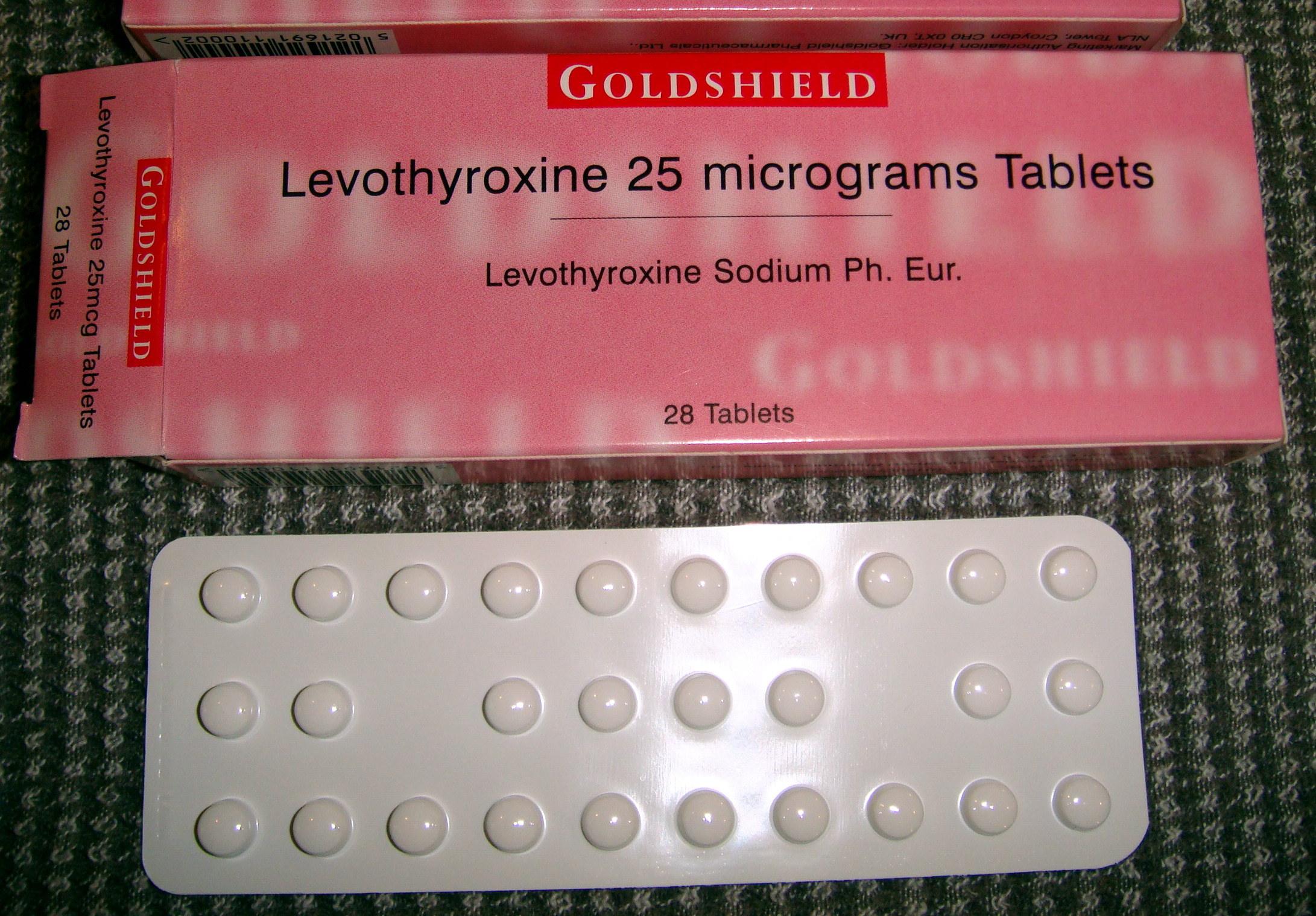
For most people with overt hypothyroidism, medical treatment is not just helpful but central, and the good news is that it is simple and effective. The standard treatment is levothyroxine, a synthetic version of T4 that is identical to the hormone a healthy thyroid makes. Taken as a daily tablet, usually in the morning before eating, it replaces what the gland can no longer produce and allows the body’s metabolism to return to normal.
Treatment is guided by blood tests rather than guesswork. After starting levothyroxine, a doctor rechecks TSH after several weeks and adjusts the amount until the level settles into the right range, then continues to monitor periodically. The aim is to find the amount that relieves symptoms without overshooting, since too much thyroid hormone carries its own risks, including effects on heart rhythm and bone health. This careful, test-guided adjustment is why thyroid treatment should always be supervised by a doctor.
A few practical points matter. Levothyroxine is best absorbed on an empty stomach, and certain foods and supplements, including calcium and iron, can interfere if taken at the same time, so spacing them out helps. People should not stop or change their medicine on their own, even when they feel well, because feeling well is precisely the sign that the treatment is doing its job. During pregnancy, requirements often rise, so prompt contact with a doctor is important. Used correctly, levothyroxine can control hypothyroidism so completely that most people live entirely normal lives.
Small but effective daily changes
Living well with hypothyroidism comes down to a handful of steady habits. For those on medication, the single most important one is taking levothyroxine consistently, at the same time each day and ideally on an empty stomach, and keeping up with the blood tests that fine-tune the amount. This quiet routine is what keeps energy, mood, and metabolism on an even keel.
Beyond medication, building gentle, regular movement into the day helps counter fatigue and supports weight and heart health. Filling half the plate with vegetables, choosing whole grains, drinking enough water, and eating enough fibre all ease the digestive slowdown that often accompanies the condition. Prioritising good sleep makes the fatigue more manageable and improves mood.
It also helps to be patient and observant. Because the thyroid affects so much, improvements after starting treatment can take several weeks to appear. Keeping a simple note of symptoms, and mentioning persistent ones at check-ups, helps the doctor adjust treatment well. Small, consistent steps, combined with the right medication where needed, are what turn hypothyroidism from a source of mysterious symptoms into a quietly managed background condition.
A final word
Hypothyroidism can scatter confusing symptoms across the whole body, from fatigue and weight gain to low mood and dry skin, which is exactly why it is so often missed for a while. Yet once recognised, it is one of the most manageable conditions in medicine: a simple blood test confirms it, and a once-daily hormone replacement usually restores normal life. Seen this way, an underactive thyroid is less a frightening diagnosis than a clear, fixable explanation. This article is for general information only; for personal diagnosis and treatment, be sure to consult your physician.