At the heart of the vast country that bears their imprint live the Russians, the largest people of Russia and one of the great nations of the world. From the plains and forests around the rivers of the east European heartland, they spread over the centuries across an immense expanse, from the Baltic to the Pacific, building one of the largest states in history and leaving their language and culture across a continent.
The Russians are an East Slavic people, speakers of a Slavic language and heirs to the Orthodox Christian tradition that has shaped their culture for a thousand years. Theirs is a heritage of onion-domed churches and village life, of a literature and music admired across the world, of long winters and wide horizons, and of a history that carried them from a cluster of principalities to a nation spanning eleven time zones.
This article is part of our Folks series on the peoples of Russia, and it brings that journey home to the people at the center of the land. We will explore their origins, their name, their language, their homeland, their old way of life, their society through the ages, their Orthodox faith, their traditions and folk culture, their literature and arts, their food, their festivals, the making of their state and nation, and who the Russians are today.
- The Origins of the Russians
- The Name of the Russians
- The Russian Language
- A Homeland of Plain and Forest
- The Old Way of Life
- Society Through the Ages
- The Orthodox Faith
- Traditions and Folk Culture
- Literature, Music, and the Arts
- The Food of the Russians
- Festivals and the Turning Year
- The Making of a State and Nation
- The Russians Today
The Origins of the Russians
The Russians are an East Slavic people, one of the three closely related nations, together with the Ukrainians and Belarusians, that emerged from the early Slavic world of eastern Europe. Their ancestors were among the Slavic tribes who spread across the forests and plains of the region in the early medieval centuries, settling the lands around the great rivers of the east European plain.
From these Slavic tribes there arose in the ninth and tenth centuries the first great state of the eastern Slavs, centered on the city of Kiev, a realm known to history as Kievan Rus. It was in this early state, uniting the eastern Slavic lands, that the shared heritage of the Russians and their sister peoples was formed, above all through the adoption of Orthodox Christianity.
As this early world fragmented and then fell under the domination of the Mongols, the center of gravity of the eastern Slavs shifted northward, and around the growing city of Moscow a new power began to gather the Russian lands. From the principality of Moscow grew the state that would become Russia, and with it the Russian people took their distinct shape.
From these beginnings, in the Slavic settlement of the east European plain, the early state of Rus, and the rise of Moscow, the Russians emerged as a distinct East Slavic nation. Rooted in the forests and rivers of the heartland and shaped by Orthodoxy and by the gathering of the lands, they became the people who would spread across the vast expanse of northern Eurasia.
The choice of Orthodoxy over other faiths set the course of a thousand years of culture. From that single decision flowed the art, the script, and much of the spirit of Russia.
No other European people ever expanded across so much of the earth’s surface. The Russian story is in part the story of a nation and a land growing together to continental size.
The Name of the Russians
The name of the Russians, and of Russia, comes from the ancient name Rus, the term for the early state and people of the eastern Slavs centered on Kiev and later on the northern lands. From this old root came the names of the Russian people, their language, and their country, tying the modern nation to its medieval origins.
The origin of the name Rus itself has long been debated, linked by many to the early northern and Slavic world from which the first state arose. Whatever its ultimate source, it became the name of the eastern Slavic realm and, in time, of the Russian people and their ever-growing state, carried through the centuries to the present.
The Russians call themselves and their language by names built on this ancient root, and the name Russia came to mean the whole vast state that grew from the gathering of the Russian lands and the expansion across Eurasia. The name thus carries both the identity of the people and the reach of the immense country they built.
Through all the changes of a long history, from the early Rus to the empire to the modern state, the name has endured as the mark of the Russian people and land. It ties the nation to its thousand-year story, from the rivers of the heartland to the shores of the Pacific, and stands as one of the great names in the history of the world.
Empires and systems rose and fell, but the name endured through every one of them. It has outlasted tsars, commissars, and the borders of every age.
From a small river-borne realm the name came to cover a sixth of the world’s land. Few names have traveled so far from their humble beginnings.
The Russian Language
The Russian language belongs to the East Slavic branch of the Slavic family, part of the great Indo-European family of languages, closely related to Ukrainian and Belarusian and more distantly to the other Slavic tongues. It is the most widely spoken of all the Slavic languages and one of the major languages of the world, spoken by well over a hundred million people.
Russian is written in the Cyrillic script, an alphabet developed for the Slavic languages and tied to the coming of Orthodox Christianity and its Church Slavonic tradition. The literary language took its modern shape over the eighteenth and nineteenth centuries, above all through the work of the great writers who made Russian one of the world’s great literary tongues.
As the language of the vast Russian state and later of the Soviet Union, Russian spread far beyond the Russian people themselves, becoming a common language across a huge area and the native or second tongue of many peoples. It is one of the working languages of international diplomacy and a language of science, literature, and culture known around the world.
Within Russia, Russian is the state language and the common tongue that binds together the country’s many peoples, the language of government, education, media, and public life across the whole vast land. It is the mother tongue of the Russian people and the shared language of a nation of great diversity, a foundation of the unity of the Russian state.
Across eleven time zones a traveler can be understood in Russian from end to end. It is the thread that ties a nation of a hundred peoples into one conversation.
A Homeland of Plain and Forest
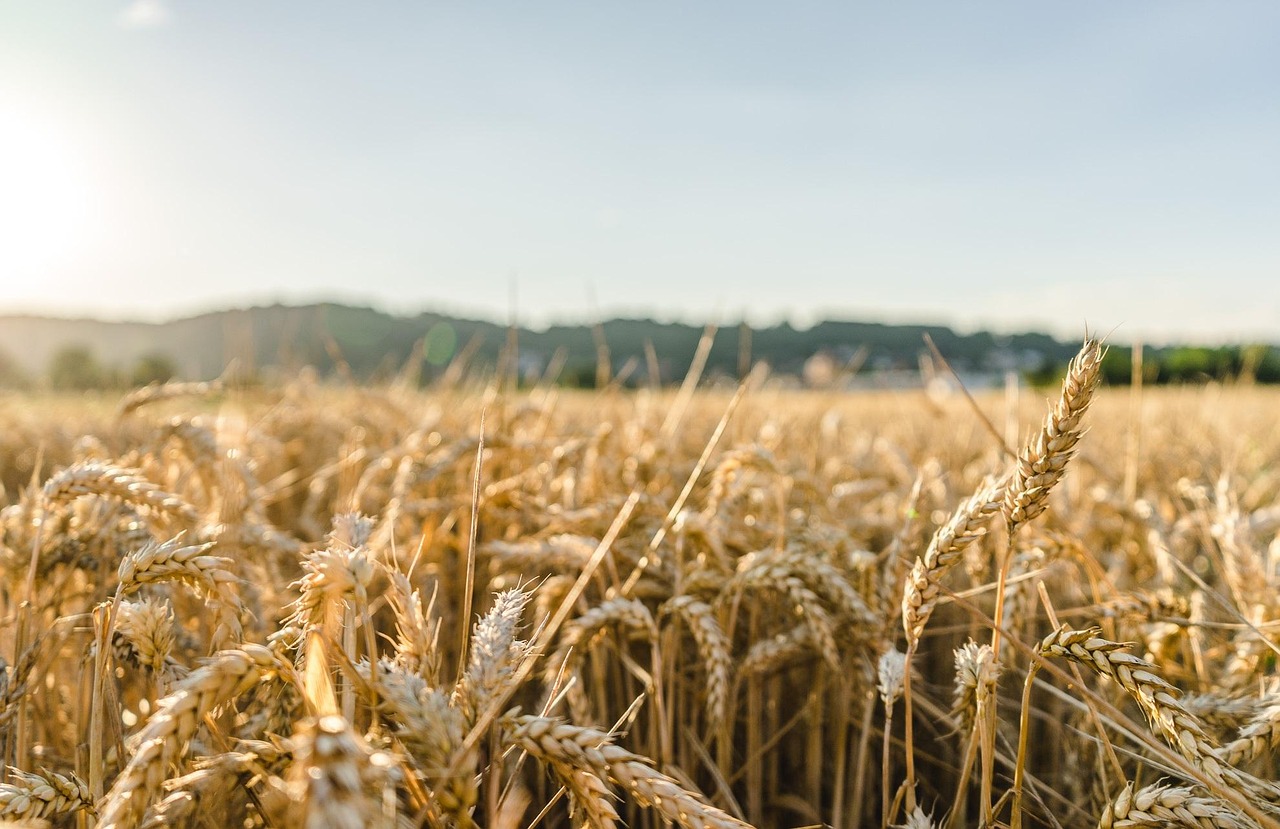
The historic Russian homeland is the great plain of eastern Europe, a vast expanse of forest, forest-steppe, and open plain drained by mighty rivers, stretching from the western borderlands deep into the interior. It is a land of few natural barriers, of great rivers that served as highways, and of a continental climate of hot summers and long, cold winters.
The northern forests, the mixed woodlands of the center around the rivers where the Russian heartland lay, and the open steppe to the south each played their part in Russian history. The forest sheltered and fed the early Russians, the rivers carried them and their trade, and the rich soil of the south drew settlement outward over the centuries.
From this heartland the Russians spread across an almost unimaginable expanse, eastward across the Ural mountains and the whole breadth of Siberia to the Pacific, and outward in every direction, until the Russian state stretched across northern Eurasia, the largest country on earth. This expansion carried the Russian people and language across a continent of forest, steppe, mountain, and tundra.
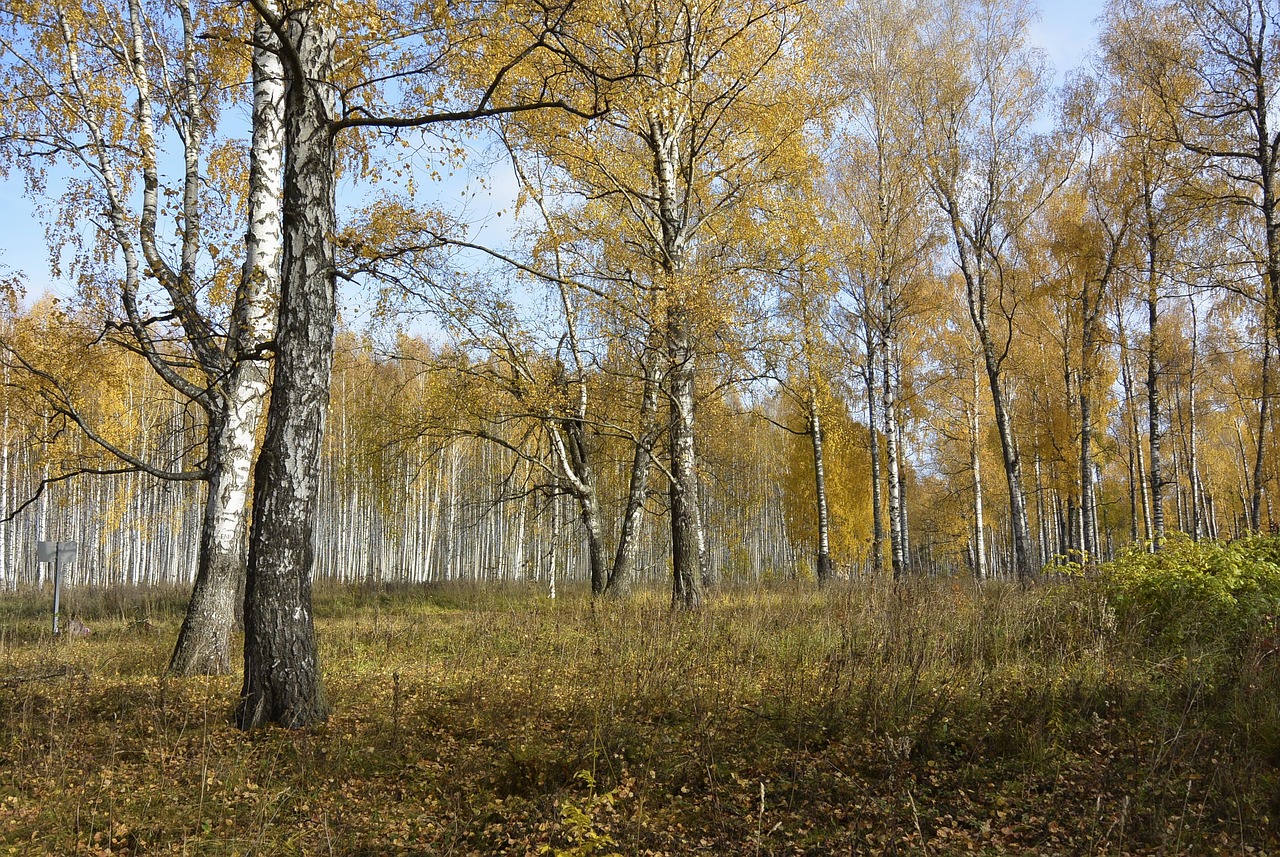
The vastness of the land, its great plains and forests, its mighty rivers and its long hard winters, has deeply shaped the Russian character and imagination, breeding a sense of space, endurance, and attachment to the land. The birch forests, the wide fields, the snow-covered plains, and the great rivers are woven into the very soul of Russian culture and its sense of home.
Poets and painters returned again and again to the birch grove and the snowbound plain as images of the motherland. The landscape itself became a character in Russian art.
The Old Way of Life
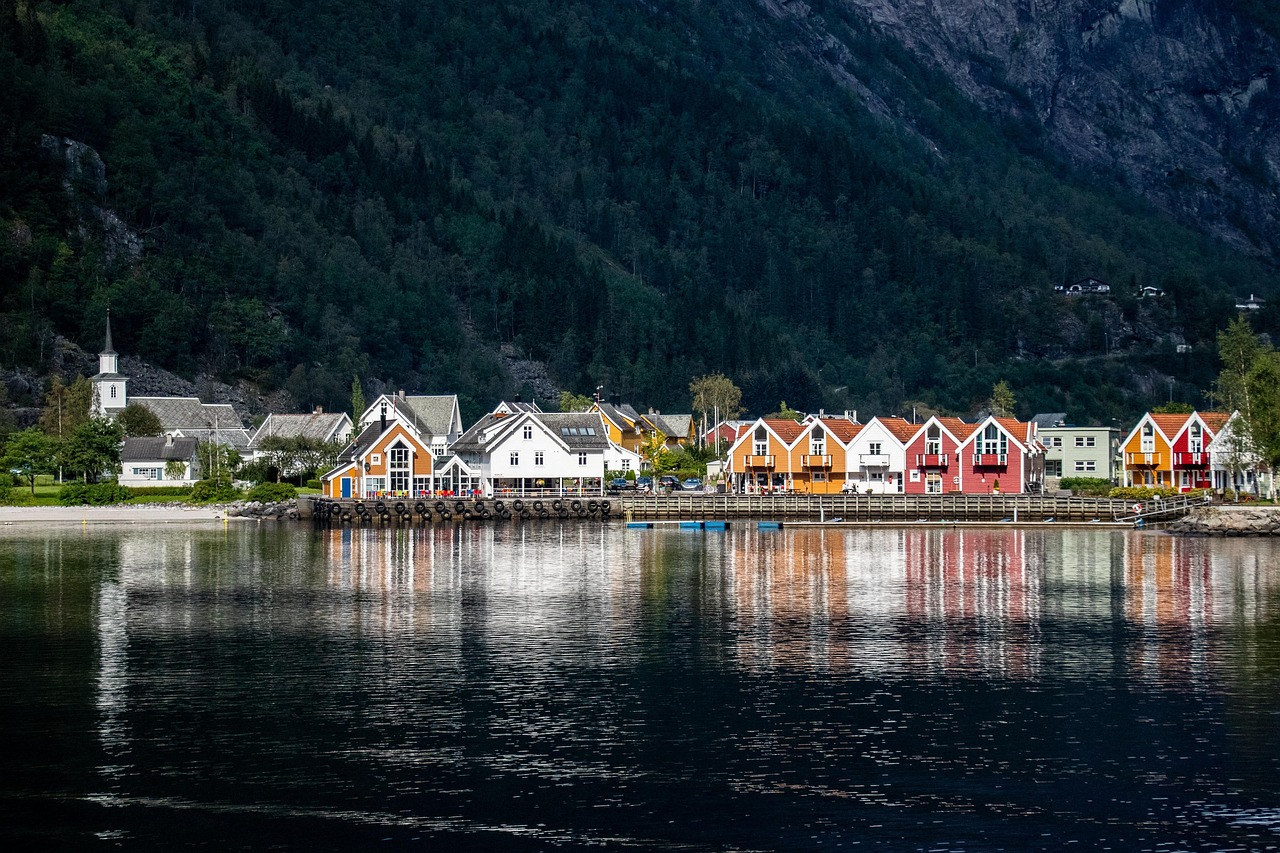
For most of their history the great majority of Russians were peasants, living in villages and working the land in a way of life that endured with remarkable continuity for centuries. The village, with its wooden houses, its fields worked in common, and its close community, was the world in which most Russians lived, tied to the soil and the seasons.
The Russian peasant grew grain, above all rye and other hardy crops suited to the northern climate, kept livestock, and lived by the rhythm of the agricultural year in a land of short summers and long winters. Life was hard, governed by the demands of the land and the weather, and centered on the family and the village community.
The traditional Russian house, the izba, built of logs and warmed by a great stove that was the heart of the home, sheltered the family through the fierce winter. The village community, which long regulated the shared land and the life of the peasants, was a central institution of the Russian countryside, binding families together in a world of shared labor and custom.
For much of this history the peasants lived in serfdom, bound to the land and to their lords, until this system was ended in the nineteenth century. Through serfdom and freedom alike, the life of the village, tied to the land, the seasons, the community, and the Orthodox faith, was the foundation of Russian life and the world from which the great mass of the people came.
Generations were born, worked, and died within sight of the same village church. This deep rootedness in the soil gave Russian culture much of its patience and its melancholy.
Society Through the Ages
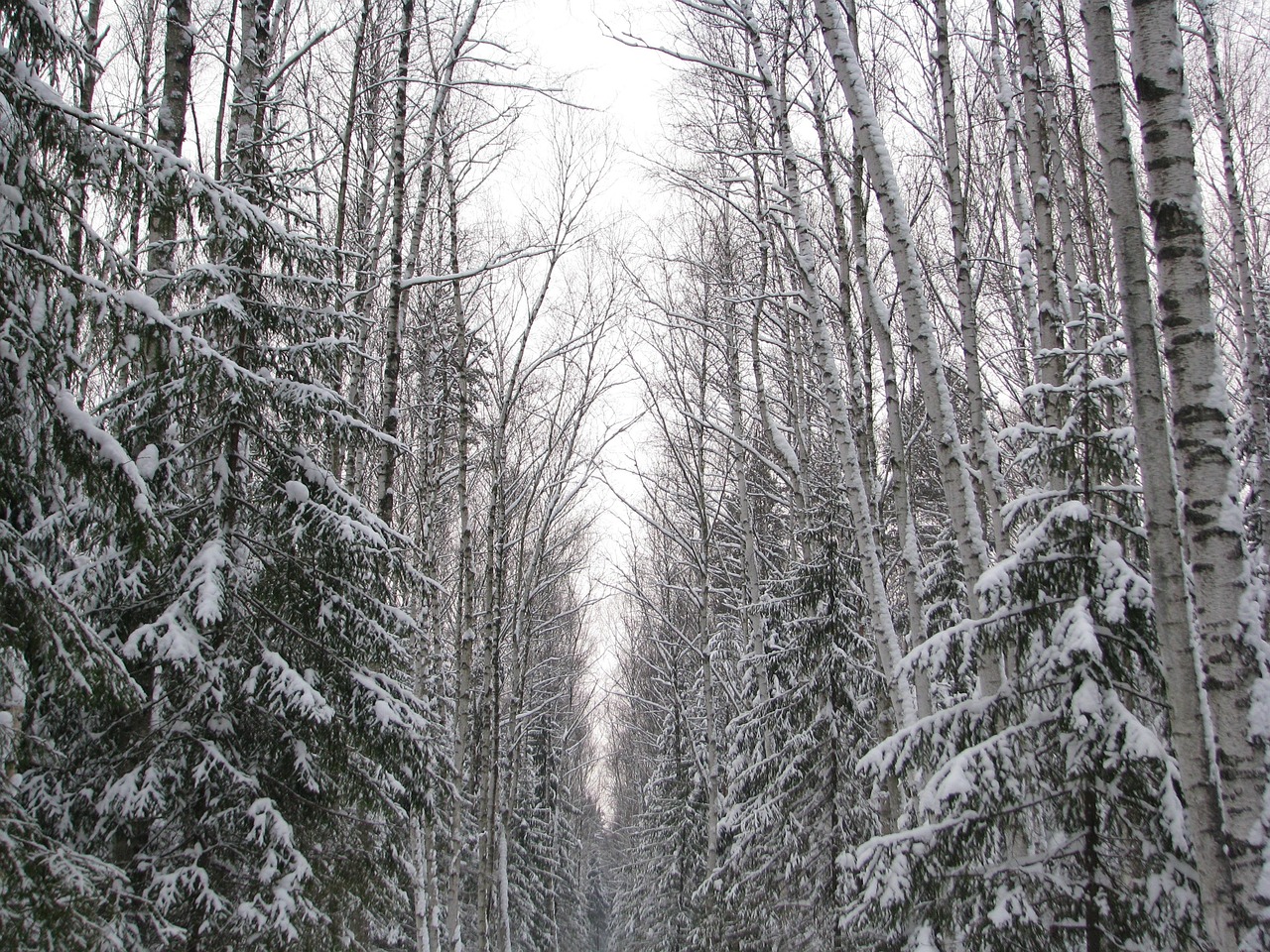
Russian society was long divided sharply between the great mass of the peasantry and the ruling and landowning classes above them. At the summit stood the ruler, the tsar, and around him the nobility and the officials of the state, while beneath lay the vast peasant population that made up the great majority of the people, along with townsfolk, merchants, and clergy.
The state loomed large over Russian society, powerful and centralized, gathering authority in the hands of the ruler and the government to a degree that shaped the whole life of the country. The relationship between a powerful state, a service nobility, and a great peasant mass was a defining feature of Russian society through the centuries of the empire.
The nineteenth and twentieth centuries brought immense upheaval to this order, the ending of serfdom, the growth of towns and industry, and then the revolutions that swept away the old world entirely. The Soviet era remade society completely, abolishing the old classes, transforming the peasantry, and building an industrial and urban nation under a new system.
Through all these transformations, from the world of tsar and peasant to the Soviet state and beyond, Russian society was reshaped again and again, yet threads of continuity ran through it, in the enduring role of the state, the attachment to the land, the Orthodox heritage, and the deep culture of the people. From peasant village to modern city, the Russians remained one nation through centuries of change.
Each upheaval swept away an old order, yet the people and their language carried on beneath every new regime. Continuity in Russia has often run through the folk rather than the throne.
The Orthodox Faith
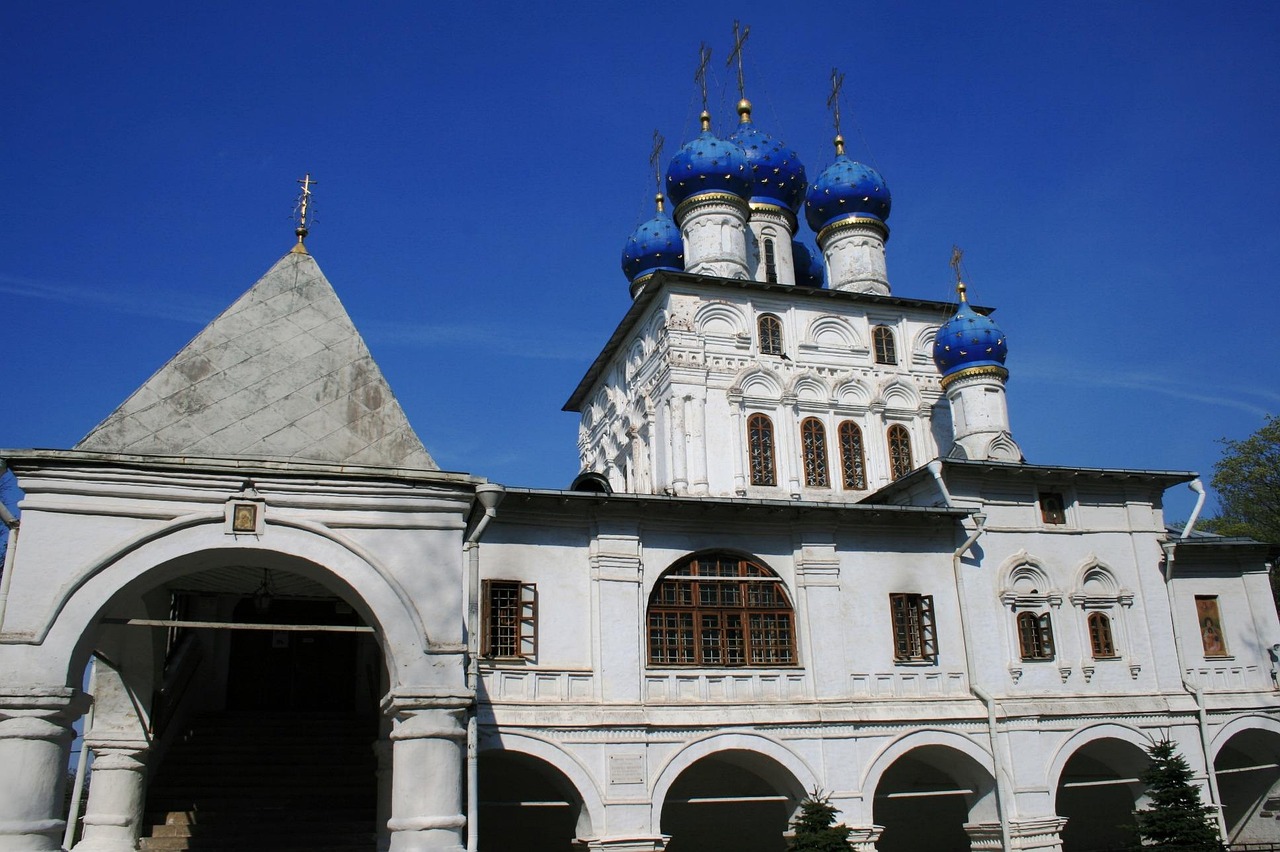
The Russians are, in their great tradition, Orthodox Christians, and the Orthodox faith has shaped Russian culture, identity, and history for more than a thousand years. Christianity came to the eastern Slavs from the Byzantine world, and its adoption by the early state of Rus was a defining event, tying the Russians to the Orthodox East and its rich tradition of faith, art, and worship.
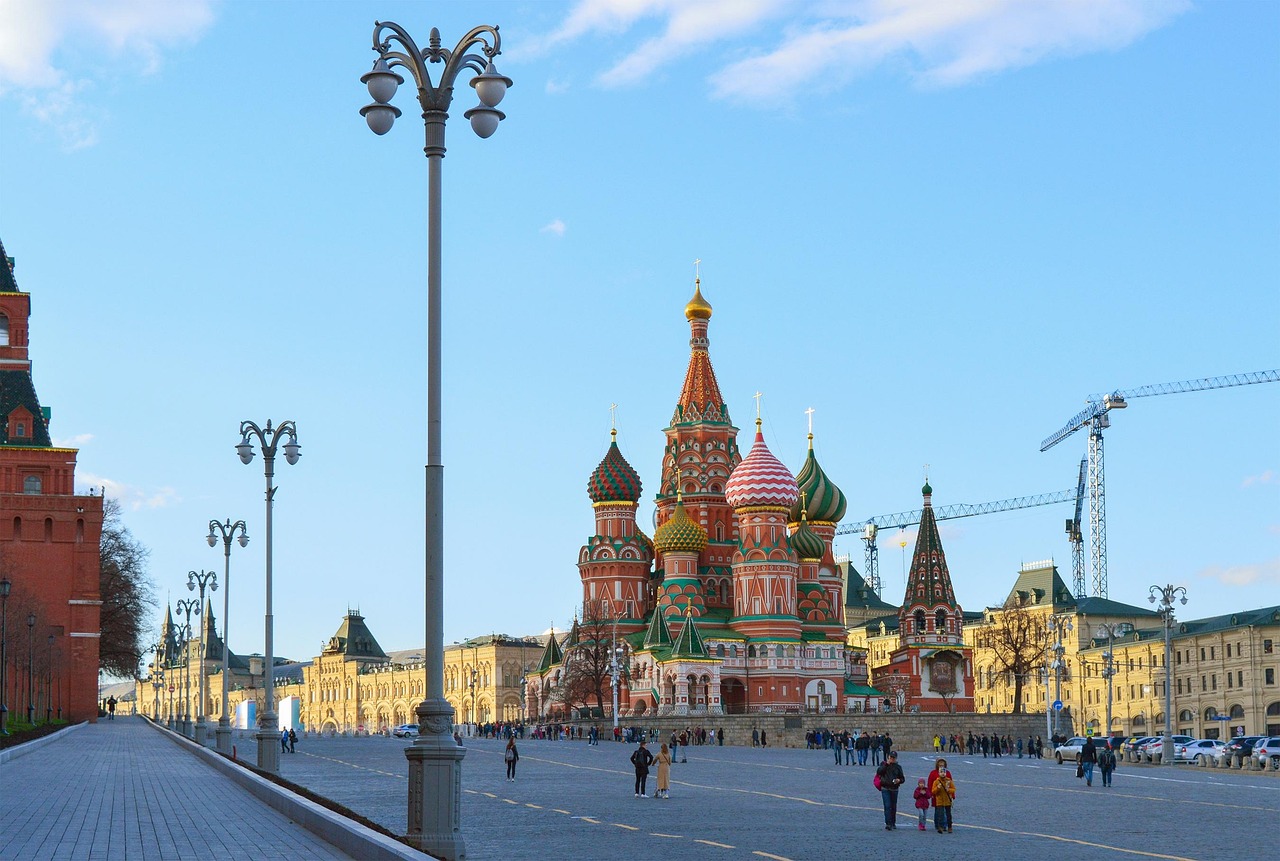
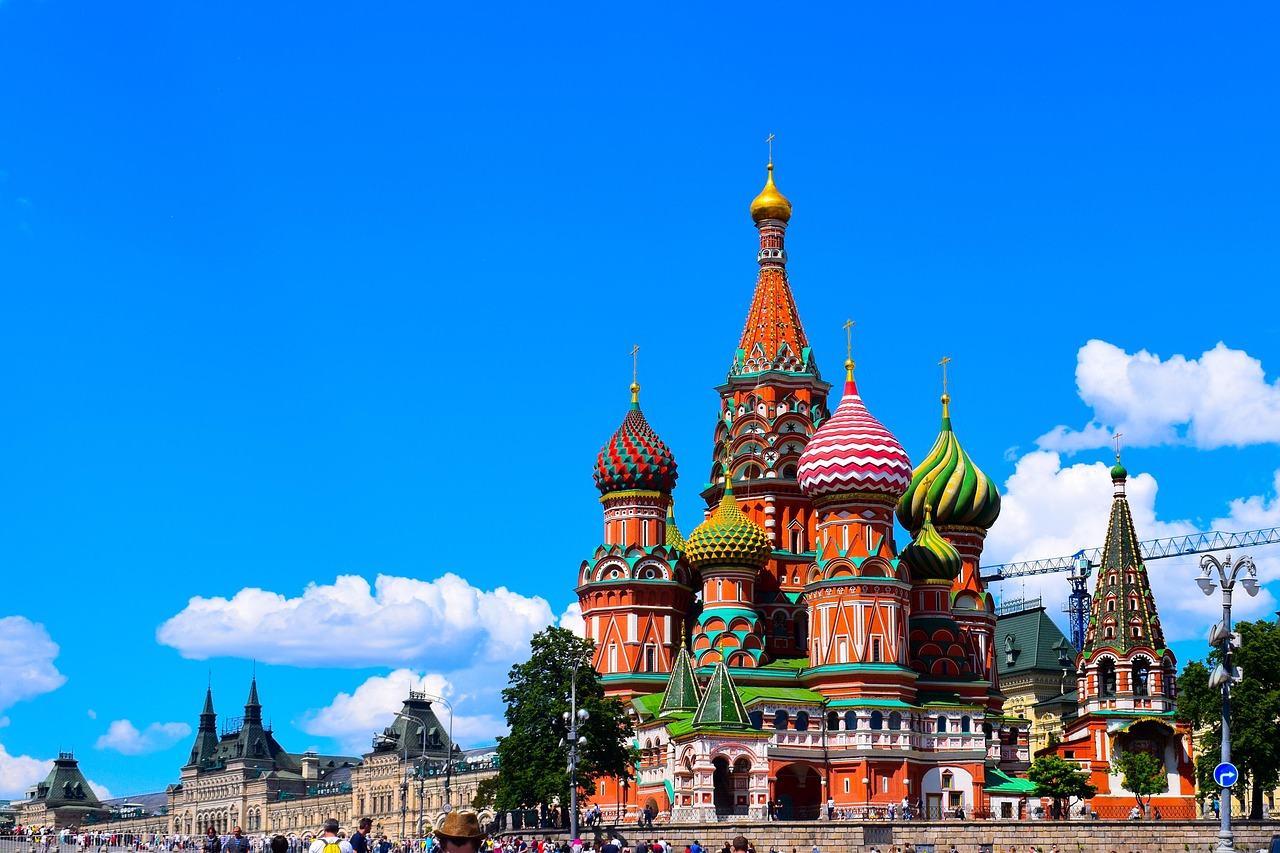
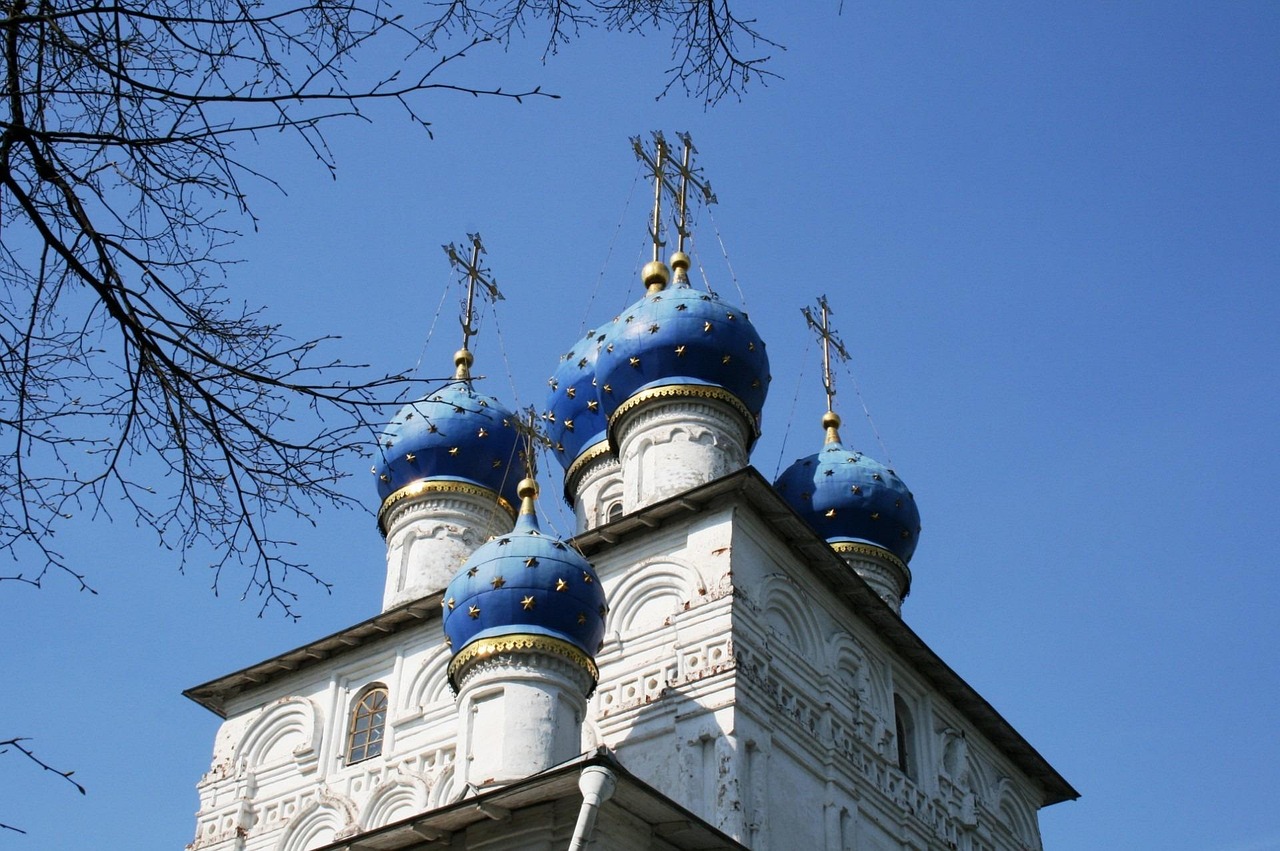
Orthodoxy shaped the whole of Russian culture, its art and architecture, its music and calendar, its sense of itself and its place in the world. The churches with their onion domes, the icons revered as windows to the holy, the solemn and beautiful liturgy, and the great monasteries that were centers of faith and learning all express the depth of the Orthodox heritage in Russian life.
The faith was woven into the life of the people, from the great festivals of the church calendar that marked the year to the rituals surrounding birth, marriage, and death, and the everyday devotion of the Russian home with its icons and its prayers. Orthodoxy was not only a religion but a foundation of Russian identity and culture through the centuries.
The Soviet era brought harsh persecution of religion, with churches closed and destroyed and belief suppressed, yet the Orthodox faith endured through the decades of hardship and revived strongly after the Soviet collapse. Today the Orthodox Church is once again a major presence in Russian life, and the faith remains, for many, at the heart of what it means to be Russian.
The sight of a golden dome above a birch wood still stirs something deep in the Russian imagination. Faith and landscape are bound together in the national feeling.
Traditions and Folk Culture
Alongside the high culture of church and state, the Russians developed a rich folk culture, the traditions of the peasant village carried through the centuries. This world of folk custom, song, dance, and craft, tied to the seasons, the land, and the Orthodox calendar, was the living culture of the great mass of the people and a deep well of the Russian spirit.
Russian folk song and dance are famous, from the melancholy and soulful songs that express the depth of Russian feeling to the lively dances and the music of traditional instruments. The songs of the people, sung at work and at rest, at festivals and in sorrow, carried the emotions and the memory of the Russian countryside across the generations.
Folk custom surrounded the great moments of life and the turning of the year, blending the Orthodox faith with older traditions rooted in the peasant world and the cycles of nature. Weddings, with their elaborate rituals and songs, seasonal celebrations, and the customs of the village, made up a rich tapestry of tradition that shaped the life of the Russian people.
Russian folk art and craft, the painted wooden objects, the embroidery, the carved and decorated things of the peasant home, and famous crafts such as the nested wooden dolls and the painted lacquer and pottery, express the artistry of the people. This folk heritage, of song, custom, and craft, remains a cherished part of Russian culture and identity.
The nested wooden doll and the painted tray are known around the world as tokens of Russia. Humble village crafts became emblems of a whole nation.
Literature, Music, and the Arts
The Russians have given the world one of its greatest traditions of literature, a body of writing admired and read across the whole earth. In the nineteenth century, above all, Russian literature reached extraordinary heights, producing novels, stories, poems, and plays of profound depth that explored the human condition, the questions of faith and morality, and the soul of Russia with unmatched power.
The great Russian writers of that golden age became giants of world literature, their works translated and cherished around the globe, and the Russian novel in particular became a byword for depth, seriousness, and psychological insight. This literary tradition continued into the twentieth century through revolution and repression, producing further great writers and poets even in the hardest times.
Russian music, too, won worldwide fame, from the great composers of the nineteenth and twentieth centuries whose symphonies, operas, and ballets are performed everywhere, to the glory of Russian ballet, opera, and the deep tradition of choral and sacred music. Russian composers and performers stand among the most celebrated in the history of music.
In painting, in the theater, in film, and in the sciences, Russians have made contributions of the first rank, and the culture of Russia, high and folk alike, is one of the great cultures of the world. This heritage of literature, music, and art is among the proudest achievements of the Russian people and one of their greatest gifts to humanity.
Readers in every language have found in Russian novels a mirror of their own inner lives. That a national literature could speak so universally is among its marvels.
The Food of the Russians
Russian food is the hearty, warming cuisine of a northern land, built on grain, vegetables, dairy, fish, and meat, designed to nourish through the long cold winters. Bread, above all the dark rye bread, is central and deeply cherished, and grain in its many forms, including the porridges and kasha of the peasant table, has long been a staple of the Russian diet.
Soups hold a place of honor in Russian cooking, from the famous beetroot soup rich with vegetables to the cabbage soups and the many hearty broths that warm the table in winter. These soups, served with bread and often with soured cream, are at the heart of the Russian meal and among the most beloved of national dishes.
The Russian table is rich in preserved and pickled foods, in cabbage, cucumbers, and mushrooms put up for the winter, in dumplings filled with meat, and in dishes of fish, both fresh and salted. Dairy, especially soured cream and cheeses, features widely, and the famous small pancakes and the filled pastries of Russian cooking are loved across the land.
Tea, drunk throughout the day and traditionally prepared with the urn known as the samovar, is the great Russian drink, a centerpiece of hospitality and daily life. The whole cuisine, hearty and warming, rich in bread, soup, and the preserved bounty of the land, reflects the northern climate and the agricultural life from which the Russian people came.
A loaf of black bread and a bowl of hot soup remain the taste of home to any Russian. Simple, warming food carries the whole comfort of the northern hearth.
Festivals and the Turning Year
The Russian year is marked above all by the great festivals of the Orthodox calendar, which shape the rhythm of celebration through the seasons. The most joyful is Easter, the supreme feast of the Orthodox year, celebrated with midnight services, the greeting of the risen Christ, and festive foods after the long fast, a celebration of profound meaning and joy.
Christmas and the other great feasts of the church punctuate the year, surrounded by their own customs and foods, and the seasons of fasting and feasting shape the calendar of the faithful. Around these Christian festivals cluster older seasonal customs, blending the faith with traditions rooted in the peasant world and the turning of the year.
A beloved festival is the celebration that marks the end of winter and the coming of spring, a week of feasting on pancakes, of merriment and old customs, farewelling the winter before the great fast of Lent. This festival, rich in folk tradition and food, is among the most cherished and joyful in the Russian year.
The Soviet era brought new secular holidays and reshaped the calendar, and the New Year in particular became the great winter festival, celebrated with a decorated tree, gifts, and feasting. Today the Russians keep both the revived festivals of the Orthodox calendar and the holidays of the modern age, marking the turning of their year with a rich blend of faith, folk custom, and modern celebration.
The Making of a State and Nation
The history of the Russians is inseparable from the making of one of the greatest states in the history of the world. From the early realm of Rus and the rise of Moscow, the Russian state grew by gathering the Russian lands and then expanding outward in every direction, across the Urals into Siberia and toward the Pacific, and outward to the west and south, until it spanned northern Eurasia.
Under the tsars this state became a vast multinational empire, drawing hundreds of peoples under Russian rule, an empire of enormous size and diversity with the Russians at its core. Russia became a great power of Europe and the world, its history marked by expansion, by war and reform, and by the meeting of Russian culture with the West.
The early twentieth century brought revolution, the fall of the monarchy, and the creation of the Soviet Union, a new kind of state built on a new ideology, in which Russia was the largest and central part. The Soviet era transformed the country utterly, through industrialization, immense suffering, victory in a terrible war, and the rise of Russia to the rank of a global superpower, before the Soviet state itself collapsed at the century’s end.
Within a single lifetime Russians passed from monarchy through revolution to superpower and beyond. Few peoples have lived through so much history so fast.
From the wreck of the Soviet Union emerged the modern Russian state, the Russian Federation, still the largest country on earth, home to the Russian people and to the many other peoples of the land. Through empire, revolution, and rebirth, the Russians built and rebuilt a state of continental scale, and the story of that state is woven through the whole history of the nation.
The Russians Today
Today the Russians are the largest people of the Russian Federation and one of the major nations of the world, numbering well over a hundred million, the great majority living in Russia with large communities in neighboring countries and a wide diaspora around the globe. They are the core people of a vast and diverse state that stretches across eleven time zones.
The Russian language, one of the great world languages, remains the mother tongue of the people and the common language binding together the many peoples of Russia, a language of literature, science, and culture known far beyond the country’s borders. It stands as one of the foundations of the Russian nation and of its place in the world.
The Orthodox faith has revived strongly since the end of the Soviet era, and the rich culture of the Russians, their literature, music, and art, their folk traditions, their food and festivals, remains a source of deep pride and identity. The Russians are heirs to a thousand years of history, of faith and culture, of triumph and suffering, that has made them one of the great peoples of the world.
With the Russians, the largest and central people of the land, our long journey through the peoples of Russia comes to its close. From the Tatars of the Volga to the Circassians of the Caucasus, from the reindeer nomads of the Arctic to the throat singers at the center of Asia, and now to the great Russian nation itself, we have traveled across a country of astonishing human diversity, a vast tapestry of peoples woven together across the largest land on earth.
That so many peoples and tongues share one country is itself a wonder of the modern world. Our series has tried to give each of them its own voice within that great whole.
You May Like
The Zaza, a Mountain People of Eastern Anatolia