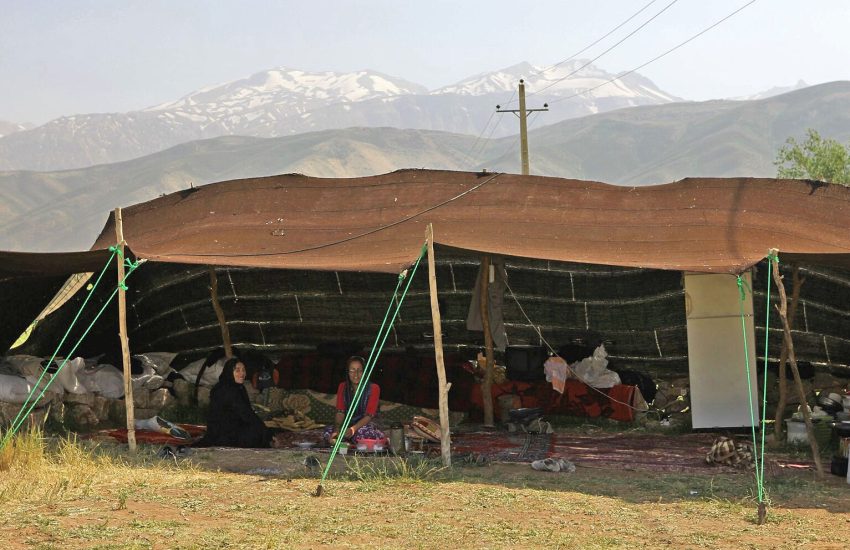
Around the southern shores of what was once the Aral Sea, in the delta of the Amu Darya, live the Karakalpaks, a Turkic people whose name means “black hat” and whose homeland has become the scene of one of the world’s great environmental tragedies. Closely related to the Kazakhs in language and heritage, the Karakalpaks are a distinct people with their own identity, their own epic tradition, and their own autonomous homeland.
A people who lived between the worlds of the nomad, the fisherman, and the oasis farmer along the lower Amu Darya, the Karakalpaks built a culture adapted to the delta, the lakes, and the desert margins. Their fate has been bound, in modern times, to the catastrophic shrinking of the Aral Sea, which has transformed their homeland and their way of life.
This profile completes our survey of Central Asia, following the Karakalpaks along the lines of the series: their origins by the Aral, the meaning of their name, the Kipchak Turkic language, the homeland of the delta, the mixed way of life, the clans, the epic tradition, the crafts, the food, the tragedy of the Aral Sea, and the Karakalpaks today.
- Origins, a People of the Aral
- The Name, the Black Hats
- Language, a Kipchak Turkic Tongue
- The Homeland of the Lower Amu Darya
- Between Nomad, Fisher and Farmer
- Society, Clans and Tribes
- Religion and Belief
- The Epic Tradition and the Jyrau
- Crafts, Yurt and the Carpet
- Food and Dress
- The Tragedy of the Aral Sea
- History and the Karakalpak Today
Origins, a People of the Aral
The Karakalpaks are a Turkic people of the Aral region, formed from the long history of the nomadic and semi-nomadic peoples of the steppes and deltas north of the great oasis civilisations. Their ancestry blends the many Turkic and earlier groups who ranged across the lower Syr Darya and Amu Darya regions.
The people took shape over the medieval and early modern centuries from the confederations of the steppe, closely related to the Kazakhs and the other Kipchak-speaking peoples, settling at last in the delta and around the southern shores of the Aral Sea.
Their early history is bound up with the great nomadic confederations of the region and the movements of peoples around the Aral and along the rivers, a history reconstructed from language, tradition, and the rich epic poetry of the people.
What defined the Karakalpaks was a shared Kipchak Turkic language, a distinctive way of life adapted to the delta and the Aral, and a strong sense of common identity expressed in their tribes and their epic tradition, setting them apart from their Kazakh and Uzbek neighbours.
The Karakalpaks emerged at the meeting point of the steppe and the sown, formed from steppe confederations that drifted toward the watery delta of the Amu Darya and settled along the southern Aral. This origin between two worlds, the open grassland of the nomad and the rich delta of the fisher and farmer, gave the people a character distinct from all their neighbours and shaped the mixed way of life that would define them.
The Name, the Black Hats
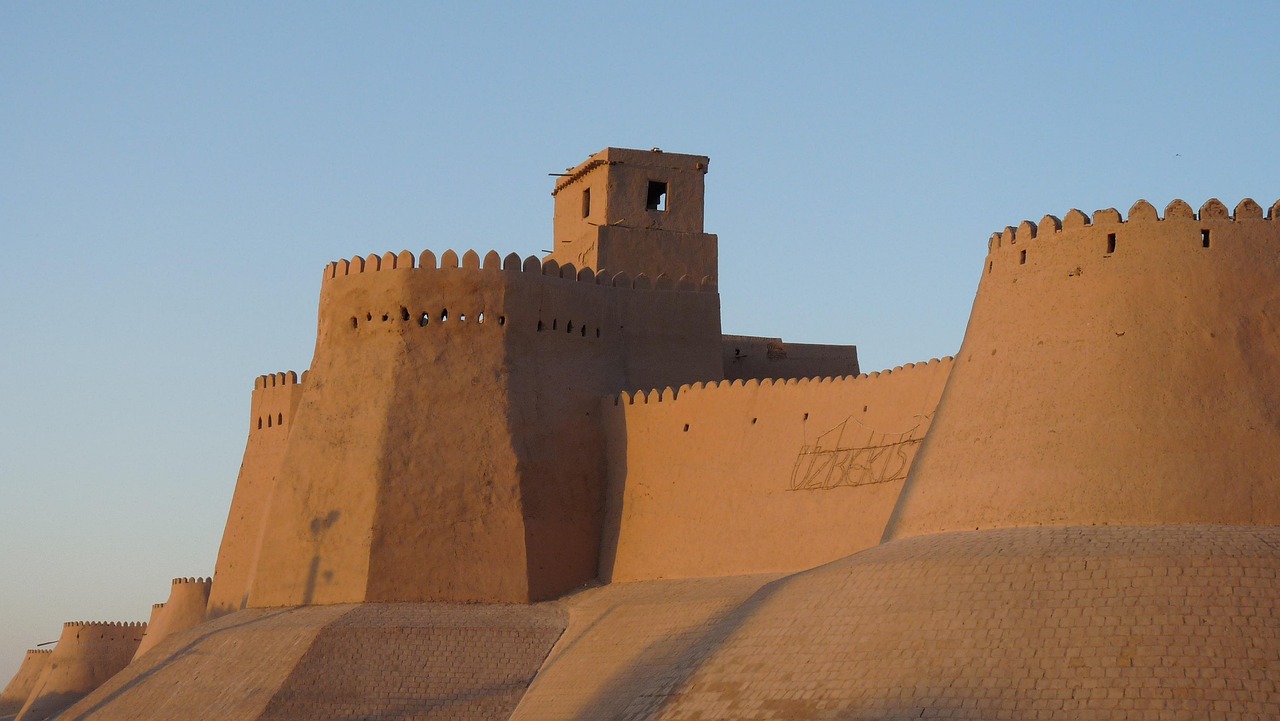
The name Karakalpak means “black hat” or “black cap” in Turkic, a reference to the distinctive black headgear traditionally associated with the people. Such descriptive names, drawn from dress or appearance, are common among the peoples of the steppe.
The name links the Karakalpaks, by some traditions, to older groups recorded in the medieval history of the steppe who bore similar names, though the precise connections are debated. The black hat became the emblem of the people’s identity.
The Karakalpaks were organised into tribes and clans, like their Kazakh kin, reckoned through genealogy that ordered alliance, marriage, and identity, and grouped into larger divisions that structured the society of the delta and the steppe margins.
This tribal structure and the strong sense of distinct identity, expressed in the name and in the epic tradition, gave the Karakalpaks a clear sense of themselves as a people, even as they lived among and were closely related to their larger neighbours.
That a people should be known across the centuries simply as the black hats speaks to how a single striking mark of dress could come to stand for a whole nation on the steppe, where appearance and custom distinguished one confederation from another. The name endured through migrations and upheavals, a small but tenacious badge of identity that the Karakalpaks carried into the modern age.
Language, a Kipchak Turkic Tongue
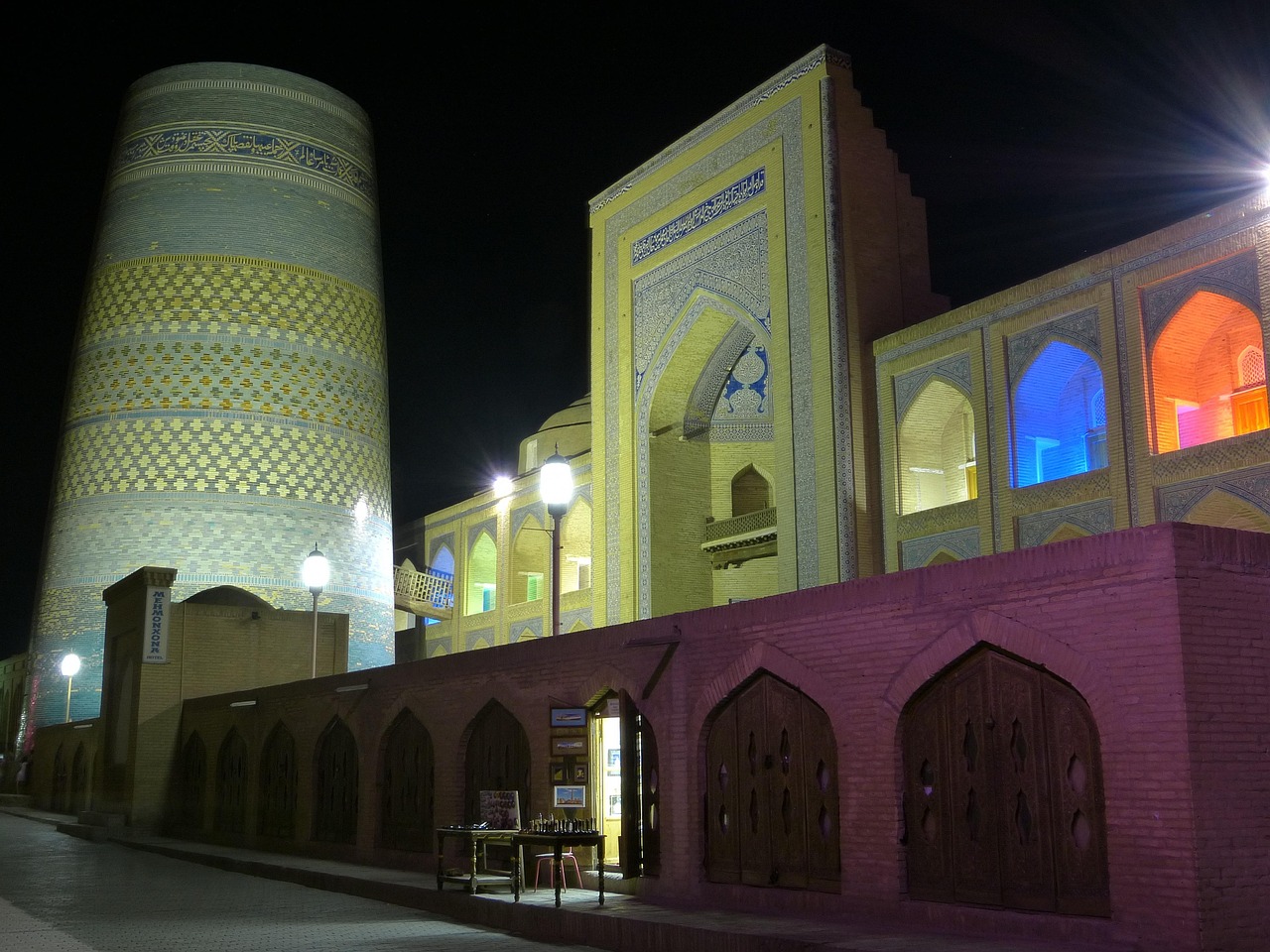
The Karakalpak language belongs to the Kipchak branch of the Turkic family, the same branch as Kazakh, to which it is very closely related, so much so that Karakalpak and Kazakh are largely mutually intelligible. It is distinct, however, in its own features and in the identity of its speakers.
As a Kipchak language, Karakalpak connects its speakers to the Kazakhs, the Kyrgyz, and the other Kipchak Turkic peoples, descended from the speech of the steppe nomads, and distinct from the Karluk language of the Uzbeks among whom the Karakalpaks now live.
The language carries a rich oral literature, above all the great epic poems performed by the bards of the people, which preserve the history, legends, and values of the Karakalpaks across the generations of a largely oral culture.
The language has been written in several scripts over the past century, in Arabic script in earlier times and then in Latin and Cyrillic under Soviet rule, and it remains central to Karakalpak identity within the autonomous republic that bears the people’s name.
The very closeness of Karakalpak to Kazakh, the two being largely mutually intelligible, raises the question of what makes a people distinct, and the answer for the Karakalpaks lies less in language than in their separate history, their delta homeland, and their own epic tradition. They are a reminder that nationhood on the steppe was built as much on shared memory and territory as on the fine distinctions of speech.
The Homeland of the Lower Amu Darya
The Karakalpak homeland is the delta of the Amu Darya, where the great river spread out into a maze of channels, lakes, and reed beds before flowing into the southern Aral Sea. This delta, set amid the surrounding deserts, was a land of water, fish, reeds, and pasture in the midst of the dry plains.
The region forms the autonomous republic of Karakalpakstan within Uzbekistan, the largest region of that country, comprising the delta, the southern Aral, and vast surrounding deserts. Its capital is the city of Nukus, a centre of Karakalpak life and culture.
This was historically a fertile and watery refuge in the desert, the delta supporting fishing, farming, and herding, and the Aral Sea providing fish and a relatively mild environment along its shores, in stark contrast to the arid lands around.
The homeland of delta, lake, and sea shaped the Karakalpaks as a people of mixed livelihood, neither purely nomadic like the steppe Kazakhs nor purely settled like the oasis Uzbeks, but adapted to the unique environment of the lower Amu Darya and the Aral.
The delta of the Amu Darya was, for centuries, a green and watery world set like an island in the surrounding deserts, its lakes and channels teeming with fish and its reed beds and pastures supporting a dense and varied life. This abundance, so unexpected in the heart of arid Central Asia, was the foundation of the Karakalpak world, and its later destruction would strike at the very roots of the people’s existence.
Between Nomad, Fisher and Farmer
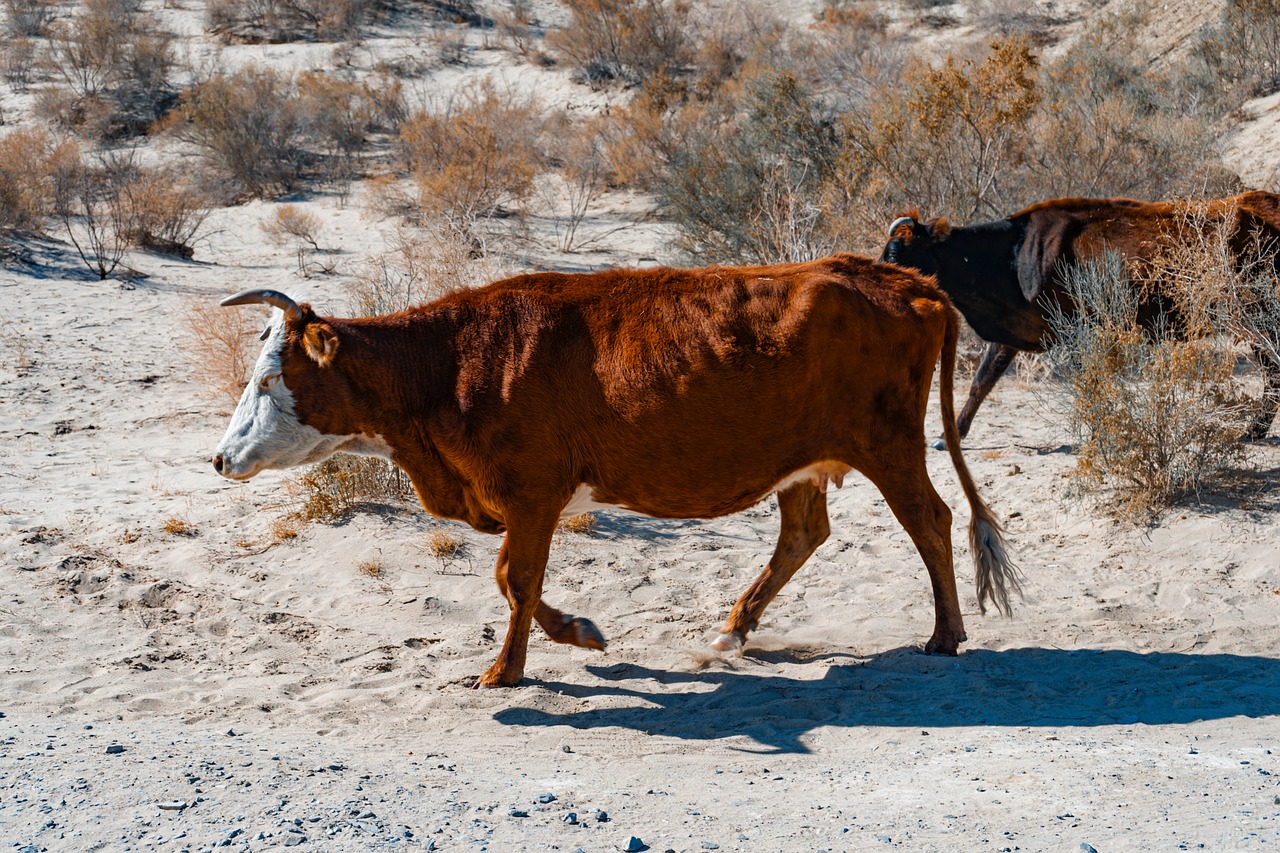
The Karakalpaks lived a distinctive mixed way of life, combining elements of the nomadic herding of their Kazakh kin with the fishing of the Aral and the delta lakes and the farming of the watered land. This blend reflected the unique environment of their homeland.
Herding of livestock on the pastures of the delta and steppe margins, fishing in the Aral and the lakes and channels of the delta, and the cultivation of crops on the irrigated land together formed the economy of the Karakalpaks, a people of land and water alike.
This combination set the Karakalpaks apart from both the pure nomads and the pure oasis farmers, giving them a way of life finely adapted to the delta, where the resources of pasture, water, and field could all be drawn upon.
The yurt of the herder, the boat and net of the fisher, and the field of the farmer all featured in Karakalpak life, a versatile economy that depended utterly on the water of the Amu Darya and the Aral Sea.
The combination of herding, fishing, and farming in a single culture made the Karakalpaks unusual among the peoples of Central Asia, who tended to be either nomads of the steppe or settled folk of the oases. This versatility, born of the delta’s mingling of pasture, water, and field, allowed the Karakalpaks to draw a living from every part of their environment, and it made the loss of the water all the more devastating.
Society, Clans and Tribes
Karakalpak society was organised through tribes and clans, reckoned through genealogy in the manner of the steppe peoples, and grouped into larger divisions. Clan and tribe ordered marriage, alliance, and identity, and the bonds of kinship structured social life.
As among the Kazakhs, the knowledge of one’s descent and tribe was important, and the tribal structure provided a framework of unity and belonging for a people spread across the delta and the surrounding lands.
Cooperative labour, the authority of elders, and the bonds of clan and kin held the communities together, managing the herding, fishing, and farming on which the mixed economy depended through the seasons.
This tribal and clan structure, shared with the wider world of the Kipchak Turkic peoples, gave the Karakalpaks a social organisation rooted in the steppe heritage even as their way of life adapted to the particular environment of the delta and the Aral.
The persistence of tribal and clan structures among the Karakalpaks, as among their Kazakh kin, provided a durable framework of identity and mutual support that survived the upheavals of conquest and the Soviet century. The reckoning of descent and the loyalty to kin bound a scattered people together and preserved a sense of belonging that no political boundary could erase.
Religion and Belief
The Karakalpaks are predominantly Sunni Muslims, sharing the faith of their Central Asian neighbours, Islam having spread among them over the centuries and blended, as among the other formerly nomadic peoples, with older customs and traditions.
Beneath and alongside Islam survived elements of the older beliefs of the steppe, including reverence for nature and ancestors and practices linked to the pre-Islamic spiritual world of the Turkic peoples, woven into the fabric of religious life.
The veneration of holy places and the practices of folk Islam featured in Karakalpak religious life, alongside the formal observances of Sunni Islam, reflecting the gradual and layered spread of the faith among the people.
Under Soviet rule religion was suppressed, but Islam survived rooted in Karakalpak culture and identity, and the religious traditions form part of the heritage of the people within their autonomous homeland.
As with the other formerly nomadic peoples of the region, Islam came to the Karakalpaks gradually and settled over an older substratum of steppe belief, producing a faith in which mosque and ancestral custom, formal observance and folk practice, existed side by side. This layered religious world reflected the long journey of the people from the open steppe toward the settled life of the delta.
The Epic Tradition and the Jyrau
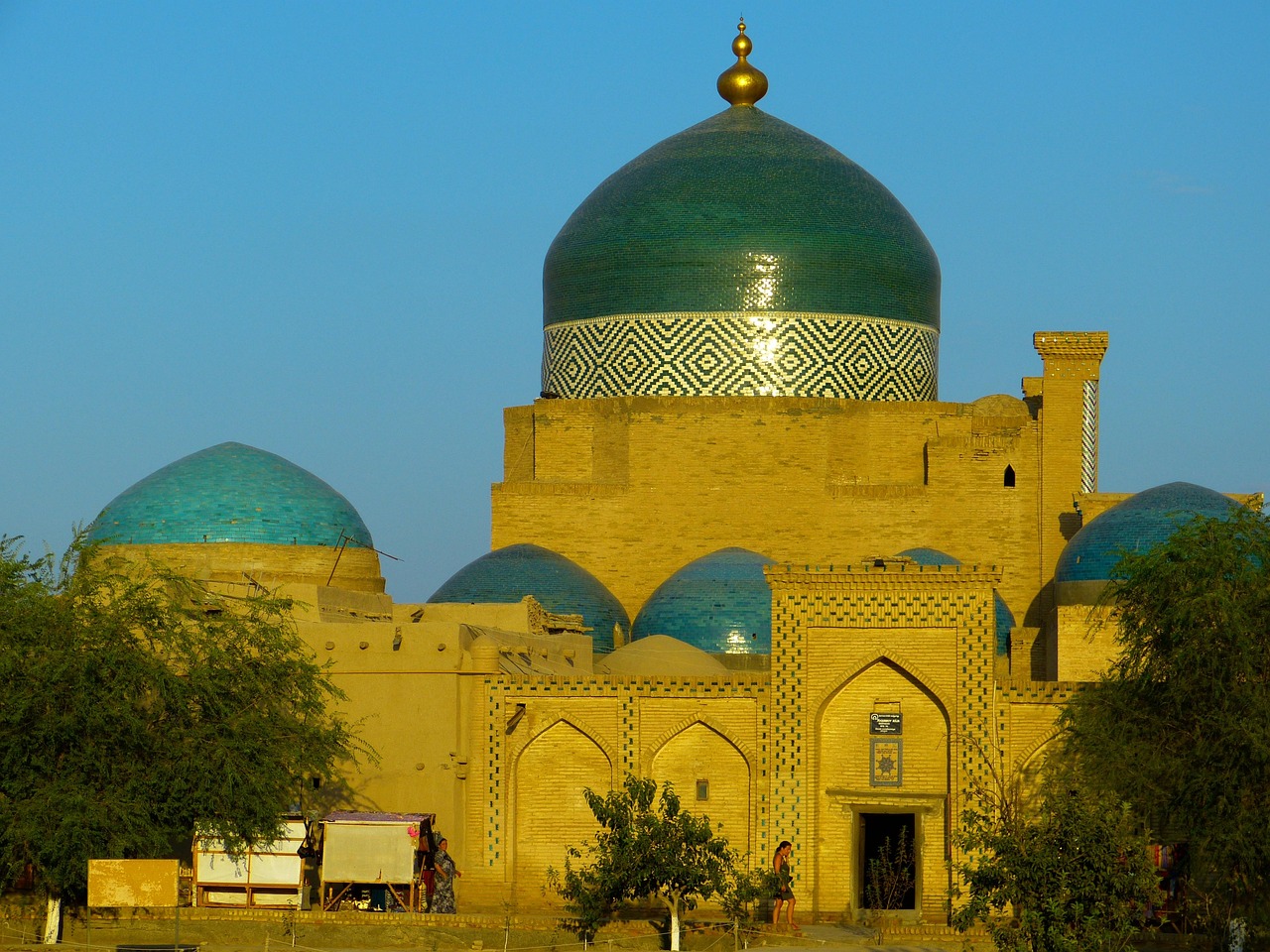
The Karakalpaks are famed for their rich tradition of epic poetry, among the most celebrated aspects of their culture. Great epic poems recounting the deeds of heroes, the history of the people, and the legends of the steppe were preserved and performed by the bards.
The bards and singers of the epics, the jyrau and baqsy, held the great poems in memory and performed them to musical accompaniment, often in a powerful, declamatory style. They were the keepers of the oral history and the cultural memory of the people.
These epics, among them celebrated poems known across the Turkic world, preserved the values, history, and identity of the Karakalpaks, binding the tribes and the generations through the deeds of heroes and the words of the bards.
The epic tradition stands at the heart of Karakalpak culture and identity, honoured as a national heritage, a living link to the steppe past and the foundation of the people’s sense of themselves as a distinct nation.
The Karakalpak epic tradition, carried by the jyrau in powerful sung recitation, ranks among the great oral literatures of the Turkic world, preserving across centuries the history, heroes, and values of the people. In a society that long depended on memory rather than the written page, these bards were the living archive of the nation, and their art remains a cherished emblem of Karakalpak identity.
Crafts, Yurt and the Carpet
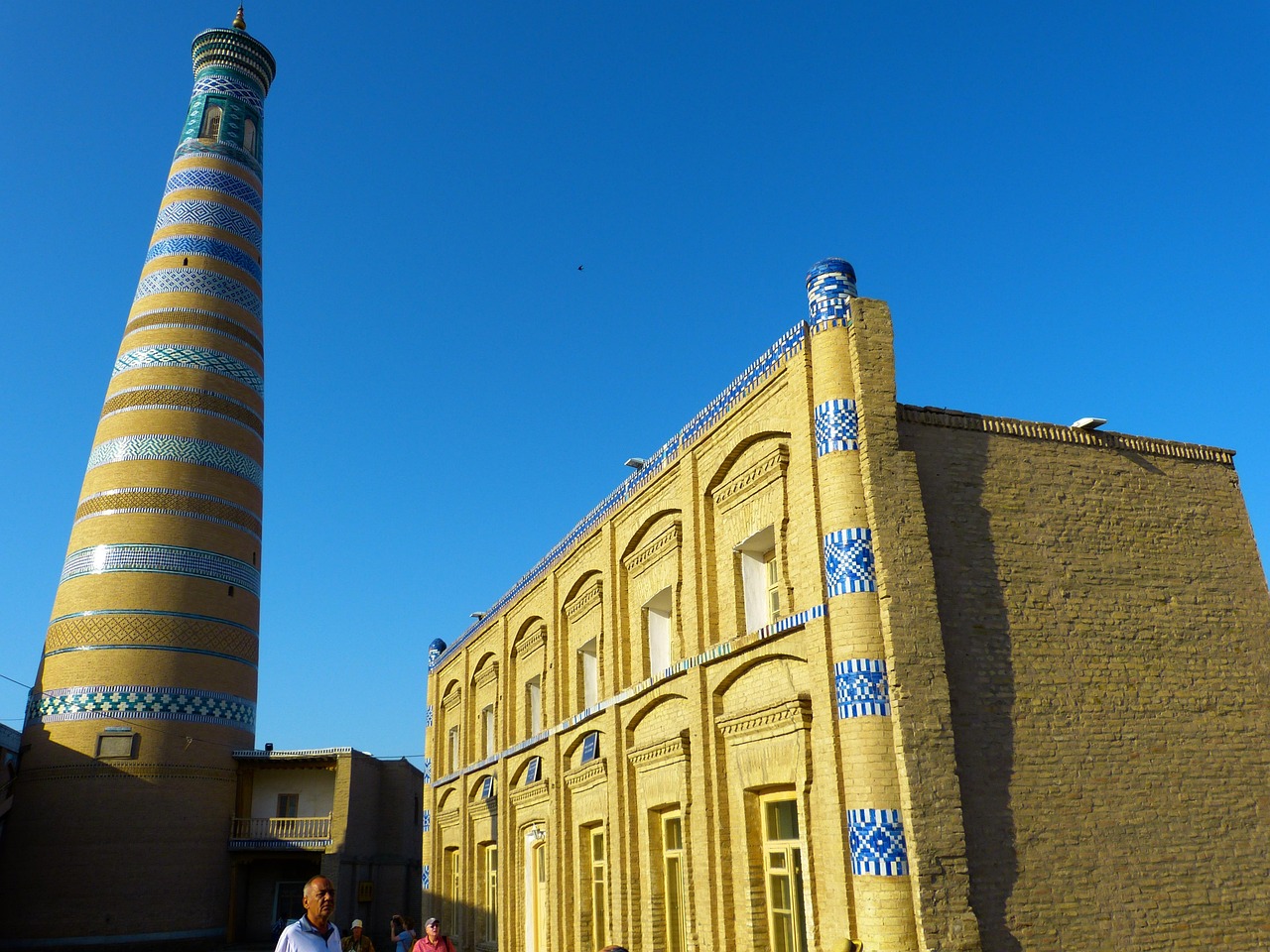
The Karakalpaks, like their steppe kin, lived in the yurt, the round felt tent, and the making of felt, the weaving of carpets and textiles, and the crafting of the wooden frame were developed arts, producing the furnishings and decoration of the nomadic dwelling.
Carpet and textile weaving, embroidery, and the decorative arts reflected the heritage of the steppe and the particular traditions of the Karakalpaks, with their own distinctive patterns and designs adorning the yurt and the dress of the people.
The reeds of the delta provided material for mats, baskets, and other goods, and the resources of land and water shaped a material culture adapted to the unique environment of the Amu Darya delta and the Aral shore.
The crafts of felt, carpet, embroidery, and reed, passed down through the generations, are among the expressions of Karakalpak culture, reflecting both the steppe heritage and the distinctive environment of the delta homeland.
The decorative arts of the Karakalpaks, their carpets, felts, embroideries, and the reed crafts drawn from the delta, blended the inherited patterns of the steppe with motifs and materials particular to their watery homeland. These crafts turned the practical goods of a mixed herding, fishing, and farming life into objects of beauty that expressed the distinct heritage of the people.
Food and Dress
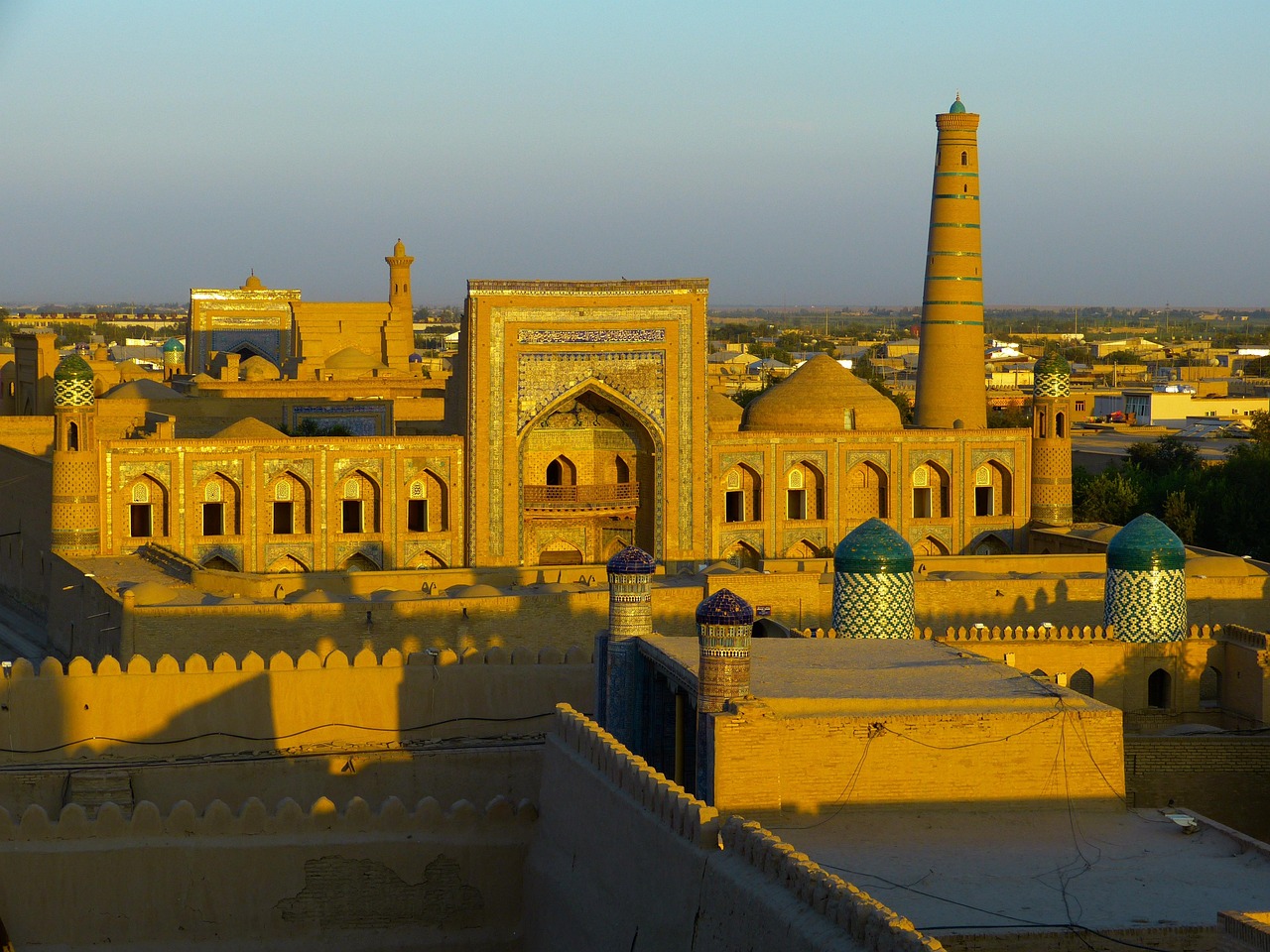
The Karakalpak table reflected the mixed economy of the people, combining the meat and milk of the herder with the fish of the Aral and the delta and the grain and produce of the farmed land. Fish was a distinctive and important part of the diet, unusual among the peoples of Central Asia.
Dishes of meat, fish, and grain, with the bread and dairy common to the region, formed the cuisine, reflecting the resources of pasture, water, and field that the delta provided. Tea and hospitality featured as throughout Central Asia.
Traditional dress reflected the steppe heritage and the particular traditions of the Karakalpaks, including the distinctive headgear and the embroidered garments and silver ornaments of the women, with their own characteristic styles and designs.
The cuisine and dress of the Karakalpaks expressed their unique position among the peoples of Central Asia, a people of land and water whose culture drew on both the steppe and the delta, the herd and the fishery.
The prominence of fish in the Karakalpak diet, drawn from the once-bountiful Aral and the lakes of the delta, set their cuisine apart in a region where meat and milk or bread and pilaf prevailed. This taste for the fruits of the water, so central to the old way of life, became one more casualty of the drying of the sea, as the fisheries that had fed the people for generations collapsed.
The Tragedy of the Aral Sea

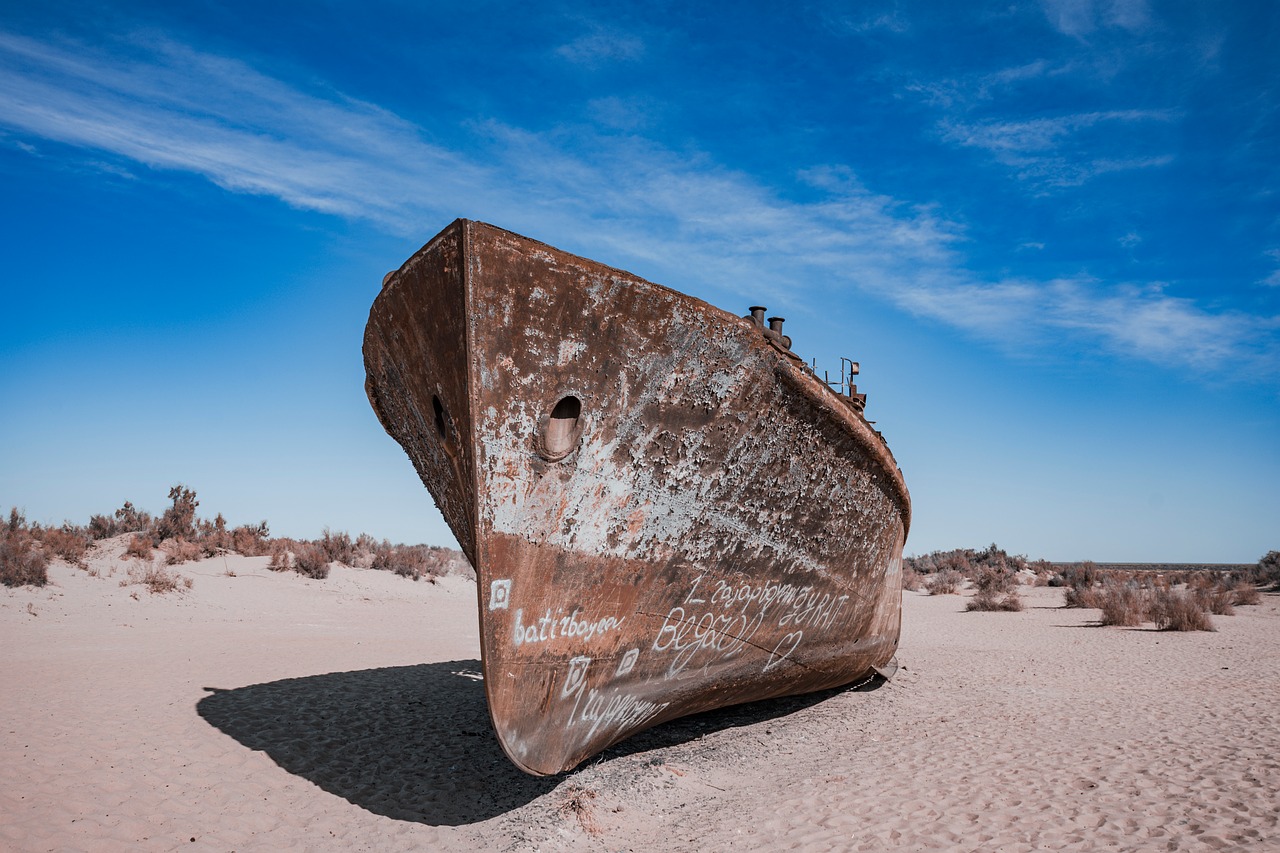
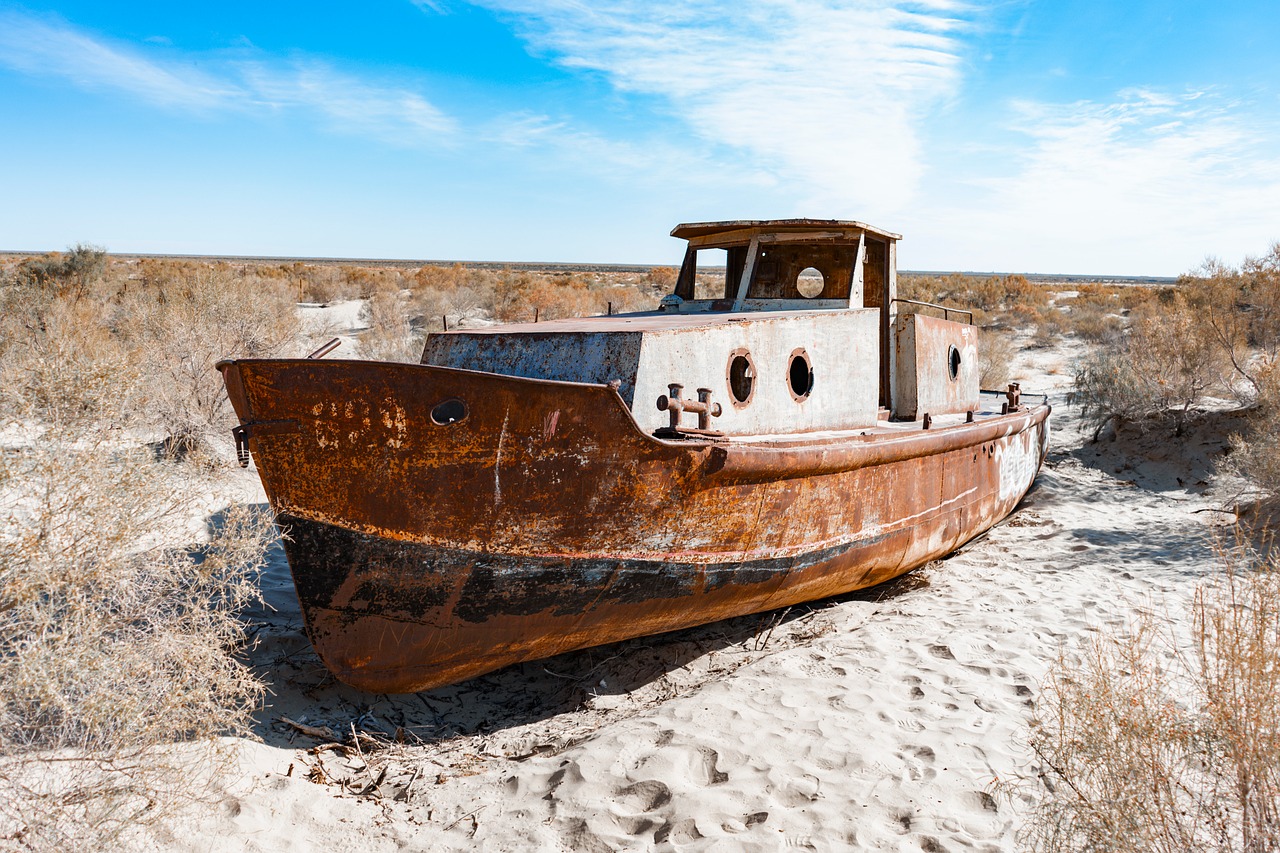
The modern history of the Karakalpaks has been overshadowed by one of the greatest environmental catastrophes in human history: the destruction of the Aral Sea. Once one of the largest lakes in the world, the Aral has shrunk to a fraction of its former size, devastating the Karakalpak homeland.
The catastrophe was caused by the diversion of the waters of the Amu Darya and Syr Darya for the irrigation of cotton during the Soviet era, which starved the Aral of its inflow. Over the following decades the sea shrank dramatically, its waters retreating and its bed turning to salt desert.
The consequences for the Karakalpaks were devastating. The fishing industry that had sustained the people collapsed as the sea retreated and grew salty, the climate of the region worsened, and salt and dust storms from the exposed seabed brought disease and ruin to the delta.
The drying of the Aral transformed the Karakalpak homeland from a fertile land of water and fish into a region of ecological disaster, public health crisis, and economic collapse, a tragedy that has marked the people profoundly and driven many from their land.
The destruction of the Aral Sea stands as a stark warning of what human intervention can do to an entire ecosystem and the people who depend on it, for in the span of a few decades a great inland sea was reduced to a poisoned remnant ringed by salt desert. For the Karakalpaks, who had lived by its waters, the catastrophe was not an abstract environmental statistic but the unmaking of their world, their livelihoods, and their health.
History and the Karakalpak Today
The Karakalpak lands came under Russian and then Soviet rule, and under the Soviet Union the autonomous republic of Karakalpakstan was created, eventually placed within Uzbekistan, where it remains as the country’s largest and most distinctive region, with its capital at Nukus.
Today the Karakalpaks are the titular people of the autonomous republic of Karakalpakstan within Uzbekistan, their homeland scarred by the Aral disaster and their economy and society struggling with its consequences, even as efforts are made to address the catastrophe and revive the region.
Cultural life centres on the Karakalpak language, the celebrated epic tradition, the crafts and music of the people, and the institutions of their autonomous republic, alongside the famous art museum at Nukus that preserves a remarkable collection. Like the Kazakhs and the other peoples of the region, the Karakalpaks hold to a distinct identity.
In the words of the epic bards, the patterns of the carpet, the memory of the once-great Aral Sea, and the resilience of a people who lived between the steppe and the water, the Karakalpaks continue to tell a story unlike any other in Central Asia—the story of the black-hatted people of the delta, who endured the loss of their sea and held to their heritage on the shores of the vanished Aral.
The remarkable art museum at Nukus, which preserved a great collection of avant-garde painting through the Soviet decades, has become an unlikely symbol of Karakalpak resilience and a magnet for visitors to this remote region. Alongside it, the epic tradition, the language, and the institutions of the autonomous republic sustain a distinct Karakalpak identity even amid the long shadow of the Aral disaster.
You May Like
The Zaza, a Mountain People of Eastern Anatolia