In the northern Caucasus, in valleys crowded with ancient stone towers, live the Ingush, one of the smallest and yet most distinctive of the peoples of Russia. Closely tied to their Chechen kin, they are a mountain people whose homeland is famous for the medieval towers that rise from nearly every high valley, monuments to a whole civilization built in stone.
The Ingush call themselves Ghalghai, a name bound up with those very towers. Together with the Chechens they form the Vainakh, our people, sharing a language, a heritage, and a code of honor. They are Sunni Muslims, deeply attached to clan and kin, and proud of a history and identity that has survived tremendous hardship.
This article is part of our Folks series on the peoples of Russia, and it tells the story of the Ingush from their ancient beginnings to the present. We will look at their origins, their name and Vainakh bond, their language, their homeland, their old way of life, their clan society, their faith, their code of honor, their famous towers, their food, their festivals, their history under the Russian state, and who the Ingush are today.
- The Origins of the Ingush
- The Name and the Vainakh Bond
- The Ingush Language
- A Homeland of Towers and Peaks
- The Old Way of Life
- Clan and Society
- Faith Among the Ingush
- Traditions and the Code of Honor
- The Towers of the Ingush
- The Food of the Ingush
- Festivals and Gatherings
- Under the Russian State
- The Ingush Today
The Origins of the Ingush
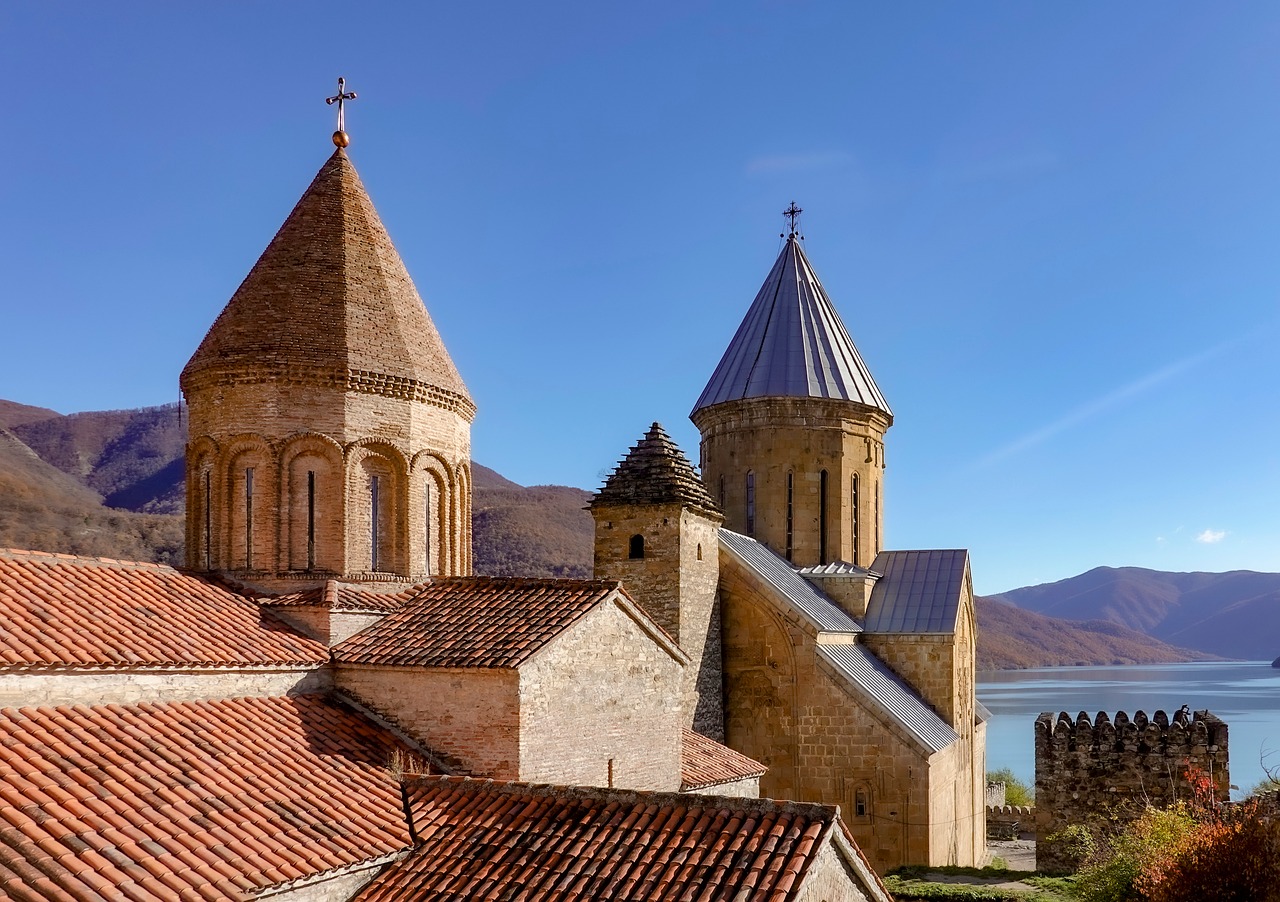
The Ingush are among the most ancient peoples of the Caucasus, native to the mountains and foothills of the northern range. Along with the Chechens they belong to the Nakh branch of the old Caucasian peoples, descendants of communities that have lived in these valleys since deep prehistory, distinct from the Turkic, Slavic, and Iranian peoples who came to the region later.
Their mountain valleys hold the traces of thousands of years of continuous settlement, from ancient farming and herding societies through the great age of tower building that filled the highlands with stone. The Ingush did not migrate into their land from elsewhere; they emerged from it, shaped over countless generations by the mountains that surround them.
The stone towers scattered through their valleys are the visible record of this deep past, some of them centuries old and still standing. Few peoples can point to their history so literally written across the land.
For most of their history the Ingush lived in the high mountain valleys, beyond the reach of the empires that rose on the plains. Organized around clan and community rather than under kings, they kept their freedom and their own way of life while powers came and went in the lowlands below.
This long age of mountain freedom left the Ingush with a fierce sense of self-rule that no later conquest could erase. They remembered always that they had once answered to no one.
In later centuries the Ingush moved down from the mountains onto the plains at the foot of the range, founding villages on the better farmland. This descent brought them into closer contact with the wider world, and eventually with the expanding Russian Empire, but their identity had already been shaped in the high valleys of the towers.
Yet even as they settled the plains, the Ingush kept their ties to the mountain valleys, returning to them for refuge, remembrance, and the great occasions of family life. The high country never stopped being home.
The Name and the Vainakh Bond
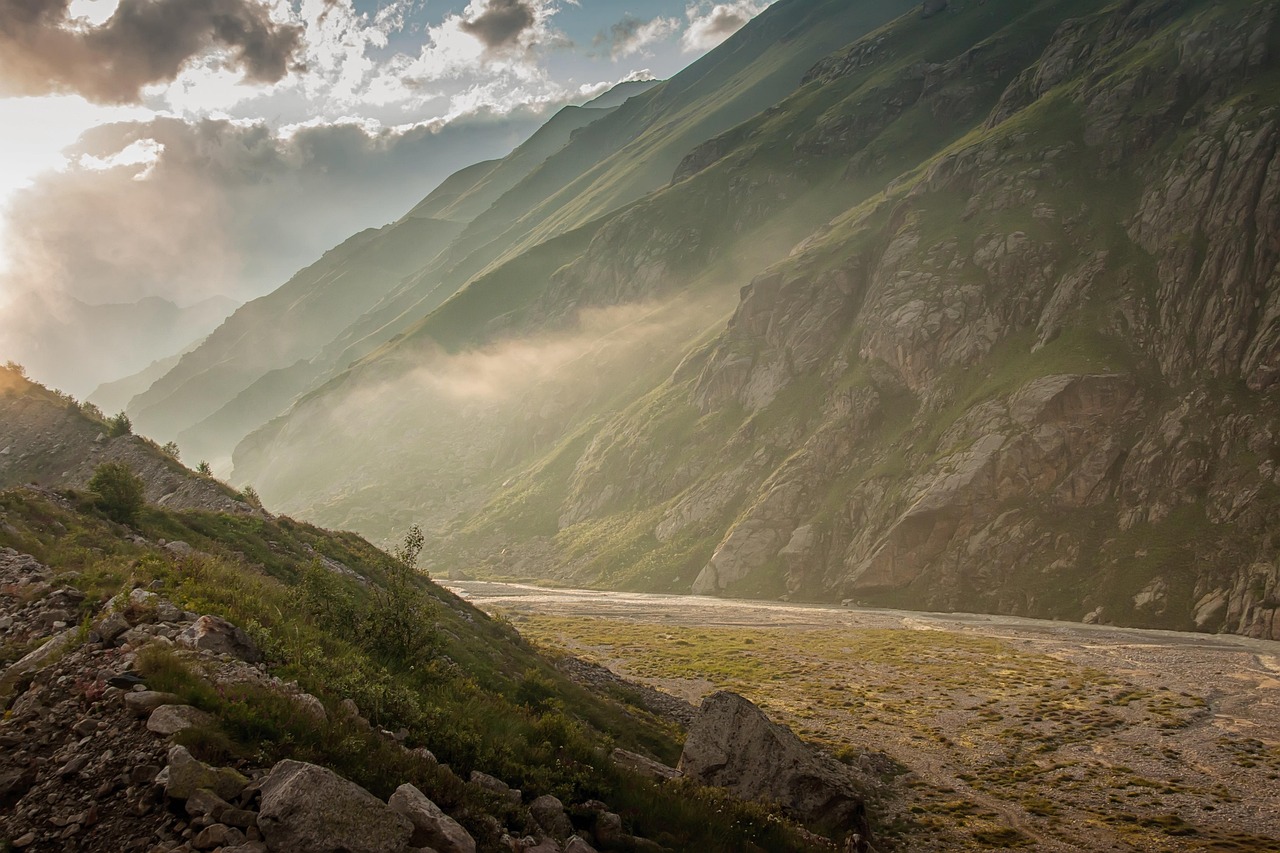
The Ingush call themselves Ghalghai, a name traditionally linked to the word for the towers and fortified dwellings that fill their homeland, so that the people are, in a sense, the people of the towers. It is a name that captures the deep bond between the Ingush and the stone architecture that defines their valleys.
The name Ingush, used in Russian and internationally, comes from the name of a historic village on the plain, which outsiders extended to cover the whole people. This pattern, an outside name drawn from one place standing for an entire nation, is common in the Caucasus and elsewhere among the peoples of Russia.
The Ingush and the Chechens together call themselves Vainakh, our people, and the closeness between them is profound. Their languages are near enough to be mutually intelligible in large part, their customs and code of honor are shared, and they are often described as two branches of a single Nakh people divided by history rather than by any deep difference.
This Vainakh kinship sits at the heart of Ingush identity, a bond of brotherhood with the Chechens that no border has ever truly broken. At the same time the Ingush hold firmly to their own distinct identity, their own history and homeland, standing as a people in their own right within the great Vainakh family.
Ingush pride in this distinct identity has only grown through the trials of their history, and they cherish their own name, republic, and traditions. Brotherhood with the Chechens and their own nationhood live side by side.
The Ingush Language
The Ingush language belongs to the Nakh branch of the Caucasian languages, very closely related to Chechen. The two are so near that speakers can understand a great deal of one another’s speech, and together with the more distant tongues of Dagestan they form part of the ancient language world of the northeastern Caucasus, unrelated to the languages of the peoples around them.
Like its Nakh relatives, Ingush is known for a rich system of sounds and a complex grammar that mark it as one of the intriguing languages of the Caucasus. It is spoken by a few hundred thousand people, making it one of the smaller languages of Russia, though it remains the living everyday tongue of the Ingush people.
Poets and storytellers have long carried the language at its richest, and modern writers work to keep it alive on the page. A written literature, however modest, gives a small language a firmer footing.
For centuries the language of religion and learning among the Ingush was carried in the Arabic script alongside the faith of Islam. In the modern era the writing system moved, as with so many languages of Russia, first to a Latin alphabet and then to Cyrillic, which is used today for the written Ingush language.
Ingush survives as the language of the home and the community, taught in schools in Ingushetia and used in local media. As one of the smaller languages of Russia it faces the constant pressure of Russian, and its future depends, as ever, on families continuing to pass the mother tongue to their children alongside the language of the wider state.
Efforts to strengthen Ingush include local publishing, broadcasting, and cultural work, but the small size of the community makes the task harder. Every family that keeps the language is a pillar holding it up.
A Homeland of Towers and Peaks
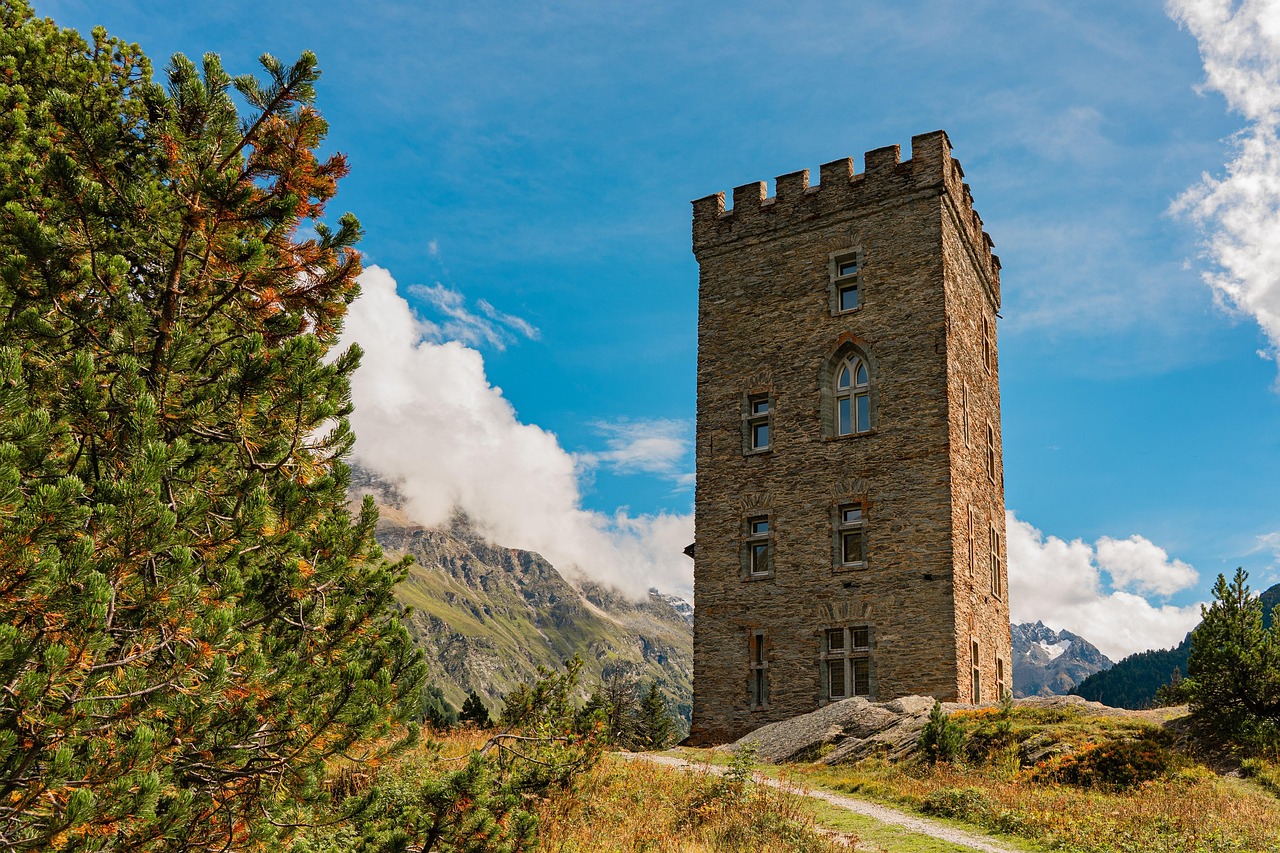
The Ingush homeland lies in the northern Caucasus, a small land stretching from plains at the foot of the mountains up into the high valleys of the Greater Caucasus range. Though small, it is a land of striking beauty and drama, from open farmland below to steep gorges, alpine meadows, and snow-capped peaks in the mountainous south.
The mountain valleys of the south are the ancient heart of the Ingush world, and it is here that the famous towers stand in their greatest numbers, whole complexes of stone rising from the slopes. These highlands were the refuge and the stronghold of the people, nearly impossible for outside armies to subdue, the fortress to which the Ingush always returned.
Over the centuries the Ingush spread down onto the plains at the mountains’ foot, where the better soil allowed more farming and larger villages. This lowland belt became the modern center of Ingush life, more populous and more open, while the mountain valleys kept their role as the spiritual and historic heartland.
The whole land, from the plains through the forested foothills to the high peaks, is woven into Ingush identity, but it is the towers of the mountain valleys that stand as its greatest symbol. To picture the Ingush homeland is to picture those slender stone towers rising against the mountains, guarding the valleys as they have for centuries.
Today these tower complexes draw visitors and scholars, and they have been recognized as a heritage of rare value. For the Ingush themselves they are far more than monuments; they are the signature of the nation.
The Old Way of Life
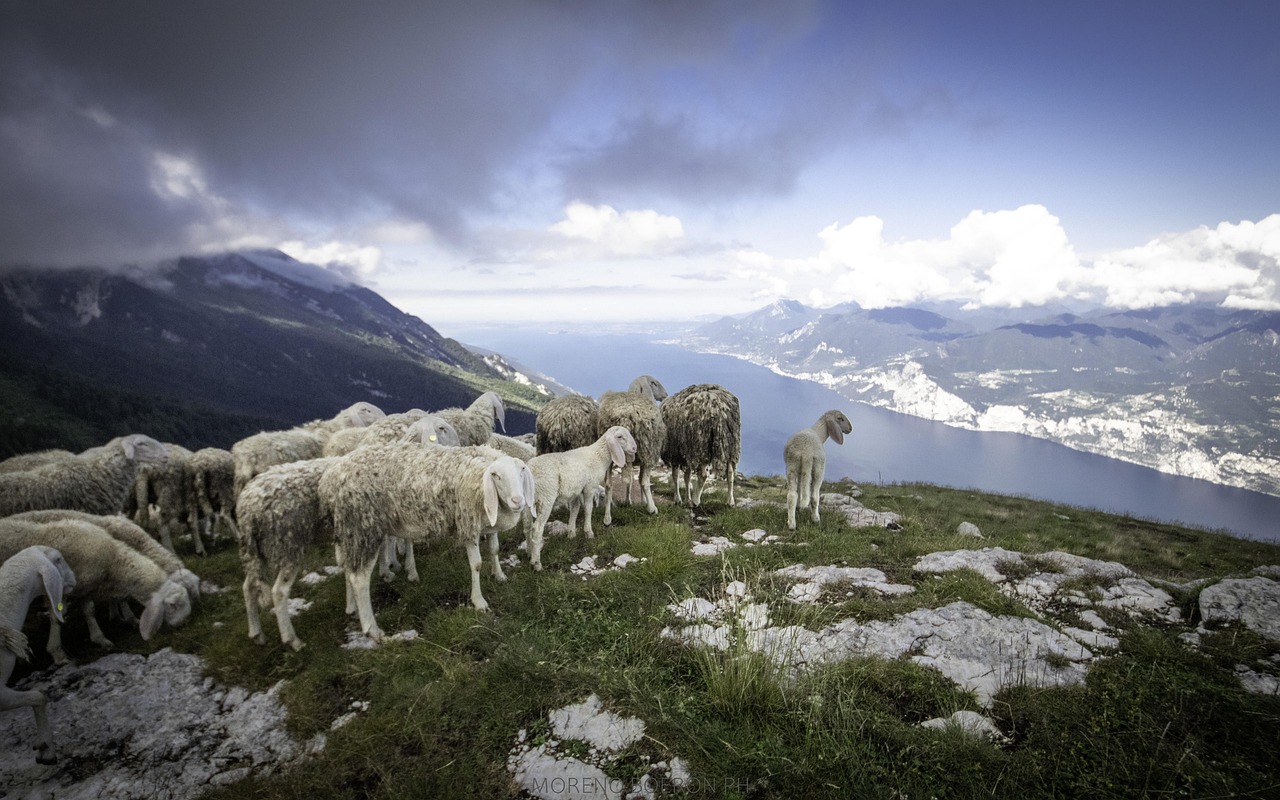
The old Ingush way of life rested on herding in the mountains and farming on the plains and in the valleys. Sheep and cattle were driven up to the high summer pastures and down again for the winter in the age-old rhythm of the mountains, giving wool, meat, milk, and cheese, while on the better lowland soil people grew grain, maize, and other crops.
Every family worked the land and kept animals, and self-reliance was the rule in the free mountain communities. Wealth was counted in livestock and in the strength and honor of one’s family and clan, and hard work on difficult ground earned the respect of the community. Terraced fields and stone-walled plots wrung a living from the steep slopes.
The forests and mountains added their own bounty, timber and game, wild fruits and honey, and the rivers gave water and fish. From this varied land the Ingush drew a modest but sufficient living, supporting communities that endured in the high valleys for century after century.
Storehouses and mills served the mountain villages, and every household aimed at getting by on its own. To depend on no one was both a practical necessity and a point of pride.
Above all, life was organized around family and clan rather than around any state. There were no lords or nobles ruling over the free communities; decisions were made by councils and by custom, and the equality of free men was a cherished principle. This deep tradition of freedom lay at the very core of the Ingush way of life.
This ingrained love of freedom made the Ingush, like their Chechen kin, a people who never took easily to being ruled from outside. Independence was not a policy but a part of their very character.
Clan and Society
Ingush society, like that of the Chechens, is built around the clan, a large kin group tracing descent from a common ancestor. Every Ingush belongs to such a clan, and these kin groups form the framework of society, giving each person identity, support, and protection. Loyalty to one’s clan was among the strongest of all bonds.
There was no ruling aristocracy over the free clans. Ingush society prized the equality of its men, and standing came from respect earned through wisdom, courage, and generosity rather than from inherited rank. Leadership fell to those the community trusted, and important matters were settled by councils of elders and by long-established custom.
The clan stood behind each of its members in disputes and in times of trouble, giving great strength and security. But this same solidarity carried the danger of the feud, in which an injury to one member could bind whole clans in cycles of revenge, and much of custom and the work of mediators was devoted to containing and ending such quarrels.
Binding society together was a shared code of honor and conduct that governed how people should live. The clan system, the councils of elders, the equality of free men, and the code of honor made Ingush society remarkably resilient, able to survive the loss of villages and even of the homeland itself by carrying its structure in the hearts of its people.
When the nation was torn from its homeland and scattered in exile, it was this clan structure and shared code that held the Ingush together as a people. Society traveled with them and brought them home again.
Faith Among the Ingush
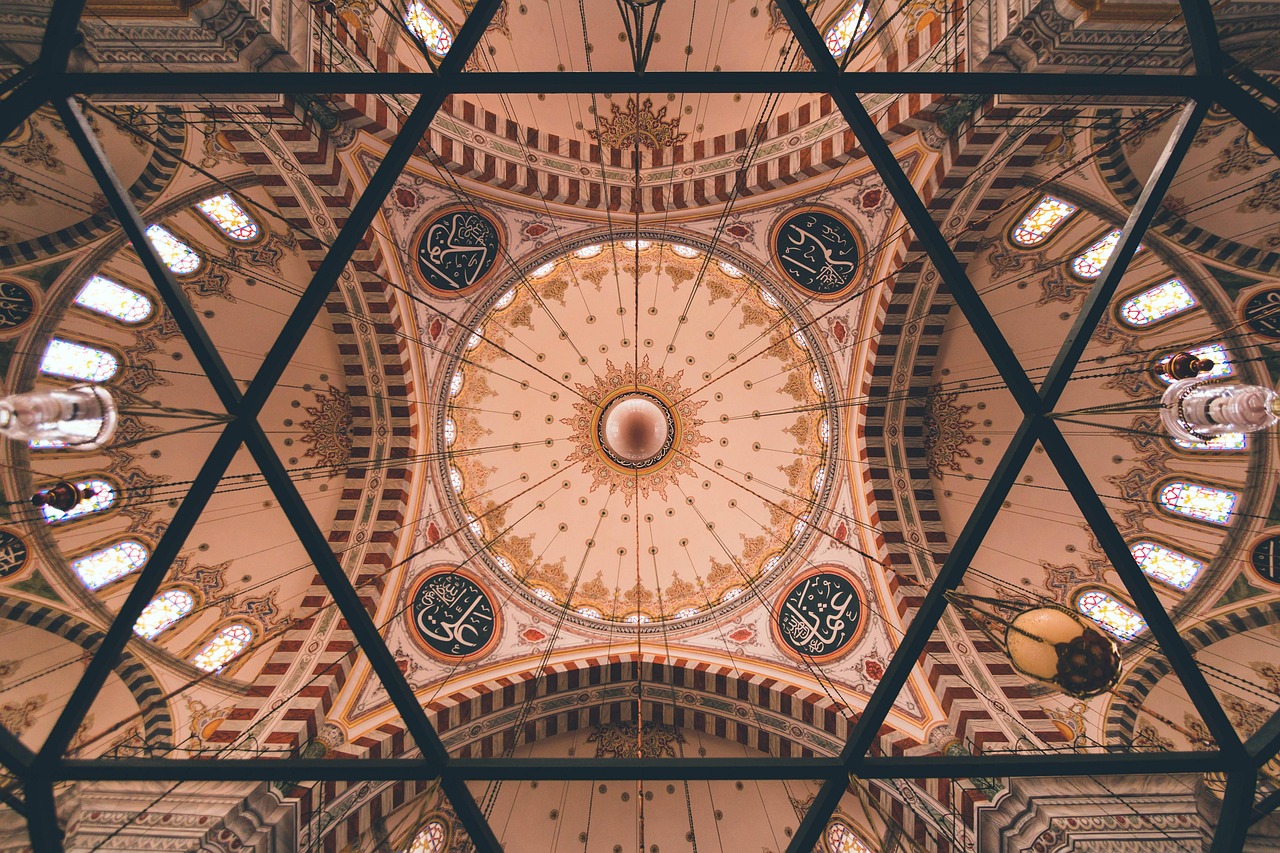
The Ingush are Sunni Muslims, and Islam is central to their identity. The faith reached the Ingush later than some of their neighbors, spreading fully through the people in the course of the last few centuries, but once established it took deep root and became woven into every part of Ingush life and self-understanding.
Ingush Islam, like that of the Chechens, has been shaped by Sufism, the mystical tradition of brotherhoods and spiritual teachers. Sufi orders spread through the region and gave the faith much of its communal character and its power to organize and unite people, and belonging to a brotherhood became part of belonging to the community itself.
Faith and identity grew together, and in the hardest times of their history the Ingush found in Islam a source of strength, endurance, and unity. Religion offered comfort and cohesion through conquest, exile, and upheaval, and the faith became inseparable from the sense of who the Ingush are.
Through the decades of Soviet rule, when religion was suppressed and the people endured deportation and hardship, the Ingush held to their faith in private, keeping it alive through the worst of times. When freedom of religion returned, Islam flourished again openly, and today mosques rise across Ingushetia and the faith remains a cornerstone of Ingush life.
The revival of religious learning and the rebuilding of mosques after the Soviet years came swiftly, a sign of how deeply the faith had endured beneath the surface. Islam had waited out the decades of pressure intact.
Traditions and the Code of Honor
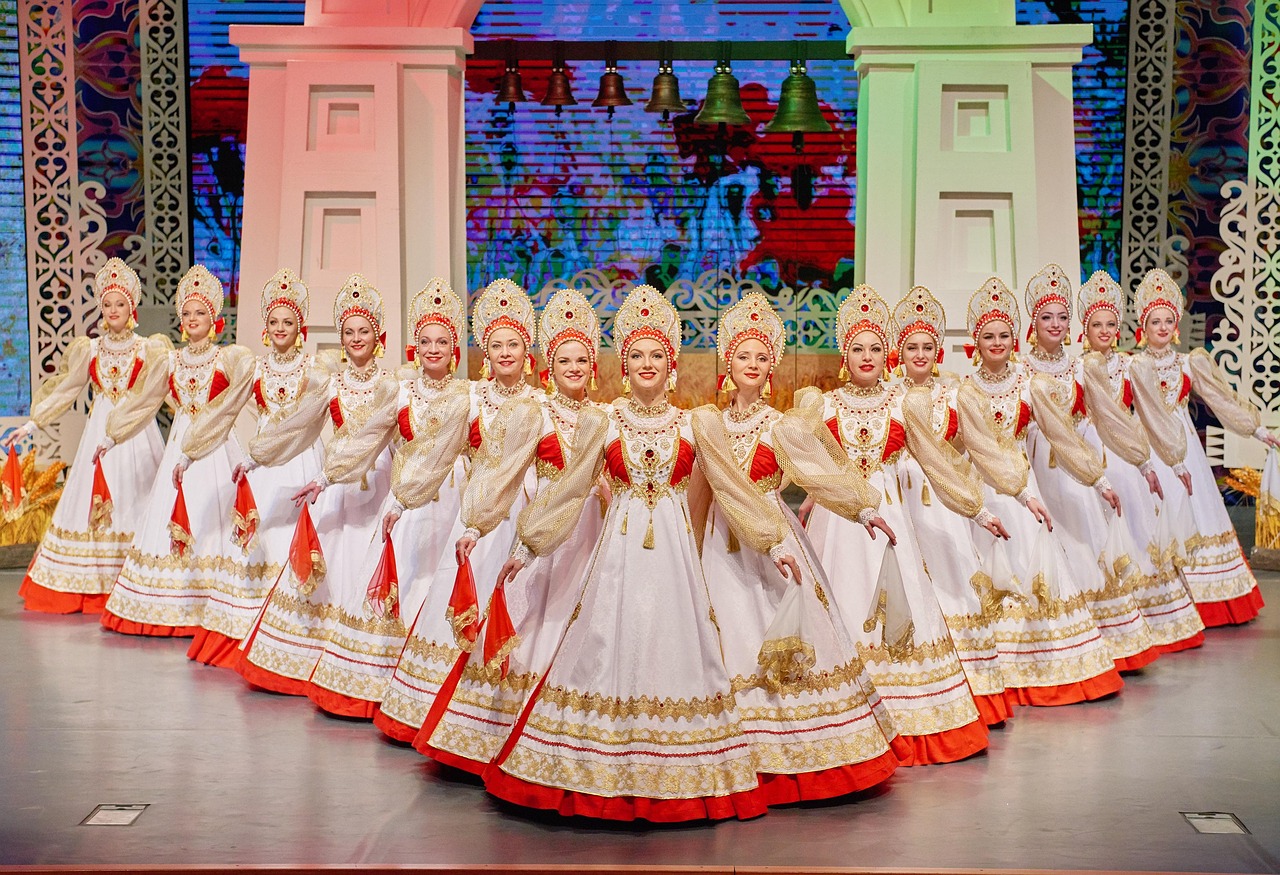
At the heart of Ingush culture lies a code of honor and conduct, shared with the Chechens, that governs how a person of honor must live. It demands courage, dignity, respect for elders, protection of the weak, loyalty to kin, and above all the guarding of one’s honor and good name. This code shapes behavior as firmly as any written law.
Hospitality holds a sacred place in this code. A guest is to be received, fed, and protected without question, and the honor of the host lies in the care given to those beneath his roof. Even a stranger falls under the protection of the household and the wider community, and to fail a guest would bring deep shame.
Respect for elders and reserved, dignified conduct in public are deeply built into Ingush custom, as is a strong sense of modesty and self-control. A person is judged by their behavior and by the keeping of their word, and these values are taught from childhood and upheld by the constant regard of the community.
Music and dance carry the spirit of the people, above all the lezginka, the swift and stirring dance of the Caucasus, performed at every celebration. Songs, laments, and the memory of ancestors keep the past alive, and through these traditions each new generation learns the customs and values that make them Ingush.
Elders watch over these gatherings to see that the old forms are kept, and the young take their first steps in the dances of their people at family celebrations. In this way the culture renews itself in each generation.
The Towers of the Ingush
The supreme achievement of Ingush craft is the building in stone, above all the towers for which the people are famous throughout the Caucasus. Rising several stories from a square base and tapering gracefully toward the top, these towers filled the mountain valleys and stand today as the great symbol of the Ingush and their whole civilization.
There were towers of different kinds, dwelling towers where families lived with their animals through the winter, and taller, slender battle towers that served as strongholds and watch posts. Whole complexes of them formed fortified villages, guarding the valleys and signaling from one to another across the mountains, a landscape shaped entirely by the mason’s art.
The building of these towers was a high craft surrounded by tradition, entrusted to master builders whose skill was honored and whose work was expected to be completed within a set time as a test of ability. The finest towers were marvels of engineering, standing for centuries against weather, war, and time itself.
Beyond the towers the Ingush worked wool into felt and cloth, made the tall hats and long coats of the Caucasus, and crafted the tools, weapons, and ornaments of mountain life. But it is the towers above all that carry the fame of Ingush craft, and their preservation today is a matter of deep national pride, a heritage in stone unmatched anywhere.
Master builders were remembered by name, and the raising of a fine tower brought honor to a whole family and village. To build well in stone was among the highest of achievements a man could claim.
The Food of the Ingush

Ingush food is the hearty, honest cooking of a farming and herding people, built on meat, grain, and dairy. Lamb, mutton, and beef from the flocks and herds are central, and grilled skewered meat, shashlik, is loved and served at gatherings and feasts, cooked over open coals in the way beloved across the whole Caucasus.
A signature dish is the Ingush and Chechen staple of boiled pieces of dough served with meat, broth, and a garlic sauce, filling and simple, the food of home and of hospitality. Around this core the table is filled with the products of the land, prepared to nourish a family through the hard mountain seasons.
Dairy from the flocks and herds appears everywhere, in cheeses, butter, and soured milk products that keep through the winter. Corn and wheat breads, filled pastries stuffed with cheese, pumpkin, or wild greens, and thin flatbreads accompany the meals, and the wild bounty of forest and mountain adds to the fare.
As with all the mountain peoples, food is bound up with hospitality, and the generosity of a table reflects the honor of the household. Guests are fed as richly as a family can manage, and the sharing of a meal is an act of welcome and respect that stands at the very center of Ingush values.
No guest was ever allowed to leave hungry, and a family would offer its best even in lean times. At the Ingush table the code of honor became something a visitor could taste.
Festivals and Gatherings
The Ingush year is shaped above all by the festivals of Islam, which bring the community together in prayer and celebration. The two great feasts, marking the end of the fasting month and the feast of sacrifice, are the high points of the year, times of worship, feasting, new clothes, visiting family, and giving to those in need.
Alongside the religious calendar there survive older customs tied to the seasons and the farming year, celebrations of the coming of spring and the renewal of life after the long mountain winter. These older festivals blend ancient tradition with the rhythms of a herding and farming life, folded into the round of the year.
Life’s great moments, above all marriage, are marked with large gatherings that draw whole communities into feasting, music, and the whirling of the lezginka. Weddings are among the greatest of celebrations, days of festivity binding families and clans together and displaying the vitality and pride of the community.
Through all these gatherings, religious feast and family celebration alike, the Ingush renew the bonds of kinship and honor that hold their small nation together. In them the young learn the dances, songs, and customs of their people, the elders are honored, and the ties between families and clans are strengthened for another year.
Such gatherings are also where matches are made and news travels between families and valleys. A celebration is the living web of Ingush society pulled tight for a few bright days.
Under the Russian State
The history of the Ingush under the Russian state has been marked by hardship out of all proportion to their small numbers. As the Russian Empire advanced into the Caucasus, the Ingush, like their neighbors, came under its rule after long resistance, and their mountain homeland was brought within the borders of the growing empire.
The most terrible chapter came in the twentieth century, when the entire Ingush people, together with the Chechens, were deported from their homeland to distant lands in a catastrophe that killed a great many and scarred the nation forever. Years passed before the survivors were allowed to return to a homeland changed and diminished in their absence.
The return brought its own bitter troubles, for lands and homes had changed hands during the exile, and disputes over territory left wounds that lasted for generations. The Ingush rebuilt their lives in their diminished homeland, carrying the memory of deportation as a permanent part of their national story.
In the modern era the Ingush gained their own republic within Russia, Ingushetia, one of the smallest of the country’s regions. Through empire, exile, and the upheavals that followed the Soviet collapse, the Ingush endured staggering hardship, and yet through all of it they held with fierce determination to their faith, their language, and their identity.
The Ingush Today
Today the Ingush number several hundred thousand, most living in their republic of Ingushetia in the northern Caucasus, with communities elsewhere in Russia and abroad. Theirs is one of the smaller nations of Russia, but one with a strong and clearly held identity, rooted in the towers of their mountain valleys and the bond of the Vainakh.
The Ingush language survives as the living tongue of the people, taught in schools and used in local media, though as one of the smaller languages of Russia it lives under the constant pressure of Russian. Its survival rests on the will of families to pass it on, keeping the speech of the Ghalghai alive in the modern world.
Islam remains at the center of Ingush life, with mosques across the republic and the faith openly practiced after the long years of suppression. The old code of honor, the loyalty to clan and kin, the reverence for elders and guests, and the love of the lezginka and the songs of the mountains all remain living parts of Ingush culture.
The Ingush remain what they have always been, a proud mountain people, heirs to the great towers of their valleys and to the ancient Vainakh heritage they share with the Chechens. Their story is one thread in the vast tapestry of the peoples of Russia, and from the towers of Ingushetia our journey continues onward to the other peoples of that great and varied land.