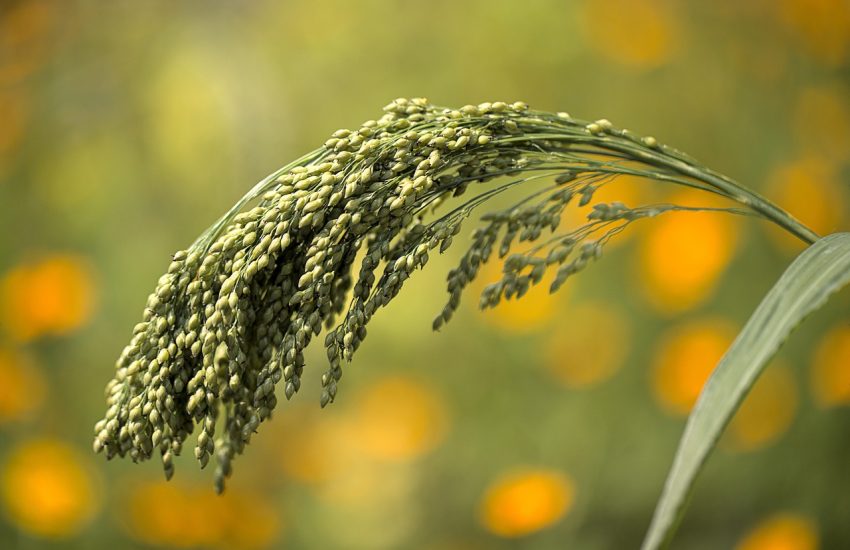
In the far northwest of Russia, in a land of endless lakes, dark forests, and long winters bordering Finland, live the Karelians. They are a Baltic-Finnic people, close kin to the Finns, whose homeland of water and woodland has shaped a quiet, resilient culture over many centuries. Theirs is a world of pine and birch, of still lakes mirroring the sky, and of wooden churches whose silver domes rise above the trees.
The Karelians are one of the Finnic peoples of Russia, speakers of a language close to Finnish and heirs to a rich tradition of song and story. It was from among the Karelians and their neighbors that the great songs were gathered which became the Kalevala, the national epic of Finland, drawn from a shared world of oral poetry. They are, for the most part, Orthodox Christians, and their long history has been bound up with the meeting of the Russian and Finnish worlds.
This article is part of our Folks series on the peoples of Russia, and it tells the story of the Karelians from their ancient origins to the present. We will explore their beginnings, their name, their language, their homeland of lakes and forests, their old way of life, their villages and society, their faith, the great tradition of the Kalevala, their crafts and wooden architecture, their food, their festivals, their history under the Russian state, and who the Karelians are today.
- The Origins of the Karelians
- The Name of the Karelians
- The Karelian Language
- A Land of Lakes and Forests
- The Old Way of Life
- Village and Society
- Faith Among the Karelians
- The Kalevala and Oral Tradition
- Crafts and Wooden Architecture
- The Food of the Karelians
- Festivals and the Turning Year
- Under the Russian State
- The Karelians Today
The Origins of the Karelians
The Karelians are a Baltic-Finnic people, part of the family of Finnic peoples who have lived around the Gulf of Finland and the lakes of the northwest for thousands of years. Their ancestors settled the forests and lake shores of this region in the distant past, living by hunting, fishing, and gathering in a land of water and woodland before slowly taking up farming.
Over the centuries the Karelians emerged as a distinct people among the Finnic tribes of the region, closely related to the Finns to the west and to the smaller Finnic peoples around them. They took shape in the borderland between the growing powers of the east and west, a position that would define much of their later history.
In the medieval period the Karelians came within the sphere of the Russian world, particularly the trading city of Novgorod, which drew the region into its network and brought Orthodox Christianity to the people. This connection set the Karelians apart from their western Finnic kin, who came under Swedish rule and the Western church.
From these beginnings the Karelians developed as a people of the northern forests and lakes, Finnic in language and heritage but Orthodox in faith and long tied to the Russian world. This blend of Finnic culture and Russian connection, forged in a beautiful and demanding land, defined the Karelians through the centuries that followed.
This double heritage, Finnic yet Orthodox, western in language yet eastern in faith, made the Karelians a bridge people between two great worlds. It gave their culture a character all its own, unlike either of its powerful neighbors.
The Name of the Karelians
The name Karelian, and the land of Karelia, comes from the ancient name of the people and their territory, used for many centuries to describe the Finnic inhabitants of this lake-filled region. The Karelians’ own name for themselves belongs to the same root, marking them as the people of this particular corner of the Finnic world.
Karelia as a region has meant different things at different times, for the historic land of the Karelians has been divided by borders between Russia and Finland and shaped by centuries of shifting frontiers. The name covers both the Karelians within Russia and the historic Karelian lands and populations on the Finnish side.
Within the Karelian people there are several groups and dialects, reflecting the spread of the population across a wide and varied territory and the different influences they came under. These divisions, by region and by speech, add complexity to the simple name of Karelian, which covers a people more varied than it might first appear.
Some Karelian groups lived close to Russian towns and absorbed much from them, while others in the remote north kept older ways far longer. The single name covers a whole spectrum of northern Finnic life.
Through all these divisions and shifting borders, the name Karelian has endured as the mark of this Finnic people of the northwestern forests and lakes. It ties them to their ancient homeland and to their kinship with the Finns, and it carries the memory of a distinct people who have held to their identity across a long and complicated history.
Borders drawn and redrawn over the centuries have repeatedly split the Karelian people, yet the name and the sense of kinship survived every division. To be Karelian was a bond that no frontier could wholly cut.
The Karelian Language
The Karelian language belongs to the Baltic-Finnic branch of the Finno-Ugric family, closely related to Finnish and more distantly to Estonian and the other Finnic tongues. It is near enough to Finnish that speakers of the two can understand a good deal of one another, and the two are often described as closely related languages or even as branches of a continuum.
Karelian is divided into several dialects spread across the territory, differing enough that they are sometimes treated almost as separate forms. This variety reflects the wide spread of the Karelian population and the different regions and influences among which they lived, from the far north to the lands nearer the historic Russian centers.
For much of history Karelian was above all a spoken language, carried in a magnificent oral tradition of song and poetry rather than in writing. When it came to be written, it was rendered in both Latin and Cyrillic scripts at different times and places, and the development of a standard written language has been a long and uneven process.
Today Karelian is one of the smaller and more vulnerable languages of Russia, spoken by a declining number of people and under heavy pressure from Russian. Efforts to teach and preserve the language continue, for it carries a heritage of song and story of great beauty, and its survival is a matter of deep concern to those who cherish the Karelian tradition.
Newspapers, radio, and schoolbooks in Karelian, though modest in reach, keep the written language alive for a new generation. Each effort is a small stand against the long decline of a beautiful tongue.
A Land of Lakes and Forests
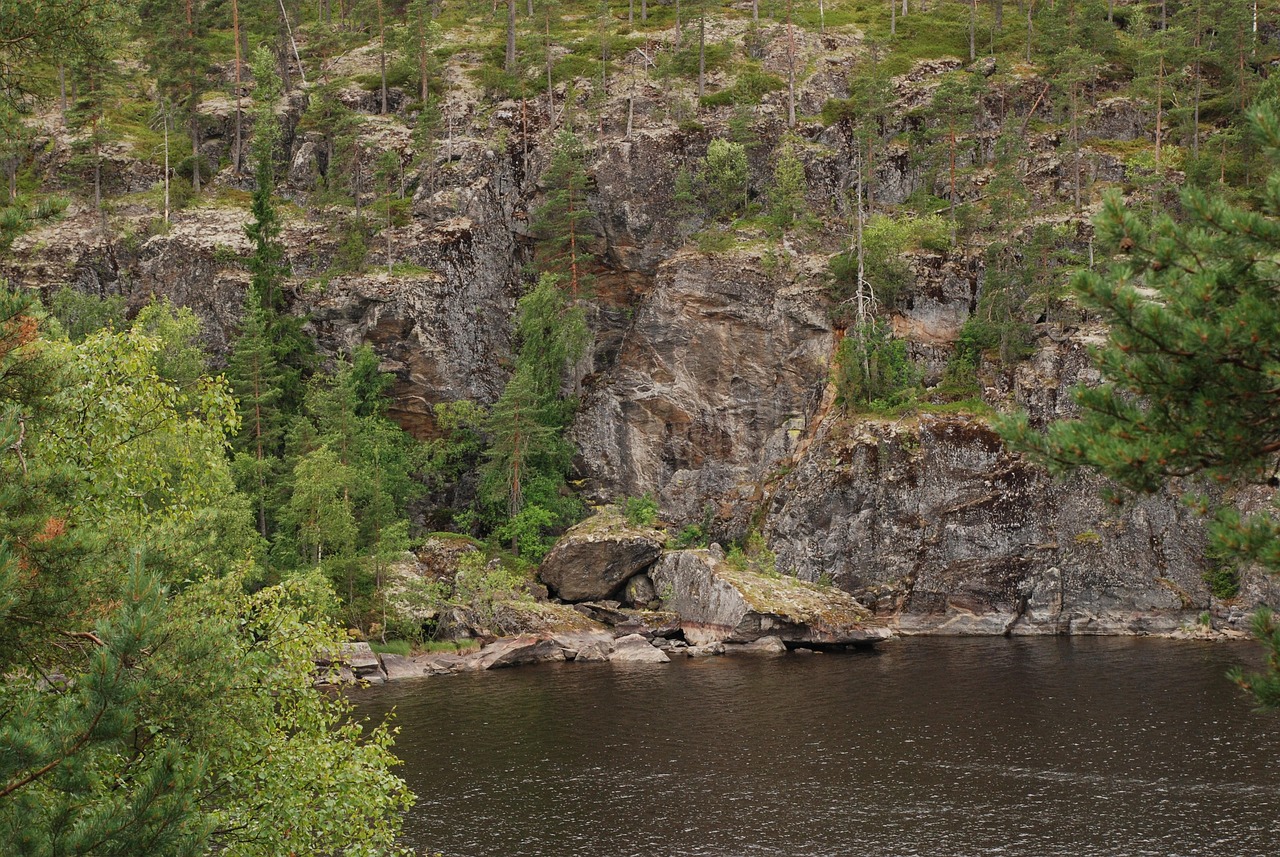
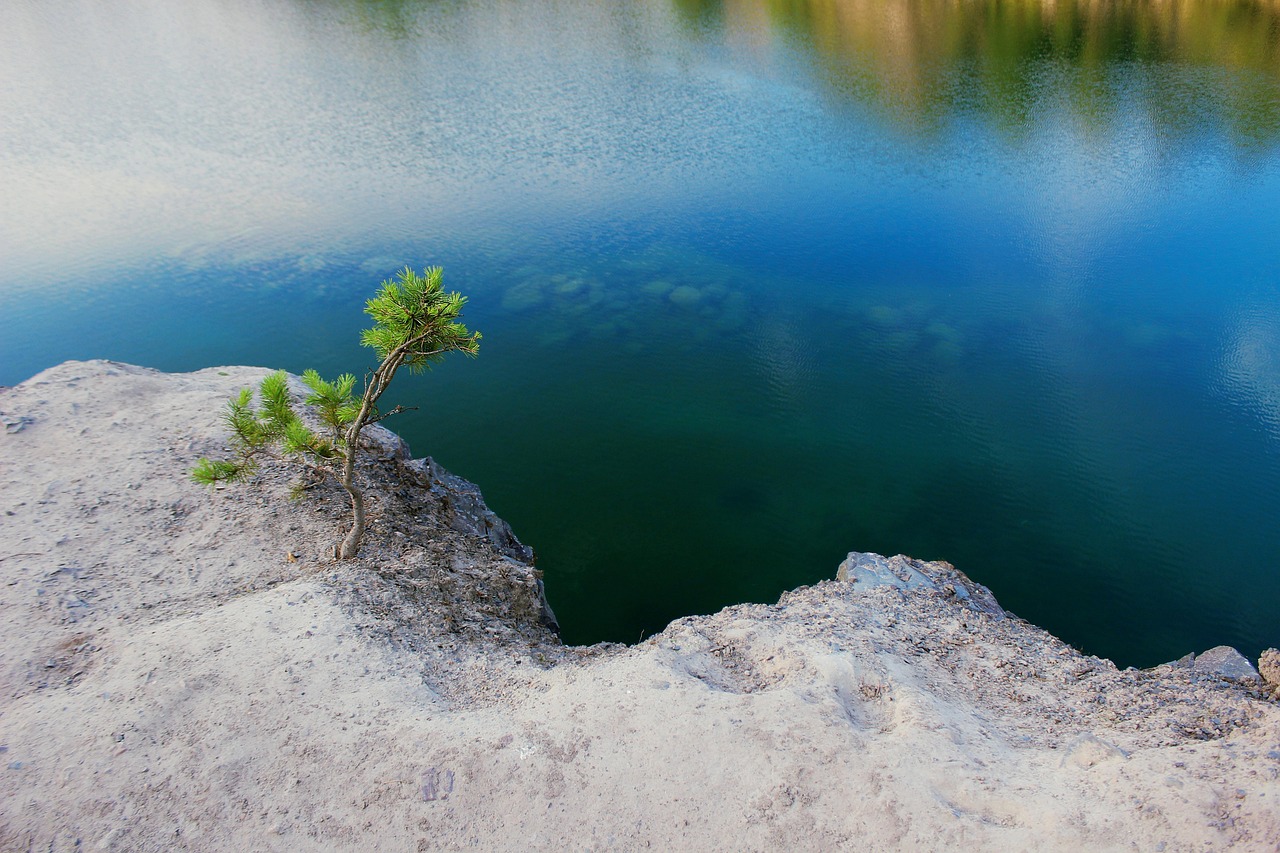
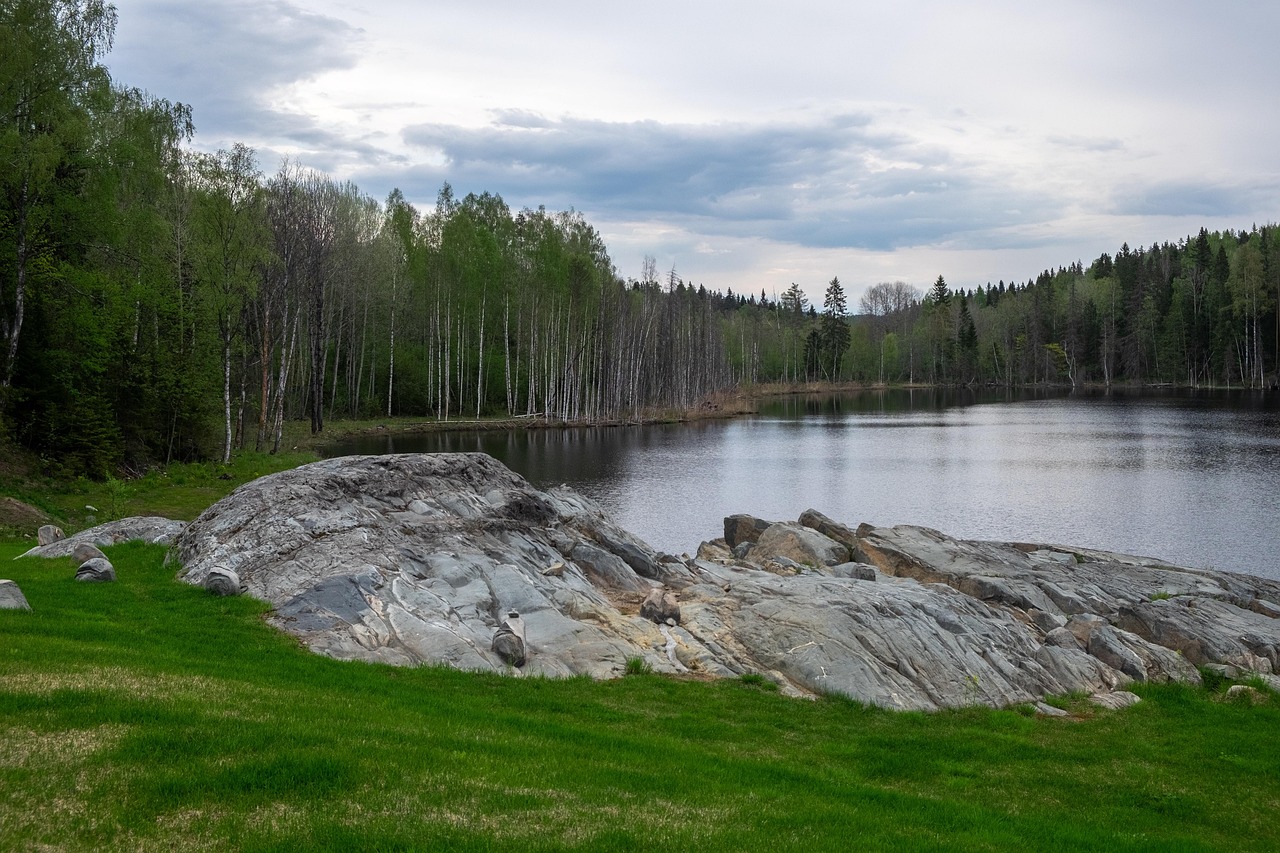
The Karelian homeland is one of the most water-filled landscapes on earth, a vast country of lakes, rivers, and forests in the northwest of Russia, reaching from near the White Sea toward the Gulf of Finland. Tens of thousands of lakes, great and small, are scattered across the land, linked by rivers and surrounded by endless forests of pine, spruce, and birch.
Two of the largest lakes in all of Europe lie within or on the edge of this land, and water is everywhere, shaping travel, settlement, and the whole way of life. In summer the lakes and rivers were the roads of the country; in winter, frozen hard, they became highways of ice across which people traveled the long, dark, snowbound season.
The forests, part of the great northern taiga, gave timber, game, berries, and mushrooms, and the lakes and rivers teemed with fish. It was a land that could feed those who knew it well, but a demanding one, with a short growing season, poor and stony soil, and a long, hard winter that tested every community.
Frost could come early and linger late, and a single bad season might bring real hardship to a village. Survival in such a land demanded patience, skill, and a deep knowledge of the forest and water.
Scattered across this landscape of water and woodland, the Karelian villages sat on lake shores and river banks, small clusters of wooden houses amid the forest. The beauty of the land, its lakes mirroring the sky and its silver domes rising above the trees, has long been famous, and it lies at the heart of the Karelian sense of home.
In the white nights of summer the lakes glow under a sun that barely sets, while in winter they lie silent under snow and ice. This yearly transformation of the landscape is woven deep into the Karelian soul.
The Old Way of Life
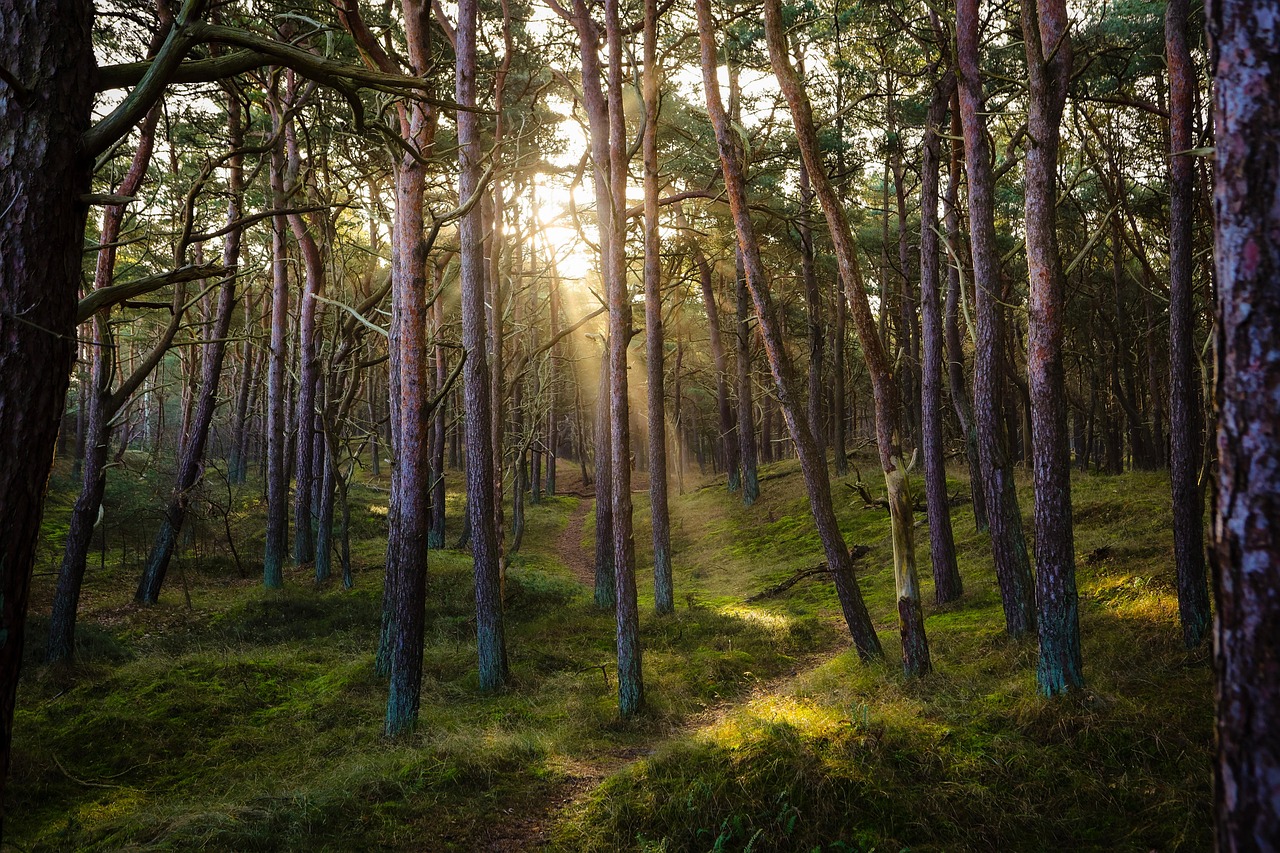
The old Karelian way of life combined farming, herding, fishing, hunting, and the gathering of the forest’s bounty, a mix suited to a land where no single source could give enough. On the small patches of workable soil people grew grain, especially the hardy crops that could ripen in the short northern summer, and kept cattle and sheep.
Fishing was central, for the lakes and rivers were rich, and fish was a staple of the Karelian table through the year. Hunting in the vast forests provided game and furs, and the gathering of berries and mushrooms in the brief abundance of late summer added vital variety and stores for the winter ahead.
The forest gave timber for building and for trade, and woodworking and the crafts of the forest were central to the economy. In a land poor in soil but rich in wood and water, people lived by combining many pursuits, moving with the seasons between field, forest, and water in a careful round of work.
Life followed the extreme rhythm of the northern year, the endless light of the brief intense summer when all the work of growing and gathering was crowded in, and the long dark cold of the winter when the frozen lakes became roads and life turned inward to the warmth of the wooden house. This deep seasonal rhythm shaped the whole of Karelian life.
Everything had its season, the sowing, the fishing, the berry-picking, the hunt, and a family’s survival depended on reading the year rightly. Idleness in summer meant hunger in the long winter to come.
Village and Society
Karelian society was built around the village and the family, small communities scattered across the lakes and forests, often at a distance from one another in the thinly settled land. The extended family working its land and combining farming, fishing, and forest work was the basic unit of life, largely self-reliant in its remote setting.
The village communities managed their shared affairs, their fishing waters, forests, and pastures, by custom and by common agreement. Life in the scattered northern settlements bred self-reliance and a quiet endurance, for communities were often far from any town and had to meet their own needs through the long isolation of the winter.
Women held a strong place in Karelian society and in its cultural life, and it was often women who carried the great tradition of song, the laments and wedding songs and epic poetry for which Karelia became famous. The household was a center of both work and culture, where the old songs and stories were kept alive.
A gifted singer might hold thousands of lines of verse in memory, ready to be sung on the long winter evenings. Such singers were treasured, and their art was a living library of the people.
Set on the borderland between the Russian and Finnish worlds, Karelian communities absorbed influences from both while keeping their own Finnic character. This position on a cultural frontier, and the isolation of the scattered forest villages, together shaped a society both open to its powerful neighbors and deeply rooted in its own ancient ways.
The very remoteness that made life hard also preserved old songs and customs long after they had faded elsewhere. Karelia became a kind of storehouse of the ancient Finnic world.
Faith Among the Karelians
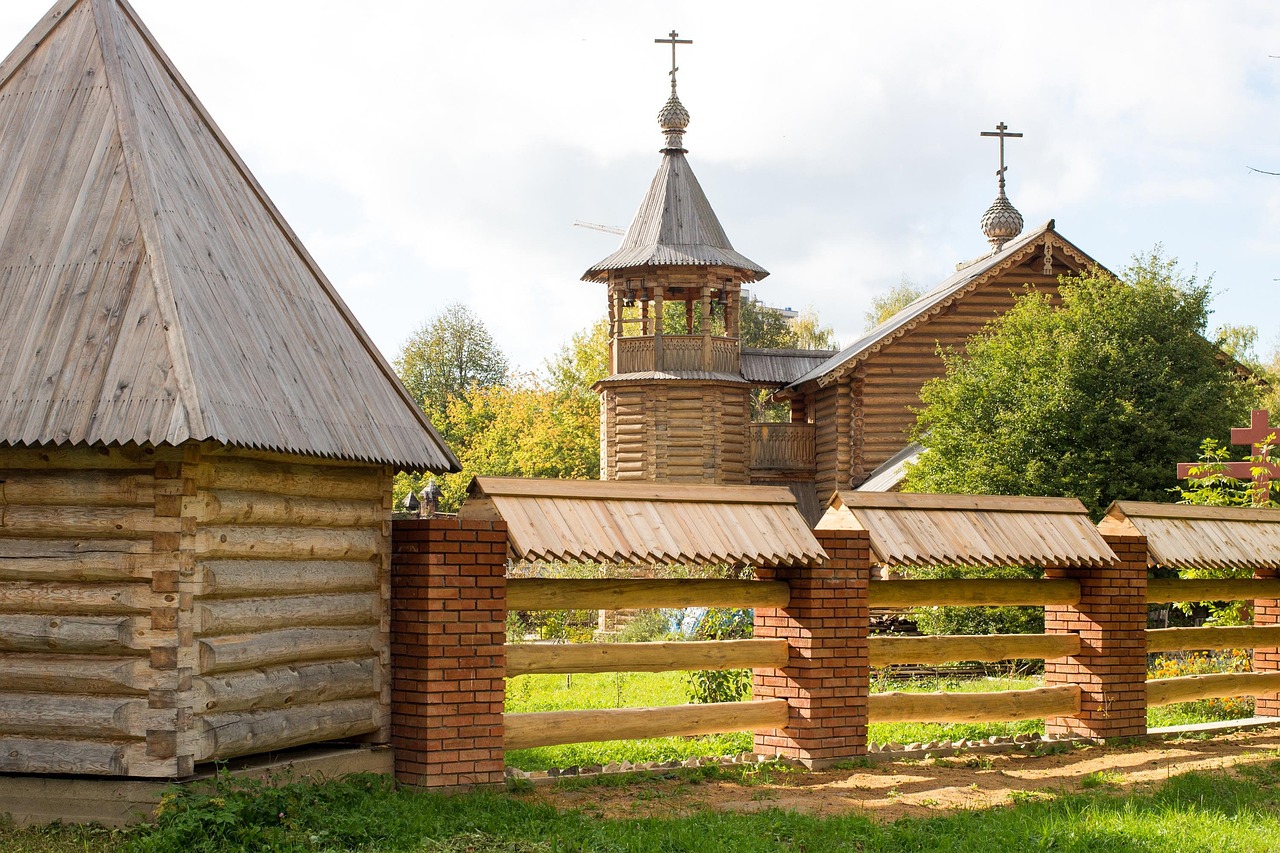
The Karelians are, for the most part, Orthodox Christians, a faith that came to them from the Russian world, and above all from the trading city of Novgorod, in the medieval centuries. This set the Karelians apart from their western Finnic kin, the Finns, who came under the Western church, and it tied Karelia firmly to the Orthodox East.
Orthodoxy took deep root among the Karelians, and their land became dotted with churches and, in time, with monasteries, some of which grew famous across the Russian north. The wooden churches of Karelia, with their shingled domes rising above the forests, became one of the great treasures of northern religious architecture.
Beneath the Christian faith, older beliefs of the forest world lived on in custom and folklore, in the reverence for nature, the spirits of forest and water, and the rituals surrounding the great moments of life. The magnificent oral poetry of Karelia preserved much of this ancient world, blending the old beliefs with the newer faith.
Through the centuries, including the hard decades of Soviet rule when religion was suppressed, Orthodoxy remained part of Karelian identity, and the wooden churches, where they survived, stood as monuments to the faith and the craft of the people. Today the Orthodox tradition endures among the Karelians alongside the memory of their older beliefs.
The great monasteries of the north drew pilgrims from across Russia and became centers of learning and art. Their influence reached far beyond the quiet forests of Karelia.
The Kalevala and Oral Tradition
The greatest treasure of Karelian culture is its oral poetry, a vast tradition of song, epic, lament, and spell carried for centuries in the memory of the people and sung to ancient melodies. This tradition, among the richest in all of Europe, preserved a whole mythic world of heroes, magic, and the deep past in verses passed from singer to singer.
It was from this Karelian and Finnic tradition that the songs were gathered which became the Kalevala, the national epic of Finland. A scholar traveled through Karelia and the neighboring lands collecting the ancient songs from the folk singers, above all in Karelia where the tradition remained strongest, and wove them into the great epic that became a cornerstone of Finnish national culture.
The Kalevala tells of the deeds of ancient heroes, of the creation of the world, of magic and the forging of the wondrous Sampo, all drawn from the living oral poetry of the Karelian singers. That such an epic could be gathered from the folk memory of the northern villages speaks to the extraordinary depth of the Karelian song tradition.
Alongside the epic songs there flourished laments, sung poems of grief and farewell of great beauty and power, wedding songs, and countless other forms, often carried by women who were the great keepers of the tradition. This whole world of sung poetry is the crowning glory of Karelian culture and its gift to the wider world.
That a national epic could be gathered from the memory of unlettered village singers astonished the scholars of Europe. It revealed a depth of folk culture few had imagined possible.
Crafts and Wooden Architecture
The supreme craft of the Karelians and their neighbors is building in wood, and the wooden architecture of the Russian north stands among the great achievements of folk building anywhere. In a land rich in timber, people built everything from wood, and the skill of the northern carpenters reached extraordinary heights, above all in their churches.
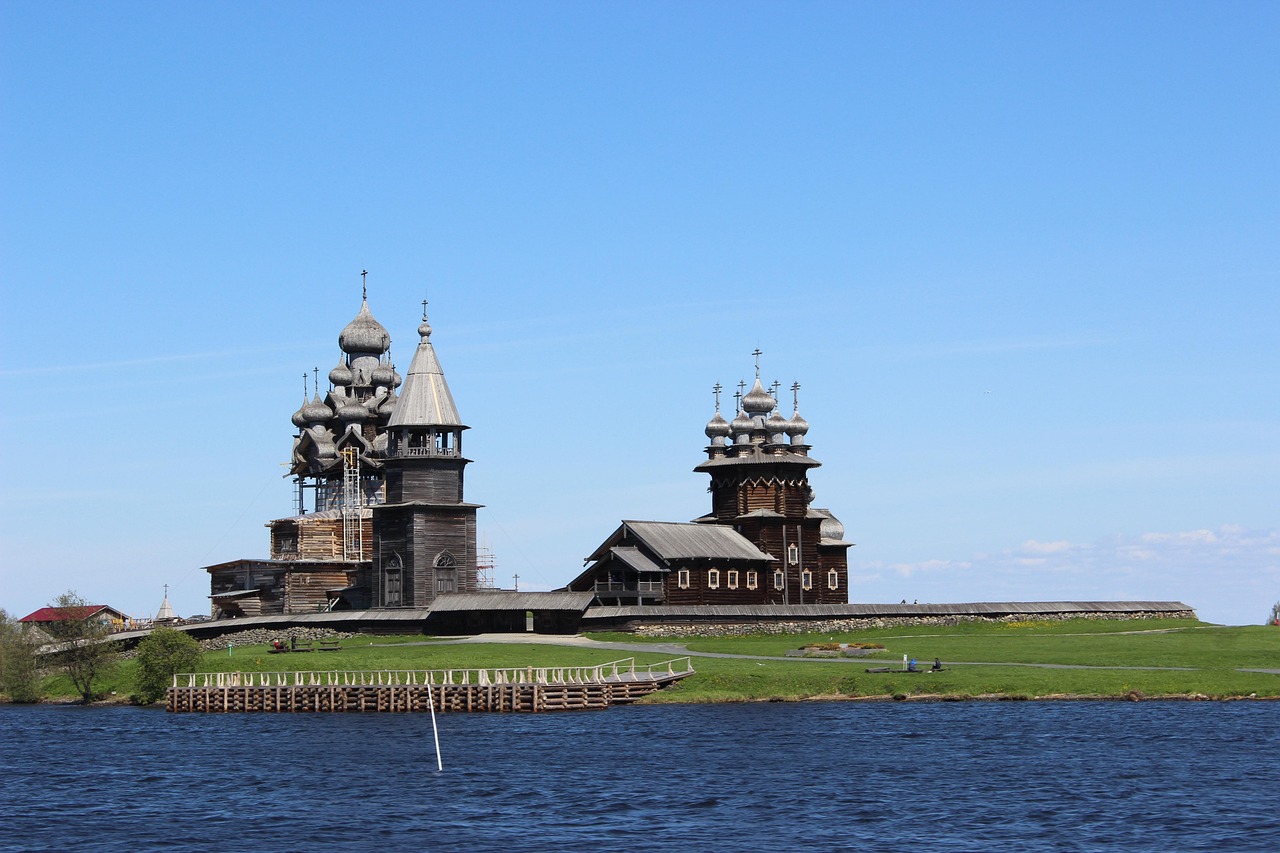
The most famous monument of this art is the great cluster of wooden churches on an island in one of Karelia’s largest lakes, crowned by a church whose many shingled domes rise in tiers against the sky, built entirely of wood without nails in its structure. It is a masterpiece of the carpenter’s art and one of the wonders of the Russian north.
Beyond the churches, the Karelians built large wooden farmhouses that combined dwelling and farm buildings under one great roof to withstand the northern winter, and they crafted boats, tools, furniture, and household goods from the abundant wood of the forest. Woodworking was woven into every part of life in this land of timber.
Alongside woodwork, the Karelians wove and embroidered, made goods from birch bark, and produced the textiles and household crafts of the northern farm. But it is the wooden architecture, above all the soaring domes of the great churches, that stands as the supreme expression of Karelian craft and one of the treasures of the whole region.
The northern carpenters worked with axe and skill rather than with nails, fitting great logs together to last for centuries. Their craft turned humble timber into architecture of lasting beauty.
The Food of the Karelians
Karelian food is the hearty fare of a northern forest and lake people, built on fish, grain, and the bounty of the forest. Fish from the countless lakes and rivers is central, prepared in many ways, and freshwater fish in all its forms has long been a staple of the Karelian table through every season of the year.
The most famous Karelian dish is a small savory pastry with a thin rye crust holding a filling of rice or potato, brushed with butter, eaten across the region and beyond and now well known in Finland as a beloved everyday food. These little pies are the signature of Karelian baking and a symbol of the whole cuisine.
Rye was the great grain of the north, made into dark breads and pastries, and the forest gave berries and mushrooms gathered in the brief abundance of late summer and stored for the winter. Game from the forest, dairy from the cattle, and the fish of the lakes filled out a table adapted to a demanding land.
The food reflects the land and its seasons, based on what the forests, lakes, and small fields provided, prepared simply and meant to sustain through the long winter. Fish pies and pastries, dark rye breads, berries and mushrooms, and hearty soups and stews made up a cuisine born of the northern forest and its careful, seasonal round.
A warm bowl of fish soup or a plate of buttered rye pies was the taste of home to any Karelian. Simple foods, made with care, carried the whole comfort of the northern hearth.
Nothing the forest and lake offered was wasted, and the larder was filled through summer against the certainty of a hard winter. Thrift and foresight were built into every Karelian kitchen.
Festivals and the Turning Year
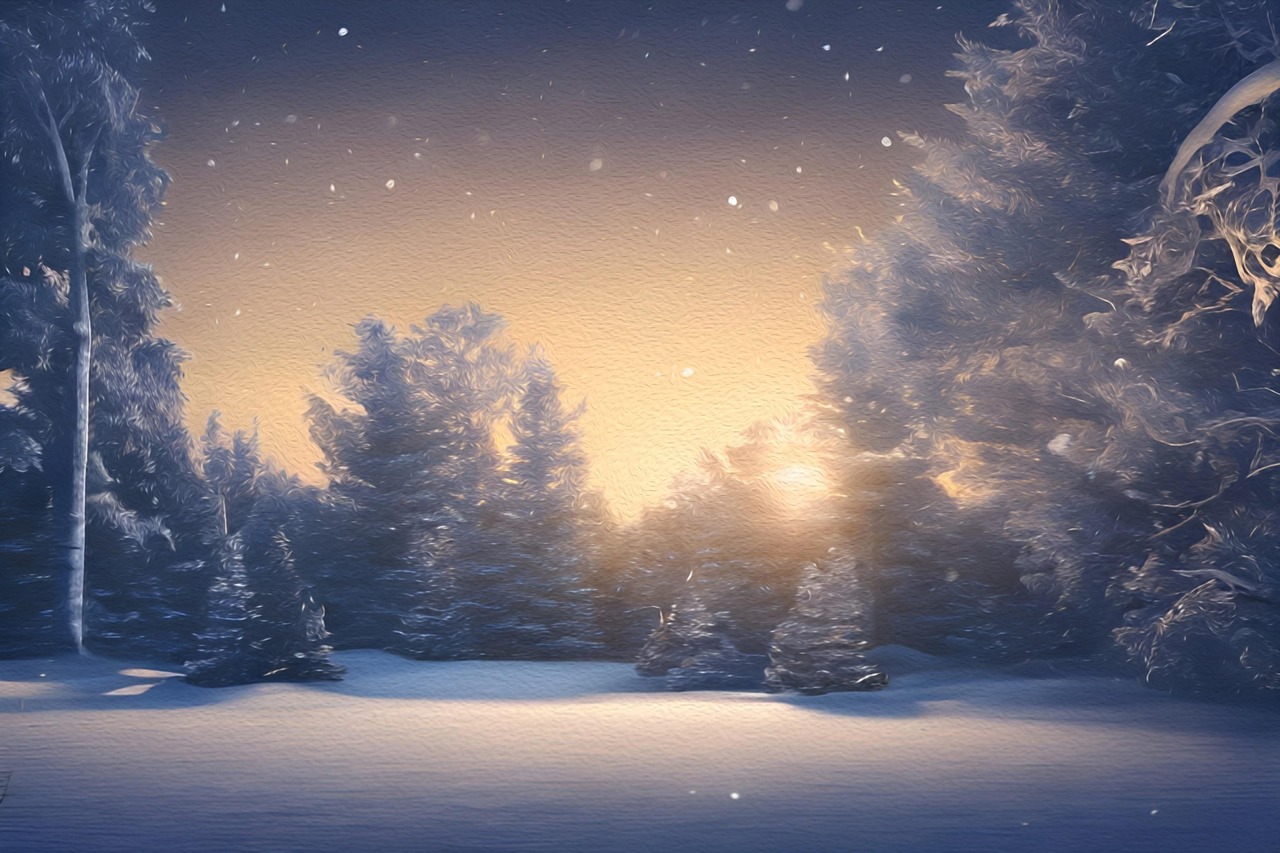
The Karelian year turned on the great extremes of the northern seasons and on the festivals of the Orthodox calendar. The long winter, with its short dark days and frozen lakes, and the brief intense summer of endless light shaped the whole rhythm of celebration, work, and rest across the year.
The Orthodox feasts marked the year, above all the great celebrations of the Christian calendar, observed with church services, feasting, and the customs of the northern countryside. Around these Christian feasts clustered older seasonal customs, rooted in the ancient beliefs of the forest world and the turning of the year.
Midsummer, the height of the brief northern summer when the sun scarcely set, was a great time of celebration across the Finnic world, marked with fires, gatherings, and old customs of light and fertility. The rhythms of the farming and fishing year, seedtime and harvest, the freezing and thawing of the lakes, all had their marked moments.
Life’s great occasions, above all weddings, were marked with elaborate rituals rich in the sung laments and wedding songs for which Karelia was famous, days of ceremony and gathering that drew the scattered communities together. Through these festivals and rituals, Christian and ancient alike, the Karelians marked the turning of their northern year and renewed the bonds of their communities.
Weddings in particular could last for days, moving between households with their own singers and rituals at every stage. They were among the great dramas of village life in the quiet north.
Under the Russian State
The history of the Karelians has been shaped above all by their position on the borderland between the Russian and the Finnish and Swedish worlds. For centuries the Karelian lands lay along a shifting frontier, drawn now toward the east and now toward the west, and fought over by the powers that met in this northern region.
Drawn early into the sphere of Novgorod and the Russian world, the Karelians became Orthodox and were tied to Russia, even as their kin to the west came under Swedish and later Finnish influence. The frontier between these worlds ran through the Karelian lands, dividing the people and shaping their fate through war and treaty.
Under the Russian Empire and then the Soviet Union, the Karelian lands within Russia were organized into their own region, and in the twentieth century Karelia became a republic within the Soviet state. The borderland saw hard fighting in the wars of the twentieth century, and the frontier between Russia and Finland was drawn and redrawn through the Karelian country.
Through all of this the Karelians endured as a people, though their numbers and their language came under increasing pressure, especially in the twentieth century as Russian became ever more dominant in their homeland. The long history of the borderland left the Karelians a diminished but enduring people, holding to their Finnic heritage on the edge of the Russian world.
Whole communities were displaced by the wars and border changes of the twentieth century, deepening the strains on the people. Yet a core held on, unwilling to let the Karelian name fade from its own land.
The Karelians Today
Today the Karelians are one of the smaller peoples of Russia, living in the Republic of Karelia in the northwest and in neighboring areas, with kin across the border in Finland. Their numbers have declined over the past century, and in their own republic they have become a minority, greatly outnumbered by Russians in the land that bears their name.
The Karelian language is among the more vulnerable of Russia’s languages, spoken by a shrinking and aging population and under heavy pressure from Russian. Efforts to teach and revive the language, to publish and broadcast in it, and to pass it to the young are under way, driven by those determined to keep the Karelian tongue alive.
The rich cultural heritage of the Karelians, above all the great tradition of song and the Kalevala that grew from it, remains a source of pride and identity, celebrated and studied on both sides of the border. The wooden churches, the crafts, the food, and the customs of the northern forest all endure as living links to the Karelian past.
The Karelians remain what they have long been, a Finnic people of the northern lakes and forests, Orthodox in faith, heirs to one of the greatest song traditions in Europe and to the wooden wonders of the Russian north. Their story is one thread in the vast tapestry of the peoples of Russia, and from their land of lakes and forests our journey continues on toward the other peoples of that great northern country.