Long before the pyramids, long before Stonehenge, and by some estimates as much as six thousand six hundred years ago, the Gunditjmara people of southeastern Australia were already engineering channels, weirs, and woven traps to farm eels across a lava landscape at Budj Bim, in what may be the oldest aquaculture system on Earth.
Table of Contents
- A landscape shaped by an ancient eruption
- Channels, weirs, and traps built to hold a harvest
- Understanding the eel migration they engineered around
- Evidence of a settled, not purely nomadic, life
- How large the permanent settlements really were
- Older than almost any farming claimed elsewhere
- Knowledge passed down through Gunditjmara generations
- Colonization and a system nearly lost
- World Heritage recognition and a living tradition
- Budj Bim managed by its own traditional owners today
- What “aquaculture” really means at Budj Bim
- Trapping, smoking, and trading the eel harvest
- The circular stone houses of the lava country
- Dating a system that spans thousands of years
- A volcano remembered in living memory
- What UNESCO recognition actually acknowledged
- Why Budj Bim changes the story of early humanity
- The Gunditjmara and knowledge held for uncounted generations
- Dispossession and the near-erasure of an achievement
- Budj Bim among the world’s oldest engineered landscapes
- Walking the eel channels today
- The remarkable life of the creature they farmed
- Managing country with fire and water together
- Nearby in Oceania’s ancient story
- Closing thoughts
A landscape shaped by an ancient eruption
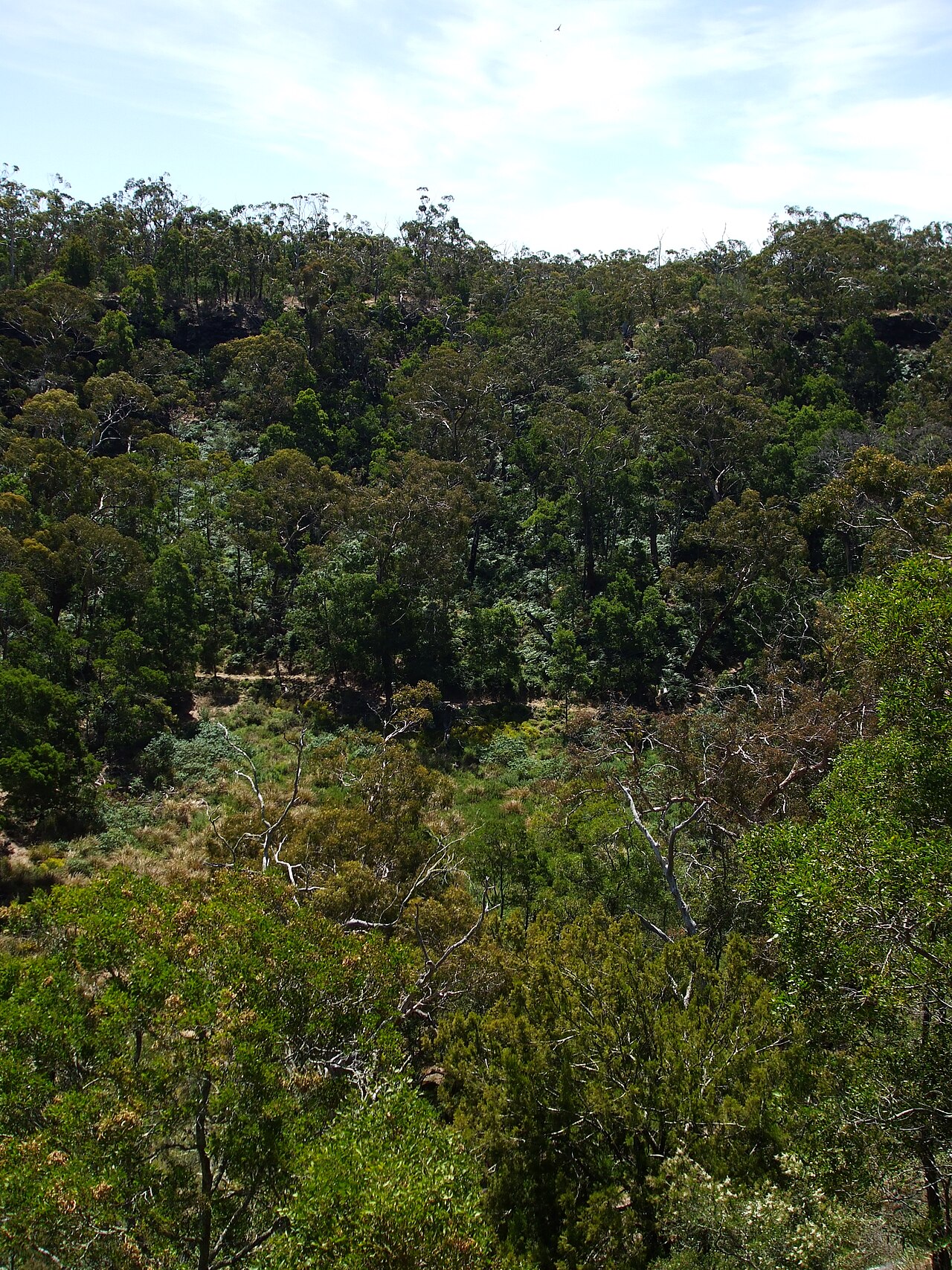
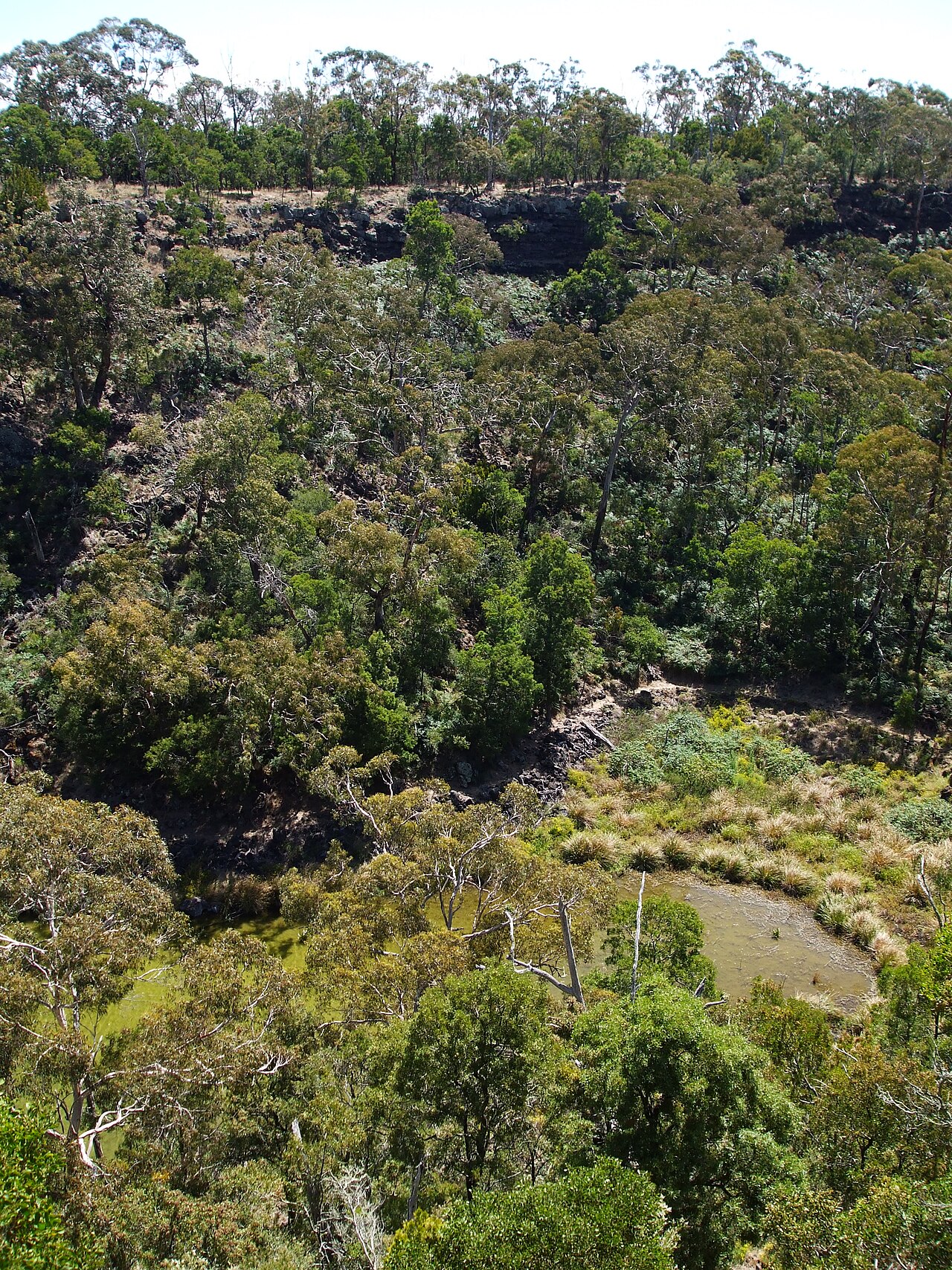
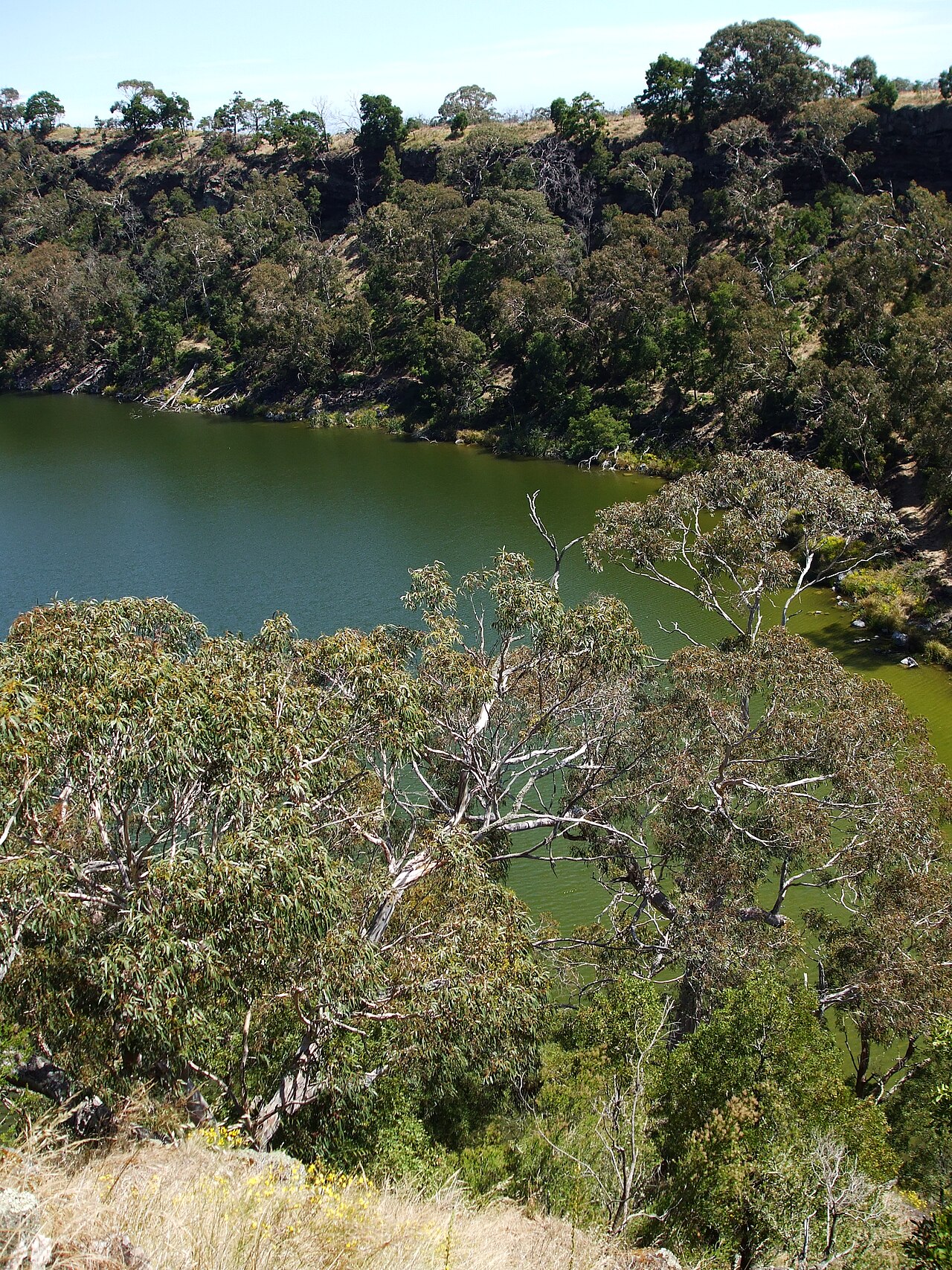
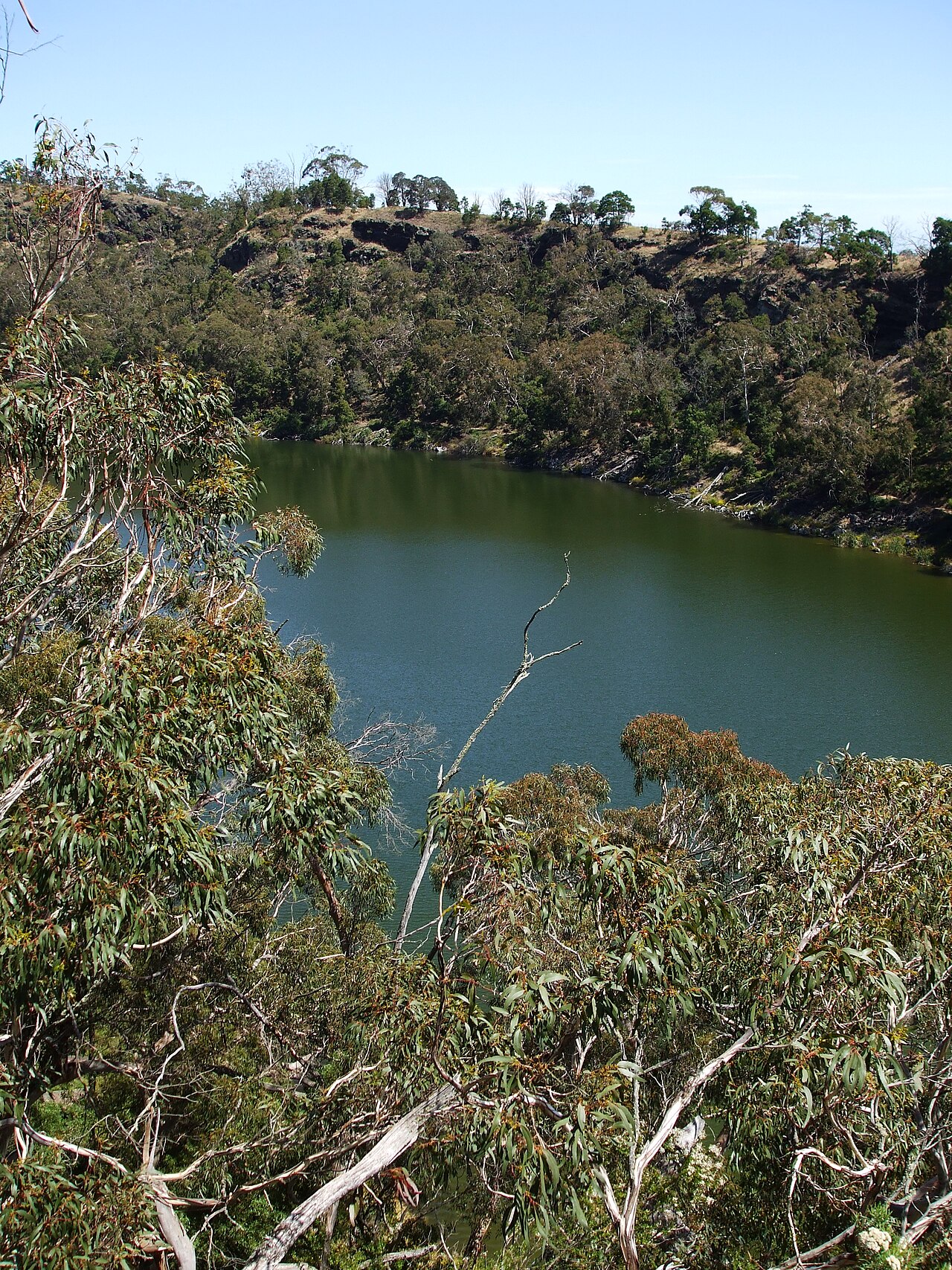
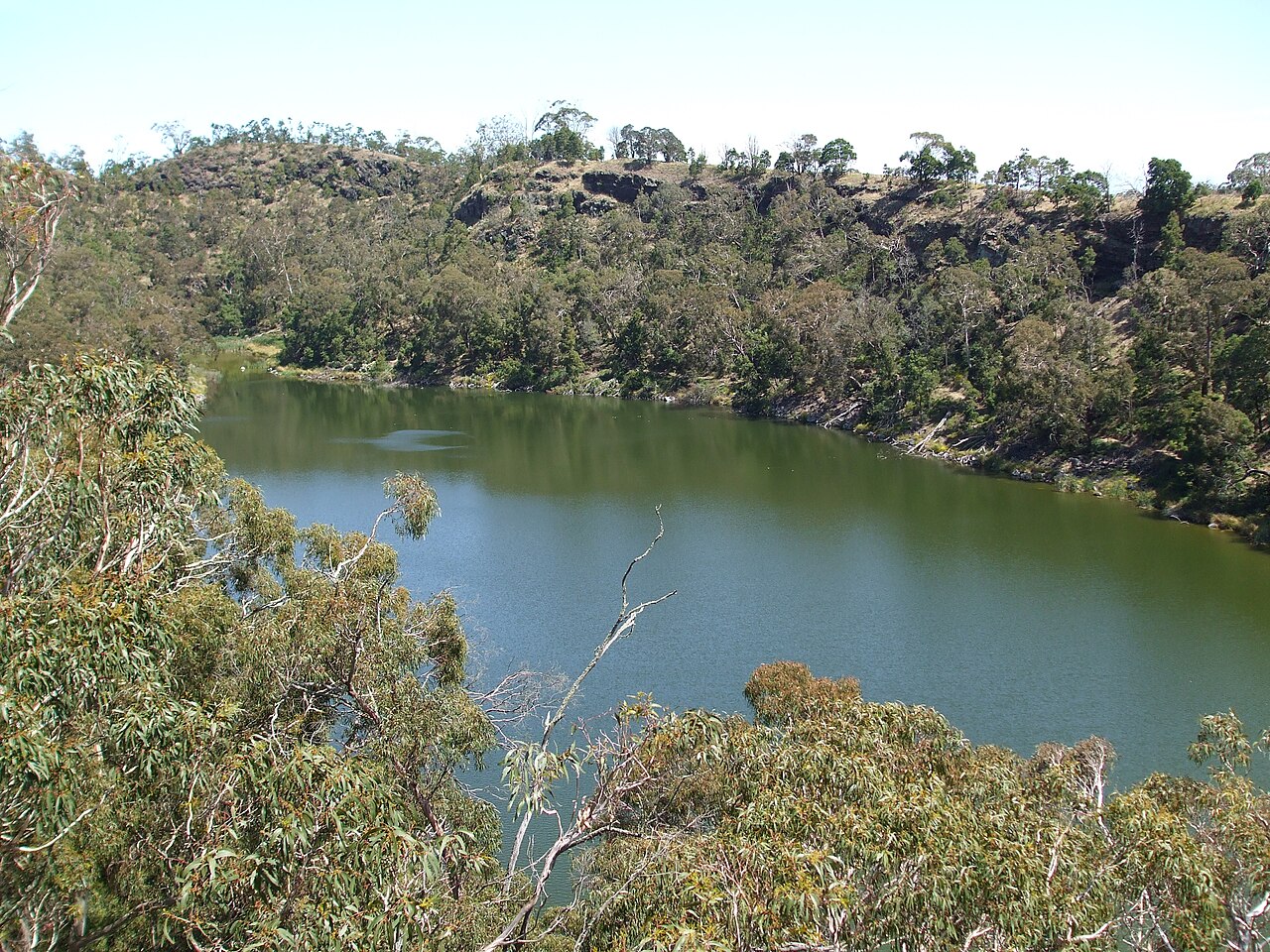
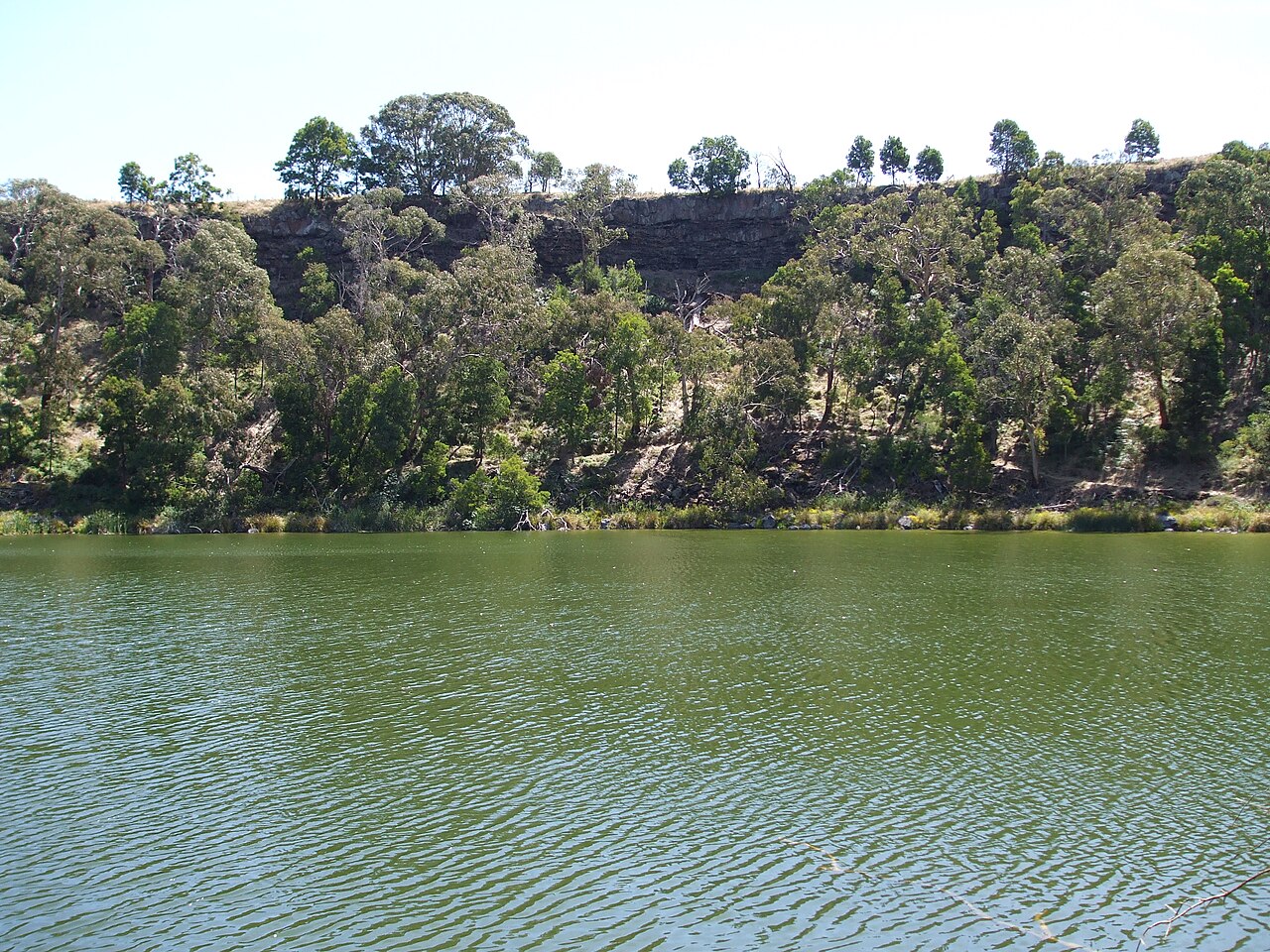
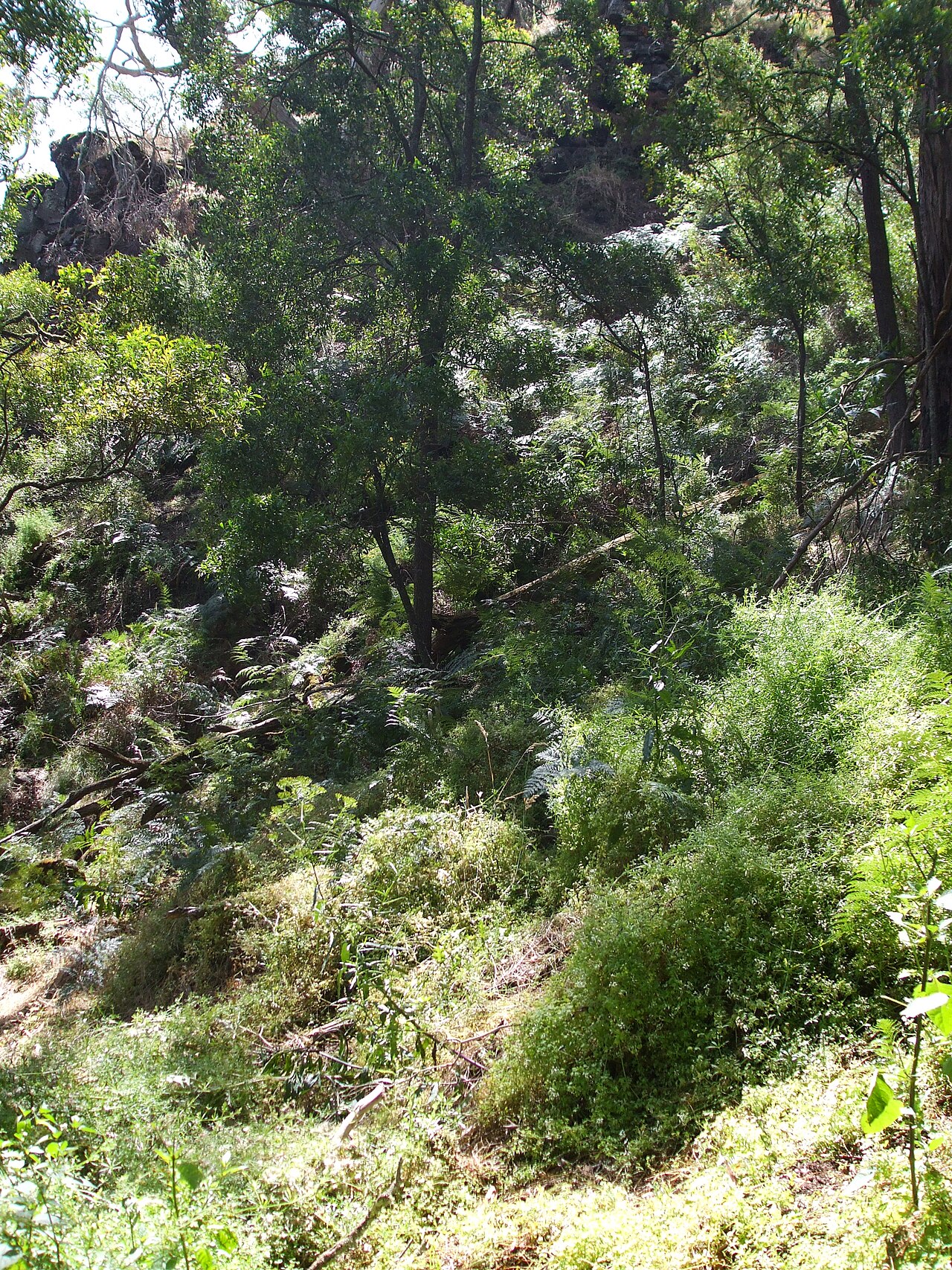
Budj Bim itself is a dormant volcano whose lava flow, cooling tens of thousands of years ago, left behind a landscape of natural stony rises and wetlands that the Gunditjmara reshaped over millennia into a deliberate system for trapping and holding short-finned eels as they migrated through the region.
The volcanic rock’s naturally broken, easily stackable form gave Gunditjmara engineers an ideal raw building material close at hand, allowing extensive channel and weir construction without the need to transport stone from any significant distance, a practical advantage that likely shaped how ambitious the system could become.
Channels, weirs, and traps built to hold a harvest
Using the volcanic rock itself, the Gunditjmara cut and stacked stone channels linking wetlands and waterways across several square kilometers, fitted with woven basket traps at key points, creating a system that could hold eels alive until they were needed rather than relying on a single seasonal catch.
Some channels were engineered to manage water flow actively, redirecting it during flood conditions or low water periods to maintain consistent conditions for the eels being farmed, a level of hydraulic management requiring detailed, transmitted knowledge of the local landscape’s seasonal behavior.
Understanding the eel migration they engineered around
Short-finned eels undertake a complex life cycle, migrating thousands of kilometers to breed in the ocean before their young return to freshwater systems to mature, a cycle the Gunditjmara clearly understood well enough to time their trap placement and channel maintenance around predictable seasonal movement patterns.
This detailed ecological knowledge, encoded and passed down without any written record, represents a sophisticated body of traditional science built through sustained observation across many generations of engagement with the same landscape and the same migratory species.
Evidence of a settled, not purely nomadic, life
Surrounding the aquaculture system, archaeologists have found the stone foundations of permanent circular huts, suggesting the Gunditjmara lived in one place for extended periods, supported by a reliable, managed food surplus, a lifestyle that challenges older assumptions that Aboriginal Australian societies were universally nomadic before European contact.
The presence of durable stone house foundations, rather than temporary shelters, strongly implies multi-generational reuse of the same home sites, consistent with a community whose reliable eel harvest reduced the need for the seasonal long-distance movement more typical of purely hunter-gatherer subsistence strategies.
How large the permanent settlements really were
Survey work across the Budj Bim landscape has identified clusters of hut foundations substantial enough to suggest semi-permanent villages housing possibly hundreds of people at certain points in the year, a settlement scale rarely associated with pre-colonial Aboriginal Australia in earlier, less complete archaeological narratives.
These findings have contributed to a broader reassessment among archaeologists and historians of just how widespread settled, resource-managed Aboriginal communities may have been across parts of Australia prior to European colonization, beyond the specific case of Budj Bim itself.
Older than almost any farming claimed elsewhere
Radiocarbon and other dating methods on the channels and associated charcoal deposits have produced ages ranging from roughly 6,600 years to potentially much older still, placing Budj Bim’s earliest engineering well ahead of most agricultural systems recognized anywhere else in the world.
These dates rely on careful analysis of volcanic ash layers and charcoal found in direct association with constructed channel features, methods that continue to be refined as further sections of the extensive system undergo more detailed excavation and dating study.
Knowledge passed down through Gunditjmara generations
Gunditjmara oral tradition preserves detailed knowledge of the aquaculture system’s construction and use, information that has proven directly useful to archaeologists working to interpret excavated features, representing a rare and valuable case of living traditional knowledge directly informing the scientific study of an ancient engineered landscape.
This combination of oral history and archaeological evidence has made Budj Bim research a frequently cited example of successful collaboration between Indigenous knowledge holders and academic archaeology, a model increasingly emphasized in heritage studies more broadly.
Colonization and a system nearly lost
European settlement in the nineteenth century brought violent displacement to the Gunditjmara and years of dispossession from this land, and much of the aquaculture system fell out of active use, its full scale only reconstructed by archaeologists and Gunditjmara knowledge holders working together over recent decades.
Land clearing and drainage for European-style pastoral farming in the region caused direct physical damage to portions of the ancient channel system, complicating later efforts to map its original full extent and forcing much of the reconstruction to rely on a combination of surviving physical remains and community oral history.
World Heritage Recognition and a Living Tradition
In 2019, UNESCO inscribed Budj Bim as a World Heritage Site, the first in Australia listed solely for its Aboriginal cultural values, and the Gunditjmara continue to manage the site today, treating it not as a museum ruin but as a living cultural landscape and a source of ongoing eel harvesting knowledge.
This listing specifically recognized the site’s cultural landscape value rather than treating it purely as an archaeological curiosity, an important distinction acknowledging that Budj Bim remains actively significant to a living community rather than representing only a distant, disconnected past.
Budj Bim Managed by Its Own Traditional Owners Today
The Gunditj Mirring Traditional Owners Aboriginal Corporation now manages the Budj Bim National Heritage Landscape, combining tourism access with ongoing cultural practice, research partnerships, and active eel harvesting traditions that continue in modified form into the present day.
Visitor programs at Budj Bim are led substantially by Gunditjmara guides themselves, offering a model of Indigenous-directed heritage tourism that presents the site’s history from the perspective of the community whose ancestors actually built and used it.
What “aquaculture” really means at Budj Bim
The word aquaculture can conjure images of modern industrial fish farms, but at Budj Bim it describes something both simpler and more remarkable: a deliberate, engineered manipulation of a natural wetland to reliably harvest one of Australia’s most nutritious foods, the short-finned eel. The Gunditjmara people modified the lava-flow landscape by digging channels, building low stone walls to redirect water, and constructing weirs and holding ponds so that eels moving through the wetland during their seasonal migration could be guided, held, and harvested in a controlled, sustainable way, year after year, across an astonishing span of time.
This was not a one-off trap but a managed system covering a large area, maintained and adjusted over generations, that effectively turned an entire wetland into a productive food-management landscape. Because it relied on aquatic resources rather than domesticated crops or livestock, it long fell outside older, narrow definitions of what counted as agriculture, definitions that have increasingly been recognized as culturally biased toward Old World farming models and unable to capture the sophistication of what the Gunditjmara achieved.
Trapping, smoking, and trading the eel harvest
Harvesting eels in quantity created a surplus, and the Gunditjmara developed methods to preserve it, including smoking eels in hollow trees over slow fires, a technique that allowed the catch to be stored and transported well beyond the immediate season. This capacity to preserve and store food is deeply significant, because reliable food storage is one of the classic preconditions archaeologists associate with settled, non-nomadic living, and its presence at Budj Bim reinforces the picture of permanent or semi-permanent communities rather than the constantly moving foraging bands that colonial-era accounts wrongly assumed characterized all Aboriginal societies.
The preserved surplus also supported exchange, with smoked eel serving as a valuable trade item connecting the Gunditjmara to neighboring groups, part of the social and economic networks that tied together communities across southeastern Australia, and further evidence that Budj Bim was not an isolated curiosity but the productive heart of a functioning regional society.
The circular stone houses of the lava country
Scattered across the Budj Bim landscape are the remains of circular stone-walled dwellings, the low foundations of houses that once had walls of stacked volcanic rock, likely topped with domed roofs of timber and thatch, evidence of durable, repeatedly used dwellings rather than temporary shelters. The presence of these permanent stone houses, clustered near the aquaculture systems that provided a dependable food supply, directly contradicts the long-standing colonial narrative that Aboriginal Australians were exclusively nomadic and built nothing lasting, a narrative that was used historically to justify dispossession of land on the grounds that it was supposedly not being permanently occupied or improved.
Archaeological and oral-historical evidence together indicate these settlements could house sizeable communities living in one place for much of the year, sustained by the engineered abundance of the wetlands, making Budj Bim one of the most important sites anywhere for correcting the historical record about the diversity and sophistication of pre-colonial Aboriginal ways of life.
Dating a system that spans thousands of years
Radiocarbon dating and geological analysis of the Budj Bim aquaculture system indicate that parts of it are extraordinarily old, with the eruption of the Budj Bim volcano that created the lava landscape dated to tens of thousands of years ago, and evidence of the engineered water-management systems themselves stretching back thousands of years, placing them among the oldest known aquaculture systems anywhere in the world. Some elements of the system predate the construction of many far more famous monuments elsewhere on Earth, a fact that reframes Budj Bim not as a marginal or late development but as one of humanity’s early and enduring achievements in landscape engineering.
Crucially, this is not a dead archaeological site but a continuously known and, in living memory, still-used cultural landscape, meaning that the deep antiquity revealed by scientific dating is matched by an unbroken chain of Gunditjmara knowledge, a rare and precious combination of very old physical evidence and living cultural continuity.
A volcano remembered in living memory
One of the most extraordinary aspects of Budj Bim is that Gunditjmara oral tradition appears to preserve the memory of the volcanic eruption that created the landscape, describing the emergence of the volcano in terms that some researchers have connected to the actual geological event. If this interpretation holds, it would represent one of the longest continuous oral traditions documented anywhere on Earth, a story passed down across countless generations spanning a timescale that dwarfs the written records of most civilizations, and a powerful demonstration that oral knowledge systems can preserve genuine information across immense stretches of time.
This intertwining of geological history and cultural memory gives Budj Bim a rare doubled significance: it is at once a scientific record of ancient volcanism and engineering, and a living cultural landscape whose meaning is held and transmitted by the descendants of the very people who built and used it, an integration of the deep past and the present that few World Heritage sites can match.
What UNESCO recognition actually acknowledged
When the Budj Bim Cultural Landscape was inscribed on the UNESCO World Heritage List in 2019, it became notable as one of the first Australian sites listed exclusively for its Aboriginal cultural values rather than primarily for natural or European-associated heritage. The listing formally recognized what the Gunditjmara had always known: that this was a place of outstanding universal value precisely because of the sophisticated aquaculture system their ancestors engineered and the unbroken cultural knowledge that surrounds it, an acknowledgment carrying significance well beyond archaeology into questions of recognition, land rights, and the correction of a long-distorted national history.
The nomination itself was led by the Gunditjmara people, and the recognition has supported ongoing efforts by the traditional owners to manage, protect, and interpret the landscape on their own terms, turning international heritage status into a practical tool for cultural revival, education, and economic self-determination rather than simply a plaque on a distant register.
Why Budj Bim changes the story of early humanity
Budj Bim matters far beyond Australia because it challenges some of the most basic assumptions embedded in older accounts of human development, particularly the idea that complex, settled societies with permanent architecture and engineered food systems could only emerge from crop-and-livestock agriculture of the kind that developed in the Middle East, China, and the Americas. The Gunditjmara achieved settlement, food surplus, storage, trade, and durable stone architecture through the intensive management of a wetland ecosystem, a pathway to complexity that older models simply did not account for.
Alongside sites like Göbekli Tepe, which showed monumental construction preceding farming, Budj Bim is part of a broader reassessment in archaeology of just how varied the human journey toward complex society really was, replacing a single presumed ladder of progress with a recognition that different peoples, in different environments, found their own distinct routes to abundance, permanence, and sophistication, sometimes tens of thousands of years ago and sometimes, as at Budj Bim, in ways still remembered by their living descendants today.
The Gunditjmara and knowledge held for uncounted generations
Budj Bim is unusual among the world’s great ancient sites in that the people who built it are not a vanished mystery but a living community, the Gunditjmara, who have maintained a connection to this landscape across an almost unimaginable span of time. Their traditional knowledge, passed down through generations of oral teaching, encompasses not only the practical workings of the eel-harvesting systems but the stories, laws, and spiritual understandings that gave the landscape its meaning. This continuity means that Budj Bim is understood today not through the guesses of outside archaeologists alone, but in partnership with the descendants of its creators, who bring an authority and depth of understanding no excavation could supply.
That the Gunditjmara retained this knowledge at all is itself remarkable, given the violent disruption of colonization that sought to sever Aboriginal communities from their land and culture. The survival and revival of Budj Bim knowledge stands as an act of cultural endurance, and the site has become a source of profound pride, a place where an ancient heritage and a contemporary community’s identity are inseparably intertwined.
Dispossession and the near-erasure of an achievement
The arrival of European settlers in the region during the nineteenth century brought catastrophe to the Gunditjmara, as it did to Aboriginal peoples across Australia. Land was seized for grazing, communities were dispossessed and killed in frontier violence, and the intricate aquaculture systems, no longer maintained by a people forced from their country, fell into disuse and were in places deliberately damaged or drained. For much of the twentieth century, the sophistication of what the Gunditjmara had built lay largely unrecognized by the wider Australian society, obscured by a settler narrative that portrayed Aboriginal people as simple nomads who had left no lasting mark on the land.
This erasure was not merely an oversight but served a purpose, for acknowledging that Aboriginal people had engineered permanent settlements and managed the land intensively would have undercut the legal and moral justifications used to dispossess them. The gradual reassertion of Budj Bim’s significance, driven substantially by the Gunditjmara themselves, has therefore carried weight far beyond archaeology, contributing to a broader reckoning with the true history of the continent and the peoples who shaped it.
Budj Bim among the world’s oldest engineered landscapes
Set alongside the other sites in this series, Budj Bim expands what we mean by early human achievement in a fundamental way. Where Ur and Harappa represent the familiar path of grain agriculture giving rise to cities, and where Nabta Playa and Stonehenge represent monumental construction tied to the sky and the seasons, Budj Bim represents a different kind of ingenuity altogether, the deliberate reshaping of an entire wetland ecosystem to produce a reliable food supply. Its aquaculture channels are engineering on a landscape scale, achieved and sustained across a span of time that dwarfs many of the monuments more commonly celebrated as humanity’s early triumphs.
Including Budj Bim in a global history of the oldest settlements corrects a longstanding imbalance that treated the Old World’s river valleys as the sole cradle of complex society. It insists that the human story is genuinely global, that sophistication arose independently and in strikingly diverse forms across every inhabited continent, and that the achievements of Aboriginal Australians belong squarely within any honest account of how humanity first learned to settle, to engineer, and to thrive in place.
Walking the eel channels today
Today the Budj Bim Cultural Landscape welcomes visitors on tours led by Gunditjmara guides, who walk them along the ancient stone channels and weirs, explain the workings of the eel-harvesting system, and share the cultural stories that give the landscape its meaning. This form of tourism, controlled and delivered by the traditional owners themselves, turns the site into a source of economic self-determination as well as cultural pride, ensuring that the benefits of sharing this heritage flow to the community whose ancestors created it.
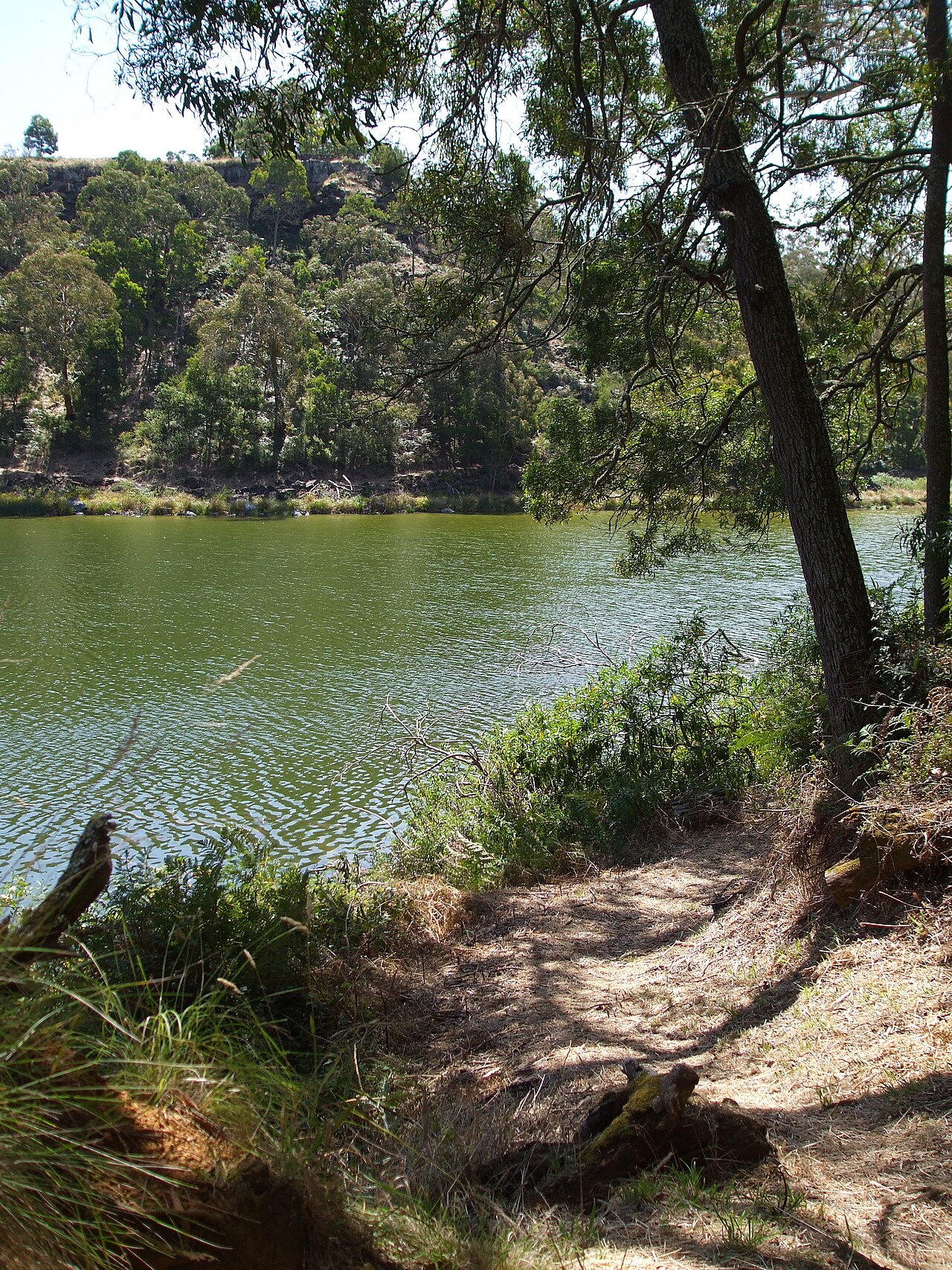
The volcanic landscape, with its lava flows, wetlands, and the extinct crater of Budj Bim itself, offers a striking natural setting for this living heritage, and ongoing conservation and restoration work, including efforts to rehabilitate the wetlands and their eel populations, aims to keep the system not merely as a museum piece but as a functioning part of the country the Gunditjmara continue to care for. In this way Budj Bim points toward a model in which the deep past and the living present sustain one another.
The remarkable life of the creature they farmed
To appreciate the ingenuity of Budj Bim, it helps to understand the extraordinary animal at its center. The short-finned eel undertakes one of the most astonishing migrations in the animal kingdom, growing to maturity in freshwater rivers and wetlands before travelling thousands of kilometres out into the Pacific Ocean to spawn, after which the tiny young make the equally epic return journey back to the very freshwater systems their parents left. The Gunditjmara built their entire aquaculture system around the predictable seasonal movements of these eels, engineering channels and traps that intercepted them as they moved through the wetlands, turning an understanding of eel behavior into a dependable and renewable food supply.
This deep ecological knowledge, an intimate familiarity with the life cycle, timing, and habits of the eel accumulated over countless generations, is the true foundation of Budj Bim, more so even than the stone channels themselves. The physical infrastructure was simply the expression of a sophisticated science of the living world, developed and refined by a people who observed their environment with a precision and patience that modern ecologists have come to deeply respect.
Managing country with fire and water together
The Gunditjmara management of the Budj Bim landscape extended beyond the water channels to encompass the wider country, including the careful use of fire to shape vegetation, encourage useful plants, and maintain the health of the land, a practice known across Aboriginal Australia as cultural burning. This integrated approach treated the landscape as a whole system to be actively tended rather than a wilderness to be left alone or a resource to be exhausted, a philosophy of custodianship increasingly recognized by contemporary land managers as offering valuable lessons for sustainability in a changing climate.
The combination of water engineering, fire management, and detailed ecological knowledge made the Gunditjmara sophisticated stewards of a complex environment, sustaining both their food systems and the health of the wetlands across thousands of years. As modern Australia grapples with environmental challenges, growing attention is being paid to these traditional land-management practices, and Budj Bim stands as a powerful demonstration that Indigenous knowledge systems represent not a relic of the past but a living resource with genuine relevance to the future.
Nearby in Oceania’s Ancient Story
Budj Bim adds an entirely different kind of ancient engineering to the Pacific world already introduced through Oceania’s other great site.
Closing thoughts
No pyramid, no temple, no palace: just channels cut into cooled lava, built to keep a community fed for thousands of years, and still recognized and used as such today.
You May Like

Mafra, the Palace a King Built From a Vow