Far south of the pharaohs, on the banks of the Nile in Sudan, rose one of Africa’s earliest great cities, a Nubian capital powerful enough to rival Egypt itself, crowned by a mountain of mudbrick and surrounded by royal tombs holding sacrificed retinues. This is the story of Kerma, capital of the ancient Kingdom of Kush.
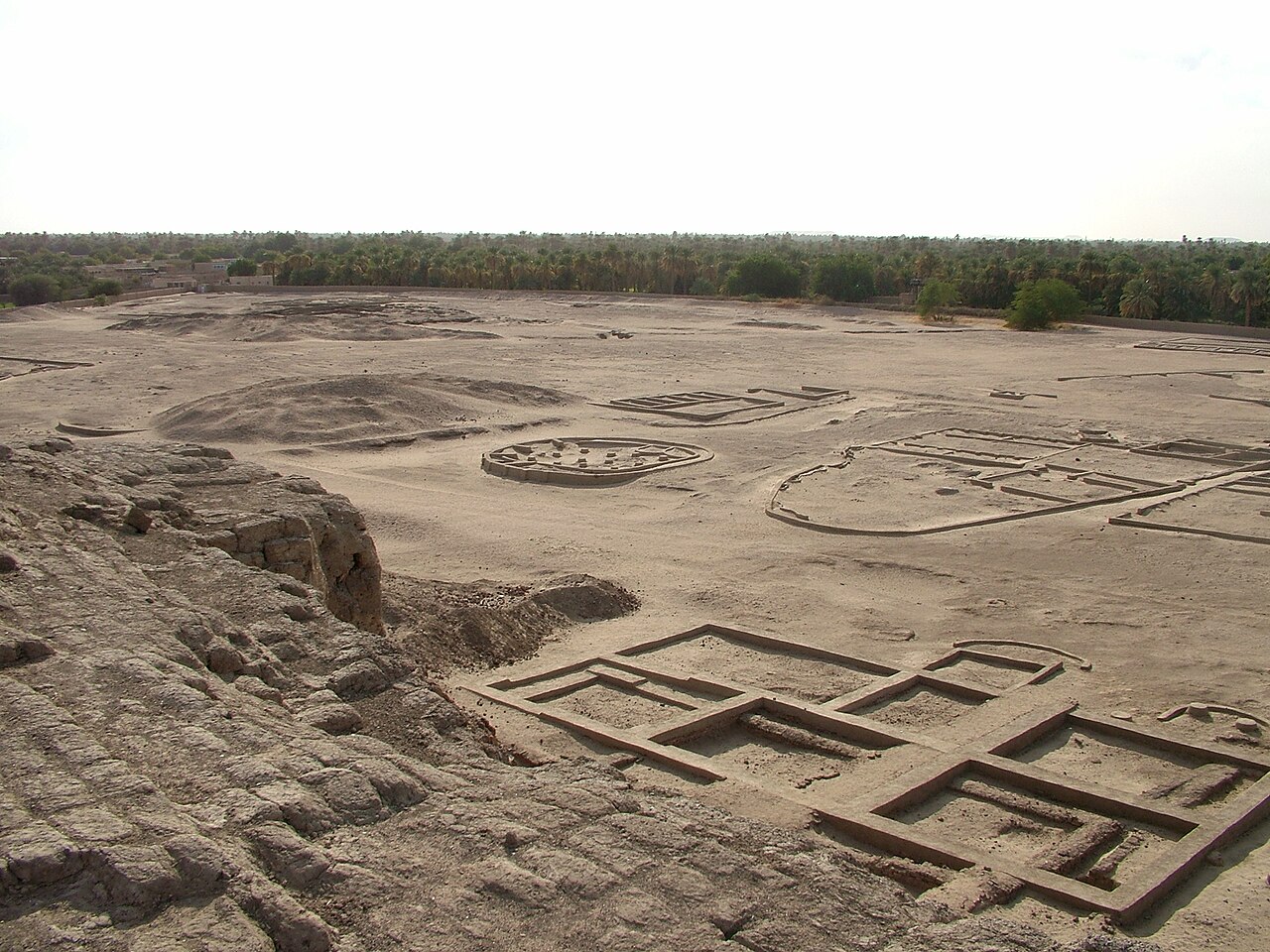
Table of Contents
- One of Africa’s first cities beyond Egypt
- The Western Deffufa, a mountain of mudbrick
- Capital of the Kingdom of Kush
- Royal tumuli and the mystery of mass sacrifice
- The masters of a distinctive pottery
- Gold, ivory, and the wealth of the Nile
- Conquered by Egypt, but never erased
- Rediscovering a forgotten African civilization
- Kerma’s place in the story of Africa
- Inside the walls of an ancient Nubian city
- Gods, temples, and the beliefs of Kerma
- A thousand years of rivalry and exchange with Egypt
- The lives of Kerma’s people
- Bronze, gold, and the craft of the metalworkers
- Kerma among the world’s early cities
- Kerma and the heritage of Sudan today
- Nearby in Africa’s ancient story
- Closing thoughts
One of Africa’s first cities beyond Egypt
On the banks of the Nile in what is now northern Sudan, far to the south of the pharaohs’ Egypt, lie the remains of Kerma, one of the earliest and most powerful urban centers to arise anywhere in Africa outside the Egyptian heartland. Flourishing from around 2500 BCE, Kerma was the capital of a Nubian kingdom that at its height rivaled Egypt itself, a bustling city and the center of a state powerful enough to threaten its mighty northern neighbor. For over a thousand years Kerma stood as the beating heart of Nubian civilization, a testament to the sophistication of the peoples of the middle Nile.
For too long the civilizations of ancient Sudan were overshadowed by the fame of Egypt, dismissed as mere imitators or subjects of their northern neighbor. The rediscovery of Kerma has helped overturn this view, revealing an independent and highly organized society with its own distinctive culture, monumental architecture, and political power. To tell the story of Kerma is to restore to its rightful place one of Africa’s great early cities, a center of urban life on the Nile that deserves to be remembered alongside the more famous names of the ancient world.
The Western Deffufa, a mountain of mudbrick
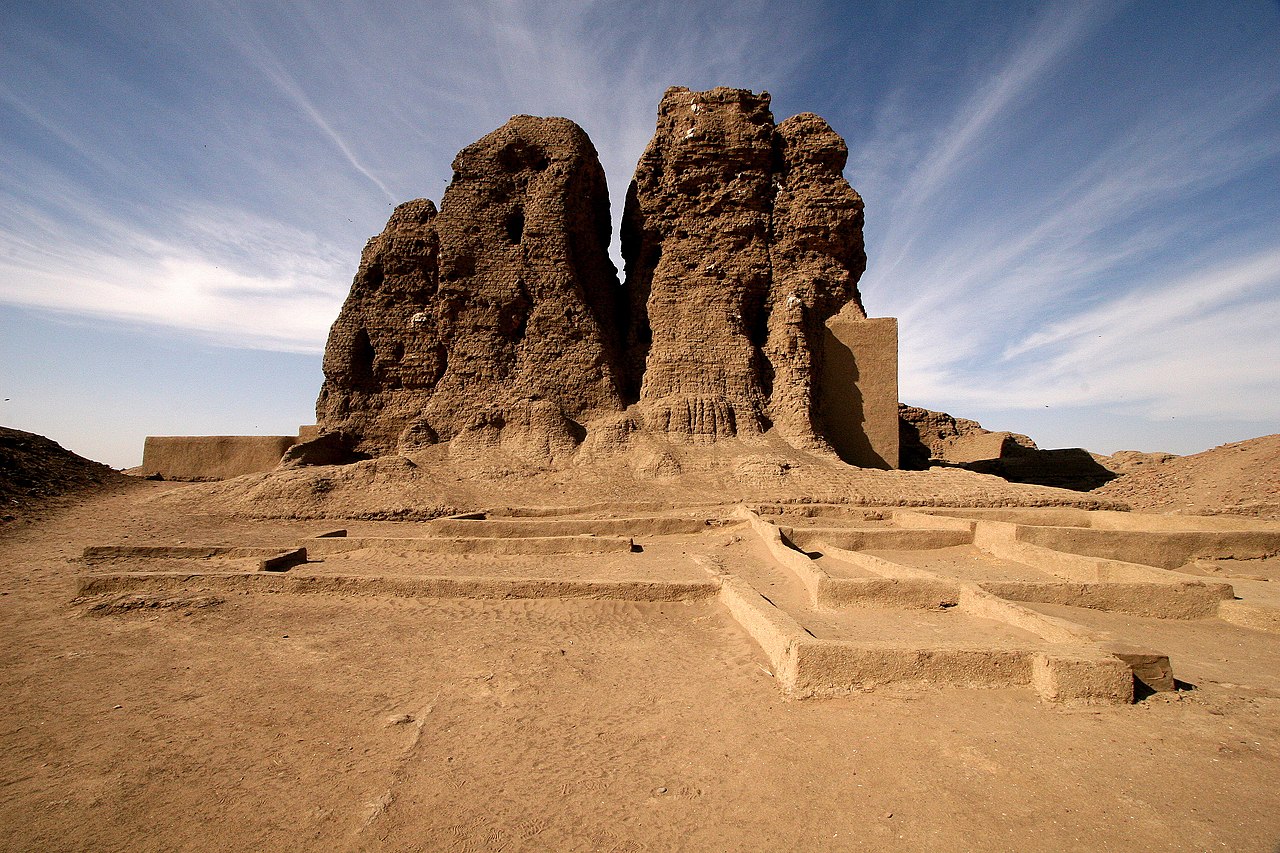
Dominating the ruins of Kerma is the Western Deffufa, an enormous solid structure of mudbrick that ranks among the largest and most impressive ancient buildings in all of Africa south of Egypt. Rising many meters high and built from millions of mudbricks, this massive monument, whose name means simply a large mudbrick building in the local language, is thought to have served as a great temple, its towering bulk a symbol of the religious and political power concentrated at Kerma.
The sheer scale of the Western Deffufa testifies to the organizational capacity of the Kerma state, for raising such a mass of mudbrick required the mobilization and coordination of enormous quantities of labor and materials over a long period. Visitors could once climb internal staircases and ramps within the structure to reach ceremonial spaces near its summit, and the building would have been visible for a great distance across the surrounding plain, a permanent statement of the might of Kerma’s rulers and the gods they served, standing at the very center of one of Africa’s earliest cities.
Capital of the Kingdom of Kush
Kerma was the capital of the earliest phase of the Kingdom of Kush, the great Nubian state that would remain a major power on the Nile for centuries and that at times rivaled and even conquered Egypt. From their capital, the rulers of Kerma controlled the trade routes of the middle Nile, commanding the flow of gold, ivory, ebony, exotic animals, and other precious goods from the African interior toward Egypt and the wider ancient world, wealth that underpinned the power and splendor of the Kerma state.
At the height of its power, Kerma posed a genuine threat to Egypt, and there were periods when the kingdom expanded and even raided deep into Egyptian territory, exploiting moments of Egyptian weakness. The relationship between Kerma and Egypt was one of rivalry, trade, warfare, and mutual influence between two powerful states, not that of a superior civilization and a subordinate one. This recognition of Kush as a great power in its own right, centered on the city of Kerma, has been one of the most important corrections in the modern understanding of ancient Africa.
Royal tumuli and the mystery of mass sacrifice
To the east of the city lies a vast cemetery containing thousands of graves, including enormous royal burial mounds, or tumuli, beneath which the kings of Kerma were laid to rest with astonishing wealth and, more disturbingly, with large numbers of sacrificed human attendants. The greatest of these royal tumuli covered burial chambers surrounded by the remains of hundreds of individuals who appear to have been sacrificed to accompany the king in death, a practice that reveals both the immense power of Kerma’s rulers and the profound beliefs about the afterlife that governed their society.
These great burial mounds, some among the largest funerary monuments in Africa, were furnished with lavish grave goods including fine pottery, jewelry, and inlaid furniture, reflecting the wealth and craftsmanship of the Kerma culture. The scale of the human sacrifices, echoing practices seen at other early states around the world such as the royal tombs of Ur, speaks to a society in which the death of a king was an event of cosmic importance, demanding the accompaniment of a retinue into the next world and demonstrating the absolute authority the rulers of Kerma held over the lives of their subjects.
The masters of a distinctive pottery
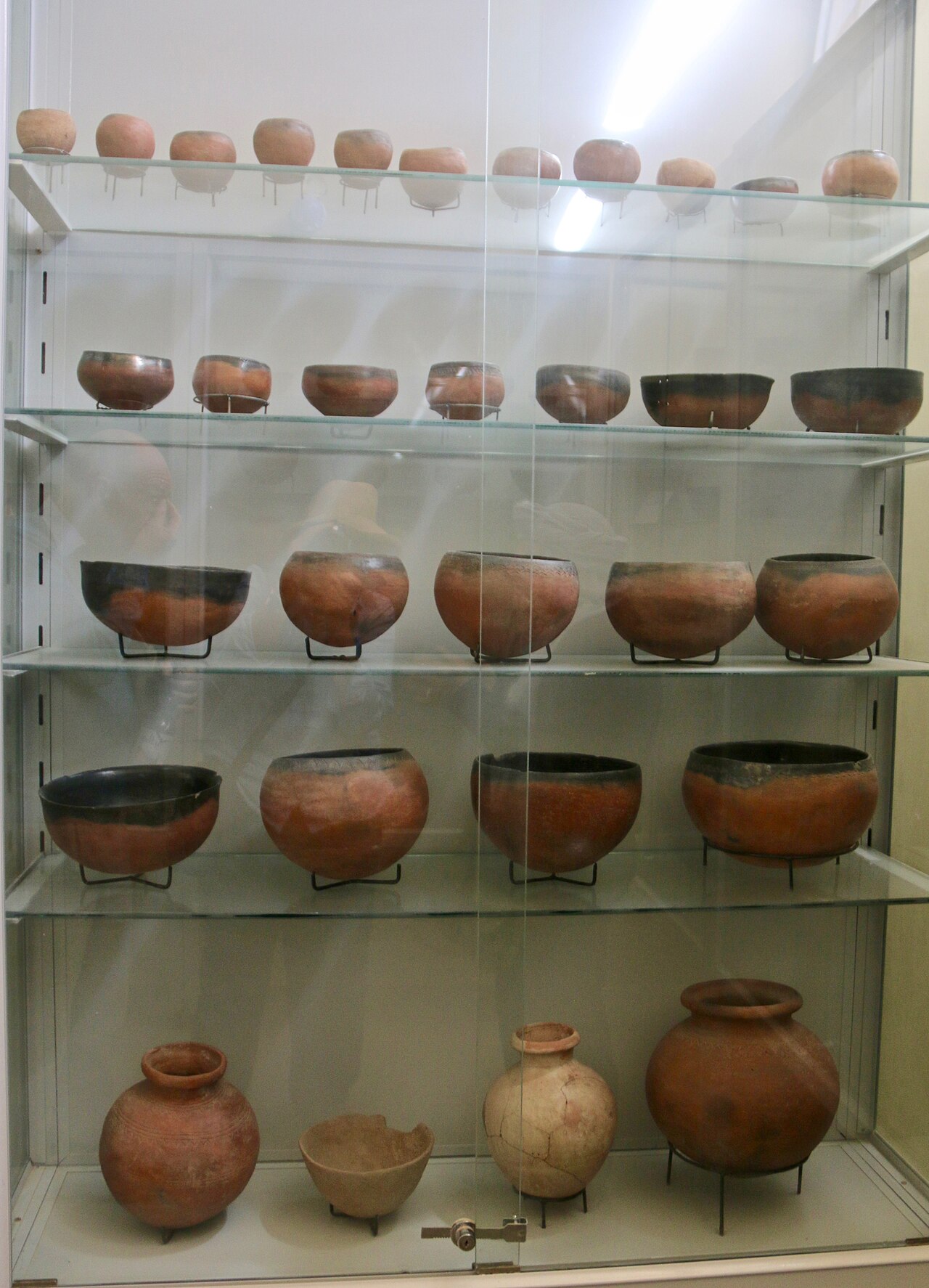
Among the finest achievements of the Kerma culture was its pottery, particularly a distinctive type of beaker with a lustrous black top and a red body, separated by a band of silvery grey, produced with extraordinary skill and thinness. This Kerma ware ranks among the most beautiful pottery of the ancient world, its delicate walls and striking coloration reflecting a highly developed ceramic tradition that was entirely the achievement of Nubian artisans rather than an imitation of Egyptian styles.
The technical mastery required to produce these thin-walled, precisely colored vessels was considerable, involving careful control of firing conditions to achieve the characteristic banding of colors. This pottery has become a signature of the Kerma culture, instantly recognizable to archaeologists and a marker of the distinctive identity and craftsmanship of the civilization. Far from being crude or derivative, the finest Kerma ceramics stand comparison with the best pottery of ancient Egypt, further evidence of the sophistication and independence of the culture that produced them on the middle Nile.
Gold, ivory, and the wealth of the Nile
The wealth of Kerma flowed from its command of the rich resources of Nubia and its position astride the trade routes linking sub-Saharan Africa to Egypt and the Mediterranean world. Nubia was famed above all for its gold, and control of the gold-bearing regions of the eastern desert gave the rulers of Kerma access to one of the most coveted materials of antiquity. Beyond gold, the products of the African interior, ivory, ebony, animal skins, incense, and exotic animals, passed through Kerma on their way north, generating the wealth that sustained the city and its rulers.
Agriculture along the fertile floodplain of the Nile provided the food surplus that supported Kerma’s dense population and its monument-building, while herds of cattle held great economic and symbolic importance in Nubian culture, as reflected in their appearance in art and burials. This combination of agricultural abundance, pastoral wealth, and control of long-distance trade made Kerma one of the richest and most powerful centers of its age, a great emporium of the Nile whose prosperity rested on the abundance of the river and the riches of the lands beyond.
Conquered by Egypt, but never erased
Around 1500 BCE, the long independence of Kerma came to an end when the resurgent New Kingdom of Egypt, under its powerful warrior pharaohs, conquered Nubia and destroyed the Kerma state, incorporating its territory into the Egyptian empire. The great city was taken, its temples appropriated, and Egyptian control was imposed across Nubia for centuries, a dramatic reversal of fortune for a kingdom that had once threatened Egypt itself.
Yet the conquest did not erase Nubian civilization, which endured and revived. Centuries later a new Kushite kingdom would rise, centered further south, and would eventually turn the tables entirely by conquering Egypt and ruling it as pharaohs during the twenty-fifth dynasty. The fall of Kerma was thus not the end of the Nubian story but one chapter in a long history of rivalry, exchange, and resilience along the middle Nile, in which the descendants of Kerma’s people would repeatedly reassert their power and their distinctive identity in the face of Egyptian ambition.
Rediscovering a forgotten African civilization
The modern rediscovery of Kerma and the recognition of its importance owe much to archaeological excavations that revealed the scale of the city, the grandeur of the Western Deffufa, and the astonishing wealth and human sacrifices of the royal tombs. Early excavations in the twentieth century first brought the site to wider attention, though they were shaped by the biases of their time, which often struggled to credit Africans with the achievements the evidence revealed and sometimes wrongly attributed them to Egyptian or outside influence.
Decades of subsequent research, including long-running modern excavations, have transformed understanding of Kerma, establishing it firmly as an independent African civilization of great antiquity and power. This work has been part of a broader reassessment of the ancient civilizations of Sudan, which are now recognized as among the most important in Africa, and has helped restore Kerma to its rightful place in world history as one of the earliest and greatest urban centers of the African continent beyond Egypt.
Kerma’s place in the story of Africa
The significance of Kerma extends far beyond its own ruins, for it stands as powerful evidence of the antiquity, sophistication, and independence of African civilization south of Egypt. As one of the earliest cities and states in sub-Saharan Africa’s vicinity, home to monumental architecture, refined crafts, powerful kings, and far-reaching trade, Kerma demonstrates that the Nile valley nurtured great civilizations well beyond the borders of Egypt, and that the peoples of ancient Nubia were creators of a rich urban culture in their own right.
In the wider story of the world’s oldest settlements, Kerma supplies an essential and too often neglected African chapter, taking its place alongside the great early centers of Mesopotamia, the Indus, and Mesoamerica. Its towering Deffufa, its royal tumuli, and its exquisite pottery testify to a civilization that flourished for over a thousand years on the middle Nile, and its rediscovery has helped ensure that the deep history of Africa is told in its full richness, with the great city of Kerma restored to its place among the founders of urban life on the continent.
Inside the walls of an ancient Nubian city
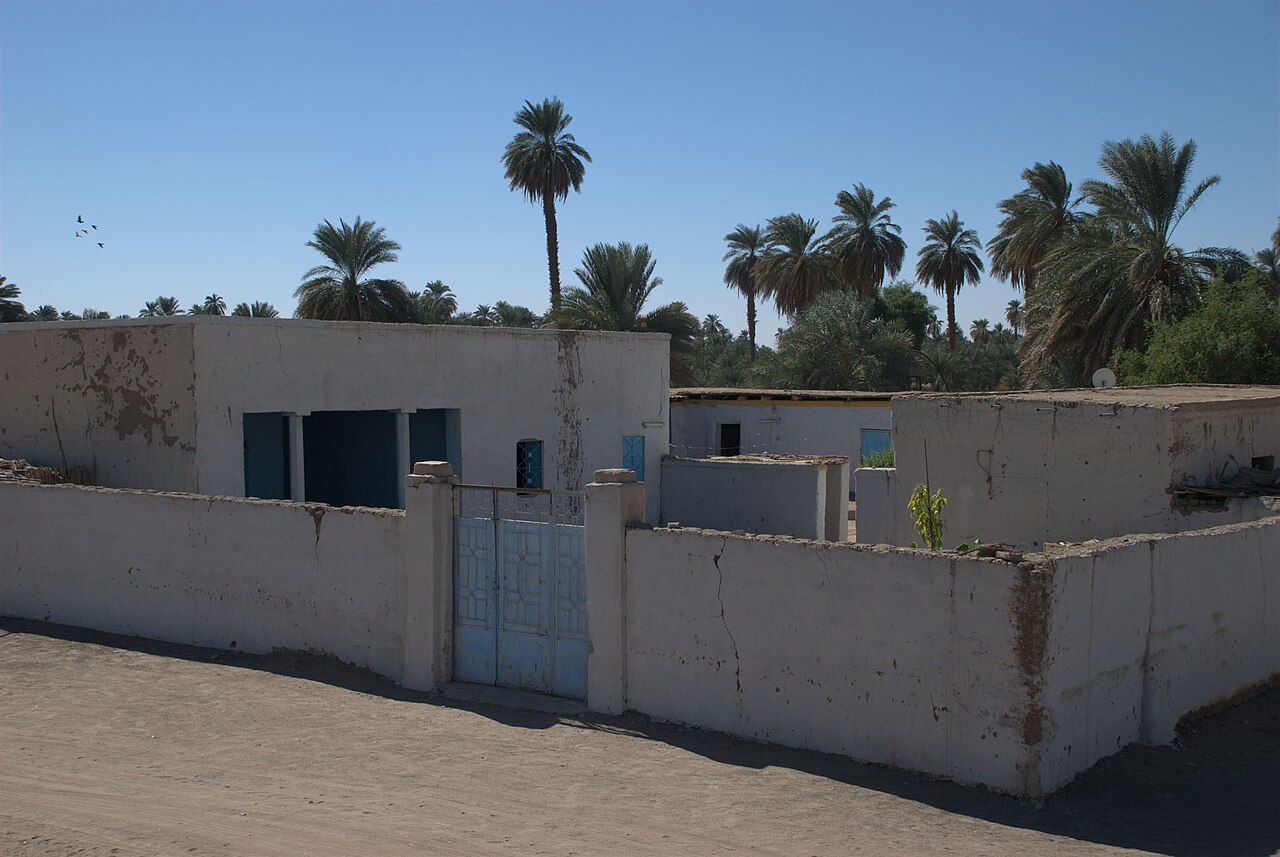
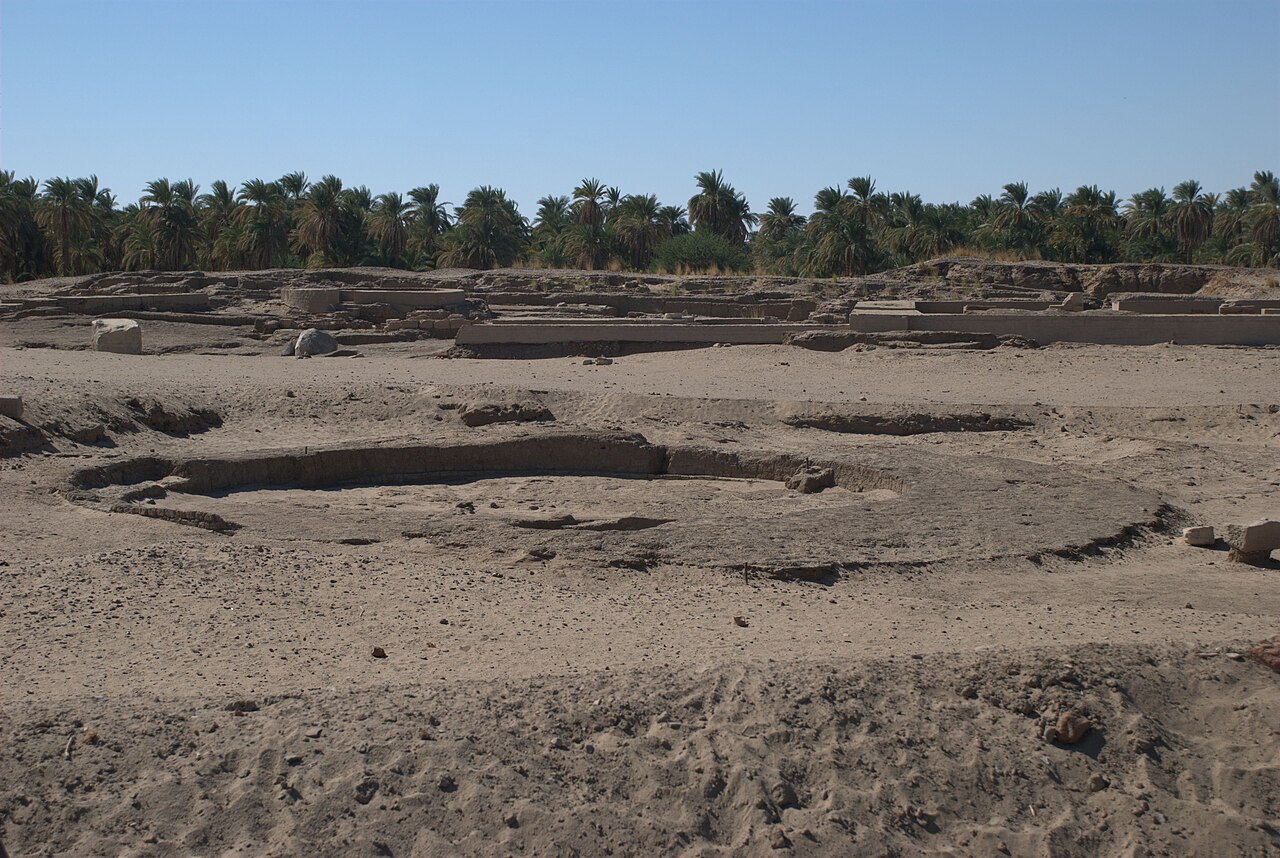
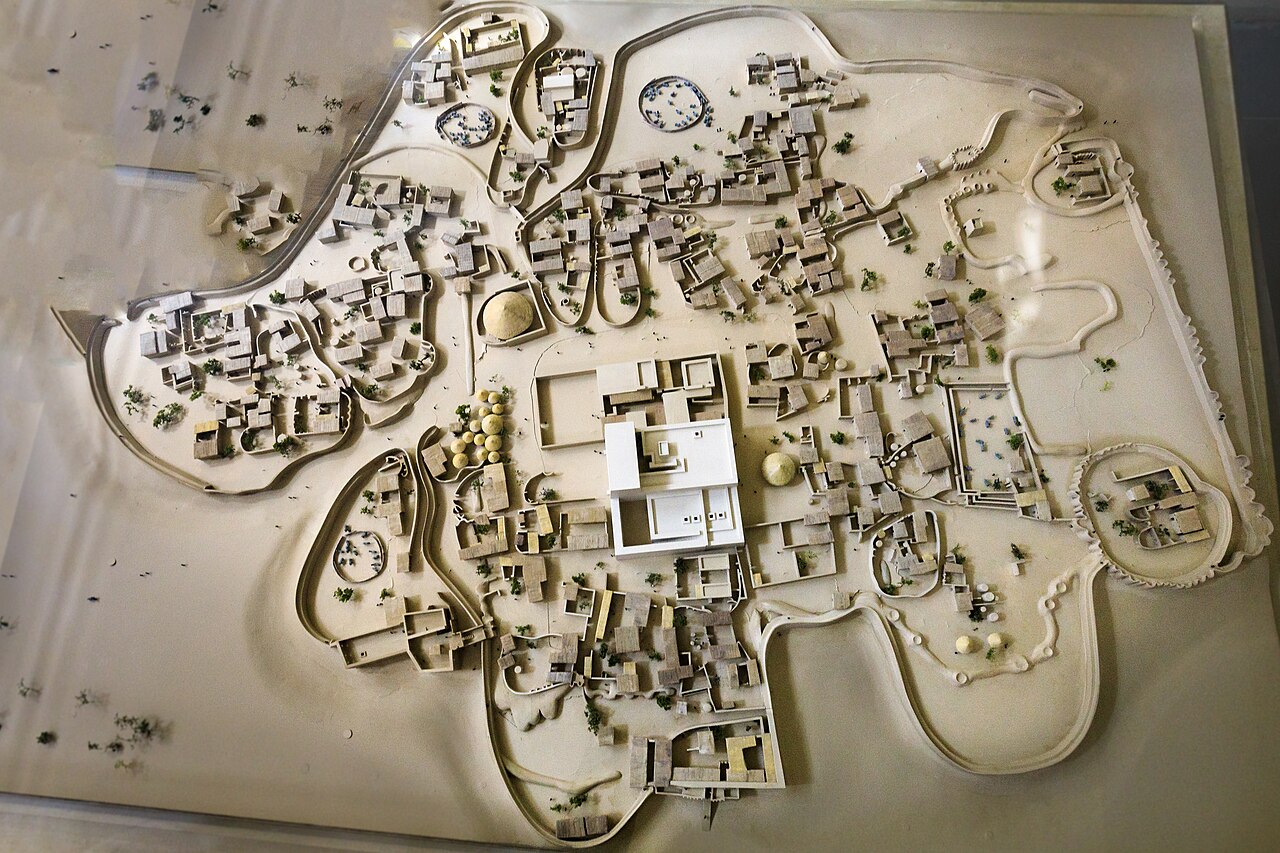
Kerma was not merely a ceremonial center but a genuine city, with defensive walls and gates, a dense fabric of houses and workshops, storage facilities, and administrative buildings clustered around its great religious monuments. Excavations have revealed a complex and evolving urban plan, with the city growing and being rebuilt over many centuries, its ramparts and bastions attesting to the need to defend the wealth and power concentrated within against rivals and raiders. This was a place of streets and neighborhoods, of markets and industry, where thousands of people lived, worked, and worshipped.
The presence of substantial fortifications is itself significant, marking Kerma as a center worth defending and a capital conscious of external threats, above all from Egypt. Within the walls, the layout reflected the priorities of the society, with the towering temple of the Western Deffufa at its heart and the residences and workplaces of the population arrayed around it. The archaeology of the city has allowed researchers to trace how Kerma developed from its early beginnings into a mature urban capital, offering one of the fullest pictures available of an early African city beyond Egypt.
Gods, temples, and the beliefs of Kerma
Religion lay at the heart of Kerma’s identity, expressed above all in the great temple of the Western Deffufa and in a second monumental religious structure, the Eastern Deffufa, which stood within the funerary landscape and served as a mortuary temple associated with the royal cemetery. These massive buildings were the focus of ceremonies that bound together the political and spiritual authority of the kingdom, with the rulers of Kerma acting as intermediaries between their people and the divine forces that governed the world.
The beliefs of the Kerma people, while incompletely understood, clearly placed enormous emphasis on the afterlife and on the continuity of royal power beyond death, as the great tumuli and their sacrificed retinues so vividly demonstrate. Cattle held a special sacred significance, their skulls placed in great numbers around royal graves, reflecting the deep importance of pastoralism in Nubian culture and belief. This was a distinctly Nubian religious world, drawing on the traditions of the middle Nile rather than simply borrowing from Egypt, and it gave Kerma much of its coherence and power as a society.
A thousand years of rivalry and exchange with Egypt
The long relationship between Kerma and Egypt was among the most consequential in the ancient history of the Nile, oscillating between trade, diplomacy, rivalry, and open warfare across more than a thousand years. During periods of Egyptian strength, the pharaohs sought to control Nubia and its riches, building fortresses along the Nile to guard the trade routes and hold back the power of Kush. During periods of Egyptian weakness, Kerma expanded and asserted itself, at times allying with other enemies of Egypt and even raiding into Egyptian territory.
This dynamic of competition and exchange left deep marks on both societies. Egyptian goods and influences appear at Kerma, just as Nubian soldiers, goods, and cultural elements were present in Egypt, reflecting a relationship of mutual awareness between two great powers rather than the simple dominance of one over the other. Understanding Kerma requires seeing it as Egypt’s true rival and counterpart on the Nile, a kingdom that the pharaohs regarded with a mixture of desire, fear, and respect, and whose thousand-year history was inextricably bound up with that of its more famous northern neighbor.
The lives of Kerma’s people
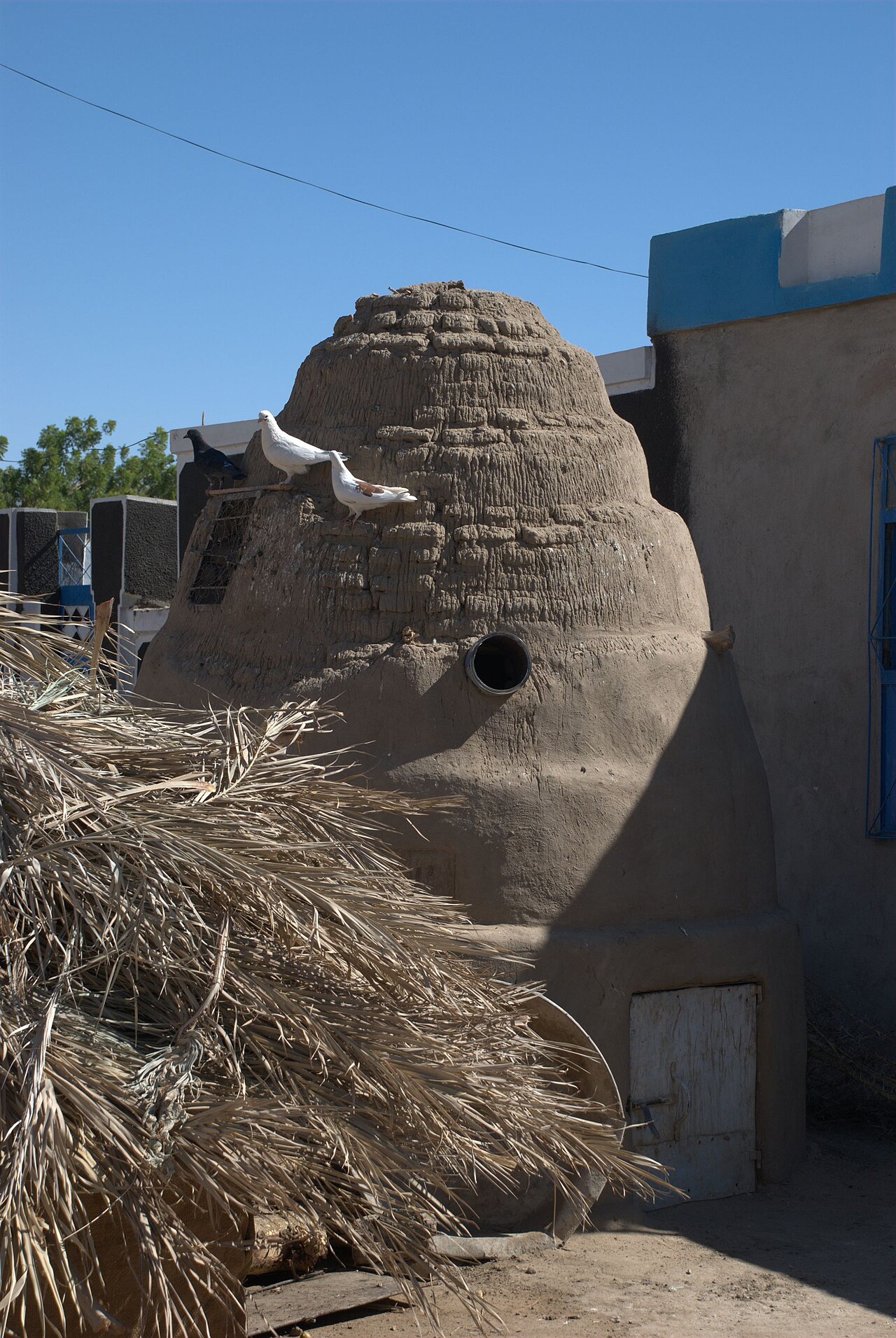
Beneath the level of kings and temples, Kerma was home to a large population of farmers, herders, artisans, and traders whose daily labor sustained the city and its splendor. They cultivated the fertile floodplain of the Nile, growing grain and other crops watered by the river’s annual flood, and tended the herds of cattle that were central to both the economy and the culture. Within the city, potters produced the famous Kerma ware, metalworkers fashioned tools and ornaments, and other craftspeople practiced the many trades that a great urban center required.
The graves of ordinary people, alongside the great royal tumuli, offer glimpses into the lives and beliefs of this wider population, revealing patterns of diet, health, and burial that reflect the realities of life in an ancient African city. The wealth of the elite ultimately rested on the labor and skill of these ordinary Nubians, whose farming, herding, and craftsmanship provided the surplus and the goods that made Kerma powerful. In remembering the kings and their monuments, it is important also to recall the countless people whose work built and sustained one of Africa’s first great cities.
Bronze, gold, and the craft of the metalworkers
The artisans of Kerma were skilled metalworkers, producing objects of bronze and gold that reflected both the wealth of the kingdom and the sophistication of its crafts. Nubia’s famed gold supplied the raw material for exquisite ornaments and prestige goods, while bronze was worked into weapons, tools, and finely made items including inlaid furniture fittings and decorative objects recovered from the royal tombs. This metalworking tradition was part of the broader material culture that marked Kerma as an advanced and prosperous civilization.
The presence of such craftsmanship, alongside the celebrated pottery and other arts, underlines the sophistication of Kerma society and its capacity to produce luxury goods for its elite and for exchange. The command of metallurgy, and above all of gold, was closely tied to the power of the kingdom, for control of Nubia’s gold was one of the foundations of Kerma’s wealth and one of the prizes that drew the covetous attention of Egypt. In the workshops of Kerma, the riches of Nubia were transformed into objects of beauty and power that adorned the living and accompanied the dead.
Kerma among the world’s early cities
Set alongside the other great early cities of the ancient world, Kerma both shares in a common human story and stands as a distinctly African achievement. Like the cities of Mesopotamia, it combined monumental religious architecture, powerful kingship, dense urban populations, and long-distance trade; like the royal tombs of Ur, its greatest graves were accompanied by sacrificed retainers; and like so many early centers, it drew its life from a great river whose annual flood made agriculture and abundance possible. These parallels place Kerma firmly among the world’s pioneering urban civilizations.
Yet Kerma developed its own distinctive character, from the unique form of the Deffufa temples to the striking beauty of its pottery and the particular beliefs reflected in its cattle burials and royal tumuli. It was not a copy of Egypt or of any other civilization but a creation of the peoples of the middle Nile, an independent center of urban life that arose from African roots. In this way Kerma enriches the global story of the oldest settlements, adding an African voice to the chorus of humanity’s first cities and reminding us of the continent’s central place in the deep history of civilization.
Kerma and the heritage of Sudan today
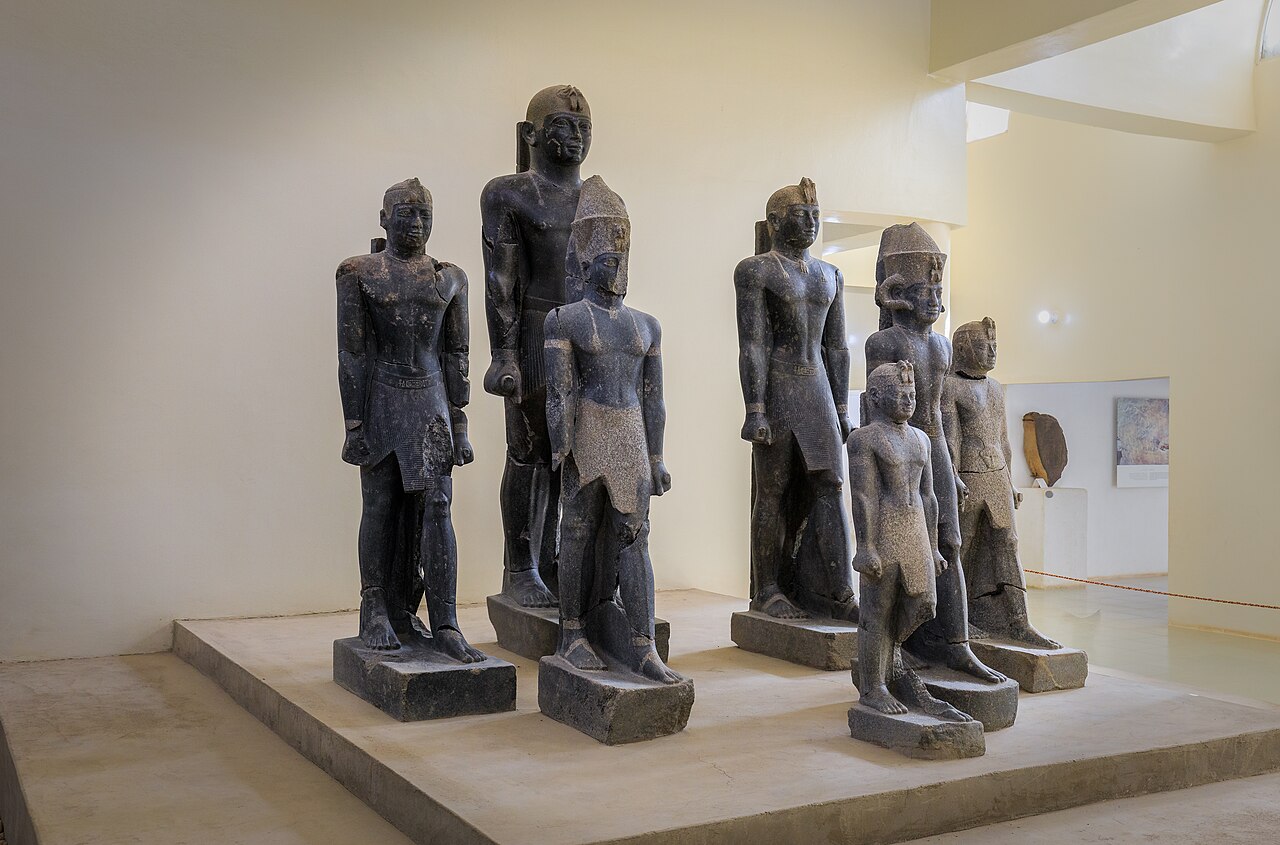
Today the ruins of Kerma, dominated by the weathered mass of the Western Deffufa, stand as one of the most important archaeological sites in Sudan and a source of pride in the nation’s ancient heritage. A local museum displays the remarkable finds recovered from the site, including statuary and objects that bring the vanished civilization to life, and the site attracts scholars and visitors drawn by the story of this great Nubian capital. The preservation and study of Kerma form part of the wider effort to protect and celebrate the extraordinary archaeological heritage of Sudan, a country whose ancient civilizations are among the richest in Africa.
The recognition of Kerma’s importance has contributed to a growing appreciation, both within Sudan and internationally, of the depth and significance of the ancient civilizations of the middle Nile. As research continues and awareness grows, Kerma is increasingly taking its rightful place in the story of the ancient world, no longer a footnote to Egyptian history but a great African civilization in its own right, whose towering monuments and rich culture testify to the achievements of the peoples of ancient Nubia across more than a thousand years of urban life.
Nearby in Africa’s ancient story
To place this site within its wider region, these related articles trace nearby chapters of the ancient story:
- Long Before Stonehenge: the story of Nabta Playa
- Nubian Pyramids: Sudan’s ancient tombs
- The Step Pyramid of Djoser
Closing thoughts
Kerma stands today as a monumental reminder that the story of ancient Africa reaches far beyond the pyramids of Egypt. In its towering Deffufa and its great royal mounds, a forgotten African civilization speaks across four thousand years, insisting on its rightful place among the founders of urban life and reminding us how much of humanity’s deep history still waits, along the great rivers of the world, to be fully remembered.
You May Like
Mafra, the Palace a King Built From a Vow


One thought on “The African Capital That Rivaled the Pharaohs: The Story of Kerma”