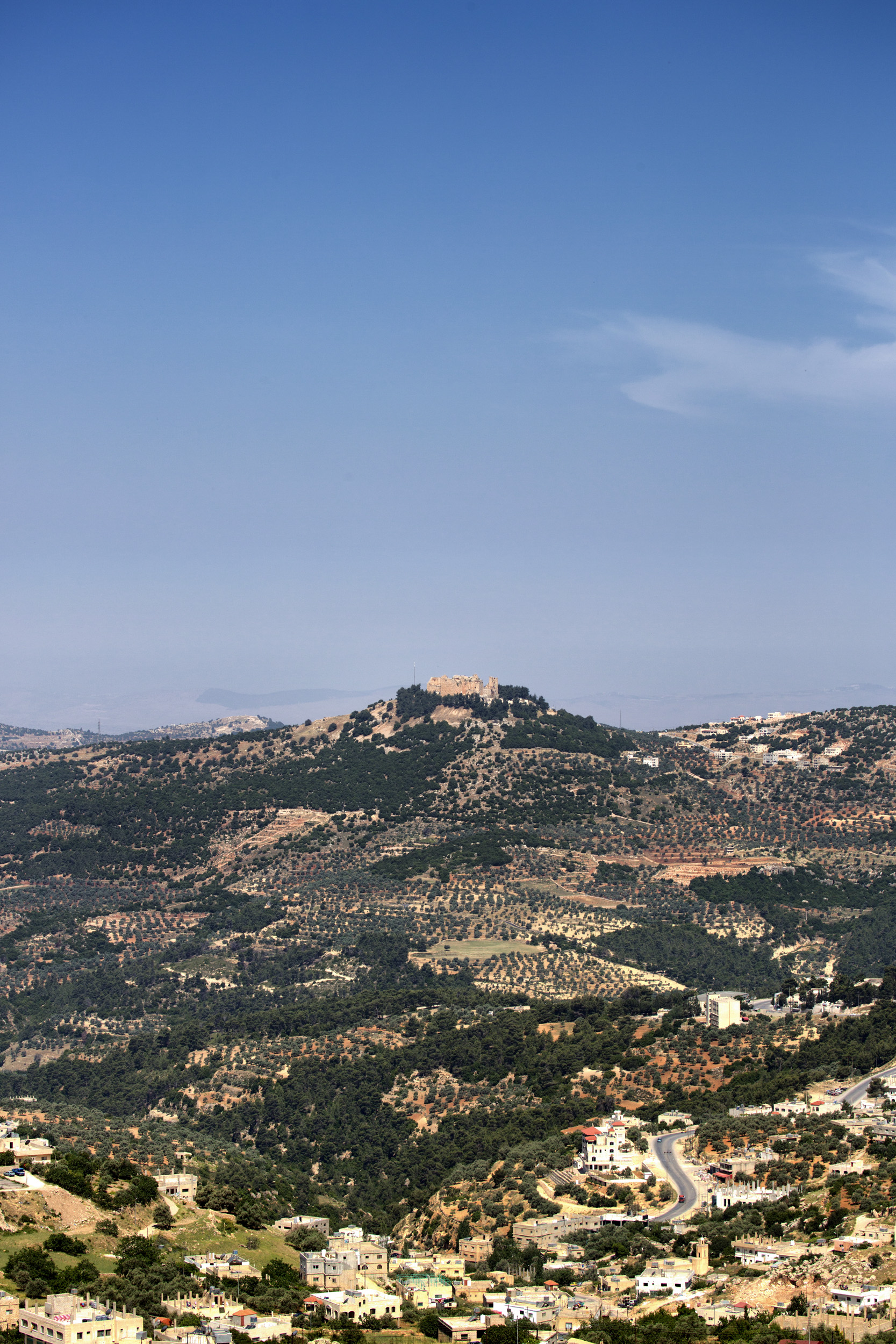
On a lofty hill in the green highlands of northern Jordan, commanding a tremendous sweep of the Jordan Valley and the three great wadis that descend toward it, stands one of the finest surviving examples of Muslim military architecture from the age of the Crusades. Ajloun Castle, known in Arabic as Qal’at ar-Rabad, was built not by the Crusaders but against them, a Muslim fortress raised by a general of the great Saladin to hold the line against the Christian knights who threatened the region from the west.
In this article you are invited to explore the history and the architecture of this remarkable castle, from its founding in the twelfth century by one of Saladin’s most trusted commanders, through its role in the great struggle against the Crusaders and the Mongols, down to the earthquakes that shattered it and the restorations that have brought it back to life. Ajloun is a castle with a story quite different from the great Crusader strongholds, for it tells the tale of the Crusades from the other side, the side of those who fought to drive the invaders out.
In This Article
- A Watchtower over the Jordan Valley
- Saladin’s General and the Building of the Castle
- The Iron Mines and the Three Valleys
- Four Towers and a Double Gate
- The Moat and the Drawbridge
- Beacons and Pigeons: The Signal Network
- Against the Crusaders of Belvoir
- The Enlargement of 1214
- The Mongols and Baybars
- Inside the Castle
- Earthquakes and Ruin
- The Castle Today
- Qal’at ar-Rabad: The Castle on the Hill
- Castles Nearby
- A Masterpiece of Ayyubid Military Architecture
A Watchtower over the Jordan Valley
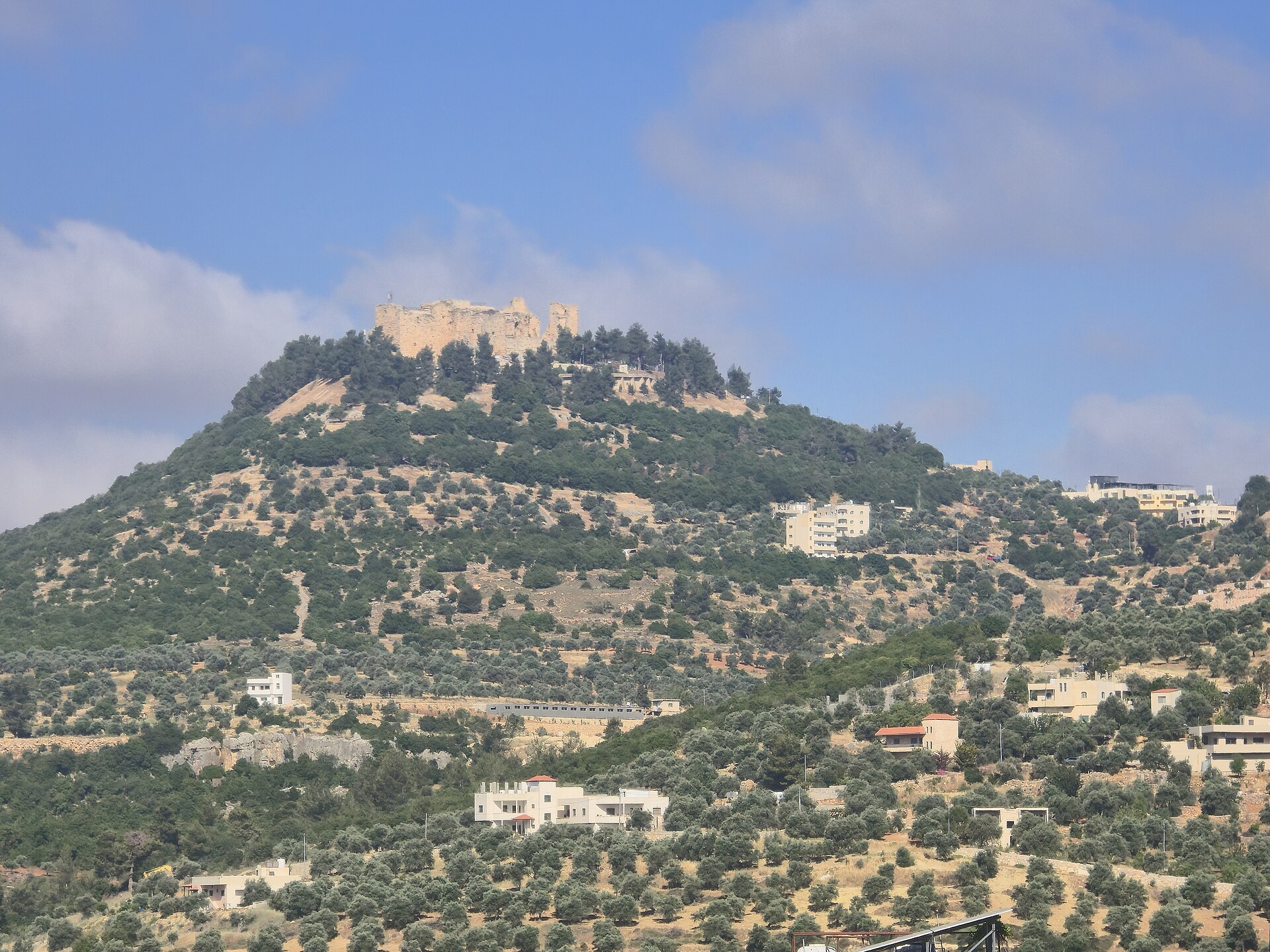
The commanding position of Ajloun Castle is the first thing that strikes any visitor who makes the climb to its summit. Perched upon the top of Mount Ajloun, known also as Jabal Auf, the fortress dominates a tremendous stretch of the northern Jordan Valley, and from its walls the eye ranges far and wide across the folded green hills and down toward the distant river. It was this magnificent field of vision, as much as the strength of the hill itself, that made the site so valuable to those who built here.
From this lofty vantage the garrison could watch over the three great valleys that descend from the highlands toward the Jordan, the wadis of Kufranjah, Rajib, and al-Yabis, and could observe the movement of any army approaching from the west. The castle was, in essence, a great watchtower as well as a fortress, a place from which the whole region could be surveyed and controlled, and its position gave it a strategic importance out of all proportion to its size.
The hills of Ajloun themselves are among the most beautiful in all of Jordan, a region of forests and springs that stands in vivid contrast to the arid deserts that cover so much of the country. To build a castle here was to command not only a strategic position but a rich and fertile land, and the garrison that held Ajloun enjoyed a setting far more pleasant than that of many a desert fortress. The green highlands, cool and well watered, could support a substantial population and provide the food and the resources that a great castle required.
On a clear day the view from the summit of Ajloun is truly breathtaking, reaching far across the Jordan Valley to the hills of the West Bank beyond the river, and taking in a vast panorama of one of the most storied landscapes on earth. It is a view that has changed little in its essentials since the days when the sentries of Saladin’s garrison first looked out from these walls, and to share it is to feel a direct connection with the men who watched here eight centuries ago. The setting alone would justify the climb, even without the castle that crowns it.
Saladin’s General and the Building of the Castle
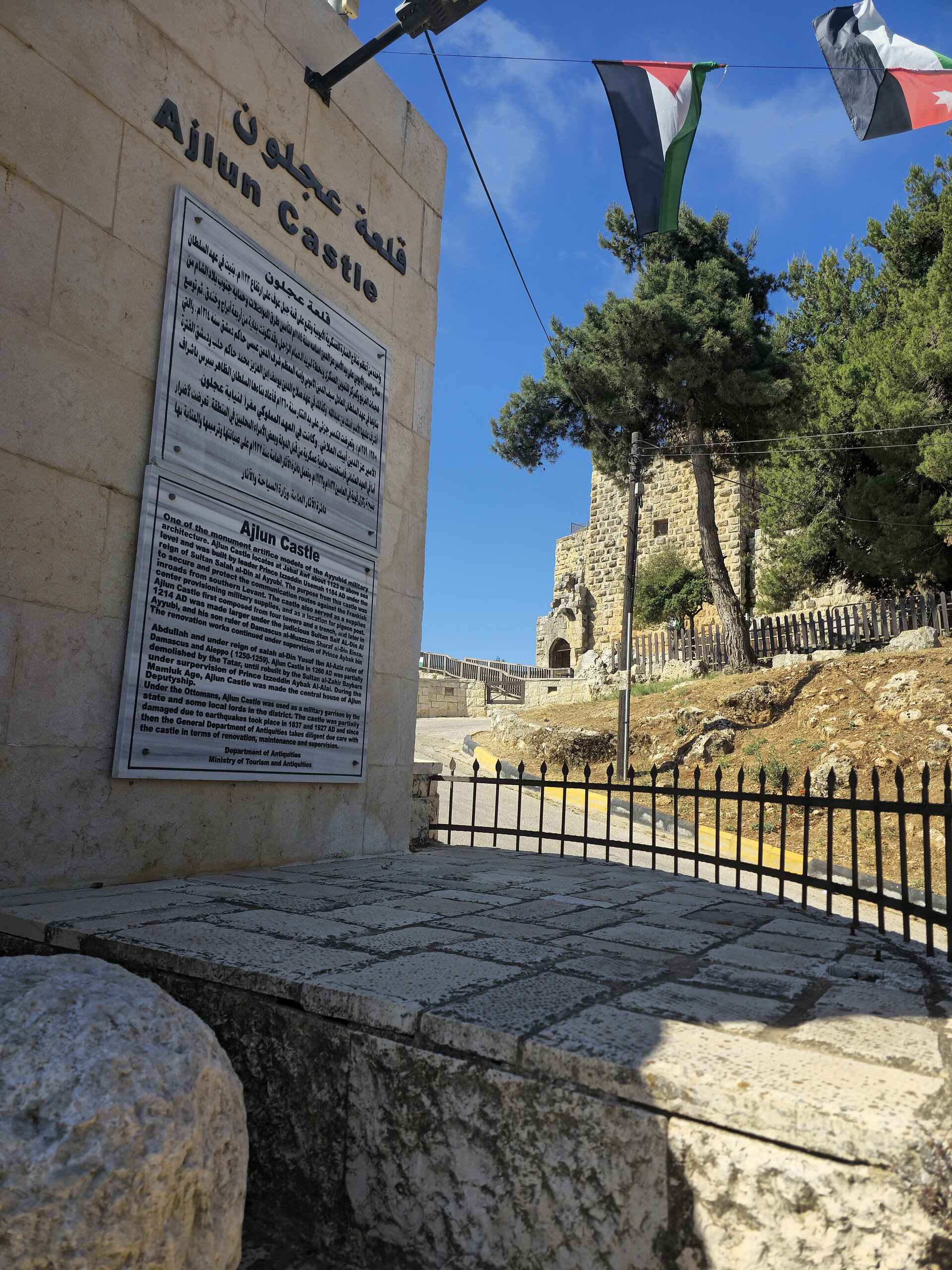
Ajloun Castle was built in the years 1184 and 1185 by Izz al-Din Usama, one of the trusted generals of the great Saladin, the Muslim leader who did more than any other to drive the Crusaders from the Holy Land. It was a time of fierce struggle between the forces of Islam and the Christian knights, and Saladin’s commanders were busy raising fortresses to strengthen the Muslim hold upon the land. Ajloun was one of the most important of these, and its construction was a deliberate act of strategy in the great war for the region.
Izz al-Din Usama chose the site with care, for it commanded the vital routes and dominated a region rich in resources. The castle he built was a model of the military architecture of its age, strong, compact, and cleverly designed, and it reflected the confidence and the resources of Saladin’s rising power. In building Ajloun, Usama gave his master a firm anchor for Muslim control of the northern highlands of what is now Jordan, and a bulwark against the Crusaders to the west.
The relationship between Izz al-Din Usama and Saladin reflects the way in which the great Muslim leader built his power through a network of able and loyal commanders, entrusting them with the vital task of fortifying and holding the frontier. Saladin could not be everywhere at once, and the security of his growing dominions depended upon men like Usama, who raised strongholds such as Ajloun and held them faithfully in their master’s name. In this sense the castle is a monument not only to its builder but to the whole system of command by which Saladin welded the Muslim Near East into a force capable of defeating the Crusaders.
Little is recorded of the personal character of Izz al-Din Usama, but the castle he left behind speaks eloquently of his skill and his diligence. To choose so commanding a site, to design so effective a fortress, and to see it built in the space of only a year or two was no small achievement, and it marks Usama as a capable soldier and administrator as well as a loyal servant of Saladin. His name is preserved forever in the stones of Ajloun, a modest but enduring monument to a man who served his master and his faith in the great struggle of his age.
The Iron Mines and the Three Valleys
One of the chief purposes of the castle was to control and protect the iron mines of the surrounding region, which were an important source of that vital metal in an age when iron meant weapons, tools, and armor. The hills of Ajloun were rich in ore, and whoever held the castle held the mines, a source of both wealth and military strength. In guarding these resources, the castle served the Muslim war effort in a very practical and material way.
Beyond the mines, the castle dominated the three main valleys that carried traffic and trade between the highlands and the Jordan Valley, the wadis of Kufranjah, Rajib, and al-Yabis. By commanding these passages, Ajloun controlled the movement of men and goods across a wide and important region, and helped the authorities in Damascus to keep watch over the bedouin tribes of the area, some of whom had made common cause with the Crusaders. The castle was thus an instrument of political as well as military control.
The importance of iron in the medieval world can hardly be overstated, for upon it depended the making of swords and spears, of arrowheads and armor, of the tools of every trade and the implements of every farm. A ready supply of the metal was a strategic asset of the first order, and the control of the mines around Ajloun gave the Muslim rulers a real advantage in their long war with the Crusaders. The castle thus served the war effort not only by its walls and its garrison but by the wealth of metal that it guarded, a resource as vital as any weapon.
It is a striking thought that a modern industrial metal like iron should have been the object of such careful strategic attention in the twelfth century, yet so it was, for the technologies of the age depended utterly upon it. The forges that turned the ore of the Ajloun hills into weapons and tools were as vital to the war effort as any regiment of soldiers, and the castle that protected them was, in its quiet way, one of the arsenals of Saladin’s cause.
Four Towers and a Double Gate
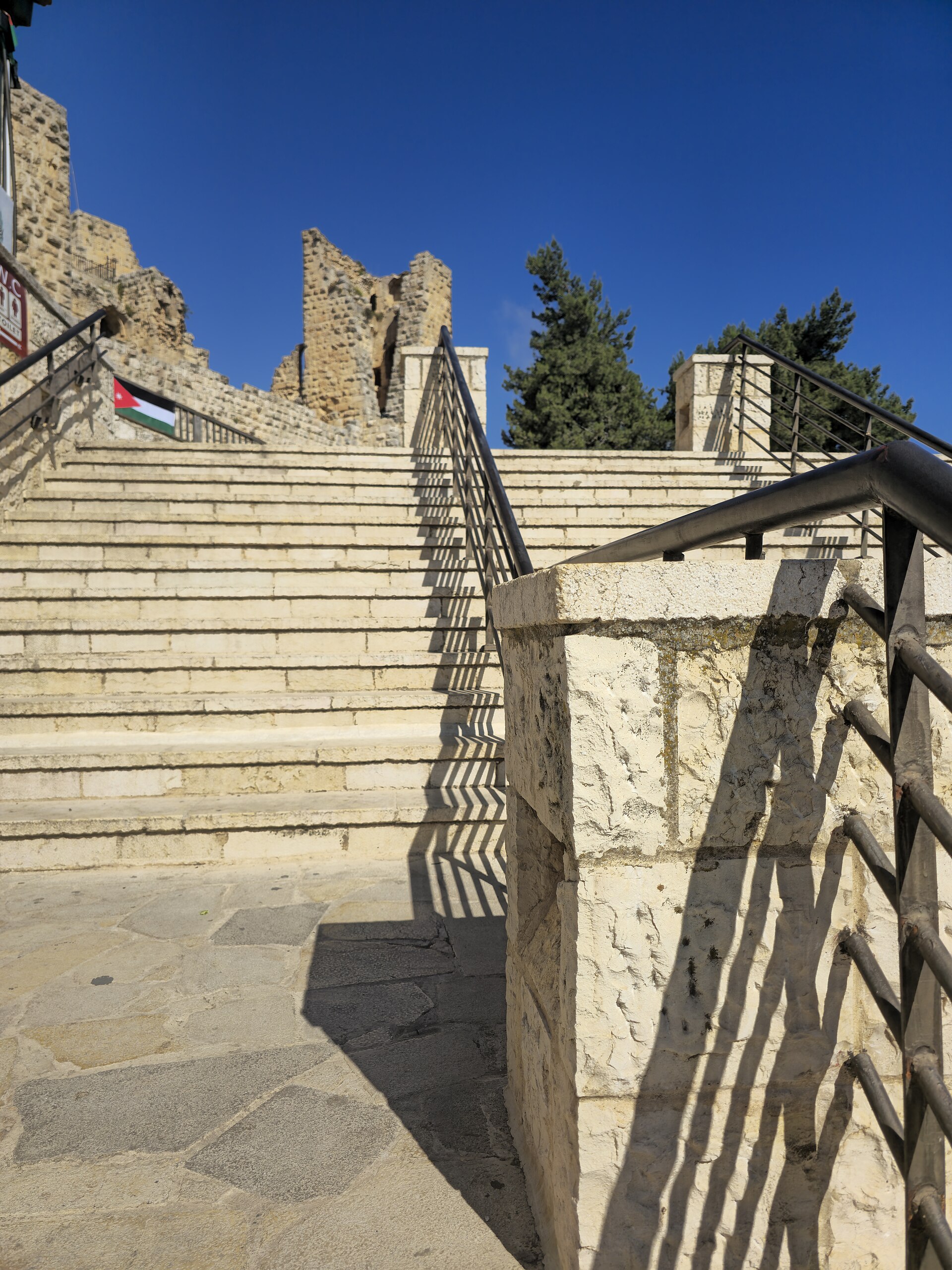
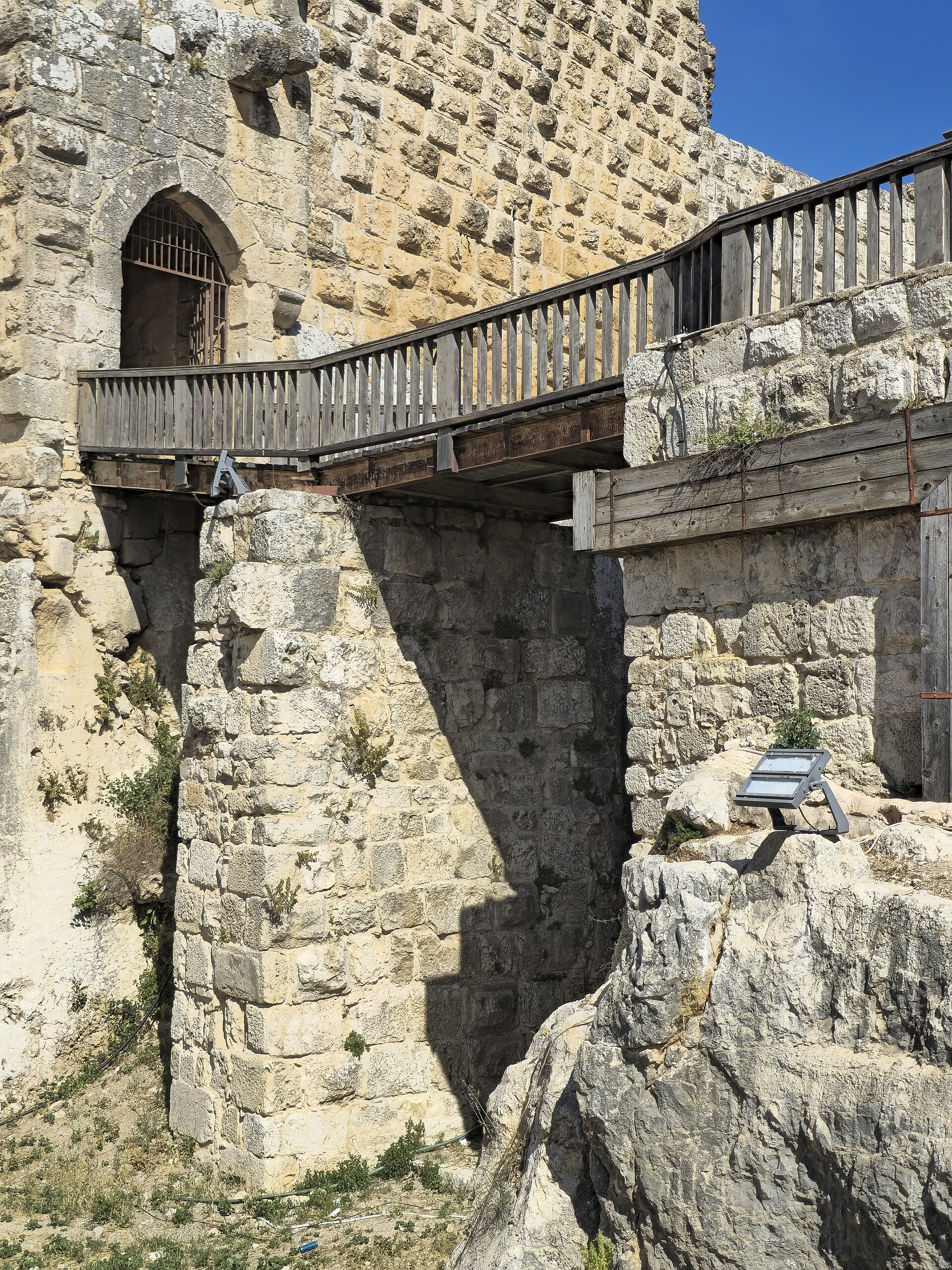
The original castle built by Izz al-Din Usama was a compact and powerful structure, designed for strength and efficiency rather than for size. It consisted of four great corner towers linked together by curtain walls, forming a strong rectangular enclosure, and it was entered through a fortified double gate that made any assault upon the entrance a difficult and dangerous undertaking. The walls were thick and solid, pierced with arrow slits from which the defenders could shoot at any enemy who dared approach.
This design, with its corner towers and connecting walls, allowed the defenders to cover every face of the castle with fire and to support one another at every point, so that no part of the walls stood alone or unprotected. It was a thoroughly practical piece of military engineering, and it reflected the accumulated experience of an age that had learned much about the art of fortification through the long and bitter struggle of the Crusades. Compact yet formidable, the castle was well suited to its role as a frontier stronghold.
The compactness of the original castle was itself a virtue, for a smaller fortress could be held by a smaller garrison and defended with fewer resources, while still commanding the surrounding country from its lofty perch. The Muslim engineers of Saladin’s day had learned to build for maximum strength with maximum economy, concentrating their defences where they were most needed and wasting nothing on unnecessary grandeur. Ajloun is a fine example of this practical, no-nonsense approach to fortification, a castle designed to do its job with the least possible expense of men and materials.
The arrow slits that pierced the thick walls of the castle were carefully designed to give the defenders the widest possible field of fire while exposing themselves as little as possible to the enemy’s missiles. Narrow on the outside and splayed within, these openings allowed an archer to sweep a broad arc of the ground below while remaining almost entirely protected by the mass of the wall. Such details, repeated throughout the fortress, reveal the careful thought that went into every aspect of its design, and remind us that the builders of Ajloun were masters of their demanding craft.
The Moat and the Drawbridge
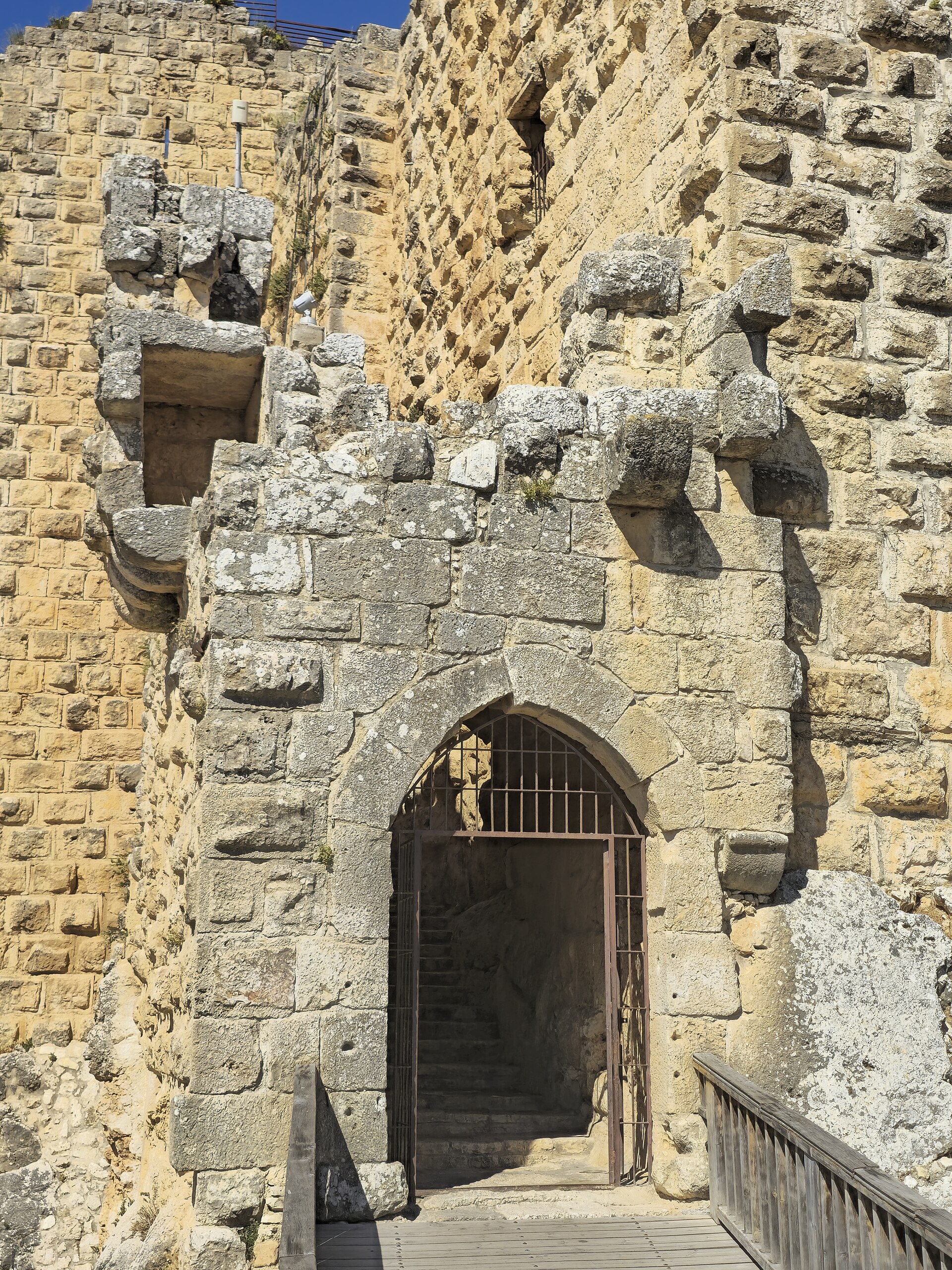
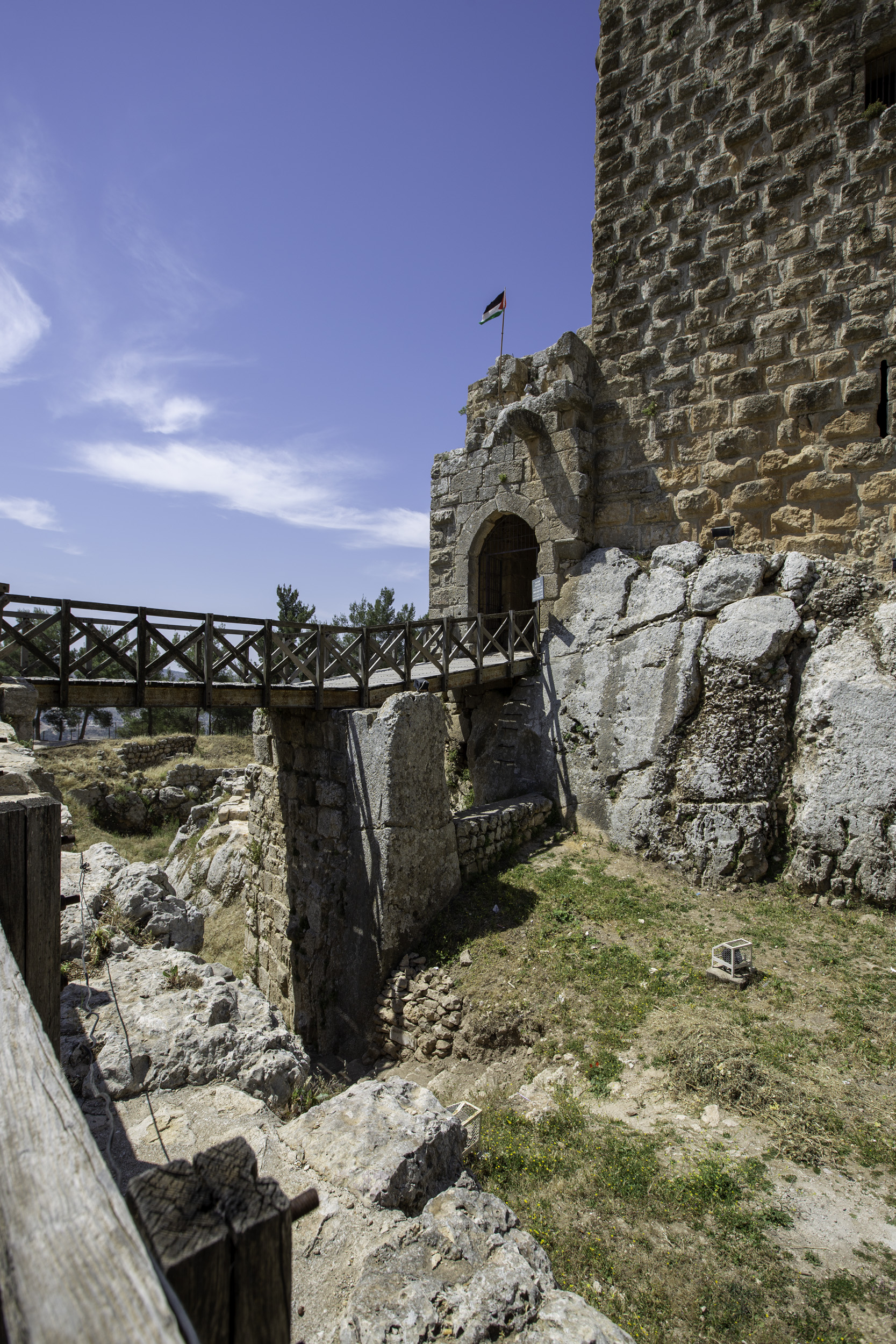
To strengthen the defences of the castle still further, its builders cut a great moat around it, isolating the fortress from the rest of the hilltop. This moat was a formidable obstacle, averaging some sixteen meters in width and between twelve and fifteen meters in depth, a great dry ditch hewn into the rock that no attacker could easily cross. The only way in lay across a bridge that spanned the moat and led to the gate, and with that bridge held, the castle was cut off and secure.
The moat and bridge together formed a classic element of medieval fortification, forcing any attacker to funnel toward the single defended entrance where the full strength of the garrison could be brought to bear against him. The modern visitor still crosses a bridge over this great ditch to enter the castle, and standing upon it, looking down into the depths of the moat, one gains a vivid sense of just how formidable an obstacle it must have presented to the armies of the past.
The cutting of so great a moat into the solid rock of the hilltop was a labor of enormous magnitude, requiring the toil of many hands over a long period, and it testifies to the seriousness with which the builders regarded the defence of the castle. Every cubic meter of stone removed from the ditch was a cubic meter that an attacker would have to cross, exposed and vulnerable, before he could come at the walls. In an age before gunpowder, when castles were taken by escalade, by mining, or by starvation, such a moat was among the most effective of all defensive measures.
Beacons and Pigeons: The Signal Network
One of the most fascinating aspects of Ajloun Castle is the part it played in a remarkable system of long-distance communication that spanned the whole of the Muslim Near East. The castle was one of a chain of signal stations that relayed messages by means of fire beacons lit upon the hilltops by night and by carrier pigeons bearing written messages by day. Through this ingenious network, news could be carried across vast distances with astonishing speed for the age.
It is said that by this system a message could be sent from the banks of the Euphrates all the way to Cairo in the space of a single day, an almost incredible feat in a world that knew nothing of the telegraph or the telephone. Ajloun, perched high upon its commanding hill, was ideally placed to serve as a link in this chain, passing on the flame and the winged messenger to the next station down the line. In this way the castle helped to bind together the far-flung dominions of the Muslim world.
The very existence of such a communication network reveals the sophistication of the medieval Muslim state, which was far from the picture of backwardness that some later ages liked to paint. To coordinate the defence of a vast territory against enemies who might strike at any point required rapid and reliable communication, and the system of beacons and pigeons provided exactly that. Ajloun’s place in this network was a mark of its strategic importance, for only the key strongholds, those that commanded the essential lines of sight and communication, were chosen to serve as links in the chain.
Imagine the scene on a dark night, when a beacon flares suddenly to life upon a distant hilltop, and the watchers on the walls of Ajloun, seeing it, kindle their own fire to pass the signal on to the next station in the chain. In this way news of a Mongol raid or a Crusader advance could race across the land faster than any horseman could ride, giving the defenders precious hours or even days to prepare. It was a system of remarkable elegance and effectiveness, and the great hilltop castles like Ajloun were its indispensable nodes.
Against the Crusaders of Belvoir
The castle of Ajloun was raised, above all, as a counterweight to the Crusaders, whose great fortress of Belvoir rose upon the heights on the western side of the Jordan Valley, glowering across the river at the Muslim lands beyond. From Belvoir and from their other strongholds the Christian knights threatened to extend their power eastward, and Ajloun was built to check that threat and to hold the line of the highlands against them.
In this the castle was part of the wider strategy by which Saladin and his commanders sought to hem in the Crusader states and to prepare the way for their eventual reconquest. By fortifying the key positions of the frontier, the Muslims built a network of strongholds from which they could resist Christian raids, protect their own territory, and mass their forces for the great campaigns that would, in the end, drive the Crusaders from the Holy Land. Ajloun was a vital link in that chain of defence and offence.
The struggle between the castles of the Crusaders and the castles of the Muslims was, in a very real sense, the defining feature of the warfare of the age, for the Holy Land was a country of fortresses, and its conquest and defence turned upon their possession. Each side built and held strongholds to secure its territory and to threaten the other, and the frontier between them was marked out in stone. Ajloun, facing the Crusader Belvoir across the Jordan, stood on the very front line of this contest, a Muslim answer to the Christian castles that dotted the hills beyond the river.
The fall of the Crusader Belvoir to Saladin’s forces not long after Ajloun was built marked a shift in the balance of power along this stretch of the frontier, and it vindicated the strategy of which Ajloun was a part. Stronghold by stronghold, the Muslims tightened their grip upon the land, until the Crusader position became untenable. Ajloun had played its part in this patient campaign, standing firm upon its hill while the tide of war turned slowly but surely against the knights of the west.
The Enlargement of 1214
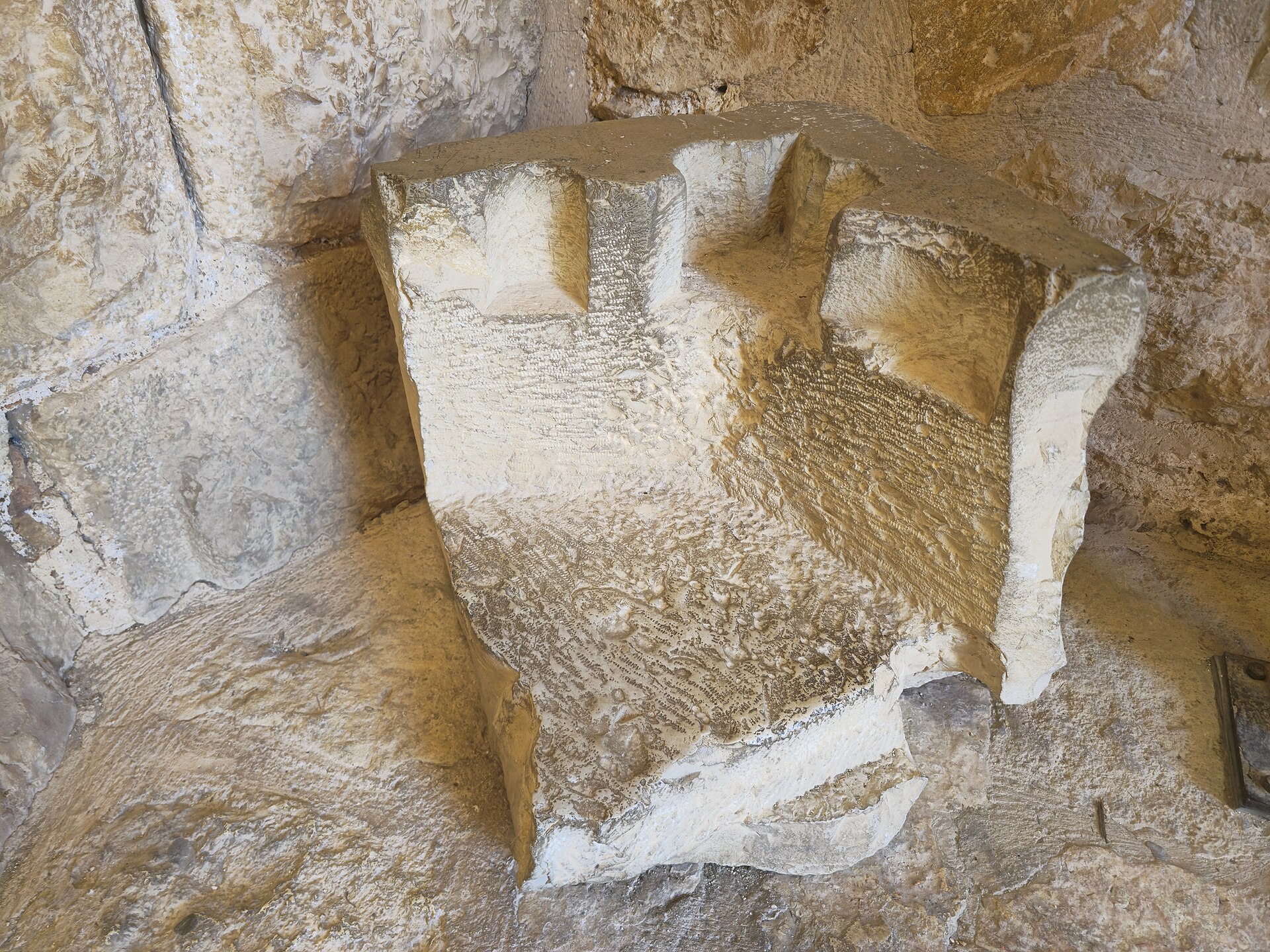
The castle did not long remain in its original form, for its importance was such that later rulers sought to strengthen and enlarge it. In the years 1214 and 1215 the governor Aybak ibn Abdullah undertook a major expansion of the fortress, adding a great new tower at the southeastern corner and constructing a new gate. These additions increased both the strength and the size of the castle, adapting it to the changing needs of war and government.
The work of Aybak reflects the continuing value that Ajloun held for the Muslim rulers of the region across many generations. A castle was never a finished thing but a structure that grew and changed with the times, and the successive additions to Ajloun tell the story of its long and active life. Each new tower and gate was a response to some fresh need or some new development in the art of war, and together they made the castle ever more formidable.
It is worth reflecting on how a castle like Ajloun accumulated its history in layers, each generation adding to and altering the work of its predecessors. The fortress that stands today is not the creation of any single moment but the sum of centuries of building and rebuilding, of expansion and repair. The tower of Aybak, added a generation after the original construction, is one such layer, and the practiced eye can read in the different styles and techniques of the masonry the successive chapters of the castle’s long story, written in stone.
The Mongols and Baybars
In the middle of the thirteenth century a terrible new enemy burst upon the Near East, the Mongols, whose vast armies swept across the region in a tide of destruction. In the year 1260 the Mongols reached Ajloun, and the castle suffered grievously at their hands. It seemed for a moment that the whole Muslim world might be swept away before this new and terrible foe, and the fate of Ajloun hung in the balance along with the fate of far greater things.
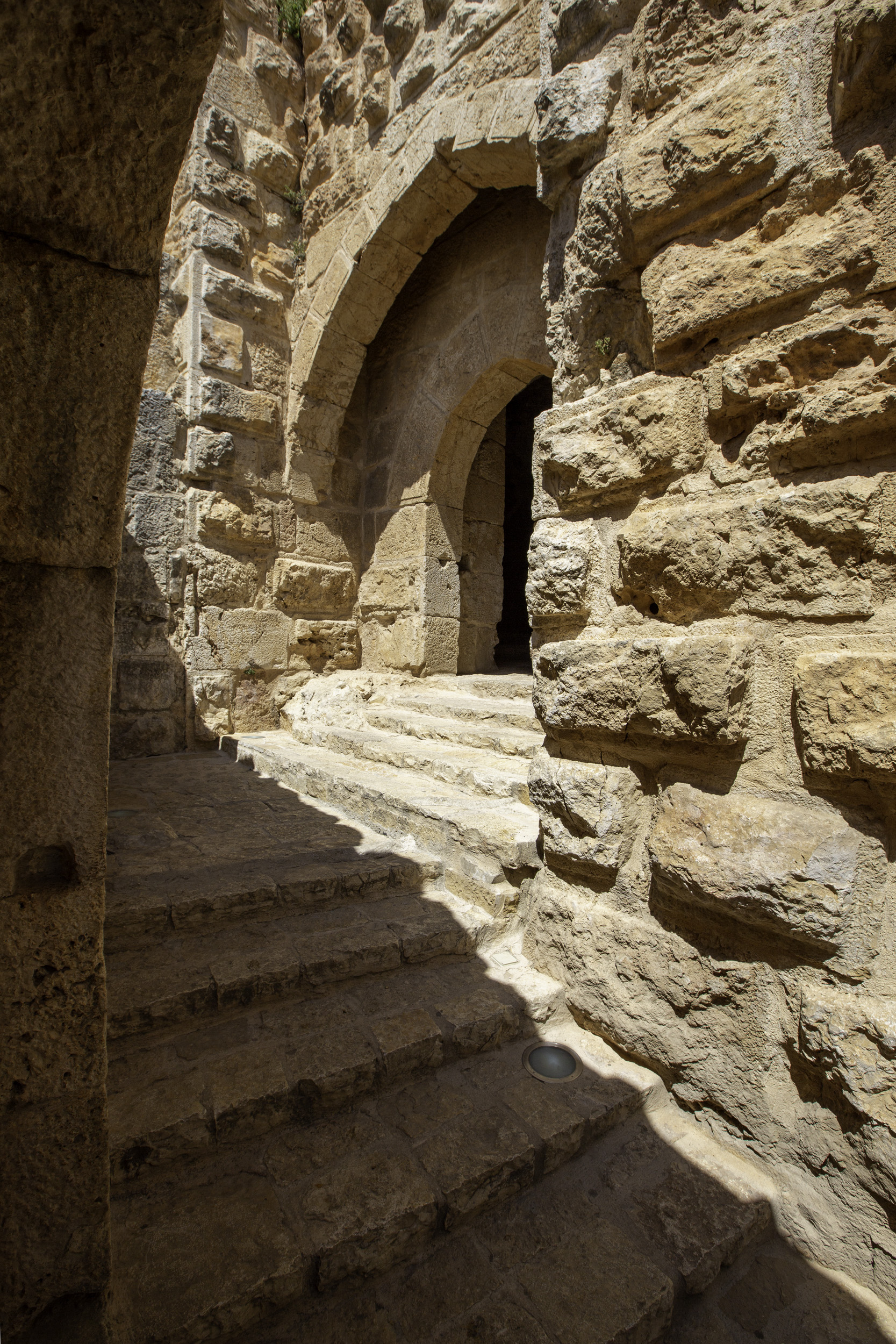
But the Mongols were checked at last, defeated by the Mamluks of Egypt at the great battle of Ain Jalut, not far from Ajloun itself, in that same fateful year. After this decisive victory, the Mamluk sultan Baybars, one of the greatest soldiers of the age, restored the damaged castle and cleared out its moat, bringing Ajloun back to strength. Under Mamluk rule the fortress continued to serve as an important stronghold, guarding the region as it had done since the days of Saladin.
The battle of Ain Jalut, fought in 1260 within sight of the hills of Ajloun, was one of the truly decisive battles of world history, for it marked the first great check to the seemingly invincible Mongol advance and saved the Muslim heartlands from conquest. That Ajloun stood so close to this momentous event, and was restored in its aftermath by the victorious Baybars, gives the castle a special place in the great drama of the age. The fortress had witnessed the passing of one of the gravest threats the Muslim world had ever faced, and had emerged, battered but unbowed, to serve a new dynasty of rulers.
The career of Baybars, who restored Ajloun after the Mongol onslaught, is one of the most remarkable of the whole medieval period, for he rose from slavery to become the greatest of the Mamluk sultans and the man who did more than any other to destroy the remaining Crusader states. That such a figure should have taken an interest in the repair of Ajloun is a measure of the castle’s continuing importance, and his work there links the fortress to one of the towering personalities of Islamic history. Under Baybars and his successors, Ajloun entered upon a new and vigorous chapter of its long life.
Inside the Castle
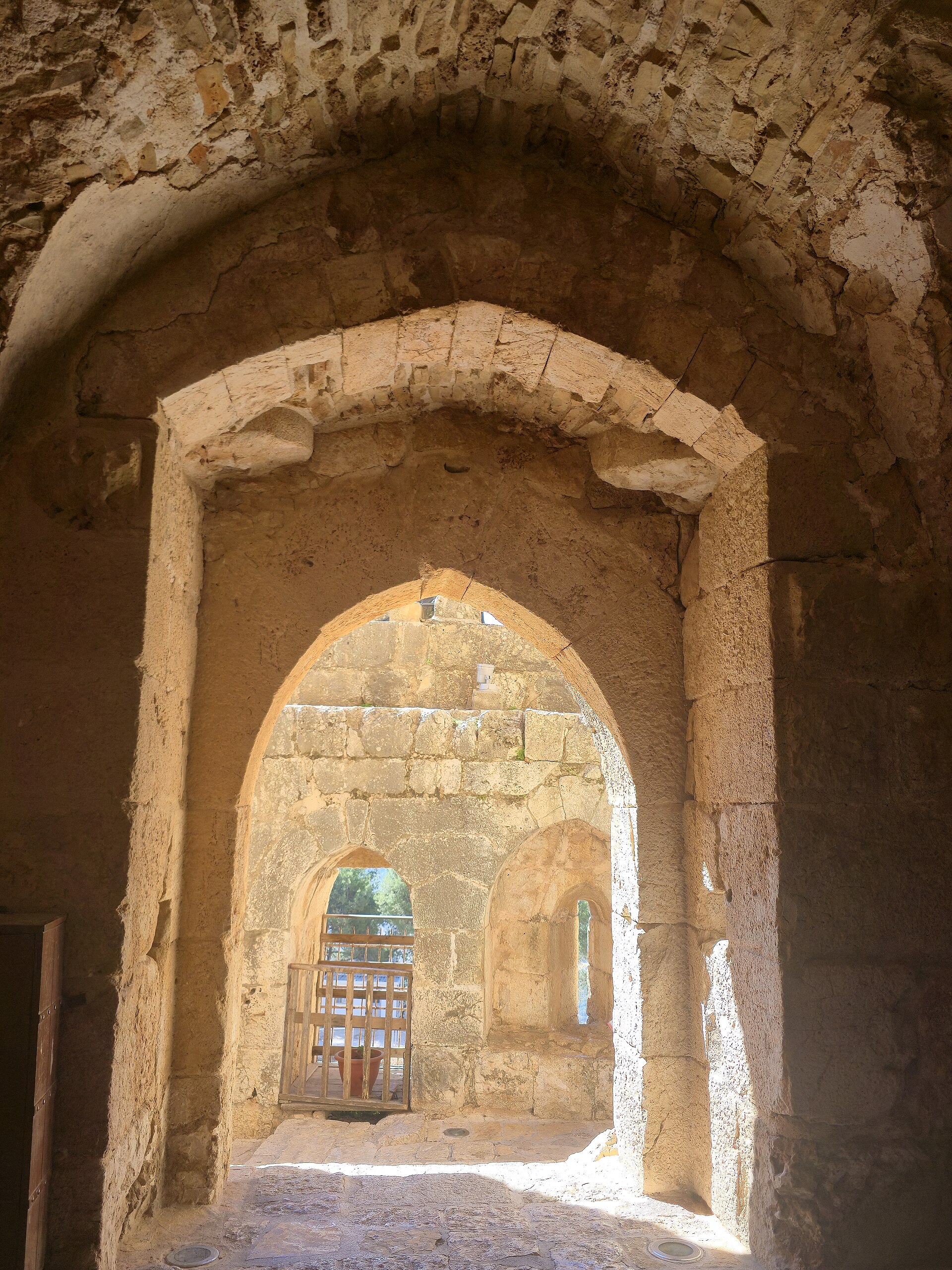
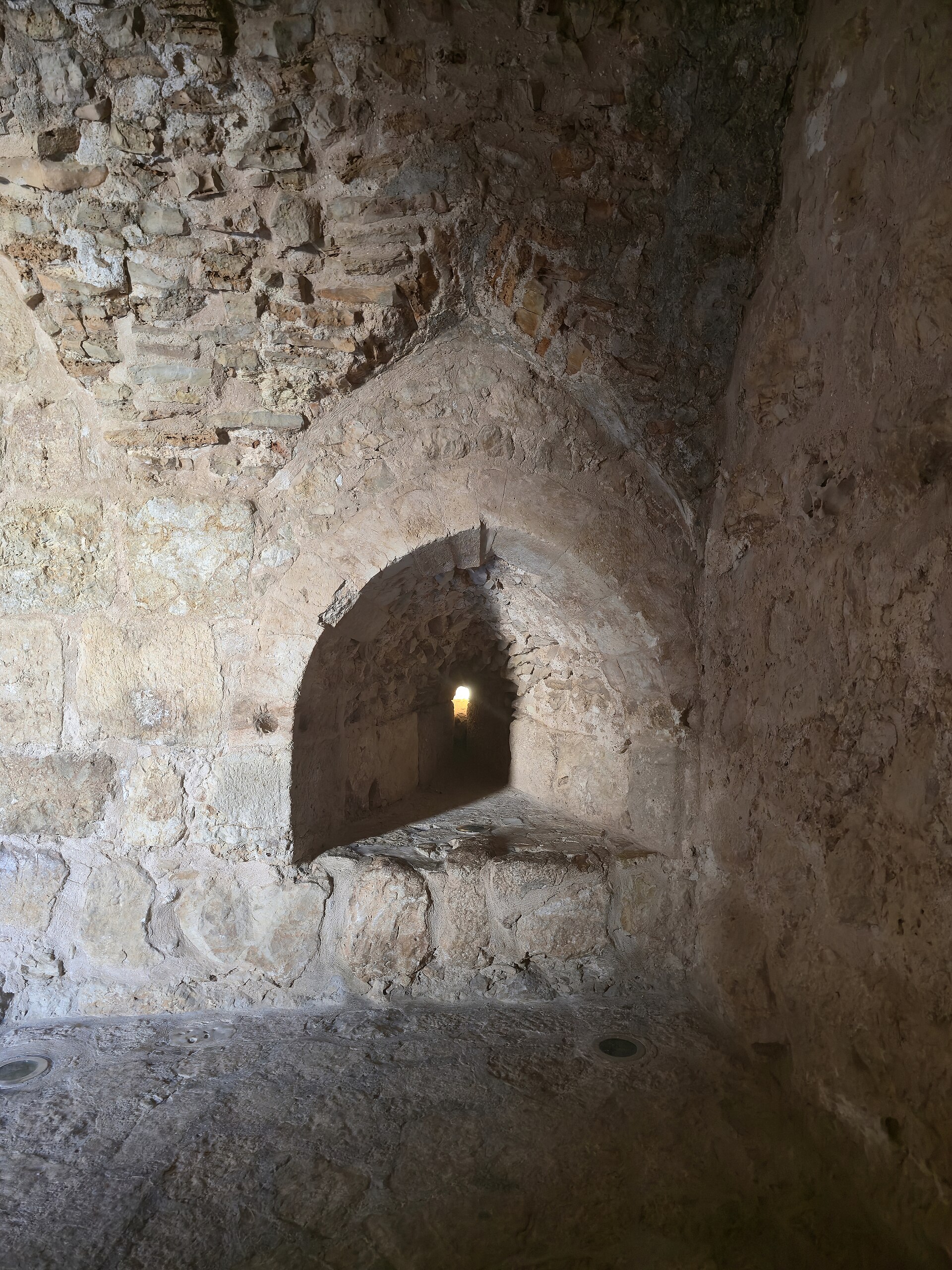
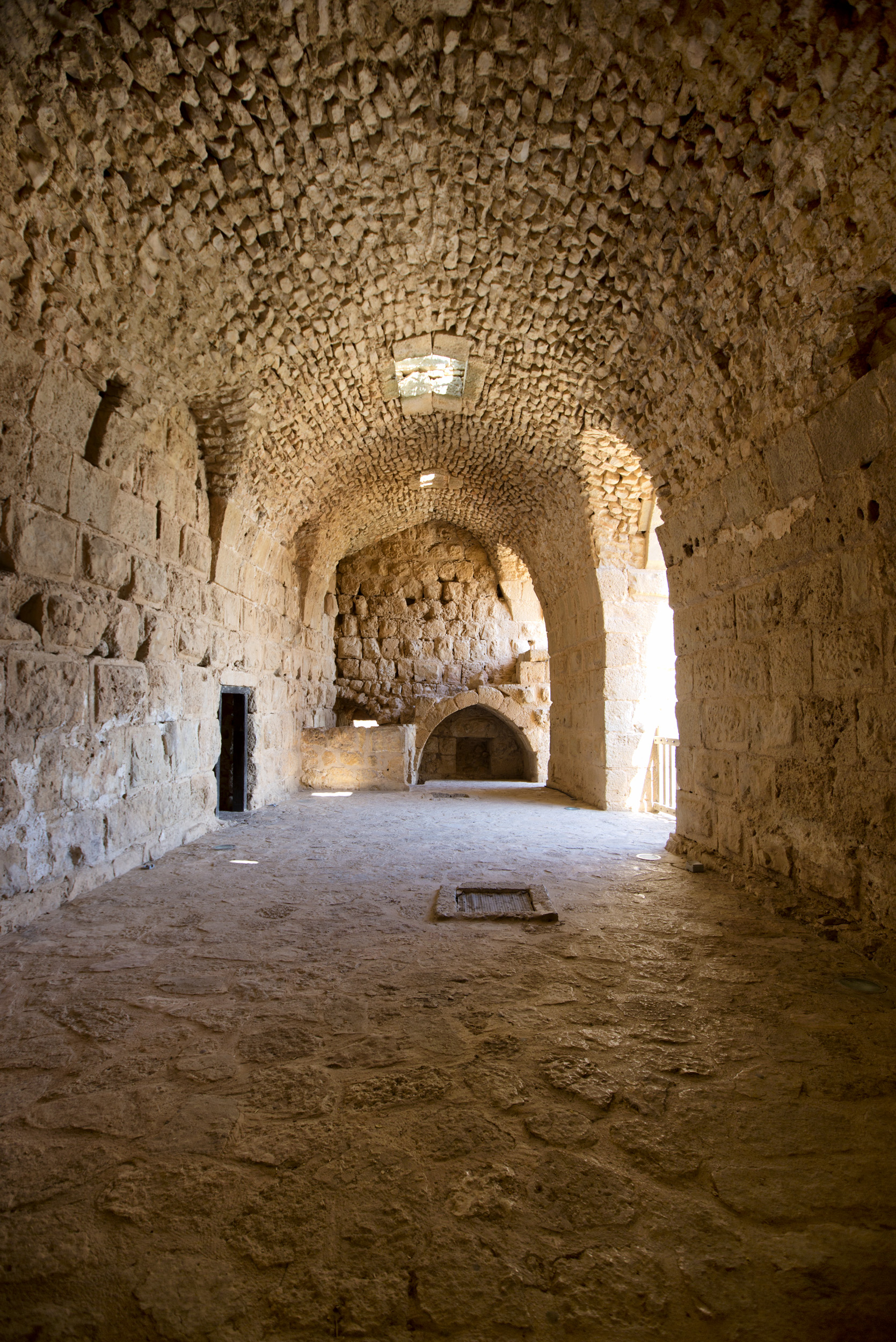
To step inside the walls of Ajloun is to enter a world of vaulted halls, winding staircases, and shadowy chambers arranged on several levels within the compact mass of the fortress. The interior is a fascinating labyrinth of rooms and passages, of great arched galleries and narrow corridors, all built of the strong local stone and designed to house the garrison and to store the supplies needed to withstand a siege.
Among the most important features of the interior were the cisterns, cut deep to collect and store the rainwater on which the garrison depended, for a castle without water could not hope to survive a siege. There were storerooms for food and weapons, quarters for the soldiers, and chambers for the governor and his officers, all packed cleverly into the strong shell of the walls. To wander through these spaces today is to gain a real sense of the daily life of a medieval fortress.
The provision of cisterns within the castle was a matter of life and death, for in the dry climate of the region water was the most precious of all commodities, and a besieged garrison that ran short of it was doomed. The engineers of Ajloun took great care to collect and store the winter rains, channeling the water into deep cisterns cut into the rock, where it would keep cool and fresh through the long dry months of summer. This careful management of water was one of the unglamorous but essential foundations of the castle’s ability to endure a siege.
The several levels of the castle interior were connected by staircases and ramps that allowed the defenders to move quickly from one part of the fortress to another, concentrating their strength wherever it was most needed. This internal mobility was a vital feature of any well-designed castle, for a garrison that could shift rapidly to meet a threat was worth many more men strung out passively along the walls. The clever arrangement of Ajloun’s interior reflects the mature military thinking of the Ayyubid engineers who designed it.
Earthquakes and Ruin
The greatest enemy of Ajloun Castle in later centuries was not any human army but the earth itself, for the region is prone to earthquakes, and the castle has suffered terribly from them. A powerful earthquake in the year 1837 inflicted severe damage upon the ancient fortress, toppling walls and cracking towers that had stood for centuries. It was a heavy blow to a structure that had already seen so much of war and time.
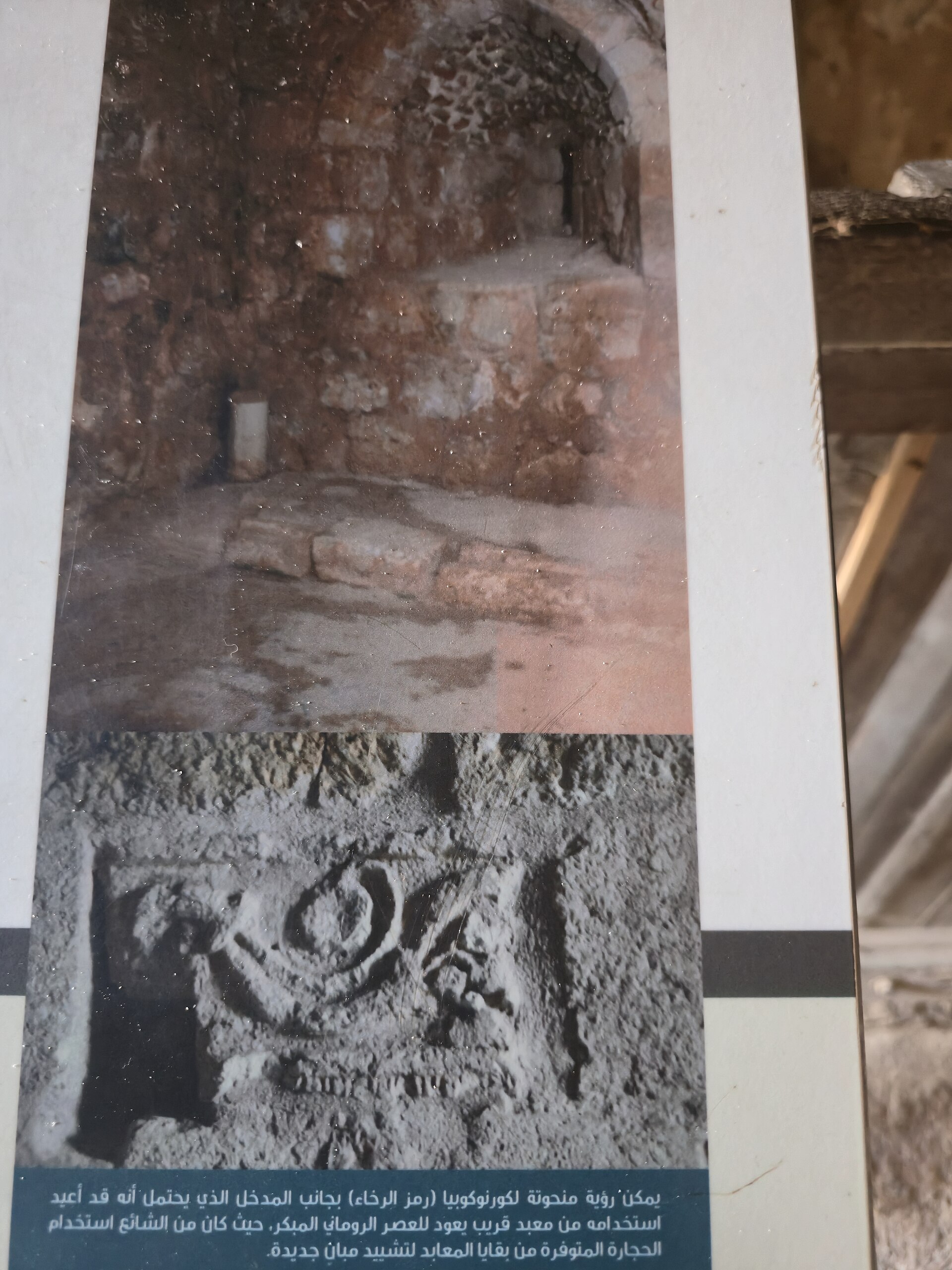
Worse was to come, for in the year 1927 another great earthquake struck the region and did further grievous harm to the castle, reducing much of it to the ruins that the visitor sees today. These natural disasters accomplished what the armies of the Crusaders and the Mongols had never quite managed, the reduction of the proud fortress to a shattered shell. Yet even in its ruin, Ajloun retains a powerful grandeur, and enough survives to convey the strength and the majesty of the castle in its prime.
The vulnerability of Ajloun to earthquakes is a reminder that even the strongest works of human hands are subject to the far greater powers of nature, against which no wall or tower can stand secure. The same geological forces that raised the hills on which the castle stands also periodically shake them, and over the long centuries these tremors have done more damage to Ajloun than all its human enemies combined. It is a humbling thought, and one that lends a certain poignancy to the sight of the ruined fortress, brought low not by the sword but by the trembling of the earth itself.
The repeated rebuilding of Ajloun after each disaster, whether wrought by man or by nature, is a theme that runs through its entire history, and it speaks of the enduring value that the castle held for those who possessed it. A fortress in so vital a position could not simply be abandoned when it was damaged, and so, time and again, hands were found to repair and restore it. The castle that stands today, patched and mended across the centuries, is the living record of this long devotion to a place that mattered too much to let fall into final ruin.
The Castle Today
In modern times the government of Jordan, through its Department of Antiquities, has undertaken important works of restoration at Ajloun, stabilizing the damaged walls, rebuilding the bridge across the moat, and making the castle safe and accessible for visitors. Thanks to these efforts, the fortress that was so badly shattered by earthquake has been brought back from the brink of total ruin, and it stands once more as a proud monument to the past.
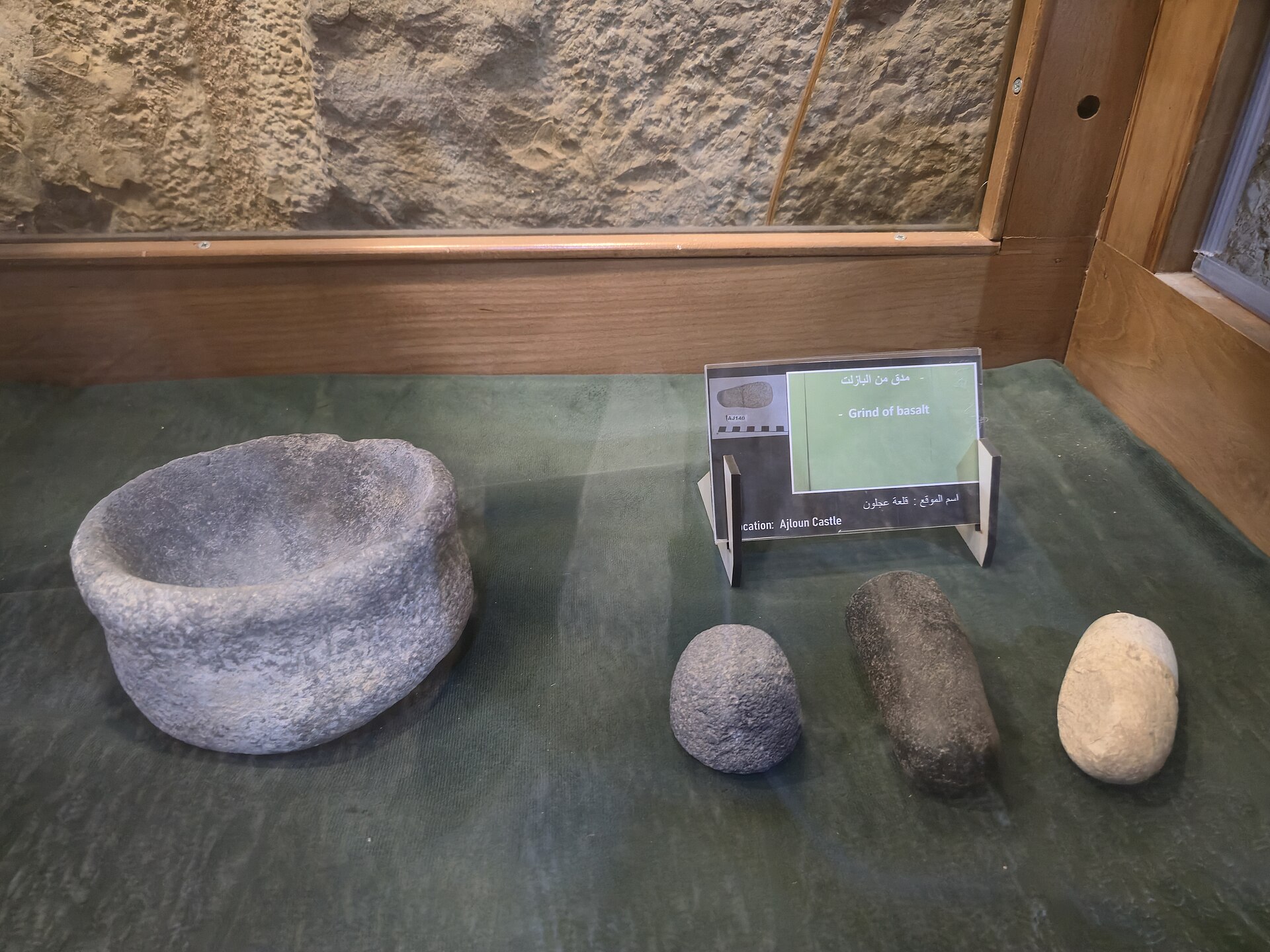
Today Ajloun Castle is a popular tourist attraction and the site of a small museum, where artifacts from the many periods of the castle’s history are displayed for the visitor. People come from all over Jordan and from around the world to climb the hill, cross the bridge, and explore the halls and towers of this remarkable fortress. In its restored state, the castle serves not only as a link to the past but as a source of pride for the people of the region and a place of learning for all who visit.
The work of restoration and preservation at Ajloun is part of a wider effort throughout Jordan to protect and to celebrate the country’s extraordinarily rich heritage, which spans many thousands of years and many great civilizations. Castles such as Ajloun are among the most visible and evocative of these treasures, and their careful conservation ensures that future generations will be able to visit them and to learn from them. In restoring the castle, the people of Jordan have reclaimed an important part of their own history and made it available to the whole world.
A visit to Ajloun today can easily be combined with a walk in the nearby Ajloun Forest Reserve, one of the natural jewels of Jordan, where oak and pistachio woods clothe the hills and wildflowers carpet the ground in spring. The pairing of the ancient castle with the living forest makes for an unforgettable day, and it draws visitors who come as much for the beauty of the landscape as for the history of the fortress. In this way the castle has found a new role in the modern world, as a centerpiece of Jordan’s growing tradition of nature and heritage tourism.
Qal’at ar-Rabad: The Castle on the Hill
For all that it has suffered from war and earthquake across the centuries, Ajloun Castle remains one of the finest and most important surviving monuments of the Ayyubid age, the age of Saladin and his successors. It stands as a rare and valuable example of a Muslim castle from the time of the Crusades, built not to attack the Holy Land but to defend the Muslim world against the Christian knights who had come to conquer it. In this it offers a perspective on the Crusades that the great Crusader castles cannot provide.
The castle is a place of real beauty as well as of history, set amid the cool green hills of Ajloun, which are among the most attractive landscapes in all of Jordan. The surrounding countryside, with its forests and its nature reserve, makes the journey to the castle a delight in itself, and the fortress at the summit crowns the whole with a monument worthy of its magnificent setting.
To understand Ajloun is to understand something important about the Crusades that the Crusader castles alone cannot teach, namely that the age was not simply a story of Christian conquest but of a great and sustained Muslim response, a response that in the end proved victorious. The castle is a monument to that response, to the determination and the skill with which the Muslim world organized itself to resist and finally to expel the invaders from the west. In its strong walls and its commanding position, Ajloun embodies the confident power of the age of Saladin.
If you would like to see exactly where this great castle stands upon the map, you can find it here:
View on Google Maps: 32.3247, 35.7275
From its commanding hilltop, Qal’at ar-Rabad has watched over the highlands of northern Jordan for more than eight hundred years, and it watches over them still.
Castles Nearby
If Ajloun has drawn you into the world of the Crusades and the age of Saladin, you may enjoy these other great fortresses of the medieval Near East:
- Kerak Castle: The Great Crusader Fortress of Jordan
- Krak des Chevaliers: The Finest Castle of the Crusaders
A Masterpiece of Ayyubid Military Architecture
Ajloun Castle stands today as one of the most important and best preserved examples of Ayyubid military architecture in the whole of the Near East. Unlike so many of the great castles of the region, which were built by the Crusaders, Ajloun was a Muslim fortress from the very beginning, and it offers a rare and precious insight into the military engineering of the world that Saladin led against the Christian knights. To visit it is to see the age of the Crusades from a different and fascinating perspective.
If you should travel to Jordan, the journey up into the cool green hills of Ajloun is richly rewarded, both by the castle itself and by the glorious views it commands. From its towers you can see for many miles across the Jordan Valley, and on a clear day the eye reaches all the way to the hills beyond the river. Ajloun Castle is a place of history and of beauty in equal measure, and it deserves to be far better known among the great fortresses of the medieval world.
Whether you come for its history, for its architecture, or simply for the glorious views from its ramparts, Ajloun Castle will reward your journey, and you will carry away with you the memory of this proud Muslim fortress, standing guard upon its green hill above the Jordan Valley as it has done for more than eight hundred years.
You May Like

Mafra, the Palace a King Built From a Vow