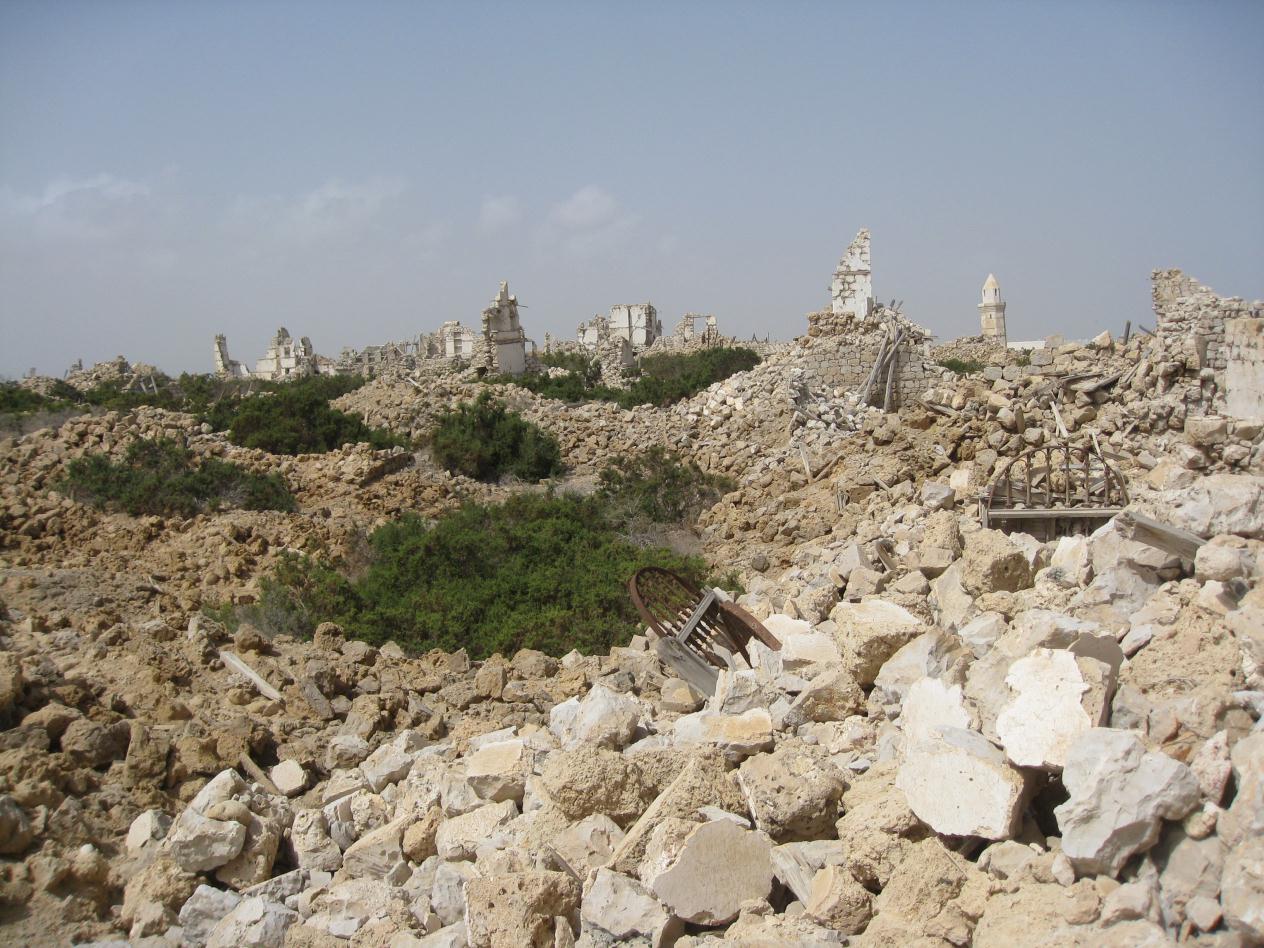
On a small coral island in the Red Sea, linked to the Sudanese mainland by a single causeway, stands one of the most hauntingly beautiful ruined cities in Africa. This is Suakin, once a thriving port where merchant ships and pilgrim vessels crowded the sheltered harbour, and where tall houses of gleaming coral stone rose four storeys above narrow streets. Today those same houses stand roofless and crumbling, slowly dissolving back into the sea that made them.
For more than a thousand years Suakin was one of the great gateways of the Red Sea, a place where the trade of Africa met the trade of Arabia and beyond, and where countless pilgrims set out across the water on their way to Mecca. Sultans, Ottoman pashas, Egyptian khedives, and British generals all left their mark here, and the town’s coral mansions were famous throughout the region for their delicate beauty.
In this guide you will trace the long arc of Suakin’s story: its ancient origins, its golden age as a Red Sea trading and pilgrimage port, its distinctive and fragile coral architecture, its darker role in the slave trade, its turbulent nineteenth-century wars, and its sudden decline when a modern port stole its trade. It is a place of extraordinary atmosphere, and understanding its rise and fall makes its silent ruins speak.
Keep one picture in your mind as you read: a whole city of pale coral, four storeys high in places, standing roofless and silent on an island in a turquoise sea, its carved windows open to the sky. Suakin is not a ruin of the distant ancient past but a town that was alive within the last century, which makes its decay feel strangely close and its beauty all the more haunting. It is one of Africa’s great lost cities, and its story is well worth knowing.
In This Article
- An Island City on the Red Sea
- Ancient Origins on the Trade Routes
- The Gateway to Mecca
- The Ottomans Arrive
- The Mosques of Suakin
- The Famous Coral Houses
- A Cosmopolitan Merchant World
- The Shadow of the Slave Trade
- Khedives, Generals, and Wars
- How Suakin Died
- The Ruined City Today
- Hopes of Restoration
- Visiting Suakin
An Island City on the Red Sea
The first thing to understand about Suakin is its remarkable setting. The old city was built not on the mainland but on a small, almost circular island sitting inside a natural harbour, connected to the shore by a causeway. This gave it a superb sheltered anchorage, protected from the open sea, and a defensible position that helped it flourish as a trading port for century after century.
The harbour was the whole reason for the town’s existence. Ships could ride safely at anchor in the calm water around the island while goods were loaded and unloaded, and the coral reefs that made navigation tricky for strangers also helped protect the port from unwelcome visitors. Local knowledge of the winding channels was itself a kind of asset, binding the trade to the people who knew these waters.
Around the island port grew a mainland quarter known as el-Geyf, where many people lived and where caravans from the interior arrived. The island held the grand merchant houses, mosques, and official buildings, the showpiece of the town, while the mainland handled much of the everyday business. Together they formed a single thriving community strung around one of the finest natural harbours on the African Red Sea coast.
The causeway linking island and mainland was the town’s umbilical cord, the single land route by which people and goods moved between the showpiece island and its bustling mainland quarter. This unusual arrangement, a compact island city tethered to the shore, gave Suakin a distinctive form found in few other places, and it shaped the rhythm of daily life for everyone who lived and traded there across the centuries.
Geographers have long marvelled at how snugly the old town fitted its island, the buildings crowding right to the water’s edge so that from a distance the whole city seemed to rise straight out of the sea. This intimate relationship between the town and its harbour was Suakin’s defining feature, and it is what gives even the ruined city its uniquely dramatic silhouette against the Red Sea horizon.
Ancient Origins on the Trade Routes
Suakin is very old. It was already described as an ancient town by Arab geographers writing in the medieval period, and its origins reach back well over a thousand years. Legends give it romantic and even fantastical foundation stories, but what matters historically is that it emerged early as a node on the great trading and pilgrimage networks of the Red Sea.
Its rise was helped by the decline of rival ports. When the once-important harbour of Aydhab further north fell into ruin, its trade and some of its people shifted southward, and Suakin was well placed to inherit that role. By the later medieval period it had become the most important port on this stretch of the north-east African coast, a position it would hold for a long time.
Even the great traveller Ibn Battuta passed through in the fourteenth century, recording a Muslim ruler in control of the town. That a place on his famous itinerary should be this Red Sea port tells you how firmly Suakin was woven into the connected Islamic world of trade and pilgrimage, a world that stretched from West Africa across Arabia and on to India and beyond.
The layers of Suakin’s early history are tangled and not always easy to reconstruct, drawing on Arab chronicles, legends, and the accounts of travellers. What emerges clearly, though, is a port that repeatedly reinvented itself, absorbing the trade and populations of declining rivals and adapting to the shifting powers of the Red Sea world, a resilience that carried it through many centuries of change.
For a sense of just how connected this port was, consider that goods and people passing through Suakin were plugged into a trading system spanning the entire Indian Ocean and Red Sea world. What happened in distant Cairo, Istanbul, or the ports of India could send ripples all the way to this coral island, and the fortunes of the town rose and fell with the great currents of that wider commercial universe.
The Gateway to Mecca
One of Suakin’s most important roles was as a pilgrimage port. For Muslims living in Sudan and much of the interior of north-east Africa, the journey to Mecca for the Hajj meant reaching the Red Sea coast and crossing the water to Arabia, and Suakin was the natural point of departure. Generation after generation of pilgrims passed through its harbour on the most important journey of their lives.
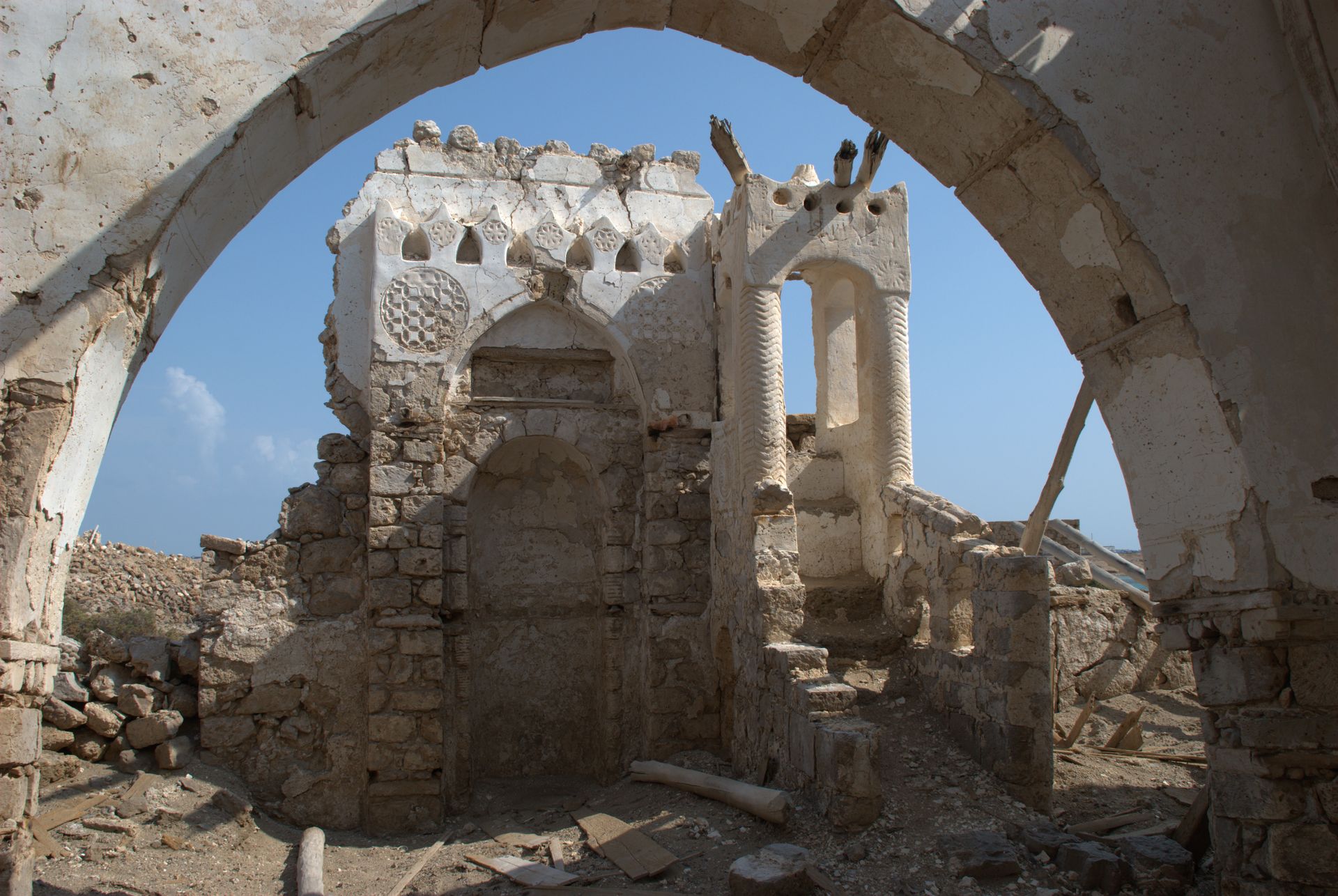
This gave the town a special character and a steady flow of people quite apart from ordinary commerce. Pilgrims needed provisions, lodging, and passage across the sea, and the business of serving them was woven into the life of the port. The religious significance of the place added a dimension of meaning beyond mere trade, marking Suakin as a threshold on a sacred road.
Understanding this pilgrimage role helps explain the town’s deep connection to the wider Islamic world and the presence of its fine mosques. Suakin was not just a market but a waypoint on a spiritual journey shared by millions, and something of that solemn purpose still seems to linger in the quiet of its ruins, where so many once paused before crossing the sea toward the holy cities.
The rhythms of the pilgrimage season would have shaped the life of the port, swelling its population and its business at certain times of year as travellers gathered to make the crossing. In this way Suakin was tied into a vast, continent-spanning devotional calendar, one small but vital link in the chain that connected the Muslims of Africa’s interior to the holy cities across the sea.
The pilgrim traffic also helped knit Suakin into a web of relationships with the holy cities and with other ports along the pilgrimage routes, relationships that carried culture and ideas as well as people. A port that served the Hajj was never merely provincial; it was a participant in one of the great recurring movements of humanity, and that role lent it a prestige and a connectedness out of proportion to its size.
The Ottomans Arrive
In the sixteenth century Suakin was drawn into the orbit of one of the great empires of the age. As the Ottomans expanded their power around the Red Sea, partly in response to the sudden appearance of Portuguese ships in these waters, they occupied Suakin in the middle of the century and made it a centre of their administration in the region.
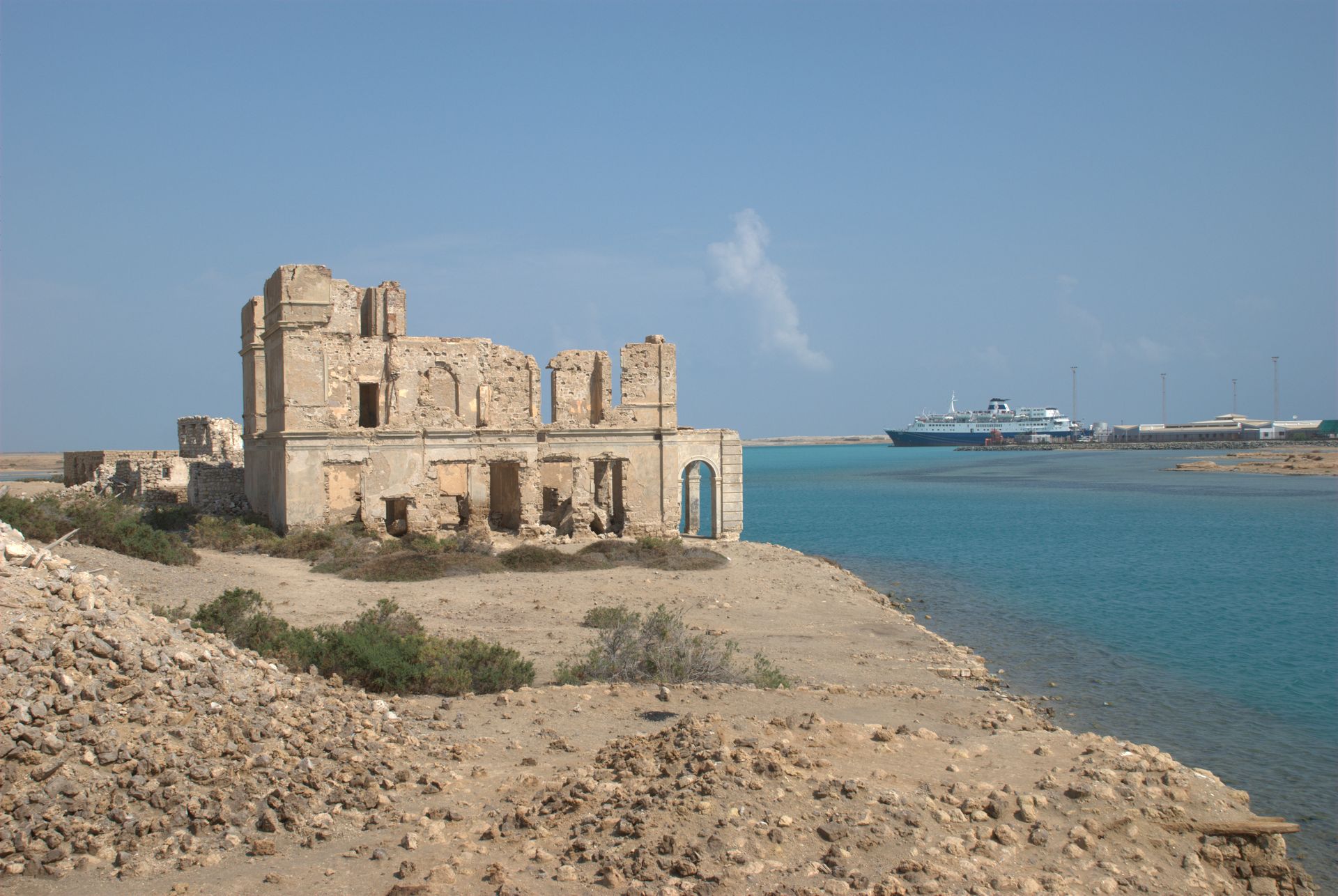
Suakin became the residence of an Ottoman governor and the seat of a province, its importance recognised by the empire that now controlled so much of the surrounding world. The Ottomans invested in the town, restoring its main mosques, strengthening its fortifications, and adding buildings, leaving a lasting imprint on the character of the place that later gave its restoration a distinctly Ottoman flavour.
The Portuguese, meanwhile, had tried and failed to take the port, besieging it and even briefly capturing it earlier in the century before Ottoman power was established. Suakin thus found itself on the front line of a great contest between empires for control of the Red Sea, and its Ottoman era set the stage for the golden age of building that would follow.
The Ottoman legacy at Suakin runs deep, which is part of why modern Turkey has taken a particular interest in the town’s restoration. The architecture, the institutions, and the very status of the place as a provincial centre all bore the Ottoman stamp, and the memory of that connection has endured long after the empire itself passed into history, shaping how the ruined city is understood today.
The contest with the Portuguese that brought the Ottomans to the Red Sea was part of a much larger struggle for control of the lucrative eastern trade routes in the sixteenth century. Suakin, sitting on this strategic sea, was inevitably drawn into that great game of empires, and its incorporation into the Ottoman world connected the little coral port to one of the most powerful states of the age.
The Mosques of Suakin
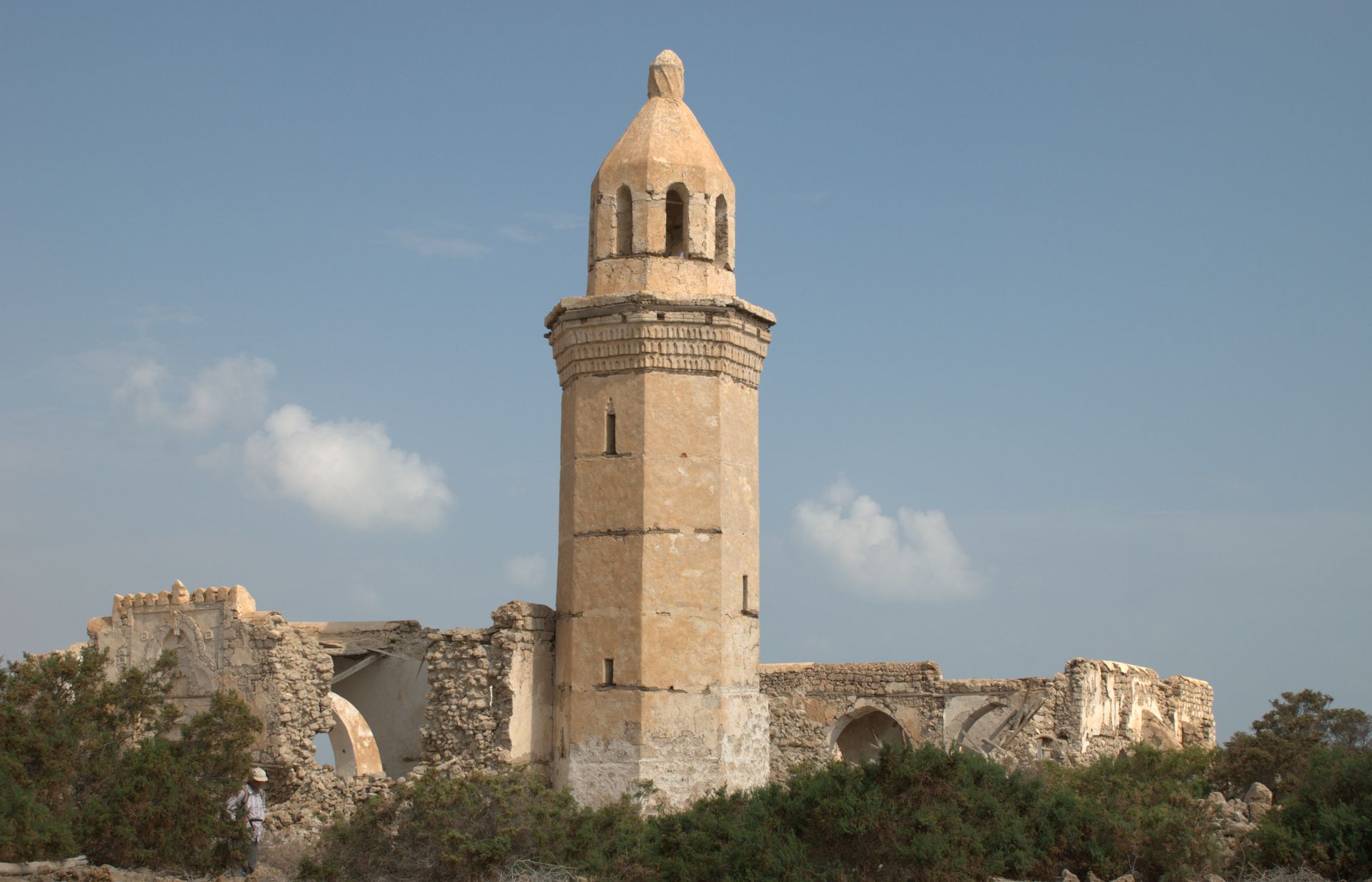
Among the most important surviving structures on the island are its mosques, which were central to the life of a town so bound up with pilgrimage and the wider Islamic world. Suakin had major mosques serving its community, associated with different schools of Islamic law, and these were among the buildings the Ottomans took care to restore during their period of control, a mark of their significance.
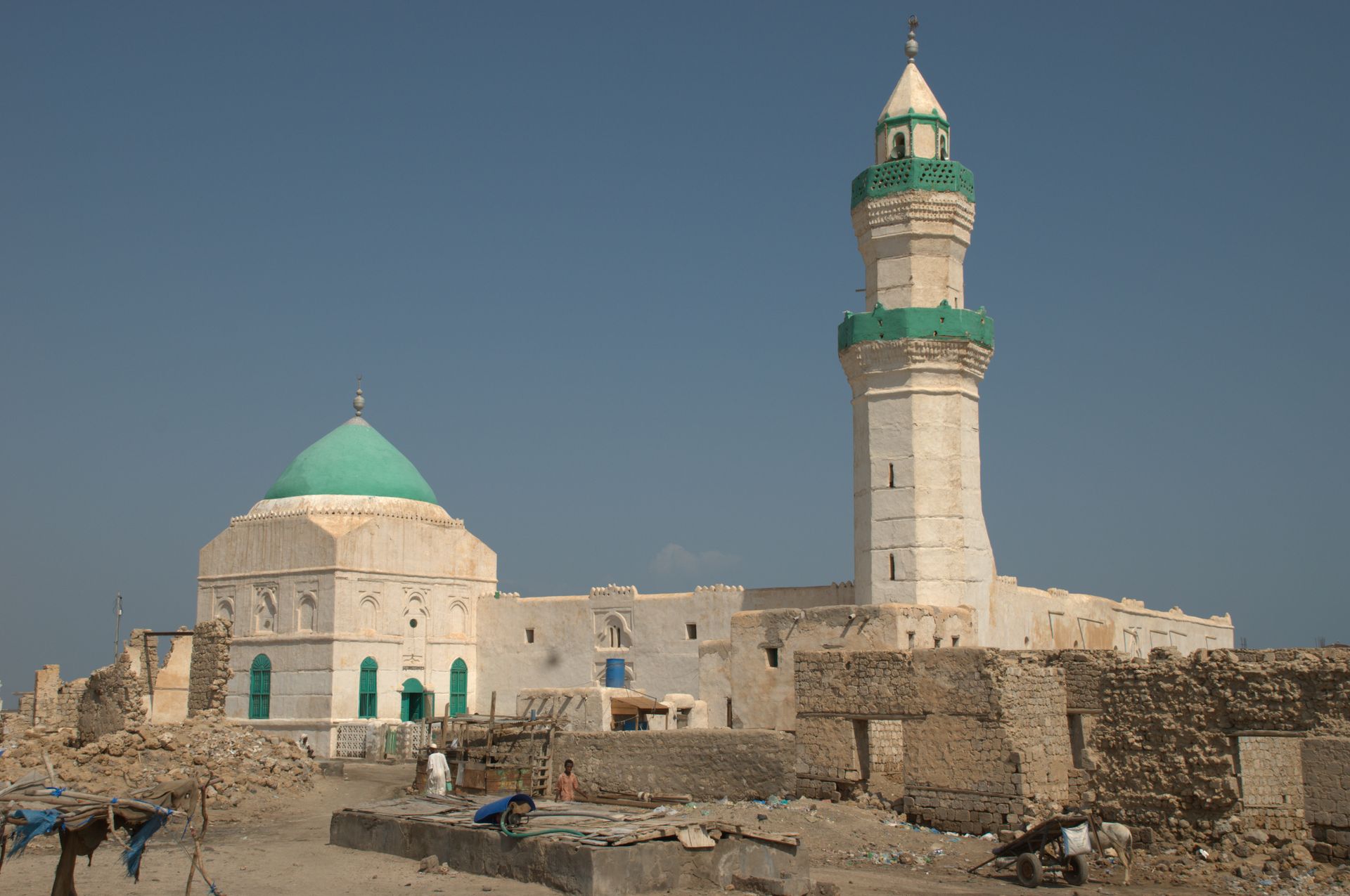
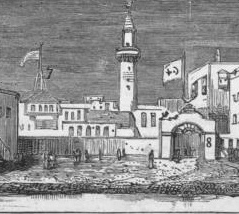
The minarets and prayer halls of these mosques were focal points of the townscape, their forms rising among the tall coral houses. For a population that included so many pilgrims pausing on their way to Mecca, as well as the resident merchants and officials, the mosques were the spiritual heart of the port, places of gathering, prayer, and reflection amid the bustle of trade.
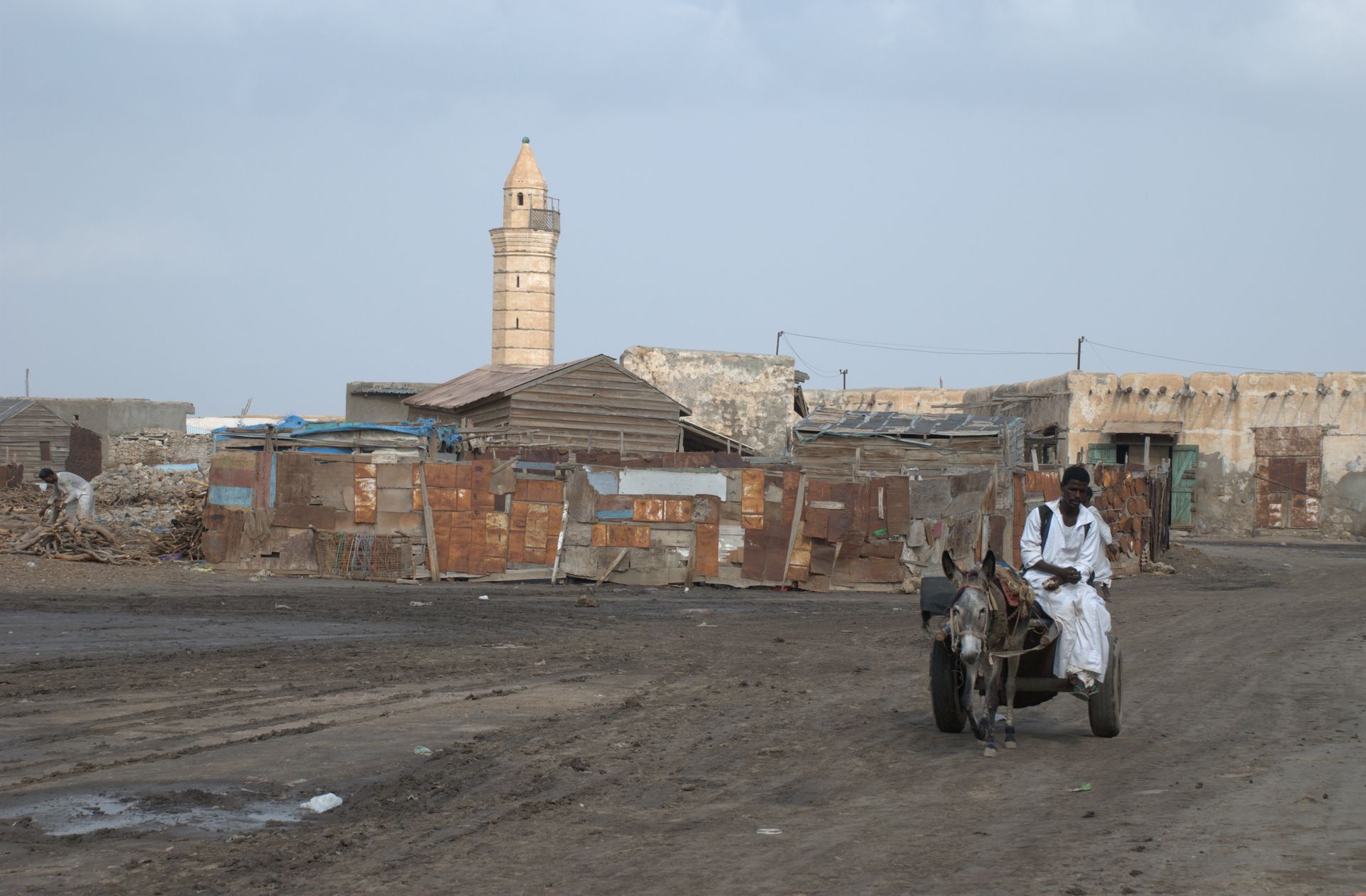
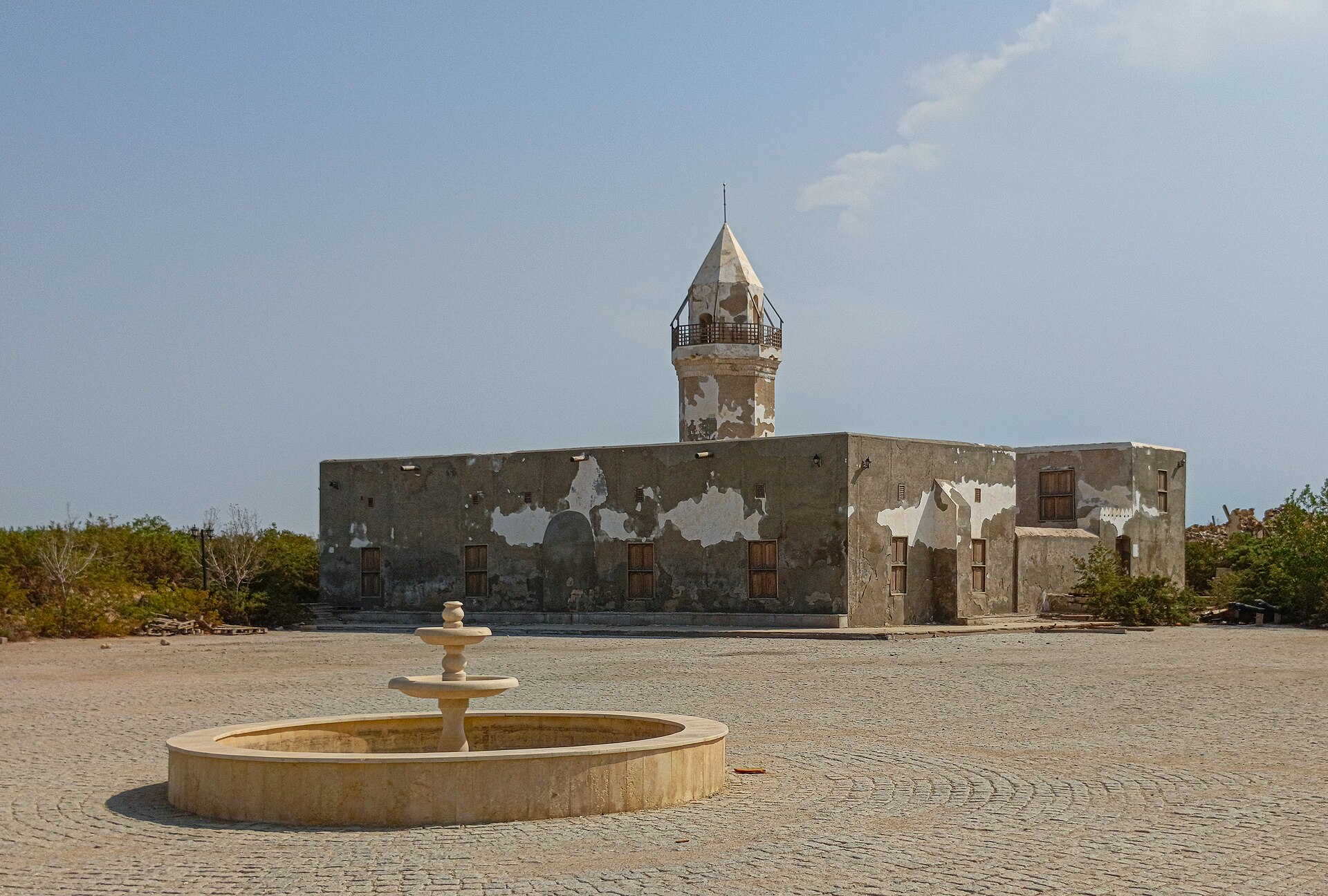
Today the remains of these religious buildings are among the most evocative parts of the ruins, and some have been the focus of particular attention in preservation efforts. Standing before a weathered minaret, with the empty coral mansions all around and the Red Sea beyond, you can feel very directly the deep connection between this remote African port and the vast devotional world of which it was once a part.
The association of the town’s mosques with particular legal schools, such as the Shafi’i and Hanafi traditions, reflects the cosmopolitan makeup of Suakin’s Muslim community, drawn as it was from many lands. In a single port city, believers following different schools of jurisprudence worshipped side by side, a small but telling illustration of how trade and pilgrimage brought the diverse strands of the Islamic world together here.
For centuries these mosques would have echoed with the call to prayer drifting out over the harbour, a sound that greeted arriving ships and sent off departing pilgrims. To reconstruct that in the imagination while standing in the silent ruins is to feel, for a moment, the full living reality of the vanished town, a place of faith and movement as much as of trade and profit.
The Famous Coral Houses
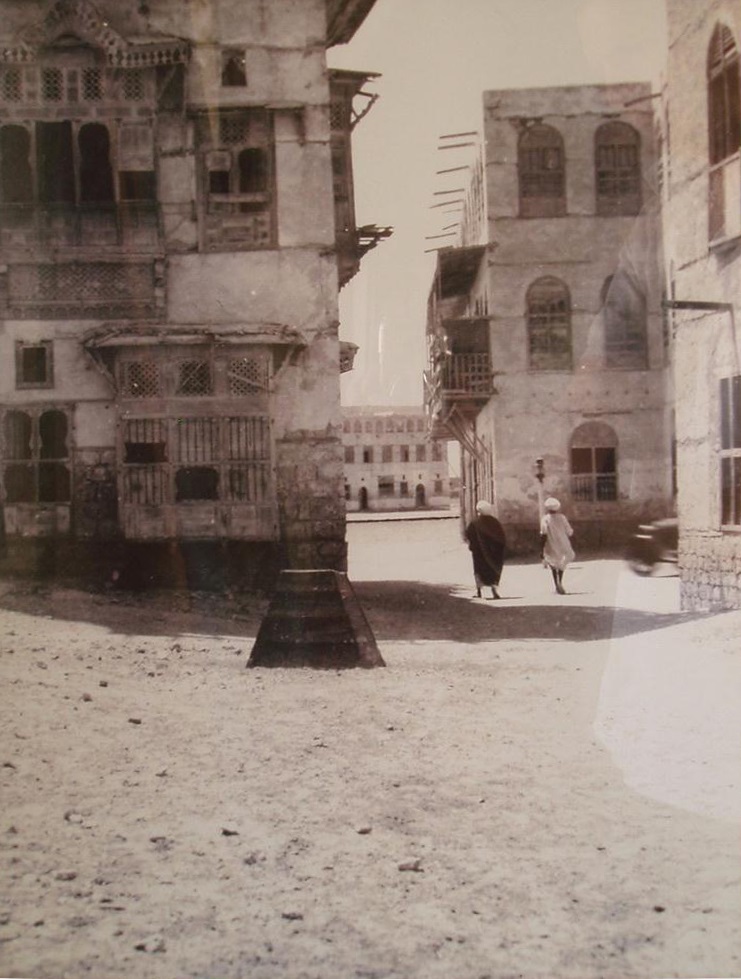
What made Suakin truly extraordinary, and what draws people to its ruins today, was its architecture. The town’s buildings were constructed of coral, quarried from the reefs, cut into blocks, and raised into tall, elegant houses that could rise as high as four storeys. Ranged in blocks along narrow streets, they gave the island a dense, vertical, almost dreamlike skyline of pale stone.
These were not crude structures but refined and beautiful ones. The coral mansions featured large casement windows and doors of imported teak, often surmounted by finely carved stone hoods, and their interiors were adapted to catch the sea breeze and cope with the fierce coastal heat. The wealthy merchants who built them were making a statement of prosperity and taste in the most durable material to hand.
There was, however, a fatal flaw in this beauty. Coral stone is soft and vulnerable, and once the buildings were no longer maintained they began to decay rapidly. The same material that made Suakin so distinctive also doomed its architecture to a swift ruin once the town declined, which is why the city today is a place of roofless walls and crumbling facades rather than a living historic town.
Craftsmen developed real expertise in building with this demanding material, learning how to cut and lay the coral and how to combine it with imported timber for floors, windows, and doors. The results were houses perfectly adapted to their environment, tall and airy to catch the breeze, yet the dependence on constant upkeep meant that this whole architectural tradition was only ever one generation of neglect away from ruin.
The distinctive door-hoods carved over the teak doors were a particular signature of Suakin’s architecture, small masterpieces of stone-cutting that announced the status of the household within. Details like these lifted the town’s buildings from mere functional structures into genuine works of craft, and their survival, even in ruin, is a large part of what makes wandering the old streets so visually rewarding today.
A Cosmopolitan Merchant World
In its heyday Suakin was a genuinely cosmopolitan place, its streets and harbour filled with a mix of peoples drawn by trade. Local Beja people of the surrounding region, Arab merchants from across the Red Sea, Ottoman officials, and traders from Egypt and beyond all met and mingled here, giving the town a diverse and outward-looking character typical of a great port.
The goods that passed through reflected this reach. From the African interior came products such as ivory, gum, hides, and other commodities, carried down by caravan to the coast; from across the sea came the manufactures and goods of Arabia, Egypt, India, and the wider world. Suakin was the hinge where these two streams of commerce met and exchanged.
This mercantile wealth is what paid for the coral mansions and the fine mosques. The great houses were the homes and warehouses of successful traders, and their scale and decoration advertised the fortunes to be made in the Red Sea trade. To walk the ruined streets is to walk through the remains of a prosperous, connected commercial society that thrived on the movement of goods between continents.
The mainland quarter and the island worked as two halves of a single commercial machine, with caravans arriving overland to meet ships arriving by sea. This meeting of desert and ocean trade was the essence of Suakin, and the wealth generated by standing at that junction is written all over the surviving ruins, in the ambition of the houses and the fine detail of their carved stonework.
The diversity of Suakin’s population left its own subtle marks on the culture of the town, in its customs, its cuisine, and the blending of influences from Africa and Arabia that characterised life there. Like all great ports, it was a place where worlds met and mingled, and the resulting culture was richer and more cosmopolitan than that of any inland town of comparable size could ever have been.
The Shadow of the Slave Trade
As with so many of the great ports of Africa, Suakin’s commerce had a dark side that must be acknowledged. Alongside ivory and other goods, the town was involved in the trade in enslaved people, who were brought from the interior and shipped across the Red Sea to markets in Arabia and beyond. This traffic was part of the commercial life of the port for a long time.
The Red Sea slave trade is less widely remembered than its Atlantic counterpart, but it was real, long-lasting, and caused immense human suffering. Ports like Suakin were among its conduits, and an honest reckoning with the town’s history has to hold this alongside the beauty of its architecture and the romance of its trade. The prosperity was not innocent.
In the nineteenth century, efforts to suppress the slave trade became part of the wider drama that engulfed the region, as outside powers with their own mixture of motives sought to control the coast. The story of Suakin, like that of many African ports, is bound up with both the practice of the slave trade and the long, contested struggle to bring it to an end.
Remembering the enslaved individuals who passed through Suakin is part of engaging honestly with its history. Behind the commerce that built the beautiful coral houses lay real human beings deprived of their freedom and carried far from home across the Red Sea. The town’s beauty and its complicity in this suffering are inseparable parts of a single, complicated story that deserves to be told in full.
The relative obscurity of the Red Sea trade in popular memory, compared with the Atlantic, is itself worth reflecting on, for it reminds us how much of history’s suffering has gone underacknowledged. Bringing places like Suakin into the story helps to build a fuller and more honest picture of the global history of slavery, one that reaches far beyond the more familiar routes across the Atlantic.
Khedives, Generals, and Wars
The nineteenth century brought Suakin into the turbulent world of Egyptian and British imperial ambitions. Control of the town passed to the Egyptian khedive, who invested in new infrastructure, and Suakin became an important base on the Red Sea coast, its harbour busier than ever with the traffic of a modernising age.
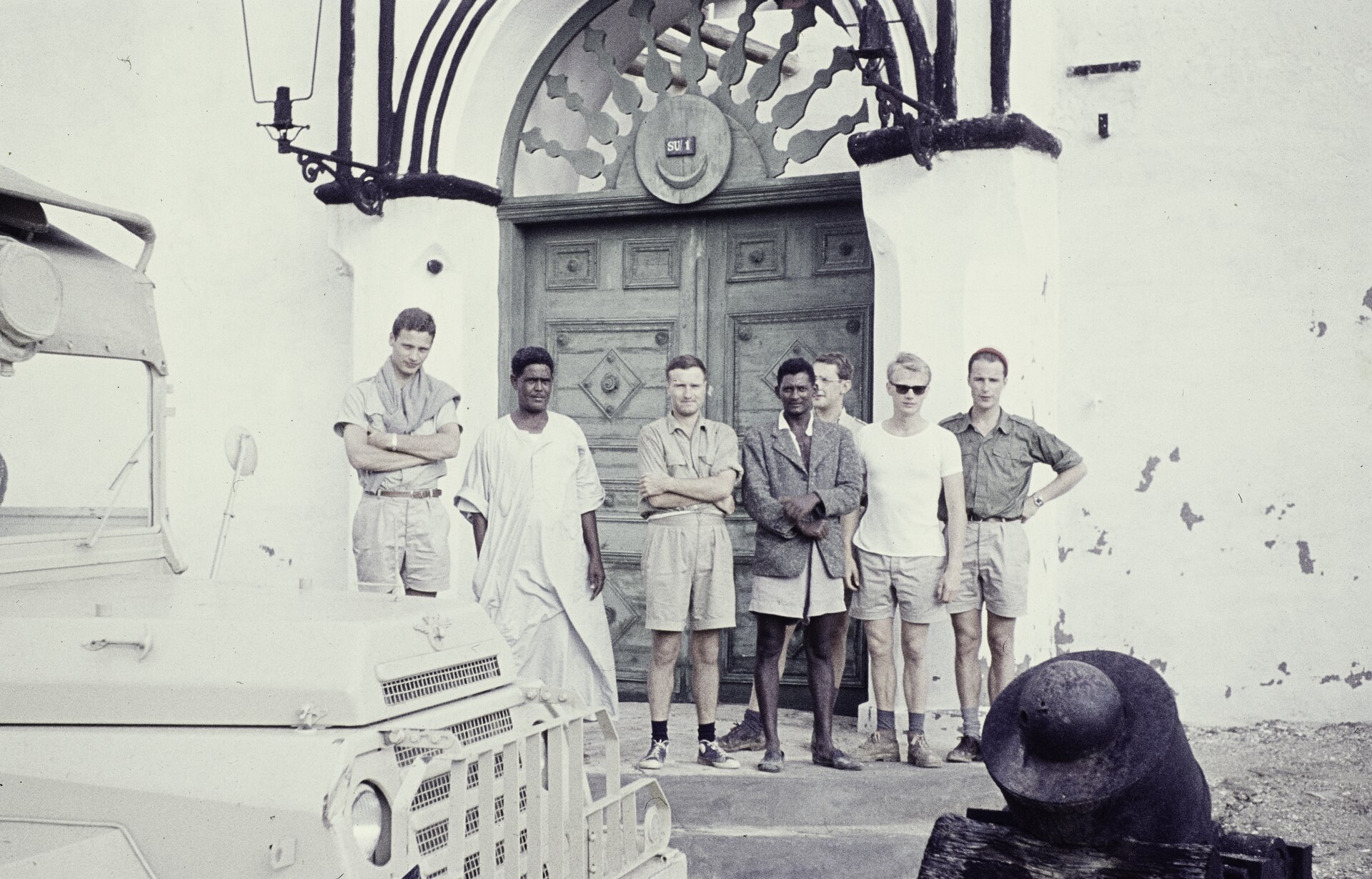
Then came war. In the 1880s the great uprising of the Mahdi swept through Sudan, and Suakin became a key British and Egyptian stronghold on the coast, a base from which to project force into the interior. British forces, including figures who would become famous names, were headquartered here during the campaigns, and the area around the town saw serious fighting against the Mahdist forces.
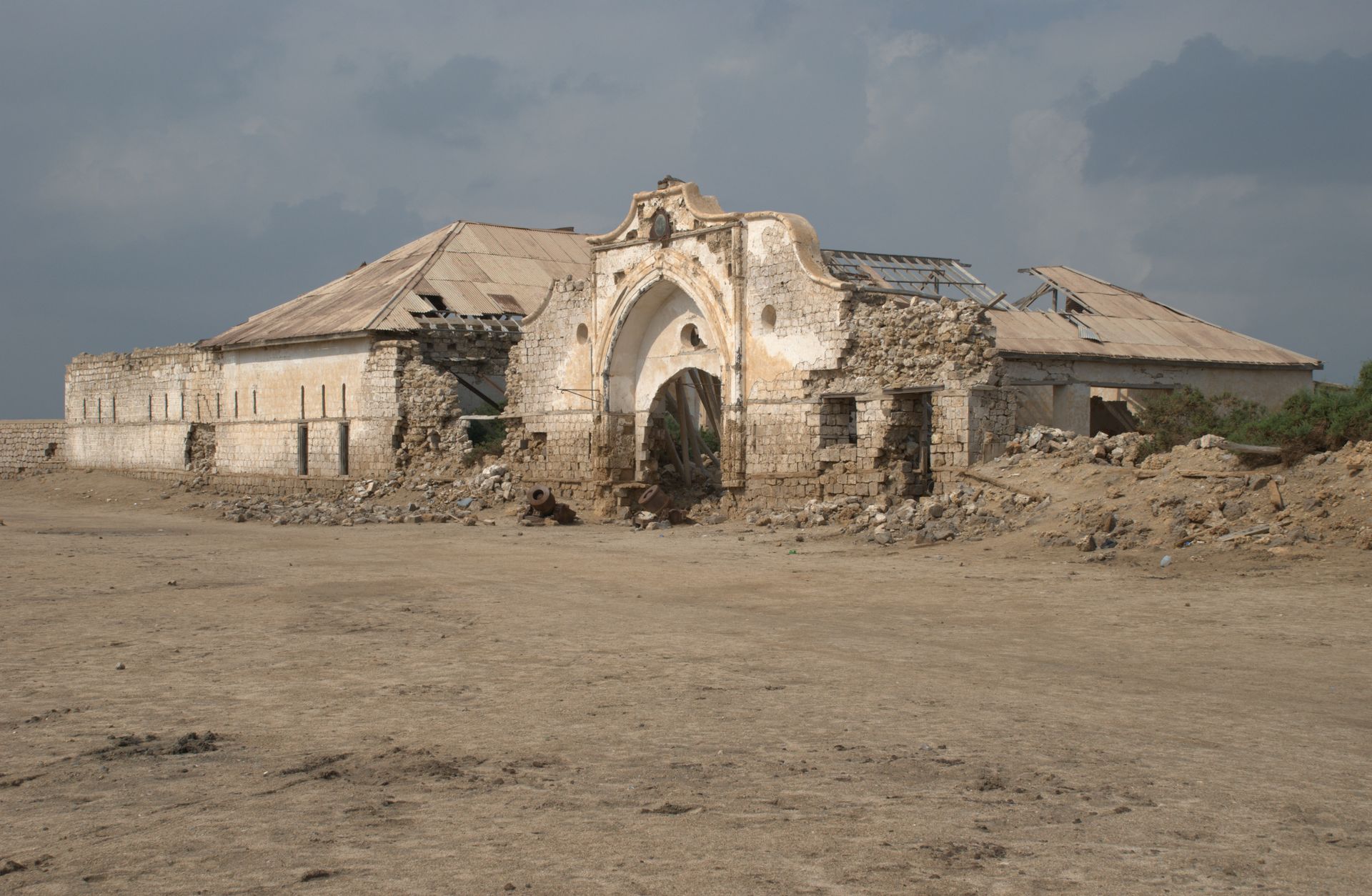
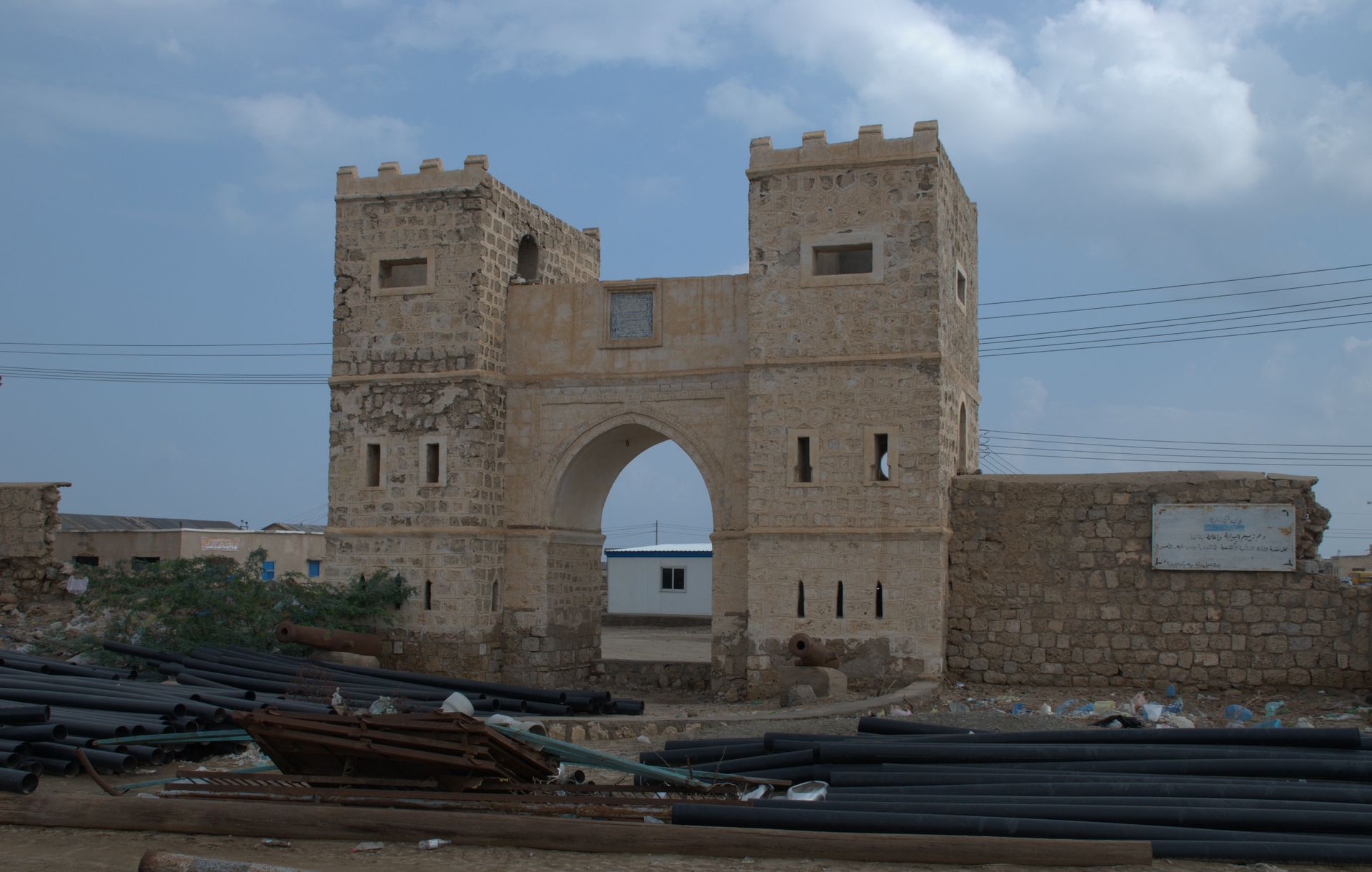
For a time Suakin was a garrison town at the edge of a brutal colonial war, its ancient trading streets echoing with the movements of imperial armies. This military chapter added forts, gates, and defences to the townscape, and it tied the fate of this old Red Sea port to the wider convulsions of Sudanese history in the age of empire.
The military remains from this era, the gates, defences, and traces of fortification, add yet another layer to the already deep historical stratigraphy of the town. Suakin had been fortified and contested many times over the centuries, and the nineteenth-century additions were simply the latest chapter in a very long story of the port as a place worth fighting for and defending.
The famous names associated with Suakin in this period, the generals and commanders who passed through during the Sudan campaigns, have given the town a certain place in the history of the British Empire and its wars. Yet these episodes, dramatic as they were, form only a late chapter in a story that stretches back over a thousand years, and it would be a mistake to let the imperial drama overshadow the town’s much longer life as a great port of trade and pilgrimage.
How Suakin Died
For all its long history, Suakin’s decline, when it came, was swift and decisive, and it had a single main cause. In the early twentieth century a new, modern port was built a short distance up the coast at Port Sudan, designed to handle the steamships and railways of the modern age with deep-water berths that the old coral harbour could not match.
Once Port Sudan opened, the trade that had sustained Suakin for a thousand years simply moved away. The great advantage of the old island harbour, so perfect for the sailing ships of earlier centuries, counted for little in the era of large steel vessels, and the commerce, the officials, and the wealth drained toward the new town. Suakin was left behind almost overnight.
Deprived of the trade that maintained them, the coral houses began their long collapse. With no money and no reason to keep the buildings in repair, and with the soft coral stone crumbling in the salt air, the once-splendid town decayed into the ruin we see today. Few cities have fallen so completely and so quickly from prosperity into picturesque desolation.
There is a stark lesson in Suakin’s fall about how technological change can extinguish a city almost overnight. For a thousand years geography had made the port indispensable; then, in the space of a few years, a new harbour and new kinds of ships rendered it obsolete. The town did nothing wrong and simply could not adapt fast enough, and the world moved on and left it to crumble by the sea.
For the people who had lived and worked in Suakin, the shift to Port Sudan meant uprooting their lives and following the trade to the new town, and many did exactly that. The old city was not so much destroyed as simply left behind, its population draining away to the modern harbour, until what remained was an emptying shell inhabited by memory more than by people.
The Ruined City Today
To visit Suakin now is to wander through a ghost town of breathtaking, melancholy beauty. The shells of the tall coral houses still stand along the old streets, their carved doorways and empty windows open to the sky, their upper floors fallen away. It is easy to imagine the busy port that once filled these lanes, precisely because so much of its physical form survives, if only as a skeleton.
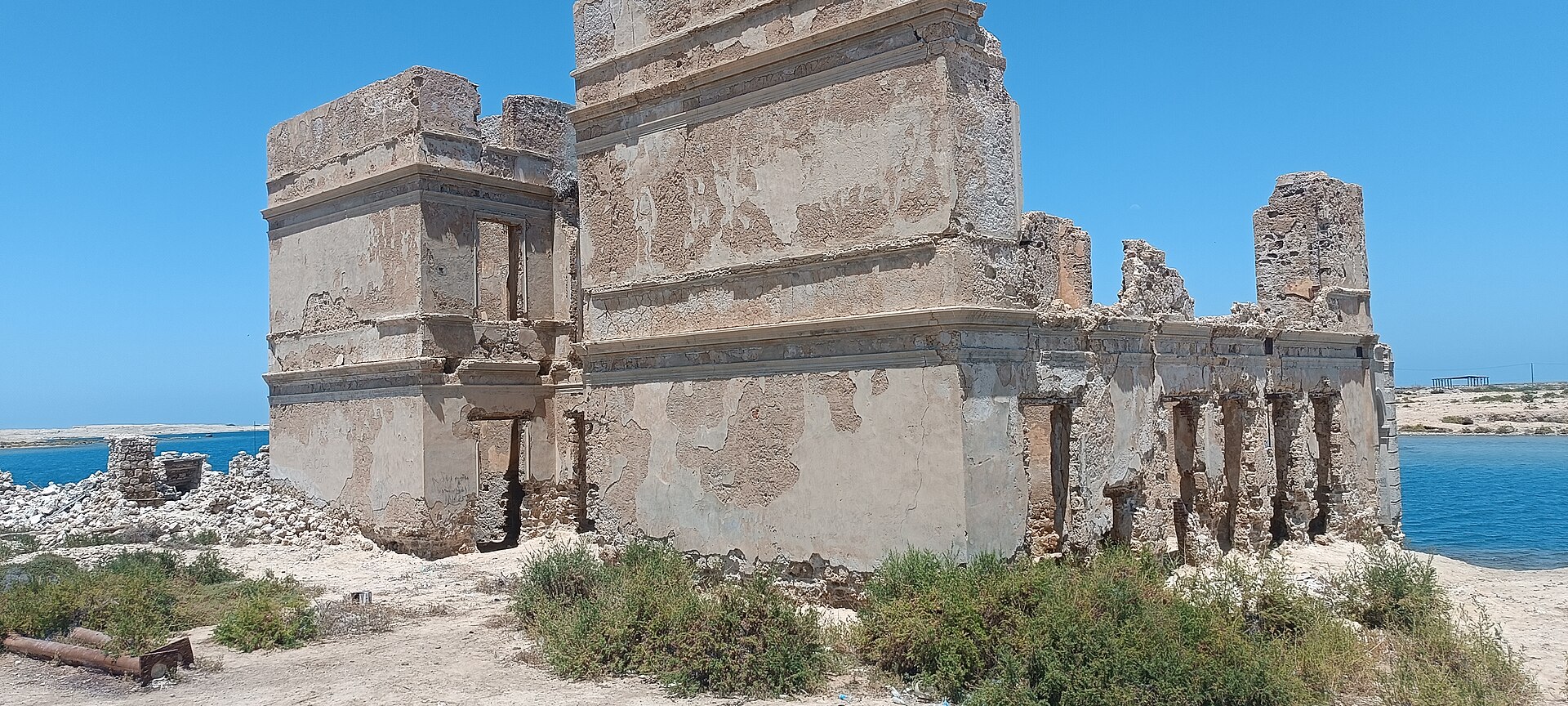
The ruins are fragile and dangerous, and many buildings have collapsed entirely or are on the verge of doing so. Yet enough remains to convey the scale and elegance of the vanished town, and a few structures, including the old mosques and some restored buildings, give a sense of what Suakin once was. The overall impression is unforgettable: a whole city caught in the slow act of returning to dust.
There is a powerful poignancy to the place that photographs only partly capture. This was a living, breathing town within living memory, not some remote ancient site, and its ruin feels recent and raw. Walking among the crumbling coral mansions, with the Red Sea glittering beyond, you feel the passage of time and the fragility of even the proudest human achievements with unusual force.
The atmosphere of the place is heightened by its relative remoteness and quiet. Unlike some famous ruins thronged with visitors, Suakin is often still and empty, which only deepens the sense of a town abandoned by history. That solitude allows the imagination free rein to repopulate the streets with merchants and pilgrims, and it makes the encounter with the ruins feel personal and profound.
Photographers and the occasional intrepid traveller have long been drawn to Suakin precisely because of this quality of arrested decay. There is a stark, mournful beauty in the sight of the pale coral walls against the blue of the sea and sky, and few places offer such a vivid, tangible lesson in the impermanence of even the most prosperous and beautiful of human settlements.
Hopes of Restoration
Suakin’s story may not be over. In recent years there has been serious interest in restoring and preserving the ruined town, most notably an agreement granting Turkey a long lease over the island to rebuild and restore its Ottoman-era heritage, reflecting the historic Ottoman connection to the port. Such projects hold out the possibility of rescuing at least part of the old city from oblivion.
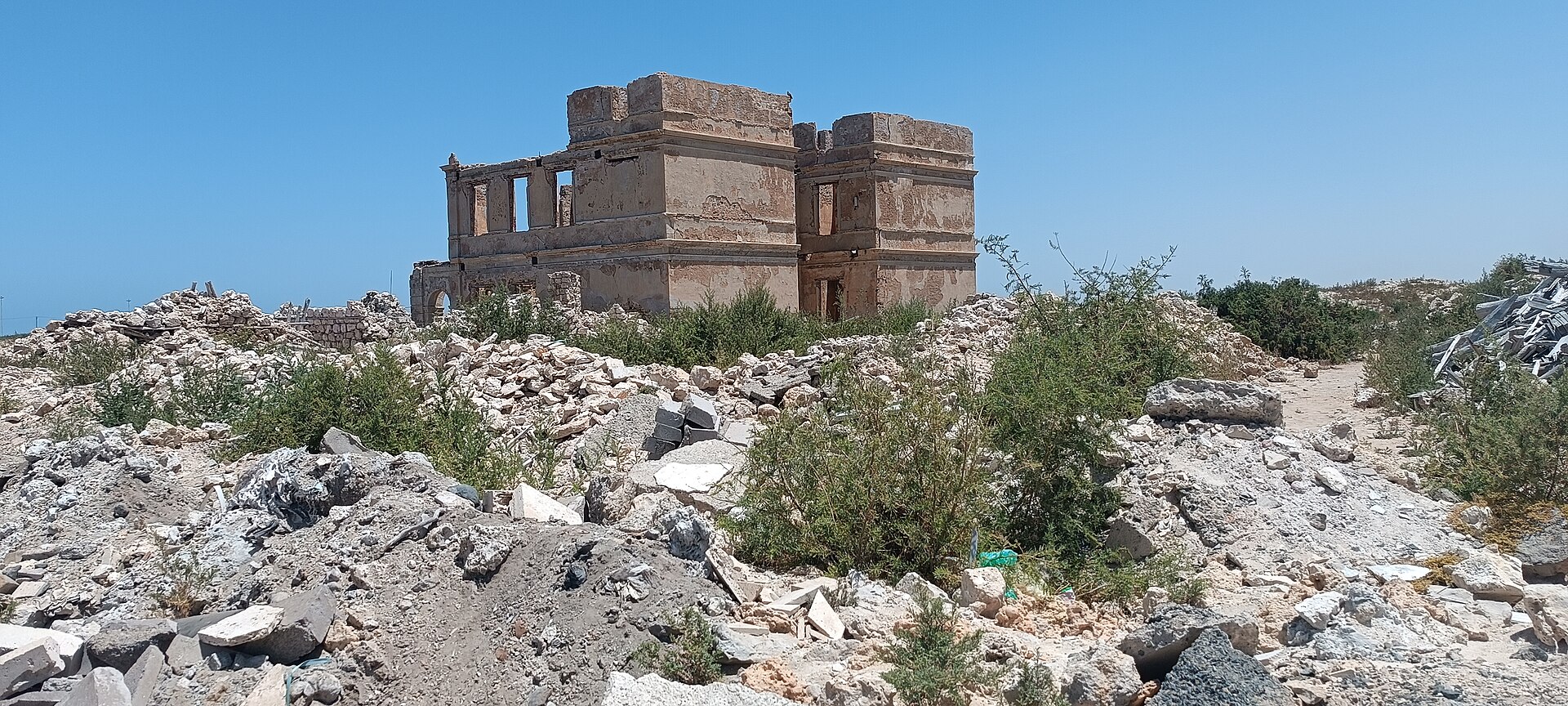
Restoration of a site like this is enormously challenging. The coral stone is fragile, the scale of decay is vast, and reconstructing such delicate architecture requires great skill and resources. There are also questions about how to balance preservation, tourism, and the interests of the local community, as well as the broader political currents that surround any major international project.
Modern documentation efforts, including detailed three-dimensional digital reconstructions of the town, are helping to record Suakin as it is and as it was, so that even if some buildings are lost, the knowledge of them will survive. Whether or not full restoration is achieved, these efforts ensure that the memory of this remarkable coral city will not simply crumble away unrecorded.
Any successful restoration would have to grapple not only with the technical difficulties but with the goal of the effort itself, whether to create a museum, a living town, or a tourist destination, and how to honour the full sweep of the town’s history in the process. These are difficult questions, but the very fact that they are being asked is a hopeful sign for a place that seemed, not long ago, simply doomed.
International interest in Suakin also reflects a growing global appreciation of heritage sites connected to trade, pilgrimage, and the meeting of cultures. As one of the most remarkable surviving examples of a Red Sea coral port, Suakin has a significance that reaches well beyond Sudan, and that wider recognition may prove crucial in mustering the will and the resources needed to save it.
Visiting Suakin
Suakin lies on the Red Sea coast of Sudan, very close to the modern city of Port Sudan, which is the natural base for a visit. Reaching the old town itself is straightforward once you are in the area, as it sits just off the mainland across its causeway, and the contrast between the busy modern port nearby and the silent ruined city is itself striking.
A visit rewards a slow, careful exploration on foot, with an eye always on safety amid the fragile ruins. Wandering the old streets, seeking out the surviving mosques and the grander coral mansions, and looking out over the harbour where so many ships and pilgrims once gathered, you can piece together the vanished life of the port. A local guide can bring the empty buildings vividly back to life.
View 19.1025, 37.3300 on Google Maps
As always with a place of such layered and sometimes painful history, come with curiosity and respect. Suakin is a monument to the rise and fall of a great trading and pilgrimage centre, and to the fragility of human works before time and tide. Few places convey so vividly both the glory of a lost city and the poignancy of its passing, and for the traveller willing to reach this remote coast, it is unforgettable.
It is worth remembering, too, that Sudan has experienced periods of instability, so anyone contemplating a visit should take current conditions and travel advice seriously. Suakin is a remote destination that rewards the well-prepared and thoughtful traveller, and part of respecting the place is approaching a journey there with due care, patience, and sensitivity to the realities of the region.
Whatever the future holds for Suakin, seeing it as it is now, poised between ruin and possible rebirth, is a rare privilege. You are witnessing a moment in the long life of a place that has already died once and may yet live again, and there is something moving in standing among its coral walls and imagining both the vanished glory behind them and whatever renewal might lie ahead.
Castles Nearby
You May Like
Mafra, the Palace a King Built From a Vow