In the very heart of Vienna, spreading across a great expanse of courtyards, wings, and squares, stands the Hofburg, the vast palace complex that was for centuries the winter residence and the seat of power of the Habsburg dynasty. If Schönbrunn was the golden summer retreat of the imperial family, the Hofburg was the beating heart of their empire, the place from which they ruled and the stage on which the drama of their dynasty played out through the ages.
The Hofburg is not a single palace but an entire palatial city, a sprawling complex that grew over some seven hundred years as ruler after ruler added new wings, courtyards, and monuments. The result is a building of extraordinary scale and variety, embodying the whole history of the dynasty and its changing fortunes, from a medieval fortress to the grand imperial residence of one of the greatest powers in Europe.
Within its walls the Hofburg holds a wealth of treasures and institutions, from the crown jewels of an empire to a school of horsemanship famous around the world, from imperial apartments to one of the most beautiful libraries ever built. It was here that emperors were crowned and courts assembled, and here that some of the most fateful moments in the history of central Europe unfolded.
In the pages ahead you will explore this immense imperial palace, from its origins as a medieval castle to its growth into a vast complex of many styles, through its treasures, its institutions, and the great events it witnessed, to its life today at the heart of Vienna. The Hofburg is the very embodiment of the Habsburg empire, and it offers one of the richest encounters with the history of European royalty to be found anywhere.
In This Article
- A Palace Like a City
- Seven Centuries of Building
- From a Medieval Castle
- The Heart of the Empire
- The Crown Jewels of an Empire
- The Famous School of Horsemanship
- A Cathedral of Books
- The Empress and Her Apartments
- The Chapel and Its Choir
- The Square of Heroes
- The Great Domed Gateway
- A Museum of Styles
- Exploring the Hofburg Today
A Palace Like a City
The first thing to understand about the Hofburg is its sheer scale, for it is less a single palace than an entire palatial city in the centre of Vienna. Spreading across a vast area, it embraces numerous wings, courtyards, squares, and buildings, a complex so large and so varied that it can bewilder the first-time visitor. To explore the Hofburg is to wander through a whole quarter of the city given over to the imperial residence.
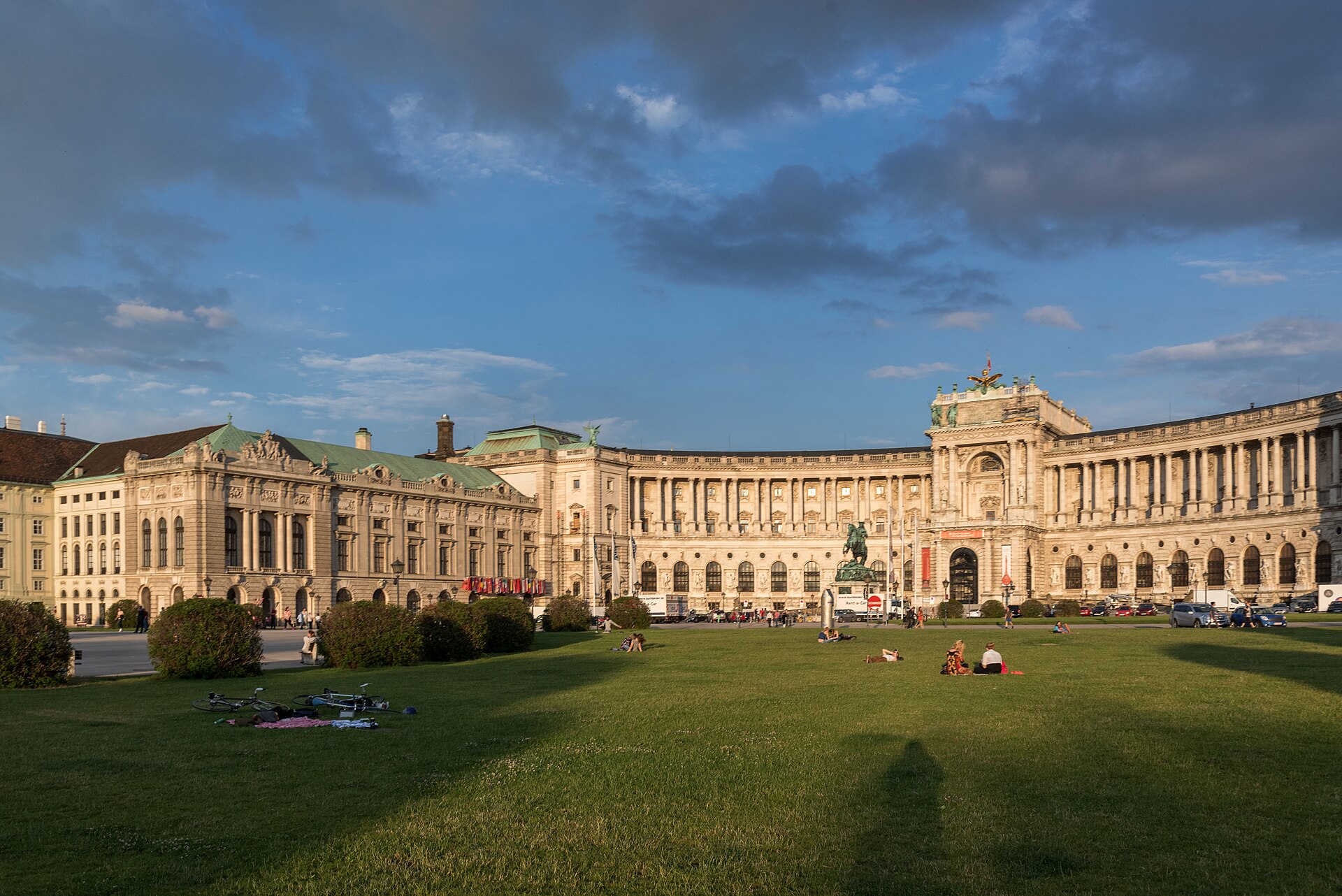
This immense complex grew over the course of many centuries, and its scale reflects the long dominance and the great ambitions of the dynasty that built it. As the Habsburgs rose to become one of the mightiest houses in Europe, their principal palace grew with them, expanding across the heart of Vienna until it became one of the largest royal residences in the world.
The Hofburg’s character as a palatial city means that it served not only as a residence but as a centre of government, administration, and cultural life. Within its walls were housed the many functions of a great imperial court, from the private apartments of the ruling family to the offices of state, the treasury, the chapel, and much more, all gathered into a single vast complex.
This concentration of so many functions and buildings in one place makes the Hofburg a unique expression of the imperial idea, a palace that was also a city, a residence that was also a seat of empire. To grasp its scale is to begin to understand the power and the ambition of the Habsburg dynasty, whose principal palace grew into one of the greatest complexes in all of Europe.
Newcomers often find it hard to tell where the Hofburg begins and ends, so thoroughly is it woven into the surrounding city. Streets pass through its archways, squares open within its embrace, and public life flows around and through it, so that the palace and the city seem to merge into one another. This intimacy with Vienna is part of what makes the Hofburg so different from a palace set apart behind gates and gardens.
Seven Centuries of Building
The Hofburg as we know it is the product of some seven hundred years of continuous building, as generation after generation of rulers added to and transformed the palace. What began as a medieval castle was expanded again and again, each ruler leaving his mark, until the complex grew into the vast and varied assemblage of buildings that stands today, a record of centuries of imperial history.
Because it was built and rebuilt over so long a period, the Hofburg embodies an extraordinary range of architectural styles, from the medieval through the Renaissance and Baroque to the grand historicist architecture of more recent times. Each age added its own contribution in the style of the day, so that the complex is a kind of living museum of architecture, its wings and courtyards spanning the whole history of European building.
This organic growth over the centuries gives the Hofburg a richness and complexity quite different from a palace built all at once to a single design. Rather than a unified composition, it is an accumulation of many parts, each with its own character and history, gathered together into a single sprawling whole. The very irregularity of the complex tells the story of its long and continuous development.
To trace the different wings and buildings of the Hofburg is thus to trace the history of the Habsburg dynasty itself, from its medieval origins to the height of its imperial power. The complex grew as the dynasty grew, and its architecture records the changing tastes and ambitions of the rulers across the centuries, making the Hofburg a monument to the whole long story of the imperial house.
No single architect or reign can therefore claim the Hofburg as its own, for it is the collective creation of the whole dynasty across the ages. This distinguishes it sharply from palaces conceived as unified masterpieces, and it means that the fascination of the Hofburg lies less in a single grand design than in the accumulation of centuries, the layering of one age upon another in a single vast complex.
From a Medieval Castle
The origins of the Hofburg reach back to the Middle Ages, when a castle was built on the site as a stronghold in the growing city of Vienna. This medieval fortress, with its defensive character and its sturdy walls, was the seed from which the vast later complex would grow, and traces of these ancient origins survive within the sprawling palace of today.
The oldest parts of the Hofburg preserve something of this medieval character, a reminder that the great imperial residence began as a place of defence rather than display. As the centuries passed and the dynasty rose to greater power, the fortress was transformed and expanded, but its medieval core remained at the heart of the growing complex, anchoring it in the deep past.
This evolution from castle to palace mirrors the transformation of the Habsburg dynasty itself, from a family of regional importance to the rulers of a great empire. As their power grew, so did their residence, the grim medieval fortress giving way to the splendour of an imperial palace, even as the ancient core survived amid the later magnificence.
The medieval origins of the Hofburg give it a depth of history matched by few other palaces, a continuous story stretching back some seven centuries. From these fortified beginnings grew one of the greatest royal complexes in Europe, and the survival of the ancient core amid the later grandeur is a powerful reminder of just how far the dynasty and its palace travelled across the ages.
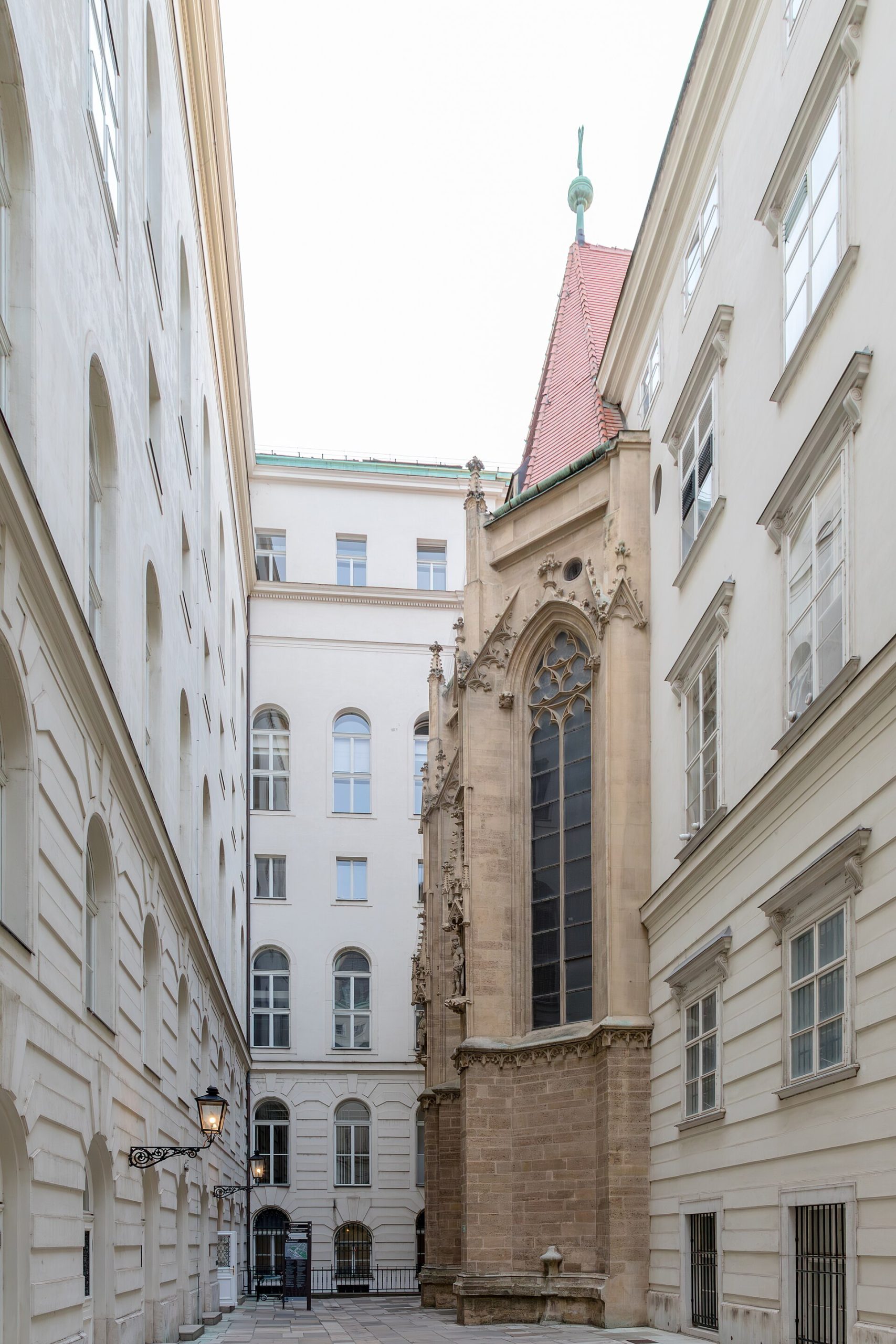
Standing in the oldest courtyards, where the architecture is plainer and the atmosphere older, it is possible to sense the medieval fortress beneath the imperial splendour. These quieter corners, easily overlooked amid the grandeur of the later wings, are among the most evocative parts of the Hofburg, carrying the visitor back to the distant origins of a palace that would grow into the seat of an empire.
The Heart of the Empire
The Hofburg served as the principal residence of the Habsburgs and the seat of their power, the winter home of the imperial family and the centre from which they ruled their vast dominions. While Schönbrunn offered a summer retreat amid its gardens, the Hofburg was the true heart of the empire, the place where the serious business of government and court life was conducted.
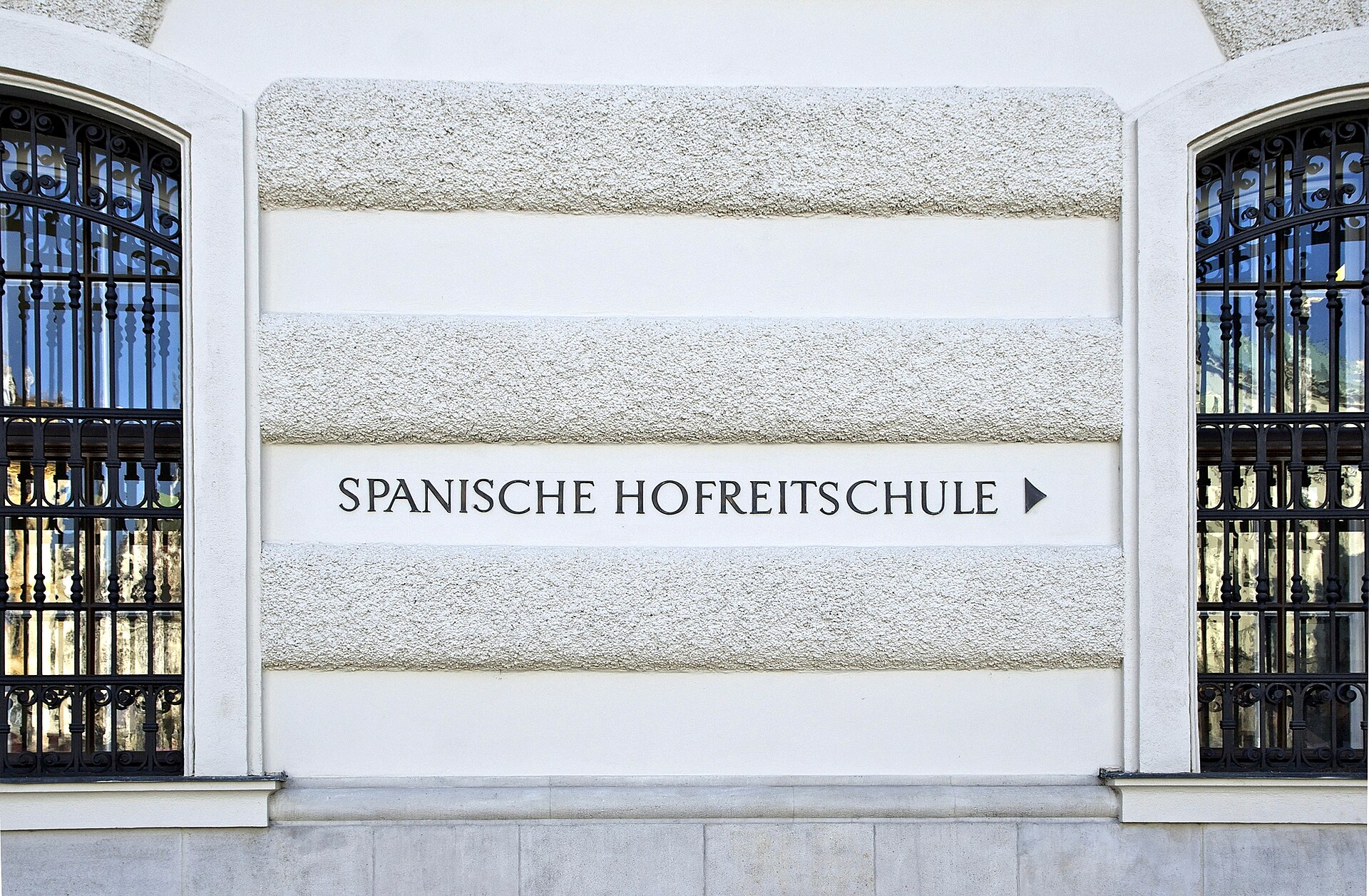
As the seat of the imperial court, the Hofburg was the scene of the elaborate ceremonies and rituals through which the dynasty displayed its power and majesty. Here the emperors held court, received ambassadors, and conducted the affairs of state, surrounded by the pomp and splendour appropriate to their exalted rank. The palace was the stage on which the theatre of imperial power was performed.
The Hofburg was also the administrative centre of the empire, housing the offices and institutions through which the vast Habsburg dominions were governed. The complex was thus not only a residence but a working seat of government, its many buildings devoted to the countless functions of ruling a great and diverse empire that stretched across much of central Europe.
This role as the heart of the empire gives the Hofburg its central importance in the history of the dynasty and of central Europe. It was here, more than anywhere else, that the power of the Habsburgs was concentrated and exercised, and the great events that shaped the fortunes of the empire were bound up with this vast palace at the centre of Vienna.
The contrast between the Hofburg and the summer palace beyond the city captures something essential about the rhythm of imperial life, which moved between the ceremonial heart of the capital and the gardens of the summer retreat. The Hofburg was the palace of duty and government, of the long winter months of court and council, and its grander, more urban character reflects that serious role at the centre of the empire.
The Crown Jewels of an Empire
Among the greatest treasures held within the Hofburg is the imperial treasury, a collection of extraordinary richness that includes the crown jewels and regalia of the empire. Here are preserved objects of immense historical and symbolic importance, the very emblems of imperial power, gathered into one of the most remarkable treasuries in the world.
The crowning glory of this collection is the ancient imperial crown, one of the most important symbols of sovereignty in European history, along with other regalia used in the coronation and ceremonies of the emperors. These objects carry the weight of centuries of history, having been used in the great rituals through which power was conferred and displayed across the ages.
The treasury holds much more besides, a wealth of precious objects, jewels, and sacred relics accumulated by the dynasty over the centuries. Together they form a collection of incomparable richness, reflecting the immense wealth and the long history of the imperial house, and offering the visitor a dazzling encounter with the material splendour of empire.
To visit the treasury of the Hofburg is to come face to face with the very symbols of imperial power, objects of the highest importance in the history of Europe. The collection is one of the greatest treasures held in any palace in the world, and it makes the Hofburg not only a residence and a seat of government but a repository of some of the most significant regalia in European history.
For the visitor, the encounter with these regalia is unexpectedly moving, for they are not mere jewels but the very instruments through which power was conferred and legitimacy proclaimed across the centuries. To stand before the ancient crown is to be in the presence of an object around which the history of a large part of Europe turned, and few museum experiences carry such a charge of history.
The Famous School of Horsemanship
One of the most celebrated institutions housed within the Hofburg is a school of horsemanship famous throughout the world, dedicated to the classical art of riding as it has been practised for centuries. This renowned school, with its magnificent riding hall within the palace, preserves a tradition of equestrian skill that is one of the glories of Vienna and a living link to the courtly culture of the past.
The school is home to a famous breed of white horses, trained with extraordinary care to perform the elegant movements of classical riding. The displays of horsemanship given here, in a setting of great architectural beauty, are among the most admired spectacles in Vienna, drawing visitors from around the world to witness a tradition of skill and grace preserved from the age of the imperial court.
The magnificent riding hall in which these displays take place is itself a work of great beauty, a splendid Baroque interior worthy of the imperial palace that houses it. The combination of the elegant hall, the beautiful horses, and the refined art of riding creates a spectacle of unique charm, a living survival of the courtly culture of the Habsburgs.
This school of horsemanship is one of the treasures of the Hofburg, a living institution that carries the traditions of the imperial court into the present day. It reflects the central importance of the horse in the culture of the aristocracy and the court, and it offers visitors a rare and beautiful glimpse of an art form preserved with loving care across the centuries.
That such a tradition should survive at all into the modern world is remarkable, for it belongs to a courtly culture that has otherwise almost entirely vanished. In preserving the classical art of riding within the walls of the imperial palace, the school keeps alive a living fragment of the world of the Habsburg court, and offers visitors a rare chance to witness a discipline of beauty and precision handed down across the centuries.
A Cathedral of Books
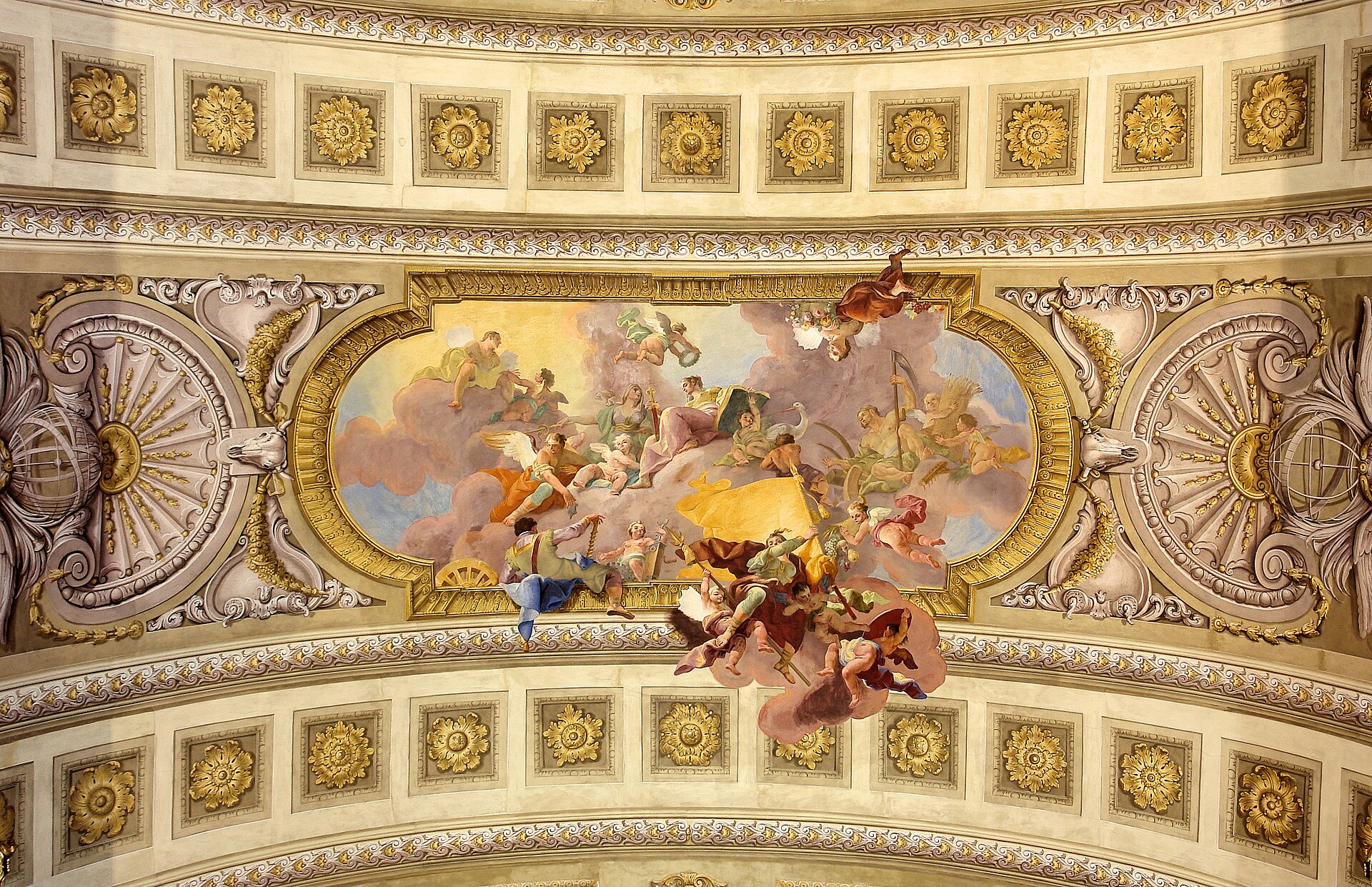
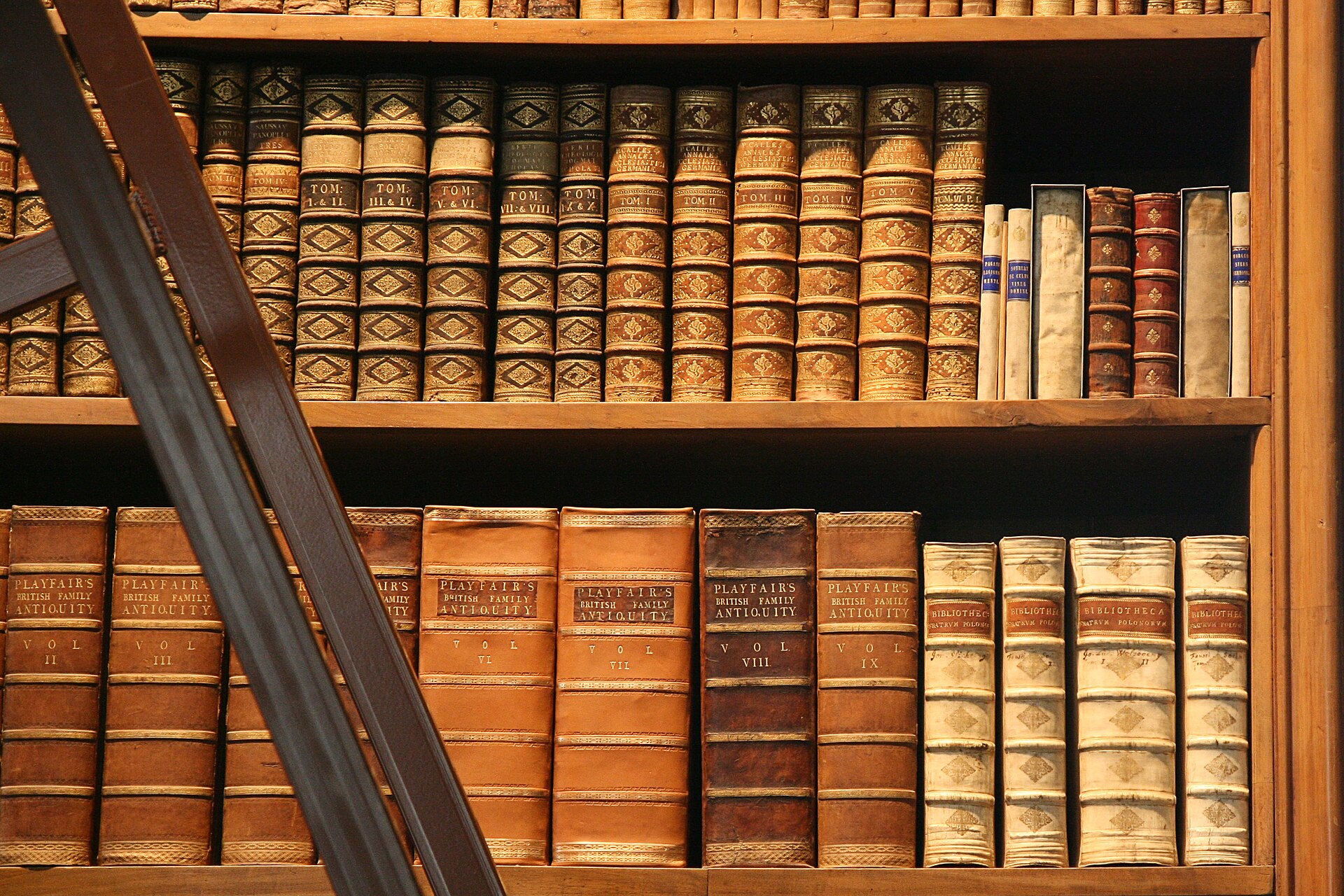
Within the Hofburg lies one of the most beautiful libraries in the world, a magnificent Baroque hall lined with books and adorned with paintings, sculpture, and gilding of the highest splendour. This great library hall, the heart of a vast imperial collection of books, is one of the supreme achievements of its kind, a space of such beauty that it has been called a cathedral of books.
The grandeur of the hall is overwhelming, its long space crowned by a great dome and lined with tiers of books beneath ceilings covered in magnificent painting. Statues and ornament fill the room, and the whole creates an impression of splendour that unites the love of learning with the grandeur of the imperial house, a temple raised to knowledge and beauty alike.
This library reflects the role of the Hofburg and the Habsburg court as a great centre of learning and culture, gathering books and knowledge as it gathered treasures and power. The magnificent hall was designed to house and display this collection in a setting worthy of its importance, and it stands as a monument to the intellectual as well as the political ambitions of the dynasty.
To enter this great library hall is to experience one of the most beautiful interiors in all of Europe, a space where architecture, art, and learning come together in overwhelming splendour. It is among the greatest treasures of the Hofburg, a room of such beauty that it alone would justify a visit, and a fitting expression of the grandeur and cultivation of the imperial court.
The decision to house so magnificent a collection in so splendid a setting reflects a particular vision, one in which learning itself was accorded the dignity of a palace. The great hall was meant not merely to store books but to glorify knowledge, presenting the collection as one of the treasures of the empire, and in doing so it created one of the most beautiful rooms ever built anywhere in the world.
The Empress and Her Apartments
The Hofburg holds a special association with one of the most famous and tragic figures of the imperial house, an empress whose beauty, unhappiness, and dramatic fate have made her one of the most beloved and romanticised figures in European history. Her apartments within the palace, along with a museum devoted to her life, are among the most popular attractions of the Hofburg.
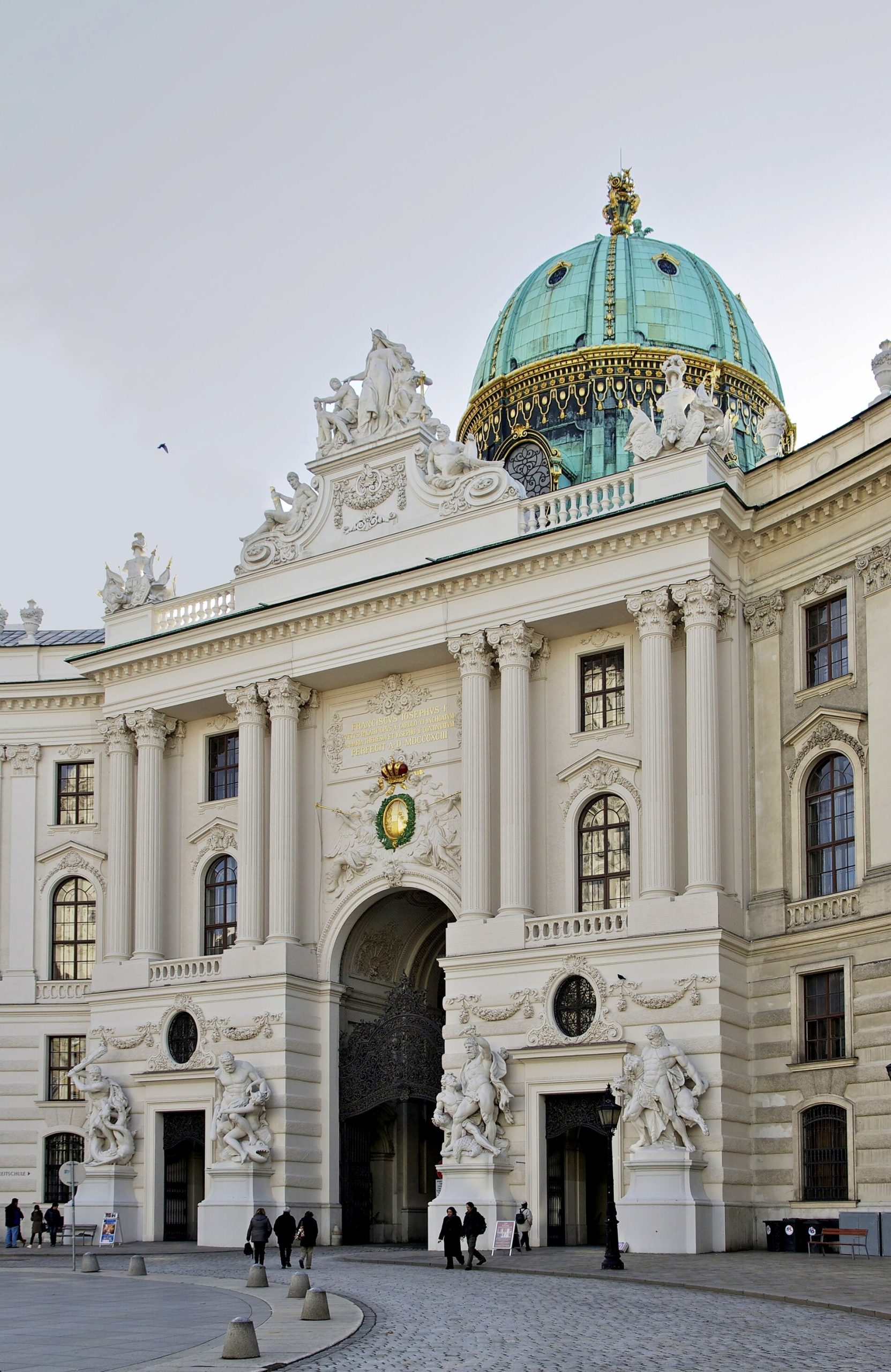
The empress lived within the Hofburg amid the splendour of the imperial court, yet her life was marked by restlessness, sorrow, and a longing for freedom that set her apart from the rigid world of the court. Her story, of a beautiful and unconventional woman trapped within the constraints of her exalted position, has captured the imagination of generations and become one of the great legends of the dynasty.
The apartments where she lived, preserved and shown to visitors, offer a glimpse into her private world and the atmosphere of the imperial court in her time. Along with the museum devoted to her, they bring her story vividly to life, allowing visitors to encounter the human reality behind the legend and to feel the presence of this remarkable and tragic figure.
The enduring fascination with this empress adds a powerful human dimension to the Hofburg, drawing countless visitors to the palace where she lived. Her story, at once glamorous and sorrowful, embodies the contradictions of imperial life, the splendour and the constraint, the privilege and the unhappiness, and it makes her apartments among the most evocative spaces in the whole vast complex.
The gap between the glittering image of the empress and the sadness of her inner life is what gives her story its enduring power. Visitors drawn by the romance of her legend often leave with a more complex understanding, having glimpsed the loneliness and constraint that lay behind the beauty, and this poignant humanity is a large part of why her apartments remain among the most visited rooms in the palace.
The Chapel and Its Choir
Among the many treasures of the Hofburg is its imperial chapel, an ancient place of worship at the heart of the palace with a history stretching back centuries. This chapel, where the imperial family attended services and where the great ceremonies of the court were held, is one of the oldest parts of the complex and a place of deep historical and religious significance.
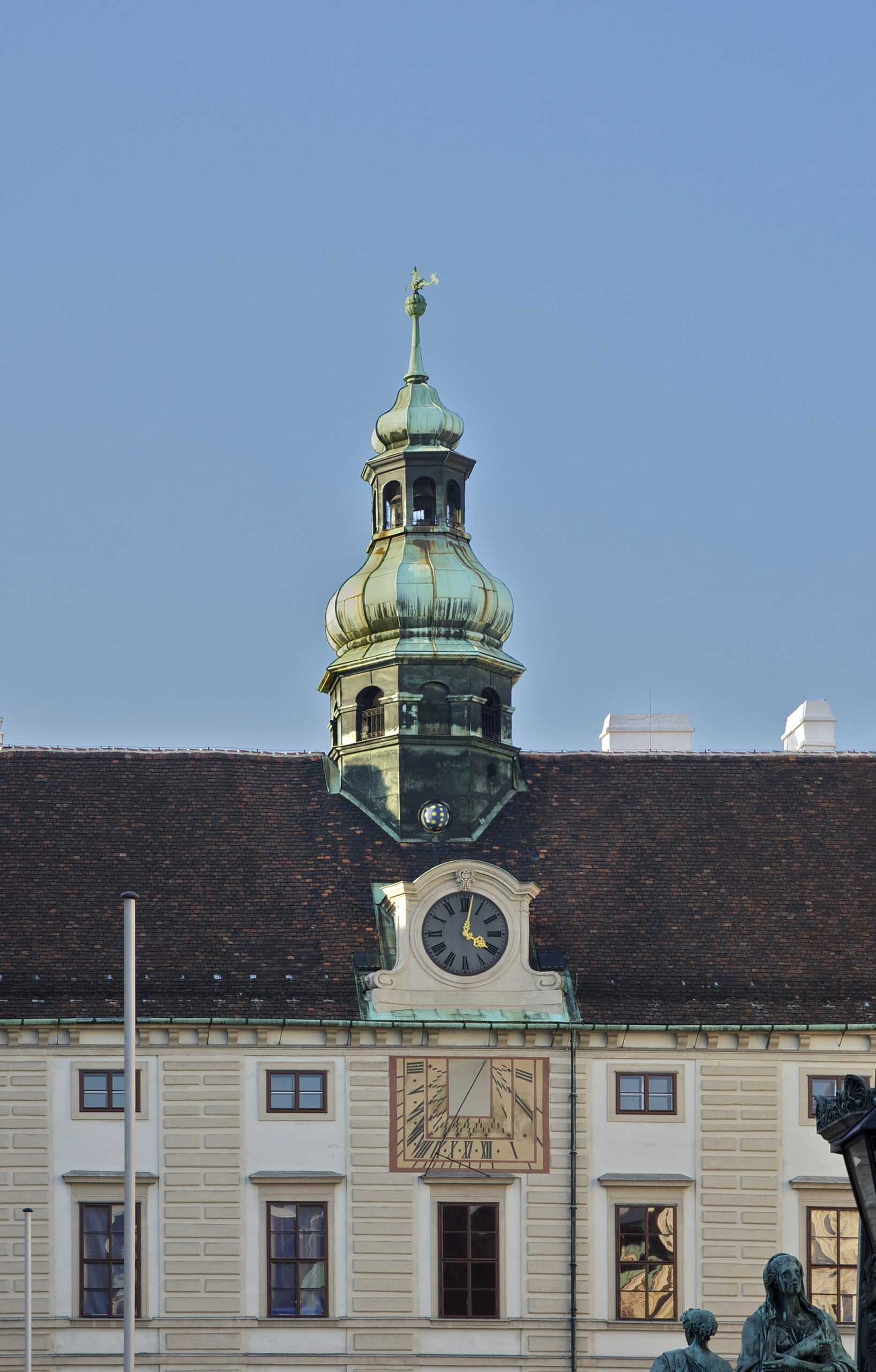
The chapel is famous as the home of a celebrated choir of boys, whose voices have been associated with the imperial court for centuries and who continue to sing here to this day. This choir, renowned throughout the world for the beauty of its singing, is a living tradition of the Hofburg, a link to the musical culture of the imperial court that has endured across the ages.
The presence of so ancient a chapel and so famous a choir reflects the importance of religion and music in the life of the imperial court, which surrounded itself with sacred splendour and beautiful music. The chapel was a place where the spiritual and the ceremonial life of the court came together, and its traditions have been carried faithfully into the present day.
The imperial chapel and its choir are among the most cherished traditions of the Hofburg, a living survival of the religious and musical culture of the Habsburg court. To hear the famous voices in the ancient chapel is to experience a tradition of great beauty preserved across the centuries, and to feel the enduring presence of the imperial past at the heart of the palace.
That a musical tradition of such fame should still be nurtured within these ancient walls is a wonderful survival, linking the modern visitor directly to the courtly world of centuries past. The continuity is remarkable, an unbroken thread of music running through the long history of the Hofburg, and it lends the chapel a living warmth amid the grandeur of the imperial complex.
The Square of Heroes
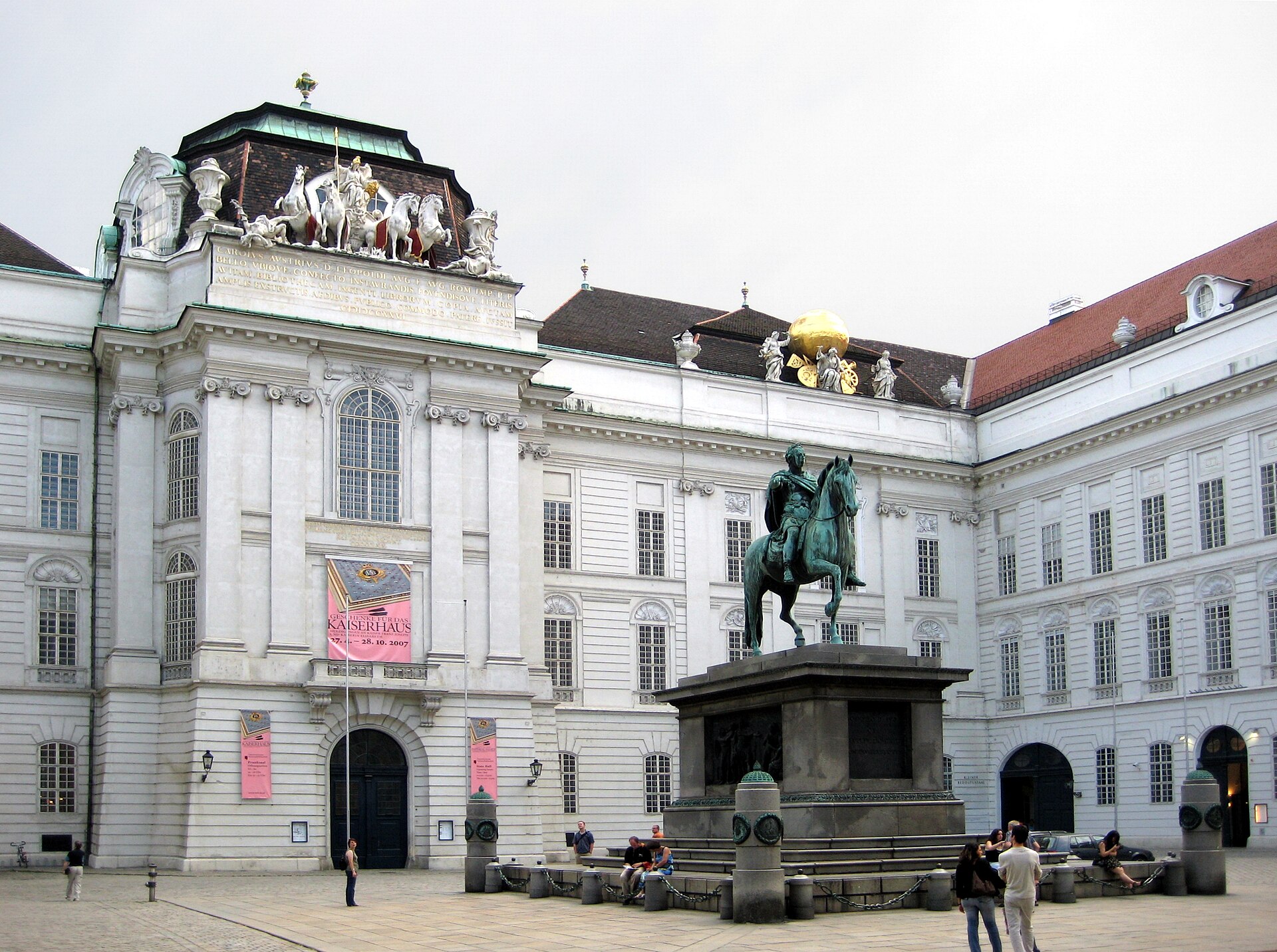
Before the grandest wing of the Hofburg lies a great open square, a vast ceremonial space adorned with monuments and framed by the magnificent facade of the palace. This great square, known as the square of heroes, is one of the most impressive public spaces in Vienna, a fitting forecourt to the imperial palace and a place of great historical resonance.
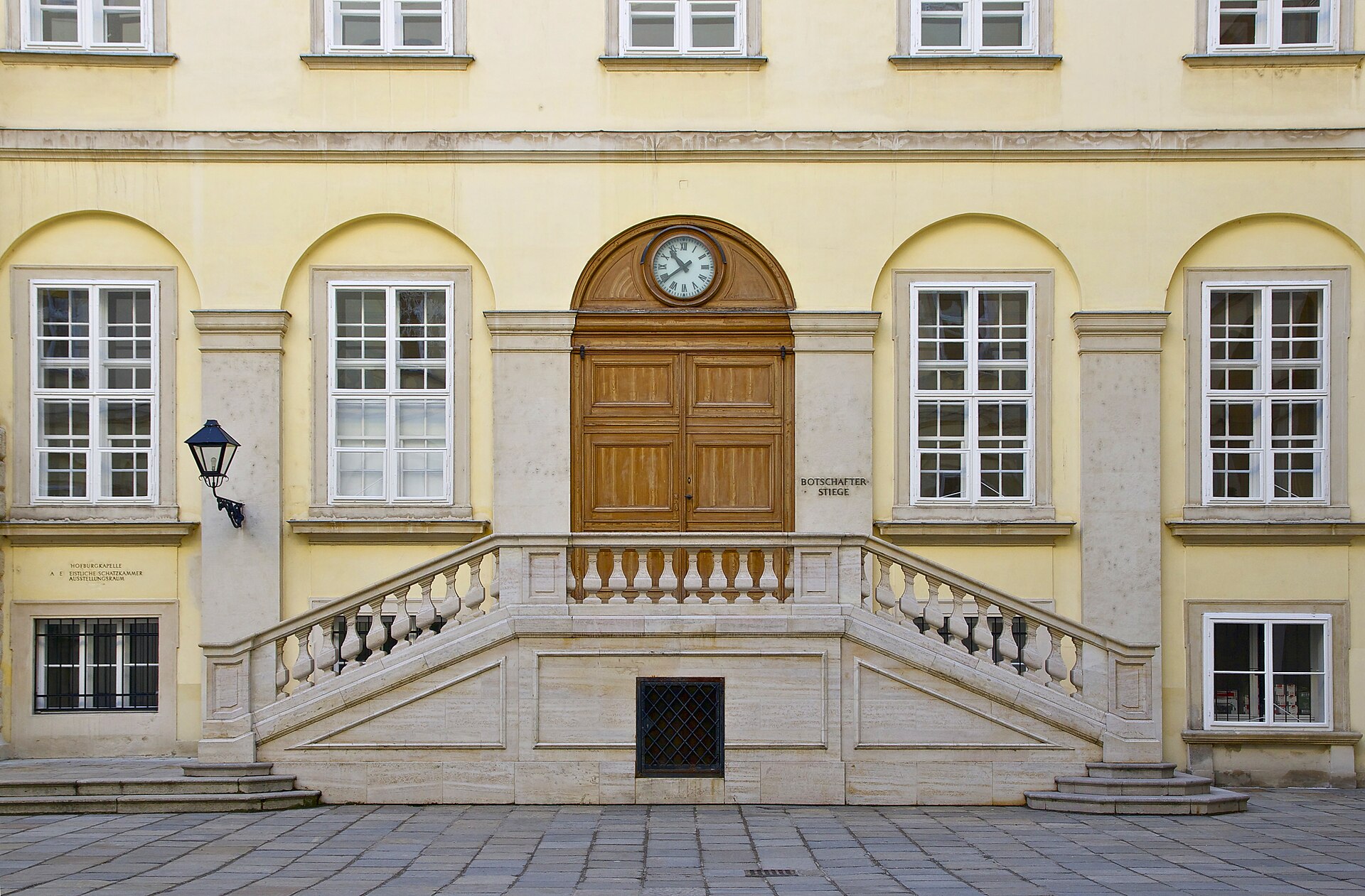
The square is adorned with grand equestrian monuments honouring famous military figures of the empire, their statues rising amid the open space before the palace. These monuments celebrate the martial glory of the dynasty and its greatest commanders, adding to the sense of imperial grandeur that pervades the square and its surroundings.
The great square has been the setting for important events in the history of central Europe, its vast space serving as a stage for public occasions of great moment. Among the events associated with it are some of the most dramatic and fateful in the modern history of the region, and the square carries the memory of these moments alongside its imperial splendour.
This great ceremonial square completes the grandeur of the Hofburg, providing a magnificent forecourt to the palace and a space worthy of the imperial house. Framed by the splendid facade and adorned with its monuments, the square of heroes is one of the great sights of Vienna, and it embodies the imperial ambition that shaped the whole vast complex of the Hofburg.
The very grandeur of the square has made it a natural gathering place at moments of national significance, both joyful and dark. Its vast open space before the imperial facade has drawn great crowds at turning points in history, and this capacity to hold the drama of a nation gives the square a resonance beyond its architectural splendour, binding it to the modern history of the country as well as to the imperial past.
The Great Domed Gateway
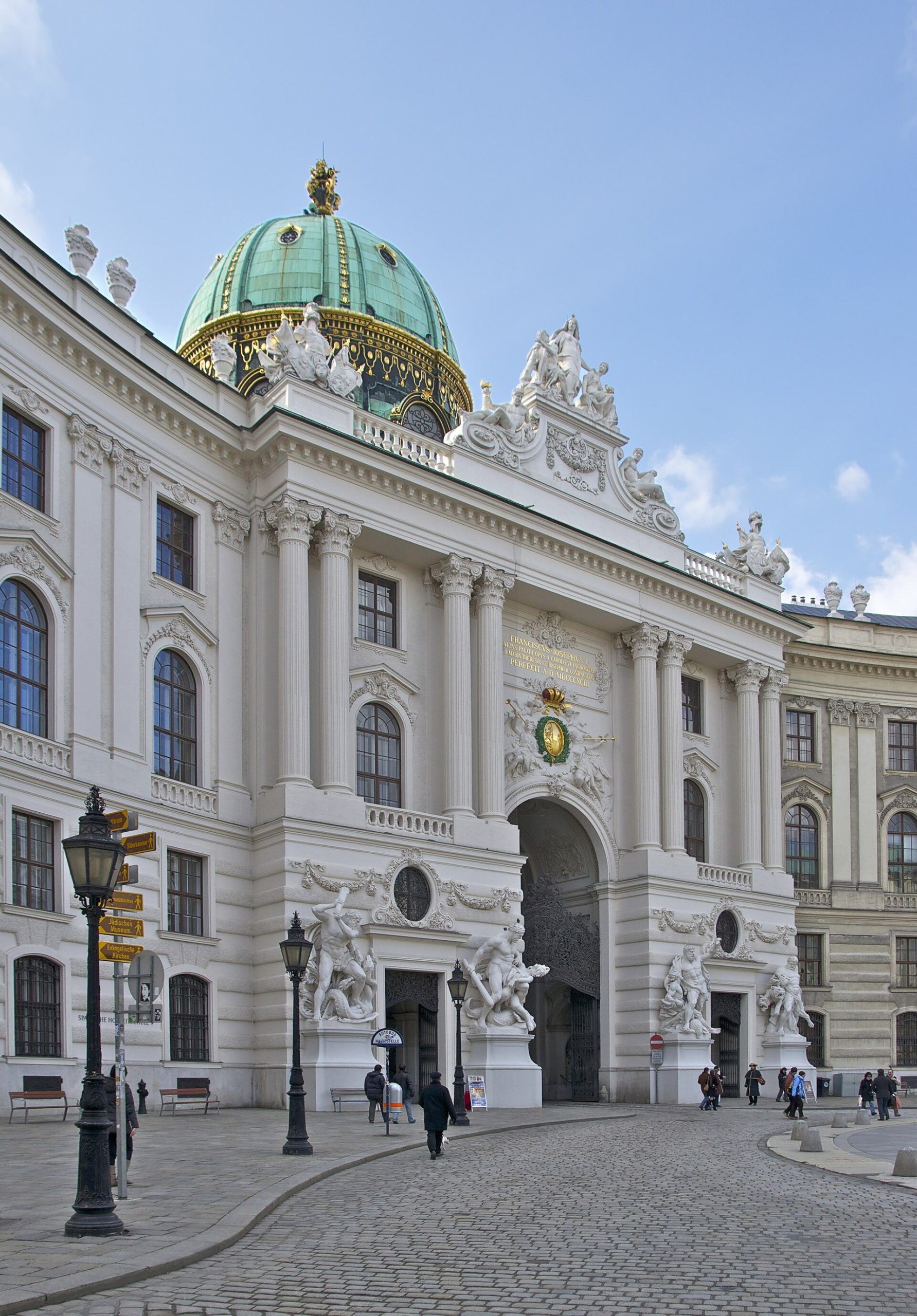
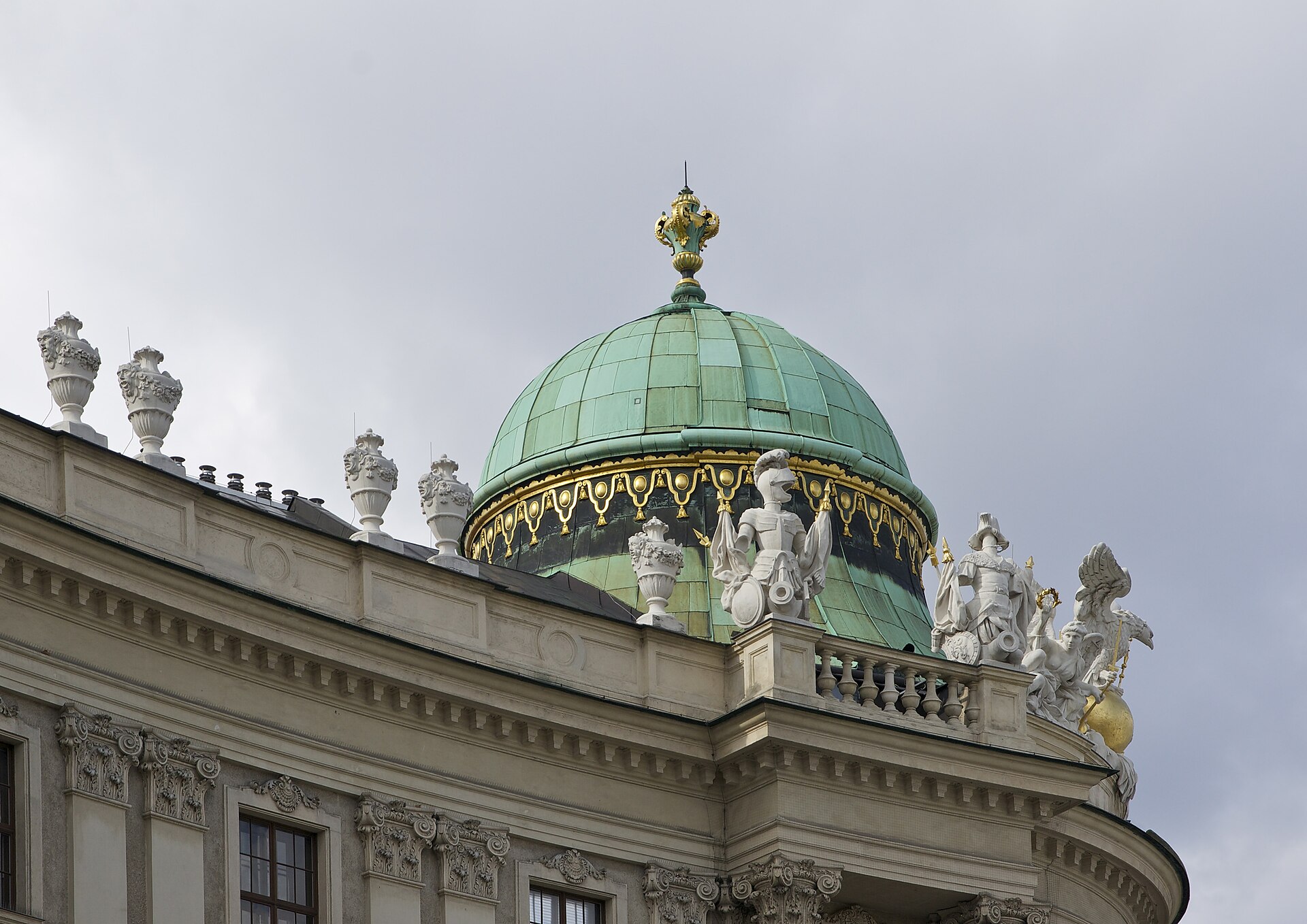
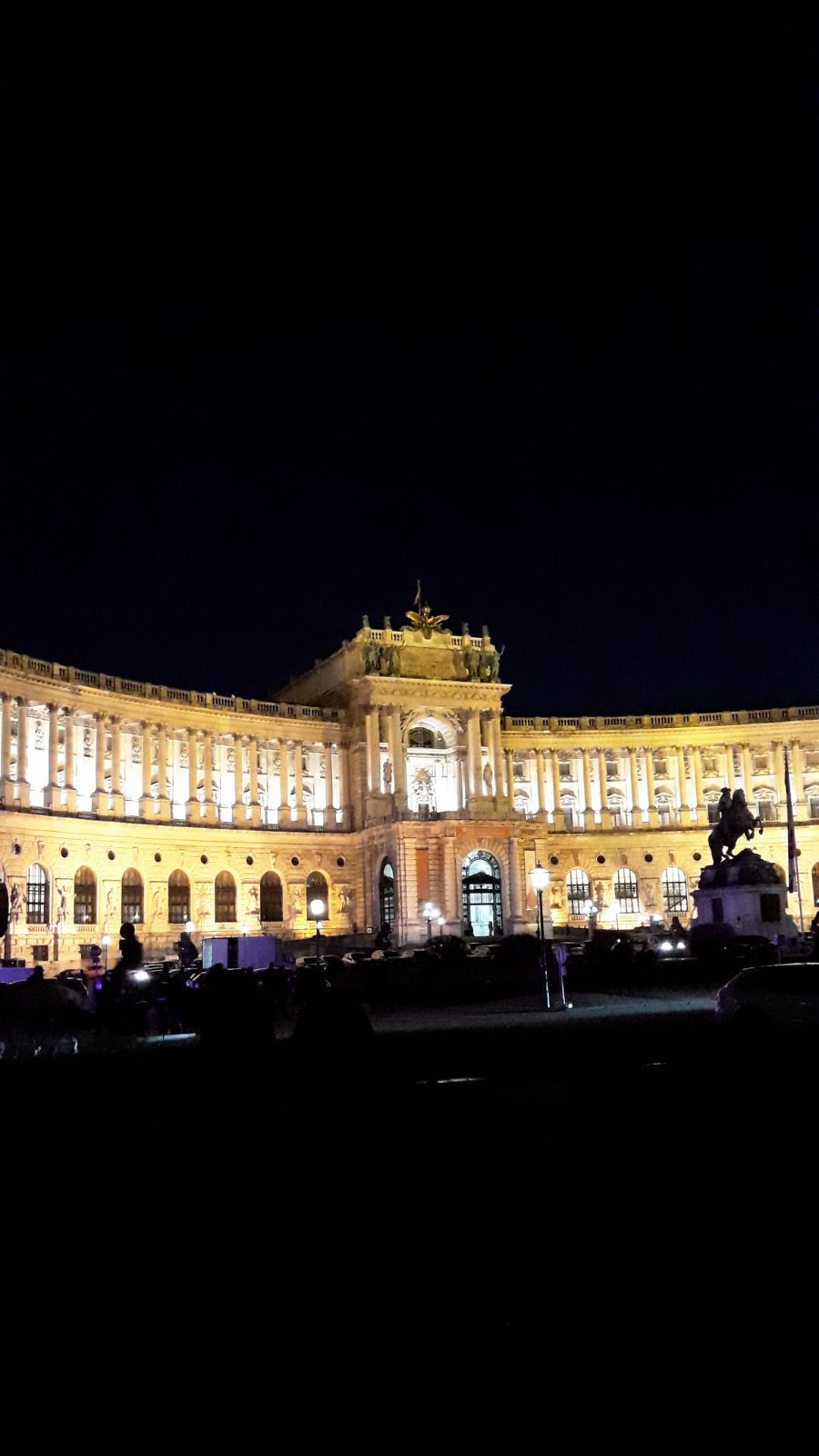
One of the most magnificent faces of the Hofburg is the grand wing crowned by a great dome that opens onto one of Vienna’s most elegant squares. This splendid gateway, with its sweeping curved facade and its imposing dome, forms one of the principal entrances to the complex and one of the most admired architectural set-pieces in the whole city.
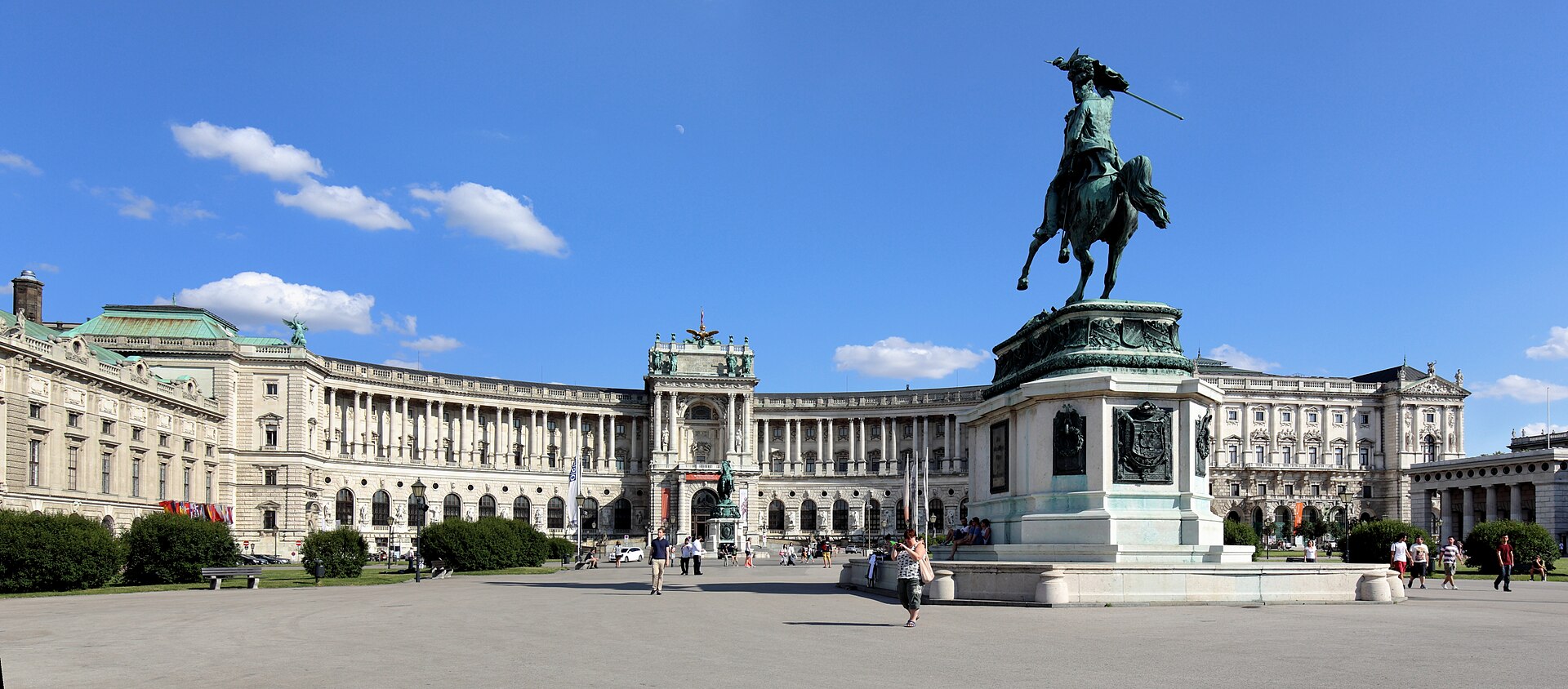
The curved facade of this wing, adorned with sculpture and crowned by its great dome, presents a magnificent public face to the city, a fitting entrance to the imperial palace. Passing beneath the dome and through the gateway, the visitor moves from the bustle of the square into the world of the Hofburg, the transition marked by architecture of real grandeur and drama.
This great domed wing was among the later additions to the Hofburg, completing a scheme that had been envisioned long before and giving the complex one of its most impressive frontages. It reflects the ambition of the dynasty to present a face worthy of its imperial status, and it remains one of the most photographed and admired features of the whole palace.
For many visitors, this domed gateway is their first encounter with the Hofburg, and it makes an unforgettable impression. Its grandeur announces the magnificence of the palace that lies beyond, and it stands as a splendid example of the architecture that gives the Hofburg its imperial character, a fitting portal to one of the greatest palace complexes in Europe.
Beyond its beauty, the gateway performs an important role in knitting the palace into the life of the city, for through it flows a constant stream of people passing between square and courtyard. In this way the grand entrance is not a barrier but a threshold, an invitation into the world of the Hofburg, and it embodies the way the imperial palace and the city of Vienna have always been intimately entwined.
A Museum of Styles
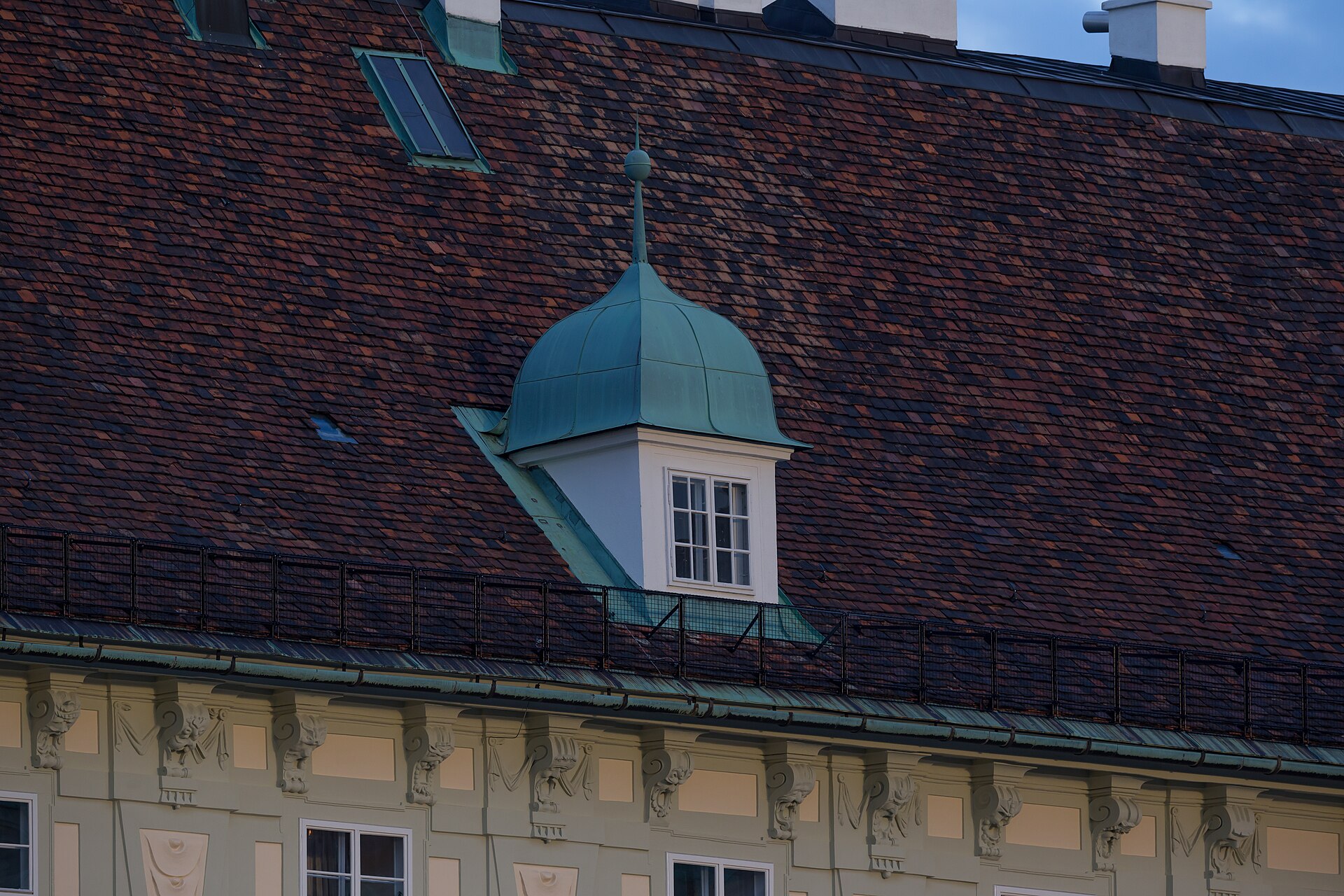
Because it grew over so many centuries, the Hofburg is a remarkable museum of architectural styles, its various wings and buildings representing the changing tastes of the ages. From the medieval core to the grand historicist architecture of its most recent additions, the complex embraces the whole history of European building, a rare and fascinating survival.
The different parts of the Hofburg each speak of the age in which they were built, from the sturdy simplicity of the oldest sections to the exuberance of the Baroque and the grandeur of the nineteenth-century additions. Moving through the complex, the visitor passes from one age to another, tracing the evolution of style across the centuries within a single vast palace.
This variety is not a flaw but a source of fascination, for it makes the Hofburg a record of the whole long history of the dynasty and its changing world. Each style reflects the ambitions and the taste of the rulers who added it, and the accumulation of so many periods gives the complex a depth and richness that a more unified building could never possess.
To appreciate the Hofburg as a museum of styles is to understand it as a living record of history, a palace in which the passing of the centuries is written in stone. The very diversity of its architecture is part of its meaning, telling the story of a dynasty that endured and evolved across seven hundred years, and leaving behind one of the most varied and fascinating palaces in the world.
In this respect the Hofburg differs strikingly from a palace such as the family’s summer residence, which presents a more unified face to the world. The winter palace, by contrast, wears its long history openly, its mismatched wings and varied styles telling of centuries of growth. Far from detracting from its grandeur, this variety is a large part of what makes the Hofburg so endlessly rewarding to explore.
Exploring the Hofburg Today
Today the Hofburg remains at the very heart of Vienna, a vast complex that continues to serve important functions while opening its treasures to visitors from around the world. Part of the palace serves as the seat of the highest office of the modern state, while other parts house museums, institutions, and the great treasures that draw so many to the Hofburg.
For the visitor, the Hofburg offers an almost overwhelming wealth of attractions, from the imperial apartments and the museum of the famous empress to the treasury with its crown jewels, the great library hall, the school of horsemanship, and much more. It is worth planning a visit carefully to make the most of all that the complex has to offer, for no single day could exhaust its riches.
Wandering through the courtyards and squares of the Hofburg is a pleasure in itself, allowing the visitor to appreciate the vast scale and the varied architecture of the complex. From the great square of heroes to the smaller inner courtyards, the outdoor spaces of the Hofburg reveal the extraordinary size and grandeur of the imperial palace at the heart of the city.
View the exact location on Google Maps
However you choose to experience it, the Hofburg offers an unforgettable encounter with the grandeur and the history of the Habsburg empire. It is the very heart of imperial Vienna, a palace like a city that embodies seven centuries of dynasty and power, and it holds treasures and traditions found nowhere else. For anyone seeking to understand the history of central Europe, there is no more rewarding destination.
It helps to approach the Hofburg not as a single museum to be seen in one sweep but as a collection of distinct experiences to be chosen among. Whether one’s interest lies in the crown jewels, the famous empress, the horses, or the great library, it is better to see a few things well than to attempt everything at once, and to leave time simply to wander the courtyards and absorb the atmosphere of the imperial city.
Palaces Nearby
If the Hofburg has drawn you into the world of the Habsburgs, the family’s golden summer palace lies across the city:
You May Like


One thought on “The Hofburg: The Imperial Palace at the Heart of Habsburg Vienna”