In the bustling heart of Tehran, hidden behind walls that shut out the noise of the modern city, lies a complex of palaces so dazzling that it seems to belong to a fairy tale. The Golestan Palace, whose name means the Rose Garden, was the royal residence of the rulers of Iran during a brilliant and pivotal age, and it is one of the great treasures of Persian art and architecture. Its halls glitter with mirrors, its walls glow with brilliant tilework, and its gardens offer a green oasis at the center of the capital.
The Golestan Palace was the seat of the Qajar dynasty, who ruled Iran through the nineteenth century and into the twentieth, and who made Tehran their capital and this palace their home. Under their patronage, the palace was expanded and embellished into the magnificent complex that survives today, a place where the ancient traditions of Persian art met the influences of the modern world in a dazzling and original synthesis.
What makes the Golestan Palace so remarkable is its combination of the distinctly Persian with elements drawn from Europe, reflecting an age when Iran was opening to the wider world. Its mirror-work and tilework belong to a tradition centuries old, while its European-influenced decoration and its collections of gifts and photographs reflect the engagement of its royal builders with the modern age, creating a palace of unique and fascinating character.
In this article you will explore the Golestan Palace from the dynasty that built it to its dazzling halls of mirrors and tile, through its famous thrones and towers to its life today as a museum. Along the way you will discover the brilliant art of the Persian court and understand why this Rose Garden palace in the heart of Tehran remains one of the great treasures of Iran.
In This Article
- A Rose Garden of Palaces
- The Qajar Dynasty
- The Meaning of the Rose Garden
- The Marble Throne
- The Hall of Mirrors
- Walls of Brilliant Tile
- The Edifice of the Sun
- Persia and the Wider World
- The Central Garden
- Halls of Treasures
- Thrones and Coronations
- A World Heritage Treasure
- Visiting the Golestan Palace Today
A Rose Garden of Palaces
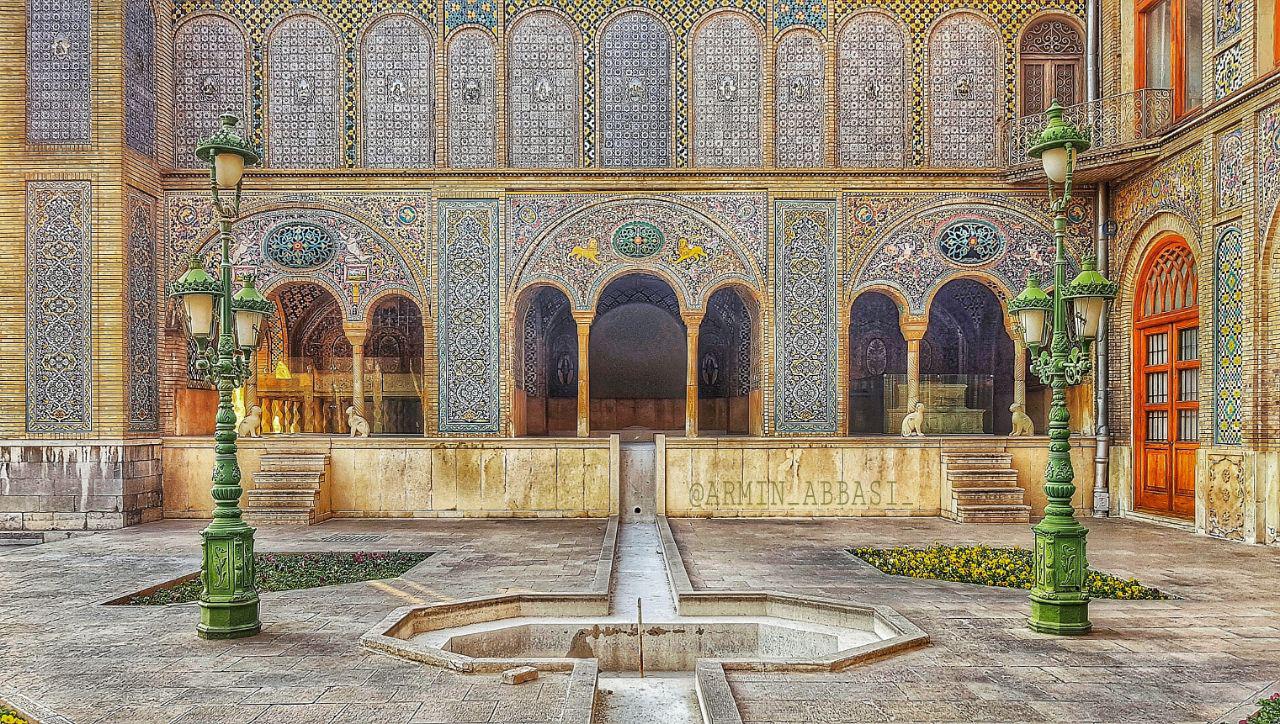
The Golestan Palace is a complex of buildings arranged around a large garden in the historic heart of Tehran, enclosed within walls that separate it from the surrounding city. Within the enclosure stand a number of palaces, halls, and pavilions, richly decorated and set amid gardens with pools and plantings, forming one of the great royal complexes of Iran.
Rather than a single building, the palace is a collection of structures built and embellished over time, each with its own function and character. Halls for ceremonies and audiences, private apartments, museums, and pavilions are arranged around the central garden, connected by the beautiful spaces of the complex.
The buildings are decorated with the full richness of Persian art, their surfaces covered in tilework, mirror-work, painting, and carving of extraordinary beauty. The combination of these decorative arts, applied with great skill and lavishness, gives the palace its dazzling character and makes it a treasure house of the Persian decorative tradition.
Set around its central garden, the Golestan Palace offers a green and beautiful retreat at the heart of the busy capital. Its combination of magnificent architecture, dazzling decoration, and tranquil gardens makes it one of the most beloved and important historic sites in Iran, a jewel of Persian art preserved in the center of Tehran.
There is a particular pleasure in the way the palace hides itself from the surrounding city. Beyond its walls lies the dense, busy fabric of old Tehran, and then, through a gateway, the whole glittering world of the complex opens out, its tiled facades and green garden a sudden revelation. That contrast between the ordinary city and the paradise within is part of the deep tradition the palace belongs to.
The Qajar Dynasty
The Golestan Palace is above all associated with the Qajar dynasty, who ruled Iran through the nineteenth century and made Tehran their capital. It was under the Qajars that Tehran rose to prominence as the seat of government, and that the Golestan Palace was developed into the magnificent royal complex that survives today.
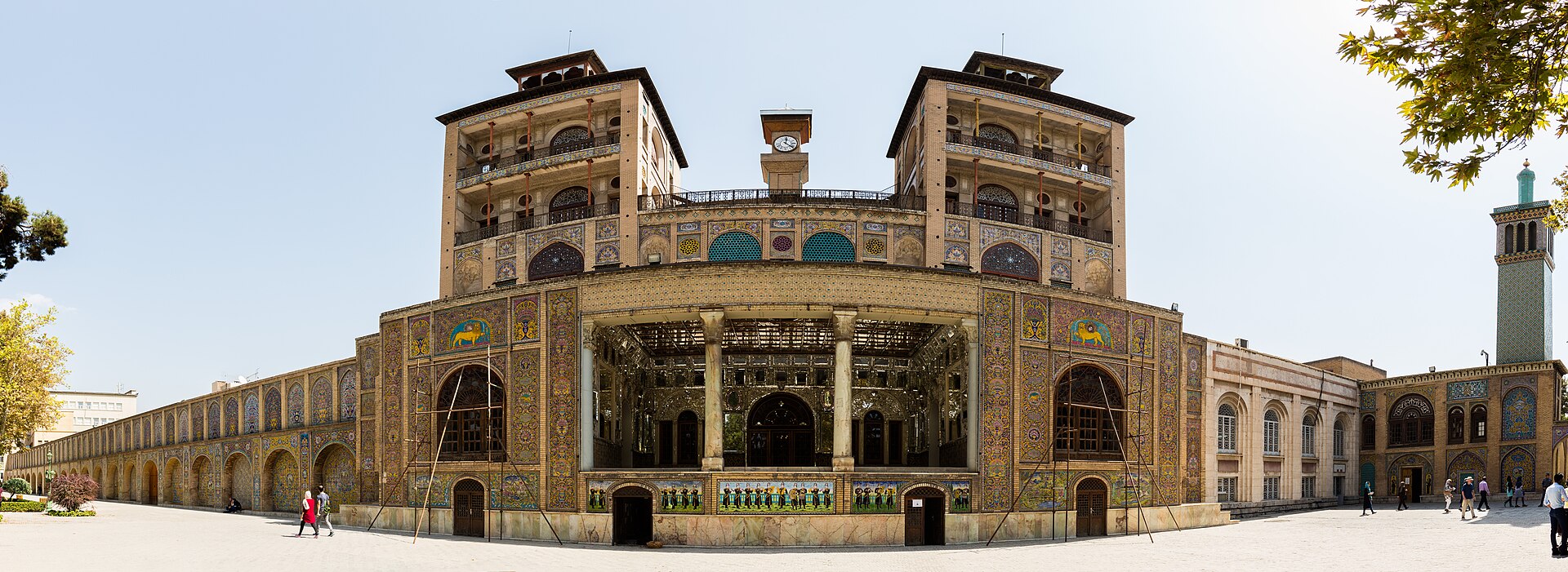
The Qajar rulers were great patrons of art and architecture, and they lavished attention and resources on their capital and their palace. Under their patronage, the Golestan Palace was expanded and embellished, its halls decorated with the finest Persian craftsmanship, becoming the center of the royal court and the symbol of the dynasty.
The Qajar period was a time of great change in Iran, as the country engaged increasingly with the wider world and faced the pressures of the great powers. The palace reflects this age, combining the traditional arts of Persia with new influences from Europe, and it stands as a monument to a pivotal period in the history of the nation.
The history of the Golestan Palace is thus inseparable from the history of the Qajar dynasty and of nineteenth-century Iran. As the seat of the court and the residence of the rulers, the palace was at the center of the events and the culture of the age, and it remains the great monument to the Qajars and their brilliant, if turbulent, era.
The Qajar age was one of both brilliance and difficulty, a time when Iran produced great art even as it struggled with foreign pressures and internal change. The palace captures this complexity, its dazzling decoration expressing the confidence and culture of the court, even as the very European influences woven into its design hint at the wider forces reshaping the country and the world around it.
The Meaning of the Rose Garden
The name Golestan means the Rose Garden or the Place of Flowers, a fitting name for a palace celebrated for its beauty and its gardens. The name evokes the Persian love of gardens and flowers, which lies at the heart of Iranian culture and art, and it captures the character of the palace as a place of beauty and delight.
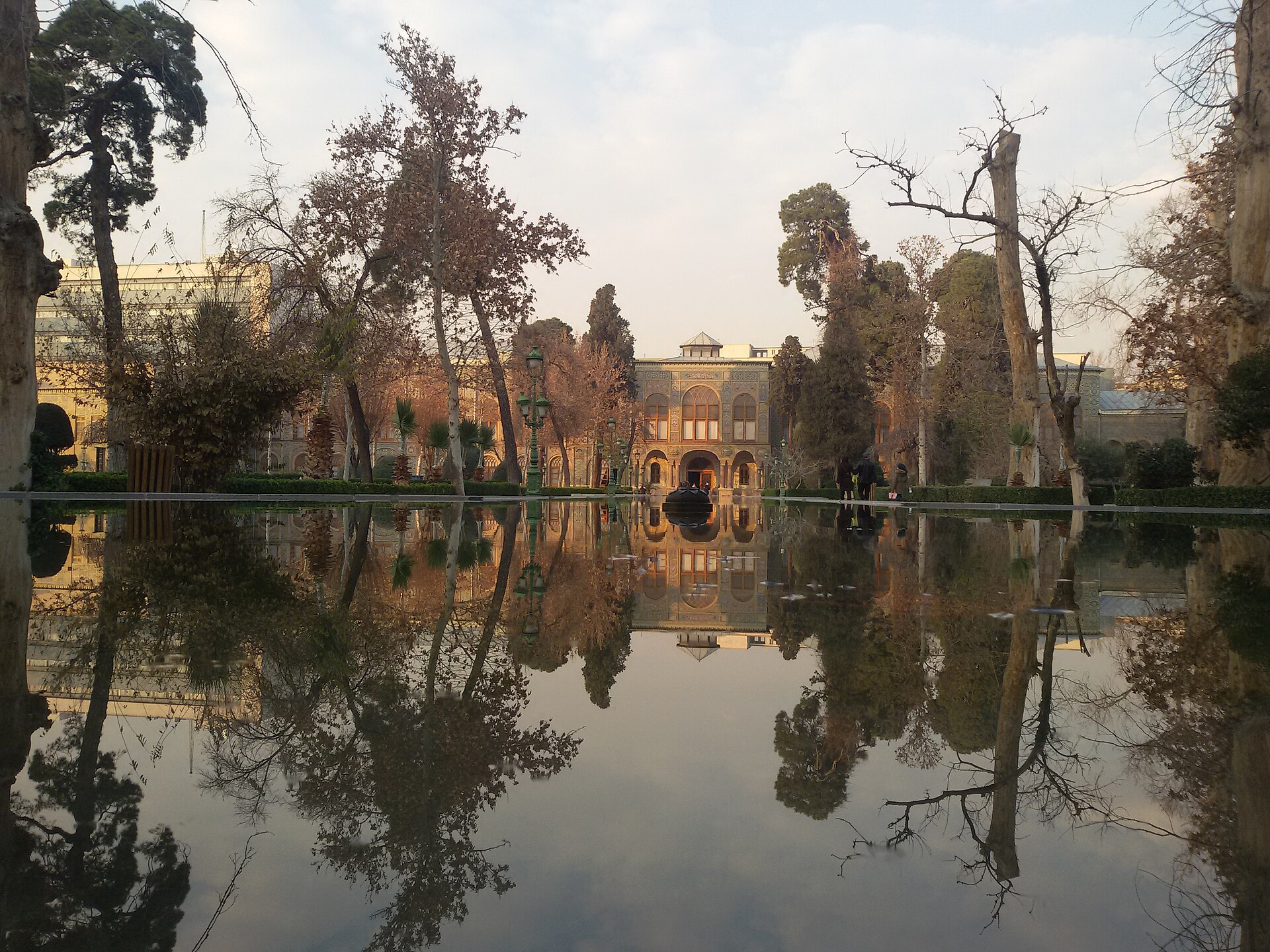
In Persian culture, the garden holds a special and even sacred significance, seen as an image of paradise and a place of beauty, repose, and reflection. The name of the palace connects it to this deep tradition, marking it as a place designed for beauty and pleasure, in the great tradition of the Persian garden.
The gardens at the heart of the palace, with their pools, trees, and flowers, embody the meaning of the name. Enclosed within the walls of the complex, they create a green and tranquil paradise at the center of the city, in keeping with the ancient Persian ideal of the garden as an earthly reflection of heaven.
The name of the palace thus expresses its essential character as a place of beauty, rooted in the deep Persian love of gardens and flowers. The Golestan Palace, the Rose Garden, was designed to be a paradise of art and nature, and its name captures the spirit of delight and beauty that pervades the whole magnificent complex.
This reverence for the garden runs so deep in Persian civilization that the very word for a walled garden gave the world its word for paradise. To name a palace the Rose Garden was therefore to make a claim about its nature, promising a place of earthly perfection, and the Golestan was designed and decorated to live up to that ambitious and beautiful name.
The Marble Throne
One of the most famous features of the Golestan Palace is its marble throne, set within an open veranda that is one of the oldest and most celebrated parts of the complex. This magnificent throne, carved from marble and supported by sculpted figures, was used for the most important royal ceremonies, including coronations and audiences.
The throne is a masterpiece of Persian craftsmanship, carved from pieces of pale marble and richly decorated, standing within a veranda open to the garden. Supported by carved figures and adorned with intricate detail, it created a magnificent setting for the appearance of the ruler on the most important state occasions.
The open veranda that houses the throne is itself a beautiful structure, its columns and ceiling richly decorated, opening onto the garden of the palace. This arrangement, with the throne set in an open pavilion facing the garden, reflected the Persian tradition of court ceremony conducted in beautiful garden settings.
The marble throne remains one of the great treasures of the palace and a symbol of the Persian monarchy. Used for the coronations and ceremonies of the rulers, it embodies the majesty of the throne of Iran, and it stands within its beautiful veranda as one of the most celebrated and evocative features of the Golestan Palace.
The choice to place the throne in an open veranda facing the garden, rather than in an enclosed hall, is deeply revealing of Persian ideas of kingship and beauty. It set the ruler amid greenery, water, and light, framing the monarch within the paradise of the garden, so that the very setting of the ceremonies proclaimed the harmony between the king, his people, and the natural world.
The Hall of Mirrors
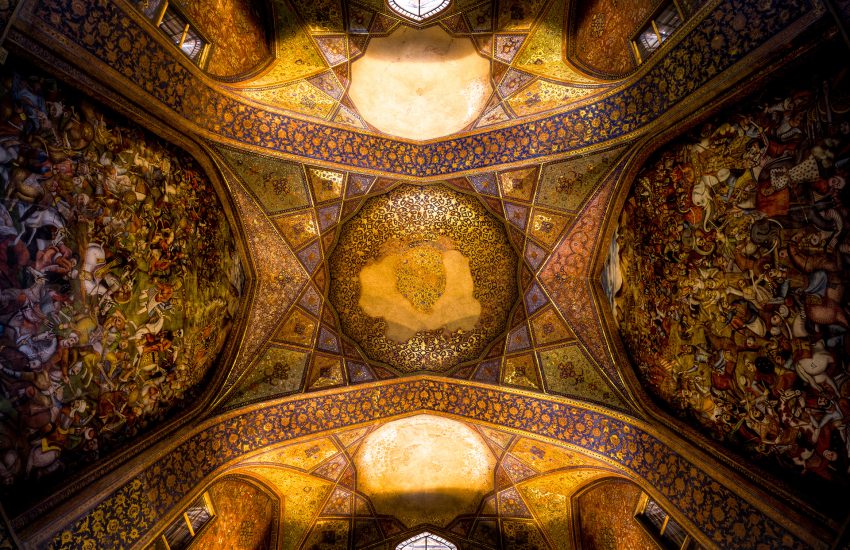
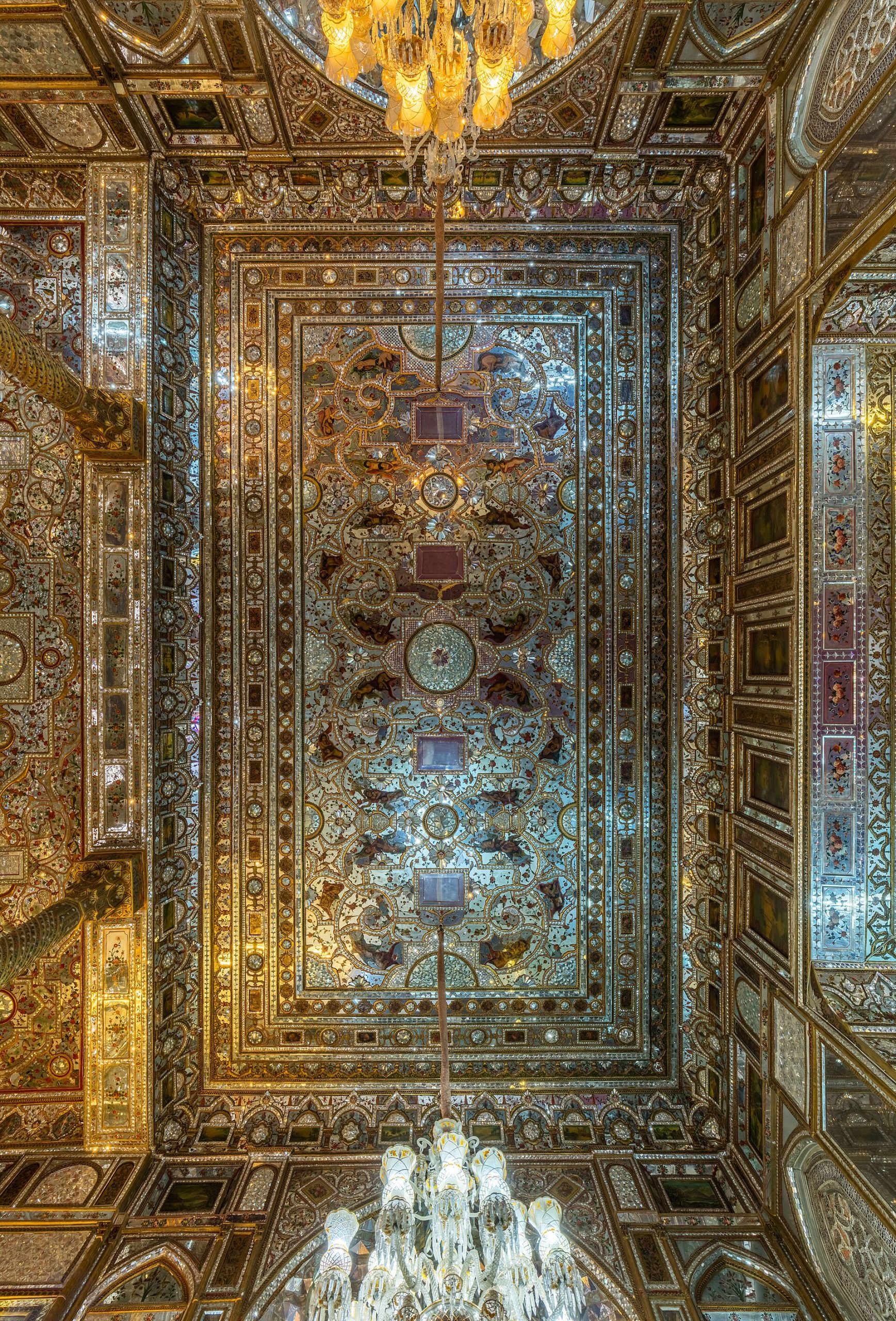
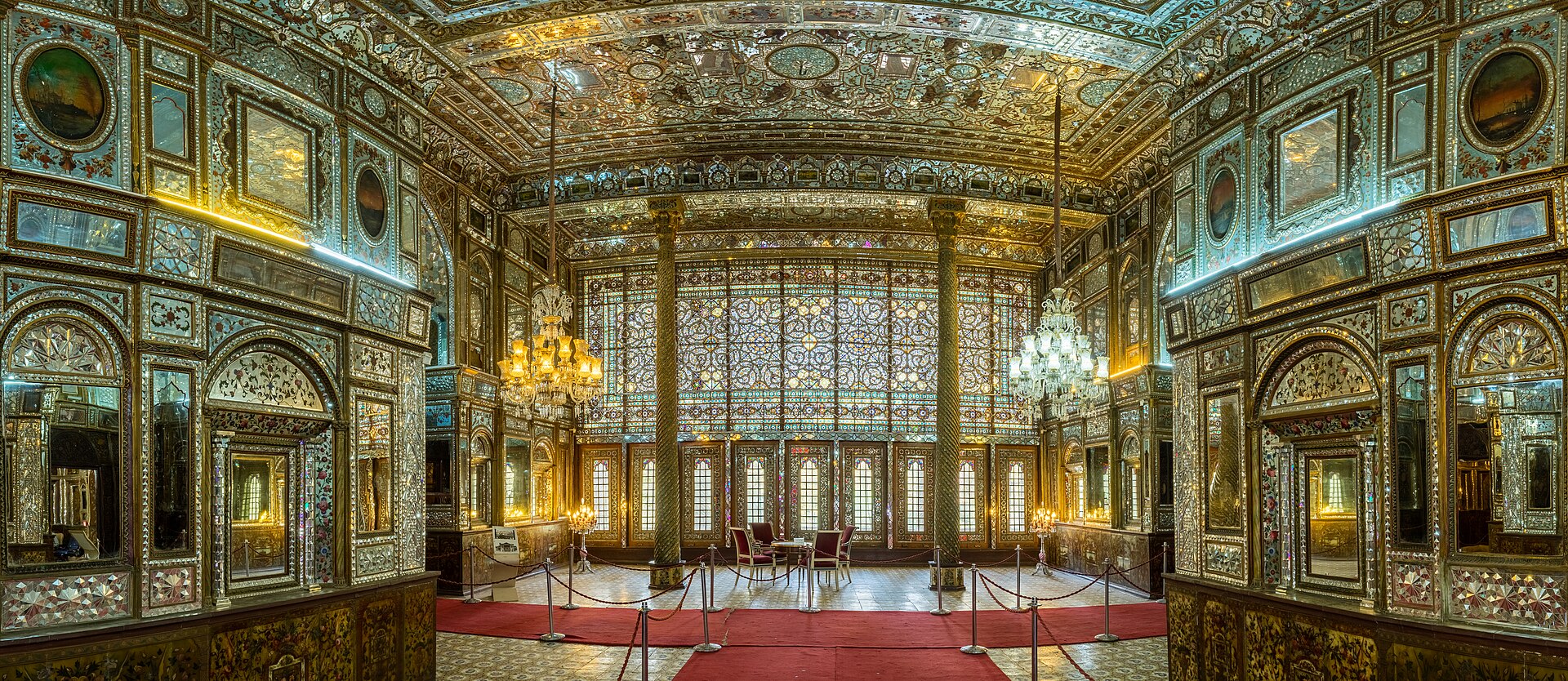
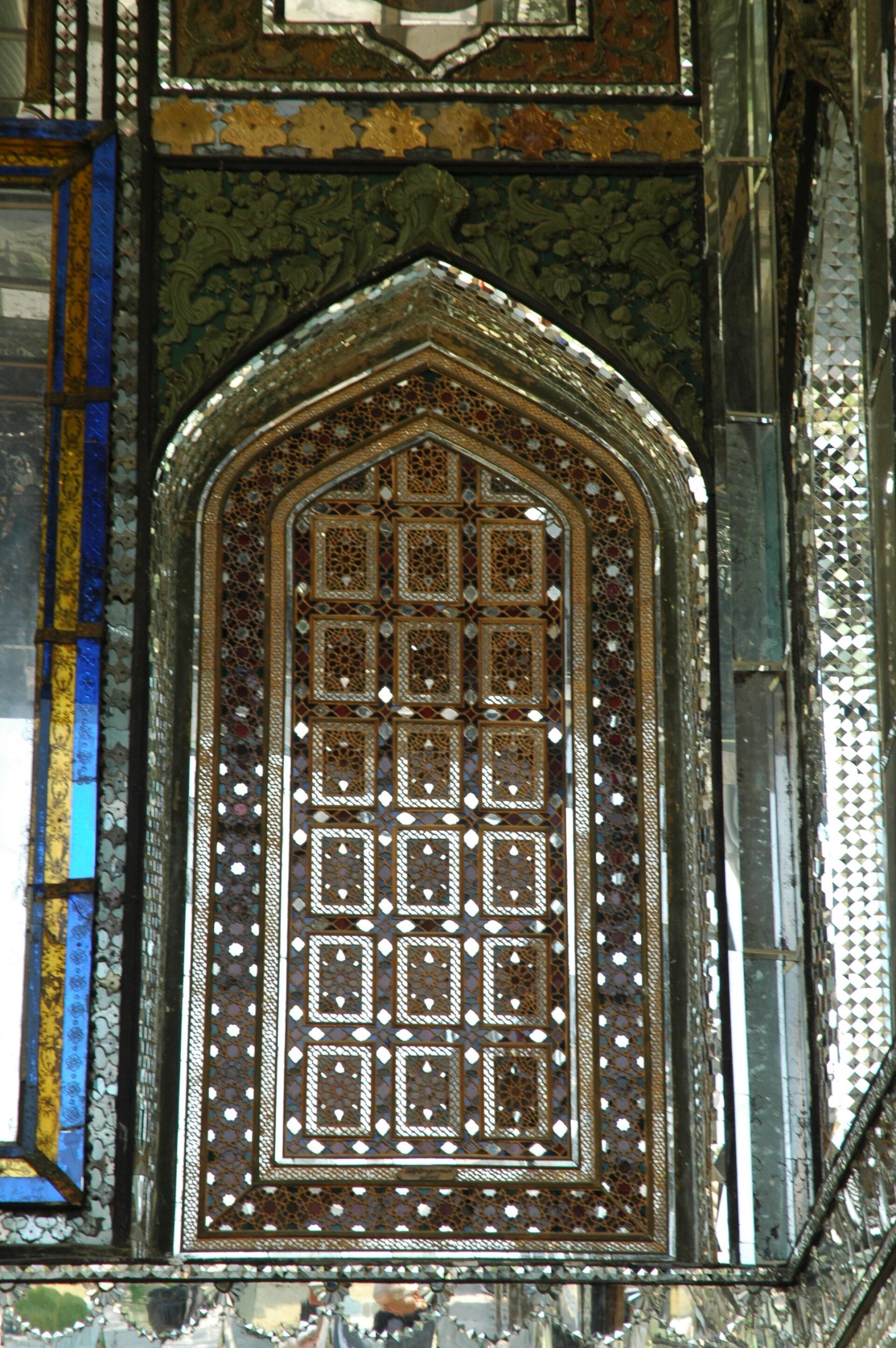
Among the most dazzling spaces in the Golestan Palace is its hall of mirrors, a chamber whose walls and ceiling are covered with intricate mosaics of mirror-work, so that the whole room glitters and sparkles with reflected light. This form of decoration, a specialty of Persian art, reaches breathtaking heights in the palace.
The mirror-work, composed of countless small pieces of mirror cut and assembled into intricate patterns, transforms the halls into glittering caverns of light. In the glow of lamps and the light from the windows, the mirrored surfaces multiply every gleam, creating an effect of magical brilliance quite unlike anything in the architecture of other traditions.
This art of mirror decoration, developed to a high degree in Persia, was used to create interiors of overwhelming splendor for the royal court. The hall of mirrors and other mirrored rooms of the palace were settings for ceremonies and receptions, their glittering surfaces expressing the wealth and magnificence of the monarchy.
The mirrored halls are among the great glories of the Golestan Palace, and they represent one of the supreme achievements of Persian decorative art. To stand within them, surrounded by the sparkle of countless mirrors, is to experience the dazzling splendor of the Persian court, and they remain among the most magnificent and memorable spaces in the palace.
It helps to imagine these mirrored halls as they were meant to be experienced, in the flickering light of candles and lamps before the age of electricity. In that soft, moving light the countless fragments of mirror would have come alive, scattering flames across every surface and dissolving the walls into pure shimmering light, an effect of enchantment that the halls still suggest today.
Walls of Brilliant Tile
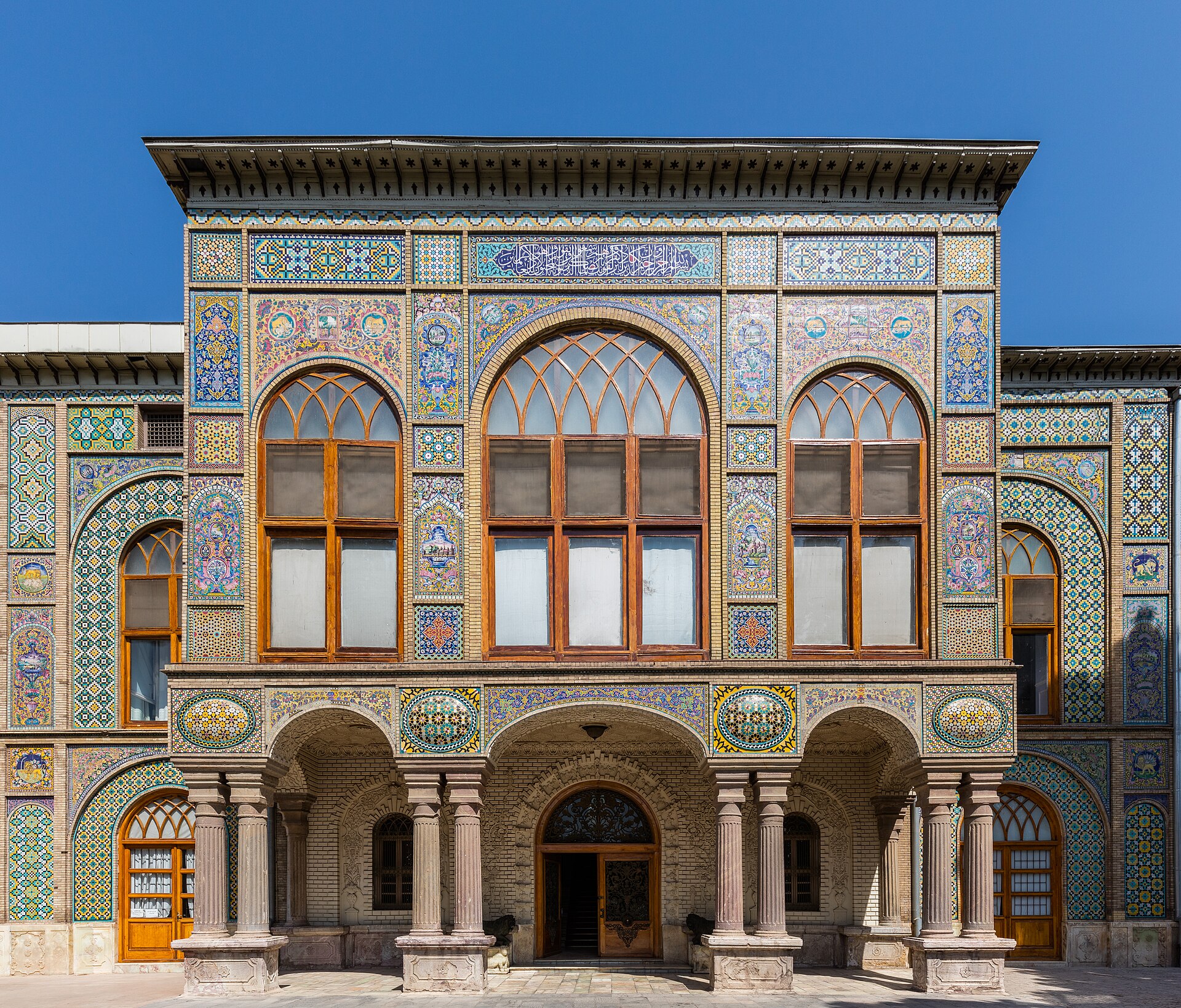
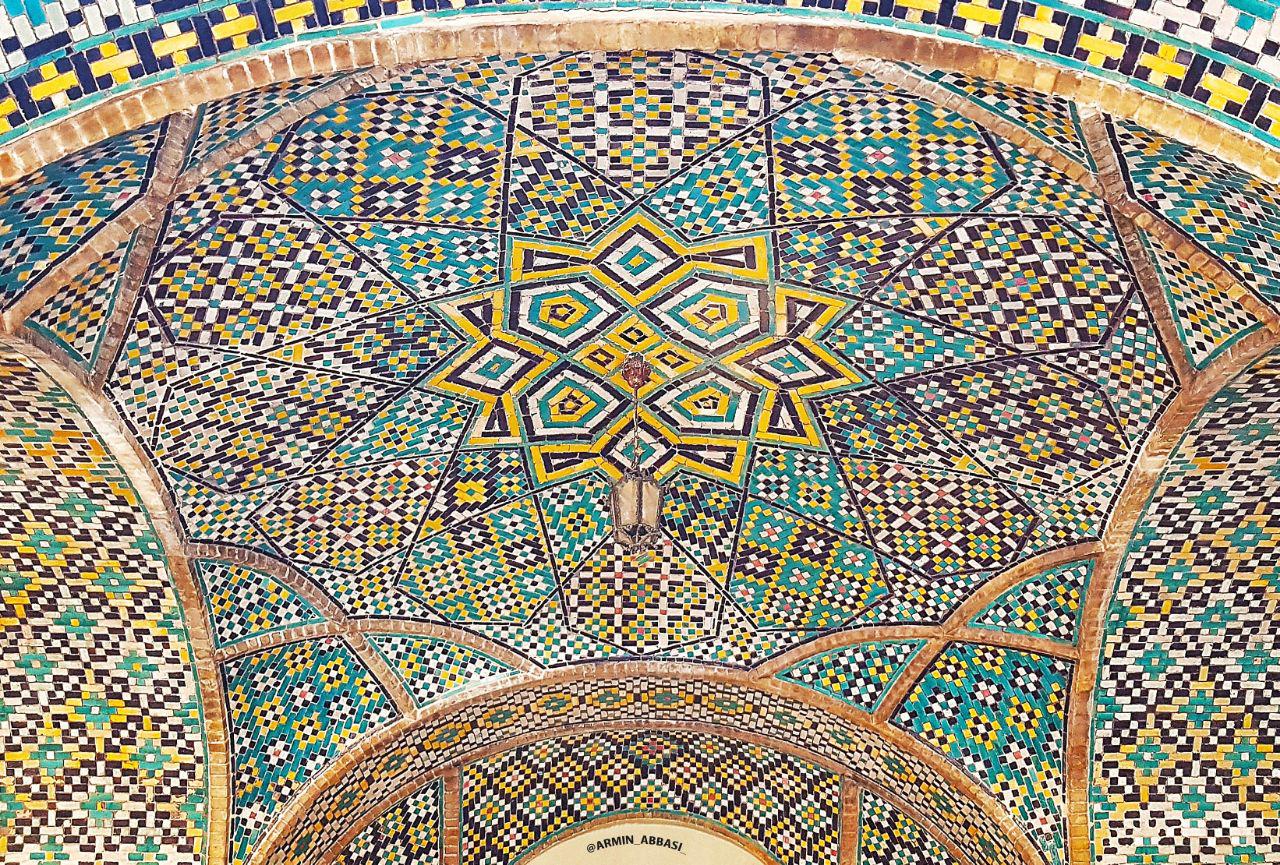
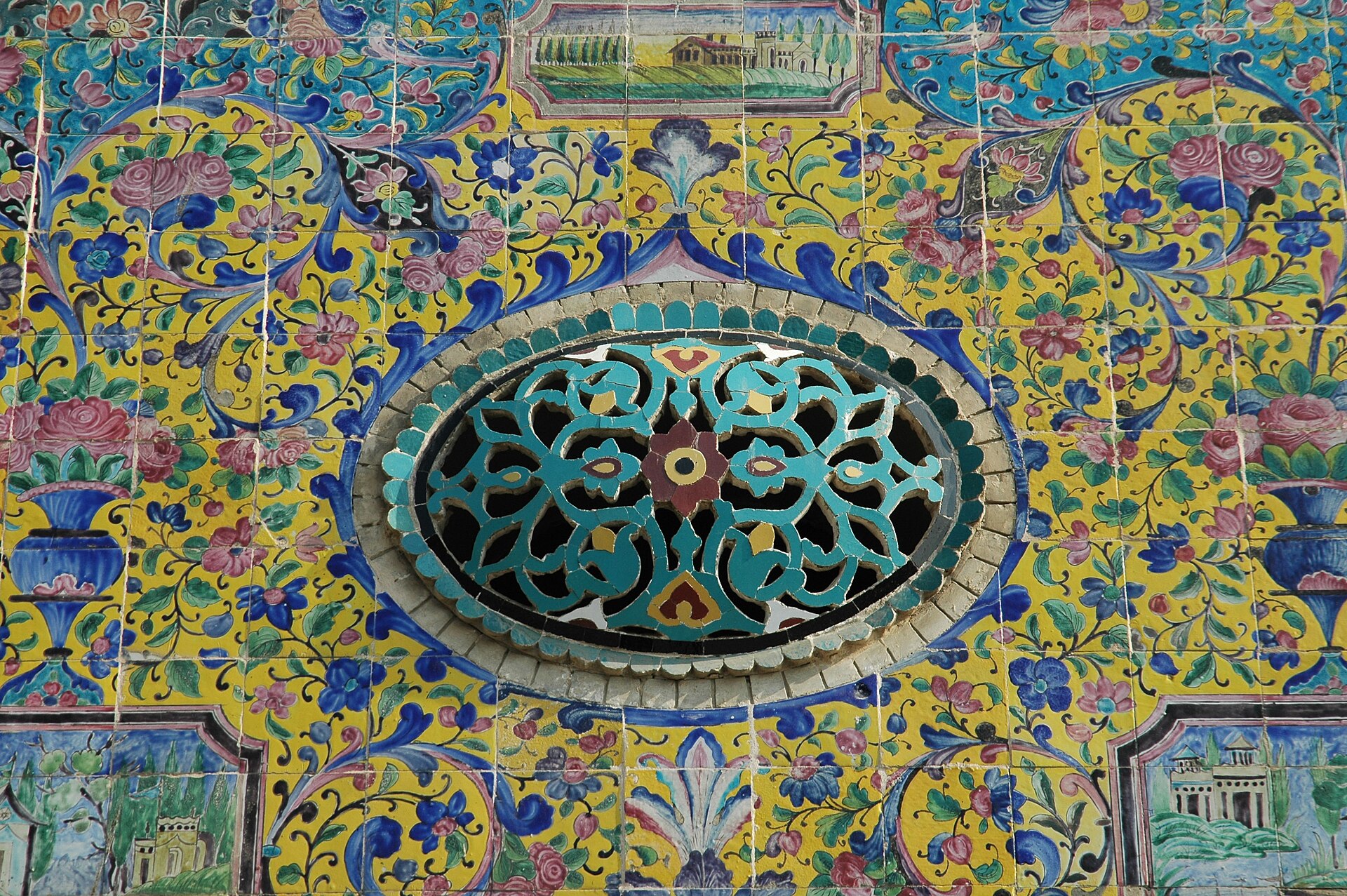
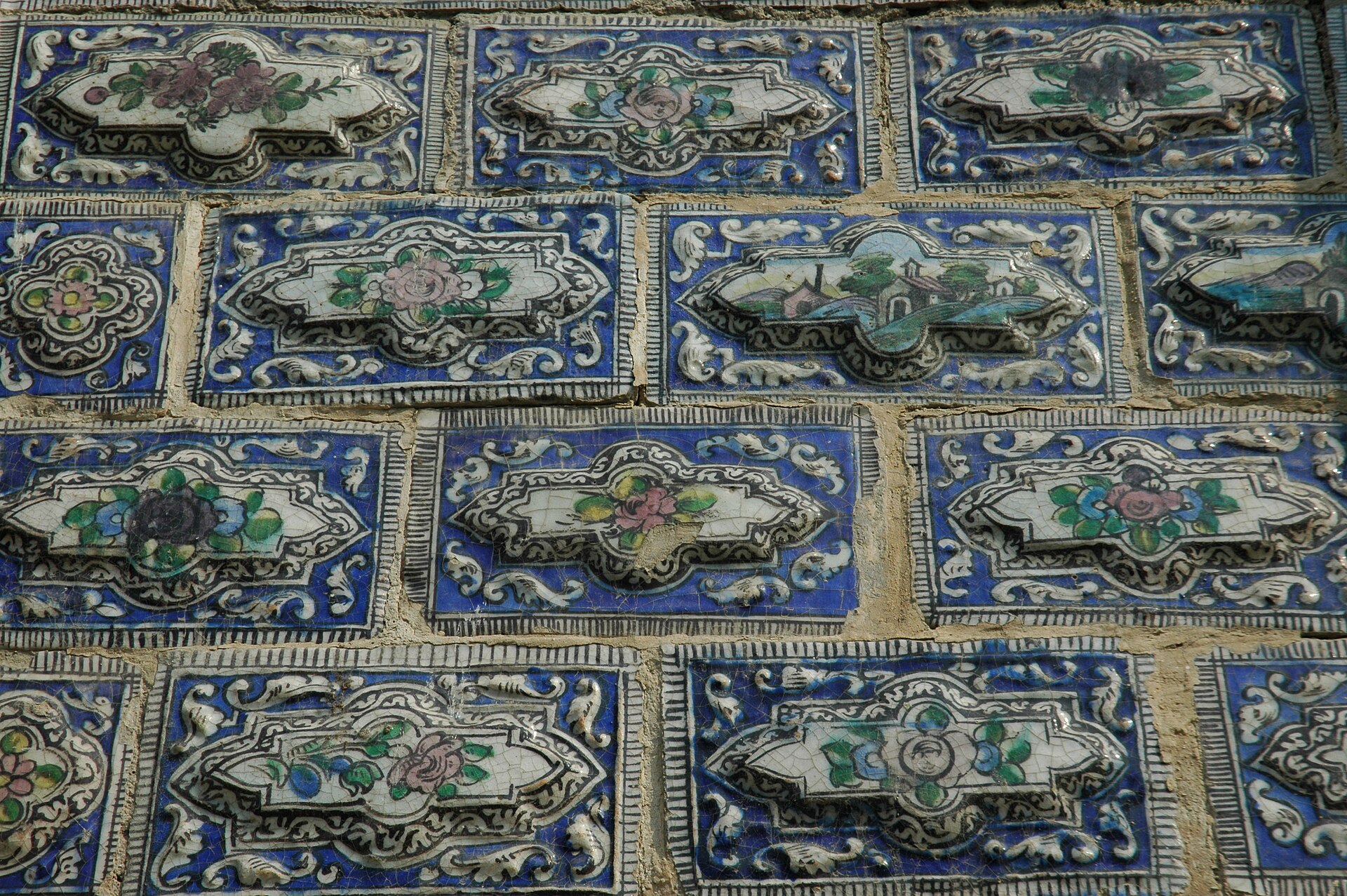
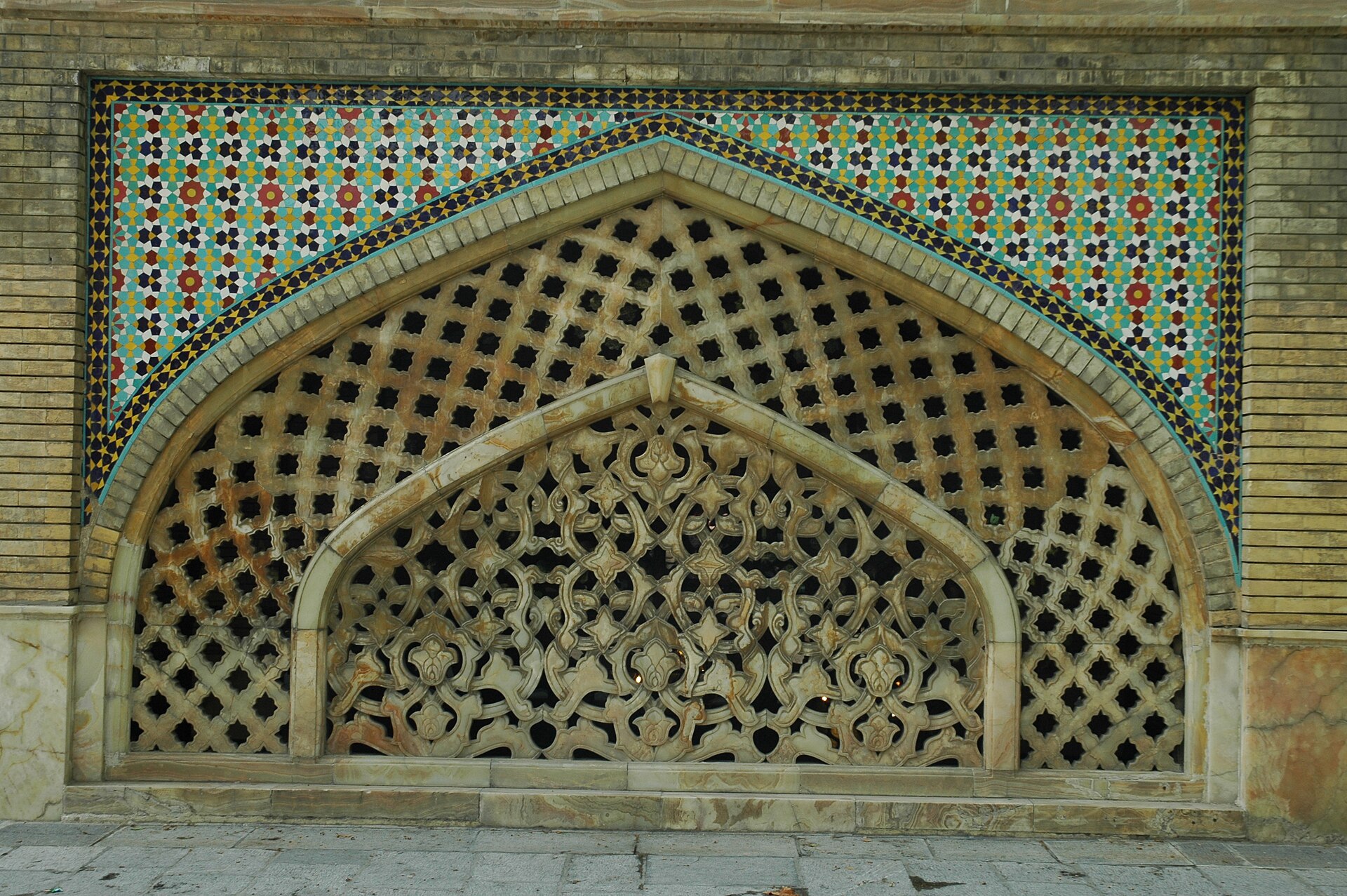
The exterior surfaces of the Golestan Palace are famous for their tilework, covered in brilliant ceramic tiles in a dazzling array of colors and designs. This tilework, a hallmark of Persian architecture, transforms the walls of the palace into surfaces of glowing color and intricate pattern, and it is one of the most distinctive features of the complex.
The tiles depict a remarkable range of subjects, from floral and geometric patterns to scenes of figures, animals, and landscapes, rendered in brilliant colors. This variety and richness reflect the Qajar taste and the openness of the age, combining traditional Persian designs with new subjects and influences drawn from the wider world.
The art of tilework has a long and glorious history in Persia, where colored ceramics have adorned buildings for centuries. The tilework of the Golestan Palace continues this tradition while adding the distinctive character of the Qajar age, and it covers the surfaces of the complex in a dazzling display of color and design.
The brilliant tiles give the palace much of its beauty and its distinctive character, glowing in the sunlight and transforming its walls into works of art. Together with the mirror-work and the other decorative arts, the tilework makes the Golestan Palace a treasure house of Persian craftsmanship, a place where the walls themselves are covered in beauty.
The appearance of human figures, scenes, and even European-inspired subjects in the tilework is one of its most distinctive features, reflecting the openness of the Qajar age. Where earlier Persian tilework had favored pattern and calligraphy, the tiles of the Golestan embrace a new pictorial richness, turning the walls of the palace into a vivid gallery of the tastes and interests of the era.
The Edifice of the Sun
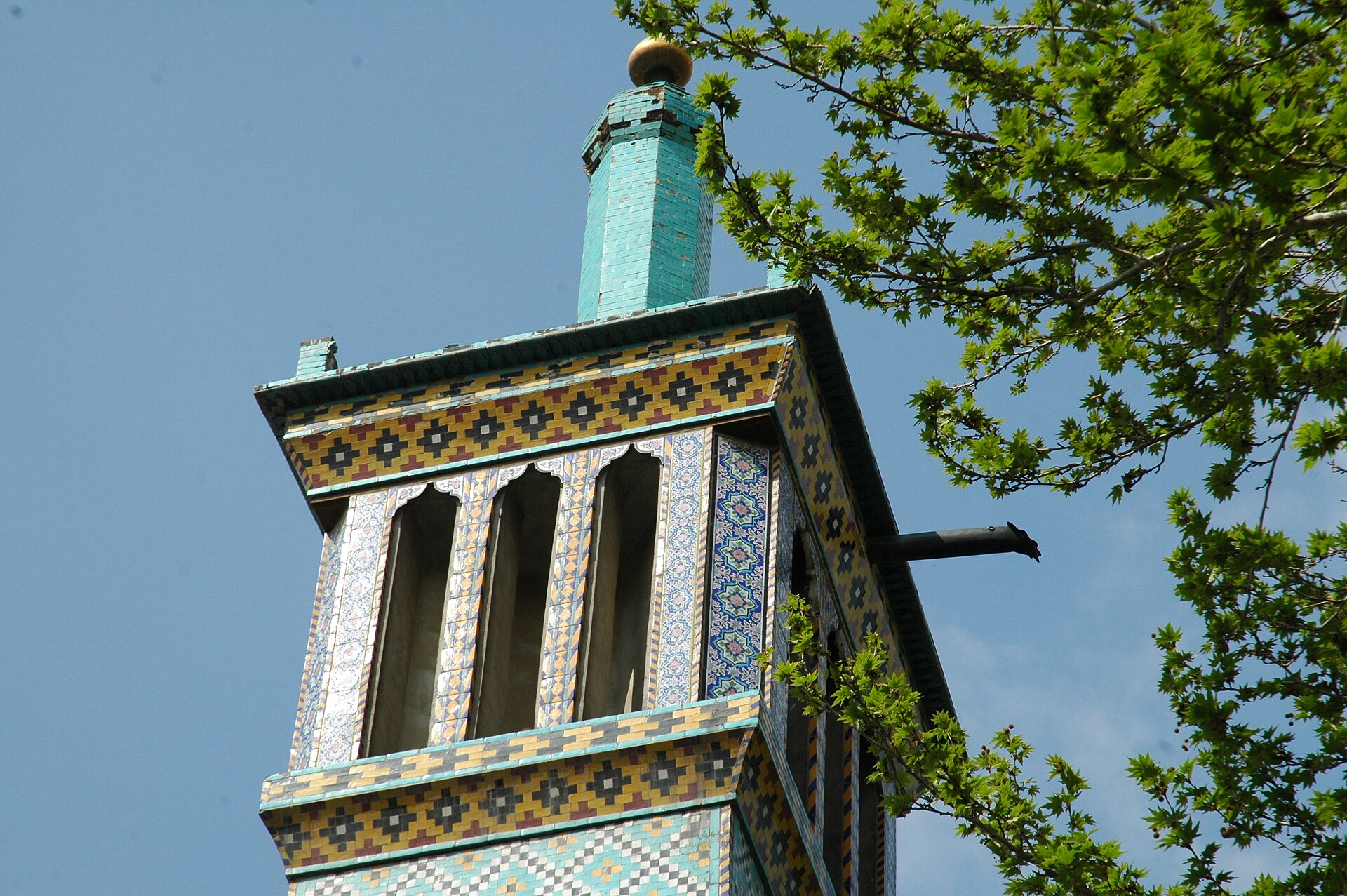
One of the most striking buildings of the Golestan Palace is a tall structure crowned with towers, which rises above the rest of the complex and was designed to give commanding views over the city. This building, known as the Edifice of the Sun, was among the most ambitious and distinctive structures of the palace.
The building was constructed as a tall pavilion with twin towers, an unusual form inspired in part by the desire to create a lofty structure with views over Tehran. Its height and its towers made it a landmark, and it reflected the ambition of the royal builders to create something grand and novel within the palace complex.
The structure combined Persian architectural traditions with new influences and ideas, reflecting the character of the Qajar age. Richly decorated like the rest of the palace, it added a dramatic vertical element to the complex, rising above the gardens and halls and offering the ruler a lofty vantage over his capital.
The Edifice of the Sun remains one of the most recognizable and distinctive features of the Golestan Palace, its towers rising above the complex as a symbol of the ambition and originality of the Qajar builders. It stands as a testament to the creativity of the age and to the desire of the rulers to combine tradition with innovation in their great palace.
The idea of building upward, to gain a lofty vantage over the growing city, reflected both practical desire and royal ambition. From the towers of the Edifice of the Sun, the ruler could survey his expanding capital, and the building announced the confidence of a dynasty determined to leave its mark on Tehran and to combine the grandeur of tradition with the novelty of the new age.
Persia and the Wider World
The Golestan Palace reflects a period when Iran was opening increasingly to the wider world, and when its rulers engaged with the ideas, arts, and technologies of Europe. This engagement left its mark throughout the palace, in its decoration, its collections, and its very design, creating a fascinating blend of the Persian and the European.
One of the Qajar rulers was especially notable for his interest in the wider world, traveling to Europe and bringing back ideas, objects, and enthusiasms that shaped the palace. His fascination with new technologies, including photography, and his collection of European gifts and objects, are reflected in the palace and its treasures.
This engagement with Europe is visible in the decoration of the palace, which combines traditional Persian arts with European-influenced elements, and in the collections of gifts and objects gathered from around the world. The palace thus became a meeting point of cultures, where the ancient traditions of Persia encountered the influences of the modern age.
This blend of the Persian and the European gives the Golestan Palace its distinctive and fascinating character. It reflects a pivotal moment in the history of Iran, when the country was engaging with the wider world while preserving its own rich traditions, and the palace stands as a monument to this encounter, a place where two worlds met and mingled.
The ruler’s fascination with photography is one of the most appealing aspects of this story, for he was among the early enthusiasts of the new art in his part of the world. The photographs gathered and taken during his reign form a precious record of the age, and they connect the ancient traditions of the palace to one of the defining technologies of the modern world.
The Central Garden
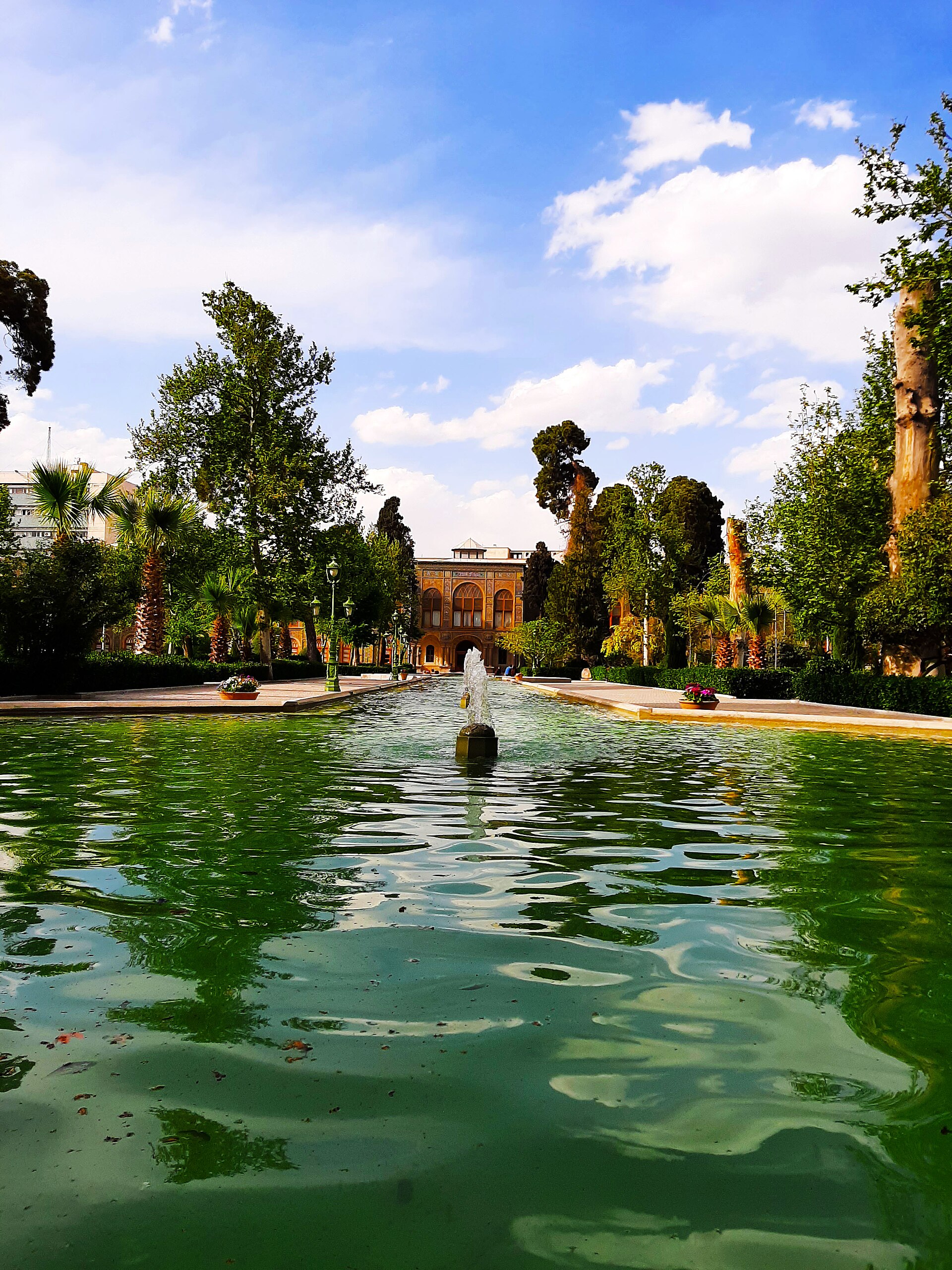
At the heart of the Golestan Palace lies its garden, a green and beautiful space around which the buildings of the complex are arranged. In the great tradition of the Persian garden, it combines pools, trees, flowers, and pathways to create a place of beauty, tranquility, and repose at the center of the palace.
The garden reflects the deep Persian love of gardens and the ancient ideal of the garden as an image of paradise. Its pools of water, its cypresses and flowers, and its careful composition create a scene of harmony and beauty, offering a cool and tranquil retreat amid the magnificence of the surrounding palaces.
The relationship between the garden and the buildings is central to the design of the palace. The halls and pavilions open onto the garden, and the marble throne and other features face it, so that the beauty of the garden was an essential part of the experience of the palace and the ceremonies of the court.
For visitors today, the garden is one of the great pleasures of the palace, a green oasis at the heart of Tehran and a beautiful setting for the magnificent buildings around it. It embodies the meaning of the palace’s name and the Persian ideal of the garden, completing the picture of the Golestan as a paradise of art and nature.
Halls of Treasures
Many of the halls of the Golestan Palace now serve as museums, displaying the treasures of the Persian court and the collections gathered by its royal builders. These collections include a remarkable range of objects, from gifts and works of art to photographs and objects reflecting the engagement of the Qajar rulers with the wider world.
The museum halls display the accumulated treasures of the monarchy, including objects of great beauty and value, gifts received from other nations, and works of Persian and European art. These collections offer a vivid picture of the wealth and the culture of the Qajar court and of its connections with the wider world.
Among the treasures preserved in the palace are important collections reflecting the interests of the royal builders, including their fascination with photography and the objects and gifts they gathered. These collections make the palace not only a monument of architecture but a treasure house of art and history, illuminating the life and the age of the Qajar court.
Displayed within the beautiful halls of the palace, these collections gain added resonance from their setting. To see the treasures of the Persian court within the mirrored and tiled halls where they were gathered is to experience the full richness of the Golestan Palace, both as a work of architecture and as a repository of the art and history of Iran.
Thrones and Coronations
The Golestan Palace was the setting for the great ceremonies of the Persian monarchy, including the coronations of its rulers. The marble throne and the other halls of the palace provided magnificent settings for these occasions, and the palace was the ceremonial heart of the monarchy through the Qajar period and beyond.

The coronation ceremonies held at the palace were occasions of great splendor, in which the ruler appeared before the court in the magnificent settings of the halls and thrones. These ceremonies expressed the majesty and the legitimacy of the monarchy, and the palace, with its dazzling decoration, provided a fitting stage for the display of royal power.
The role of the palace as the setting for coronations continued even after the end of the Qajar dynasty, into the following period of Iranian history. Its halls and thrones remained associated with the great ceremonies of the monarchy, preserving its role as the ceremonial center of the Persian state through changing dynasties.
The association of the palace with the coronations and ceremonies of the monarchy gives it a central place in the history of Iran. As the setting for these great occasions, the Golestan Palace was the symbolic heart of the Persian monarchy, and its thrones and halls witnessed the most important ceremonies of the state across the generations.
That the palace continued to serve for royal ceremonies even after the fall of the dynasty that built it speaks to its enduring symbolic power. Successive rulers were drawn to its halls and thrones precisely because they carried the weight of tradition, and in using them each new monarch sought to link his own reign to the long and glittering history of the Persian throne.
A World Heritage Treasure
In recognition of its outstanding importance, the Golestan Palace has been designated a site of world heritage, acknowledging its significance as a masterpiece of Persian art and architecture and a monument of the Qajar age. This recognition has helped to focus attention and resources on the preservation of the palace and its treasures.
The palace is recognized as a masterful synthesis of Persian art and craftsmanship with influences from the wider world, representing a distinctive and important moment in the history of Iranian architecture. Its combination of tilework, mirror-work, and other decorative arts with European-influenced elements makes it a unique and precious monument.
The preservation of the palace is a matter of great importance to Iran and to the world, protecting its magnificent buildings and their dazzling decoration for future generations. Careful conservation of the tilework, the mirror-work, and the other treasures of the palace ensures the survival of this masterpiece of Persian art.
Through its recognition as a world heritage site, the Golestan Palace has been secured as one of the great cultural treasures of Iran and of the world. Its halls, thrones, and gardens stand as a testament to the brilliant art of the Persian court and to the pivotal age of the Qajars, preserved for the admiration of visitors from around the world.
Visiting the Golestan Palace Today
Today the Golestan Palace is one of the most important and popular attractions in Tehran, drawing visitors from around the world to explore its dazzling halls, its gardens, and its collections. Set in the historic heart of the city, it offers a beautiful and fascinating window into the art and history of Iran.
View the exact location on Google Maps
A visit leads through the various halls and pavilions of the palace, from the marble throne and the mirrored halls to the museum galleries and the tall Edifice of the Sun. The dazzling decoration of the buildings, with their tilework and mirror-work, offers a vivid experience of the splendor of the Persian court.
The central garden is a highlight of any visit, a green and tranquil oasis at the heart of the complex and of the city. Taking time to walk the garden, to admire the tilework of the surrounding buildings, and to explore the halls rewards the visitor with a rich encounter with the beauty of the palace.
Whether you come for the architecture, the dazzling decoration, the collections, or the gardens, the Golestan Palace offers an unforgettable experience. It is one of the great treasures of Iran, a masterpiece of Persian art, and a place where the brilliant culture of the Qajar court is preserved in halls of mirror and tile at the heart of Tehran.
A visit rewards patience and a willingness to look closely, for the palace reveals its treasures in details as much as in grand vistas, a fragment of mirror-work here, a painted tile there. Taken slowly, the Golestan offers an immersion in the art of the Persian court that few other places can match, and it lingers in the memory as a vision of dazzling and intricate beauty.
Palaces Nearby
The Golestan Palace is one of the great royal residences of Iran and the Persian world. More palaces of Iran will join it here soon, to trace the varied splendor of the Persian courts.
You May Like