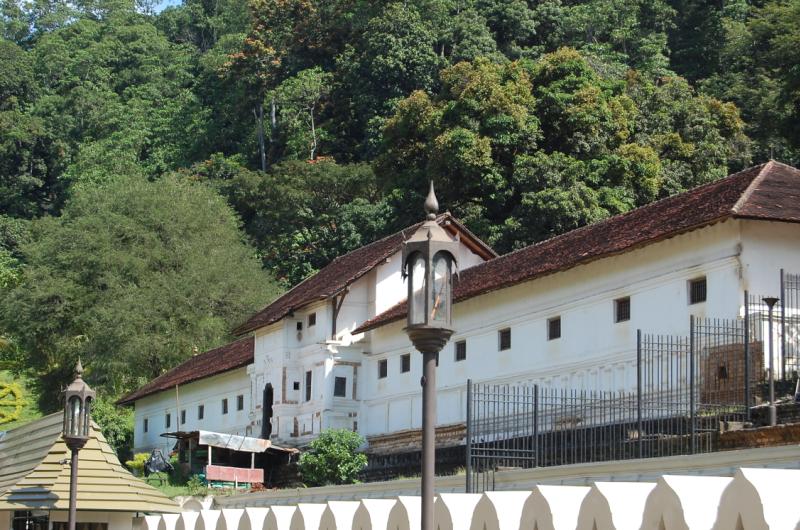
In a green bowl of hills at the heart of Sri Lanka, beside a tranquil artificial lake, stands the last royal capital of the ancient kingdom of the Sinhalese. Here, in the city of Kandy, a complex of white buildings with tiled roofs and carved timber holds the royal palace and, at its heart, the most sacred shrine in the country, the Temple of the Sacred Tooth Relic, where a tooth of the Buddha himself is enshrined. For centuries the possession of this relic was bound up with the right to rule, and the palace beside it was the seat of the last kings of a proud island monarchy.
The Royal Palace of Kandy is not a single grand building but a complex of structures, palace, temple, audience hall, and pavilions, set within the old royal quarter of the city. Built in the style of the Kandyan kingdom, with its distinctive carved wood, tiled roofs, and white walls, it is the finest surviving expression of the architecture of the last independent Sinhalese state, a kingdom that held out in its mountain fastness long after the coasts had fallen to European powers.
Kandy was the final capital of a monarchy of great antiquity, the heir to a civilization that had flourished on the island for more than two thousand years, building great cities and vast reservoirs and making Sri Lanka one of the strongholds of Buddhism in the world. Protected by its mountains, the kingdom of Kandy resisted the Portuguese and the Dutch, and it was only in the early nineteenth century that it finally fell to the British, ending the ancient line of Sinhalese kings.
This is the third palace of a group of royal residences of southern and Himalayan Asia in this series, joining the golden court of Phnom Penh and the carved palace of Kathmandu, and it completes a portrait of the Buddhist and Hindu kingdoms of the region. To stand before the Temple of the Tooth in Kandy, beside its still lake and beneath its green hills, is to enter the world of the last kings of Sri Lanka and the sacred heart of the island.
In This Article
- A Royal Complex by the Lake
- The Kingdom of Kandy
- Kingship, Buddhism, and the Tooth Relic
- The Last King and the Fall of Kandy
- The Kandyan Style
- The Temple of the Sacred Tooth
- The Audience Hall
- The Royal Residence and Museums
- The Lake and the Setting
- The Great Perahera Festival
- Kandyan Dance and the Highland Arts
- The Colonial Era and After
- Kandy Today: A World Heritage City
A Royal Complex by the Lake
The Royal Palace of Kandy is a complex of buildings occupying the old royal quarter of the city, beside the artificial lake that the last king created. At its heart stands the Temple of the Sacred Tooth Relic, the most sacred building, and around it are grouped the palace, the audience hall, and other structures of the royal seat.
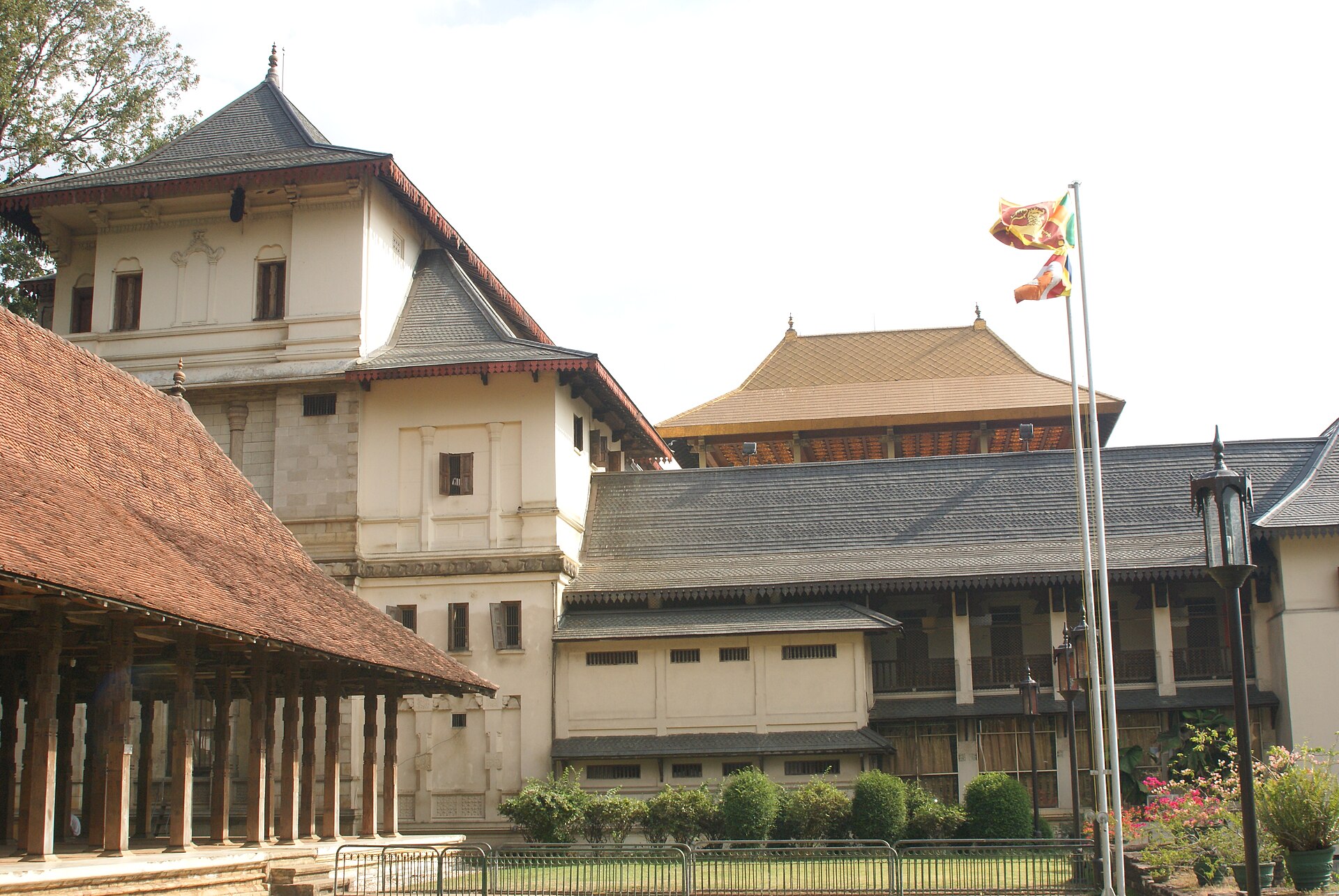
The buildings are constructed in the distinctive Kandyan style, with white walls, tiled roofs, and richly carved wood, set within courtyards and gardens. Rather than a single monumental palace, the complex is a grouping of related buildings, each with its own function, together forming the seat of the Kandyan monarchy.
The setting is one of great beauty, in a valley ringed by green hills, beside the calm waters of the lake. The natural defenses of the mountains that surround Kandy were part of the reason the kingdom survived so long, and the lovely setting gives the royal complex a serene and secluded character.
The most important building, the Temple of the Tooth, houses the sacred relic upon which the legitimacy of the monarchy depended, so that the religious and royal functions of the complex were inseparable. The palace and the temple together expressed the union of kingship and Buddhism that lay at the heart of the Sinhalese state.
For the visitor, the complex offers a beautiful and deeply sacred site, the Temple of the Tooth drawing pilgrims and visitors from across the country and the world, and the surrounding palace buildings preserving the memory of the last Sinhalese kingdom. Together they make Kandy one of the great historic and religious sites of Sri Lanka.
Set beside the other palaces of this Himalayan and southern Asian group, Kandy has its own distinct character. Phnom Penh dazzles with gold, Kathmandu overwhelms with carved density, and Kandy, quieter than both, charms with its serene setting of lake and hills and the profound sanctity of its central shrine. Here the palace is above all the guardian of a relic, and the whole complex is organized around that sacred trust, which gives it an atmosphere of devotion unmatched by grander royal seats.
The Kingdom of Kandy
The palace was the seat of the Kingdom of Kandy, the last independent kingdom of the Sinhalese, which held out in the mountainous interior of Sri Lanka from the sixteenth century until the early nineteenth. Protected by its terrain, it survived as the final refuge of the island’s ancient monarchy after the coastal lowlands had fallen to European powers.

Kandy became the capital of the Sinhalese kingdom at a time when the Portuguese, and later the Dutch, had seized control of the coasts of the island. Retreating to the highlands, the kings made Kandy their stronghold, and the difficult mountainous country around it defeated repeated attempts by the Europeans to conquer the interior.
The kingdom preserved the traditions of Sinhalese civilization and Buddhist kingship through the centuries of European encroachment, maintaining the ancient rituals of the monarchy and guarding the sacred Tooth Relic. Kandy thus became the last bastion of the old order, a proud survival of independence in the highlands.
The mountainous setting was central to the kingdom’s survival, for the difficult terrain, dense forests, and diseases of the interior made it nearly impossible for the coastal powers to sustain a campaign against Kandy. Time and again the kingdom repelled or outlasted its enemies, preserving its independence long after the rest of the island had been lost.
The Kingdom of Kandy thus stands as the last chapter of the long history of the independent Sinhalese monarchy, a kingdom that clung to its freedom in the mountains for centuries. Its palace and temple at Kandy are the monuments of this final independence, the seat of the last kings to rule a free Sri Lanka.
There is something heroic in the long resistance of Kandy, a small mountain kingdom that held out for three centuries against a succession of the world’s most powerful maritime empires. The Portuguese, the Dutch, and finally the British each coveted the whole island, and each in turn broke against the highlands, defeated by terrain, climate, and the stubborn independence of the Kandyan kings. That the kingdom fell only in the nineteenth century, and then partly through internal betrayal, makes its story all the more remarkable.
Kingship, Buddhism, and the Tooth Relic
The monarchy of Kandy was heir to one of the world’s oldest traditions of Buddhist kingship, reaching back through the great ancient capitals of Sri Lanka to the introduction of Buddhism to the island more than two thousand years ago. The king was the protector of the faith, and his rule was bound up with the sacred traditions of Buddhism.
Central to this ideology was the Sacred Tooth Relic, a tooth of the Buddha that had been brought to Sri Lanka in ancient times and had become the palladium of the island’s monarchy. By long tradition, possession of the Tooth Relic was essential to the legitimate right to rule, so that the relic and the crown were inseparably linked.
The relic passed with the monarchy through the successive capitals of the island, and its keeping was among the highest duties and privileges of the king. To hold the Tooth Relic was to hold the sovereignty of the Sinhalese, and its enshrinement at Kandy made the city the sacred center of the kingdom.
This union of kingship and religion shaped the whole character of the royal complex, in which the temple of the relic stood at the heart of the palace. The king’s role as the protector of the Tooth Relic and of Buddhism was the foundation of his authority, and the great ceremonies of the kingdom centered on the sacred tooth.
The tradition of the Tooth Relic gives the palace of Kandy a significance beyond that of a mere royal residence, for it houses the sacred object upon which the ancient monarchy of Sri Lanka rested. To this day the relic is the most venerated object in the country, and its temple remains the spiritual heart of the Sinhalese Buddhist world.
The Last King and the Fall of Kandy
The last king to reign at Kandy was Sri Vikrama Rajasinha, who ruled in the early nineteenth century and who was responsible for some of the finest works of the royal complex, including the artificial lake and additions to the Temple of the Tooth. His reign ended with the fall of the kingdom and the end of the Sinhalese monarchy.
The last king’s reign was troubled by tensions between the crown and the Kandyan chiefs, the powerful nobles of the kingdom, and this discord weakened the state at a critical moment. The British, having taken over the coastal territories from the Dutch, sought to complete their control of the island by conquering the interior kingdom.
In 1815 the British moved against Kandy, and with the support of disaffected chiefs they took the capital and captured the king, bringing to an end the last independent kingdom of Sri Lanka. The ancient Sinhalese monarchy, which had endured for more than two thousand years through many capitals, was extinguished.
The captured king was taken away into exile in India, where he ended his days, and the kingdom was annexed to the British crown. The fall of Kandy completed the European conquest of the island and closed one of the longest continuous royal traditions in the history of Asia.
The end of the Kandyan kingdom gives the palace its note of tragedy, for it was the last seat of a monarchy of immense antiquity, brought down by division within and conquest from without. The palace and temple that the last king adorned became, within a few years, the monuments of a vanished independence, the final relics of the Sinhalese crown.
The fall of Kandy in 1815 has a particular poignancy, for the kingdom was betrayed as much as conquered, undone by the discord between the last king and his chiefs. A monarchy that had defeated the Portuguese and outlasted the Dutch, protected for centuries by its mountains, fell at last not to a superior army alone but to division within. It is a familiar and melancholy pattern in the histories gathered in this series, the ancient state brought down as much from inside as from without.
The Kandyan Style
The buildings of the royal complex are the finest surviving examples of the Kandyan architectural style, the distinctive tradition of building developed in the highland kingdom. Characterized by white walls, tiled roofs, and richly carved wood, it is a style of restrained elegance and fine craftsmanship.
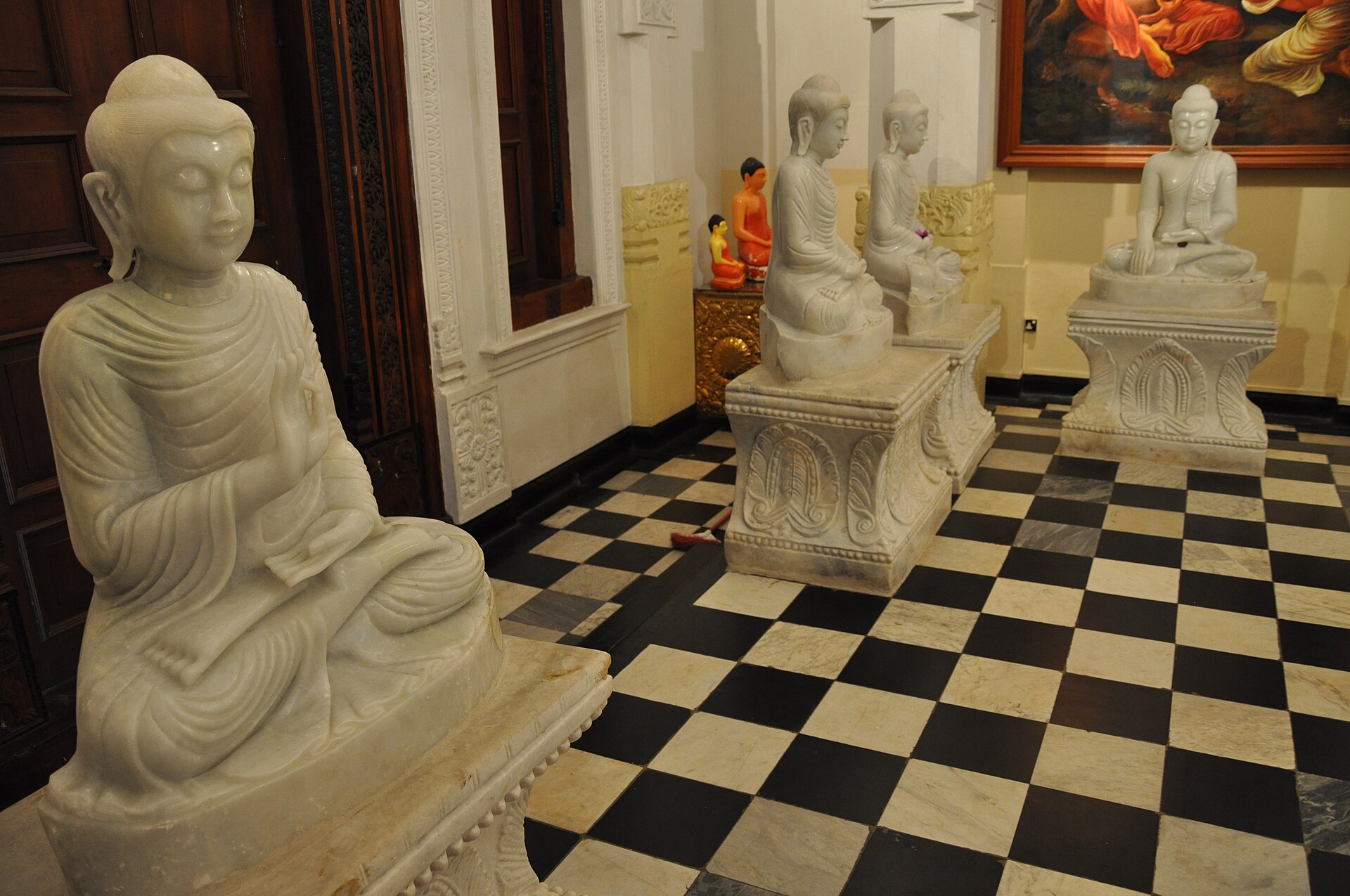
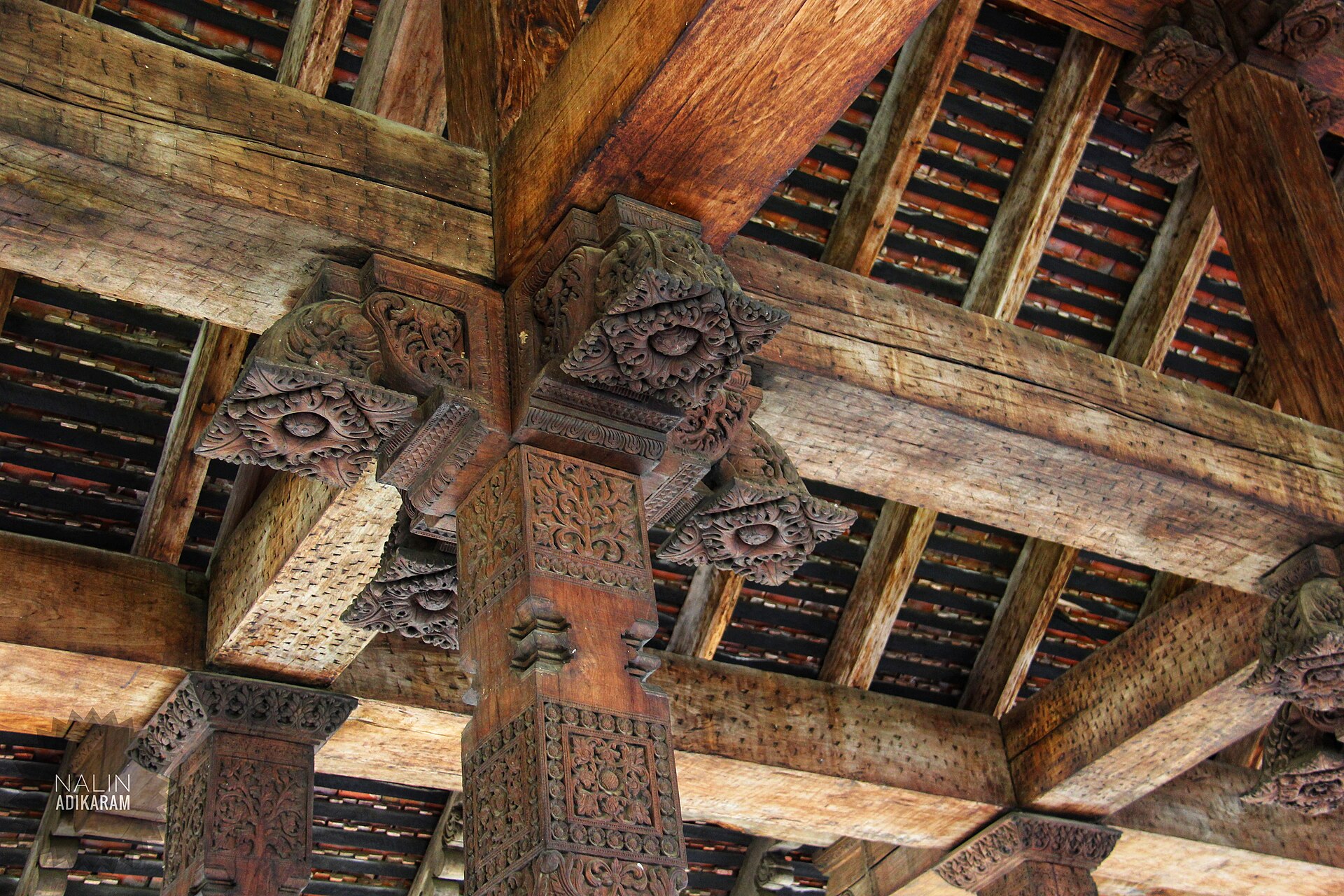
Woodcarving is central to the Kandyan style, and the buildings are adorned with carved wooden columns, doorways, screens, and decorative details of great skill. The audience hall in particular is famous for its rows of carved wooden pillars, masterpieces of the highland craftsmen’s art.
The style reflects both the traditions of Sinhalese architecture and the influences absorbed over the centuries, including elements shared with the building traditions of southern India. Yet it remains distinctively Kandyan, an expression of the culture of the highland kingdom in its final centuries.
The tiled roofs, often low and spreading, and the white walls give the buildings a cool and dignified appearance suited to the highland climate, while the carved timber adds richness and detail. The whole style is one of harmony and craftsmanship rather than overwhelming grandeur.
The Kandyan style survives most fully in the buildings of the royal complex, which preserve the architecture of the last Sinhalese kingdom. Together with the traditional arts of the highlands, dance, music, and craft, it forms the cultural legacy of Kandy, and the royal buildings are its supreme architectural expression.
The restraint of the Kandyan style is worth appreciating on its own terms, for it does not seek to overwhelm the way some royal architecture does. Its beauty lies in proportion, in the play of white wall against dark carved timber, in the fineness of the woodwork rather than in sheer scale. It is the architecture of a kingdom that prized craftsmanship and devotion over ostentation, and it rewards the visitor who looks closely at the detail rather than merely the mass.
The Temple of the Sacred Tooth
The heart of the whole complex, and the most sacred building in Sri Lanka, is the Temple of the Sacred Tooth Relic, known in the local language as the Sri Dalada Maligawa. Here the tooth of the Buddha is enshrined, guarded and venerated, the holiest object of the island and the ancient palladium of its monarchy.
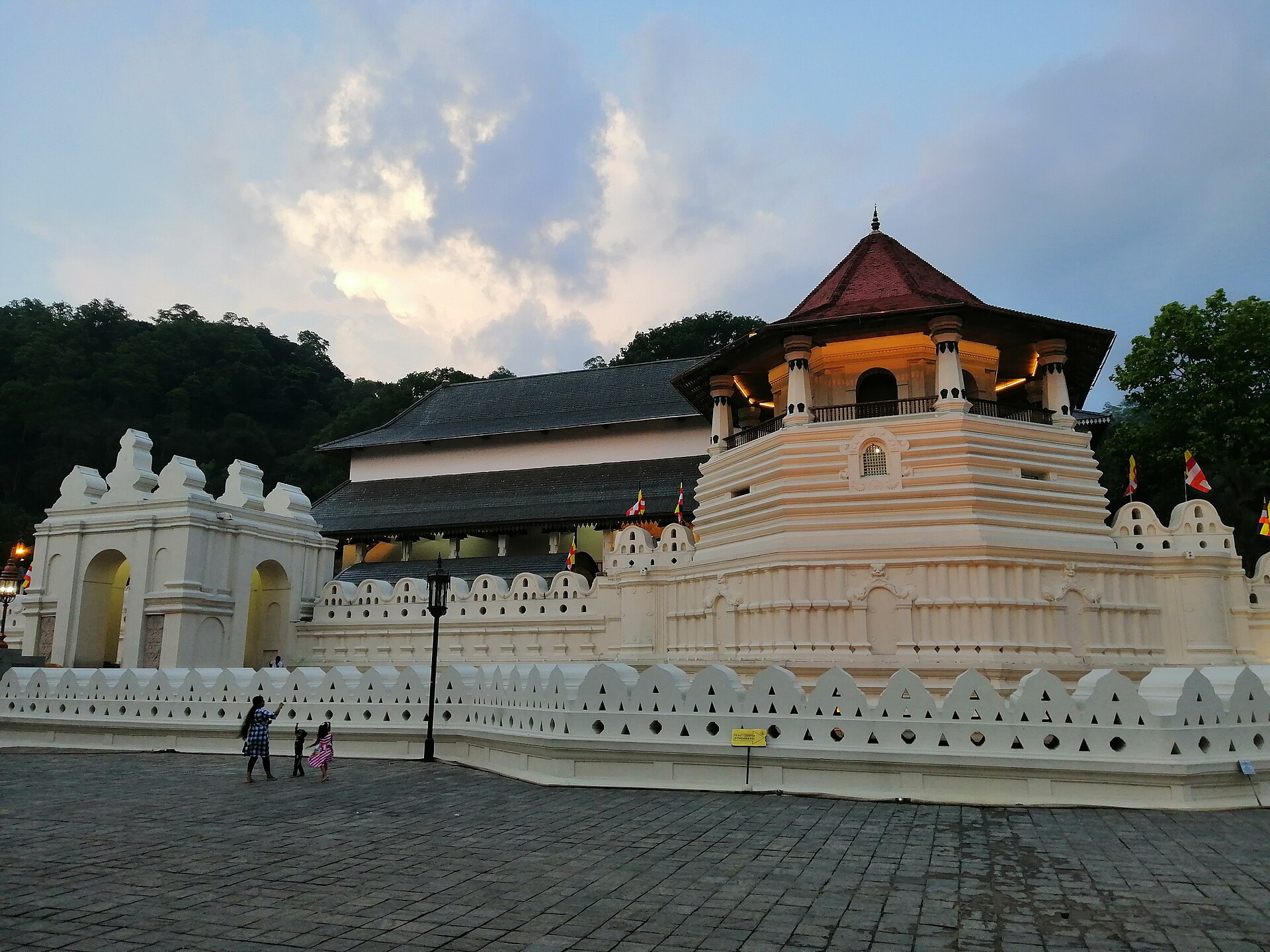
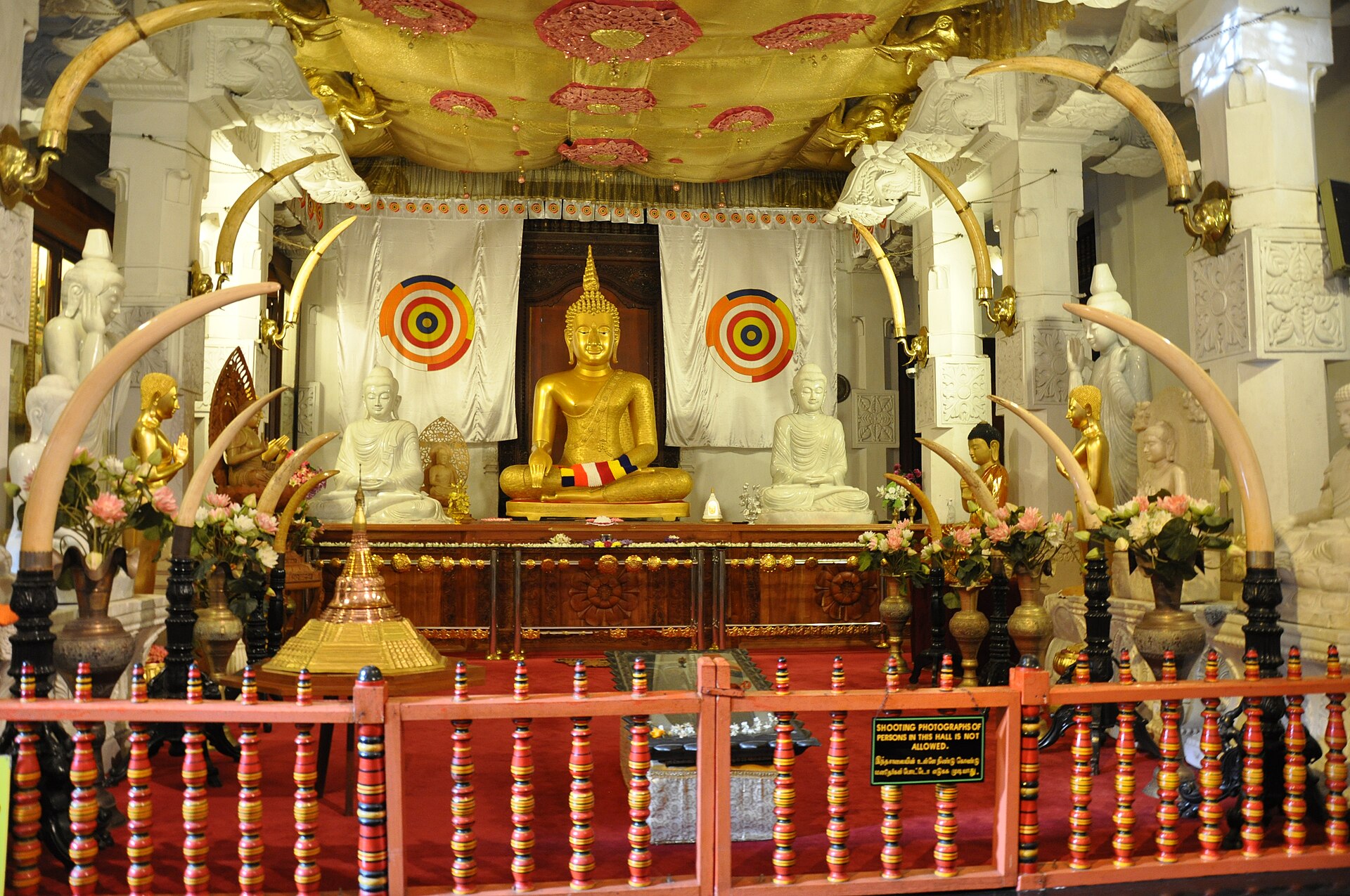
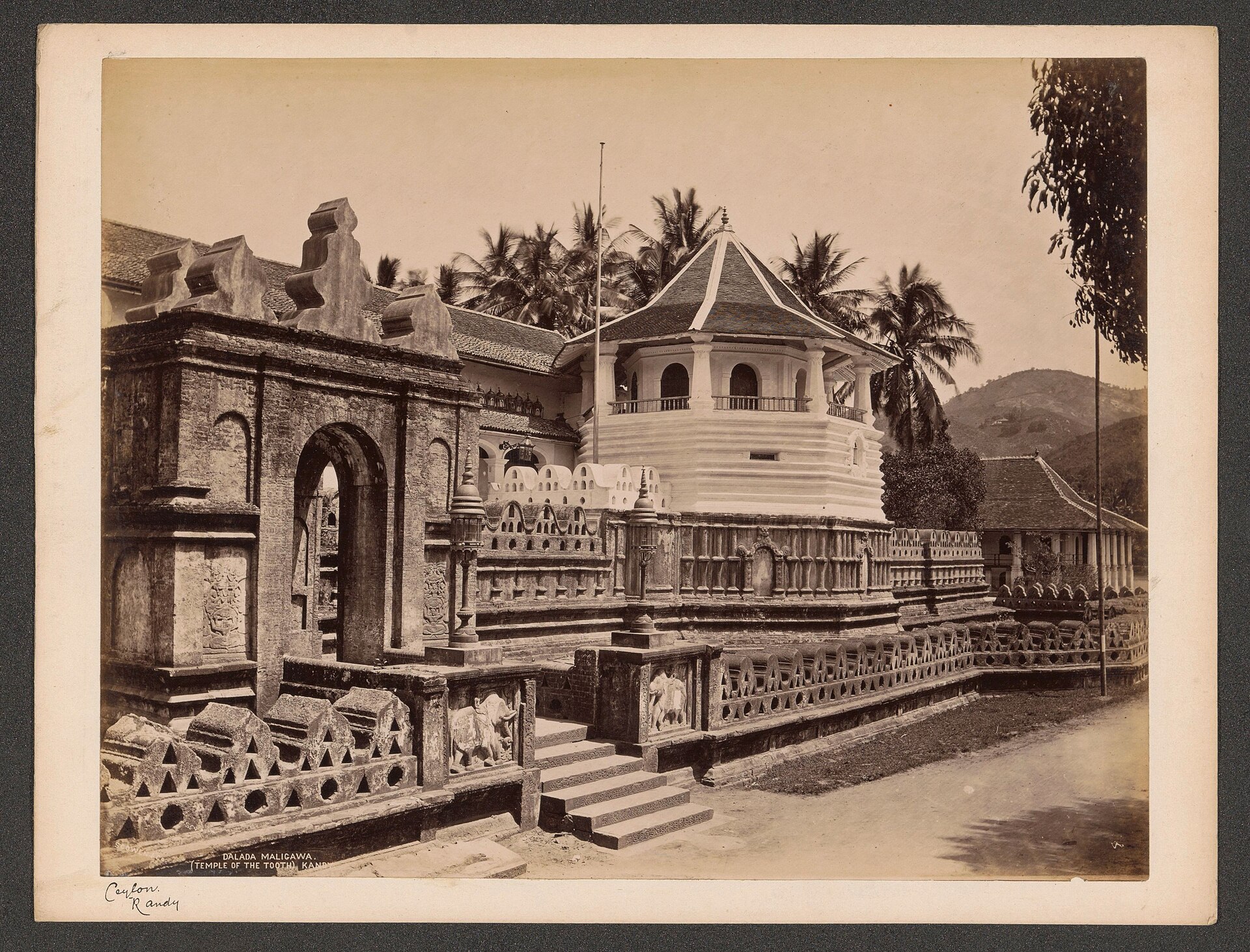
The temple is a beautiful building of the Kandyan style, with white walls, carved wood, and a golden-roofed shrine housing the relic. Built and adorned by successive kings, it stands within the palace complex, its position at the heart of the royal seat expressing the union of the crown and the sacred relic.
The relic itself is kept within a series of nested caskets in the inner shrine, and it is not ordinarily displayed to view, its presence marked by the golden reliquaries and the reverence of the pilgrims who come to worship. The sanctity of the tooth draws a constant stream of devotees to the temple.
Daily rituals are performed at the temple in honor of the relic, with offerings, drumming, and ceremony, maintaining the ancient traditions of its worship. These observances, carried out several times a day, make the temple a living center of Buddhist devotion, its rituals unbroken through the centuries.
For the visitor, the Temple of the Tooth is the supreme sight of Kandy, a building of great beauty and immense sanctity at the heart of the royal complex. It remains the spiritual center of Sri Lanka, drawing pilgrims from across the country and the Buddhist world, and its golden shrine holds the sacred relic upon which the kingdom was founded.
It is worth understanding just how completely the relic and the crown were bound together in the Sinhalese mind, for it explains the whole shape of the complex. This was not a palace that happened to contain a temple, but a temple-palace in which the sacred tooth was the true source of sovereignty. Whoever held the relic held the island, and so the kings built their residence around it, guarding the object on which their legitimacy, and the fortune of the whole kingdom, was believed to rest.
The Audience Hall
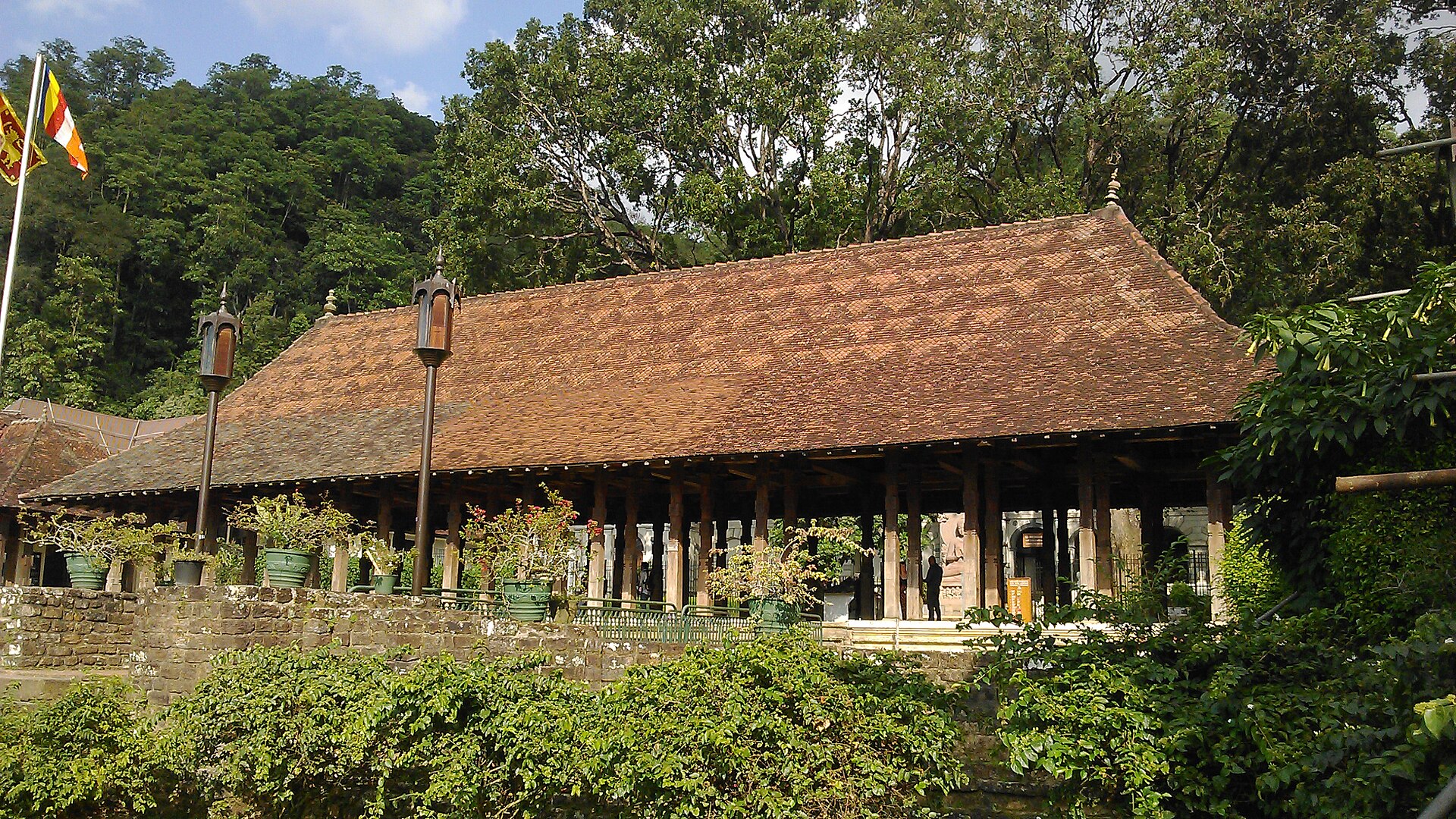
Among the finest buildings of the royal complex is the Magul Maduwa, the Audience Hall, where the kings of Kandy held court and received their subjects and officials. An open pavilion of carved wooden columns, it is a masterpiece of the Kandyan style and one of the most beautiful royal buildings on the island.
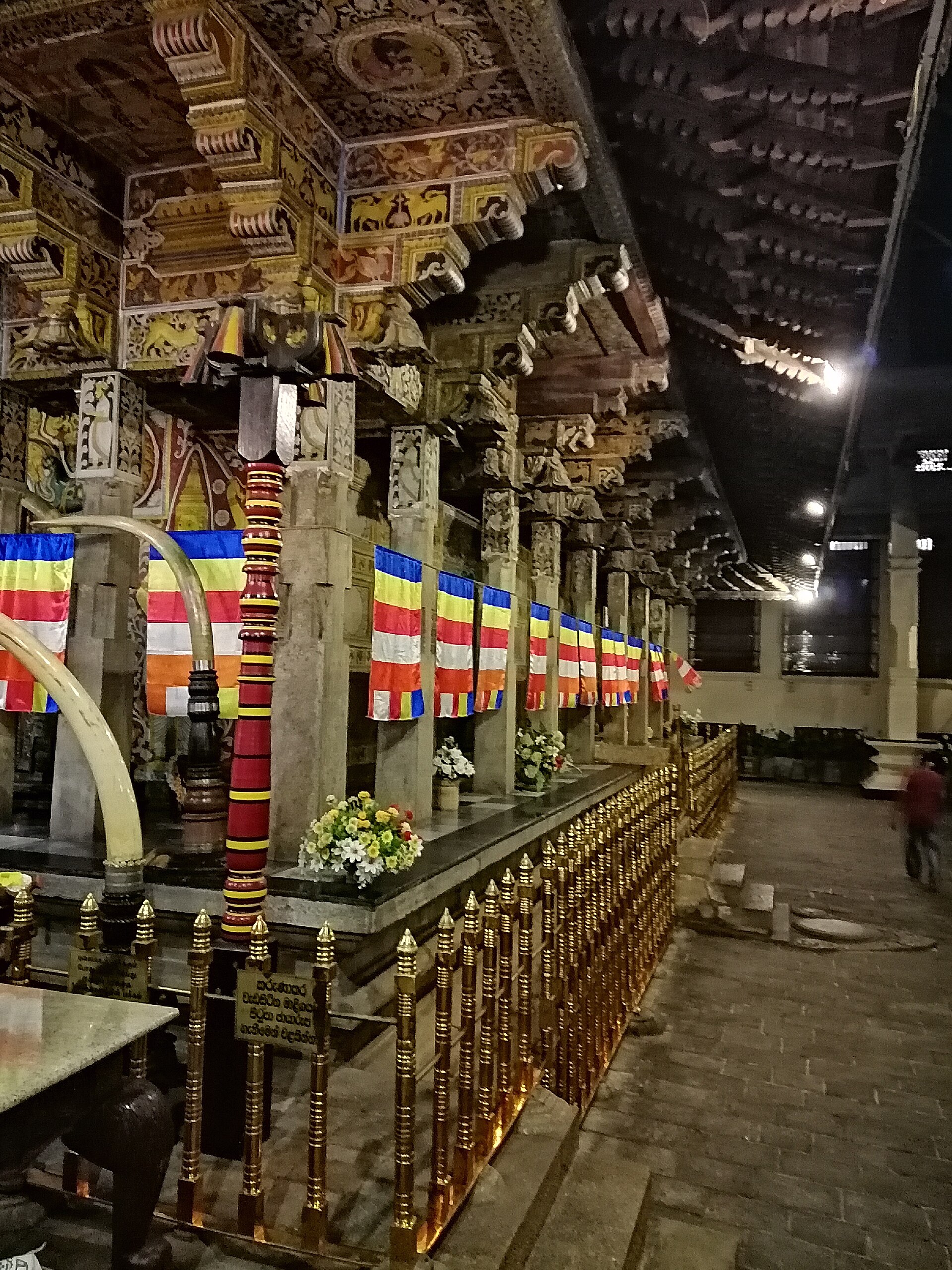
The hall takes the form of a long open pavilion, its roof supported by rows of intricately carved wooden pillars, and its open sides allowing the breeze to pass through in the highland climate. The carving of the columns is among the greatest achievements of the Kandyan craftsmen, each pillar worked with fine ornament.
It was in this hall that the king conducted the ceremonies of state, receiving the Kandyan chiefs and the officials of the kingdom in audiences that expressed the order and hierarchy of the realm. The hall was the political heart of the palace, the setting for the exercise of royal authority.
The Audience Hall was also the scene of a fateful historical event, for it was here that the Kandyan chiefs formally ceded the kingdom to the British in 1815, ending the independence of the last Sinhalese state. The hall thus witnessed both the majesty of the monarchy and its final surrender.
Preserved to this day, the Audience Hall remains one of the highlights of the royal complex, its carved wooden pillars conveying the elegance of the Kandyan style. It stands as a monument to the ceremonial life of the vanished kingdom and to the craftsmanship of the highland artisans who built it.
To stand in the Audience Hall knowing that it was here the chiefs signed away the kingdom in 1815 is a sobering experience, for the same carved pillars that framed the majesty of the Kandyan kings also witnessed the extinction of their independence. Few rooms in Asia hold so sharply the two faces of a monarchy, its glory and its fall, and the beauty of the hall only deepens the poignancy of what took place within it.
The Royal Residence and Museums
Beyond the temple and the audience hall, the complex includes the buildings of the royal residence, where the king and his household lived, now largely given over to museums. These buildings preserve the domestic setting of the monarchy and display the treasures and history of the Kandyan kingdom.
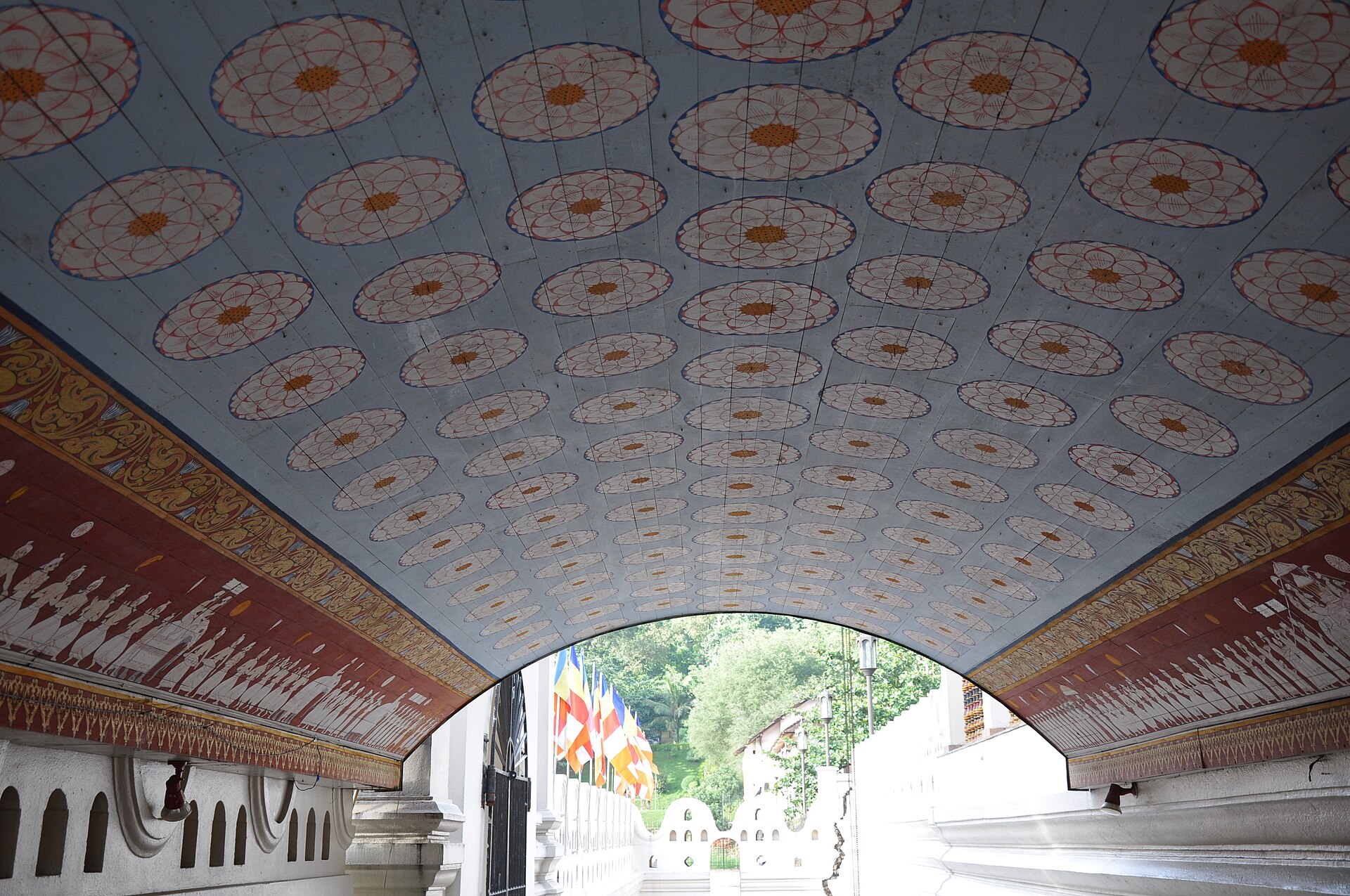
The royal residence buildings, in the Kandyan style, housed the private life of the king and court, and their rooms and courtyards formed the intimate heart of the palace. Though less grand than the temple, they were essential to the life of the monarchy, the home of the royal family.
Today these buildings contain museums, including collections devoted to the history of Kandy and to the archaeology and art of Sri Lanka. Through their displays, visitors can explore the history of the kingdom and the wider heritage of the island, set within the buildings of the royal seat.
The museums preserve objects of the Kandyan court and kingdom, from royal regalia and ceremonial items to works of art and everyday objects, giving a fuller picture of the vanished monarchy. They complement the architecture of the complex with the human and material history of the kingdom.
For the visitor, the royal residence and its museums add historical depth to the sacred and ceremonial buildings of the complex, telling the story of the Kandyan kingdom alongside the beauty of its architecture. Together they make the palace of Kandy a place to understand both the art and the history of the last Sinhalese state.
The Lake and the Setting
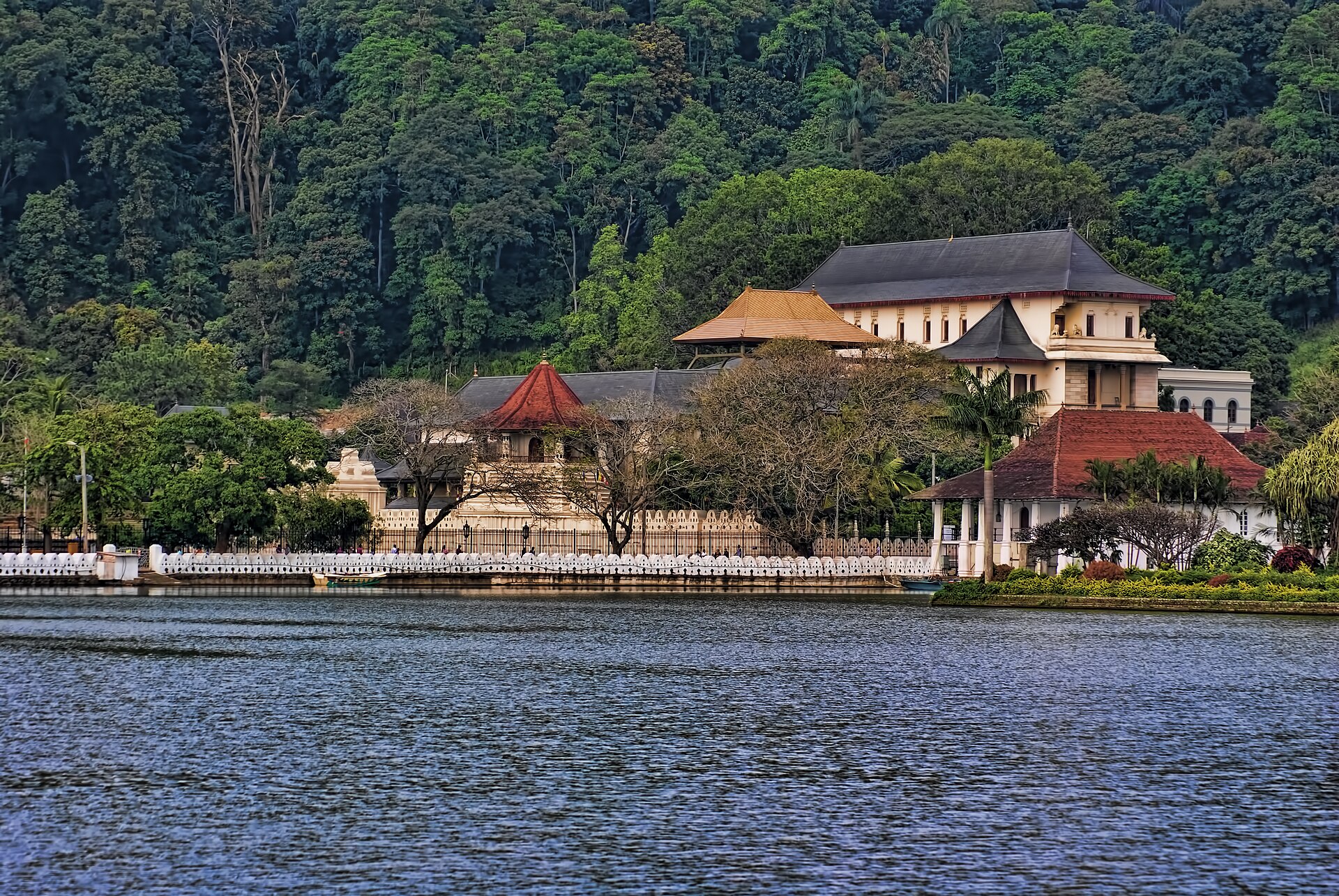
Beside the royal complex lies the Kandy Lake, a beautiful artificial lake created by the last king of Kandy in the early nineteenth century. Its calm waters, ringed by hills and overlooked by the temple and palace, are inseparable from the beauty of the royal city and one of its most beloved features.
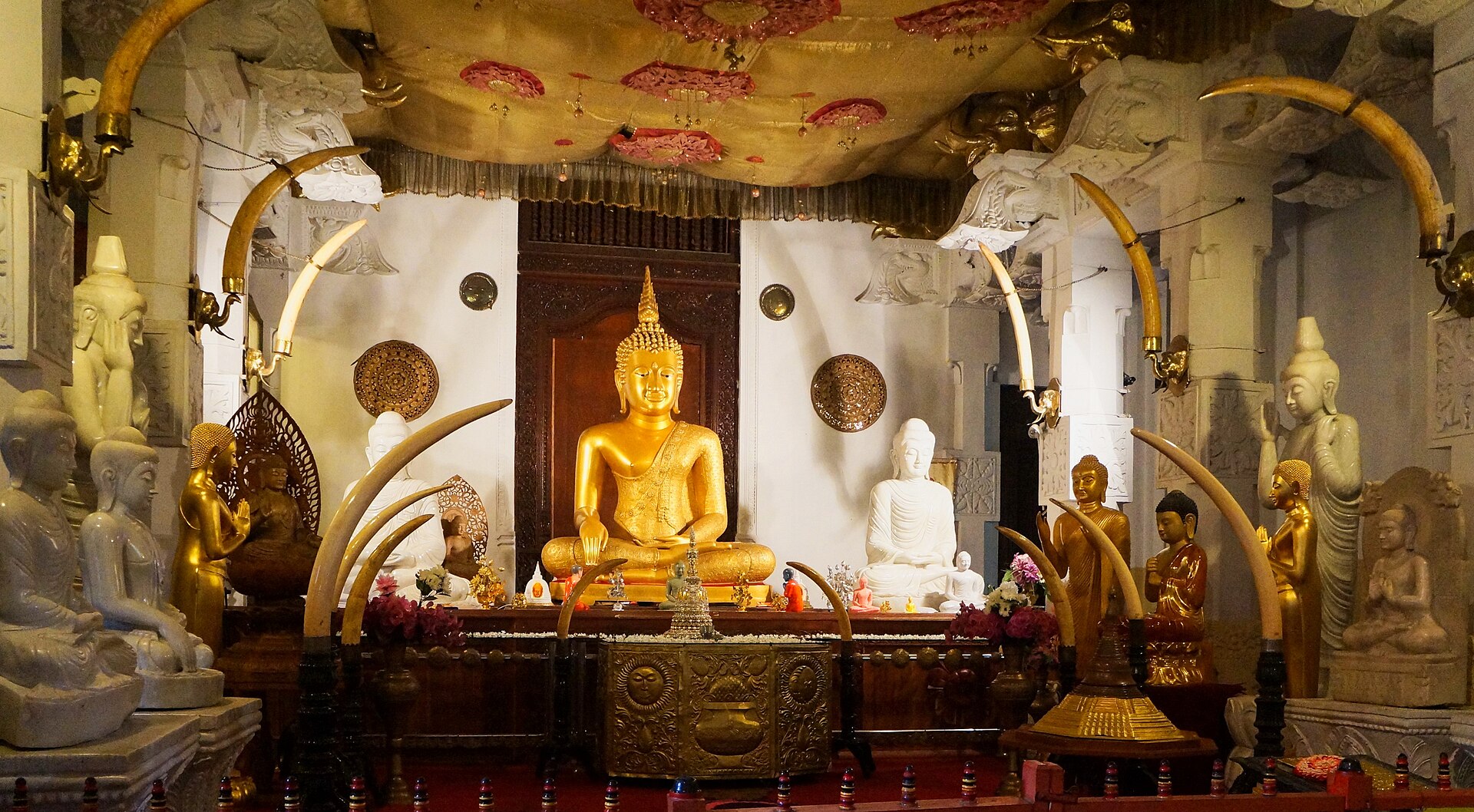
The lake was among the great works of the last king, a project that beautified the capital and provided a serene setting for the royal and sacred buildings beside it. Its creation, however, is said to have imposed hardships on the people, adding to the discontent that weakened the kingdom in its final years.
The lake reflects the temple and the surrounding hills, its still surface doubling the beauty of the setting and providing a tranquil heart for the city. A walkway rings the water, and the lake remains a place of recreation and calm at the center of Kandy.
The setting of the royal complex, in a valley among green hills beside the lake, is one of the loveliest of any royal seat in Asia. The natural beauty of the highlands, combined with the works of the kings, made Kandy a capital of great charm as well as of sacred and political importance.
For the visitor, the lake and its setting are among the great pleasures of Kandy, framing the temple and palace in a landscape of water and hills. The last king’s lake endures as a monument to his reign, a beautiful legacy of the final years of the Kandyan kingdom, and a serene heart for the historic city.
The story that the building of the lake burdened the people, contributing to the discontent that helped bring down the kingdom, is a reminder that even the loveliest works of a monarchy could carry a human cost. The serene water that so beautifies Kandy today was, in its making, part of the friction between the last king and his subjects, a small but telling example of how the grandeur of kings and the burdens of their people were often two sides of the same coin.
The Great Perahera Festival
The most spectacular expression of the union of the monarchy, the faith, and the sacred relic is the great festival of Kandy, the Esala Perahera, one of the grandest religious processions in Asia. Held annually, it honors the Sacred Tooth Relic with a magnificent parade through the streets of the city.
The festival features a great procession of elephants, splendidly caparisoned, together with dancers, drummers, torchbearers, and the officials of the temple, winding through the city by night in a spectacle of light, sound, and color. At its heart, a great tusker elephant carries a replica of the casket of the sacred relic.
The Perahera has its roots in ancient rituals and was historically bound up with the monarchy, the king presiding over the festival that honored the relic upon which his rule depended. The procession expressed the sacred foundations of the kingdom and the devotion of the people to the Tooth Relic.
Even after the fall of the monarchy, the festival has continued, growing into one of the great cultural and religious events of Sri Lanka, drawing huge crowds and visitors from around the world. It preserves the traditions of Kandyan dance, music, and ceremony in a magnificent living spectacle.
The Esala Perahera keeps alive the ancient bond between the city, the relic, and the traditions of the vanished kingdom, centered still on the Temple of the Tooth. To witness the procession is to see the sacred heritage of Kandy in its most vivid and living form, a spectacle descended from the rituals of the last Sinhalese kings.
Kandyan Dance and the Highland Arts
The court of Kandy was a great patron of the arts, and the highland kingdom gave rise to a rich tradition of dance, music, and craft that survives as one of the cultural treasures of Sri Lanka. Chief among these is Kandyan dance, a vigorous and elaborate dance tradition performed to the beat of drums.
Kandyan dance is marked by its energetic movements, its elaborate costumes and headdresses, and its accompaniment by the powerful rhythms of traditional drums. Rooted in ancient ritual and refined at the royal court, it became the classical dance tradition of the highlands and a symbol of Sinhalese culture.
The drumming that accompanies the dance is itself a sophisticated art, the drummers marking complex rhythms that drive the performance. Together, dance and drumming form a spectacular tradition that features prominently in the great Perahera festival and in the cultural life of Kandy.
The highland kingdom also fostered the traditional crafts of Sri Lanka, from woodcarving and metalwork to the making of the elaborate objects used in temple ritual and royal ceremony. The craftsmanship seen in the buildings of the royal complex reflects this rich artistic culture.
These living arts, dance, music, and craft, are part of the enduring legacy of the Kandyan kingdom, preserved and celebrated in the city to this day. Together with the architecture of the royal complex, they make Kandy the cultural heart of the Sinhalese, a living center of the traditions of the last independent kingdom.
The Colonial Era and After
After the fall of the kingdom in 1815, Kandy passed under British rule, and the royal complex, no longer the seat of a reigning monarchy, entered a new era. The British governed the island from the coastal capital, and Kandy became a provincial center, its palace stripped of its royal function.
Yet the Temple of the Tooth retained its sanctity and its central place in the religious life of the island, for the relic remained the holiest object of Sri Lankan Buddhism regardless of the political changes. The temple continued as a place of pilgrimage and worship through the colonial period and beyond.
The colonial era brought changes to Kandy and the island, but the traditions surrounding the Tooth Relic and the great Perahera festival endured, sustained by the Buddhist community and the temple authorities. The sacred heart of the old kingdom survived the loss of its monarchy.
With the independence of Sri Lanka in the twentieth century, Kandy and its temple took their place as national treasures of the new state, symbols of the island’s ancient heritage and its Buddhist identity. The royal complex became a monument to the long history of Sinhalese civilization and its last independent kingdom.
The survival of the temple and its relic through the colonial era and into modern times testifies to the enduring power of the sacred traditions of Kandy. Though the monarchy fell, the holiest object of the kingdom remained, and the royal complex endures as the spiritual and historic heart of the island.
Kandy Today: A World Heritage City
Today the royal complex of Kandy, with its Temple of the Sacred Tooth Relic, is the most important religious site in Sri Lanka and one of the most visited places in the country. The temple draws pilgrims and visitors in a constant stream, and the city remains the cultural and spiritual capital of the Sinhalese.
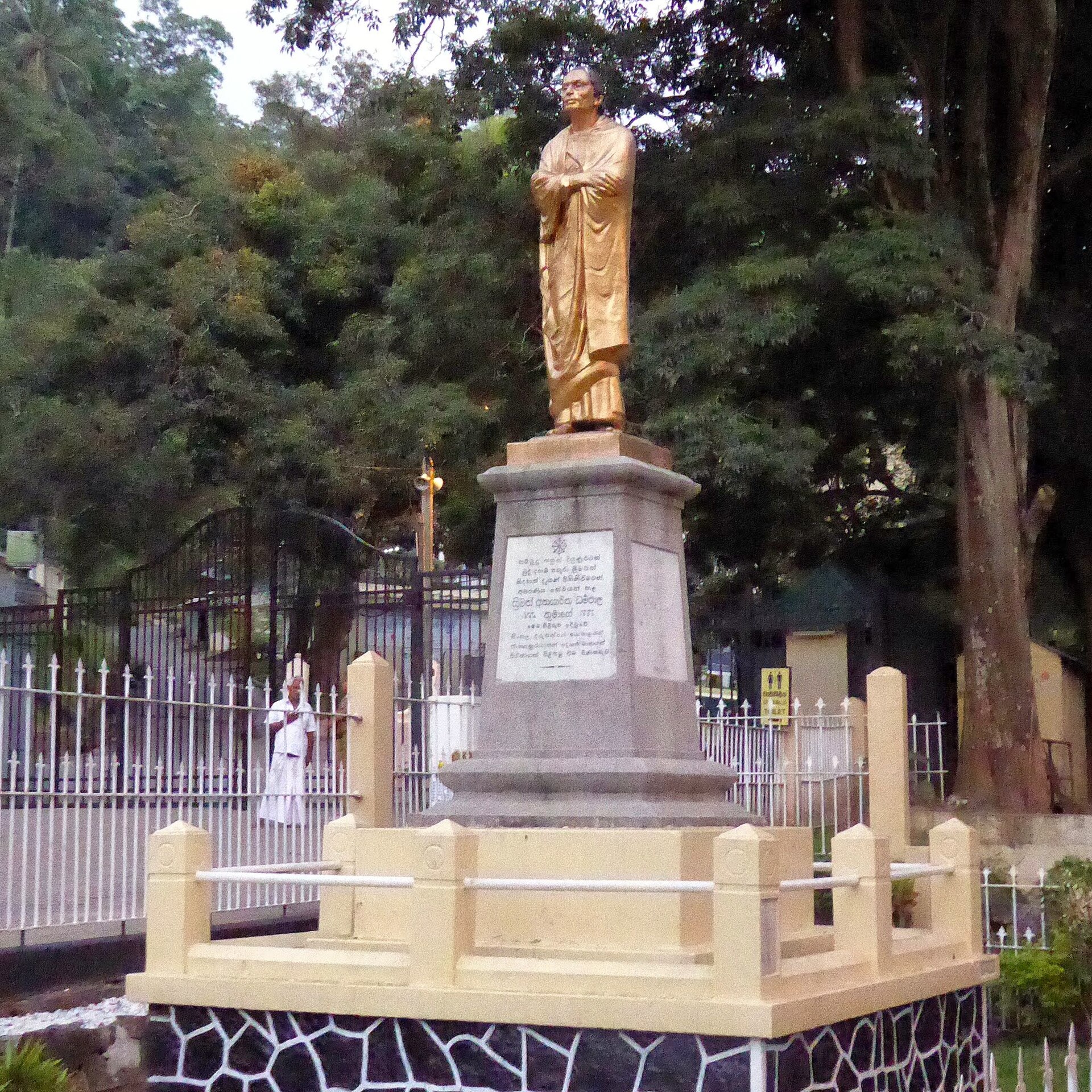
In 1988 the sacred city of Kandy was inscribed on the UNESCO World Heritage List, recognized for its outstanding value as the last capital of the Sinhalese kings and the home of the Temple of the Tooth Relic. The listing set a seal on the city’s standing as a treasure of world heritage.
The temple has endured challenges in modern times, including damage from conflict, but it has been restored and continues its daily rituals and its great annual festival. It remains a living center of Buddhist devotion, its sanctity undiminished by the passage of time or the loss of the monarchy.
For the people of Sri Lanka, Kandy and its temple are cherished symbols of national and religious identity, the seat of the last independent kingdom and the home of the most sacred relic of their faith. The city holds a place in the heart of the nation matched by few other sites.
To stand before the Temple of the Tooth in Kandy, beside its still lake and beneath its green hills, is to encounter the sacred and royal heart of Sri Lanka. The last kingdom of the Sinhalese fell more than two centuries ago, but its temple endures, guarding the sacred relic and preserving the memory of the ancient monarchy of the island.
If you visit, time your stay if you can to coincide with the evening rituals at the Temple of the Tooth, when the drums sound and the shrine is opened for worship, or better still with the great Perahera festival, when the whole city becomes a procession of light and dance. Kandy rewards the traveler who comes not merely to see a monument but to witness a living tradition, one descended in unbroken line from the rituals of the last kings of a free Sri Lanka.
Palaces Nearby
The royal complex of Kandy completes a trio of great royal residences of southern and Himalayan Asia. Travel on to the golden living court of the Khmer kings, or to the carved royal palace of Kathmandu, to continue the journey through the courts of the region.
You May Like

Qasr Al Hosn: The White Fort Where Abu Dhabi Began


One thought on “The Royal Palace of Kandy: The Last Kingdom of the Sinhalese”