In the heart of Kathmandu, amid a square crowded with pagoda temples and thronged with worshippers, pilgrims, and traders, rises the ancient royal palace of Nepal. Its brick walls and tiered pagoda roofs, its intricately carved wooden windows and struts, and its tall watchtowers make it one of the great treasures of the Kathmandu Valley, a civilization of woodcarvers and temple builders unlike any other in the world. This is Hanuman Dhoka, the old royal palace of the kings of Nepal, guarded at its gate by a statue of the monkey god from whom it takes its name.
Hanuman Dhoka is not a single building but a sprawling complex of courtyards, temples, and towers built up over centuries by the kings who ruled the valley. It stands at the center of Kathmandu Durbar Square, one of three magnificent royal squares in the valley, each the seat of a rival kingdom, and together forming one of the richest concentrations of art and architecture in Asia. The palace and its square are a living museum of the Newar civilization that created them.
The palace was the royal seat first of the Malla kings, who ruled the valley in its golden age of art, and then of the Shah dynasty, who united Nepal into a single kingdom and made Kathmandu their capital. For centuries the great ceremonies of the Nepali monarchy, above all the coronation of the kings, were performed within its courtyards, tying the palace to the sacred institution of kingship.
This is the second palace of a group of royal residences of southern and Himalayan Asia in this series, following the golden court of Phnom Penh, and it opens a very different world, that of the Hindu and Buddhist kingdoms of the Himalayas. To enter the courtyards of Hanuman Dhoka is to step into the ancient civilization of the Kathmandu Valley, a world of carved wood and living gods at the roof of the world.

In This Article
- A Palace of Courtyards and Towers
- The Kathmandu Valley and the Newar Civilization
- The Malla Kings
- The Shah Dynasty and the Unification of Nepal
- The Art of the Newar Craftsmen
- The Gate of Hanuman
- Nasal Chowk, the Coronation Courtyard
- The Towers of the Palace
- The Temple of Taleju
- The Living Goddess
- Festivals in the Royal Square
- Museums of the Monarchy
- Earthquake, Restoration, and the Palace Today
A Palace of Courtyards and Towers
Hanuman Dhoka is a vast and complex palace, built up over many centuries into a warren of courtyards, temples, halls, and towers. Rather than a single planned building, it is an accumulation of the work of successive kings, each adding courtyards and structures, so that the palace grew organically into the sprawling complex that stands today.
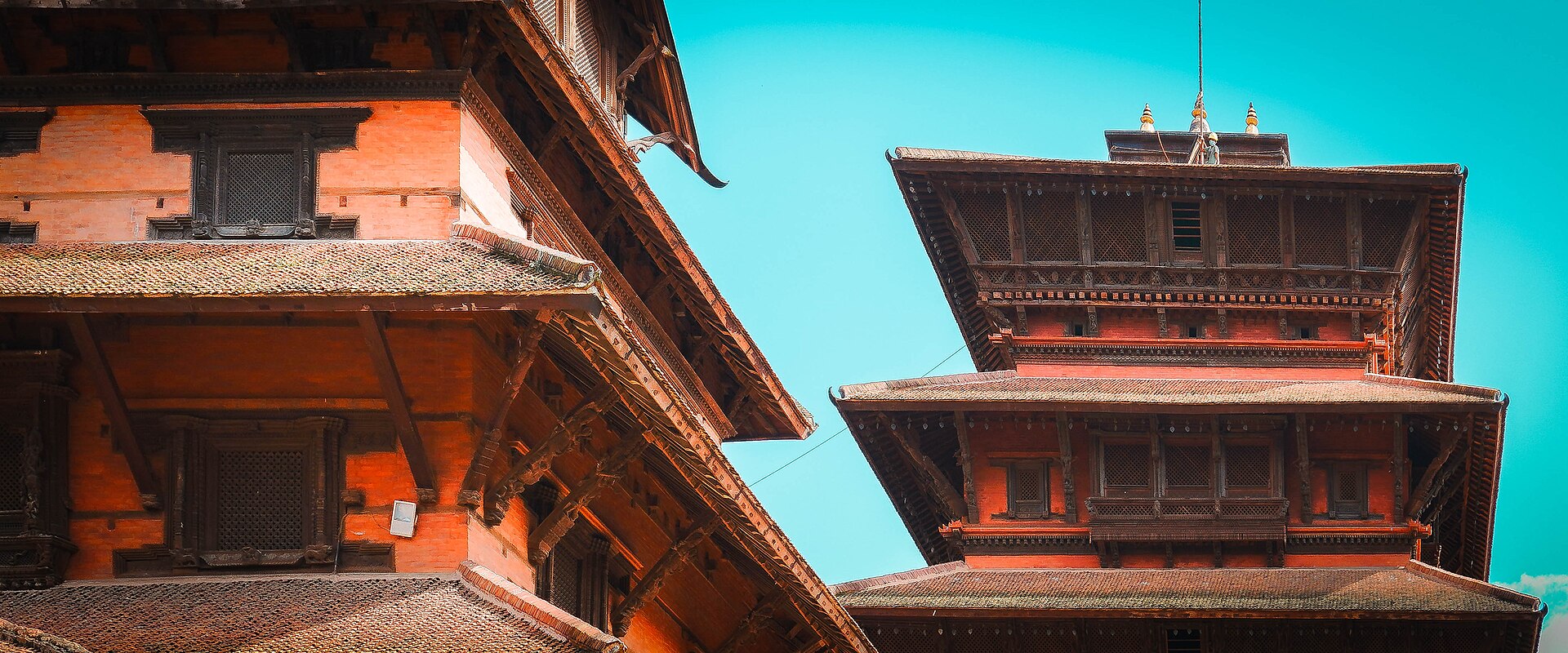
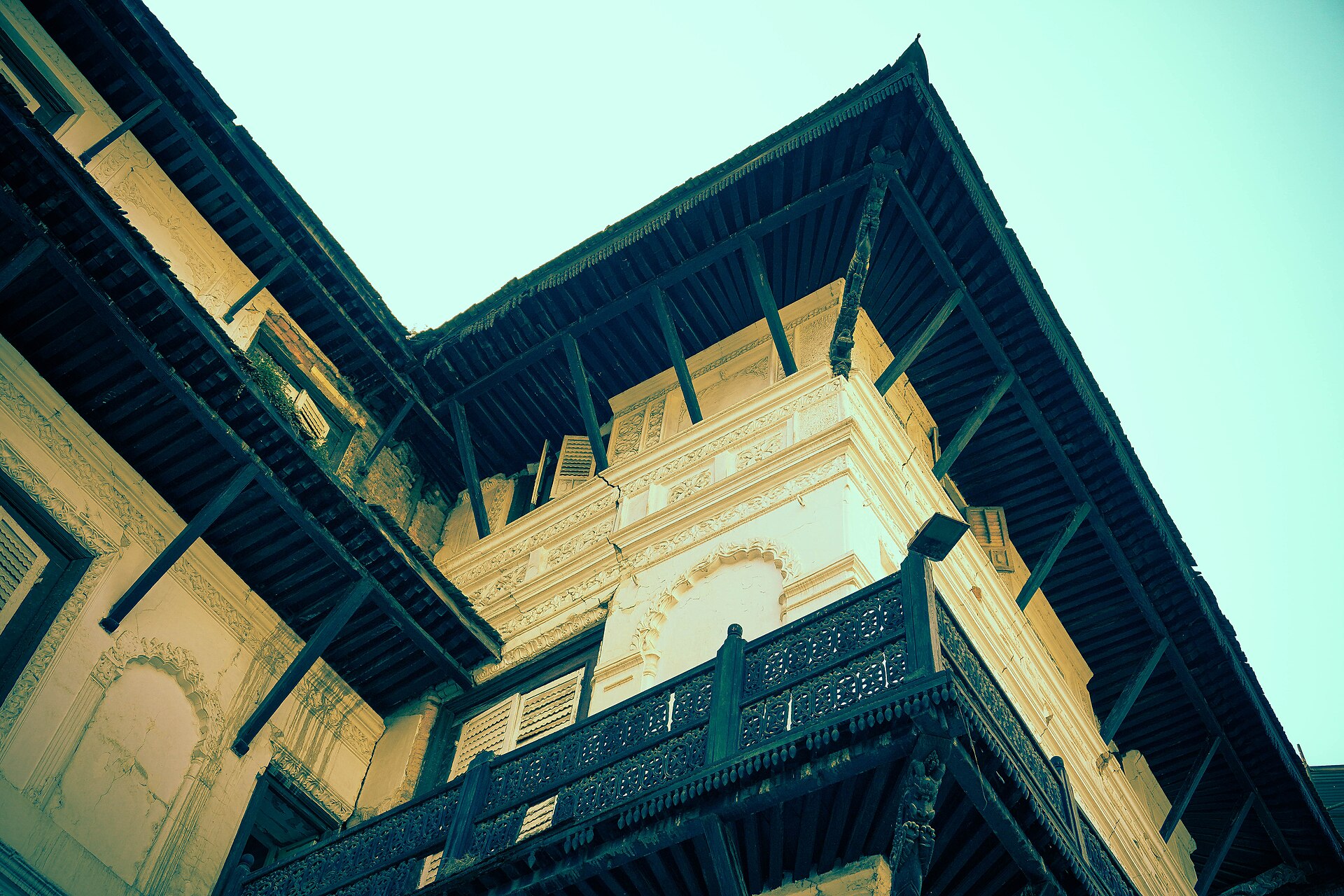
The palace is built of the materials and in the style of the Kathmandu Valley, brick walls, tiered pagoda roofs, and above all richly carved wood, with windows, struts, doorways, and screens worked into intricate ornament. This distinctive architecture, the creation of the Newar people of the valley, gives the palace its unique character.
At the heart of the complex lie its courtyards, or chowks, each an enclosed space surrounded by buildings, serving different ceremonial and residential functions. The most important of these was the setting for the coronation of the kings, while others held temples, residences, and the private quarters of the royal household.
Rising above the courtyards are the tall towers added by later kings, multi-storey structures that give the palace its dramatic skyline and command views over the city and the valley. These towers, together with the pagoda temples of the surrounding square, make the profile of Hanuman Dhoka one of the most striking in Asia.
The palace stands at the center of Kathmandu Durbar Square, so that it is inseparable from the ensemble of temples, shrines, and monuments that surround it. Palace and square together form a single sacred and royal landscape, a masterpiece of the Newar civilization and one of the great historic sites of the Himalayan world.
Set beside the golden, unified splendor of Phnom Penh, Hanuman Dhoka feels utterly different, and the contrast is instructive. The Cambodian palace is a single harmonious composition in gold; the Nepali palace is a dense, organic accretion of brick and dark carved wood, grown over centuries and tangled up with the temples and the daily life of the city around it. Where Phnom Penh soars, Kathmandu broods, and its beauty lies in intricacy and in the sense of a sacred royal world woven into the very fabric of the town.
The Kathmandu Valley and the Newar Civilization
To understand the palace is to understand the Kathmandu Valley, a broad and fertile bowl among the Himalayan foothills that has been, for many centuries, one of the great centers of civilization in the region. Watered by rivers and blessed with a mild climate, the valley became a crossroads of trade and a cradle of art and religion.
The people of the valley, the Newars, created a distinctive and brilliant civilization, expressed above all in their architecture and craftsmanship. Masters of brick, wood, and metalwork, they built the pagoda temples and carved palaces that fill the valley, developing an artistic tradition of extraordinary richness and refinement.
The valley was long divided among rival city-kingdoms, chief among them Kathmandu, Patan, and Bhaktapur, each with its own royal palace and Durbar Square. The competition among these courts drove an artistic flowering, as each king sought to outdo his rivals in the splendor of his palace and the beauty of his temples.
Religion permeated the valley, where Hinduism and Buddhism coexisted and blended in a way unique to the region, their gods and festivals woven into the fabric of daily life. The palaces and squares were sacred as well as royal spaces, filled with temples and shrines and the setting for a constant round of religious observance.
The Kathmandu Valley thus produced one of the world’s great artistic and religious civilizations, and Hanuman Dhoka is among its supreme monuments. The palace is the product of this Newar world, built by its craftsmen for its kings, and to visit it is to encounter the achievement of a civilization that turned an entire valley into a work of art.
For anyone who loves architecture, the three Durbar Squares of the valley, Kathmandu, Patan, and Bhaktapur, together form one of the world’s great artistic treasures, and Hanuman Dhoka is the crown of the first of them. That three rival kingdoms, packed into a single small valley, each built a royal square of this magnificence is extraordinary, and it speaks to a civilization in which the competition of courts was channeled into an almost unimaginable outpouring of art.
The Malla Kings
The palace was first the seat of the Malla kings, the dynasty that ruled the Kathmandu Valley through its golden age of art and architecture in the medieval and early modern periods. Under the Mallas, the valley reached the height of its cultural brilliance, and much of the finest work at Hanuman Dhoka dates from their rule.
The Malla period was an age of intense artistic patronage, as the rival kings of Kathmandu, Patan, and Bhaktapur competed to adorn their cities with temples and palaces. This competition, far from impoverishing the valley, enriched it, driving the Newar craftsmen to ever greater heights and filling the three royal squares with masterpieces.
Under the Mallas the palace at Kathmandu grew into a great complex of courtyards and temples, and the kings established many of the traditions and structures that would endure for centuries. They were devout patrons of religion as well as art, and their reigns saw the building of many of the temples that crowd the square.
The Malla kings also fostered the religious and ceremonial life that gave the palace its sacred character, including the veneration of the goddess Taleju, the royal deity, and the traditions surrounding the living goddess, the Kumari. These practices, established under the Mallas, remain central to the life of the palace and the square.
The golden age of the Mallas came to an end in the eighteenth century, when the valley was conquered and united with the surrounding lands into a single kingdom. But the artistic and religious legacy of the Malla kings endured, preserved in the palaces and temples they built, of which Hanuman Dhoka is among the greatest.
The paradox of the Malla period is worth savoring, for it was precisely the division of the valley into rival kingdoms that produced its greatest art. Had a single ruler dominated the valley, there would have been one royal square instead of three, and much of the competitive energy that drove the craftsmen to such heights would have been lost. The very fragmentation that made the valley politically weak made it artistically incomparable, a lesson in how rivalry can enrich as well as impoverish.
The Shah Dynasty and the Unification of Nepal
In the eighteenth century the Kathmandu Valley was conquered by Prithvi Narayan Shah, the ruler of a neighboring principality, who united the valley and the surrounding lands into the single kingdom of Nepal. He made Kathmandu his capital and took over Hanuman Dhoka as the royal palace of his new realm.
The unification of Nepal under the Shah dynasty was a turning point in the region’s history, forging a single kingdom out of a patchwork of rival states. Hanuman Dhoka, the old palace of the Malla kings of Kathmandu, became the seat of this larger monarchy, its role elevated from a valley kingdom to a Himalayan nation.
Under the Shah kings the palace continued to be used and added to, and it remained the setting for the great ceremonies of the monarchy, above all the coronation of the kings. The traditions of the Malla period, including the veneration of Taleju and the living goddess, were maintained by the new dynasty, ensuring continuity across the change of rulers.
The Shah dynasty would rule Nepal, through many vicissitudes, into the twenty-first century, making it one of the longer-reigning royal houses of Asia. Through the long centuries of their rule, Hanuman Dhoka remained a focus of the monarchy, even after the kings built newer residences elsewhere in the city.
The palace thus bridges the two great dynasties of Nepali history, the Malla kings who built it and the Shah kings who unified the nation and made it their own. This continuity gives Hanuman Dhoka a special place as the ancient royal heart of Nepal, the palace where the kingdom’s monarchy was rooted and its rulers were crowned.
The end of the Shah dynasty in 2008, when Nepal abolished its monarchy and became a republic, is remarkably recent, and it gives the palace an added poignancy. Within the memory of people still young, kings were still crowned in Nasal Chowk and the living goddess still blessed the sovereign. The abolition of one of the world’s oldest monarchies, following years of political turmoil and tragedy, closed a chapter of history in these very courtyards, and the palace now guards the memory of an institution only lately gone.
The Art of the Newar Craftsmen
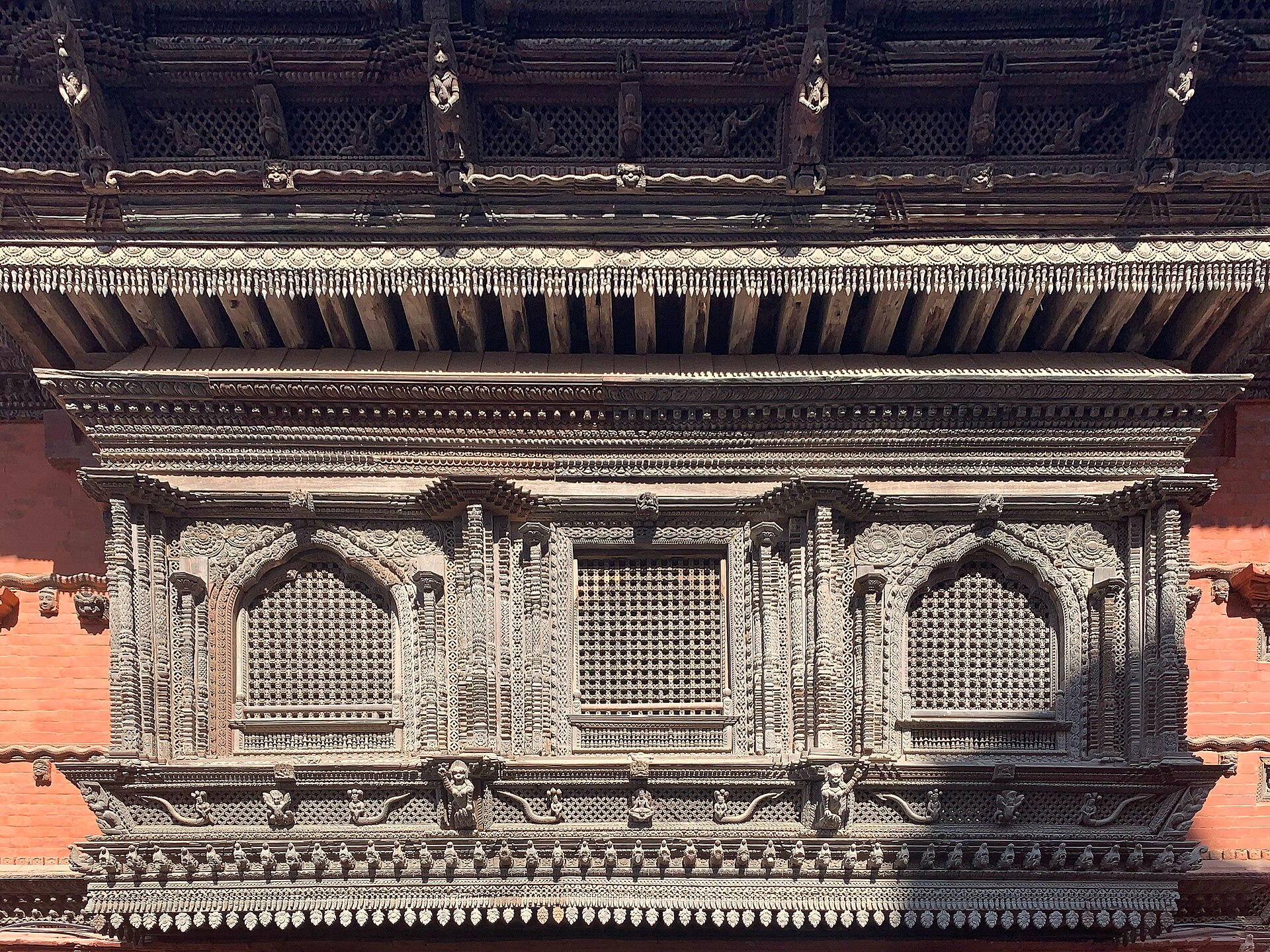
The glory of Hanuman Dhoka, and of the whole Kathmandu Valley, is the art of the Newar craftsmen who built it, above all their mastery of woodcarving. The palace and the temples around it are adorned with carved wooden windows, doorways, struts, and screens of astonishing intricacy, among the finest woodwork in the world.
The carved windows are particularly celebrated, their wooden lattices and frames worked into elaborate patterns and figures, some gilded, some of dark timber, each a masterpiece of the carver’s art. These windows, looking out over the courtyards and the square, are among the most beautiful features of the palace.
The roof struts, the wooden brackets that support the eaves of the pagoda roofs, are carved with figures of gods, goddesses, and mythological beings, turning the structural elements of the buildings into a gallery of sacred sculpture. This union of structure and ornament is characteristic of Newar architecture at its finest.
Brick and wood are the primary materials, the warm red brick of the walls set off by the dark carved timber of the windows and roofs, and crowned with the tiered roofs of the pagoda style. This combination, developed over centuries in the valley, gives Newar architecture its distinctive and harmonious beauty.
The craftsmanship of Hanuman Dhoka represents the accumulated skill of generations of Newar artisans, a living tradition passed down through families and workshops. To examine the carved windows and struts of the palace closely is to appreciate one of the world’s great traditions of architectural art, the achievement of the craftsmen of the Kathmandu Valley.
Look closely at a single carved window and you begin to grasp the patience and skill the Newar tradition demanded. Every surface is worked, the lattice pierced into intricate geometry, the frame carved with deities and mythical beasts, the whole assembled without the tricks of modern joinery. These windows were made to be looked out from by royalty and looked up at by the faithful, and centuries of weather have not exhausted their beauty. They are among the supreme achievements of woodcarving anywhere in the world.
The Gate of Hanuman
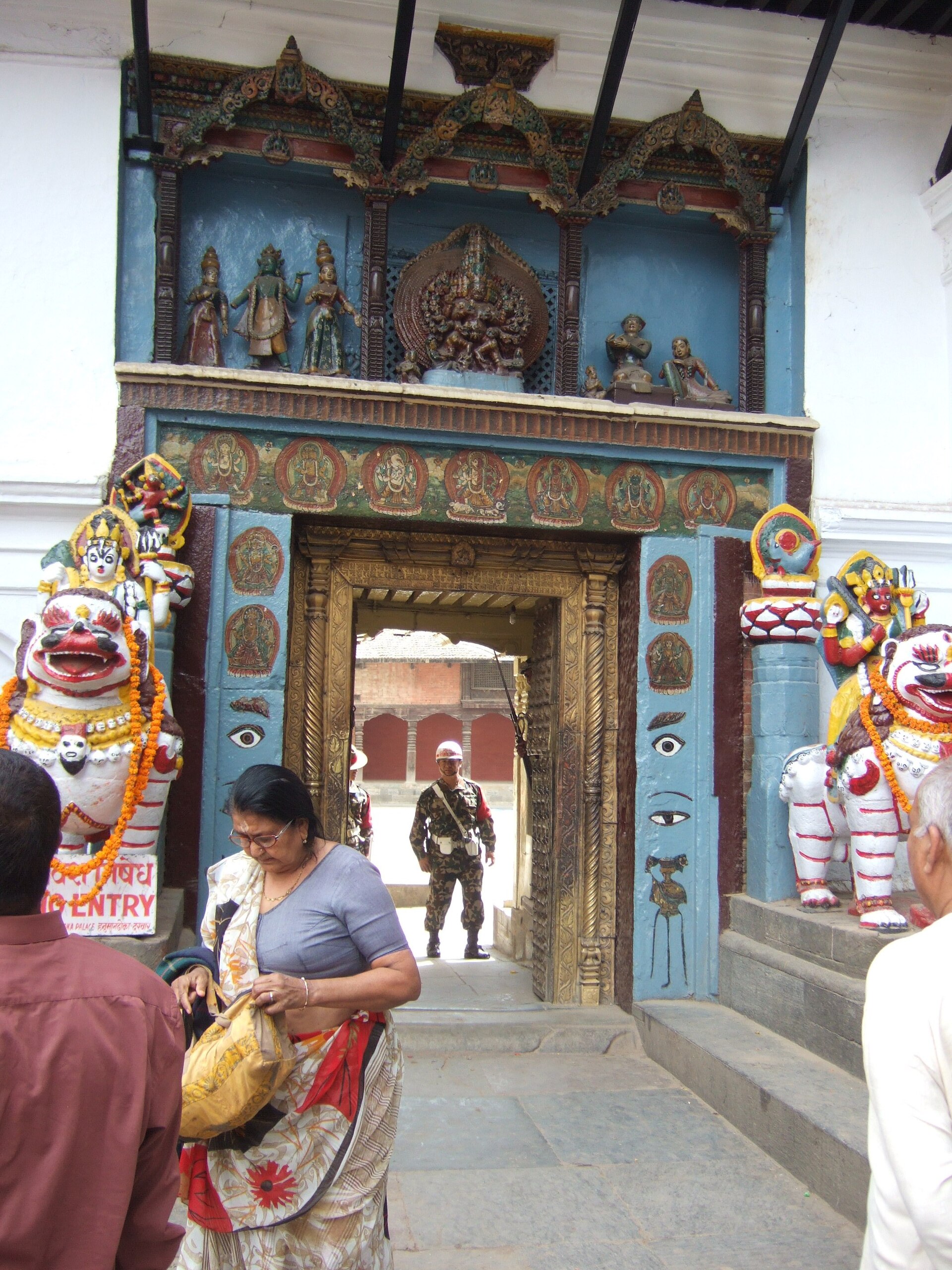
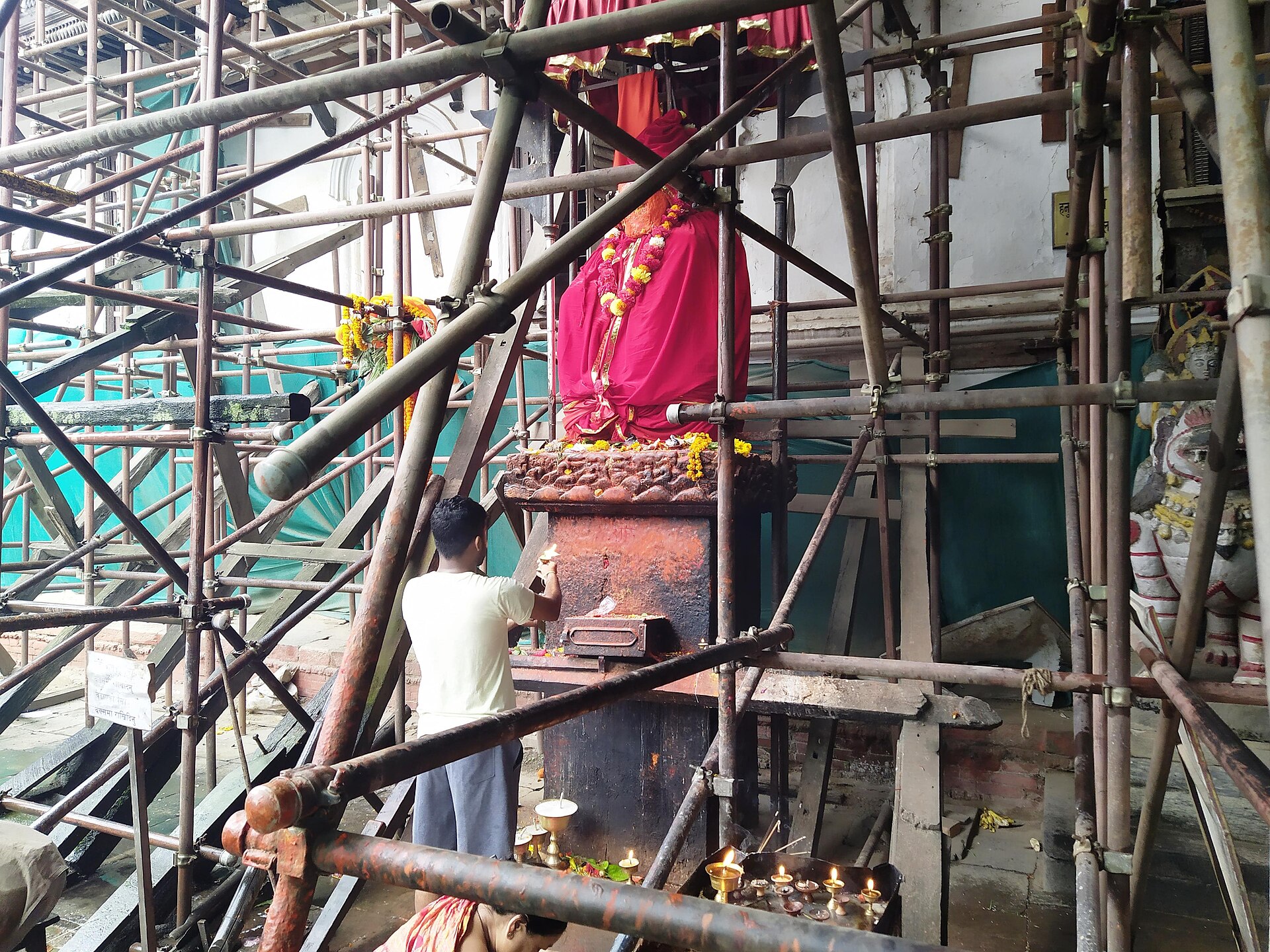
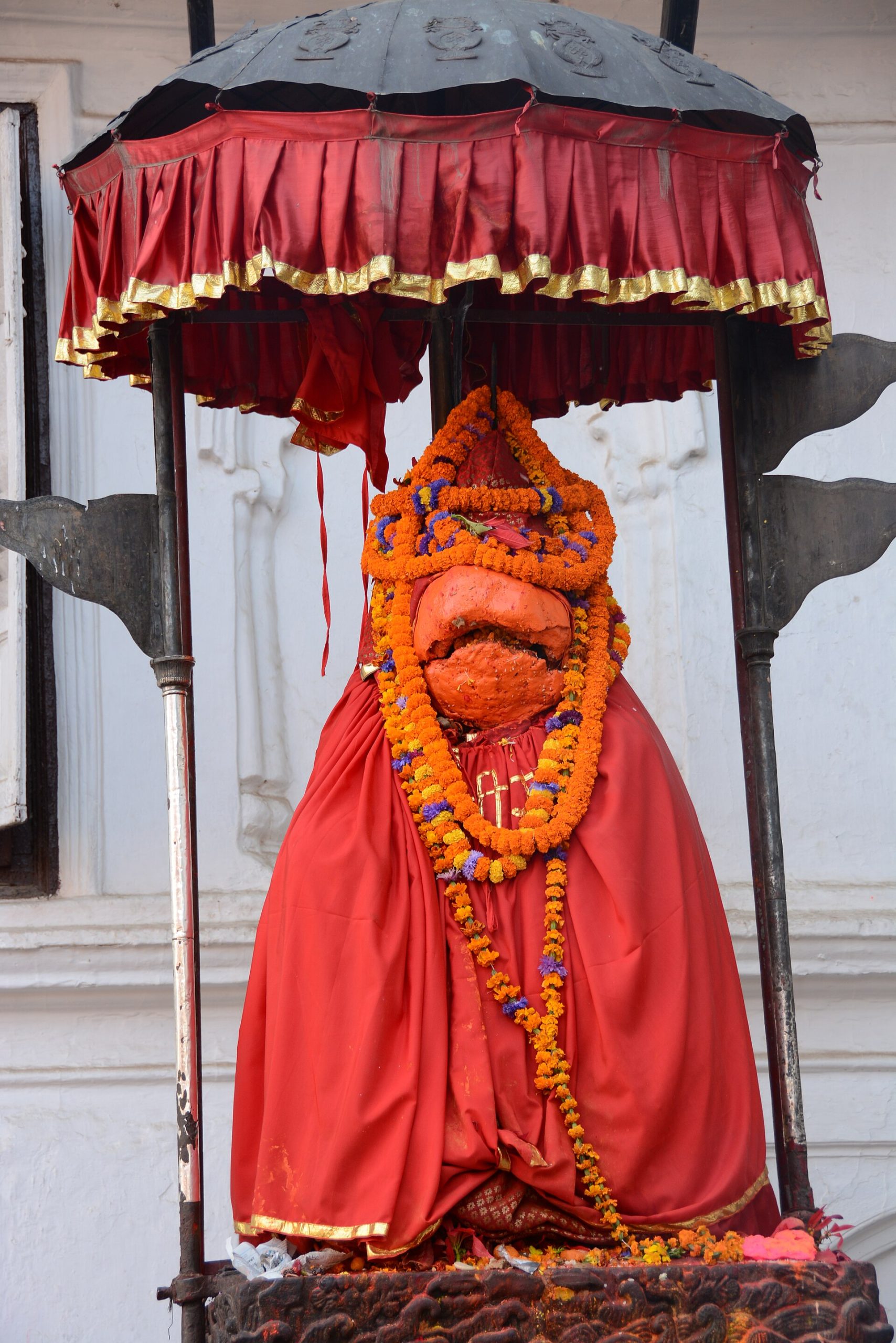
The palace takes its name from its main gateway, guarded by a statue of Hanuman, the monkey god of Hindu tradition, who stands watch over the entrance. The name Hanuman Dhoka means the gate of Hanuman, and the deity’s image, cloaked in red and sheltered beneath an umbrella, is one of the most recognizable sights of the palace.
Hanuman is a beloved figure of Hindu devotion, the devoted servant of the god Rama and a guardian against evil, and his placement at the palace gate invoked his protection over the royal residence. The statue has stood at the gate for centuries, venerated by worshippers and marking the threshold of the royal precinct.
Near the gate stands another striking image, a fearsome depiction of the god Narasimha, the man-lion incarnation of Vishnu, shown in the act of destroying a demon. These powerful divine images at the entrance express the religious foundations of the monarchy and its claim to divine protection.
The gate leads from the public space of the square into the courtyards of the palace, marking the transition from the city to the royal and sacred precinct within. Passing beneath the watchful gaze of Hanuman, the visitor enters the enclosed world of the palace, guarded by the gods at its threshold.
The Hanuman gate, with its red-cloaked statue, has become the emblem of the whole palace and one of the symbols of Kathmandu itself. It embodies the fusion of royal and religious that runs through the entire complex, a divine guardian standing eternal watch over the ancient royal heart of Nepal.
Nasal Chowk, the Coronation Courtyard
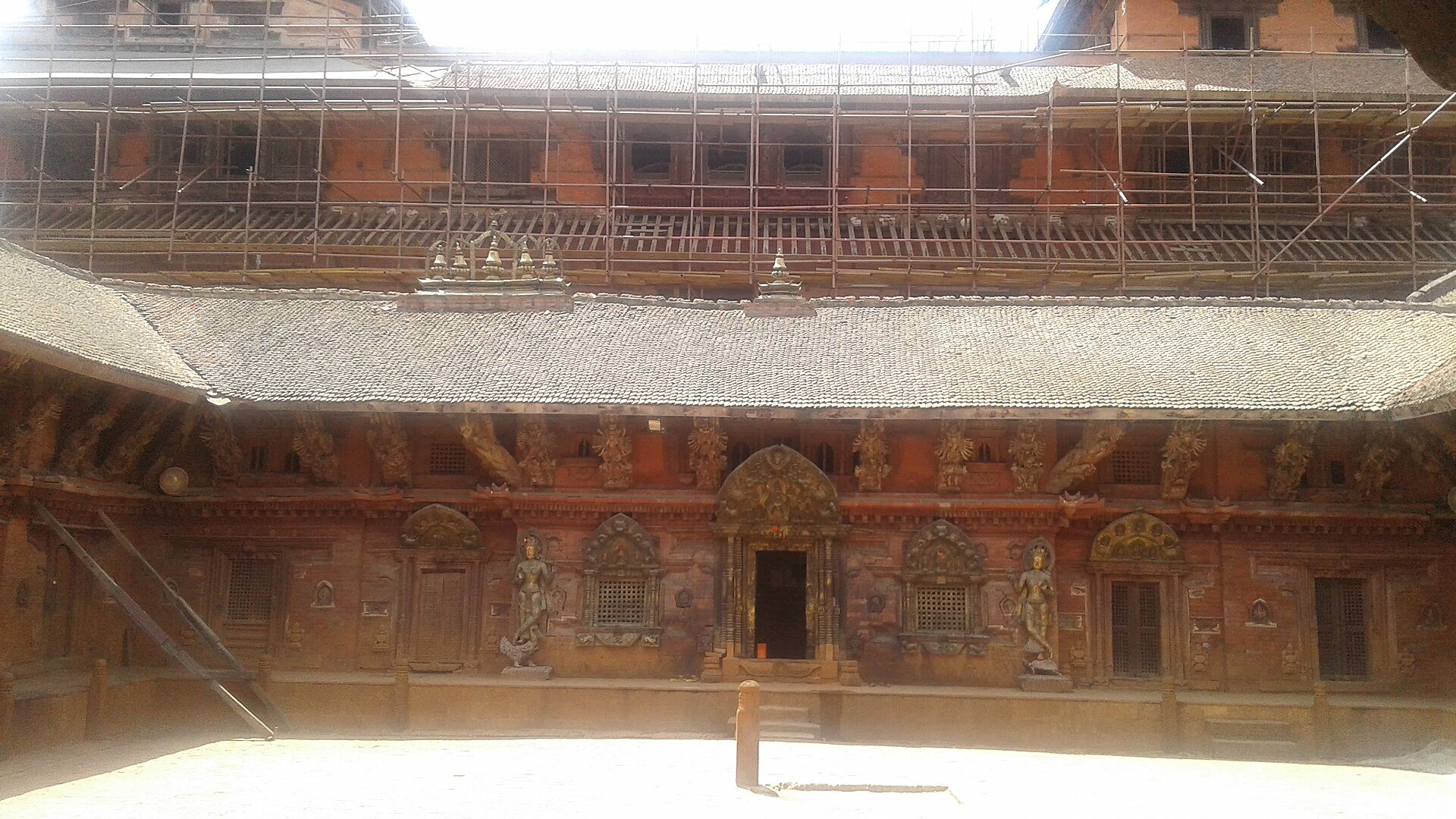
The most important courtyard of the palace is Nasal Chowk, the great central court that was the setting for the coronation of the kings of Nepal. Surrounded by carved buildings and dominated by the towers that rise above it, this courtyard was the ceremonial heart of the monarchy.

It was in Nasal Chowk that the kings of Nepal were formally enthroned, in ceremonies that combined the political act of coronation with the religious rituals of Hindu kingship. The courtyard was the stage on which the sacred majesty of the monarchy was displayed, tying each new king to the ancient traditions of the crown.
The court takes its name from an image of the dancing form of the god Shiva, and it is surrounded by structures rich in religious and artistic significance, including carved doorways and images of the gods. The whole space is charged with the sacred symbolism that underlies the institution of Nepali kingship.
Coronations continued to be held in Nasal Chowk into modern times, linking the newest kings of Nepal to the ancient rituals performed by their predecessors over the centuries. The courtyard thus preserved a living tradition of royal ceremony, one of the oldest and most sacred functions of the palace.
For the visitor, Nasal Chowk is the ceremonial core of Hanuman Dhoka, the courtyard where the drama of Nepali kingship was enacted. Surrounded by carved buildings and overlooked by the palace towers, it conveys the sacred and royal character of the whole complex more powerfully than any other single space.
It is sobering to reflect that the last coronations held in this courtyard belong not to some distant age but to living memory, and that the monarchy they consecrated has since been swept away. Standing in Nasal Chowk, one is aware of being in a space where history turned, where the ancient rituals of Himalayan kingship were performed for the last time before the coming of the republic. Few courtyards in the world hold so much recent as well as ancient history.
The Towers of the Palace
Rising above the courtyards are the tall towers that give Hanuman Dhoka its dramatic skyline, multi-storey structures added by the kings to command the palace and the city. The most famous is the great tower of Basantapur, a nine-storey structure that soars above the surrounding buildings.
The Basantapur tower and its companions were built to provide lofty vantage points and to add grandeur to the palace, their upper storeys offering sweeping views over Kathmandu and the valley beyond. Crowned with tiered roofs and adorned with carved windows, they are masterpieces of Newar architecture on a monumental scale.
The towers are named for the surrounding regions and cities of the valley, reflecting the reach of the Kathmandu kingdom, and their carved wooden windows and struts are among the finest in the palace. Their height and their ornament together make them the most striking architectural features of the whole complex.
From the towers the royal family and the court could look out over the city and the square, and their commanding presence expressed the majesty of the monarchy that built them. Rising above the pagoda roofs of the temples, they dominate the profile of Durbar Square.
The towers, with their tiered roofs and carved windows soaring above the courtyards, are among the great achievements of Newar building. They give Hanuman Dhoka its verticality and its drama, and their silhouette, rising above the square, is one of the defining images of old Kathmandu.
The Temple of Taleju
Within and around the palace stand temples of great sanctity, chief among them the temple of Taleju, the royal goddess of the kings of Nepal. Rising on a stepped platform above the surrounding buildings, the Taleju temple is one of the tallest and most sacred structures of the whole square.
Taleju was the tutelary deity of the Malla and Shah kings, the goddess upon whose favor the fortune and legitimacy of the monarchy were held to depend. Her worship was central to the religious life of the palace, and her temple, closed to all but the king and priests for most of the year, embodied the sacred foundations of Nepali kingship.
The temple rises in the tiered pagoda form characteristic of the valley, its multiple roofs diminishing toward the sky and adorned with the carved struts and gilded ornament of Newar art. Its height and its sanctity make it a dominant presence in the square, the sacred counterpart to the royal palace beside it.
The relationship between the king and the goddess was at the heart of the monarchy’s religious ideology, and the great festivals of the palace centered on her worship. The temple of Taleju was thus not merely a shrine but the spiritual anchor of the kingdom, the dwelling of the goddess who protected the crown.
For the visitor, the towering temple of Taleju is one of the most impressive sights of Durbar Square, a monument to the deep union of religion and royalty in Nepal. Though its innermost sanctum remains closed, its soaring form conveys the sacred majesty of the goddess who watched over the kings of Hanuman Dhoka.
The secrecy that still surrounds the innermost worship of Taleju is itself remarkable in the modern age, a reminder that Hanuman Dhoka is not merely a monument but a living religious site whose deepest rituals remain closed to outsiders. That a goddess venerated by medieval kings is still worshipped, her sanctum still guarded, long after the monarchy that served her has ended, testifies to the extraordinary persistence of the sacred traditions of the valley.
The Living Goddess
One of the most extraordinary traditions associated with the palace is that of the Kumari, the living goddess, a young girl believed to be an incarnation of the divine and venerated as a deity. The Kumari lives in a house near the palace, and her worship is one of the most remarkable religious practices of the Kathmandu Valley.
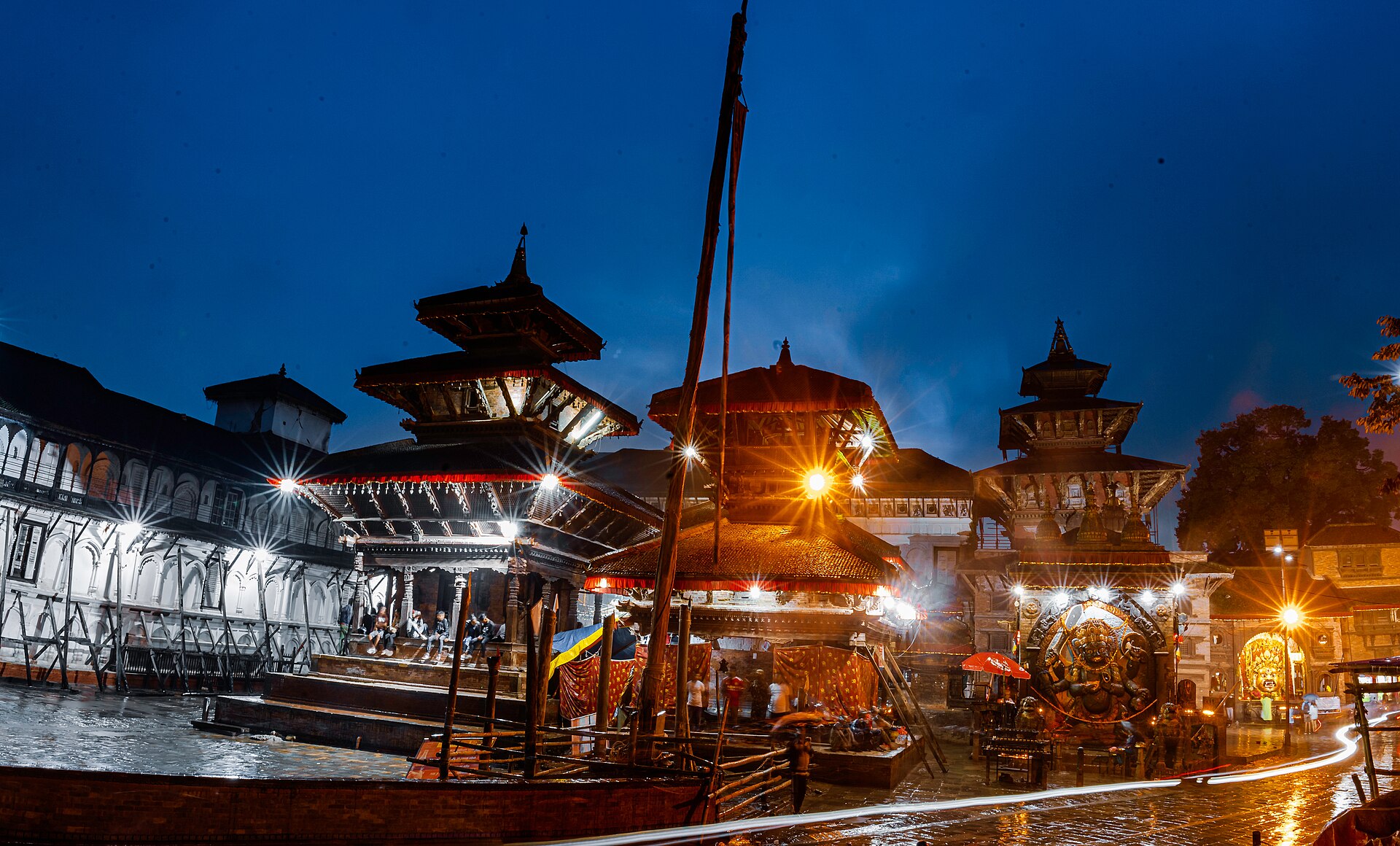
The Kumari is selected as a small child according to ancient criteria and installed as the living goddess, worshipped by devotees and honored by the king himself. She serves until she reaches maturity, when another child is chosen, and her presence embodies the belief in the living reality of the divine that permeates the valley.
The tradition of the royal Kumari was closely tied to the monarchy, for the king sought the blessing of the living goddess, and the relationship between the crown and the Kumari was central to the ceremonial life of the palace. The goddess’s blessing was held to confirm the king’s right to rule.
The Kumari appears in public during the great festivals of Kathmandu, above all the chariot festival held in her honor, when she is drawn through the streets in a great wooden chariot amid huge crowds. These festivals, centered on the palace and the square, are among the most important religious events of the valley.
The tradition of the living goddess gives the palace and its square a dimension found almost nowhere else in the world, a deity dwelling among the people in human form. It expresses the intense and living religiosity of the Kathmandu Valley, in which the divine is not remote but present, and it remains one of the wonders of Hanuman Dhoka and its world.
Festivals in the Royal Square
The palace and its square are the focus of the great festivals of Kathmandu, when the ordinary bustle of the marketplace gives way to processions, rituals, and rejoicing that fill the square with color and devotion. These festivals, many of them centuries old, are among the most vivid expressions of the living culture of the valley.
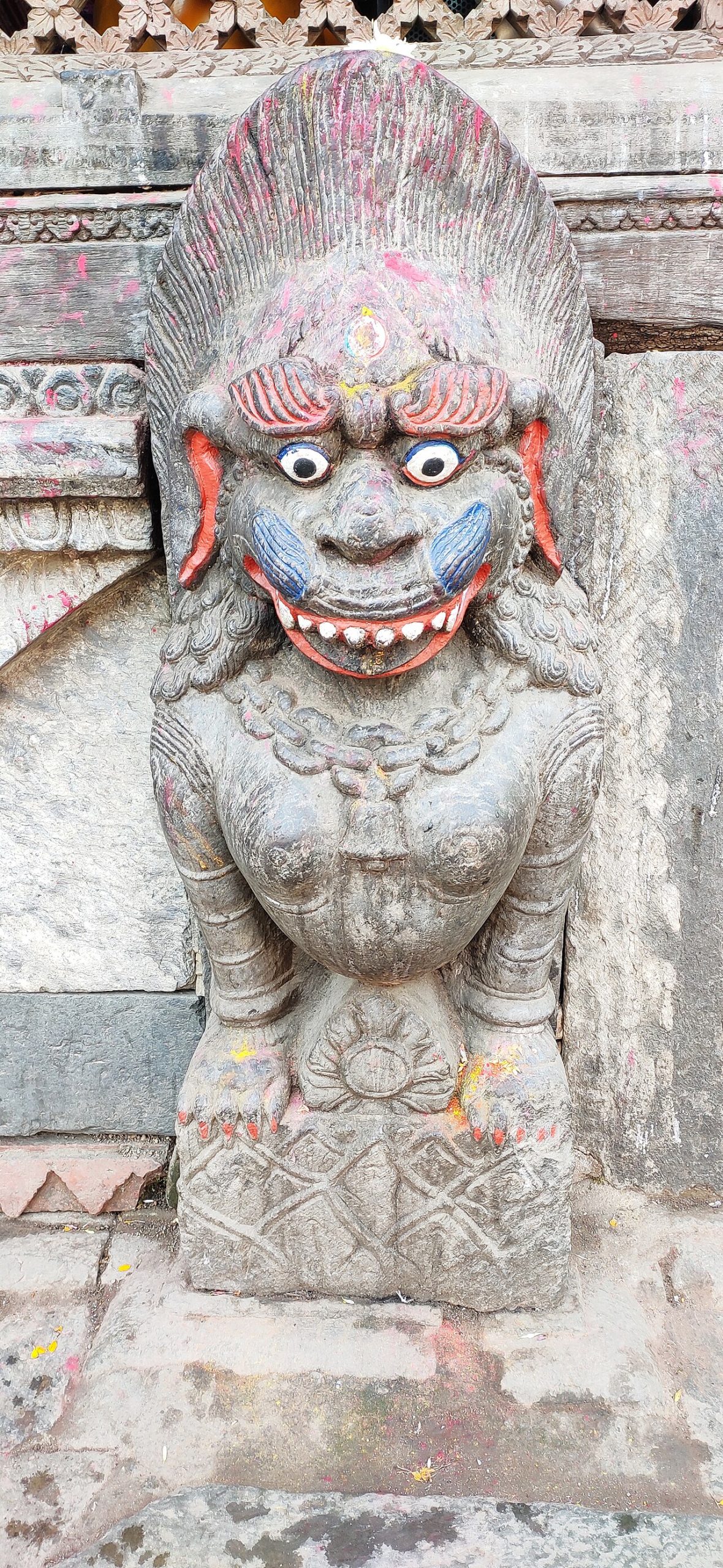
The greatest of these is the festival held in honor of the living goddess and the god Indra, when great chariots are drawn through the streets, masked dancers perform, and the whole city gathers in celebration. The palace and square are at the center of these observances, the royal and sacred heart of the festival.
Historically the king took part in these festivals, receiving the blessing of the living goddess and presiding over the rituals that renewed the bond between the monarchy, the gods, and the people. The festivals thus bound the crown to the religious life of the valley, affirming the sacred foundations of kingship.
Masked dances representing the gods, processions bearing sacred images, and the drawing of the great chariots through the square are among the spectacles of these festivals, which draw on traditions reaching back to the Malla period and beyond. They transform the palace and square into a stage for the sacred drama of the valley.
Though the monarchy has ended, the festivals continue, centered still on the palace and the square and on the living goddess who dwells nearby. In these enduring celebrations, the ancient religious and cultural traditions of the Kathmandu Valley live on, and the royal square remains, as it has for centuries, the ceremonial heart of the city.
Museums of the Monarchy
Today parts of the palace house museums dedicated to the kings of Nepal, preserving the memory of the monarchy and displaying the treasures and history of the royal house. These museums allow visitors to explore the interiors of the palace and to learn the story of the dynasty that ruled from it.
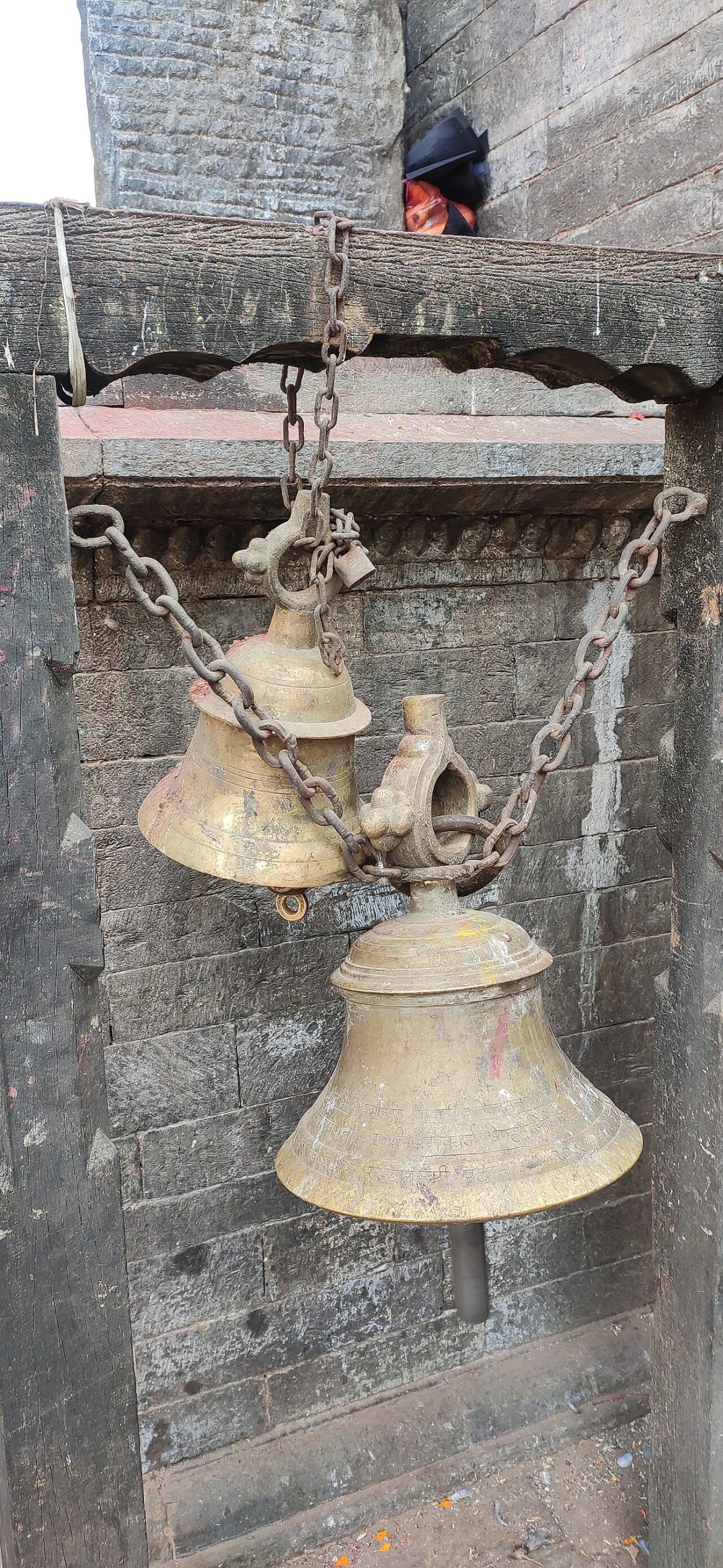
The museums include displays devoted to the modern Shah kings, with their personal effects, portraits, and the regalia and mementos of the monarchy. Through these collections the visitor can trace the history of the royal house and the events of the reigns that shaped modern Nepal.
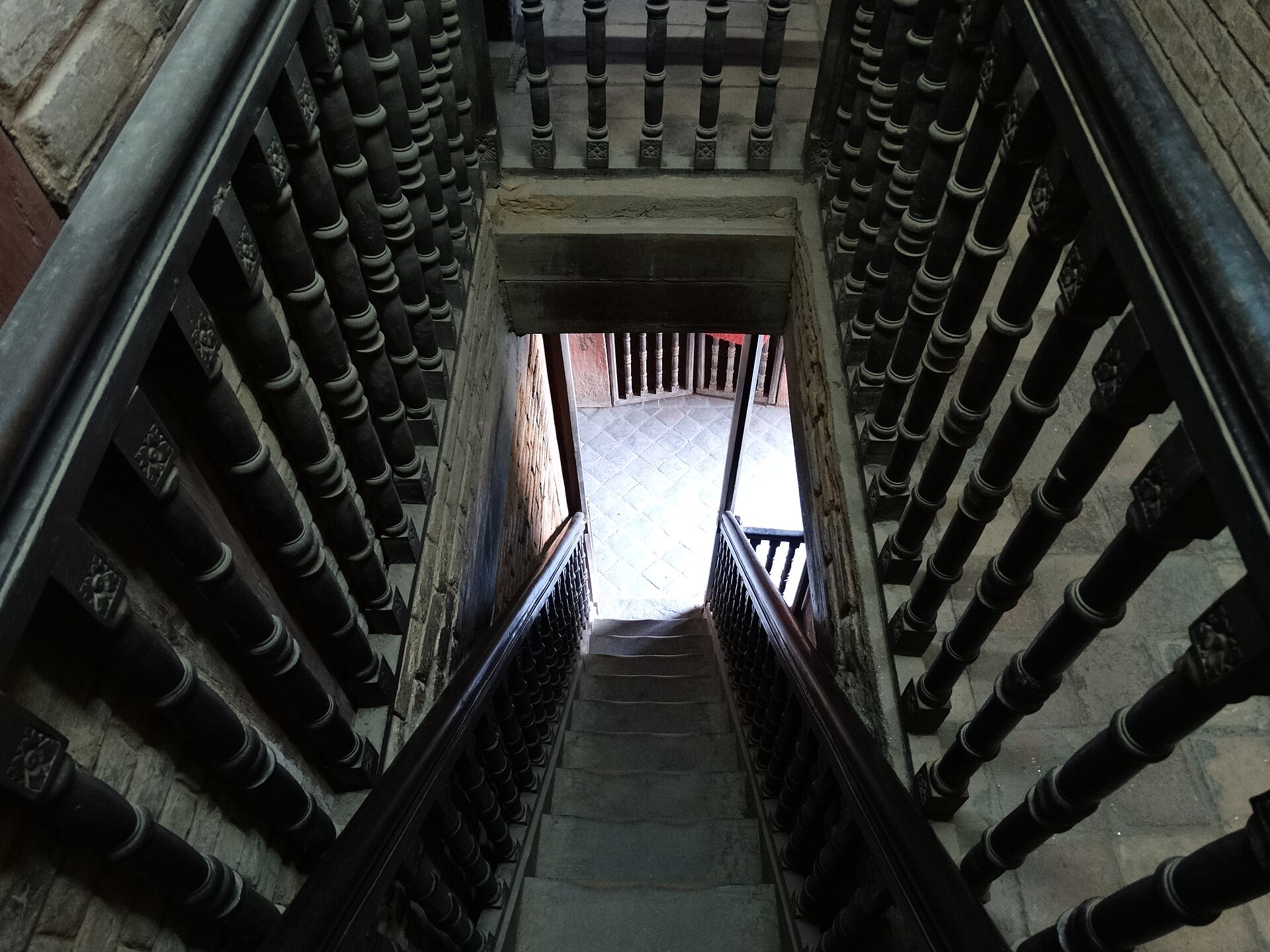
The palace interiors themselves, with their carved windows and historic rooms, are part of the experience, giving a sense of the life of the court within the ancient walls. Moving through the courtyards and halls, the visitor encounters both the art of the Newar craftsmen and the history of the kings they served.
The museums preserve the heritage of a monarchy that endured for centuries and came to an end only in the twenty-first century, when Nepal became a republic. They stand as a record of the royal institution that shaped the nation’s history, housed in the very palace from which the kings once reigned.
For the visitor, the museums add historical depth to the architectural splendor of Hanuman Dhoka, telling the human story of the monarchy alongside the artistic achievement of the palace. Together they make the complex a place to understand both the art of the Kathmandu Valley and the history of the Nepali crown.
Earthquake, Restoration, and the Palace Today
In 2015 a devastating earthquake struck Nepal, causing terrible loss of life and inflicting severe damage on the historic monuments of the Kathmandu Valley, including Hanuman Dhoka and the temples of Durbar Square. Several structures collapsed or were badly damaged, a grievous blow to the heritage of the valley.
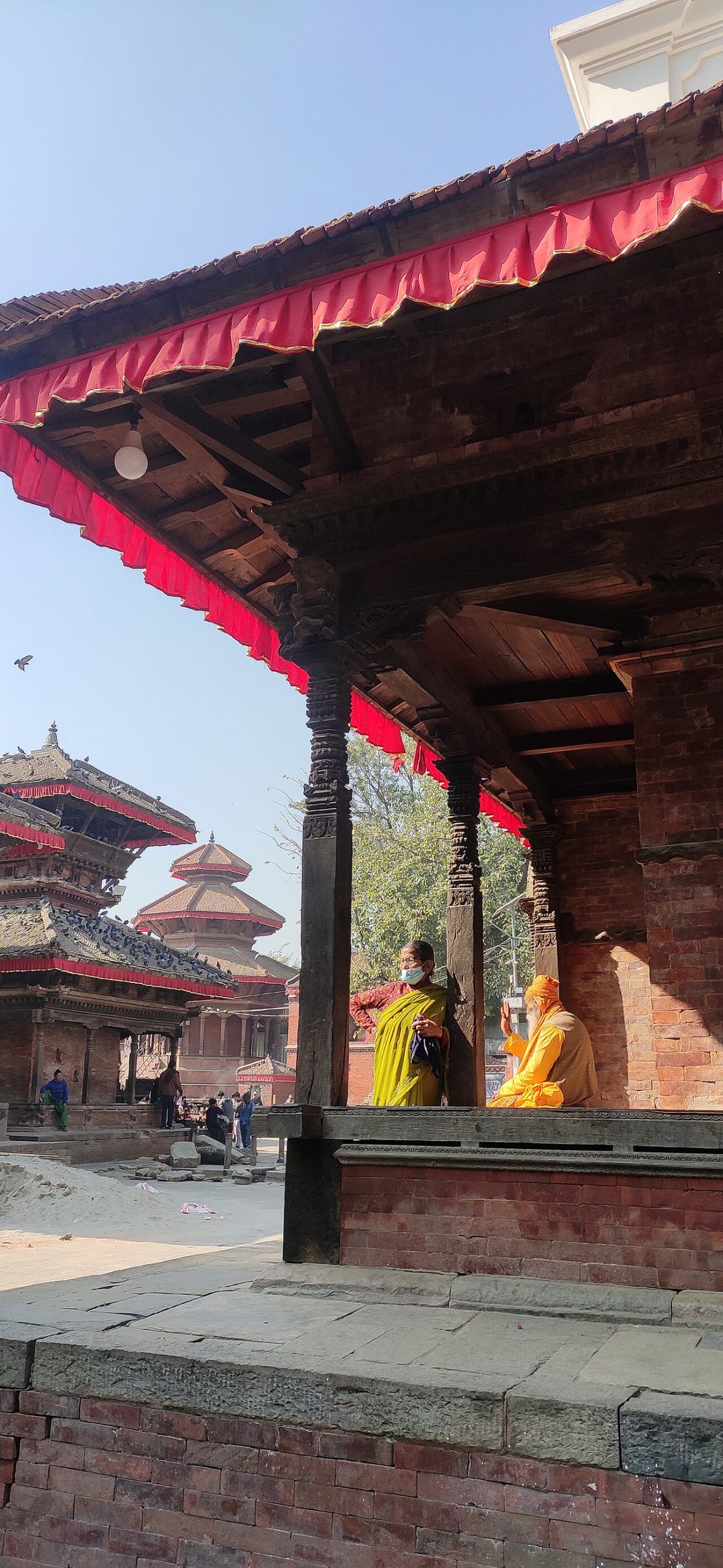
The earthquake was a catastrophe for the historic architecture of Nepal, toppling temples that had stood for centuries and damaging the palace complex. Yet it also prompted a great effort of restoration, as Nepal and the international community worked to repair and rebuild the damaged monuments using traditional methods and materials.
The restoration of Hanuman Dhoka and Durbar Square has been an ongoing project, employing the skills of Newar craftsmen to rebuild collapsed structures and repair damaged ones, preserving the artistic traditions that created them. The work is a testament to the enduring vitality of the valley’s craft heritage.
The palace and the square are inscribed, as part of the monuments of the Kathmandu Valley, on the UNESCO World Heritage List, recognized for their outstanding value as a masterpiece of Newar art and architecture. This recognition has supported the efforts to preserve and restore the damaged monuments.
To stand in Durbar Square today, before the carved windows and towers of Hanuman Dhoka and amid the pagoda temples of the square, is to encounter one of the great artistic and religious sites of Asia, wounded but enduring. The monarchy has ended and the earthquake has scarred it, but the ancient royal palace of Nepal remains the beating heart of old Kathmandu.
The 2015 earthquake is still a raw memory in Kathmandu, and a visitor today sees a square in the midst of healing, some monuments beautifully restored, others still braced with timber or reduced to their foundations. There is something moving in watching Newar craftsmen rebuild, chisel by chisel, the temples their ancestors raised, using the same tools and techniques. The wound is real, but so is the resilience, and the square endures as a living monument to a civilization that has survived far more than one earthquake.
Palaces Nearby
The carved palace of Kathmandu belongs with the other royal residences of southern and Himalayan Asia gathered here. Travel to the golden living court of the Khmer kings, and watch this space for another palace of the region to join them soon.
You May Like
The Alcazar of Seville: A Christian Palace of Moorish Splendor


One thought on “Hanuman Dhoka: The Carved Royal Palace of Kathmandu”