On the shore of the Gulf of Finland, between St. Petersburg and Peterhof, stands a palace with one of the most dramatic histories of any in Russia. The Konstantinovsky Palace at Strelna began as Peter the Great’s dream of a Russian Versailles, fell into near-total ruin over the troubled twentieth century, and was then spectacularly resurrected to become a glittering state residence where world leaders now gather.
Few palaces have travelled such a road, from imperial ambition through decay and abandonment to triumphant restoration. The palace that visitors see today is a careful recreation, risen from a shell that had seemed beyond saving, and its story is as much about the modern determination to reclaim a heritage as about the age that first conceived it.
This is the second of three articles on the imperial palaces further out from St. Petersburg, following Oranienbaum. Where Oranienbaum is treasured for surviving untouched, Strelna tells the opposite story, of a palace lost and then brought back to life. By the end you will understand why this restored Russian Versailles, now a residence of state, is one of the most remarkable palace stories in the country.
In This Article
- Arriving at the Russian Versailles
- Peter the Greats Grand Dream
- Building the Palace
- The Dream of Fountains That Could Not Be
- The Palace of a Grand Duke
- Decline, Ruin, and Abandonment
- A Spectacular Restoration
- A Palace of State and Summits
- The Restored State Rooms
- Gardens, Canals, and the Gulf
- Art and Collections in the Restored Palace
- Strelna on Film
- Visiting Strelna Today
Arriving at the Russian Versailles
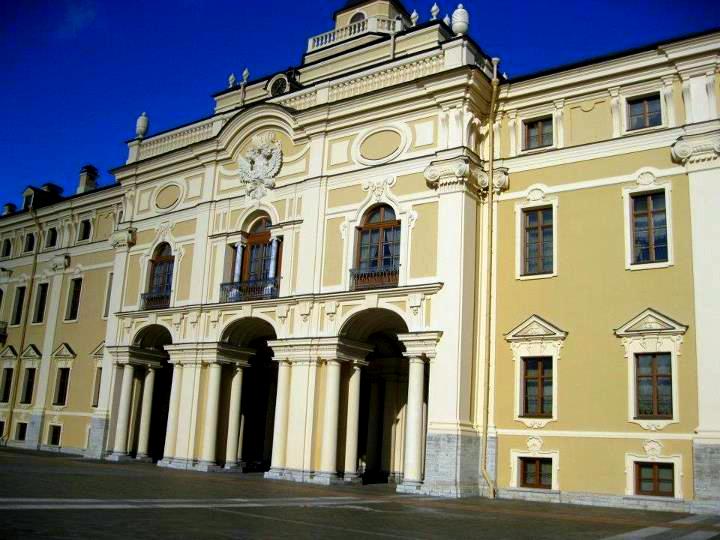
The Konstantinovsky Palace stands grandly above the Gulf of Finland, its long facade overlooking a system of canals and gardens that descend toward the water. Approaching it, you are struck by the scale and ambition of the composition, a palace conceived to rival the greatest in Europe, set in a landscape of water and formal grounds.
The palace and its grounds were designed as a single grand ensemble, with canals cut toward the gulf and gardens laid out to frame the building. This relationship with the water is central to the whole conception, a reminder of the original dream that gave birth to the palace, of a Russian answer to the great water-gardens of Versailles.
What you see today is the result of a comprehensive restoration, so the palace gleams with recovered splendor rather than showing the scars of its troubled past. Knowing the history of ruin and revival that lies behind this polished appearance adds a powerful dimension to a visit, a sense of witnessing a resurrection.
Take in the grand setting as you arrive, the palace above its canals and gardens with the gulf beyond. This is a place conceived on the grandest scale, and understanding its ambition, and the long struggle to realize and then to restore it, prepares you for the remarkable story that the building has to tell.
The approach makes clear at once that this was conceived as one of the grandest residences in the region, its scale matching the ambitions of the ruler who began it. Standing before the long facade with the canals stretching toward the gulf, you feel the force of a vision that aimed to place Russia among the great powers of Europe through the language of architecture.
Peter the Greats Grand Dream
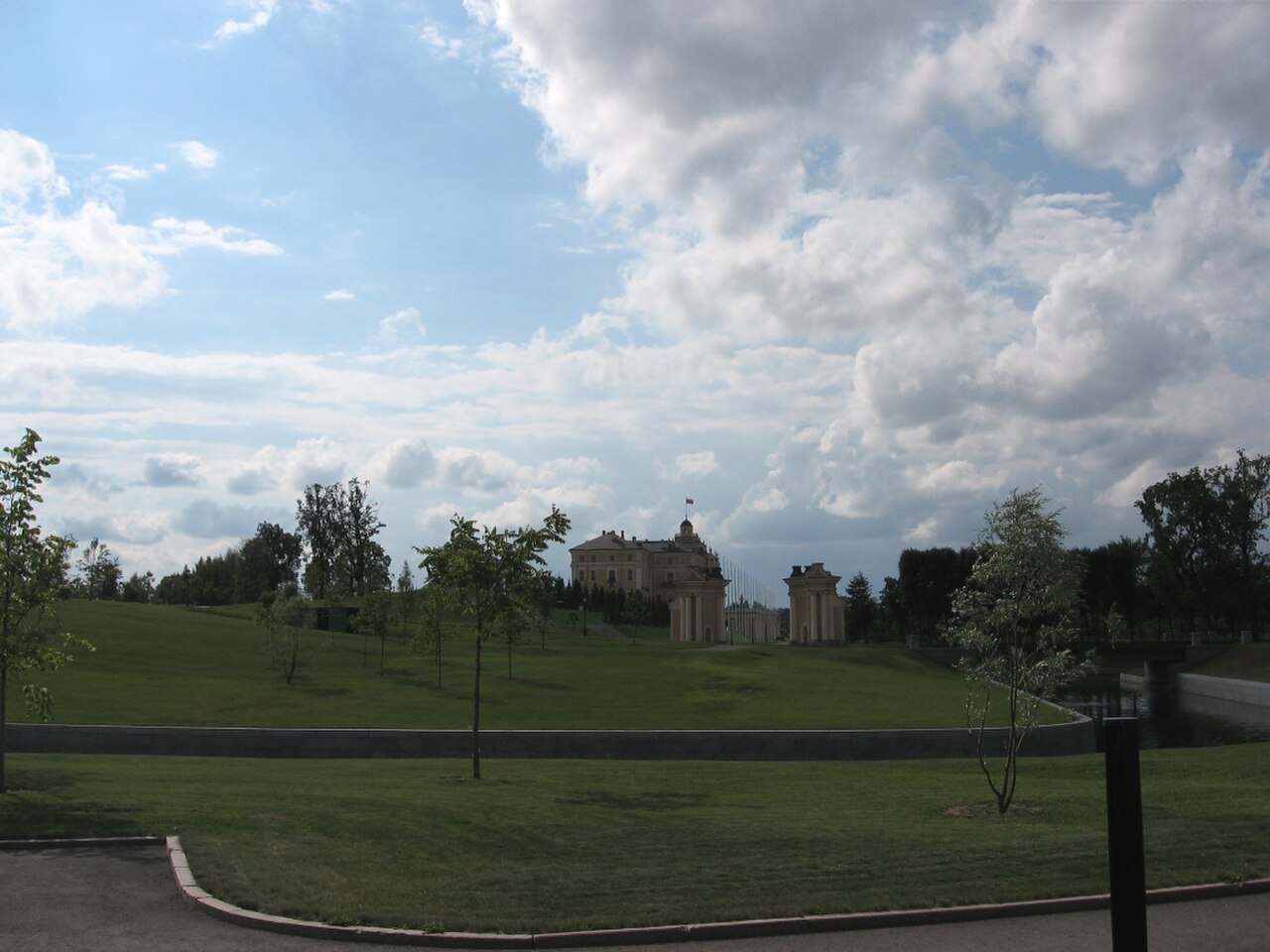
The palace at Strelna owes its origin to Peter the Great, who envisioned here a magnificent residence with grand fountains and canals, a Russian Versailles that would proclaim the glory of his new empire. He chose the site on the gulf for its potential, dreaming of a water-garden to rival the greatest in Europe.
Peter’s ambition was boundless, and Strelna was to be one of its grandest expressions, a palace surrounded by cascades and fountains fed by the waters of the surrounding land. He threw himself into the project with characteristic energy, determined to create something that would astonish the world and announce Russia’s arrival among the great powers.
The vision reflected Peter’s wider program of transformation, his drive to build a modern, European Russia with a splendid new capital and residences to match. Strelna was conceived as a key part of this grand design, a showcase of imperial magnificence on the shore of the gulf.
Yet the dream would prove difficult to realize fully, and the history of Strelna is in part the story of ambition meeting reality. Understanding Peter’s original vision is essential, for it explains the scale and layout of the palace and grounds, conceived for a spectacle of water that the site itself would ultimately resist.
Peter had seen the great palaces and gardens of western Europe during his travels, and he was determined that his new empire should possess their equal. Strelna was to be a key statement in this program, a demonstration that Russia could create beauty and grandeur to rival anything abroad, and he pursued the project with the restless energy that marked all his undertakings.
The founding of such a residence was also a statement of permanence, a declaration that the new capital and its surroundings would be adorned with palaces worthy of a great European power. Strelna was part of a whole constellation of imperial residences rising along the gulf, each contributing to the grand vision of a splendid new Russia.
Building the Palace
The construction of the palace drew on the talents of leading architects of the age, who gave it the grand baroque form that still defines it. Over time the building took shape above the gulf, its long facade and flanking wings designed to command the landscape and to provide a worthy setting for imperial life.
The work was not completed in a single campaign, and the palace evolved over years as plans changed and resources allowed. The result was a grand baroque residence, imposing in scale and elegant in design, set within gardens and canals that echoed the original ambition of its founder.
The architecture reflects the European baroque taste that Peter the Great and his successors imported to Russia, adapted to the demands of the site and the grand scale intended. Even in its restored form, the palace conveys the ambition of its creators, a building meant to impress and to embody the splendor of the empire.
The long and complex building history is part of what makes Strelna so interesting. Conceived in one age and shaped over many years, the palace carries the imprint of changing times and ambitions, and its eventual form is the product of a prolonged effort to realize a founder’s extraordinary dream.
The involvement of distinguished architects ensured that the palace would be a work of real quality, and successive hands contributed to its development over the years. Even as the original fountain dream faltered, the building itself advanced, taking on the grand baroque character that would define it through all its later vicissitudes.
The Dream of Fountains That Could Not Be

At the heart of Strelna’s story lies a fascinating problem. Peter the Great had hoped to create here a spectacle of fountains to rival the greatest in Europe, but the nature of the site made the grand fountain scheme difficult to achieve, as the land did not provide the natural pressure needed for the great cascades he envisioned.
This practical obstacle had lasting consequences. The dream of a fountain palace at Strelna was ultimately transferred elsewhere, to a nearby site where the famous imperial fountains could be realized in full, leaving Strelna to develop along different lines as a grand residence rather than a water-garden of cascades.
The story illustrates how even the most powerful rulers must contend with the stubborn realities of landscape and engineering. Peter’s ambition at Strelna outran what the site could deliver, and the grand fountain spectacle he imagined found its home at the more suitable location nearby, which became one of the wonders of Russia.
Yet Strelna retained its canals and its relationship with the water, and the grandeur of its conception survived even without the full fountain scheme. This history gives the palace a poignant quality, a monument to a dream only partly realized, and a reminder of the challenges that shaped the great imperial projects of the age.
In a sense, the difficulty at Strelna gave the world the glory of the nearby fountain palace, which became one of the most famous sights in all of Russia. The two sites are thus bound together by this history, one receiving the spectacle of water that the other could not sustain, a fascinating example of how landscape shapes the fate of great projects.
This episode is often cited as a classic example of grand ambition tempered by practical limits, and it adds a layer of human interest to the palace’s story. The dream was not abandoned but relocated, and both sites are richer for understanding how their fates were intertwined from the very beginning.
The Palace of a Grand Duke
The palace takes its name from Grand Duke Konstantin, a member of the imperial family to whose branch the residence came to belong. For generations it was associated with this line of the dynasty, serving as their residence and bearing their name, which it still carries today.
Under its grand ducal owners, the palace was maintained and used as an imperial residence, a grand country seat on the gulf for a branch of the ruling house. This long association shaped the building’s identity and its history, linking it to the personal fortunes of the family that called it home.
The grand dukes who lived here were figures of importance in the life of the empire, and the palace reflected their status and their role. Its name preserves their memory, a reminder of the imperial family whose residence it was through the long years before the upheavals of the twentieth century.
This chapter as a grand ducal residence forms an important part of the palace’s story, bridging the age of Peter the Great’s original vision and the dramatic events that would later bring the building to ruin. It was as the home of this imperial line that the palace knew its longest period of settled life.
The grand ducal branch associated with the palace included figures of cultural as well as political importance, some known for their patronage of the arts and their contributions to Russian life. The palace was the backdrop to their family history, a grand residence that reflected their standing within the wider imperial house.
Decline, Ruin, and Abandonment
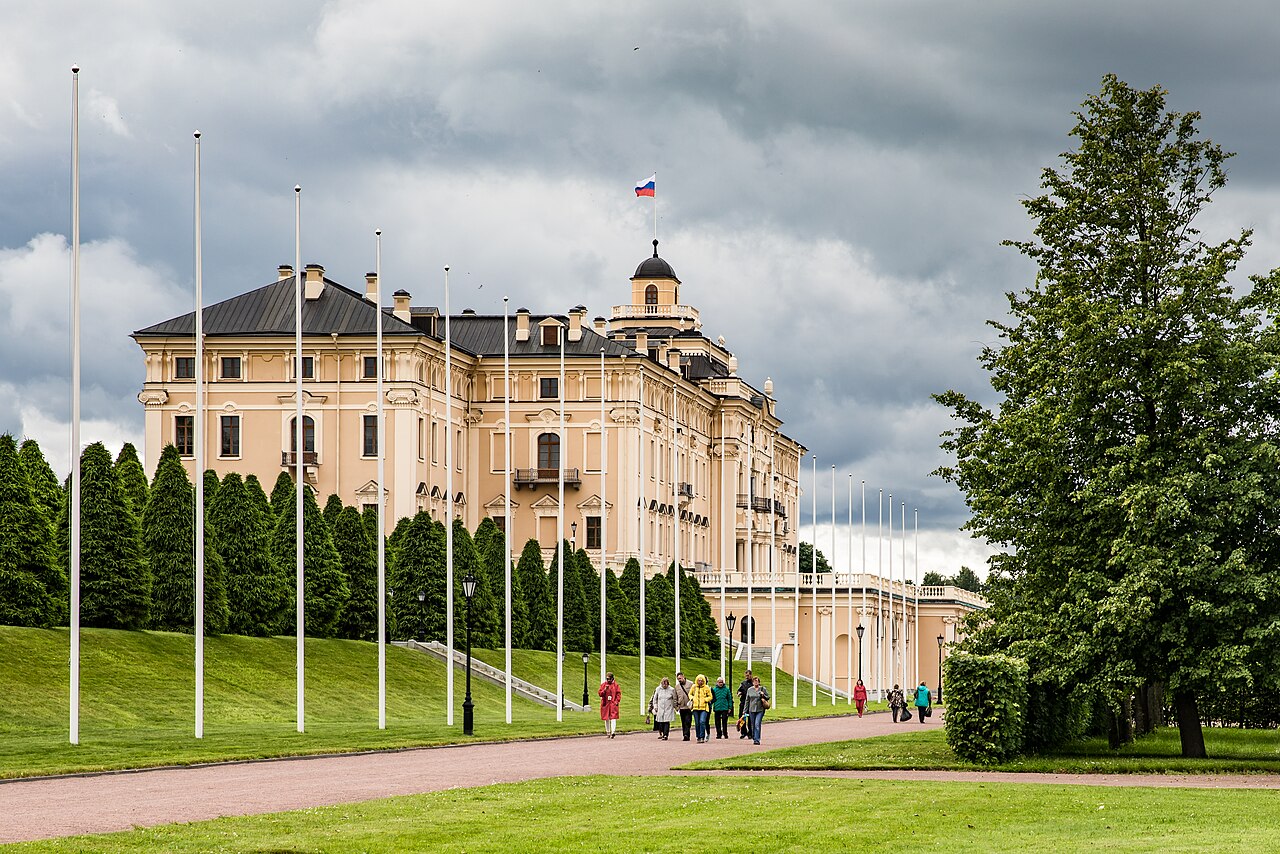
The twentieth century was catastrophic for the palace. With the fall of the imperial order, it lost its purpose and its owners, and over the following decades it suffered neglect, damage, and decay. Put to various uses and battered by the upheavals of the age, including the devastation of war, the once-grand residence fell into ruin.
By the latter part of the century, the palace had reached a desperate state, its interiors gutted, its fabric decaying, and its grounds neglected. What had been a magnificent imperial residence stood as a melancholy shell, seemingly beyond hope of recovery, a casualty of the turbulent history that had engulfed the country.
This period of ruin is a stark chapter in the palace’s story, a reminder of how much was lost in the convulsions of the twentieth century. The building that had embodied the ambition of Peter the Great and served generations of the imperial family was reduced to a crumbling relic, its future in grave doubt.
That the palace survived at all to be restored is remarkable, given the depth of its decline. The story of its ruin makes the later restoration all the more extraordinary, a recovery from near-total loss that few would have thought possible when the building stood abandoned and decaying.
For much of the twentieth century the palace seemed destined for oblivion, its grandeur a distant memory and its fabric crumbling. Visitors to the site in those years found only a melancholy ruin, and few could have imagined the transformation that awaited it at the turn of the new century.
The various uses to which the building was put during these years, far from its original purpose, accelerated its decline, and the damage of war compounded the neglect. By the time serious attention turned to its rescue, the task of restoration appeared daunting in the extreme.
A Spectacular Restoration
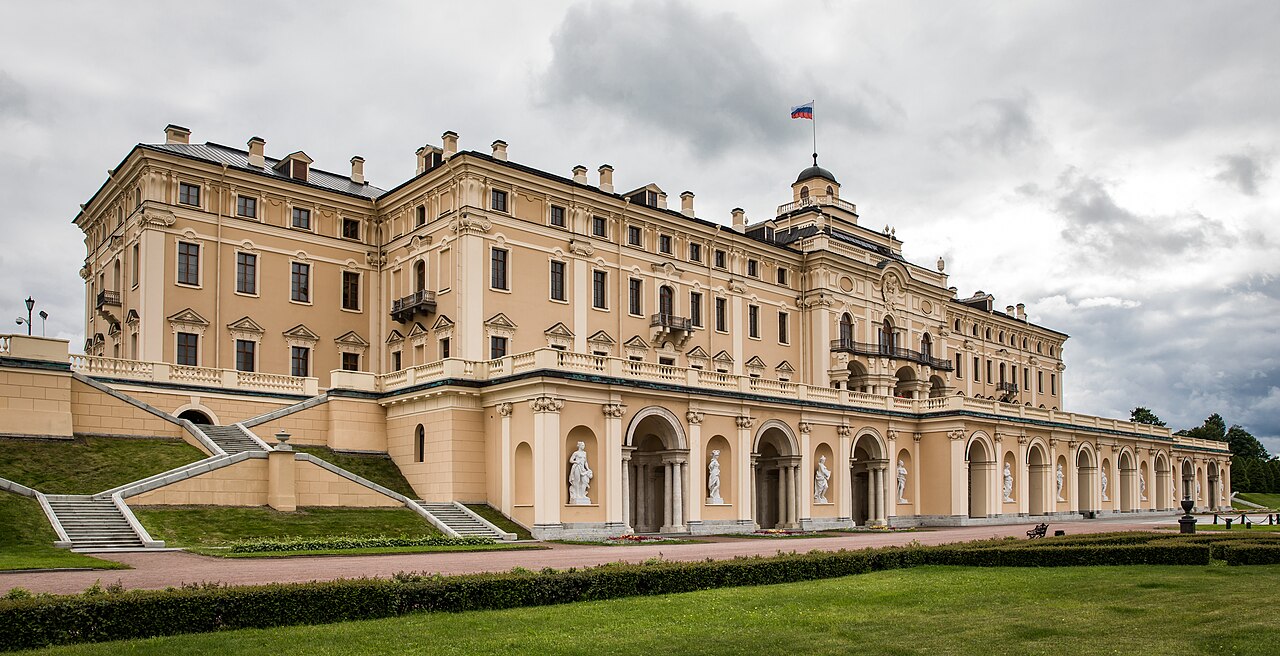
At the turn of the twenty-first century, the palace was the subject of an extraordinary restoration, undertaken to coincide with a major anniversary of the city of St. Petersburg. In a remarkably short time, the ruined building was comprehensively rebuilt and its grounds restored, transforming the melancholy shell into a gleaming palace once more.
The scale and speed of the restoration were impressive, bringing together architects, craftsmen, and vast resources to recreate the palace and its setting. Interiors were rebuilt, the facade restored, and the canals and gardens revived, so that the ensemble could once again be experienced as its creators had intended.
This restoration was part of a wider effort to reclaim and celebrate the heritage of St. Petersburg, and the rebirth of Strelna was among its most striking achievements. The transformation from ruin to splendor stands as a testament to the determination to recover what had been lost and to give the palace a new future.
Knowing the depth of the ruin from which it was raised, visitors can appreciate the restoration all the more. The palace that gleams today is a modern recreation of a historic vision, a remarkable feat of revival that returned a lost masterpiece to life and gave it a new and unexpected role.
The restoration drew on extensive research into the palace’s history and original appearance, combining this knowledge with modern techniques to recreate the building and its setting. The achievement was widely celebrated as a symbol of the city’s revival and of a renewed commitment to preserving and reclaiming the heritage of imperial Russia.
For many, the rebirth of Strelna became emblematic of a broader determination to restore the grandeur of St. Petersburg and its surroundings, reclaiming the beauty that history had damaged. The speed and ambition of the project reflected the symbolic weight attached to the palace and to the anniversary it was meant to honor.
A Palace of State and Summits
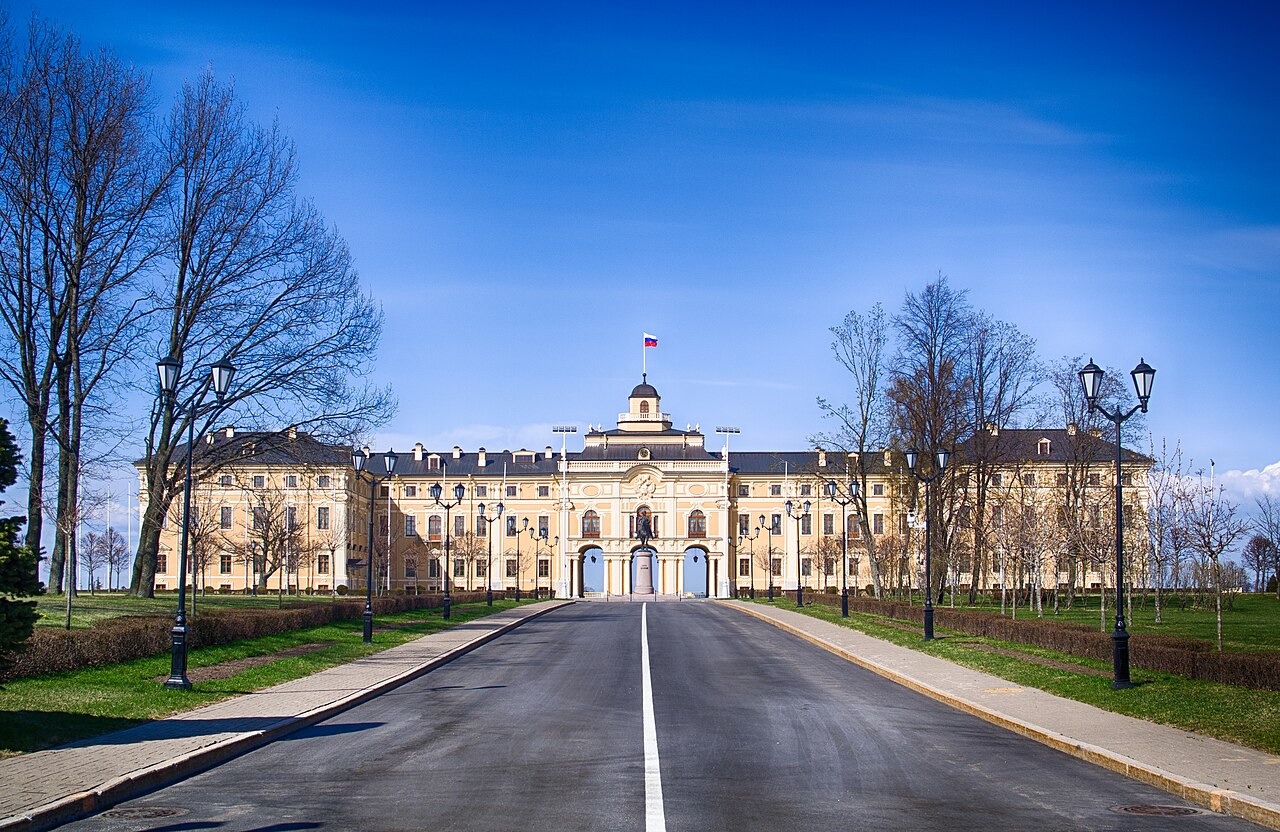
The restored palace was given a new role as a state residence, a place for official functions, international meetings, and the ceremonial business of the nation. In this capacity it has hosted major summits and gatherings of world leaders, becoming a stage for high diplomacy in the twenty-first century.
This new function gives the palace a living purpose quite different from its origins, connecting its imperial grandeur to the affairs of the modern state. Where once it served an emperor’s dream and a grand duke’s household, it now serves the ceremonial and diplomatic needs of the country, a grand setting for events of international importance.
The choice of the palace for such a role reflects both its restored splendor and its symbolic weight as a monument to Russian history and ambition. Its grand halls and beautiful setting provide an impressive backdrop for official occasions, lending the dignity of history to the business of the present.
For visitors, this status adds a contemporary dimension to the palace’s long story. It is not a museum frozen in the past but a working residence of state, and knowing that world leaders have gathered in its restored halls connects the imperial dream of Peter the Great to the living history of the modern age.
Hosting gatherings of world leaders has given the palace a prominence in contemporary affairs that few historic residences enjoy, placing it at the center of international events. This role has also ensured its continued maintenance and importance, securing its future as a living institution rather than a static monument.
The transformation of a ruined imperial palace into a modern seat of state is itself a striking symbol, bridging the imperial past and the present in a single building. Few places capture so vividly the long continuities and sharp ruptures of Russian history as this palace, which has served an emperor’s dream, a grand ducal family, and now the modern state.
The Restored State Rooms
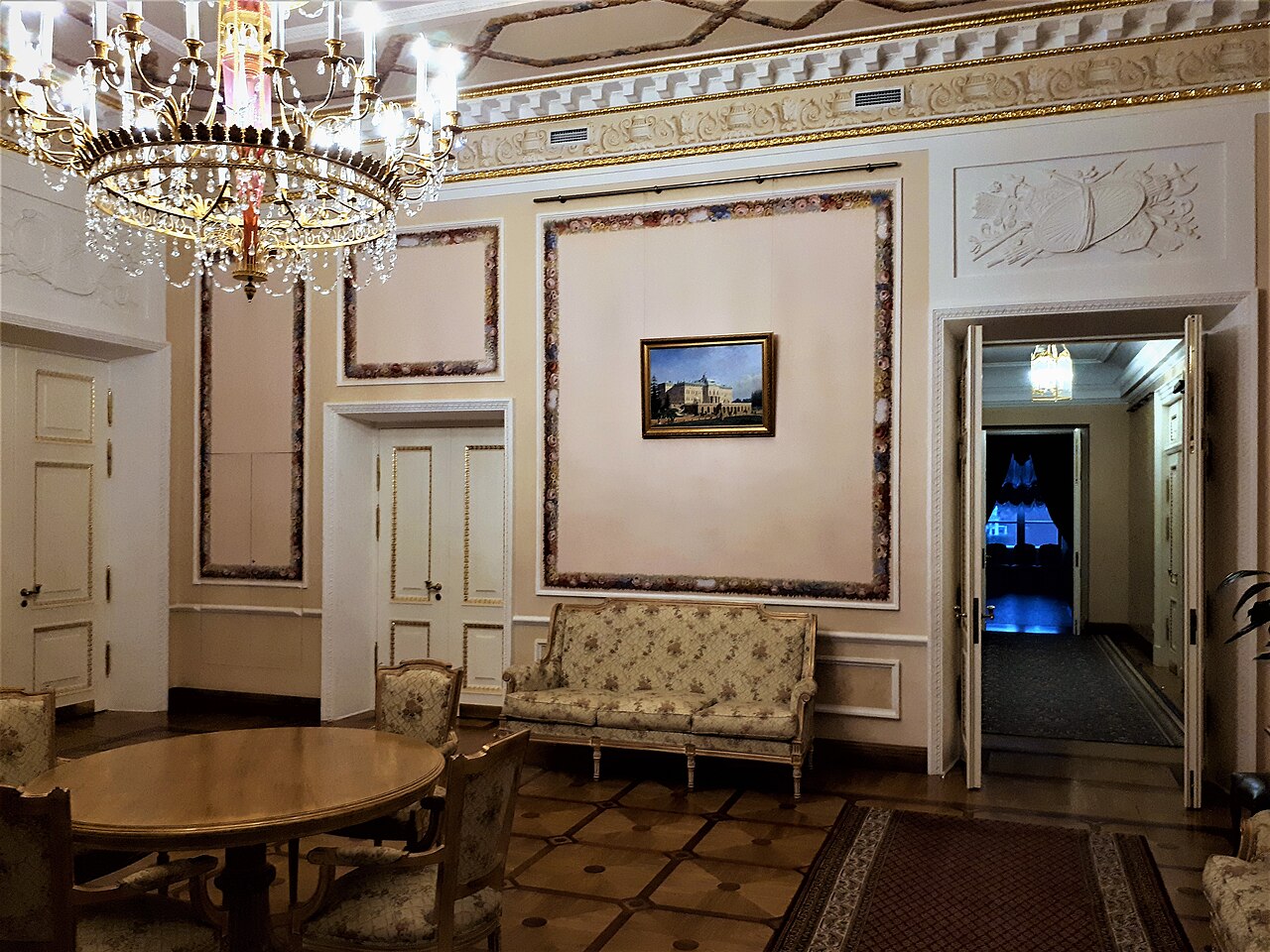
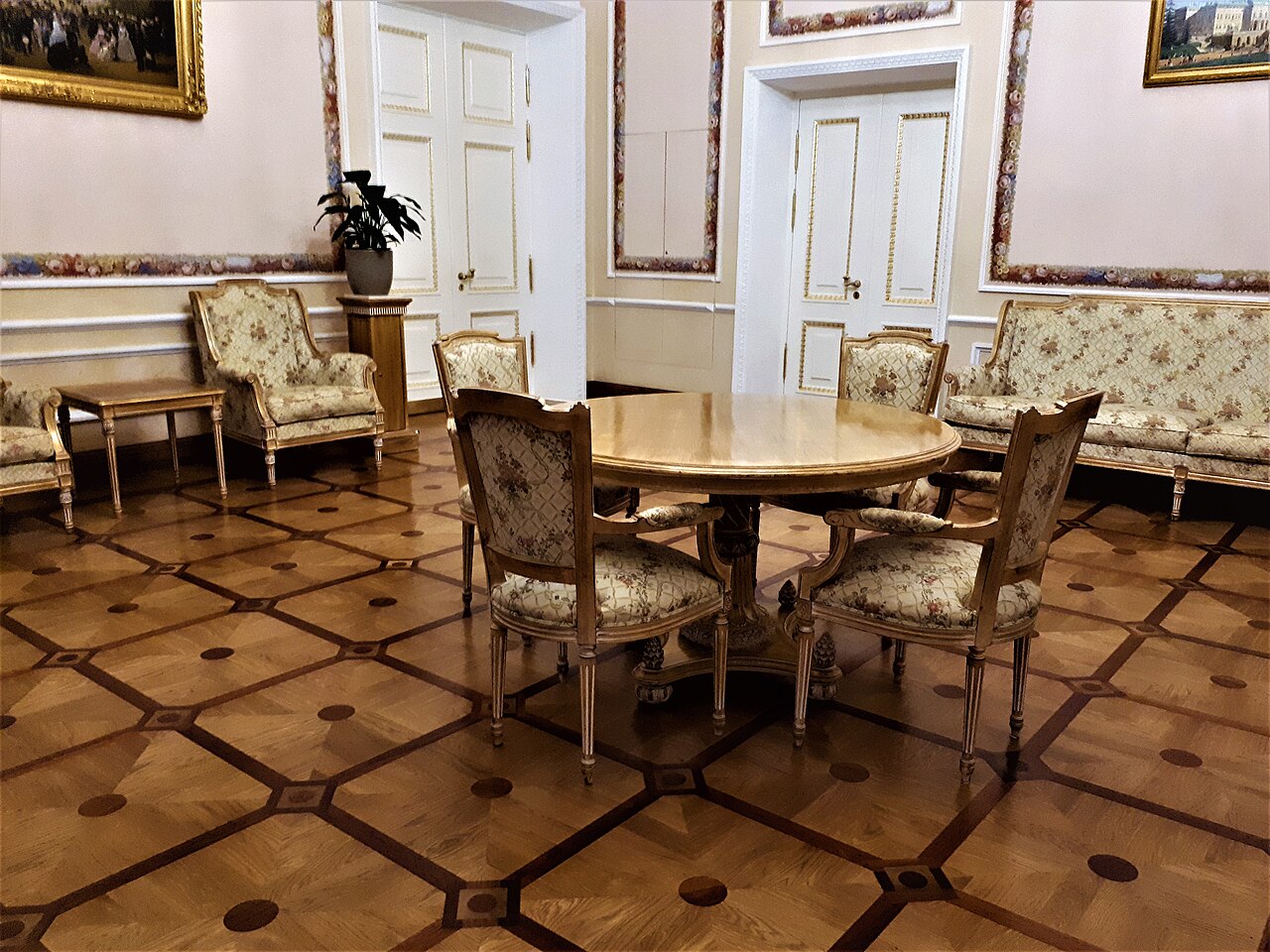
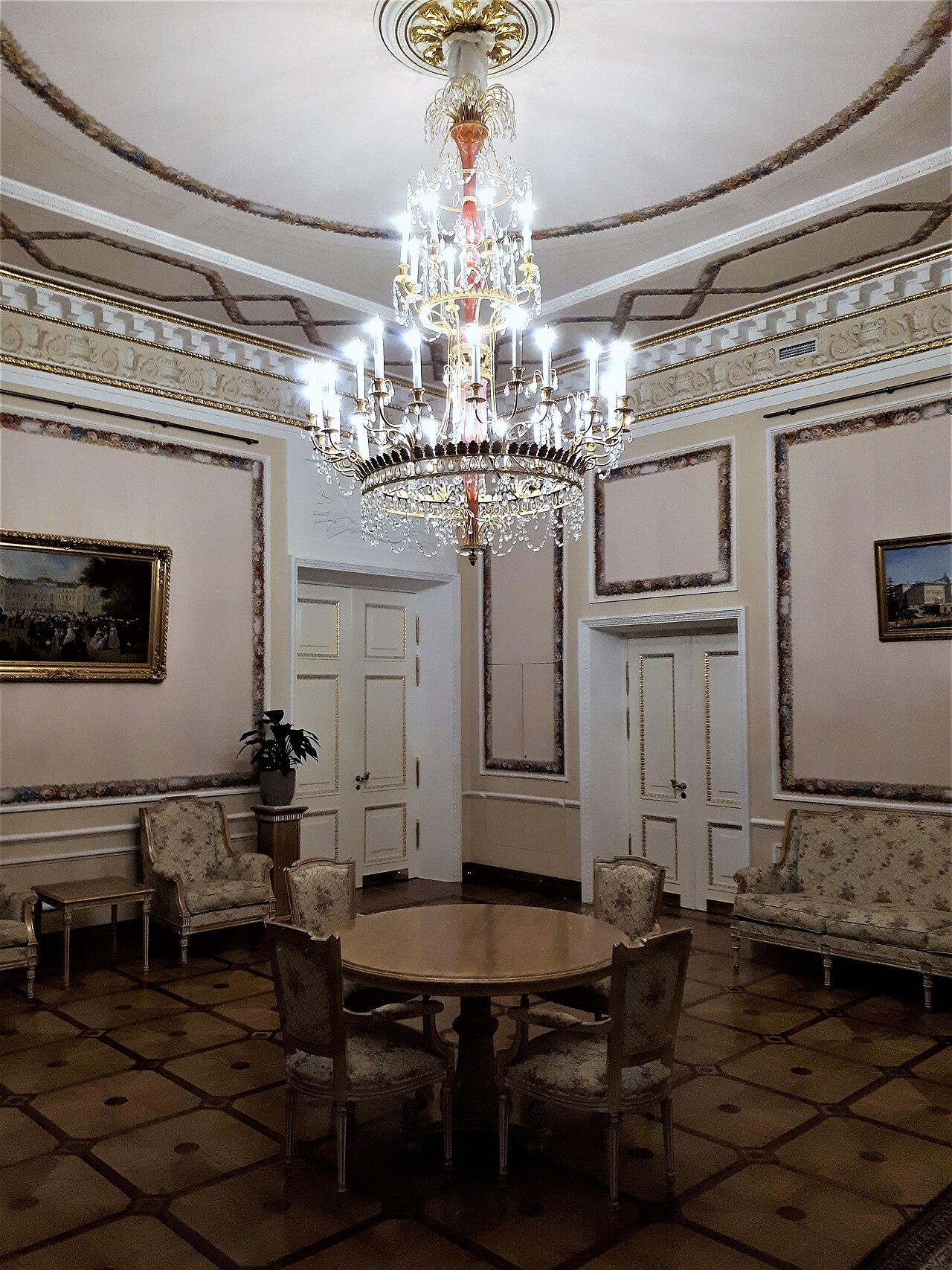
Inside, the palace presents a sequence of grand state rooms, recreated during the restoration to evoke the splendor appropriate to an imperial residence and a modern seat of state. Halls for receptions and ceremonies, decorated with the richness expected of such a palace, provide impressive settings for the functions the building now hosts.
Because the interiors were rebuilt rather than preserved, they represent a recreation of historic splendor rather than an authentic survival, a contrast with palaces like Oranienbaum. Nonetheless, they are handsome and dignified, designed to serve both as a reminder of the palace’s heritage and as practical spaces for its contemporary role.
The state rooms combine historic inspiration with the requirements of a modern state residence, creating interiors that are both grand and functional. They provide the setting for official events and also allow visitors, when the palace is open to them, to experience something of its restored magnificence.
Walking through these halls, you sense the dual identity of the restored palace, at once a tribute to its imperial past and a working residence of the present. The interiors embody the successful revival of the building, giving renewed life to a palace that had seemed lost forever.
The careful recreation of the interiors involved studying historical records to capture the spirit of the original decoration, even where exact reconstruction was impossible. The result is a set of rooms that honor the palace’s heritage while meeting the practical demands of its contemporary role, a thoughtful balance between past and present.
Gardens, Canals, and the Gulf
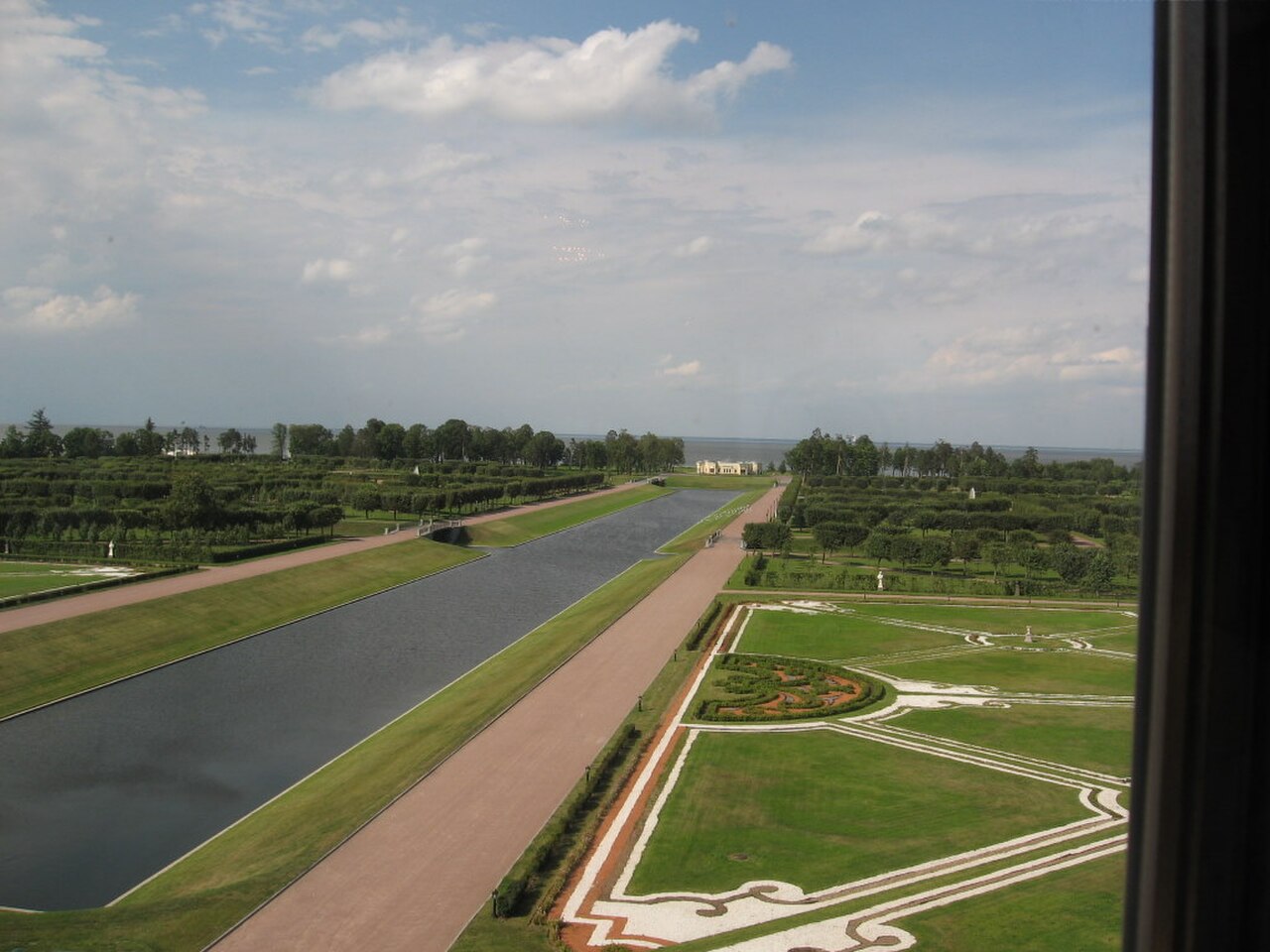
The grounds of the palace are an essential part of its grandeur, with gardens and canals laid out to connect the building to the Gulf of Finland. The canals, cut toward the water, recall the original ambition of a grand water-garden and give the ensemble its distinctive relationship with the sea.
Restored along with the palace, the gardens provide a beautiful setting that frames the building and extends its grandeur into the landscape. Formal layouts, water features, and open vistas combine to create an environment worthy of the palace, and a pleasant place to walk and appreciate the whole composition.
The relationship with the gulf remains central to the character of Strelna, as it was in Peter the Great’s original vision. Even without the full spectacle of fountains he had dreamed of, the canals and the open water give the grounds a sense of grandeur and connection to the sea that defines the place.
For visitors, the gardens and canals offer a beautiful complement to the palace, a chance to appreciate the full ensemble of building and landscape. They embody the ambition of the original conception and the success of the restoration, which revived not only the palace but the grand setting designed to surround it.
Walking the grounds, you can trace the lines of the canals as they reach toward the gulf, a direct echo of Peter the Great’s founding vision. The interplay of water, greenery, and architecture gives the ensemble a distinctive beauty, and the open views toward the sea lend it a sense of space and freshness.
In summer the grounds come alive with greenery and reflected light on the canals, while in the colder months the ensemble takes on a stark, dramatic beauty against the grey waters of the gulf. Whatever the season, the relationship between the palace and the sea remains the defining feature of the setting, exactly as its founder intended three centuries ago.
Art and Collections in the Restored Palace
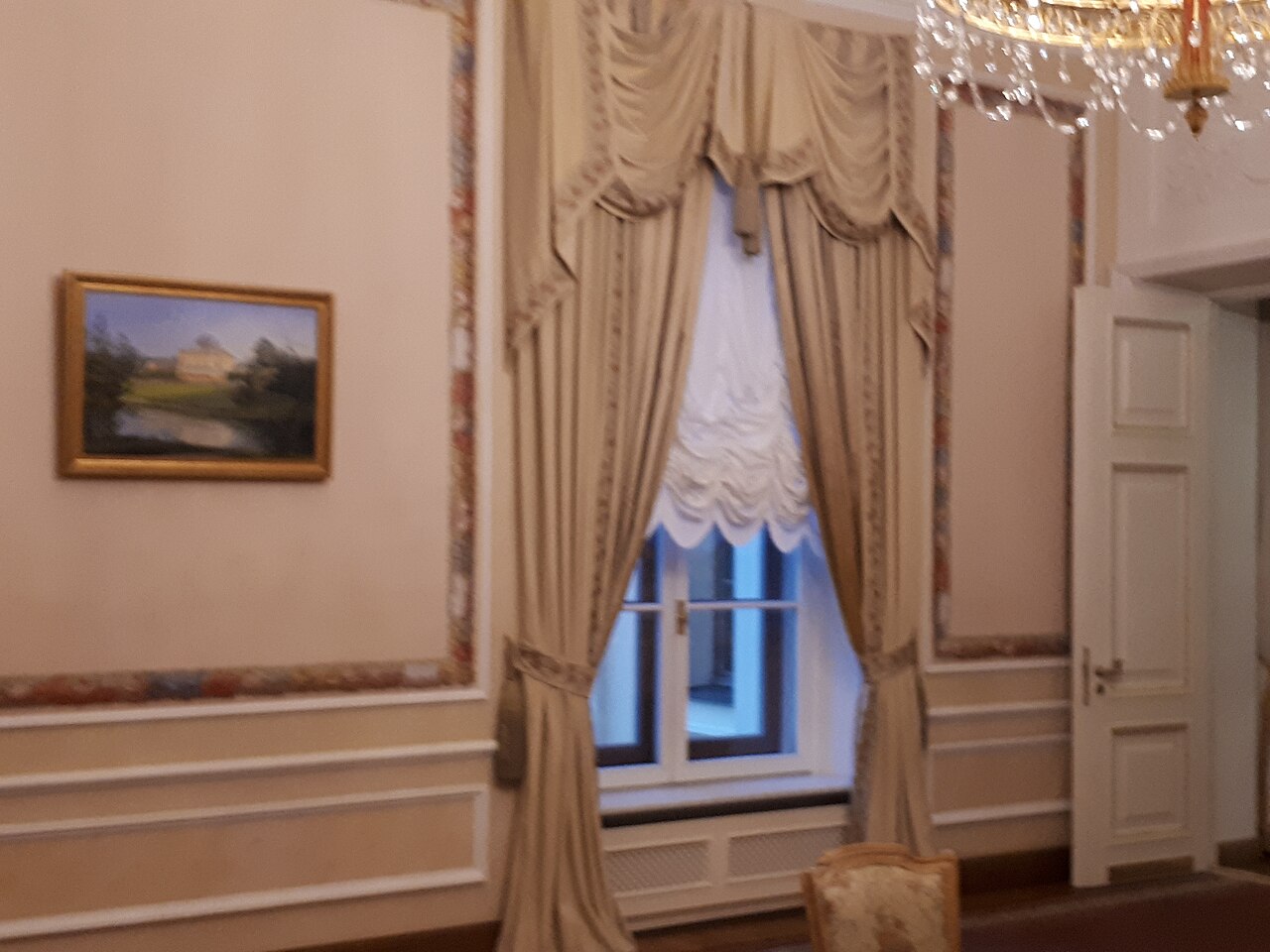
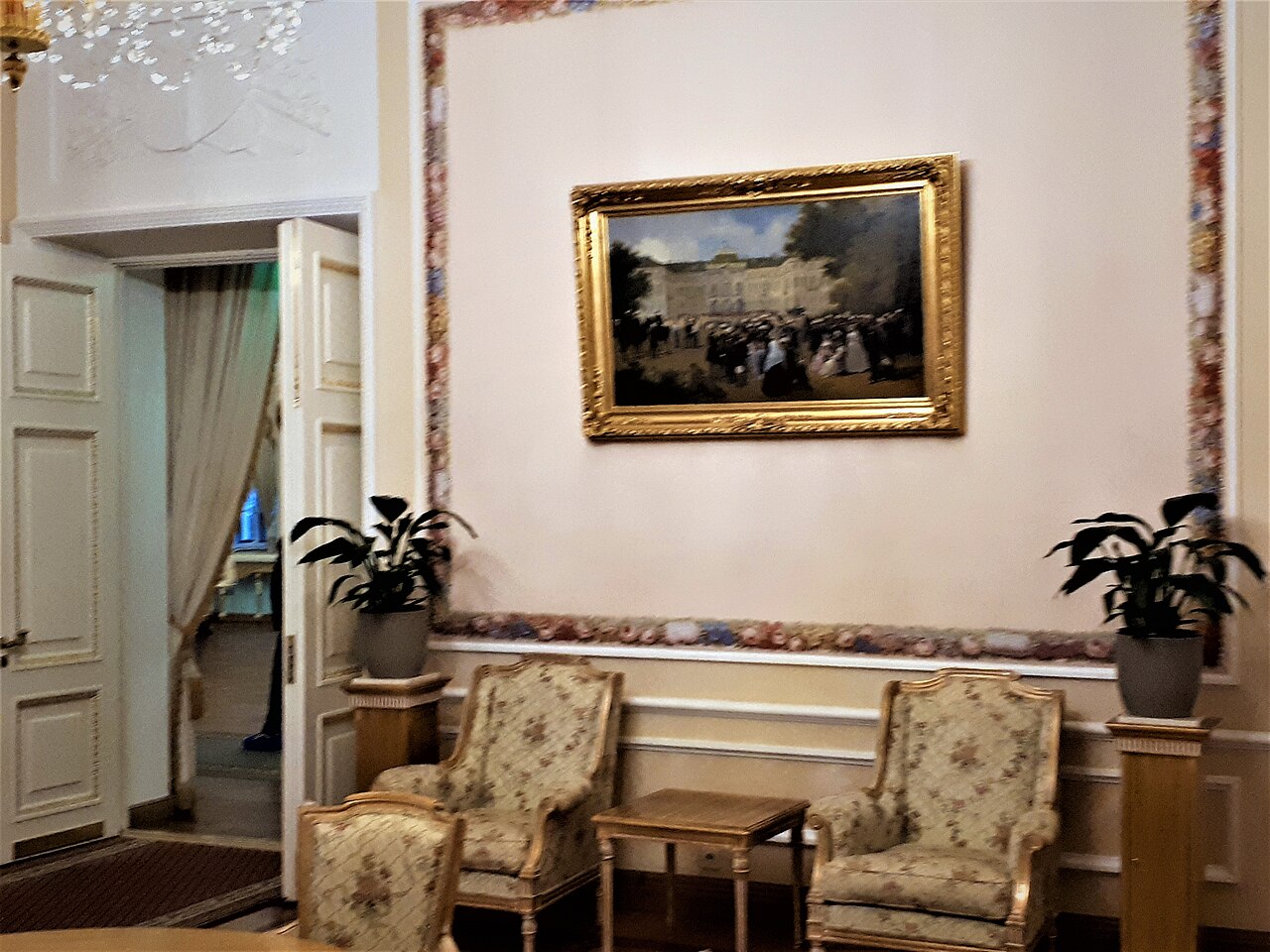
The restored palace has also become a home for art, housing collections that enrich a visit and add cultural depth to the building’s new life. Among these are notable gatherings of art and historic objects, assembled and displayed within the recreated interiors as part of the palace’s role as a cultural as well as a ceremonial center.
The presence of such collections links the palace to the broader cultural life of the country, continuing in a new form the tradition of great residences as repositories of art. The works on display complement the grandeur of the interiors and offer visitors additional reasons to explore the restored halls.
Displaying art within the palace also reflects the modern approach to its use, combining its ceremonial function with a role as a place of culture open, at times, to the public. This blending of purposes gives the restored palace a rich and varied life, far removed from its years of ruin.
For visitors with an interest in art, these collections add another dimension to a visit, turning the palace into more than a monument to its own dramatic history. They are part of what makes the restored Strelna a living institution, actively contributing to the cultural life of the present.
Such collections also reflect a deliberate effort to make the restored palace a center of culture, contributing to the artistic life of the region and giving visitors additional reasons to explore its halls. In this way the palace continues, in a modern form, the long tradition of great residences as homes for art and beauty.
Strelna on Film
Because the palace and its grounds form such a grand ensemble, a video walkthrough is a good way to appreciate the scale of Strelna and the success of its restoration. On film you can take in the long facade above the canals, move through the restored state rooms, and see the gardens that connect the palace to the gulf.
As you watch, keep in mind the extraordinary story of ruin and revival that lies behind the gleaming surfaces. Seeing the restored palace while knowing how close it came to being lost gives the footage a special resonance, highlighting the achievement of bringing such a building back from near-total decay.
Video also conveys the palace’s dual identity as both a historic residence and a modern seat of state, and its beautiful setting on the Gulf of Finland. Following a camera through the ensemble, you gain a vivid sense of why Strelna is one of the most remarkable palace revivals in Russia.
Visiting Strelna Today
Today the Konstantinovsky Palace at Strelna can be visited, offering the chance to experience its restored splendor and to learn its remarkable story of ruin and revival. Tours of the palace and its grounds reveal the recreated state rooms, the art collections, and the gardens and canals that connect the ensemble to the gulf.
The palace lies on the gulf between St. Petersburg and Peterhof, reached by road from the city, and a visit can be combined with other sights in the area. Because the palace also functions as a state residence, access may be subject to particular arrangements, so it is wise to check current information and booking requirements before visiting.
Allow time to appreciate both the palace and its setting, including the gardens and canals that are so central to its character. Knowing the dramatic history of the building, from Peter the Great’s dream through ruin to spectacular restoration, greatly enriches the experience of seeing it.
You will find Strelna on the Gulf of Finland southwest of St. Petersburg; see the map below to help plan your route: see the map below. Whether you come for the grand restored interiors, the beautiful gardens and canals, or the extraordinary story of a palace brought back from ruin, the Konstantinovsky Palace offers one of the most remarkable experiences among the residences around the old imperial capital.
For those interested in the dramatic sweep of Russian history, Strelna offers a story unlike any other palace in the region, encompassing imperial ambition, catastrophic decline, and triumphant revival. A visit is as much an encounter with this remarkable history as with the beauty of the restored building and its grounds.
View the location on Google Maps
Palaces Nearby
If you are exploring the imperial palaces around Saint Petersburg, these two pair naturally with a visit here:
You May Like
Konopiste the Bohemian Castle of a Doomed Archduke


One thought on “The Konstantinovsky Palace at Strelna, a Russian Versailles Reborn”