Few palaces in St. Petersburg have played so central a role in the history of Russia as the Tauride Palace. Built for Catherine the Great’s most powerful favorite, it is a masterpiece of Russian neoclassicism, celebrated for its vast colonnaded hall and its famous winter garden. But its greatest fame came later, when its halls became the cradle of Russian parliamentary democracy and the stage for the dramatic events of revolution.
The palace was the creation of Prince Potemkin, the statesman and favorite whose conquests and ambitions shaped the empire, and it takes its name from one of his greatest achievements. Grand yet elegant, it set a standard for Russian neoclassical architecture that influenced countless buildings across the country.
This is the third and final article in a set on the imperial palaces of the St. Petersburg region, following Oranienbaum and Strelna. The Tauride Palace brings the story into the heart of the capital and into the modern age, a building where imperial splendor met the birth of parliamentary politics. By the end you will understand why this elegant palace holds such a special place in both the art and the history of Russia.
In This Article
- A Masterpiece of Russian Neoclassicism
- The Palace of Catherines Great Favorite
- Named for the Conquest of the South
- The Architecture of Ivan Starov
- The Great Gallery and Its Colonnade
- The Famous Winter Garden
- Catherine, Potemkin, and the Early Palace
- An Imperial Residence
- The Cradle of Russian Parliament
- At the Center of Revolution
- A Style That Shaped a Nation
- The Tauride Palace on Film
- Visiting the Tauride Palace Today
A Masterpiece of Russian Neoclassicism
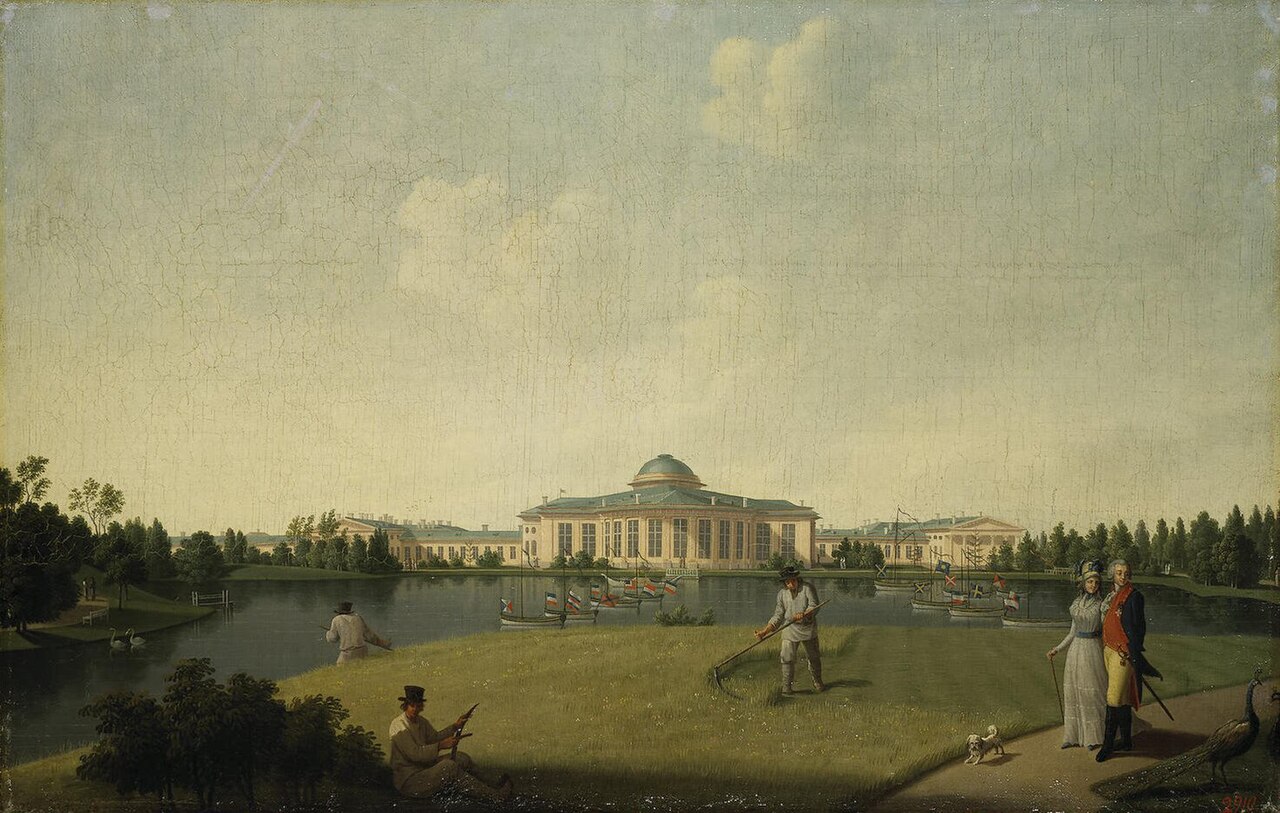
The Tauride Palace presents a face of calm, classical dignity, very different from the baroque exuberance of many other St. Petersburg residences. Its restrained facade, with a central portico and long low wings, embodies the ideals of neoclassicism, order, harmony, and a noble simplicity inspired by the architecture of antiquity.
This restraint is deliberate and sophisticated. Where earlier palaces dazzled with ornament, the Tauride Palace impresses through proportion and elegance, a cooler and more intellectual kind of grandeur. It reflects the changing taste of the late eighteenth century, when the classical ideal came to dominate European architecture.
Behind the modest exterior, however, lie interiors of real splendor, including one of the grandest halls in all of Russia. This contrast between the understated outside and the magnificent within is characteristic of the building and part of its particular appeal, rewarding those who venture inside.
Approaching the palace, you are looking at one of the key monuments of Russian neoclassicism, a building that influenced architecture across the empire. Understanding its place in the history of taste prepares you to appreciate both its elegant form and the remarkable events that would later unfold within its walls.
In a city famous for its palaces, the Tauride stands out precisely for its calm and classical restraint, a reminder that grandeur need not always shout. Its dignified presence has made it a landmark of the capital for more than two centuries, admired by generations of visitors and residents alike.
The palace also gives its name to the garden beside it, one of the oldest and most beloved landscape gardens in the city, which adds greatly to the pleasure of a visit. Together the palace and its garden form a harmonious ensemble, a green and classical oasis in the heart of the capital.
The Palace of Catherines Great Favorite

The Tauride Palace was built for Prince Potemkin, the most powerful of Catherine the Great’s favorites and one of the most remarkable figures of his age. Statesman, general, and administrator, he played a central role in the expansion and governance of the empire, and his relationship with the empress made him, for a time, the most influential man in Russia.
Potemkin’s achievements were vast, above all his role in extending Russian power to the south and incorporating new territories into the empire. His wealth and influence matched his ambitions, and the palace was an expression of his extraordinary position, a residence worthy of a man who stood at the very summit of power.
The relationship between Potemkin and Catherine the Great was one of the great partnerships of Russian history, combining personal affection with political collaboration. The palace is bound up with this story, a gift and a symbol of the bond between the empress and her most capable servant and companion.
Understanding Potemkin is essential to understanding the palace. It was built to reflect the status of an exceptional man, and its grandeur speaks of the heights he reached. The building stands as a monument to one of the most powerful favorites in European history and to the age of Catherine the Great that he helped to shape.
The figure of Potemkin looms large in the history of the age, a man of enormous energy and vision whose influence extended across the empire. His name remains attached to many of the achievements of Catherine the Great’s reign, and the palace is among the most tangible and splendid of the monuments associated with him.
His partnership with Catherine the Great extended across politics, war, and the administration of vast territories, making him one of the indispensable figures of her long and brilliant reign. The palace that commemorates him is a fitting monument to a career of extraordinary scope and achievement.
Named for the Conquest of the South

The palace takes its name from one of Potemkin’s greatest achievements, the incorporation into the empire of the southern lands known in classical times as Taurida. For this triumph Potemkin was honored with a title referring to the region, and the palace built for him came to bear the same name, commemorating his role in extending Russian power.
This connection gives the palace a particular historical resonance, linking it to one of the defining expansions of the Russian Empire. The name is a permanent reminder of Potemkin’s role in the conquest and development of the south, an achievement of great importance in the history of the empire.
The naming of the palace after this triumph was fitting for a residence built to honor so great a servant of the state. It tied the building to the glory of imperial expansion and to the personal achievements of the man for whom it was created, embedding history in the very name of the palace.
For visitors, the name is a key to understanding the palace’s origins and significance. It connects the elegant building in the capital to the great events far to the south, and to the ambitions of Catherine the Great’s reign, making the palace a monument to an age of expansion and imperial confidence.
The southern lands whose incorporation the name commemorates were of great strategic and symbolic importance to the empire, opening new horizons to the south and the sea. The palace thus carries in its name the memory of a defining moment in Russia’s expansion, linking an elegant building in the capital to events that reshaped the map of the empire.
The Architecture of Ivan Starov
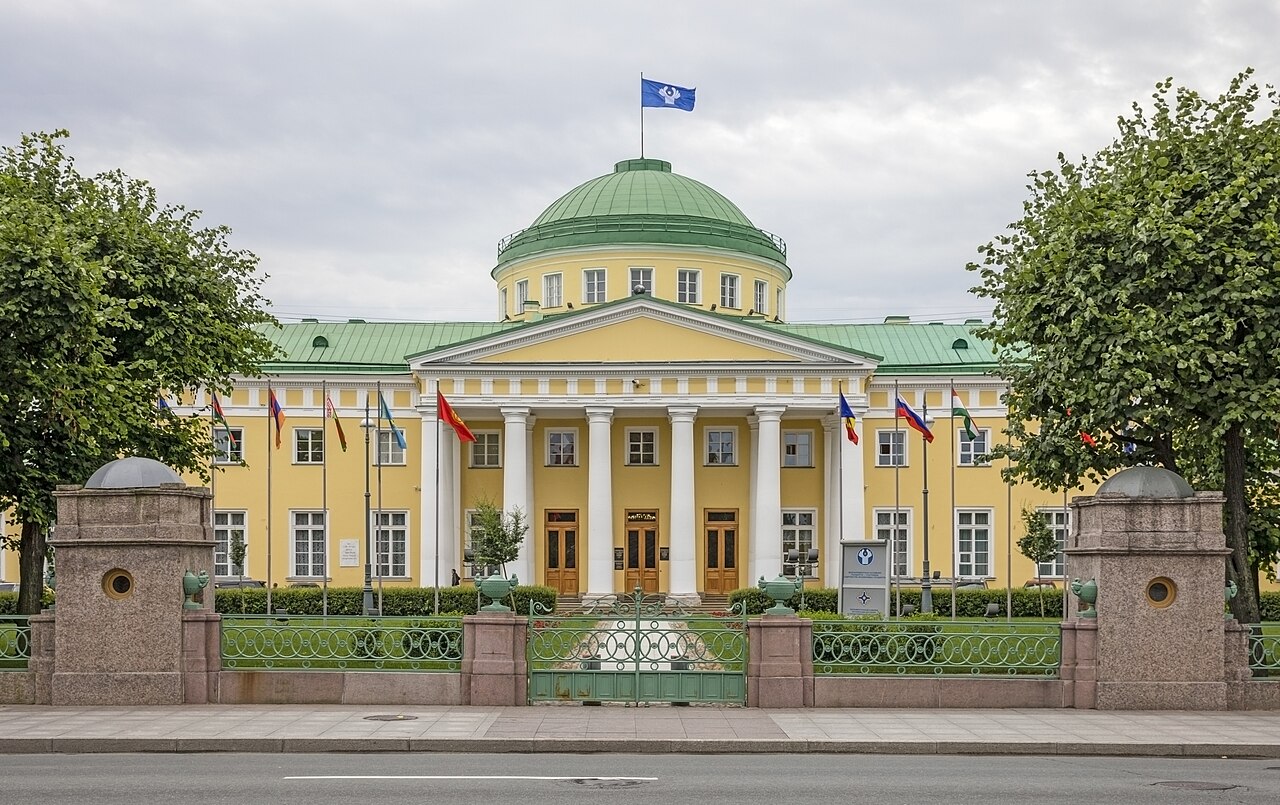
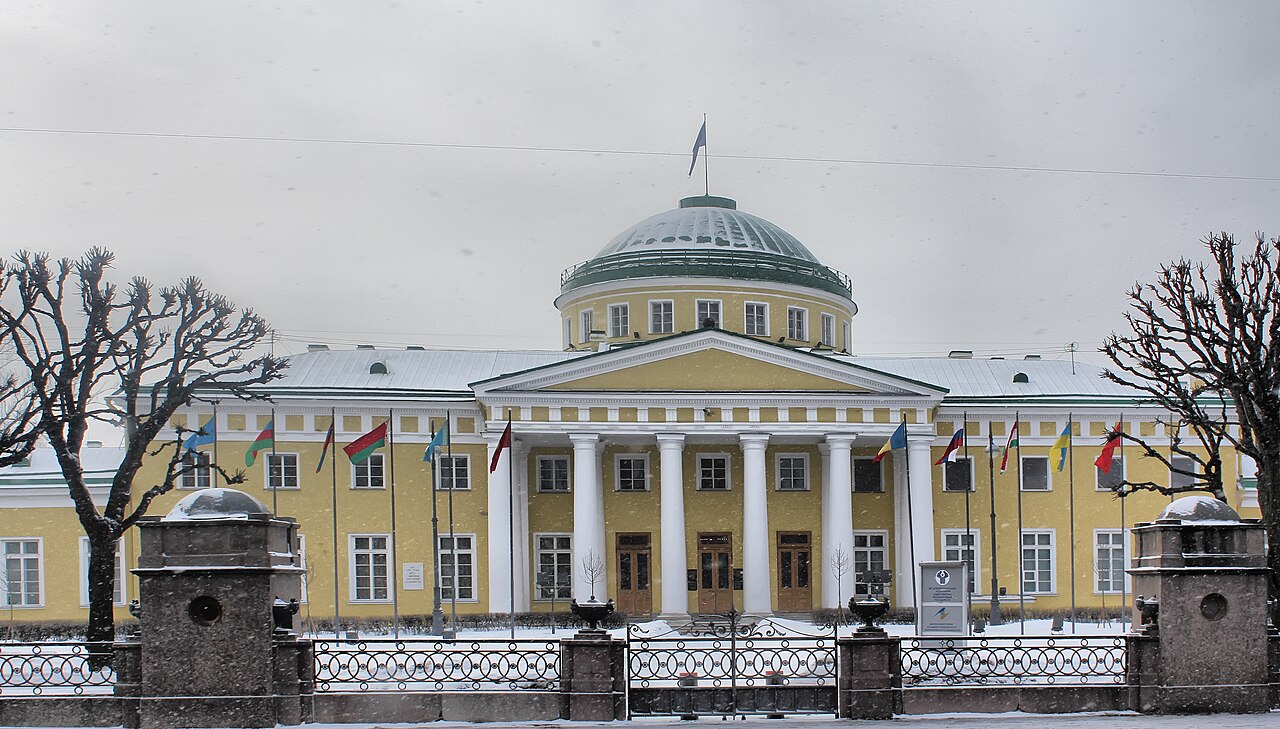
The palace was designed by Ivan Starov, one of the leading Russian architects of his day and a master of the neoclassical style. His design for the Tauride Palace is considered among his finest works and a landmark in the development of Russian architecture, admired for its elegance, clarity, and noble proportions.
Starov’s neoclassicism drew on the classical tradition and on the Palladian ideals then fashionable across Europe, emphasizing harmony, symmetry, and restraint. The palace embodies these principles, its calm facade and well-ordered plan reflecting a sophisticated understanding of classical design adapted to Russian conditions.
The influence of the design extended far beyond the palace itself. Its elegant form became a model for country houses and public buildings across the empire, helping to spread the neoclassical style and establishing a template that architects would follow for decades. In this sense the palace shaped the look of Russia.
For admirers of architecture, the Tauride Palace is a key monument, a prime example of Russian neoclassicism by one of its greatest practitioners. Its combination of restraint and grandeur, of classical ideals realized on a grand scale, makes it one of the most important and influential buildings of its age in Russia.
Starov’s work at the Tauride Palace demonstrated how the classical ideals then sweeping Europe could be realized on a grand scale in Russia, adapted to local conditions and ambitions. His achievement helped establish neoclassicism as the dominant style of the age in Russia, and the palace remains a touchstone of the movement.
The Great Gallery and Its Colonnade
The glory of the palace’s interior is its great hall, an immense gallery lined with columns that is among the largest and most impressive interior spaces in Russia. This vast colonnaded room, designed for grand assemblies and festivities, overwhelms visitors with its scale and the rhythm of its columns, a triumph of neoclassical interior design.
The hall was created for the spectacular entertainments that Potemkin hosted, including one legendary festivity of extraordinary magnificence that became famous in its own time. The space was designed to accommodate vast gatherings in surroundings of classical grandeur, a worthy setting for the celebrations of one of the empire’s greatest men.
The architecture of the gallery, with its ranks of columns and its noble proportions, embodies the neoclassical ideal of grandeur achieved through order and harmony rather than ornament. The effect is both imposing and elegant, a demonstration of how classical principles could create spaces of overwhelming impressiveness.
This great hall is the highlight of the palace and one of the most remarkable interiors in St. Petersburg. Its scale and beauty make it unforgettable, and it was within this very space that, in a later age, the events that would shape modern Russian history would unfold, giving the hall a double significance as both an artistic and a historical monument.
The festivity that Potemkin held here became a byword for extravagance, a celebration so lavish that it was remembered and recounted long afterward as a symbol of the splendor of the age. The great hall provided the perfect stage for such display, its scale and grandeur matching the ambitions of its owner.
Standing in the gallery today, you can imagine it filled with light and music, crowded with guests amid the forest of columns. Few interiors in Russia convey so powerfully the grandeur of eighteenth-century court life, and few have witnessed such a remarkable range of events across their history.
The sheer length of the gallery, lined on both sides by its stately columns, creates a powerful sense of perspective and rhythm, drawing the eye toward the far end in a grand architectural crescendo. It is an interior designed to impress through scale and order, and it succeeds completely, ranking among the noblest rooms in the country.
The Famous Winter Garden

Adjoining the great gallery was one of the palace’s most celebrated features, a vast winter garden filled with plants, creating an indoor paradise of greenery that astonished visitors. Such a garden, maintained through the long northern winters, was a marvel of luxury and ingenuity, a green world enclosed within the palace.
The winter garden extended the grandeur of the great hall into a space of natural beauty, blurring the line between architecture and nature. Filled with plants and designed as a place of delight, it offered a striking contrast to the classical columns of the gallery and added to the palace’s reputation for magnificence.
Winter gardens were among the greatest luxuries of the age, requiring heating, care, and expense to maintain living greenery through the frozen months. At the Tauride Palace, this feature was realized on a grand scale, a fitting expression of the wealth and ambition of its owner.
The winter garden captured the imagination of contemporaries and remains one of the most famous features associated with the palace. It embodied the eighteenth-century love of combining art and nature in the pursuit of pleasure, and it added a note of enchantment to the grand classical splendor of the building.
Contemporaries marveled at the sight of lush greenery flourishing indoors while snow lay thick outside, a demonstration of wealth and ingenuity that few could match. The winter garden became one of the most talked-about features of the palace, a symbol of the luxury that defined Potemkin’s world.
The combination of the vast colonnaded gallery with the adjoining green paradise created one of the most remarkable interior sequences of its time, moving from architecture to nature in a single grand progression. This pairing of hall and garden was central to the palace’s fame and to its reputation as one of the wonders of the capital.
Catherine, Potemkin, and the Early Palace

The early history of the palace is bound up with the relationship between Catherine the Great and Potemkin, and the building passed between them in a story reflecting their close bond. The palace was associated with the empress’s favor and with Potemkin’s standing, a symbol of the partnership that shaped the age.
In its early years the palace was the scene of grand entertainments and the life of one of the empire’s most powerful men. Its splendid halls and winter garden provided the setting for celebrations that became legendary, expressing the magnificence of the court and the wealth of its owner.
After Potemkin’s death the palace came fully into imperial hands, continuing its association with the ruling house. Its early life as the residence of a great favorite gave way to a new chapter as imperial property, but the memory of its origins remained central to its identity.
This early history gives the palace a romantic and historical depth, linking it to one of the great partnerships of Russian history and to the brilliant court of Catherine the Great. The building stands as a monument to that age, even as its later history would take it in dramatically different directions.
The passing of the palace between the empress and her favorite, and its later return to imperial hands, reflects the close and complex ties that bound them. These episodes add a human dimension to the building’s history, rooting its grand architecture in the personal relationships of the great figures of the age.
An Imperial Residence

After passing into imperial ownership, the Tauride Palace served various purposes under the rulers of Russia, its grand spaces adapted to the needs of the crown. Though its role changed over time, it remained an important building, its elegant architecture and splendid halls ensuring its continued significance.
Over the years the palace was used and altered by its imperial owners, reflecting changing needs and tastes. Yet its essential character as a masterpiece of neoclassicism endured, and the great gallery and other principal spaces preserved the grandeur of the original conception.
The palace’s status as imperial property placed it at the heart of the life of the capital, a grand building associated with the ruling house. This period formed a bridge between its origins as Potemkin’s residence and its later, momentous role in the political history of the nation.
Understanding this imperial chapter helps explain how the palace came to be available for the dramatic new use that awaited it. As a grand building owned by the state and located in the capital, it was well suited to become the setting for the great political developments of the early twentieth century.
Throughout these changes, the palace retained its position as one of the notable buildings of the capital, its elegant form a constant presence amid the shifting uses to which it was put. This continuity helped ensure its survival and prepared the way for the momentous role it would play in the modern age.
The Cradle of Russian Parliament

The Tauride Palace earned its greatest historical fame in the early twentieth century, when it became the home of the first Russian parliament. Its great hall was adapted to serve as the chamber of this new representative assembly, making the palace the birthplace of parliamentary government in Russia.
The establishment of a parliament was a momentous development in Russian history, and its location in the Tauride Palace gave the building a central role in the nation’s political life. Within its halls, deputies debated the great questions of the day, and the palace became a focus of the hopes and struggles of a changing Russia.
The adaptation of the great gallery into a parliamentary chamber brought a new kind of life to the palace, turning a space built for imperial festivities into a forum for political debate. The grandeur of the architecture lent dignity to the proceedings, and the palace became synonymous with the new era of representative politics.
This role as the cradle of Russian parliament is central to the palace’s significance. More than an architectural masterpiece, it became a historic site where the modern political history of Russia began, and its halls witnessed the first steps of the nation toward representative government.
The transformation of the palace into a home for parliament marked a profound shift in Russian history, as the autocratic tradition made room, however tentatively, for representative institutions. That this momentous change should be centered in a palace built for an imperial favorite gives the building a powerful symbolic resonance.
The debates held within these walls addressed the great questions facing Russia in a time of rapid change, and the palace became associated with the hopes for reform and representation that animated the era. Its role as the home of the first parliament remains one of the proudest chapters in its long and eventful history.
At the Center of Revolution
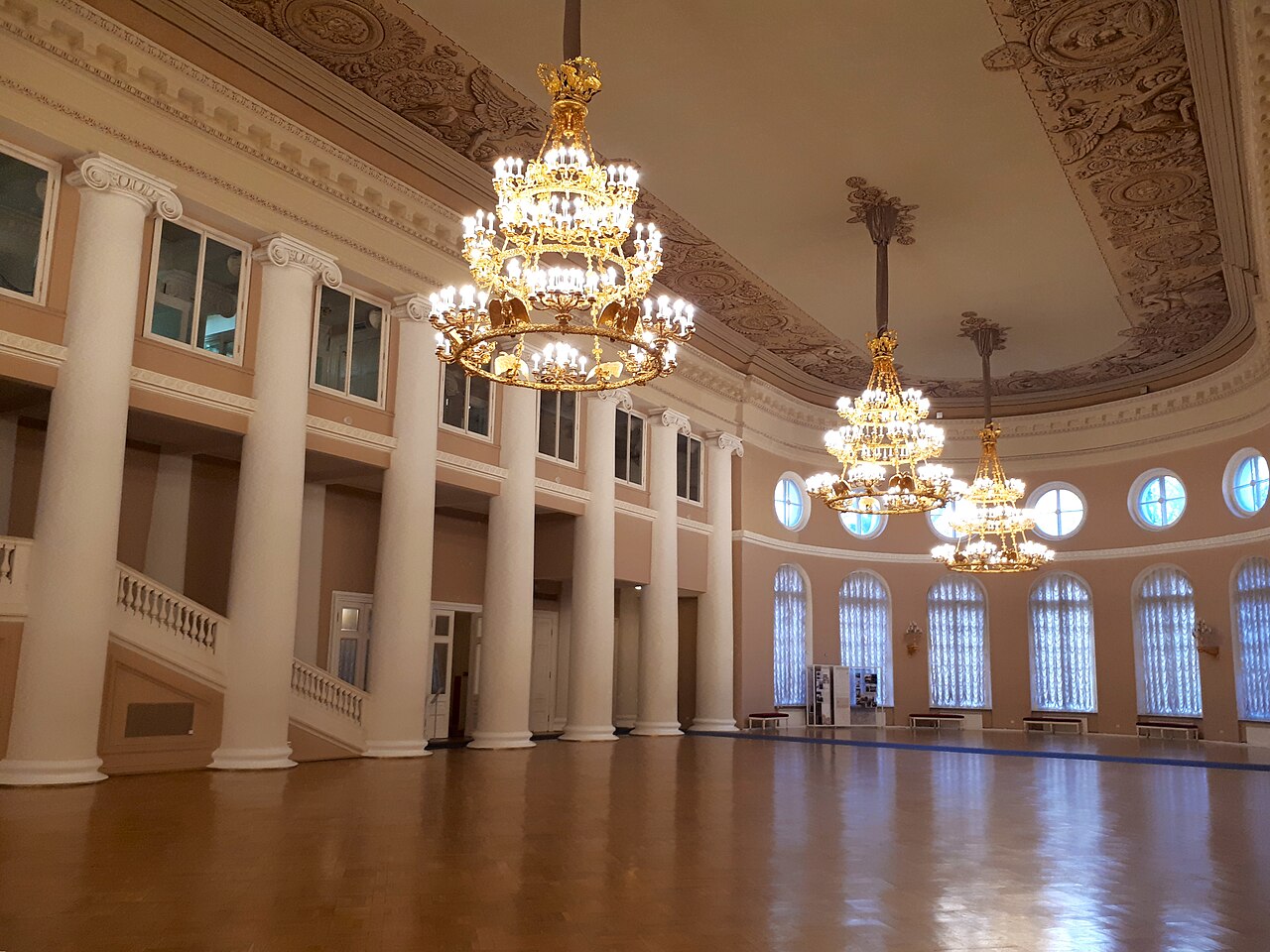
The palace’s political importance reached its height during the revolutionary events of the early twentieth century, when it became a center of the dramatic developments that transformed Russia. Its halls hosted the bodies that briefly governed the country during the upheavals, placing the palace at the very heart of historic events.
During this turbulent period, the Tauride Palace was a focus of political activity, the meeting place of assemblies and committees that played central roles in the revolution. The building witnessed debates, decisions, and confrontations that would shape the fate of the nation, becoming a symbol of a pivotal moment in history.
The events that unfolded in and around the palace were among the most consequential in modern Russian history, and the building’s association with them has given it a lasting place in the national memory. Its halls, built for a prince’s pleasure, became the stage for the drama of revolution.
This revolutionary chapter is a key part of the palace’s story, transforming it from an architectural and imperial monument into a site of profound historical importance. The Tauride Palace stands as a witness to the birth of modern Russia, its elegant neoclassical halls forever linked to the dramatic events of that age.
In those dramatic days, the palace was thronged with crowds, deputies, and soldiers, a focal point of the forces reshaping the nation. The contrast between the elegant neoclassical setting and the turbulent events it housed is one of the most striking aspects of its history, a grand stage for a revolutionary drama.
Generations later, the building remains inseparable in the national memory from those pivotal days, a place where the fate of a nation hung in the balance. For visitors aware of this history, every hall carries an extra weight of meaning, far beyond its architectural beauty.
A Style That Shaped a Nation
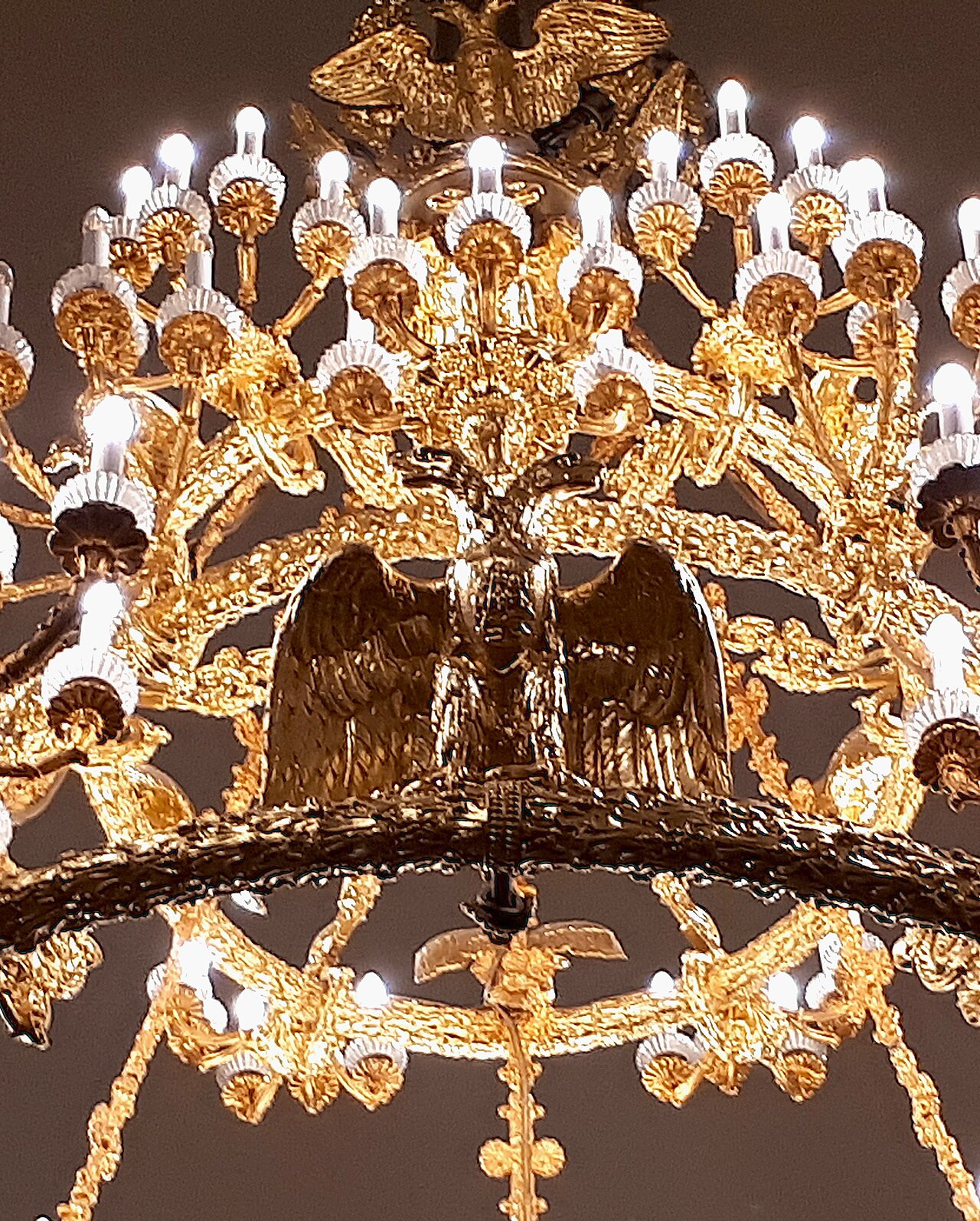
Beyond its own walls, the Tauride Palace exerted a profound influence on Russian architecture. Its elegant neoclassical design became a model widely imitated across the empire, inspiring a whole style of country houses and public buildings that followed its example of restrained classical grandeur.
The so-called Tauride style spread throughout Russia, as landowners and builders sought to emulate the dignified elegance of the palace. Its influence can be seen in countless buildings, from grand estates to modest manor houses, making it one of the most influential designs in the history of Russian architecture.
This widespread imitation testifies to the power and appeal of the design, which captured the ideals of the age and translated them into a form that could be adapted to many purposes. The palace thus shaped not just a single building but the look of a nation, leaving a legacy far beyond its own grand halls.
For students of architecture, this influence is a key part of the palace’s importance. It was not only a masterpiece in itself but a fountainhead of style, and its impact on the buildings of Russia secures its place as one of the most significant works of its era.
The spread of the Tauride style across the empire reflected the prestige of the palace and the appeal of its restrained, dignified classicism. In manor houses and public buildings from the capital to the provinces, echoes of its design can be found, a testament to the enduring influence of Starov’s masterpiece.
That a single palace could leave so deep an imprint on the architecture of an entire nation speaks to the power of its design and the esteem in which it was held. The Tauride Palace stands not only as a monument in its own right but as the source of a whole architectural tradition.
The Tauride Palace on Film
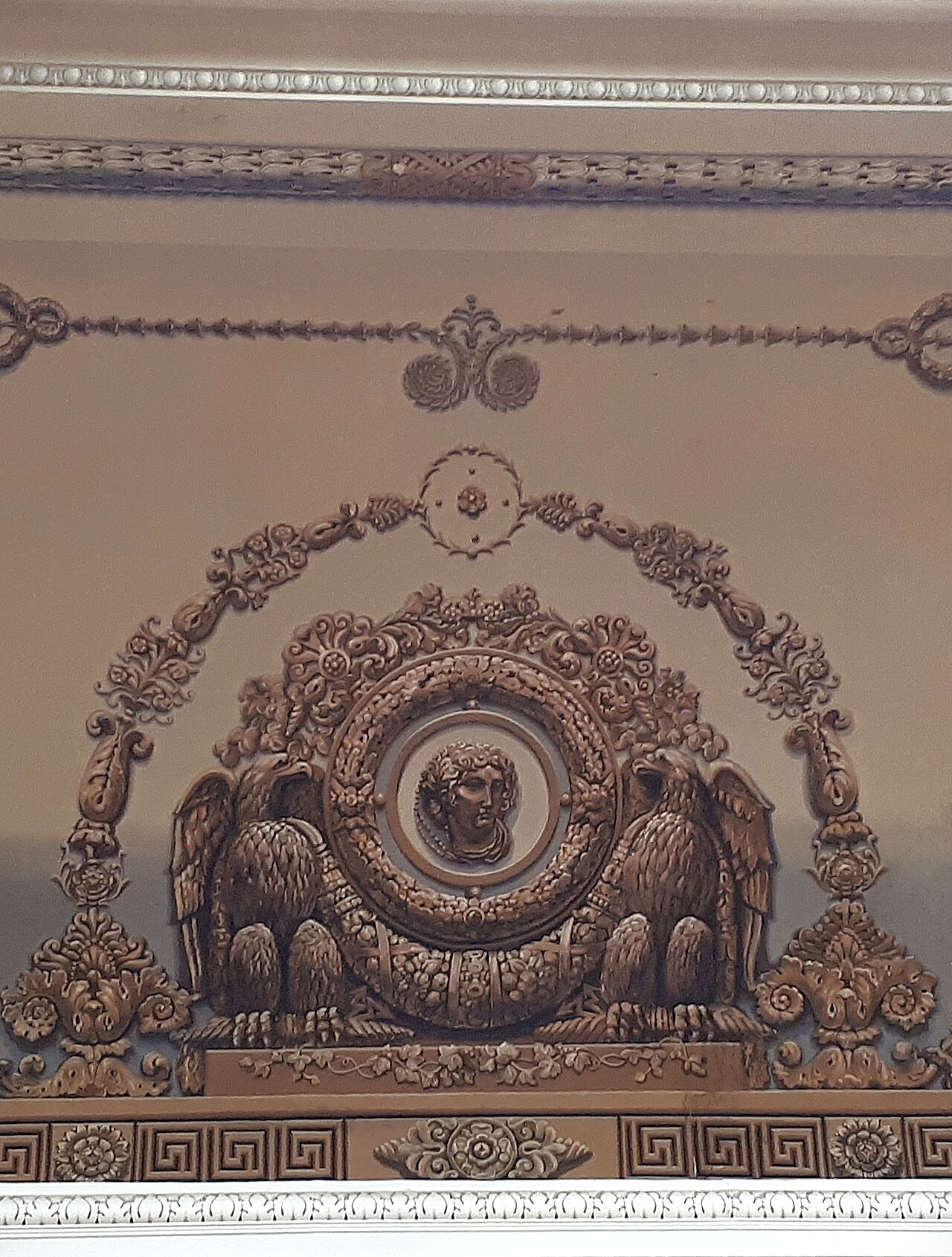
Because the Tauride Palace combines architectural beauty with momentous history, a video walkthrough is a good way to appreciate both. On film you can take in the elegant neoclassical facade, move through the great colonnaded gallery, and sense the scale of the interiors that have witnessed such important events.
As you watch, keep in mind the dual significance of the building, as both a masterpiece of neoclassicism and the cradle of Russian parliamentary history. Seeing the great hall while knowing the events that unfolded there gives the footage a special resonance, linking art and history in a single space.
Video also helps convey the elegance and scale of the palace that photographs alone can struggle to capture, from the rhythm of the colonnade to the grandeur of the principal rooms. Following a camera through the building, you gain a vivid sense of why the Tauride Palace holds such an important place in the story of Russia.
Visiting the Tauride Palace Today
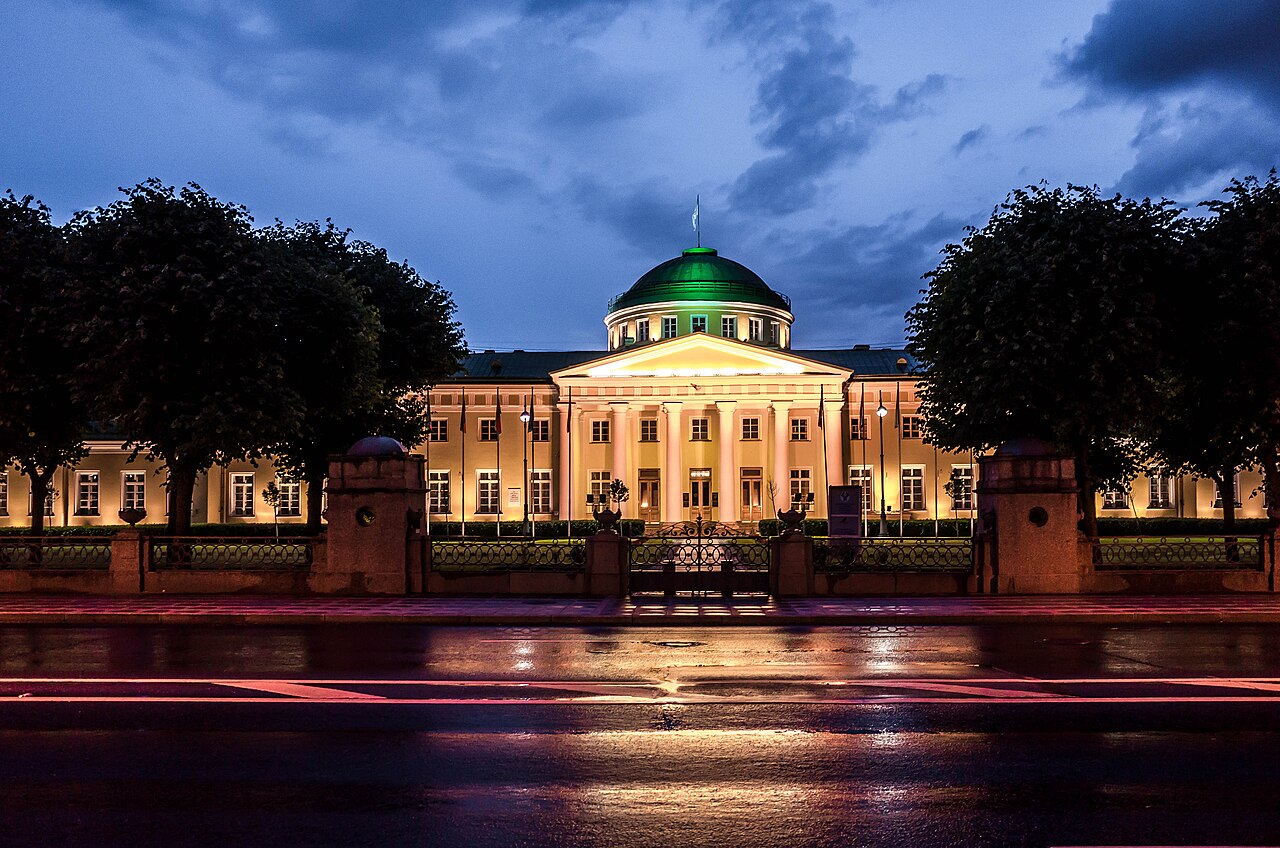
Today the Tauride Palace continues to serve official functions, housing an international parliamentary body, which reflects its historic association with representative politics. This continuing role gives the building a living purpose, linking its grand past to the affairs of the present.
Because of its official use, access to the palace may be more limited than at purely museum sites, and visits can be subject to particular arrangements. Those interested in seeing it should check current information about public access, guided tours, or events that may offer the chance to view its famous interiors.
The palace stands in a pleasant part of central St. Petersburg, beside a garden that bears its name, and even the exterior rewards a visit for its elegant neoclassical design. The surrounding area offers a pleasant setting in which to appreciate the building and reflect on its remarkable history.
You will find the Tauride Palace in central St. Petersburg; see the map below to help plan your route: see the map below. Whether you come for its importance as a masterpiece of Russian neoclassicism, its famous great gallery, or its profound role in the political history of the nation, the Tauride Palace offers one of the most historically significant experiences among the great buildings of the old imperial capital.
For those interested in the intersection of art and history, few buildings offer so much as the Tauride Palace, where an architectural masterpiece became the setting for events that shaped a nation. A visit, whether inside or simply to admire the exterior and garden, connects you to both the splendor of imperial Russia and the drama of its modern transformation.
View the location on Google Maps
Palaces Nearby
If you are exploring the imperial palaces around Saint Petersburg, these two pair naturally with a visit here:
You May Like
Konopiste the Bohemian Castle of a Doomed Archduke