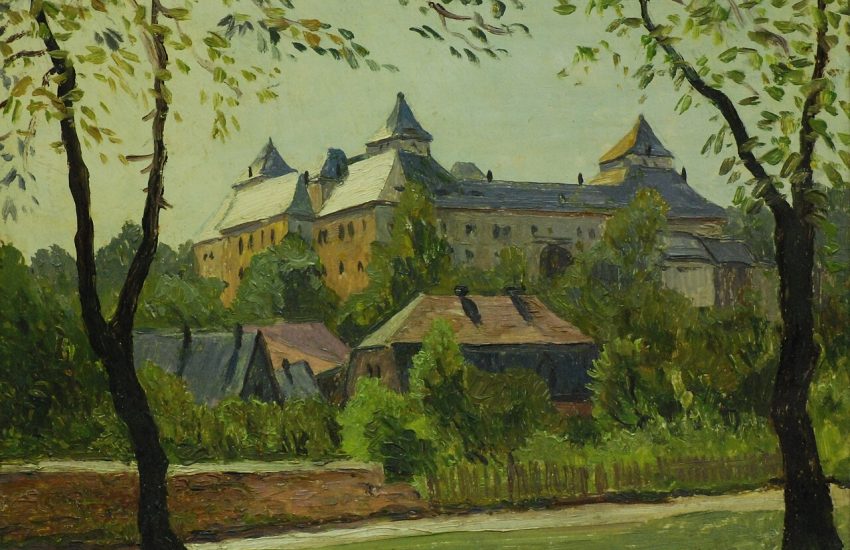
In the gentle countryside of Upper Lusatia, east of Dresden, stands one of the most beautiful rural baroque palaces in Saxony. Rammenau Palace was built in the early eighteenth century for a noble family, and its elegant facades, richly decorated rooms and baroque garden make it a hidden gem of eastern Germany.
The village of Rammenau is also the birthplace of the philosopher Johann Gottlieb Fichte, and the palace keeps his memory alive with an exhibition. Today the palace is a museum and a venue for concerts and weddings.
In this article we will explore Rammenau from its builders to its painted rooms, its garden and its connection with Fichte, and we will finish with practical tips for your visit.
In This Article
- A Baroque Palace in the Countryside
- The Builders of Rammenau
- The Facades and the Pond
- Rooms Full of Character
- The Pompeian Room
- The Bird Room and Chinese Room
- The Festive Hall
- Johann Gottlieb Fichte
- The Baroque Garden
- The Village of Rammenau
- Upper Lusatia
- Rammenau on Video
- Visiting Rammenau Today
A Baroque Palace in the Countryside
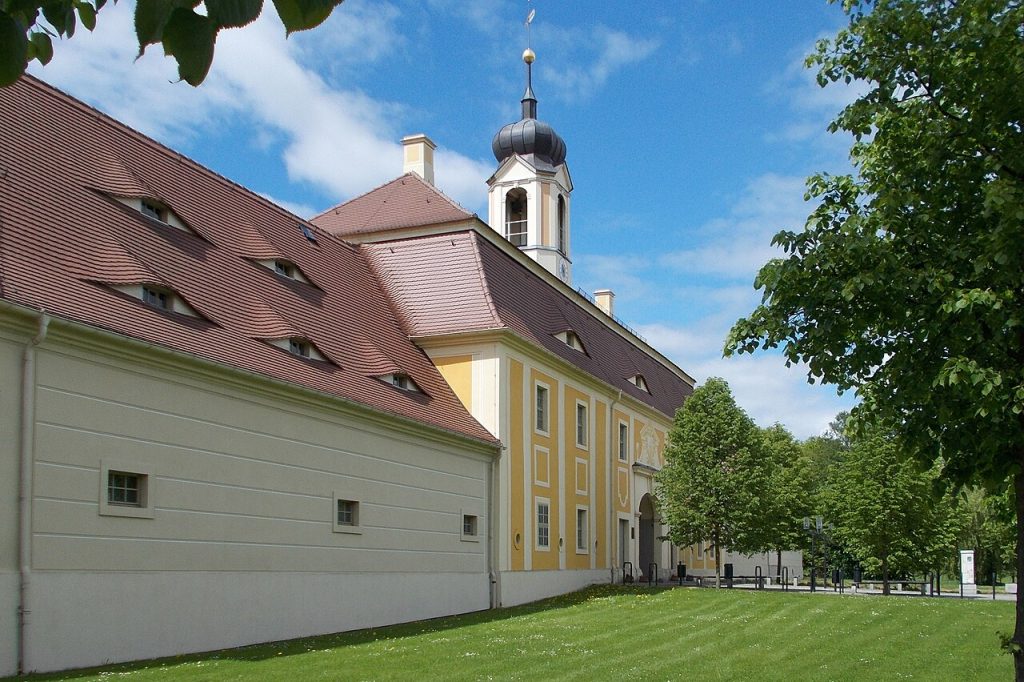
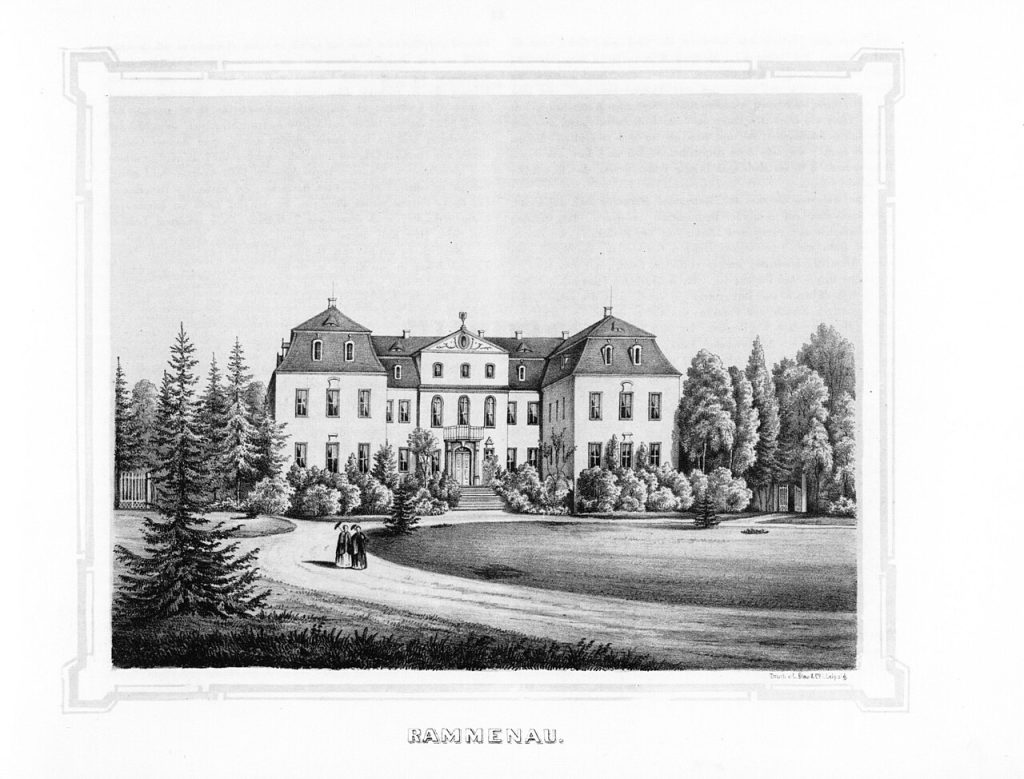
Arriving in Rammenau, you see a long, elegant palace standing beside a pond, framed by trees and gardens. Its pale facades and high roof give it a dignified appearance.
What makes Rammenau special is the harmony of its architecture, the quality of its interiors and the peaceful rural setting.
Unlike the great palaces of Dresden, Rammenau feels intimate and welcoming, a place where you can explore at your own pace.
In the morning, mist sometimes rises from the pond, giving the palace a soft and dreamlike appearance.
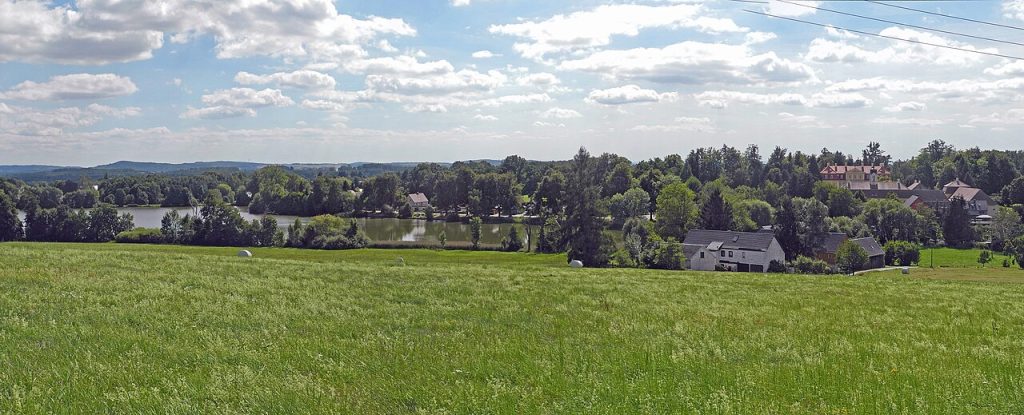
The palace stands at the edge of a village, surrounded by fields and woods, in a landscape typical of Upper Lusatia.
The palace’s setting beside the pond creates a picture of rural tranquility that has charmed visitors for centuries.
Rammenau lies close to the motorway from Dresden to Gorlitz, yet it feels far from the bustle of modern life.
Many visitors discover the palace by chance and are delighted by its beauty and the warmth of its atmosphere.
The Builders of Rammenau
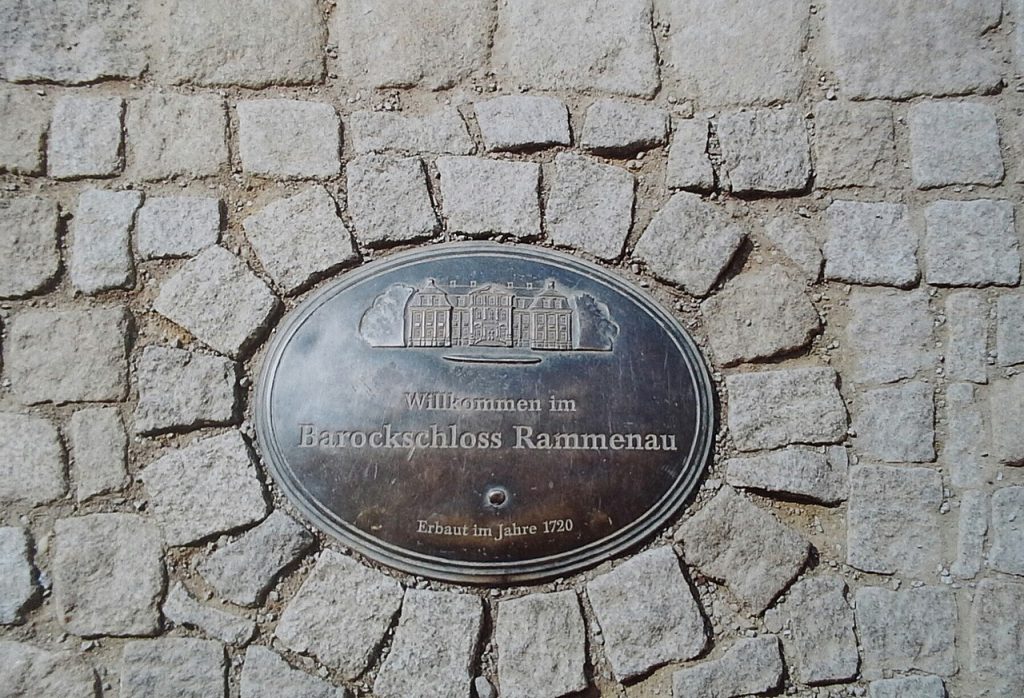
The palace was built between 1721 and 1737 for Ernst Ferdinand von Knoch, a Saxon noble who held office at the court of Augustus the Strong in Dresden.
The design shows the influence of Dresden baroque, with elegant proportions and restrained decoration.
Building the palace was so costly that the Knoch family eventually ran into financial difficulties, a common fate among nobles who tried to keep up with the splendour of the Dresden court.
Later the von Hoffmannsegg family furnished many of the rooms in the latest styles of the late eighteenth century.
Knoch wanted a country residence in the fashionable baroque style, worthy of his status and his connections with the Dresden court.
The architect is not known for certain, but the palace follows the model of the great baroque country houses of Saxony, adapted to the scale of a noble estate.
In the twentieth century, the palace was used for various purposes before being restored as a museum.
The Facades and the Pond
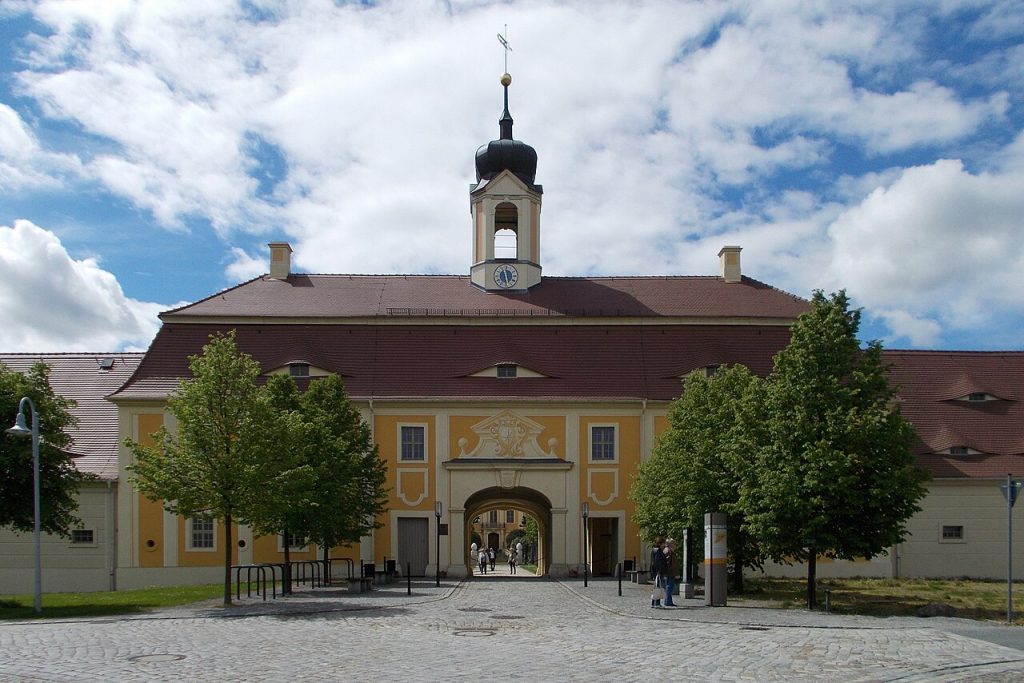
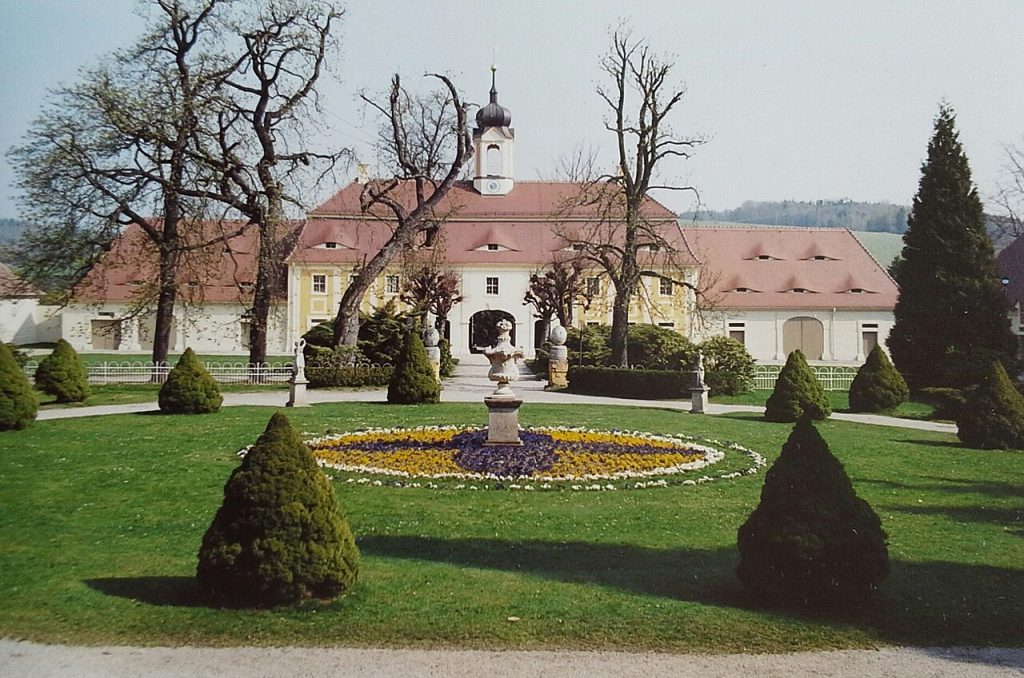
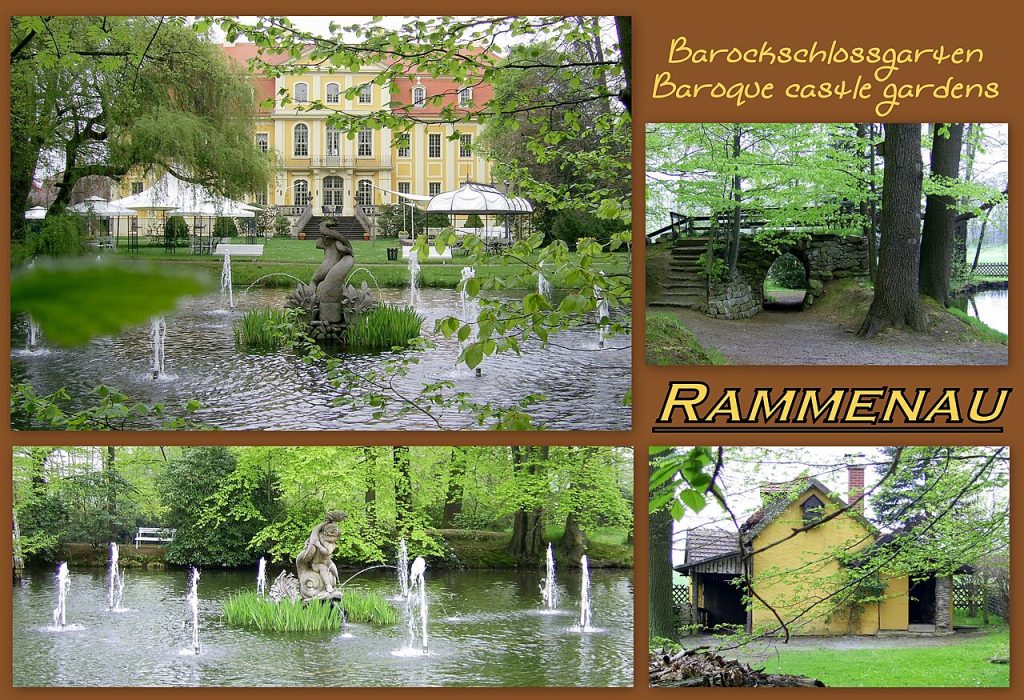
The main facade faces a courtyard and a pond, whose still water reflects the building on calm days. Pilasters, carved window frames and a high mansard roof give it an elegant silhouette.
The outbuildings around the courtyard show how the palace was also the centre of an agricultural estate.
Walking around the pond, you can enjoy changing views of the palace and its reflection.
In winter, when the pond freezes and snow covers the roofs, the palace takes on a quiet and magical beauty.
Rooms Full of Character
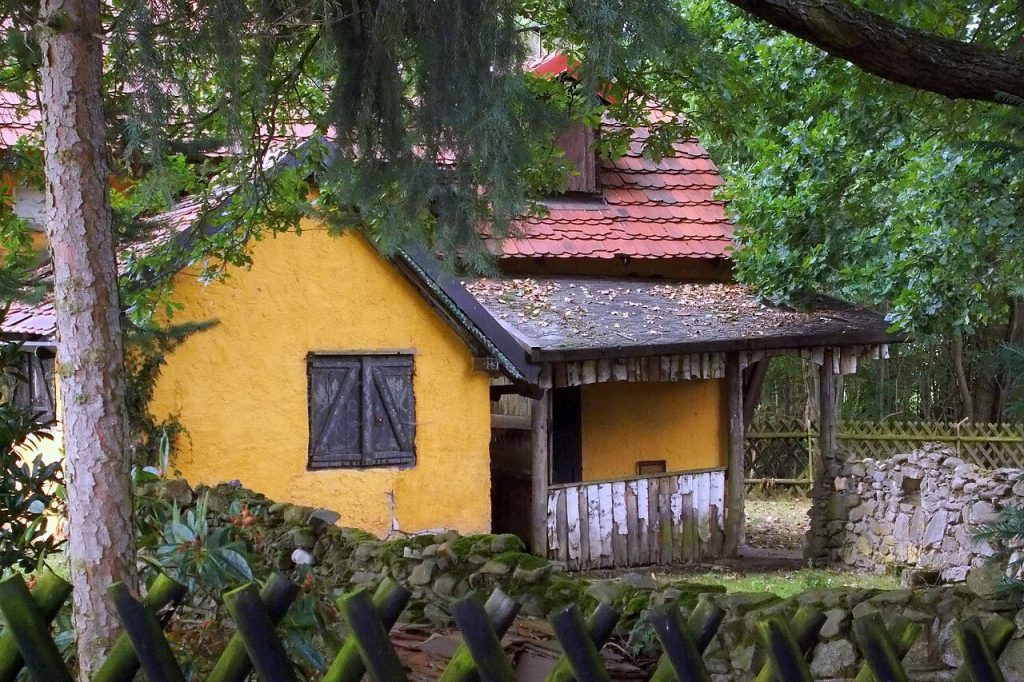
Inside, the palace contains around twenty rooms decorated in different styles, from baroque to classicism, each with its own character and many original furnishings.
Among the treasures on display are fine porcelain, including pieces from the nearby Meissen manufactory, as well as clocks, mirrors and paintings.
Walking from room to room, you discover a sequence of colours, patterns and themes that reflect the tastes of the eighteenth and early nineteenth centuries.
The rooms were restored with great care, preserving original paintings, wall coverings and floors wherever possible.
Some rooms show the transition from the playful rococo to the more restrained classical style, illustrating changes in taste over a few decades.
The Pompeian Room
The Pompeian Room is decorated in the style of ancient Roman wall paintings discovered at Pompeii, with figures and ornaments in bright reds, ochres and blacks.
The discovery of Pompeii caused a sensation in Europe, and the room, created around 1800, is one of the finest examples of this fashion in Saxony.
The walls are painted with figures, ornaments and architectural motifs, recreating the atmosphere of an ancient villa.
Many palaces created rooms in this style to show their owners’ education and taste.
The Bird Room and Chinese Room
The Bird Room is painted with colourful birds among branches and foliage, while the Chinese Room reflects the eighteenth century fascination with East Asia.
These rooms show the playful side of baroque and rococo design and are favourites with children.
The painted birds are depicted with great attention to detail, and visitors enjoy trying to identify different species.
The Chinese Room’s decoration includes painted figures, pavilions and landscapes inspired by Chinese porcelain and lacquer work.
The Festive Hall
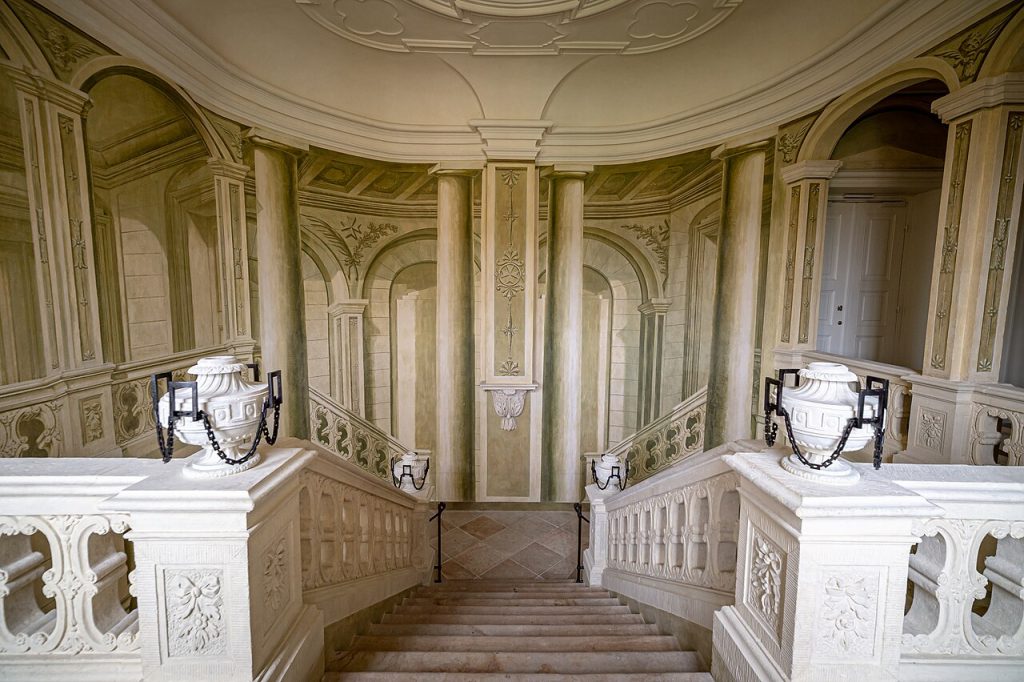
The Festive Hall is the largest room in the palace, decorated with elegant stucco and mirrors, and today it hosts concerts and weddings, including candlelight concerts.
Its windows look out over the garden and the pond, and its acoustics make it a wonderful setting for chamber music.
The hall’s elegant proportions make it one of the finest rooms in any rural palace in Saxony.
Johann Gottlieb Fichte
Johann Gottlieb Fichte was born in Rammenau in 1762 into a poor family of ribbon weavers. A local nobleman paid for his education after his talent was discovered.
Fichte became one of the most important philosophers of German idealism and the first elected rector of the University of Berlin.
The palace houses an exhibition about his life and work, with letters, documents and portraits.
Fichte’s philosophy emphasised freedom, self consciousness and the moral responsibility of the individual, and his Addresses to the German Nation became famous during the Napoleonic wars.
His story is a reminder of how talent could rise from humble beginnings, even in the strict social order of the eighteenth century.
The Baroque Garden
Around the palace lies a baroque garden with lawns, hedges, flower beds, old lime and chestnut trees and the pond, used in summer for open air concerts and festivals.
The garden has been restored to recall its eighteenth century appearance, providing a beautiful setting for the palace.
Benches invite you to sit and enjoy the views of the palace and the countryside.
The Village of Rammenau
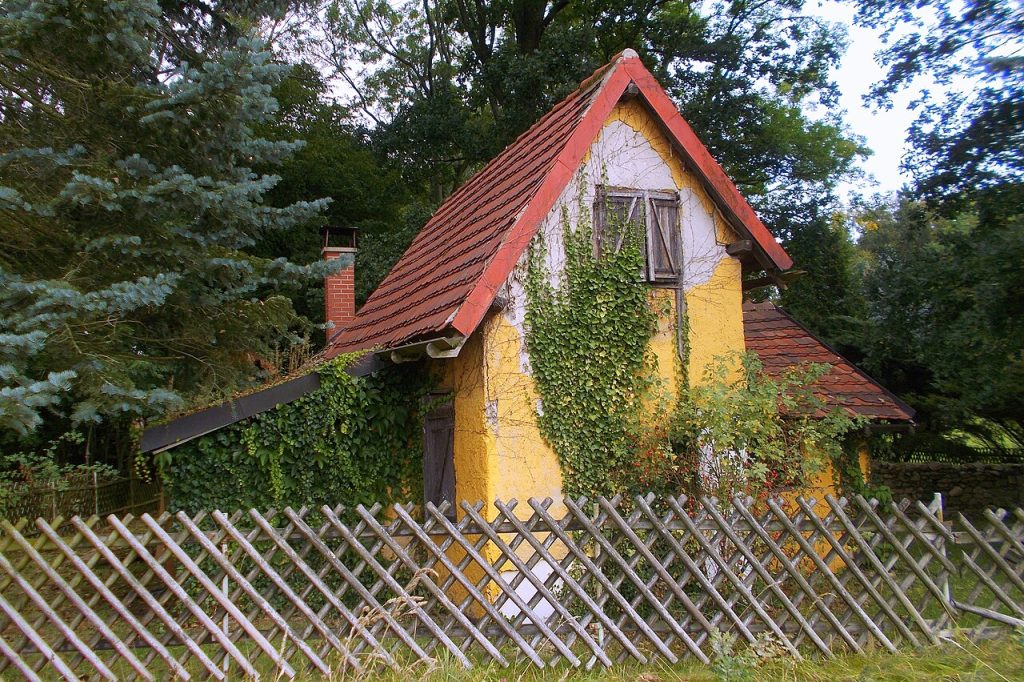
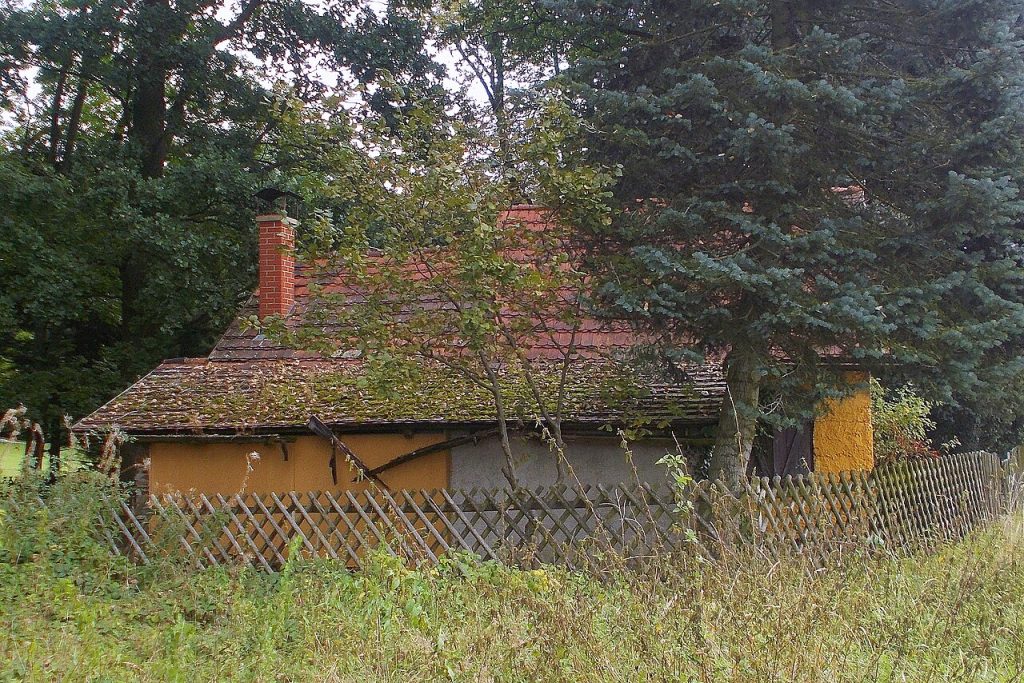
Rammenau is a typical Lusatian village, with farmhouses, a church containing memorials to the noble owners, and a monument marking Fichte’s birthplace.
Walking through the village, you can see traditional houses and gardens, and imagine the life of the farmers and weavers who lived here in Fichte’s time.
The village and palace together form a harmonious ensemble that reflects the rural society of eighteenth century Saxony.
Upper Lusatia
Upper Lusatia is known for its gentle hills, forests, lakes and historic towns such as Bautzen and Gorlitz, and it is home to the Sorbs, a Slavic minority with their own language and traditions.
The city of Bautzen, with its towers, walls and old town, is one of the most beautiful towns in Saxony and lies only a short drive from Rammenau.
Upper Lusatia also has a tradition of textile production, and many villages were once home to weavers like Fichte’s family.
Rammenau on Video
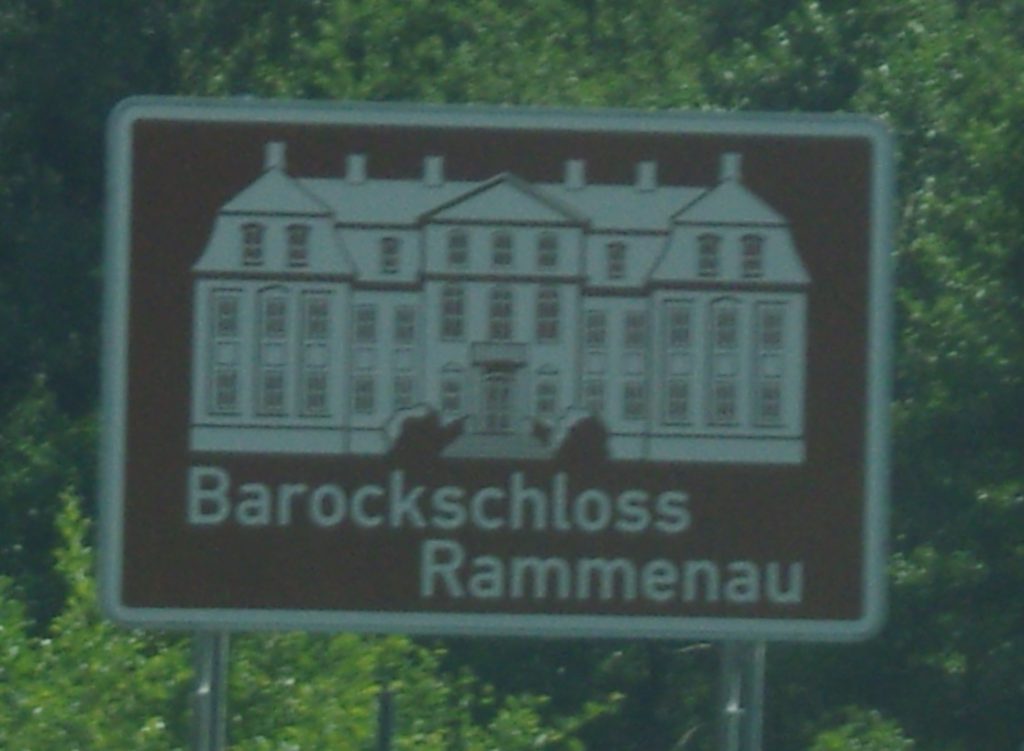
For a look at the palace and its rooms, the video below presents Rammenau Baroque Palace.
If the video inspires you, read on for practical tips.
Visiting Rammenau Today
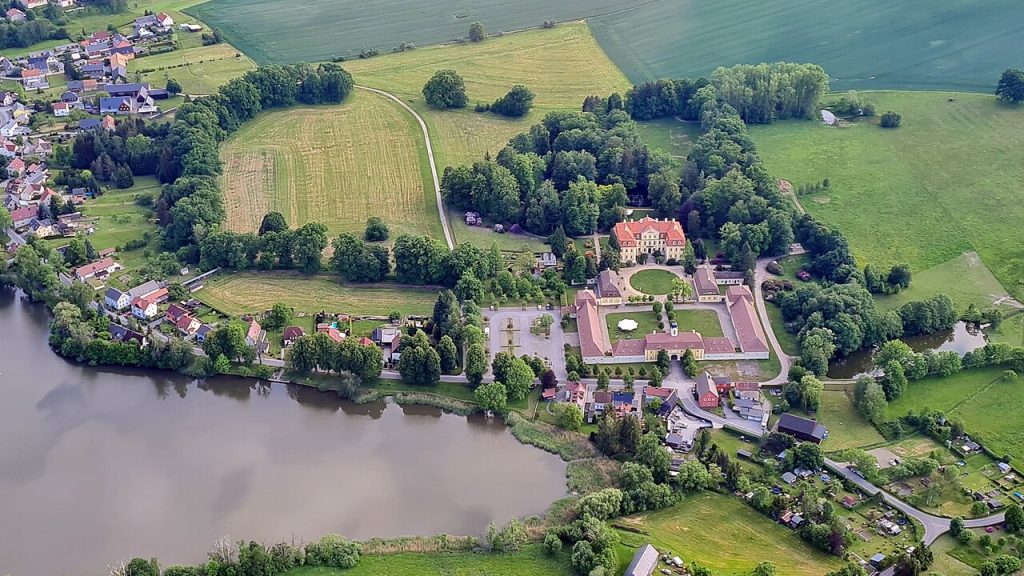
Rammenau Baroque Palace is open throughout the year, except on certain days. It lies about thirty kilometres east of Dresden and is easy to reach by car or train.
Plan about two hours for the palace and garden, and combine your visit with Weesenstein, Pillnitz and Dresden.
Whenever you visit, Rammenau offers a delightful encounter with the elegance of Saxon baroque in a peaceful rural setting.
Rammenau is a popular wedding venue, and guided tours explain the history of the palace, its owners and its decoration.
The palace also hosts exhibitions and seasonal events, and its cafe is a pleasant place to rest.
View the location on Google Maps
Palaces Nearby
If you have enjoyed this palace, the region holds more remarkable residences. Here are two more well worth adding to your journey:
- Weesenstein Palace – the castle palace built from the top down in the Muglitz valley.
- Pillnitz Palace – the Chinese inspired summer palace of Saxony on the Elbe.
You May Like
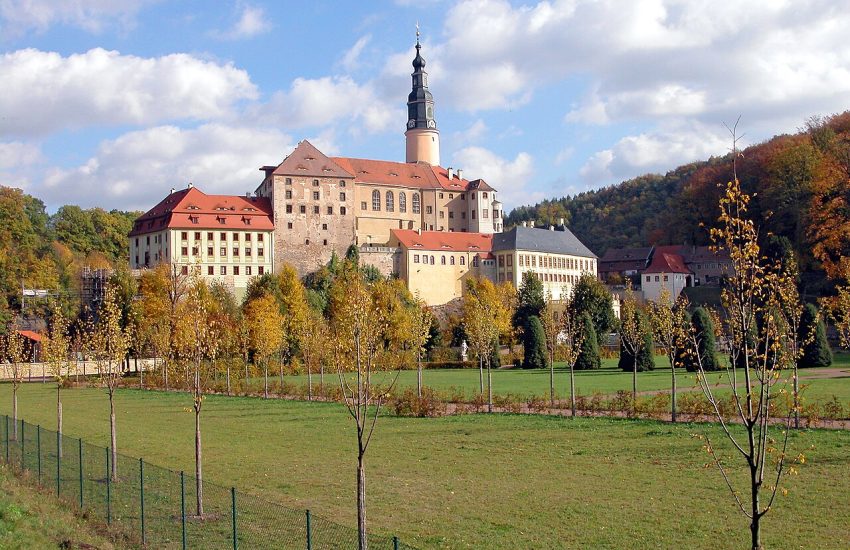
Weesenstein Palace and the Castle Built From the Top Down