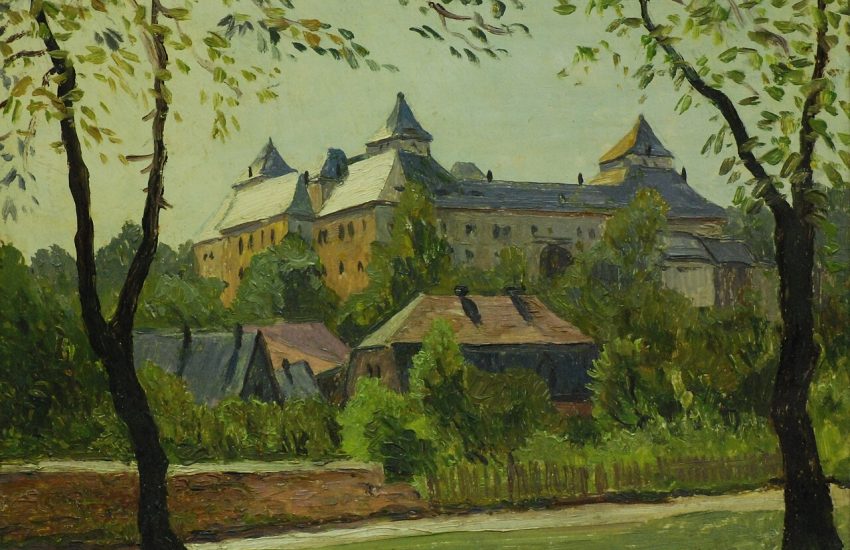
In the narrow, wooded valley of the Muglitz river, a short drive south of Dresden, a castle palace clings to a rocky spur in a way that seems to defy logic. Weesenstein was built over many centuries from the top down, so that its stables sit high above its living rooms and its cellars lie near the roof.
Once the home of noble families and later of a Saxon king who translated Dante, Weesenstein today houses a museum with historic interiors, a baroque chapel, a remarkable collection of wallpapers and a baroque garden in the valley below.
In this article we will explore Weesenstein from its medieval origins to its royal residents, its rooms, its chapel and its garden, and we will finish with practical tips for your visit.
In This Article
- A Castle Growing Down a Rock
- From Medieval Castle to Palace
- A Building Turned Upside Down
- The Royal Translator of Dante
- Historic Interiors
- A Treasury of Wallpapers
- The Baroque Chapel
- The Baroque Garden in the Valley
- Cellars, Kitchens and Hidden Spaces
- The Muglitz Valley
- Events and Festivals
- Weesenstein on Video
- Visiting Weesenstein Today
A Castle Growing Down a Rock
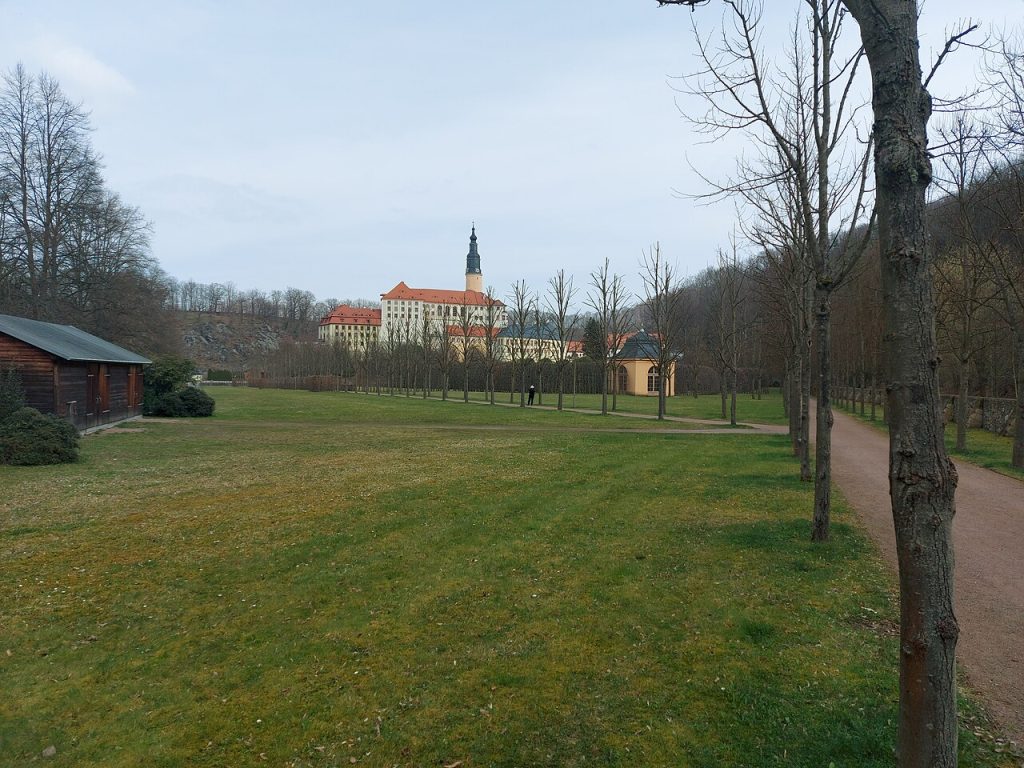
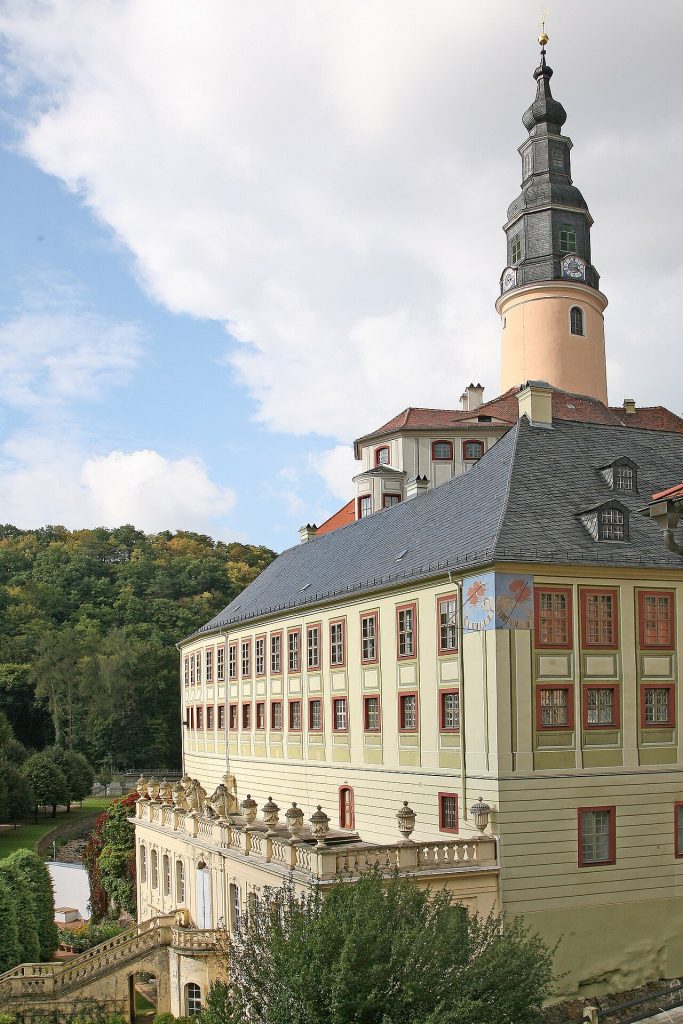
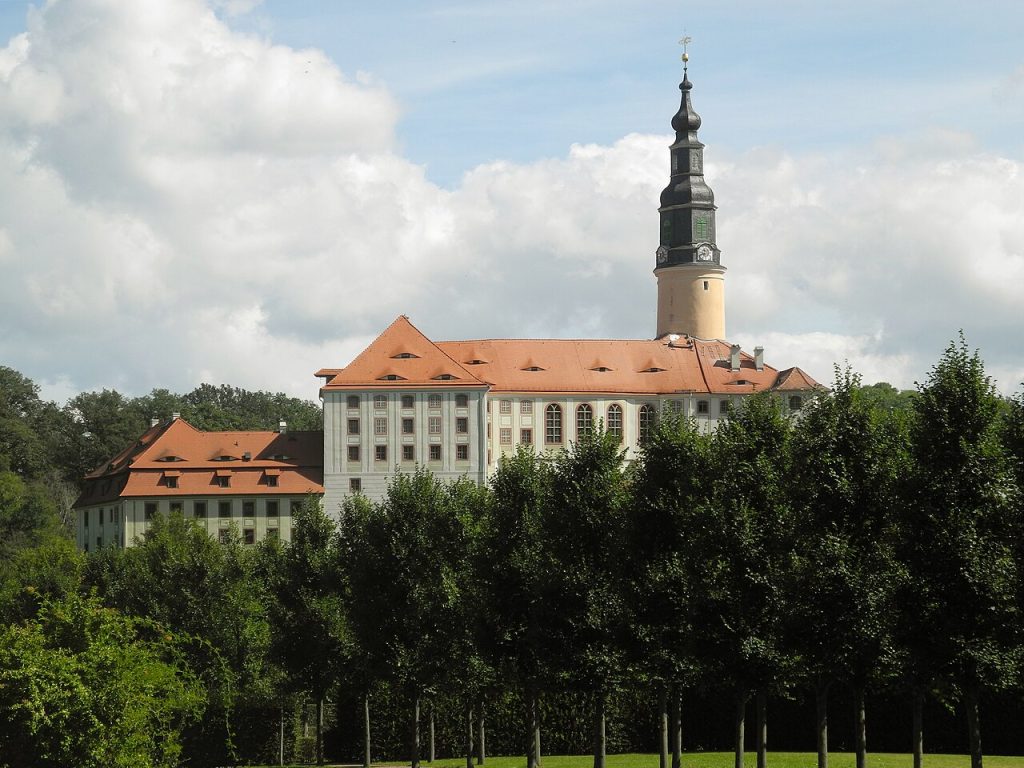
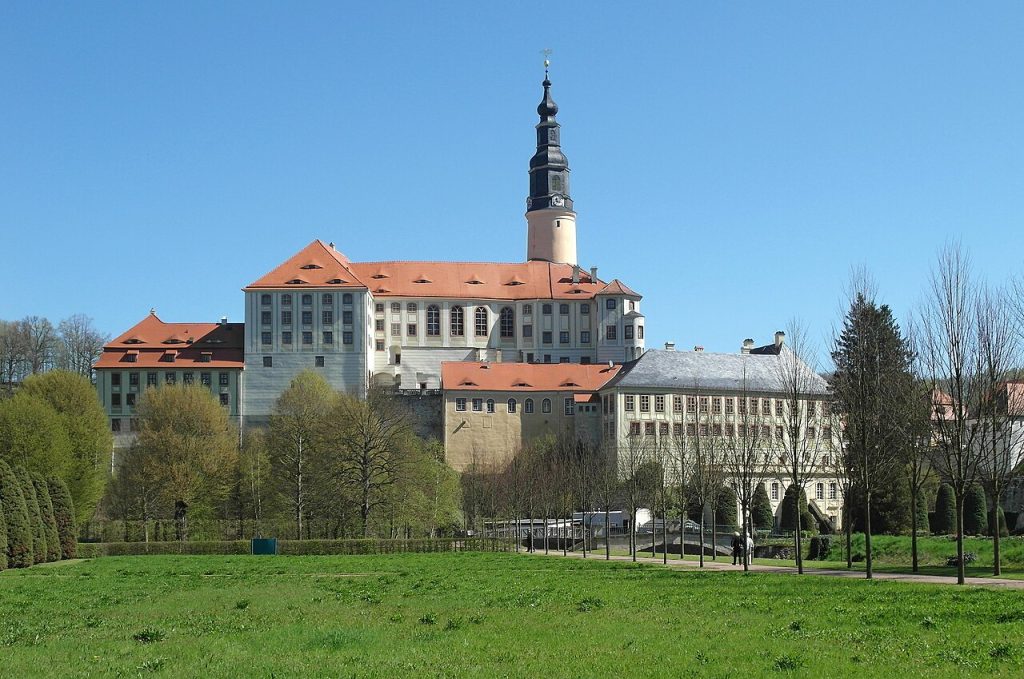
As you approach Weesenstein along the Muglitz valley, the palace appears perched on a rock above the river, its walls, roofs and towers stacked one above another.
The building seems to grow out of the rock itself, following its shape as it descends toward the valley.
Below the palace, a baroque garden spreads out on the valley floor, creating a striking contrast with the rugged castle above.
What makes Weesenstein special is its extraordinary construction and the way it combines medieval castle, baroque palace and romantic landscape.
The palace is especially impressive in the morning mist, when the valley is still in shadow and the walls rise above the trees like a scene from a fairy tale.
Few palaces in Germany look so different from every angle, and walking around Weesenstein you constantly discover new views of its towers, walls and roofs.
Weesenstein is one of the most popular day trip destinations from Dresden, yet it retains a quiet, intimate atmosphere.
Visitors are often amazed by the maze of staircases, rooms and passages that make up the interior, a reflection of its unusual history.
From Medieval Castle to Palace
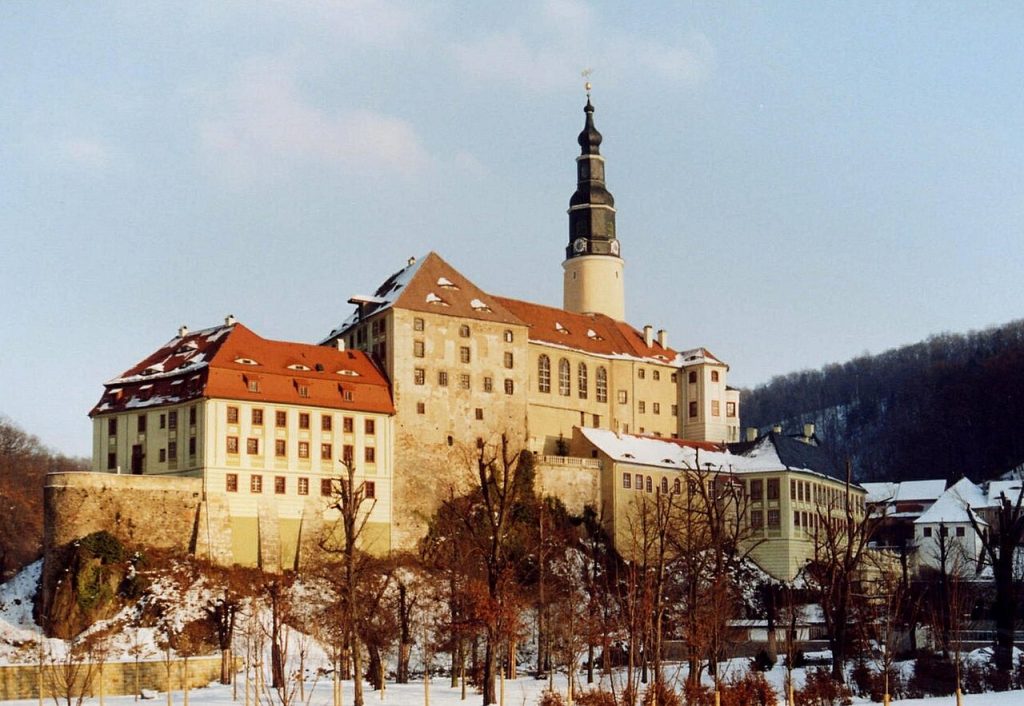
The story of Weesenstein begins in the thirteenth century, when a small castle was built on the rock to guard a road through the valley.
Over the centuries, successive owners expanded the castle, adding new buildings below the original tower as space on the narrow rock ran out. Because there was no room to build outward, they built downward.
In the sixteenth century, the noble family of Bunau acquired Weesenstein and transformed it into a Renaissance residence. They owned it for nearly three centuries and shaped much of its present appearance.
Later centuries brought baroque and classical interiors, until the castle had become a true palace, like a book of architectural history written on a rock.
The original tower at the top of the rock still stands, a reminder of the small medieval castle from which the whole palace grew.
A Building Turned Upside Down
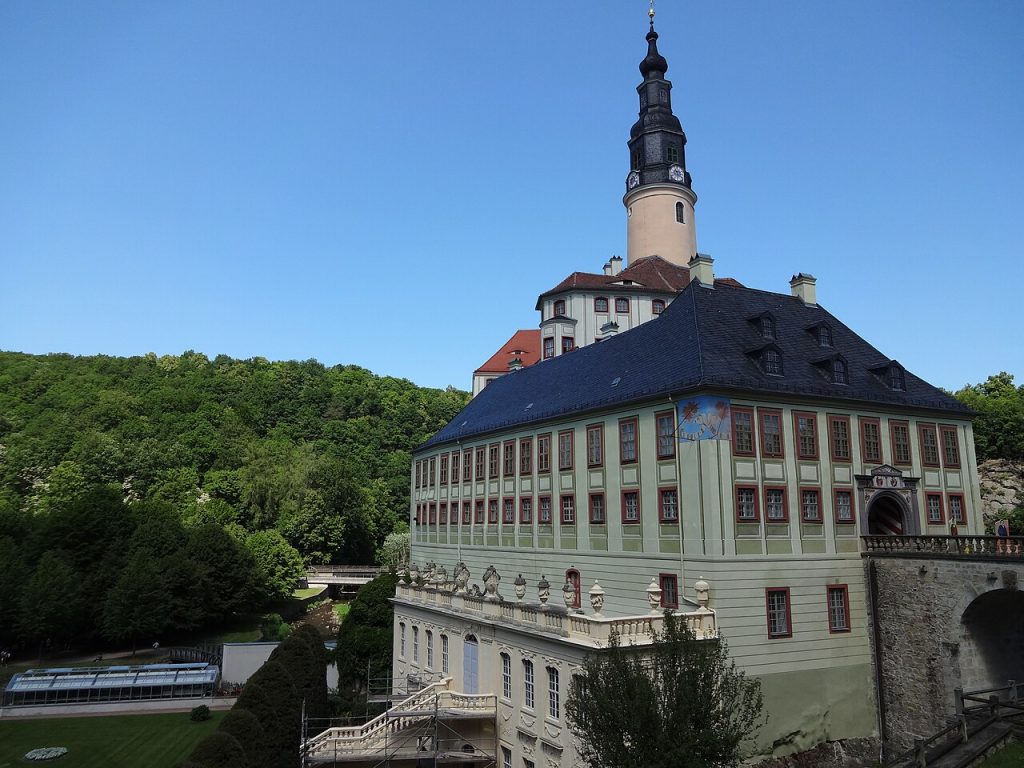
The most famous feature of Weesenstein is its upside down arrangement. The former stables and the riding courtyard are located on the upper levels, near the original castle, while the elegant living rooms lie lower down.
Cellars and storerooms can be found close to the roof, and a banqueting hall sits beneath the stables.
Guides like to joke that at Weesenstein the horses lived on the fifth floor while the family lived in the basement.
The palace has around nine levels, connected by staircases, ramps and passages that follow the shape of the rock, making a tour a fascinating adventure.
The upper courtyard, once used by horses and carriages, offers fine views over the valley and the garden below.
The Royal Translator of Dante
In the nineteenth century, Weesenstein became the property of the Saxon royal family. Prince John of Saxony, who later became King John, loved the palace and spent much time here.
John was a scholar with a passion for Italian literature, and under the pseudonym Philalethes he translated Dante’s Divine Comedy into German, a work still respected for its accuracy and literary quality.
He reigned as king of Saxony from 1854 to 1873, and the royal family used Weesenstein as a country retreat until 1918.
He worked on his translation in the quiet rooms of Weesenstein, surrounded by books and the peaceful landscape of the valley.
His study, with its books and writing desk, gives a personal glimpse of the scholar king.
Historic Interiors
The museum presents a series of historic rooms from different periods, furnished with period furniture, paintings and decorative objects.
Some rooms preserve Renaissance and baroque decoration, while others reflect the classical and Biedermeier taste of the nineteenth century.
Tiled stoves, chandeliers and painted ceilings complete the interiors, creating a warm and lived in atmosphere.
The variety of styles shows how the palace changed over time, as each generation added its own touches.
Highlights include elegant salons, a library and bedrooms furnished with fine furniture from the eighteenth and nineteenth centuries.
A Treasury of Wallpapers
Weesenstein is famous for its collection of historic wallpapers, including rare leather wallpapers, painted silks and early printed papers from France, England and Germany.
Because they are fragile, few historic wallpapers have survived elsewhere, making the Weesenstein collection particularly valuable.
Some wallpapers show landscapes, flowers or exotic scenes, while others feature elegant patterns in rich colours.
Seeing so many historic wallpapers in their original settings is a rare experience, and specialists from around the world come to study them.
The Baroque Chapel
The palace chapel is a fine example of Saxon baroque. Built in the 1730s, it is richly decorated with stucco, paintings and a fine altar, and concerts are held there regularly.
Its altar and pulpit are combined in the Saxon Protestant tradition, and the galleries allowed the noble family to attend services in comfort.
Its elegant decoration contrasts with the rugged exterior of the castle.
The Baroque Garden in the Valley
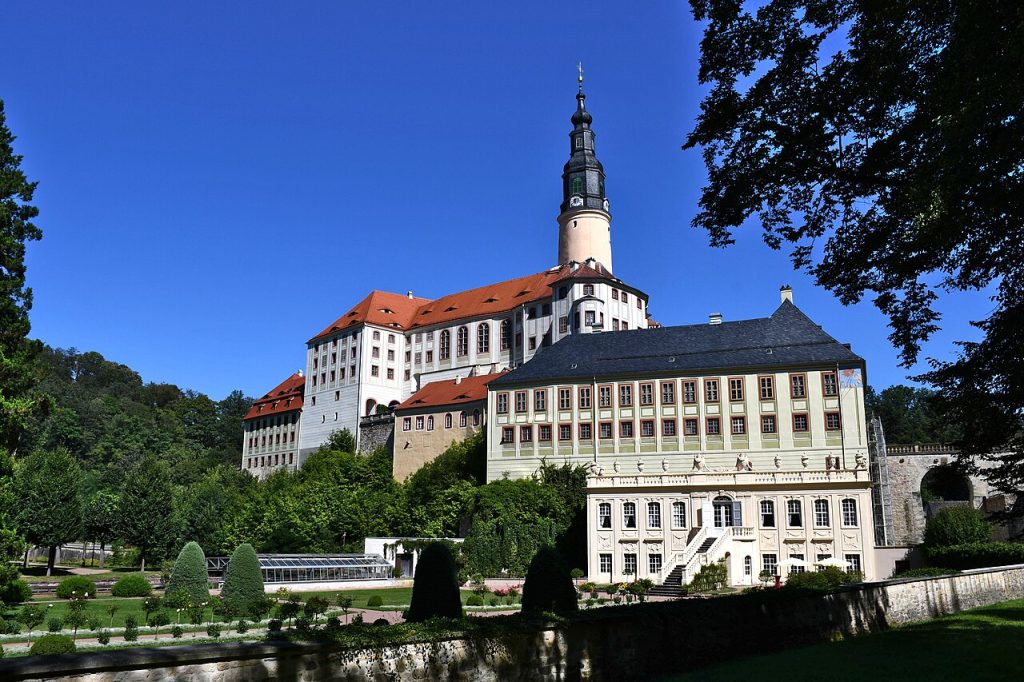
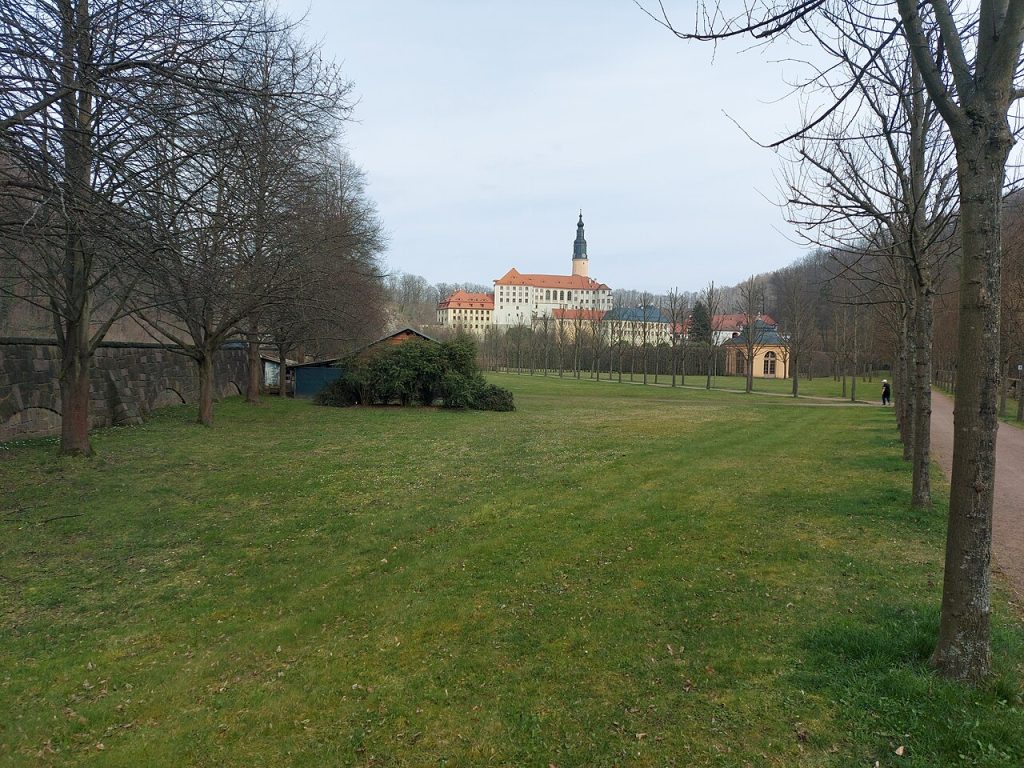
Below the palace, on the flat ground beside the river, lies a baroque garden with lawns, hedges, flower beds and a small lake.
From the garden, the palace looks especially impressive, rising on its rock above the trees. The garden was damaged by floods in 2002 but has since been restored.
The garden’s geometric layout reflects the baroque ideal of order, a deliberate contrast to the irregular, rugged form of the castle above.
In summer, the garden is a popular place for picnics and relaxation, with the palace providing a dramatic backdrop.
Cellars, Kitchens and Hidden Spaces
Part of the fascination of Weesenstein lies in its hidden spaces, from cellars carved into the rock to old kitchens and storage rooms, showing the practical side of life in a palace.
Children especially love exploring the cellars and passages, which feel like the setting for an adventure story.
Some cellars were used to store wine, food and supplies, while others served as workshops in earlier centuries.
The Muglitz Valley
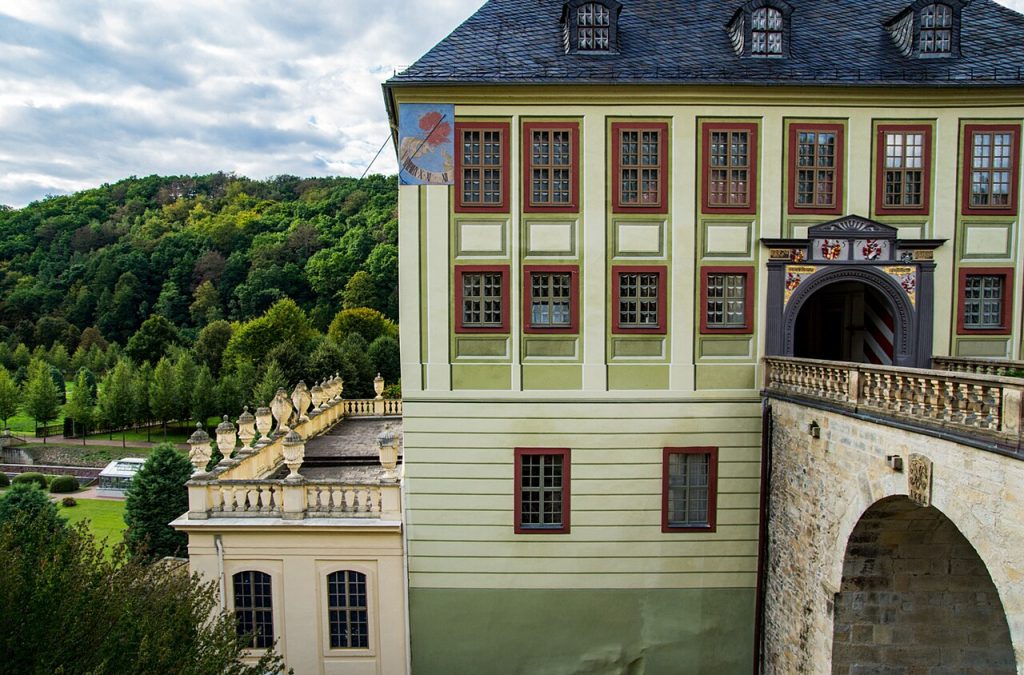
The Muglitz valley is a narrow, wooded valley leading from the Ore Mountains toward the Elbe near Dresden. A small railway runs through it, and walking trails follow the river.
The landscape of rocks, forests and meadows gives Weesenstein a romantic setting that has inspired painters and writers.
Hikers can follow trails from Weesenstein along the river and up into the surrounding hills.
Events and Festivals
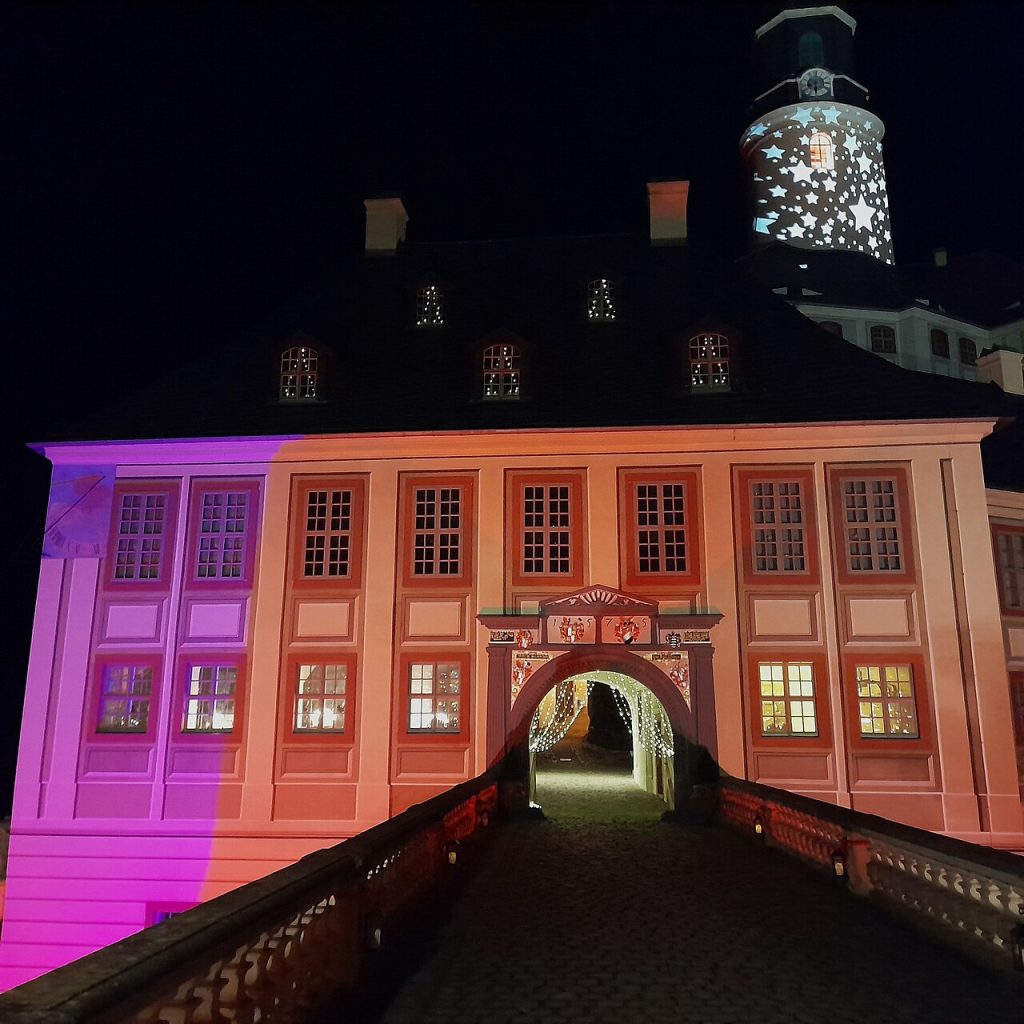
Weesenstein hosts concerts, theatre, medieval festivals and Christmas markets, and evening tours by lantern light offer a different way to discover the palace.
Weddings are often held in the chapel and the historic rooms, and the palace tavern serves beer brewed according to historic recipes.
Weesenstein on Video
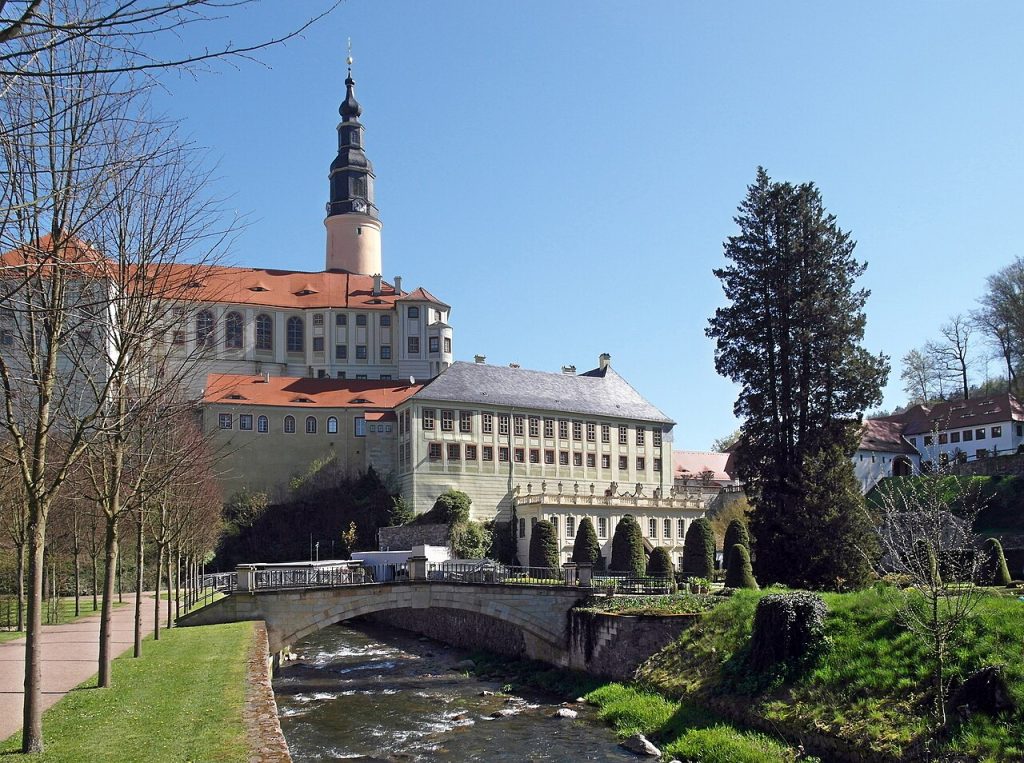
For a look at the palace and its unusual architecture, the video below presents Weesenstein.
If the video inspires you, read on for practical tips.
Visiting Weesenstein Today
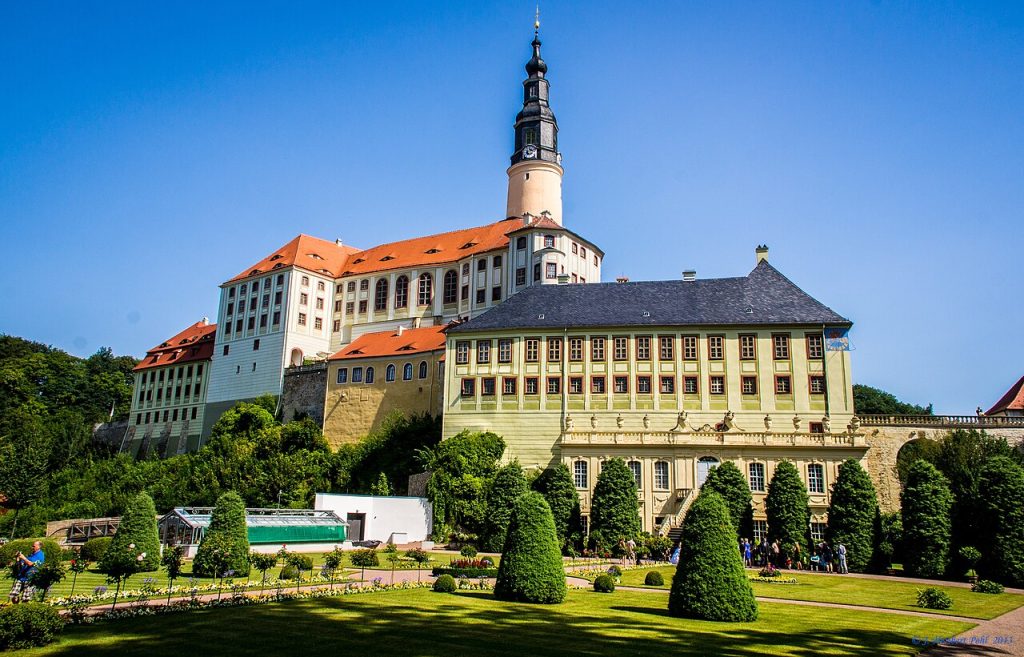
Weesenstein Palace is open throughout the year, with different hours in summer and winter.
The palace lies about twenty kilometres southeast of Dresden and can be reached by car or by the Muglitz valley railway. Wear comfortable shoes, as a visit involves many stairs.
Combine your visit with Dresden, Pillnitz Palace and the Saxon Switzerland national park.
Whenever you visit, Weesenstein offers an unforgettable experience of a castle that grew down its rock over seven centuries.
Audio guides and guided tours help visitors find their way through the maze of rooms and learn about the history of the palace.
View the location on Google Maps
Palaces Nearby
If you have enjoyed this palace, the region holds more remarkable residences. Here are two more well worth adding to your journey:
- Pillnitz Palace – the Chinese inspired summer palace of Saxony on the Elbe.
- Rammenau Baroque Palace – the rural baroque jewel of Upper Lusatia.
You May Like
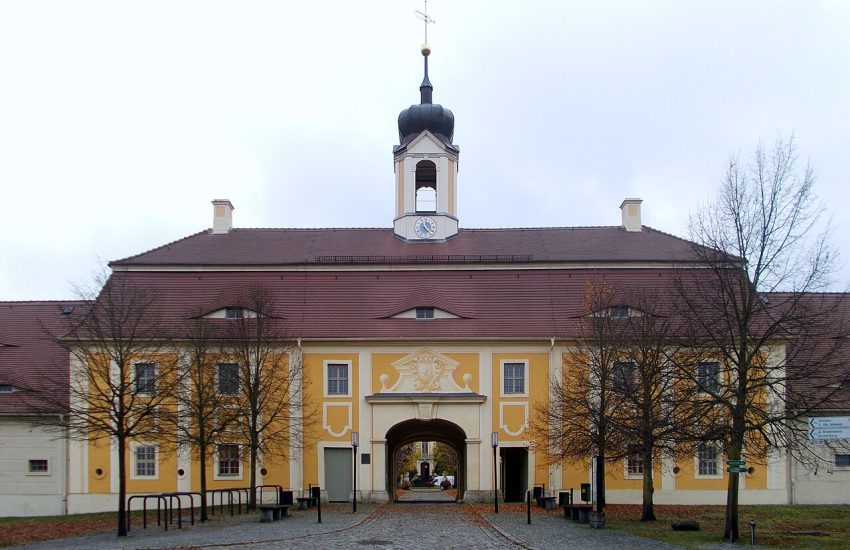
Rammenau Baroque Palace and the Rural Splendour of Upper Lusatia