High above the deep valley of the Zschopau river, a short drive from Chemnitz in Saxony, a baroque palace looks out over one of the most enchanting gardens in eastern Germany. Lichtenwalde Palace was built in the 1720s for a powerful Saxon minister, and its terraced garden, with hundreds of fountains and water features, has been called the Versailles of the region.
The palace burned in the early twentieth century and was rebuilt, and today it houses museums with remarkable collections of Asian art and paper cut silhouettes. But it is the garden, stretching along the edge of the valley with its avenues, hedges, sculptures and playing water, that draws most visitors.
In this article we will explore Lichtenwalde from the minister who built it to its garden, its fountains, its museums and its views, and we will finish with practical tips for your visit.
In This Article
- A Palace on the Edge of a Valley
- Count Watzdorf and His Ambition
- The Palace and Its Rebuilding
- The Baroque Garden
- Four Hundred Fountains
- Terraces Above the Zschopau
- Sculptures and Garden Rooms
- Treasures of Asian Art
- The Art of Paper Cutting
- Concerts and Garden Festivals
- From Noble Seat to Public Treasure
- Lichtenwalde on Video
- Visiting Lichtenwalde Today
A Palace on the Edge of a Valley
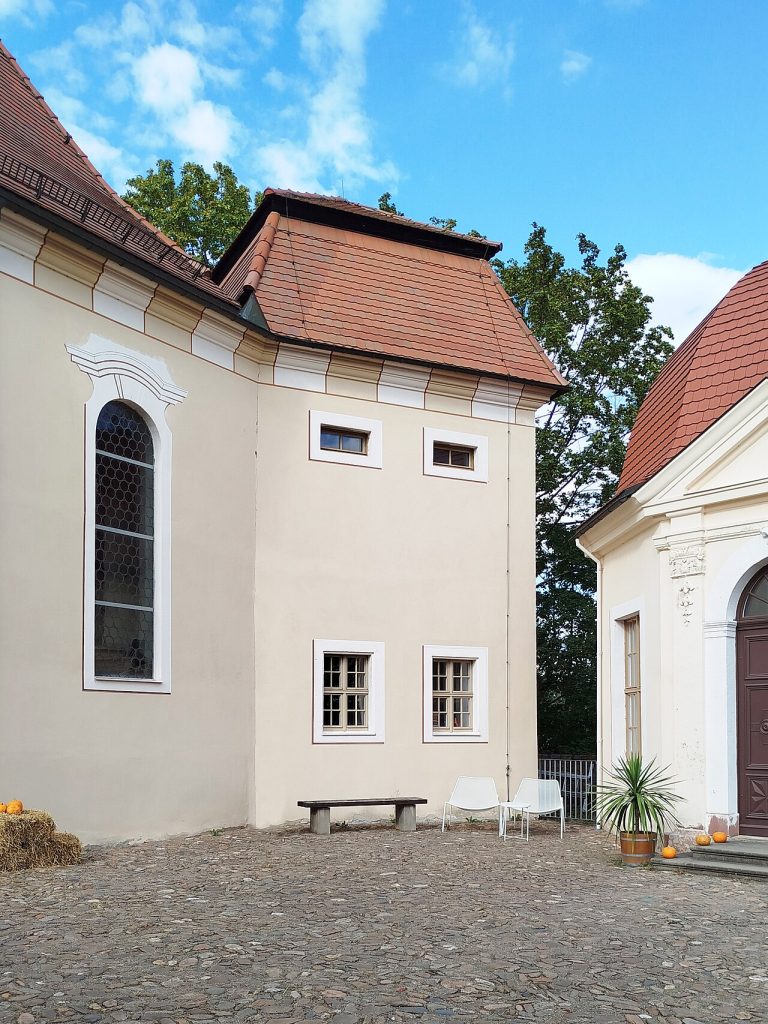
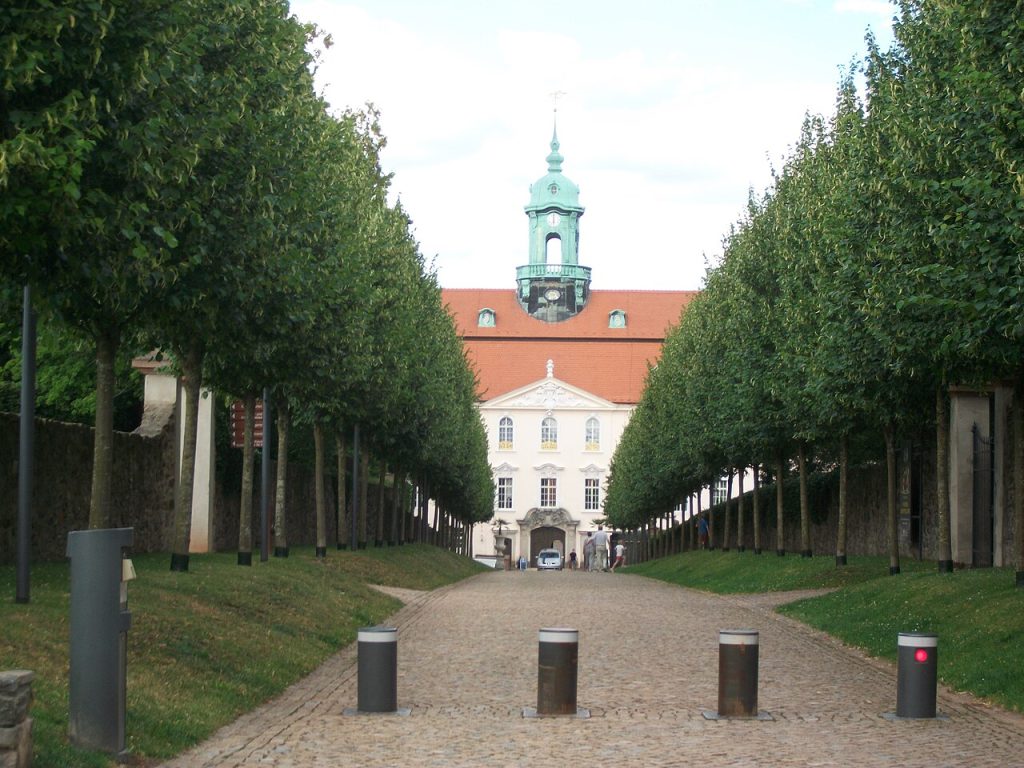
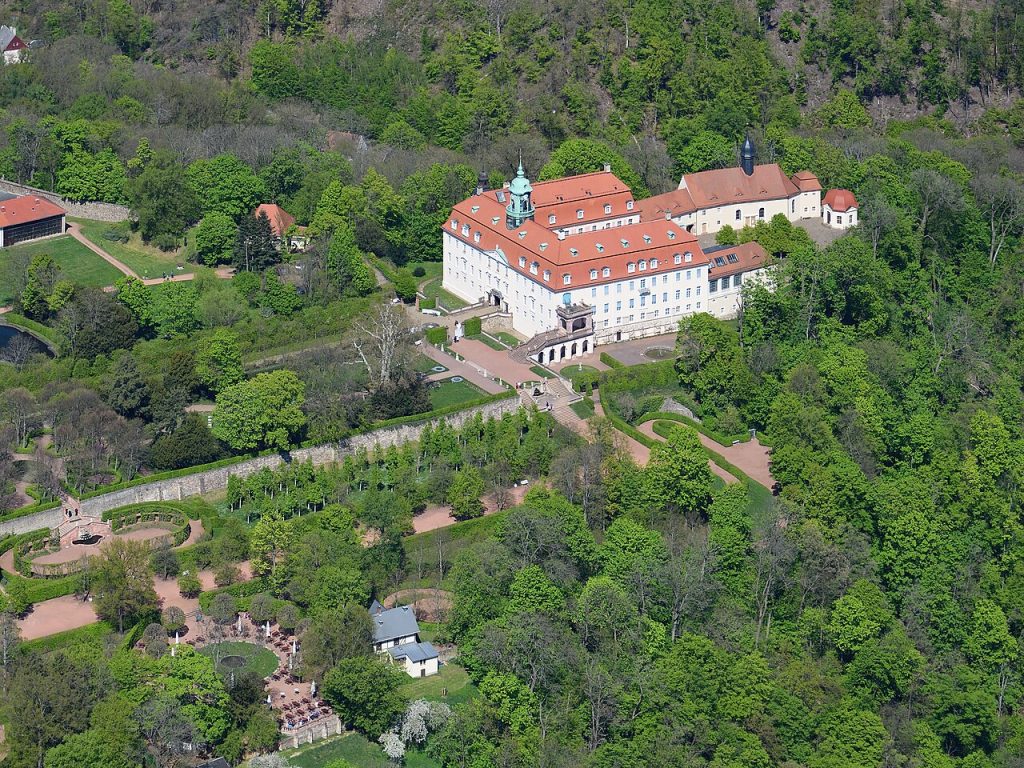
Arriving at Lichtenwalde, you first see a long, pale palace standing at the edge of a plateau. Behind it, the land drops steeply into the forested valley of the Zschopau, creating a dramatic natural setting.
The palace and garden stretch along this edge, so that from many points you can look down into the valley and across the wooded hills beyond.
What makes Lichtenwalde special is the combination of baroque garden art, water features and a spectacular landscape, all within easy reach of Chemnitz.
Many visitors come for a short walk and end up staying for hours, discovering new corners of the garden at every turn.
The approach from the village leads through a gateway into the courtyard, from which the garden opens up like a stage set, with the valley beyond.
The village of Lichtenwalde is small and quiet, and the palace and garden dominate it with their elegance.
The garden is particularly beautiful from spring to autumn, when the fountains are running and the flower beds are in bloom.
Lichtenwalde is one of the jewels of the Saxon palace landscape, and it is often combined with other castles and palaces in the Chemnitz region, such as Augustusburg and Sachsenburg.
Count Watzdorf and His Ambition
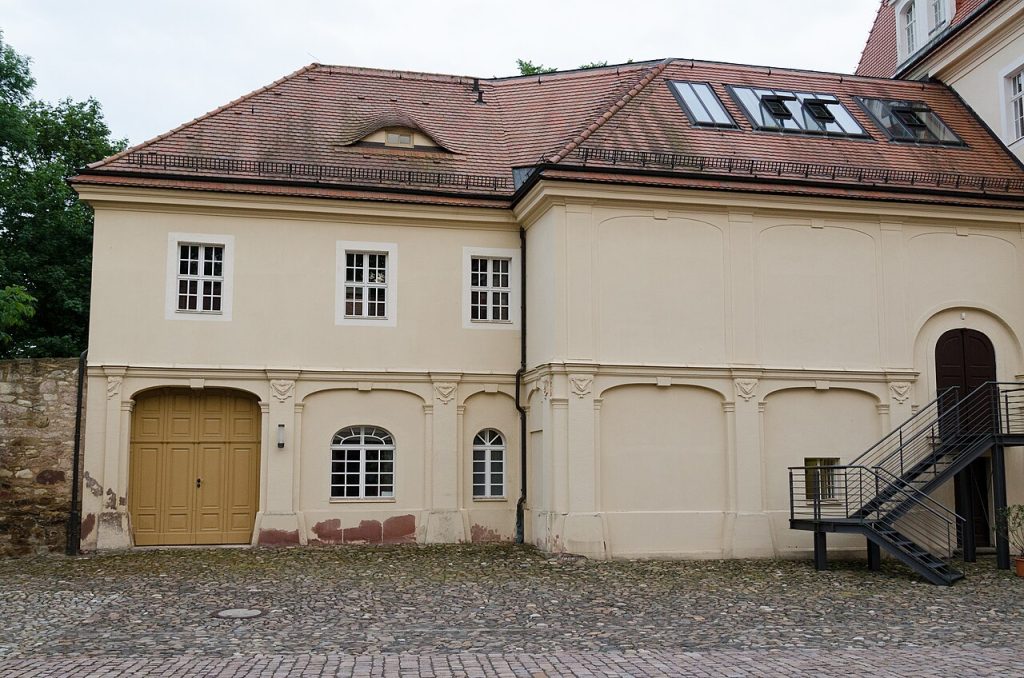
The palace was built for Christoph Heinrich von Watzdorf, a high official at the court of Augustus the Strong, elector of Saxony and king of Poland, who rose to become a cabinet minister.
Like many nobles of his time, he wanted a country seat that reflected his status and his closeness to the brilliant court in Dresden.
In the early 1720s he began building a new palace at Lichtenwalde, together with a large baroque garden laid out on terraces above the valley.
Watzdorf’s career ended in disgrace after he fell out of favour at court, but his palace and garden survived him. Later, Lichtenwalde belonged to the counts of Vitzthum, who owned it until the twentieth century.
The court of Augustus the Strong was famous for its splendour, festivals and art collections, and courtiers like Watzdorf competed to imitate its brilliance in their own residences.
Under the Vitzthum family, the garden was maintained and extended, and the estate became one of the most admired country seats in Saxony.
The Palace and Its Rebuilding
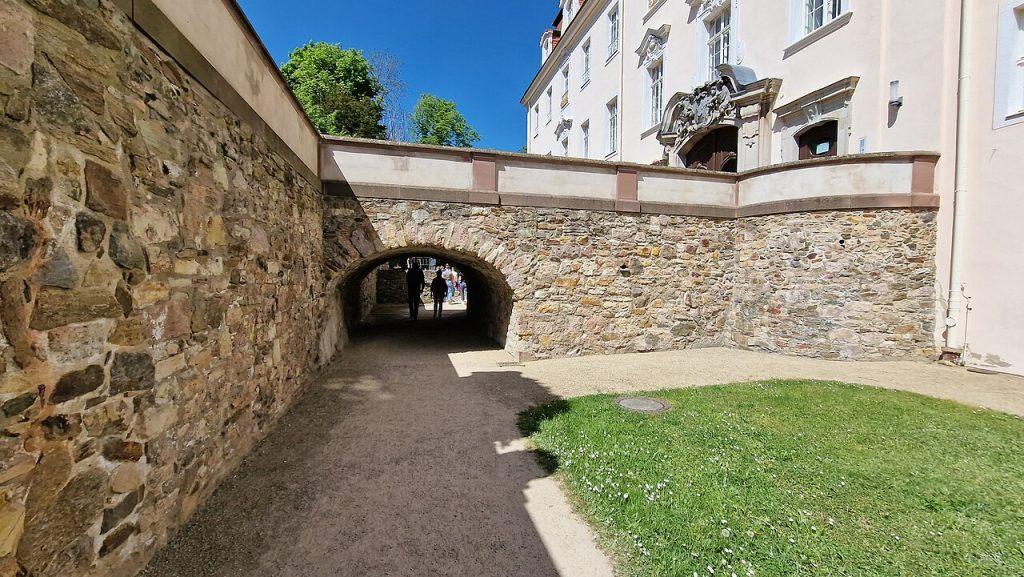
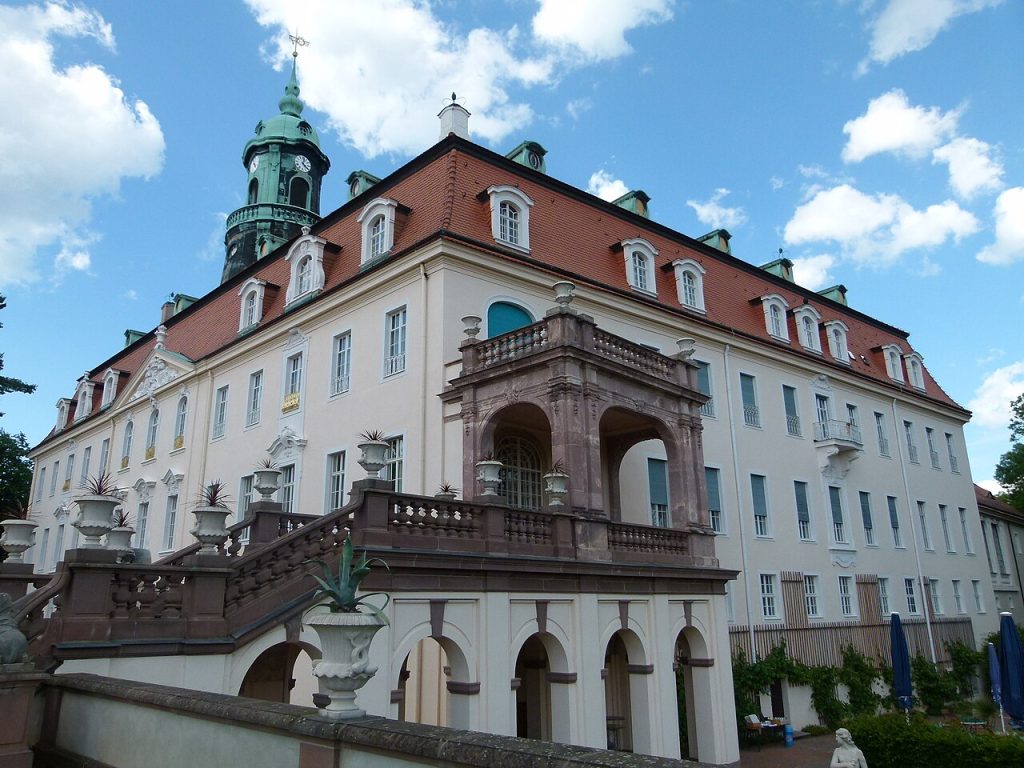
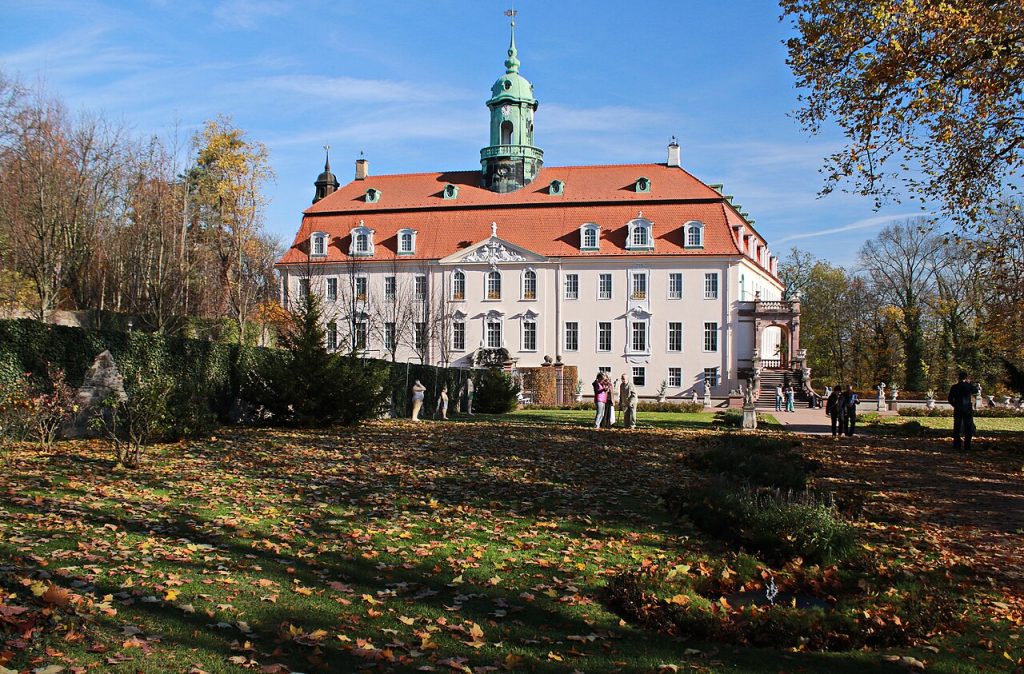
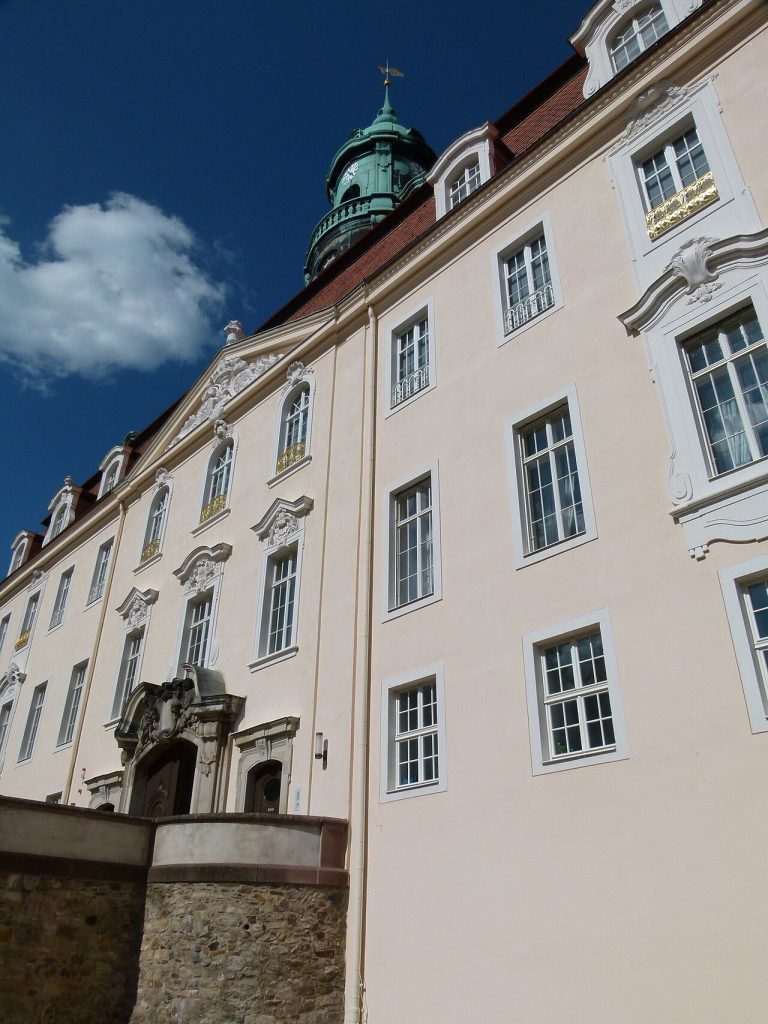
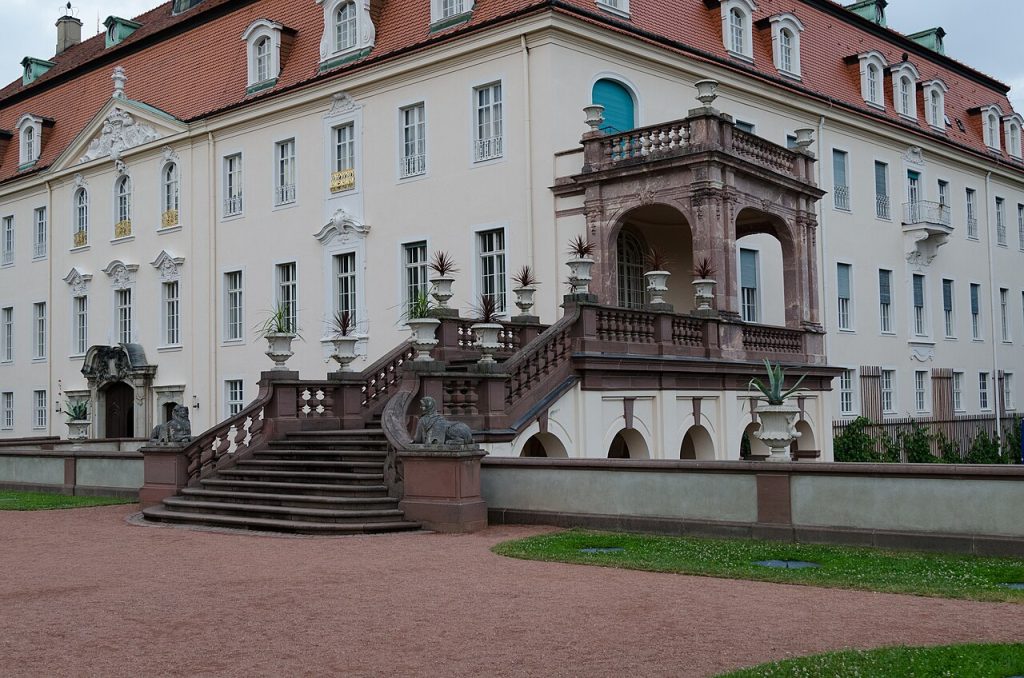
The palace was built between 1722 and 1726 in the baroque style, with a long main building facing the garden and side wings framing a courtyard.
In 1905 a great fire destroyed much of the palace, and it was rebuilt in the following years, combining historic forms with the taste of the early twentieth century.
After the Second World War, the palace was used for various purposes, and in recent decades it has been carefully restored as a museum and cultural venue.
Despite the fire, the overall layout and character of the palace survived, and its long facade still dominates the edge of the garden.
Walking around the palace, you can appreciate how it was designed to look out over the garden and the valley, linking architecture and landscape.
The rebuilt palace now houses museums, event rooms and offices, and its restored facades shine again above the garden.
The Baroque Garden
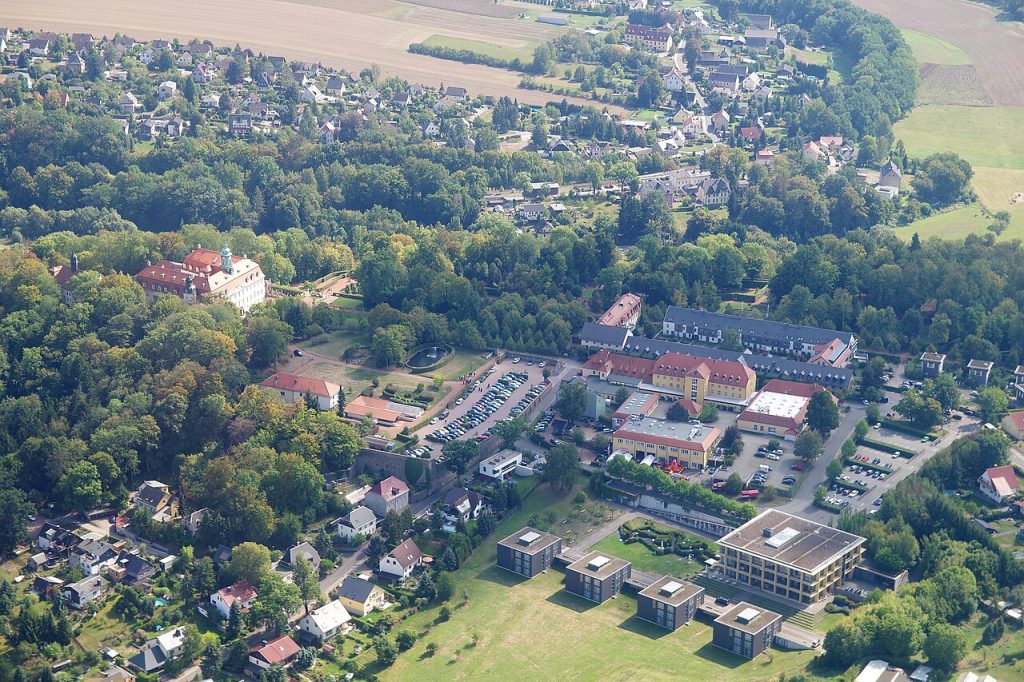
The baroque garden of Lichtenwalde is one of the finest in Saxony, laid out on several terraces along the edge of the valley, with avenues, hedges, flower beds and sculptures.
The garden is divided into a series of garden rooms, each with its own character, connected by paths and stairways.
Clipped hedges and trees create green walls, framing views and leading visitors from one space to the next.
In spring, tulips and other bulbs fill the flower beds, while in summer roses and annual plants create a colourful display.
Old trees, some of them planted centuries ago, provide shade and structure, and their size gives the garden a sense of history.
Sculptures of gods, seasons and allegorical figures add interest and meaning to the garden.
The garden was restored in recent decades based on historical plans, and it now looks much as it did in the eighteenth century.
Walking through it, you experience the baroque love of order, surprise and theatrical effect.
Four Hundred Fountains
Water is the soul of Lichtenwalde’s garden. The garden contains around four hundred fountains and water features, from small jets to cascades and pools, making it one of the richest water gardens in Germany.
The fountains are fed by a historic water system that uses the natural slope of the land to create pressure.
On summer days, the sound of water fills the garden, and the jets sparkle in the sunlight. Some fountains are hidden in green rooms, waiting to surprise visitors as they turn a corner.
Children especially love the fountains, and on hot days the garden is a refreshing place to spend an afternoon.
The fountains are usually in operation from spring to autumn, and seeing them all at play is one of the highlights of a visit.
Some water features imitate natural springs and cascades, while others are formal basins with jets rising high into the air.
Terraces Above the Zschopau
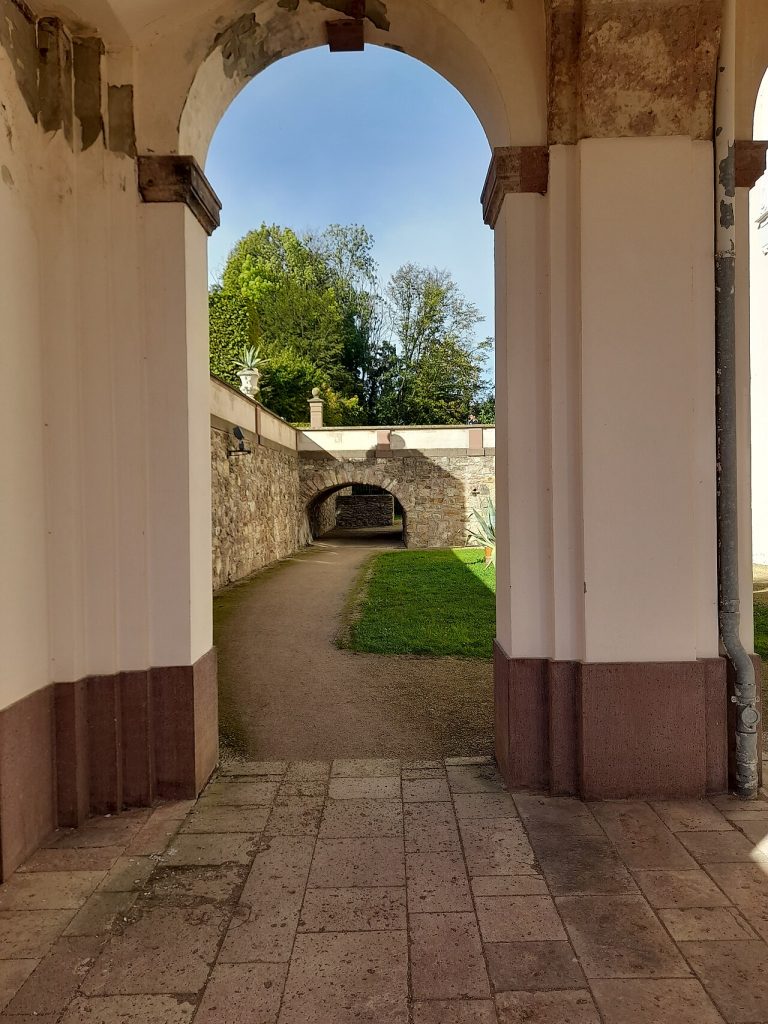
The terraces of the garden are built along the steep edge of the plateau, with stone walls and stairways connecting the different levels.
From the terraces, there are spectacular views down into the Zschopau valley and across the forested hills, one of the most beautiful panoramas in the region.
The view changes with the seasons, from the fresh green of spring to the gold and red of autumn and the quiet white of winter.
The combination of formal garden and wild landscape creates a striking contrast that delighted eighteenth century visitors and still impresses today.
Benches placed along the terraces invite you to sit and enjoy the view, especially in the soft light of evening.
Photographers love Lichtenwalde for its combination of formal garden and wild landscape, especially in the soft light of morning and evening.
Sculptures and Garden Rooms
The garden is decorated with numerous sculptures depicting figures from classical mythology, the seasons and the elements, turning a walk into a journey through stories and ideas.
Many of the sculptures have been restored or replaced with copies to protect the originals from weather.
Each garden room has its own theme and atmosphere, from quiet, shaded corners to open spaces with fountains and flowers.
Exploring them one by one, you discover the variety and imagination of baroque garden design.
Some figures are placed at the end of avenues, drawing the eye and inviting visitors to walk toward them.
Treasures of Asian Art
Inside the palace, the museum houses a remarkable collection of art from Asia, including sculptures, ceramics, textiles and religious objects from China, Japan, Tibet and India.
The collection recalls the fascination with Asian art that was strong at the court of Augustus the Strong, who collected porcelain on a grand scale.
The displays introduce visitors to different cultures and religions, offering a fascinating contrast to the European garden outside.
Highlights include Buddhist sculptures, Chinese porcelain and finely crafted textiles, each telling stories of distant cultures.
The Art of Paper Cutting
Another museum in the palace is devoted to paper cutting and silhouettes, a craft that was popular for centuries. Some works on display are astonishingly detailed, with intricate patterns cut from a single sheet of paper.
Paper cutting was once a popular pastime in aristocratic and middle class homes, and silhouette portraits were a fashionable way to remember family and friends.
The museum also hosts workshops where visitors can try paper cutting themselves, a popular activity for families.
Concerts and Garden Festivals
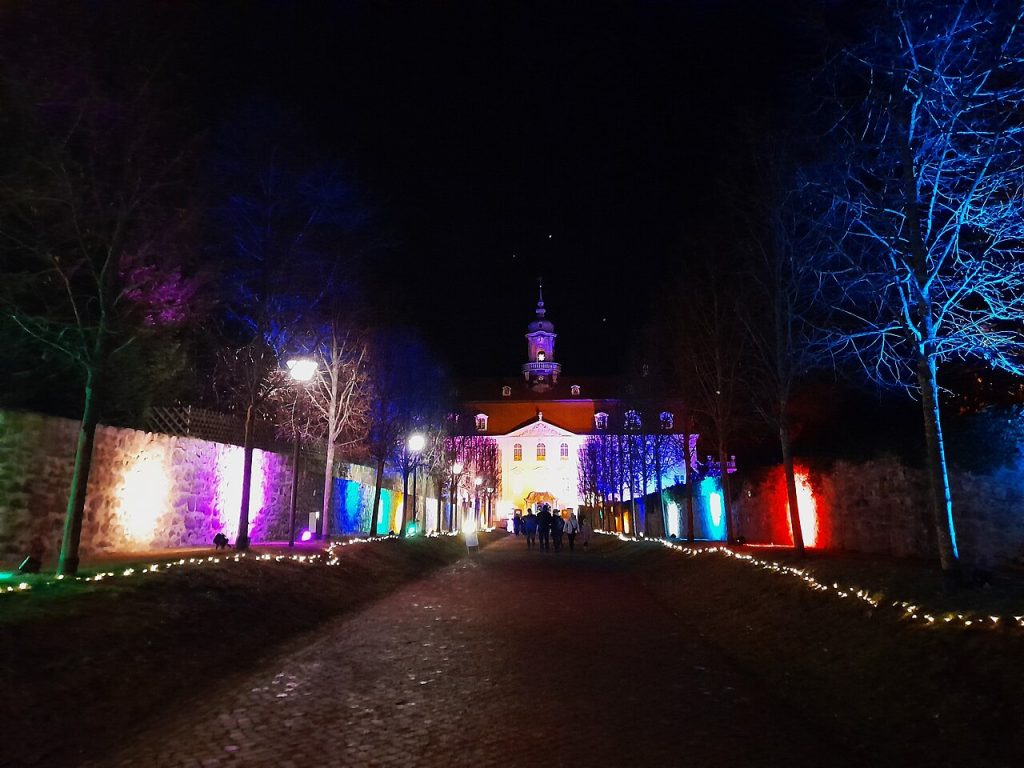
Lichtenwalde hosts concerts, garden festivals, illuminations and seasonal markets throughout the year, and at Christmas the garden is decorated with lights.
On summer evenings, the garden is sometimes illuminated, and the fountains and hedges take on a magical appearance.
Concerts in the palace and the garden bring music back to the place where it once entertained the guests of Count Watzdorf.
From Noble Seat to Public Treasure
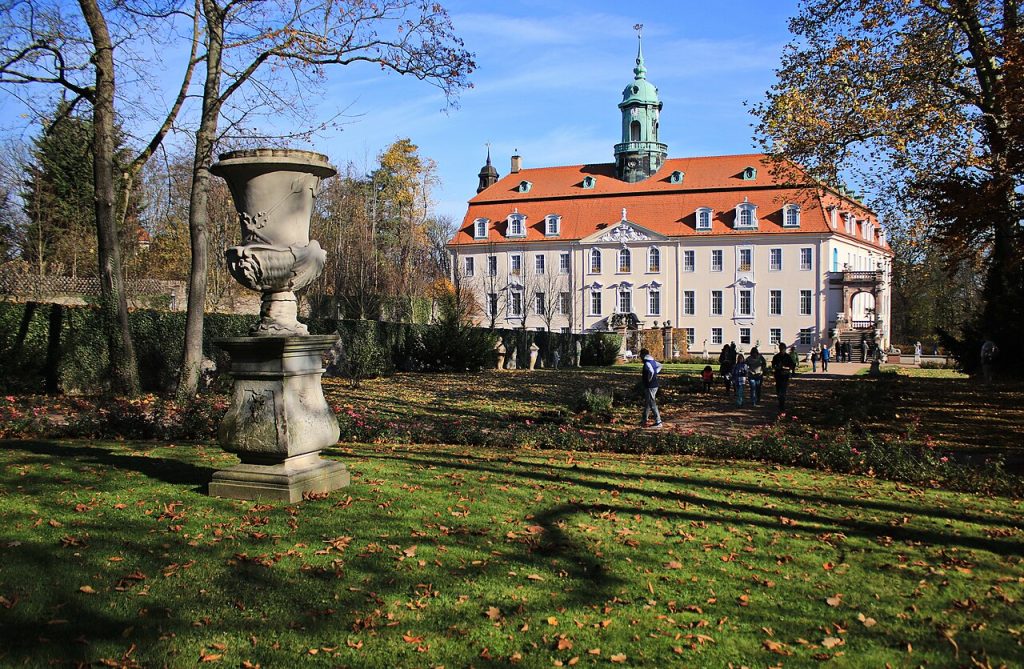
After 1945, the palace and garden were taken over by the state, and parts of the garden were neglected. After reunification, a major restoration brought the fountains back to life and recreated the garden rooms.
During the decades after the war, many fountains fell silent and the garden lost much of its former splendour.
Today Lichtenwalde is one of the most visited garden monuments in Saxony, a symbol of the region’s rich baroque heritage.
Lichtenwalde on Video
For a look at the palace and its garden of fountains, the video below presents Lichtenwalde.
If the video inspires you, read on for practical tips.
Visiting Lichtenwalde Today
The garden is open all year, and the fountains usually run from spring to autumn. The museums have their own opening hours, and combined tickets are available.
Lichtenwalde lies about fifteen kilometres east of Chemnitz and is easy to reach by car or bus. Combine your visit with Augustusburg Palace, a short drive away.
Whenever you visit, Lichtenwalde offers a delightful blend of baroque garden art, playing water and wide views over the valley.
Plan at least half a day to explore the garden, enjoy the views and visit the museums, and bring comfortable shoes for the terraces and stairways.
There is a restaurant and cafe in the palace, where you can enjoy a meal or coffee with views of the garden.
View the location on Google Maps
Palaces Nearby
If you have enjoyed this palace, the region holds more remarkable residences. Here are two more well worth adding to your journey:
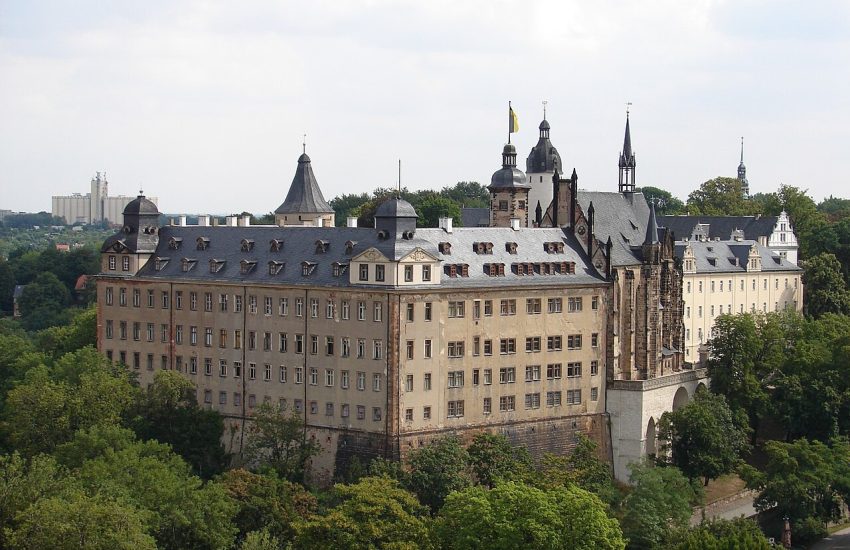
- Altenburg Palace – the thousand year old residence on its rock above Altenburg.
- Augustusburg Hunting Palace – the Renaissance crown of the Ore Mountains.
You May Like
Augustusburg Hunting Palace and the Crown of the Ore Mountains


One thought on “Lichtenwalde Palace and Its Garden of Four Hundred Fountains”