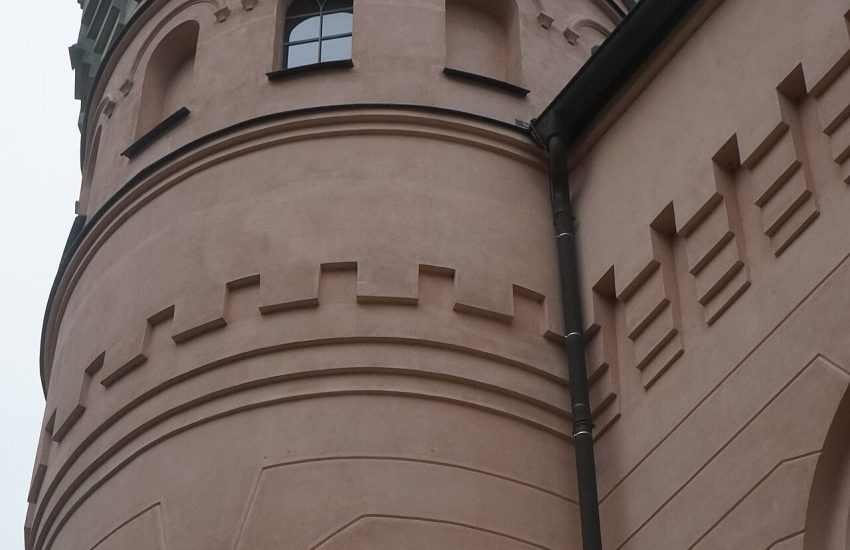
On the edge of Cottbus, in the flat sandy country of Lusatia, a prince built pyramids. Not in Egypt, but here in Brandenburg, in the middle of a romantic landscape park. Branitz Palace was the home of Prince Hermann von Puckler Muskau, traveller, writer, dandy and one of the greatest garden designers in Europe, and he chose to be buried inside a pyramid rising from a lake.
Come with me and I will tell you about a prince who drove white stags through the streets of Berlin, wrote bestselling travel books, travelled across Africa and spent his last years turning poor farmland into a paradise.
We will see his palace, his oriental rooms, his famous ice cream, and of course the pyramids, and finish with tips for your visit.
In This Article
- A Palace in a Painted Landscape
- Prince Puckler, the Eccentric Genius
- From Muskau to Branitz
- The Palace
- The Oriental Rooms
- The Pyramids
- A Park Like a Painting
- The Cavalier House and Stables
- Lucie, the Woman Behind the Prince
- Cottbus and Lusatia
- Branitz on Video
- Visiting Branitz Today
A Palace in a Painted Landscape
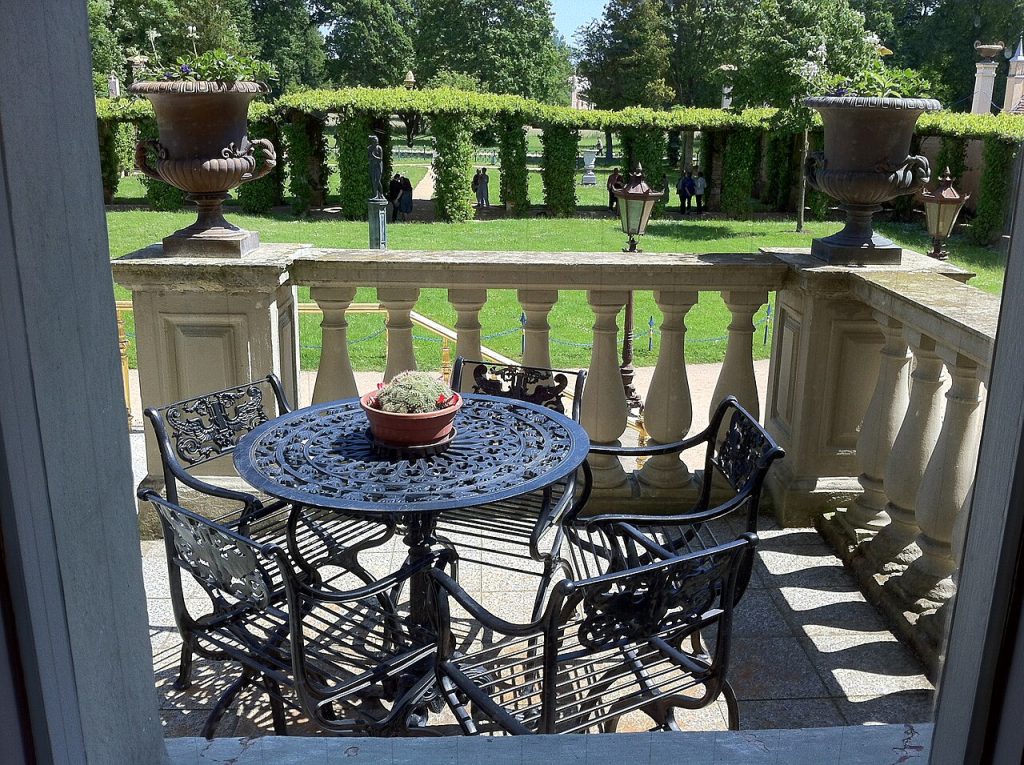
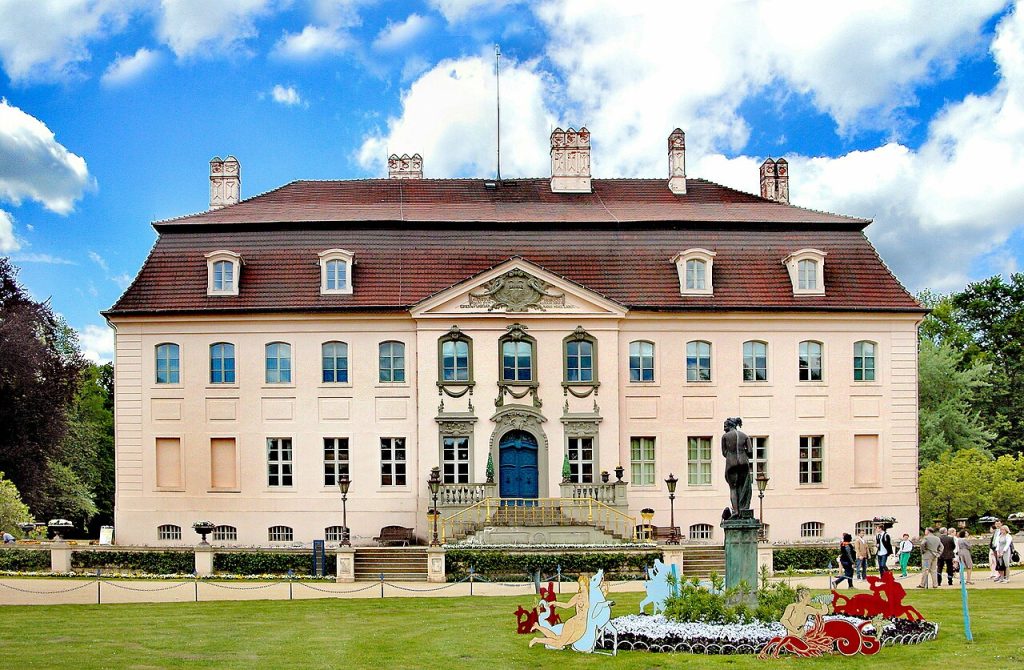
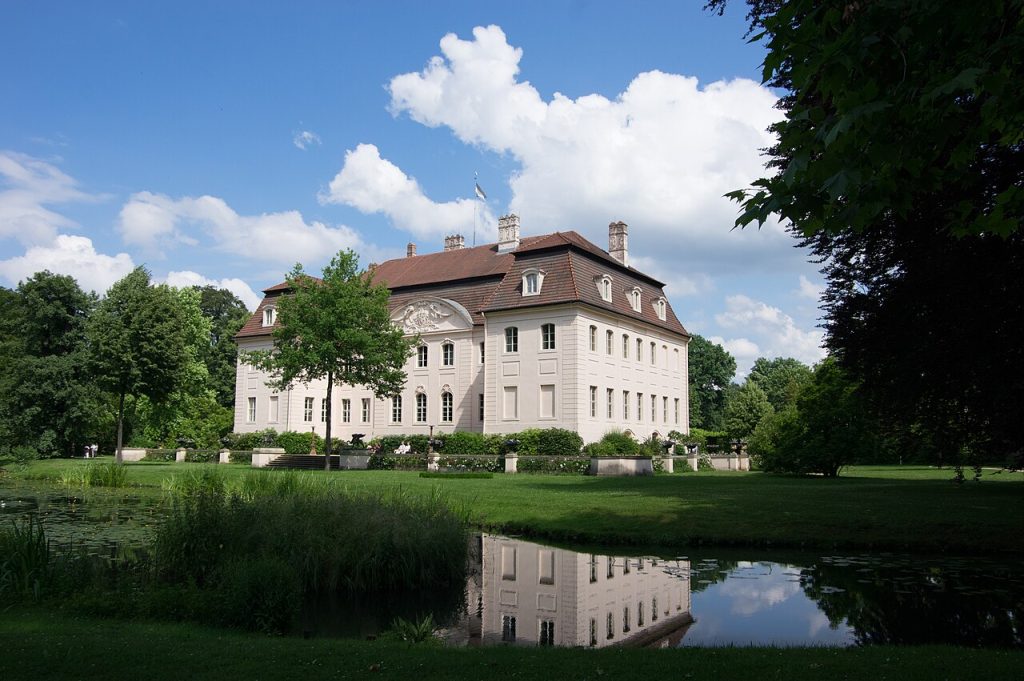
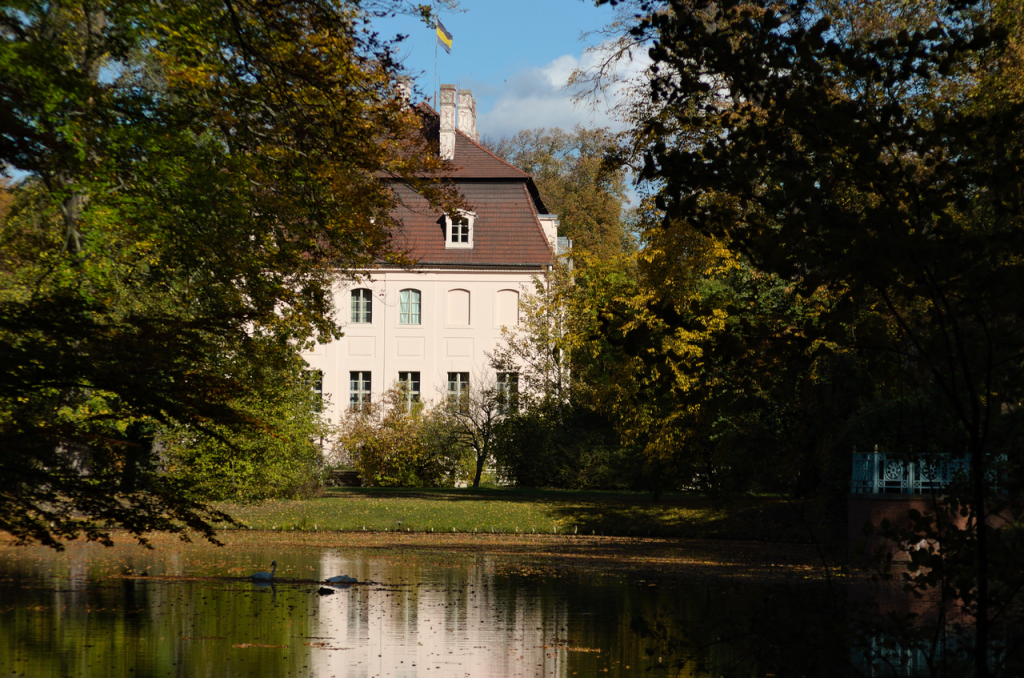
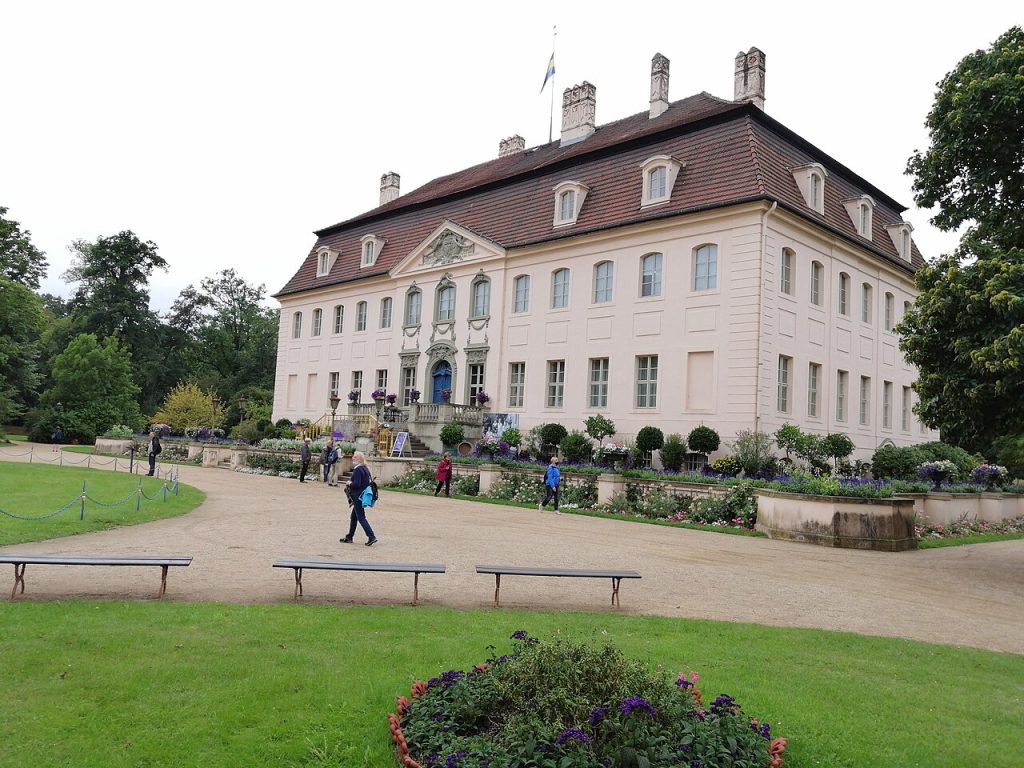
Arriving at Branitz, you see a compact late baroque palace standing in a wide park of lawns, ponds, groups of trees and winding paths.
Everything around you was designed like a series of paintings. Every view, every tree and every bend in the path was carefully planned by the prince.
And somewhere in the distance, rising above the water, you will spot something completely unexpected: a grass covered pyramid.
Prince Puckler, the Eccentric Genius
Hermann von Puckler Muskau was born in 1785 and became one of the most colourful characters of his age. He was famous for his debts, his love affairs, his dramatic gestures and his brilliant writing.
Stories about him are endless. It is said that he once drove through Berlin in a carriage pulled by stags, and that he invented a dessert, the layered Puckler ice cream, still sold in Germany today.
He travelled widely in England, North Africa and the Middle East, and his travel letters became bestsellers across Europe.
From Muskau to Branitz
Puckler first created a vast landscape park at Muskau, today a UNESCO World Heritage Site on the German Polish border. But the project ruined him financially, and in 1845 he had to sell Muskau.
He moved to his family estate at Branitz, then a poor and sandy farm, and at the age of sixty began creating a new park from scratch.
For the next twenty five years he moved earth, dug lakes and planted thousands of trees, turning a barren landscape into a masterpiece.
The Palace
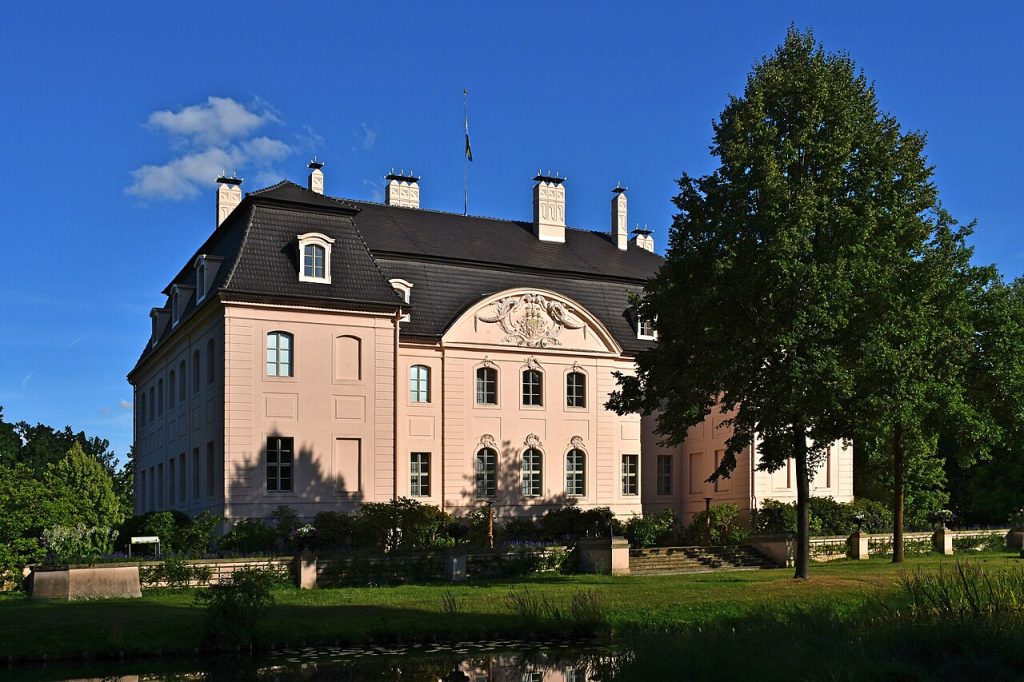
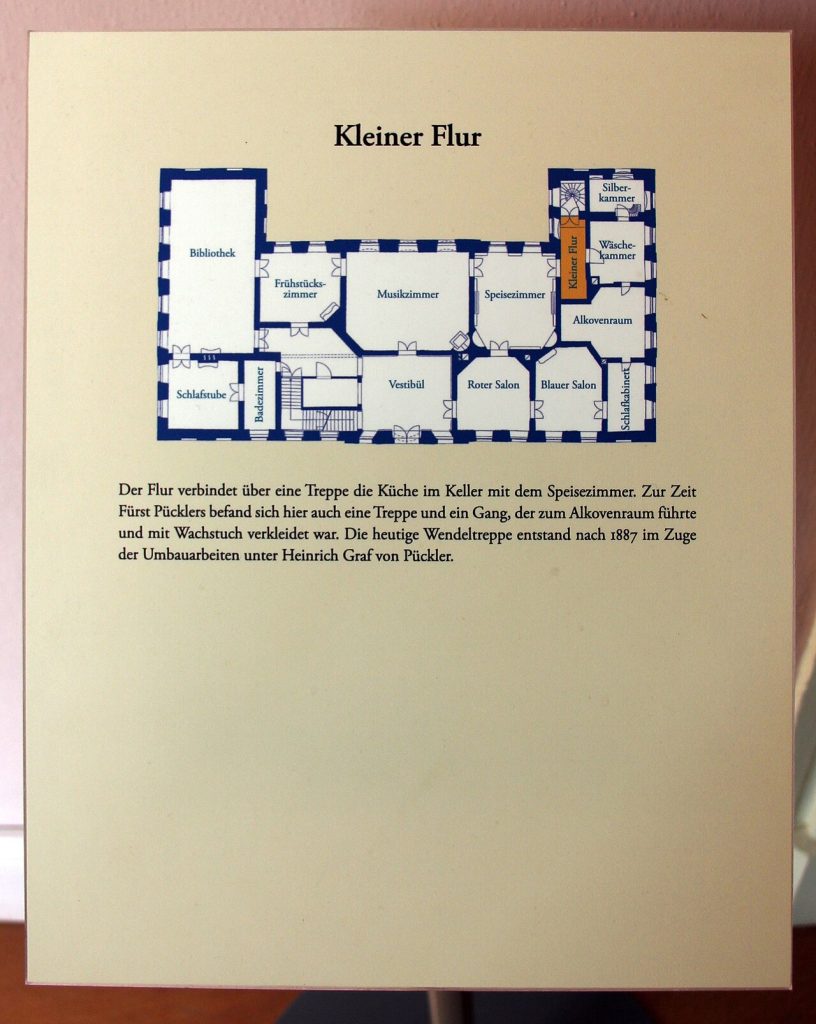
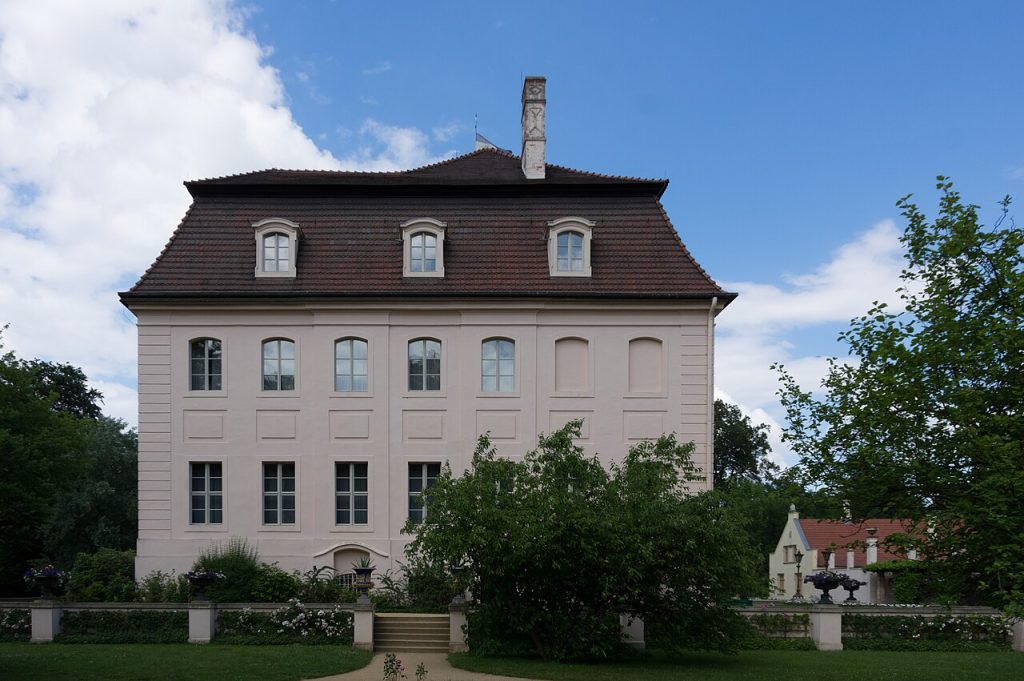
The palace was built in the eighteenth century and remodelled by Puckler, with interiors partly designed by the famous architect Gottfried Semper.
Inside you will see elegant rooms, a library and souvenirs of the prince’s travels, along with paintings and furniture from his time.
The Oriental Rooms
One of the highlights is the prince’s oriental rooms, decorated with objects and textiles he brought back from his journeys in Egypt, Sudan and the Ottoman Empire.
These rooms show his fascination with the East, a fashion of his time, and they give a colourful glimpse of nineteenth century travel.
His journeys also had a darker side. In Cairo he acquired a young Ethiopian girl named Machbuba, who travelled with him and died young in Muskau. Her story is today told with care as part of a critical look at the prince’s life.
The Pyramids
Now for the famous part. In the park, Puckler built two earth pyramids. The land pyramid stands on a meadow, while the water pyramid, or tumulus, rises from a lake like an island.
Puckler was buried inside the water pyramid in 1871, and his wife Lucie’s remains were later moved there too. The prince believed that his grave should become part of the landscape.
Walking around the lake and looking at the green pyramid reflected in the water is one of the most unusual experiences in any German garden.
A Park Like a Painting
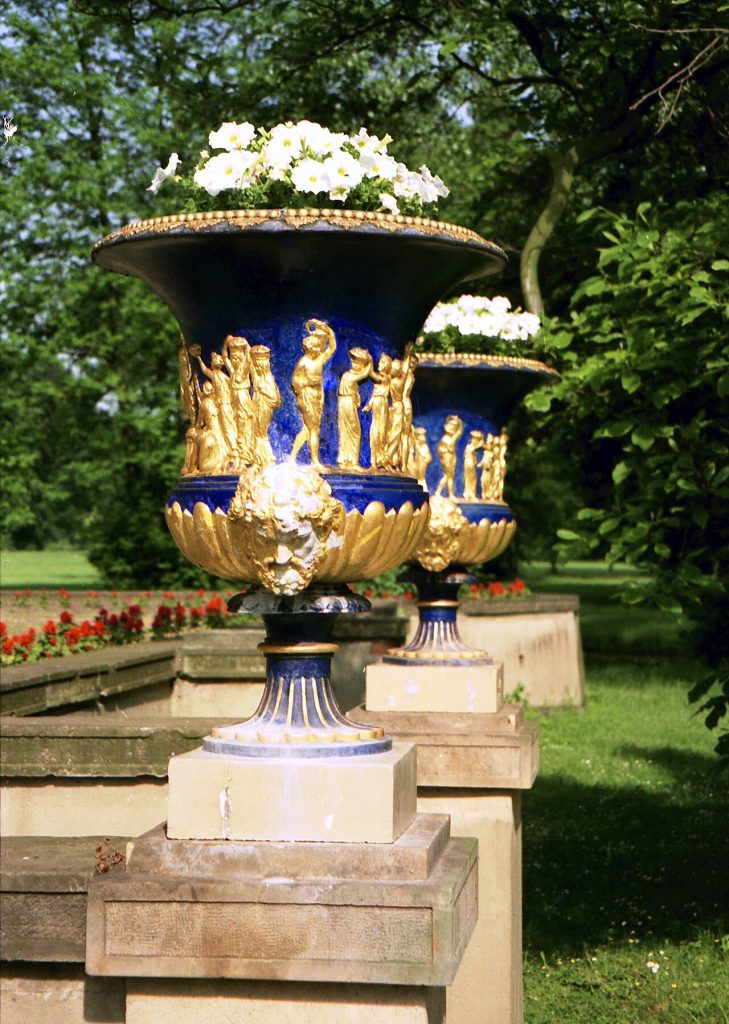
The Branitz park is one of the finest landscape gardens in Europe, with lakes, meadows, groves, bridges and carefully framed views.
Puckler used every trick of the landscape gardener, hiding boundaries, creating long sightlines and planting trees so that they would look perfect decades later.
Walk slowly and look back often. The views change at every step.
The Cavalier House and Stables
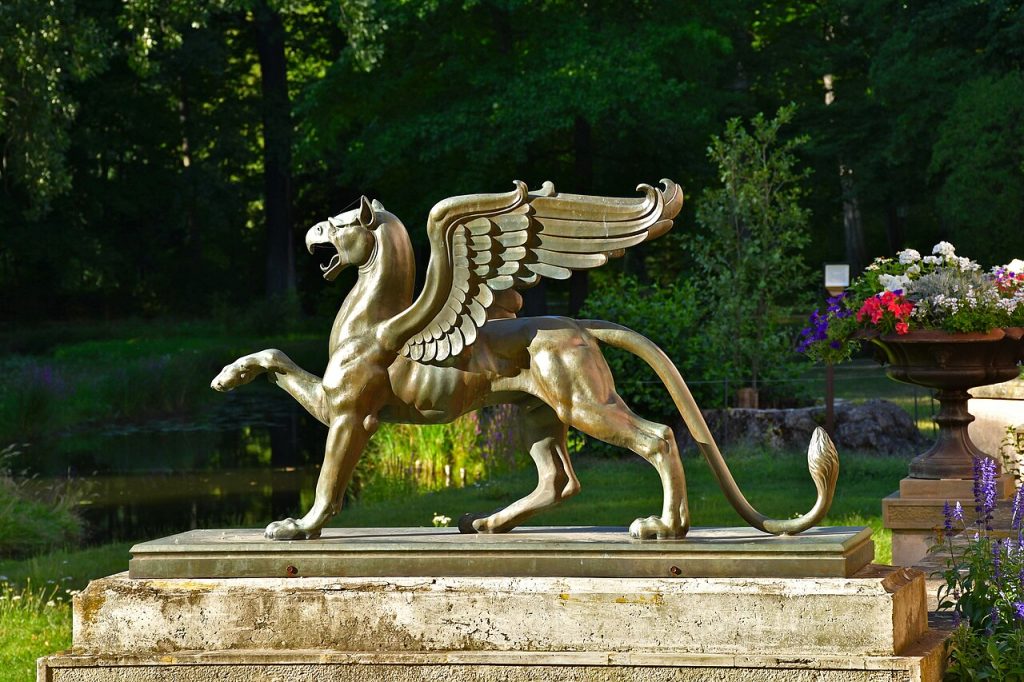
Around the palace stand the cavalier house, stables and other buildings, which today house exhibitions, a cafe and visitor facilities.
The stables remind us of the prince’s love of horses and his flamboyant carriage rides.
Lucie, the Woman Behind the Prince
Puckler’s wife, Lucie von Hardenberg, was his greatest supporter. When he ran out of money, they agreed to a staged divorce so that he could look for a rich heiress in England, while they remained devoted to each other.
The plan failed, but their friendship lasted for life, and Lucie lived with him at Branitz until her death.
Cottbus and Lusatia
Branitz lies on the edge of Cottbus, the main city of Lower Lusatia, home to the Sorbian minority and close to the Spreewald, a unique landscape of canals and forests.
A visit to Branitz combines well with a boat trip through the Spreewald canals.
Branitz on Video
Here is a short video of the park and its pyramids.
If the video makes you want to visit, here are some practical tips.
Visiting Branitz Today
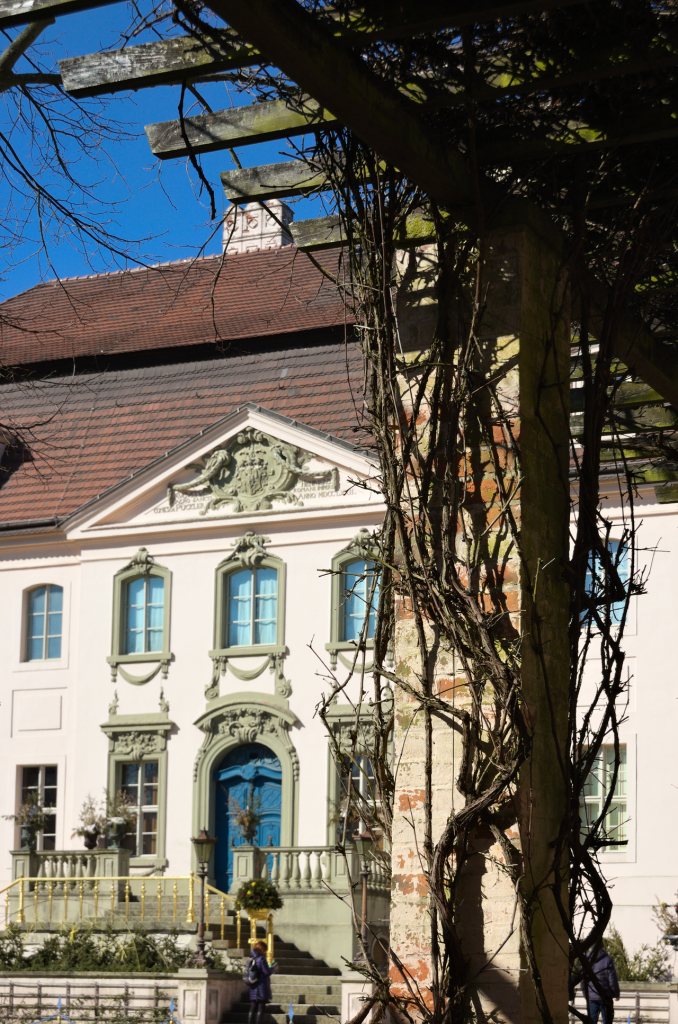
The Branitz palace and park are open throughout the year, with the museum open daily in the main season.
Branitz lies on the southeastern edge of Cottbus, about one hundred and twenty kilometres southeast of Berlin, and is easy to reach by train and bus.
Plan at least half a day, and try the Puckler ice cream in the cafe before you leave.
View the location on Google Maps
Palaces Nearby
If you have enjoyed this palace, the region holds more remarkable residences. Here are two more well worth adding to your journey:
- Caputh Palace – the small lakeside summer palace with its famous hall of Dutch tiles near Potsdam.
- Oranienburg Palace – the Dutch style palace of Louise Henriette of Orange north of Berlin.
You May Like
Spyker Castle and the Ghost of the Swedish Field Marshal