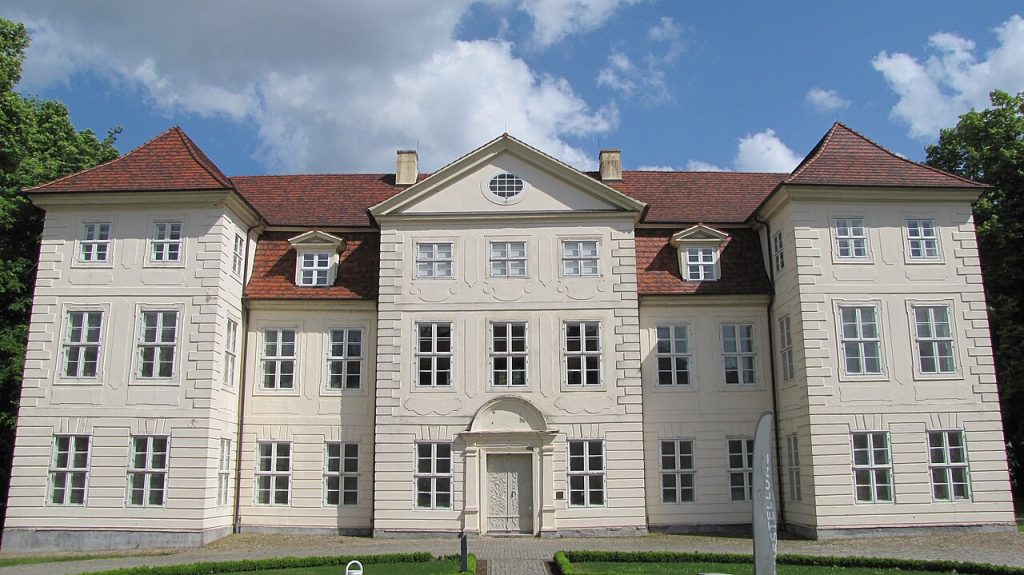
On a small island in a lake in the Mecklenburg Lake District, reached by a little bridge, stands a pastel coloured palace with a big story. Mirow Palace belonged to the dukes of Mecklenburg Strelitz, and one of the girls who grew up in this quiet corner of Germany became Queen Charlotte of Great Britain, wife of King George III.
Come with me across the bridge and I will show you rococo rooms full of delicate stucco, a church where the dukes rest in their crypt, and a tiny island of love with a sad legend.
We will finish with tips for your visit, including how to explore the lakes by boat or canoe.
In This Article
- A Palace on an Island
- The Dukes of Mecklenburg Strelitz
- The Girl Who Became Queen
- Rococo Rooms
- Masterpieces of Stucco
- The Church and the Ducal Crypt
- The Island of Love
- The Gatehouse and the Cavalier House
- The Mecklenburg Lake District
- Rescue and Restoration
- Concerts on the Island
- Mirow on Video
- Visiting Mirow Today
A Palace on an Island
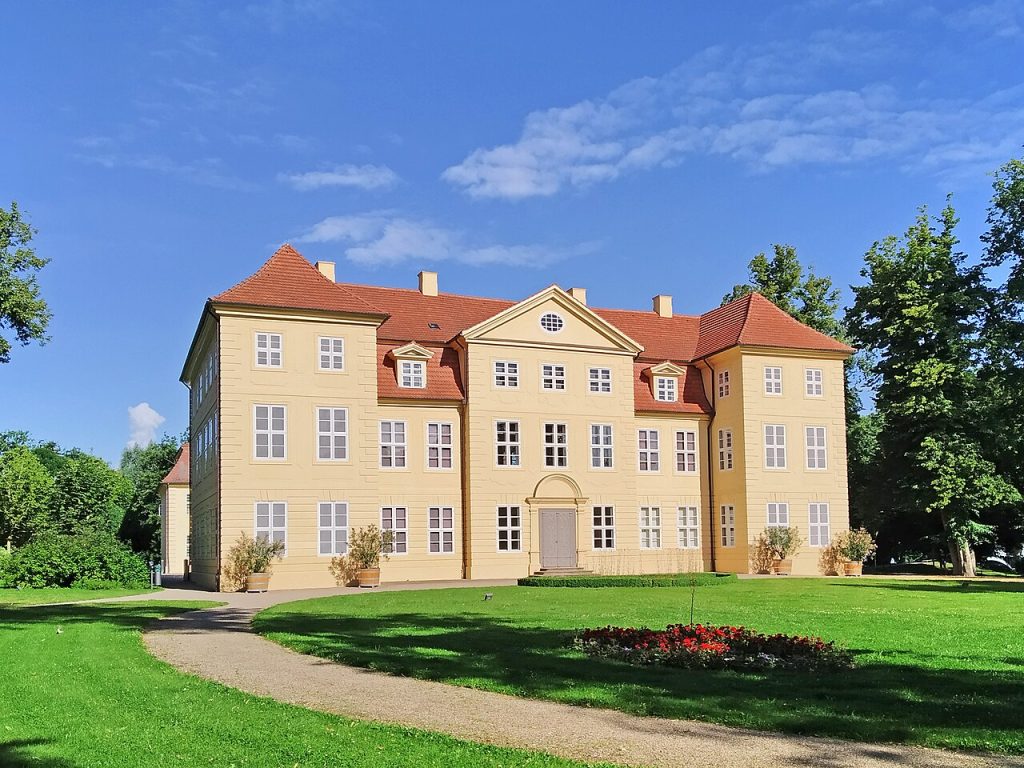
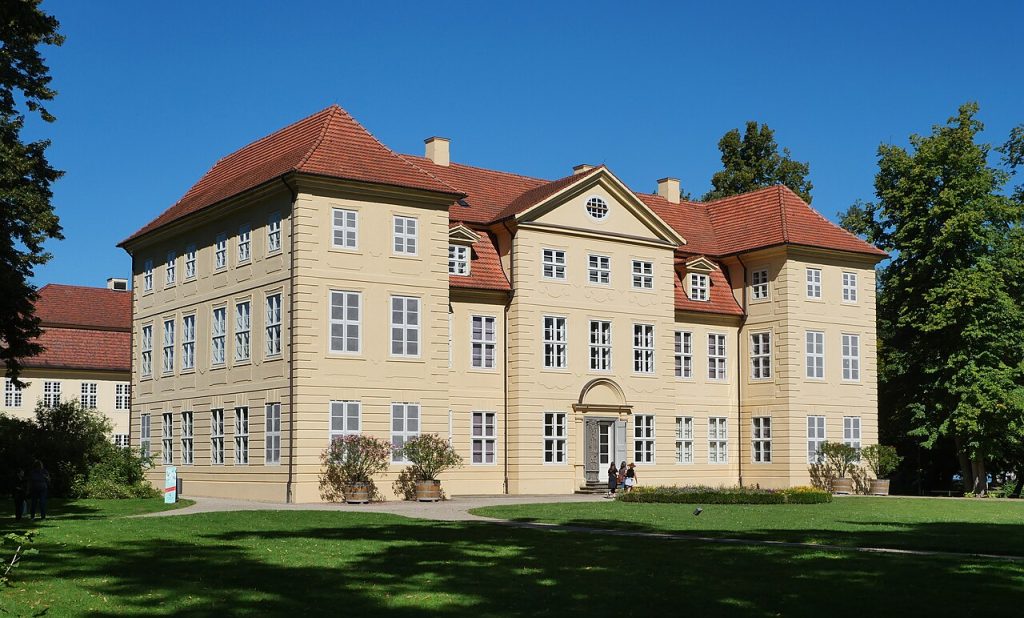
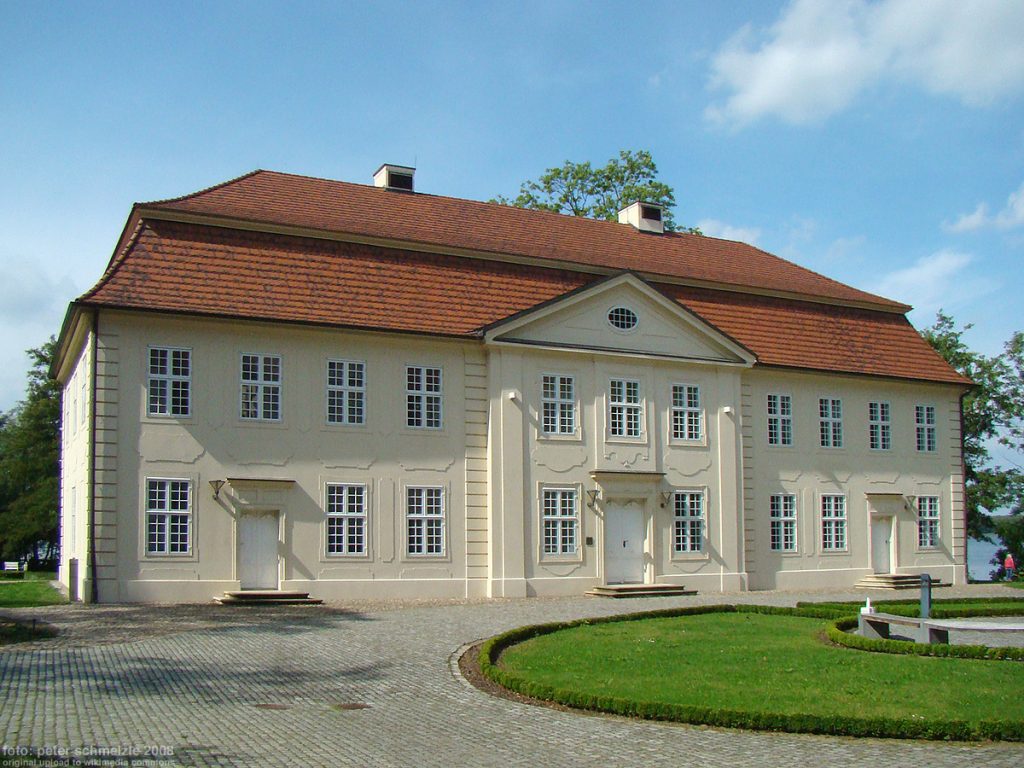
As you walk across the bridge from the town of Mirow, the palace appears among the trees, its soft pink and white facades reflected in the water of the Mirower See.
The island feels like a little world of its own, with the palace, the church, a gatehouse and lawns that run down to the water.
It is quiet here, and that is the charm. Boats drift by, birds call from the reeds, and the old buildings seem to sleep in the sun.
Many visitors arrive by canoe or houseboat, because Mirow lies on one of the most popular waterways in the Mecklenburg Lake District.
The Dukes of Mecklenburg Strelitz
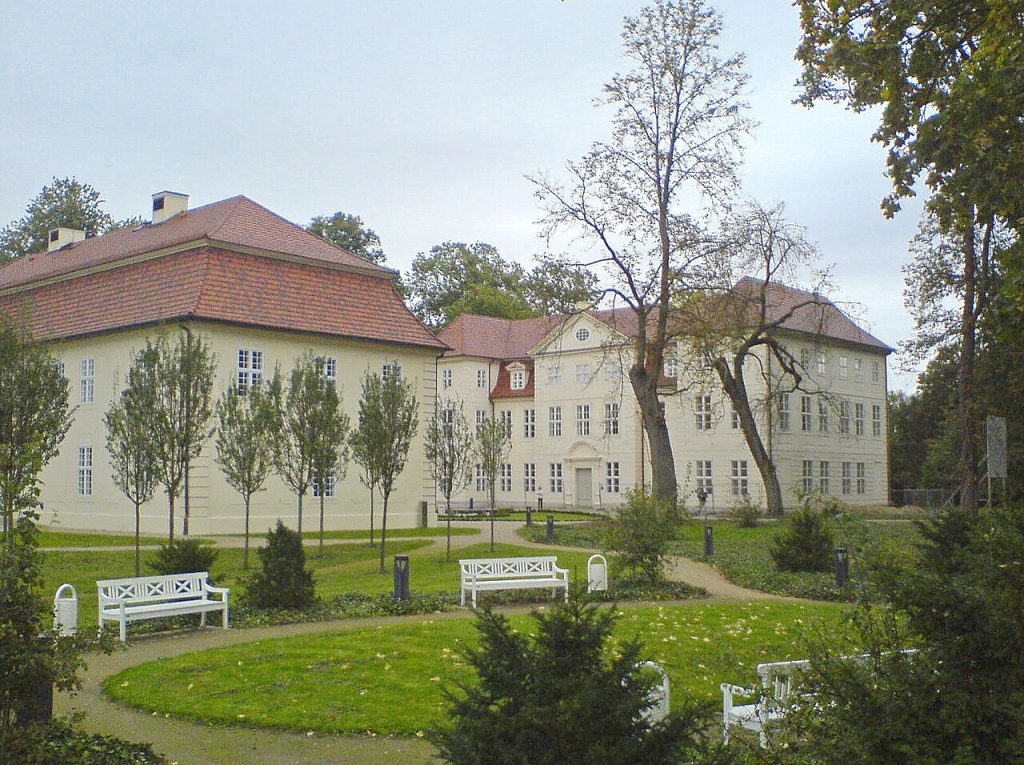
In the early eighteenth century, the duchy of Mecklenburg was divided, and the smaller branch, Mecklenburg Strelitz, used Mirow as a residence for widowed duchesses and younger members of the family.
The present palace was built in the mid eighteenth century after a fire destroyed an earlier building, and it was decorated in the fashionable rococo style.
Mirow was never a great capital, but it was a beloved family home, and its rooms reflect the comfortable elegance of a small German court.
The Girl Who Became Queen
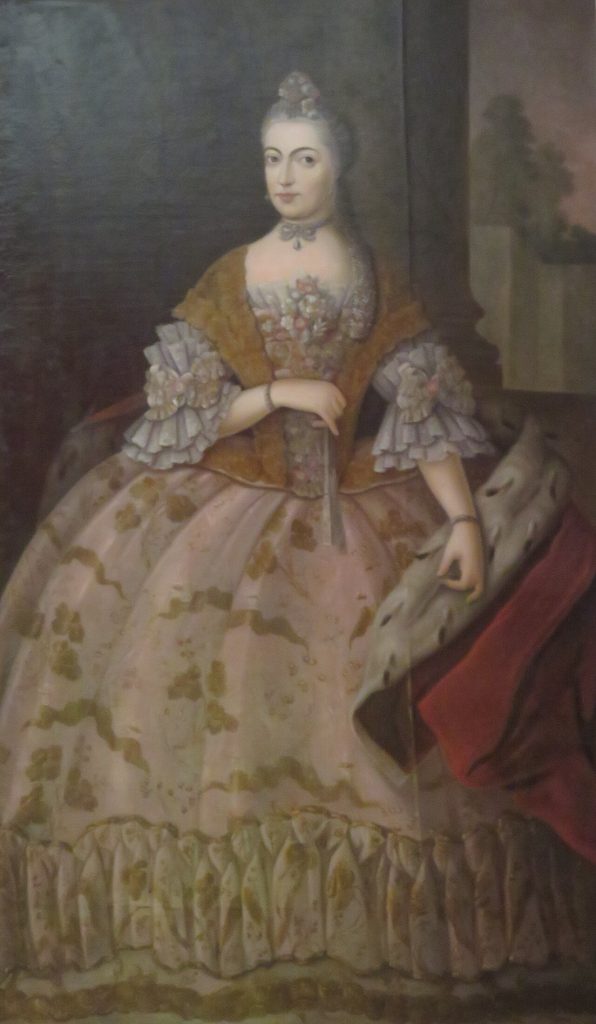
Here is the story everyone in Mirow loves. In 1744, Princess Sophie Charlotte of Mecklenburg Strelitz was born here, a daughter of a younger son of the ducal family.
In 1761, at the age of seventeen, she was chosen as the bride of King George III of Great Britain. She travelled to London, met her husband on their wedding day, and was crowned queen a few weeks later.
Queen Charlotte had fifteen children, became a great patron of music and botany, and gave her name to places around the world, from Charlotte in North Carolina to Charlottetown in Canada.
Imagine her as a little girl playing on this island, never dreaming that she would one day be queen of one of the most powerful countries in the world.
Rococo Rooms
After a careful restoration, the palace interiors have reopened as a museum. The rooms are decorated with delicate stucco, painted ceilings and elegant colours.
The highlight is the festive hall, with stucco ornaments of shells, flowers and garlands that seem to dance across the walls and ceiling.
Some rooms are furnished with period pieces, and others tell the story of the family and of Queen Charlotte through pictures and objects.
Masterpieces of Stucco
Look up as you walk from room to room. The stucco work at Mirow is among the finest rococo decoration in northern Germany.
Skilled craftsmen shaped the plaster by hand into flowers, birds, scrolls and figures, and each room has its own design.
The Church and the Ducal Crypt
Next to the palace stands the church of the Order of Saint John, a brick church with a tall tower, which served as the burial place of the dukes of Mecklenburg Strelitz.
In the crypt rest members of the ducal family, and the church is a peaceful place for a moment of quiet reflection.
From the church tower, when it is open, there is a wonderful view over the island and the lakes.
The Island of Love
Behind the palace, a small wooded islet called the Island of Love lies in the lake. It is the burial place of the last grand duke of Mecklenburg Strelitz, Adolf Friedrich VI.
His story is a sad one. In 1918, shortly before the end of the monarchy, the young grand duke took his own life, and the reasons remain a mystery. Rumours spoke of debts, a secret love and political despair.
He was buried here at his own wish, and his simple grave among the trees is one of the most moving places in Mirow.
The Gatehouse and the Cavalier House
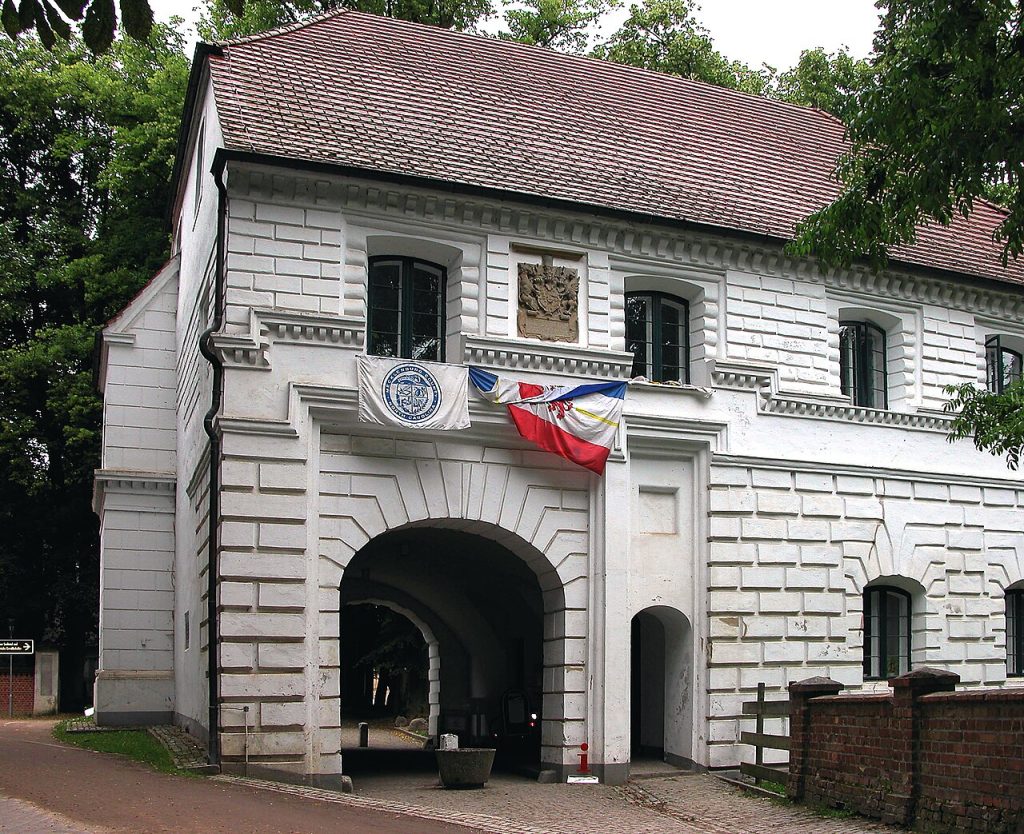
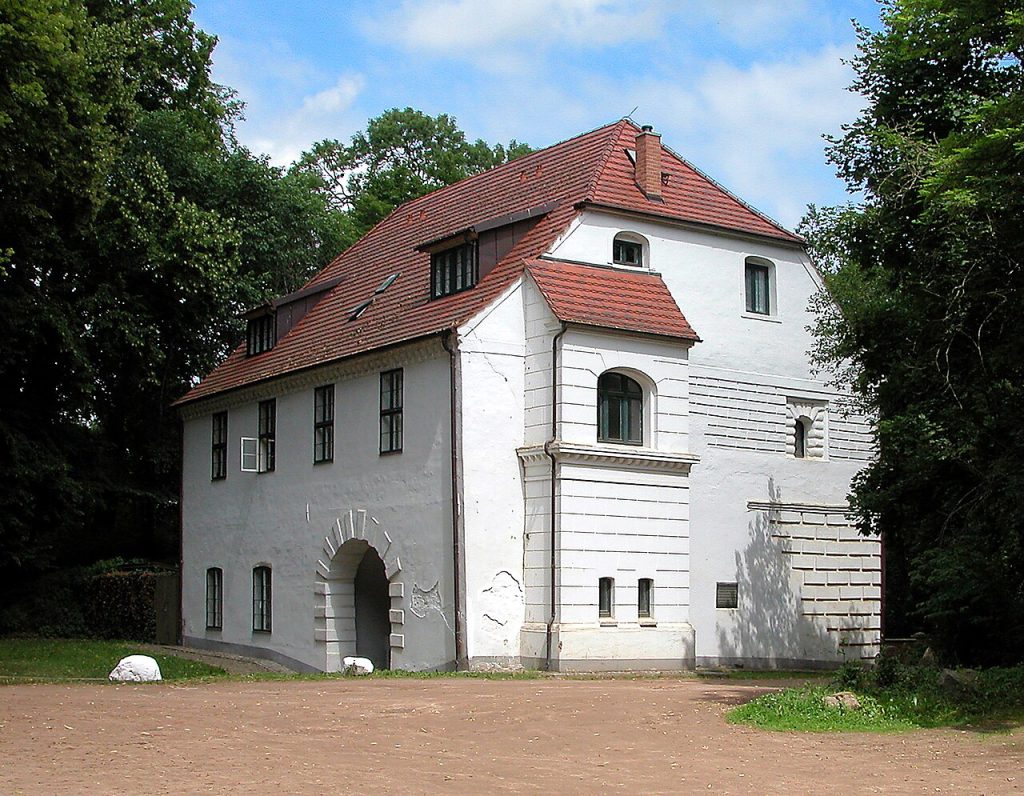
At the entrance to the island stands a gatehouse, and nearby the old cavalier house where members of the court and guests once stayed.
These buildings complete the small but charming ensemble and remind us that a palace was always the centre of a little community.
The Mecklenburg Lake District
Mirow lies in the heart of the Mecklenburg Lake District, a region of hundreds of lakes linked by rivers and canals.
It is a paradise for canoeing, sailing, cycling and walking, and the Muritz National Park, with its forests and wildlife, is not far away.
Rescue and Restoration
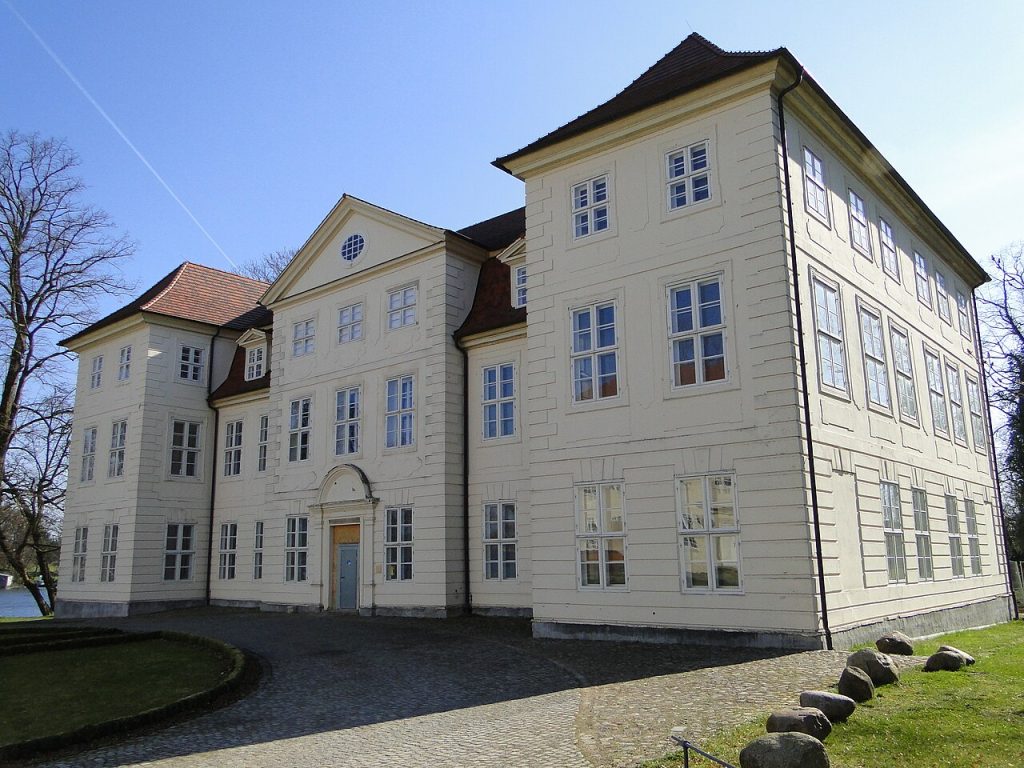
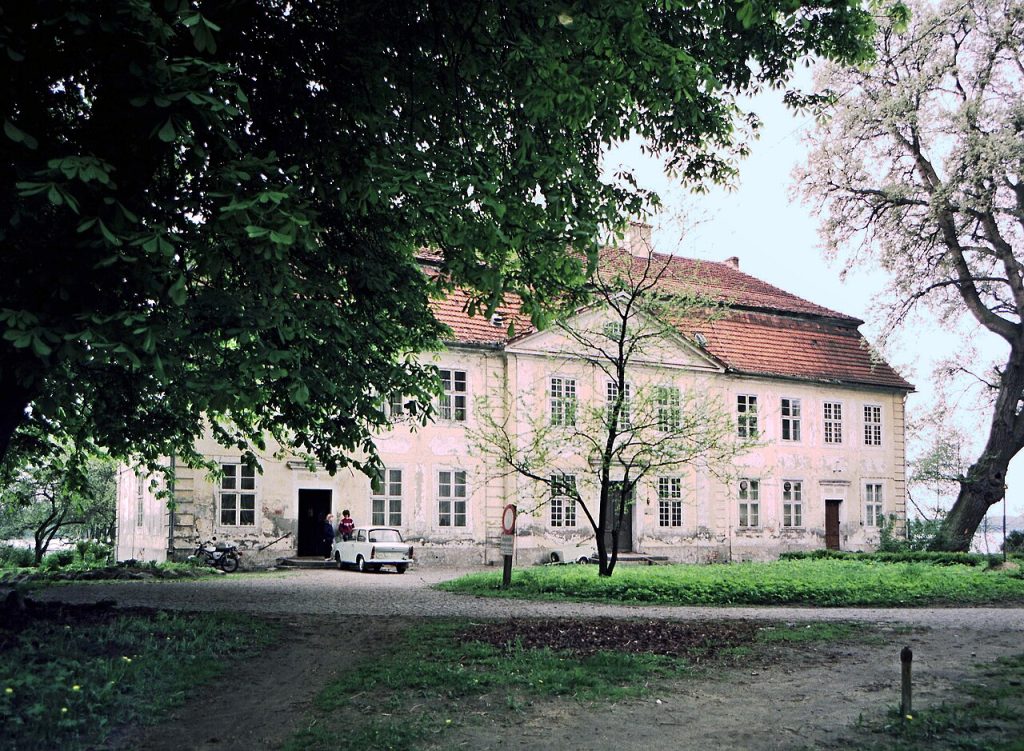
After 1945 the palace was used as a retirement home and slowly fell into disrepair. After reunification it was restored, and it reopened as a museum in 2014.
Today it is managed by the state palaces of Mecklenburg Western Pomerania and has become a popular stop for travellers in the lake district.
Concerts on the Island
In summer, concerts and festivals take place on the palace island, and the music drifting across the water creates a magical atmosphere.
Mirow on Video
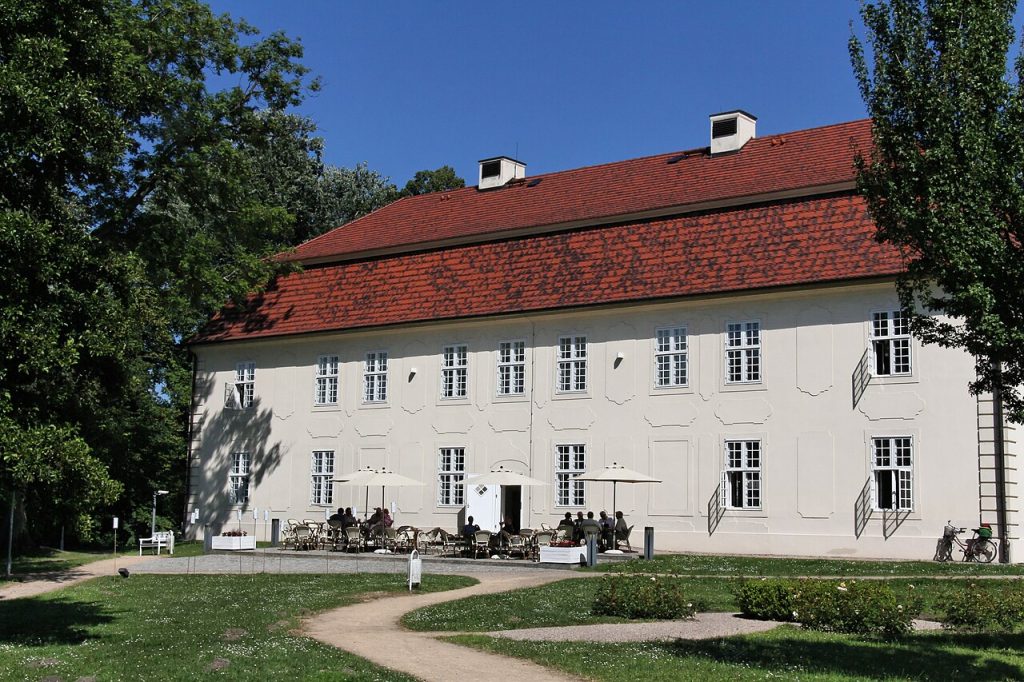
Here is a short video of the island and the palace.
If the video makes you want to visit, here are some practical tips.
Visiting Mirow Today
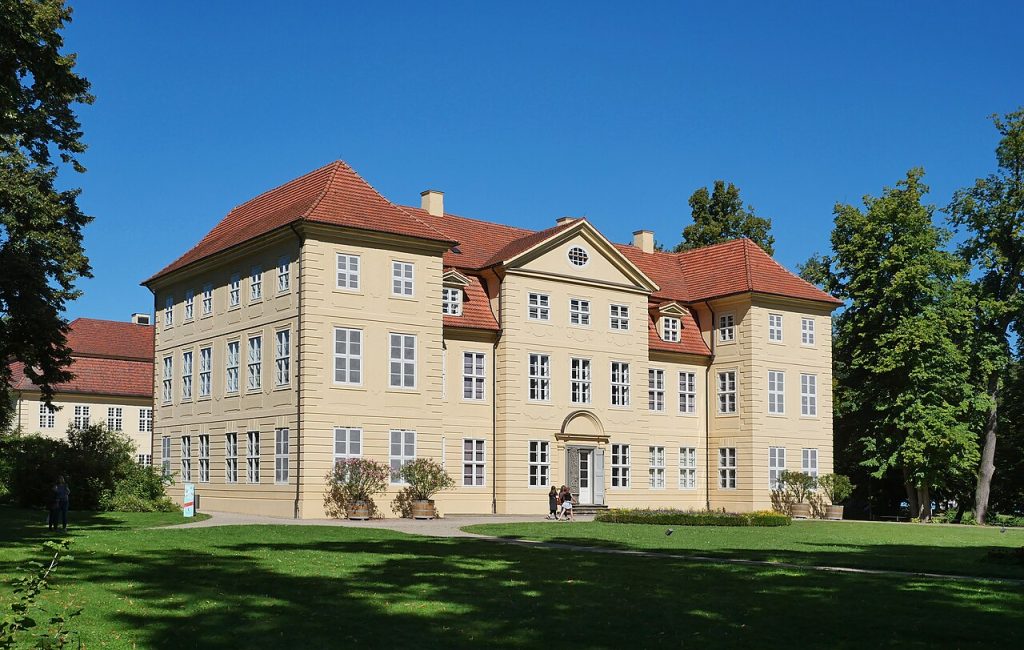
Mirow Palace is open from spring to autumn, with limited opening in winter.
The town of Mirow lies in the Mecklenburg Lake District, about an hour and a half north of Berlin by car, and it is easy to reach by boat on the lake waterways.
Plan about two hours for the palace, the church and the island, and combine your visit with Hohenzieritz and Rheinsberg nearby.
A local tip: rent a canoe in the town and paddle around the island. Seeing the palace from the water is unforgettable.
View the location on Google Maps
Palaces Nearby
If you have enjoyed this palace, the region holds more remarkable residences. Here are two more well worth adding to your journey:
- Bothmer Palace – the largest baroque palace in Mecklenburg, near the Baltic coast.
- Hohenzieritz Palace – the country house where Queen Louise of Prussia died.
You May Like
Spyker Castle and the Ghost of the Swedish Field Marshal