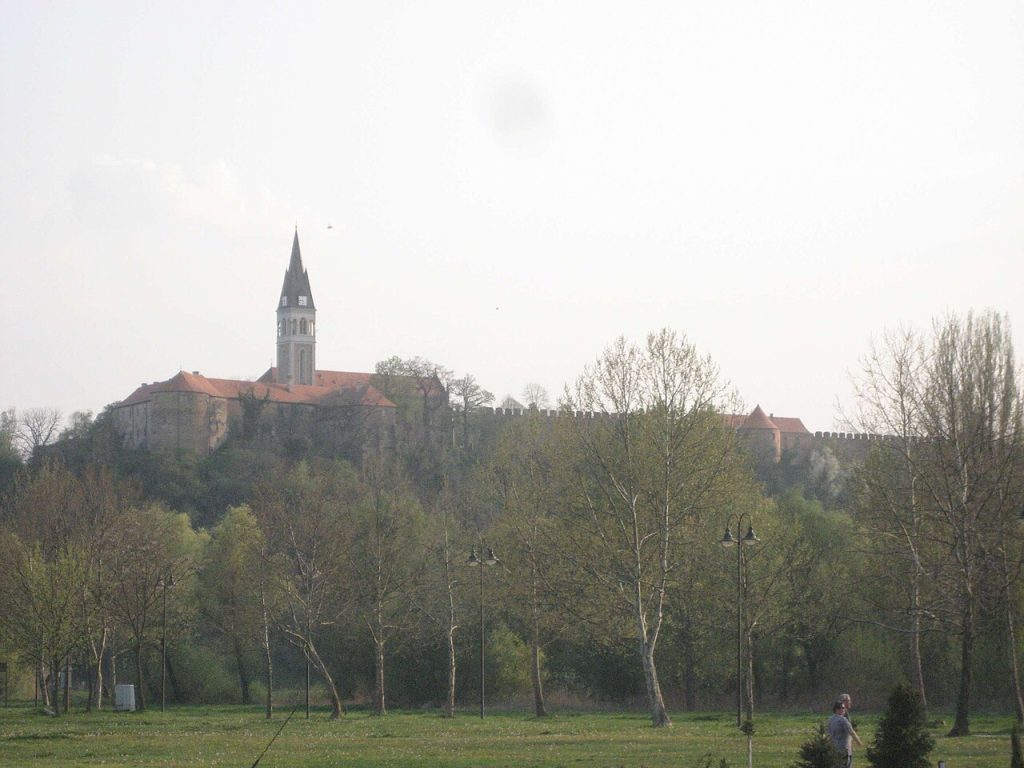
Ilok is the last town in Croatia. It sits on a loess bluff above the Danube at the eastern tip of Syrmia, with the Fruška Gora hills of Serbia across the river and the border post a few hundred metres from the main square, and on the summit of the bluff, inside a ring of mediaeval walls, stands a long Baroque palace with a plain facade and a red roof. It is the Odescalchi castle, built on the foundations of the fortress of Nicholas of Ilok, the fifteenth-century magnate who was King of Bosnia for a few years, held by the Ottomans for a century and a half, and from 1697 to 1945 the seat of the Odescalchi, the Roman princely family of Pope Innocent XI, who were given the estate as a reward for financing the war that recovered it.
The castle has been the Ilok Town Museum since 1952 and was comprehensively restored between 2005 and 2010, with the mediaeval walls, the Gothic church of St John of Capistrano, who died here in 1456, and the Ottoman hammam and tomb below, and the cellars of Iločki podrumi, the state winery that grew out of the Odescalchi vineyards, whose Traminac of 1947 was served at the coronation of Elizabeth II in 1953. It is the last of the three Slavonian houses in this series, after Eltz Manor at Vukovar and the Pejačević palace at Našice.
Climb with me from the Danube up the hill, through the town walls to the castle, the church and the cellars, with Nicholas, the Turks, the Odescalchi and the wine in order. The contents are below.
In This Article
- A Bluff Above the Danube
- Nicholas of Ilok, King of Bosnia
- John of Capistrano Dies at Ilok
- 1526: The Turks Take the Town
- The Hammam, the Turbe and Ottoman Ilok
- 1697: Prince Livio Odescalchi Is Rewarded
- A Baroque Castle on Mediaeval Walls
- The Odescalchi Estate and Its Wines
- Roman Princes on the Danube
- Traminac and the Coronation of 1953
- 1945, the Museum and the War of 1991
- 2005 to 2010: A Complete Restoration
- Vineyards, Walls and the View Into Serbia
- Ilok on Video
- Visiting Ilok Castle Today
- Palaces Nearby
A Bluff Above the Danube
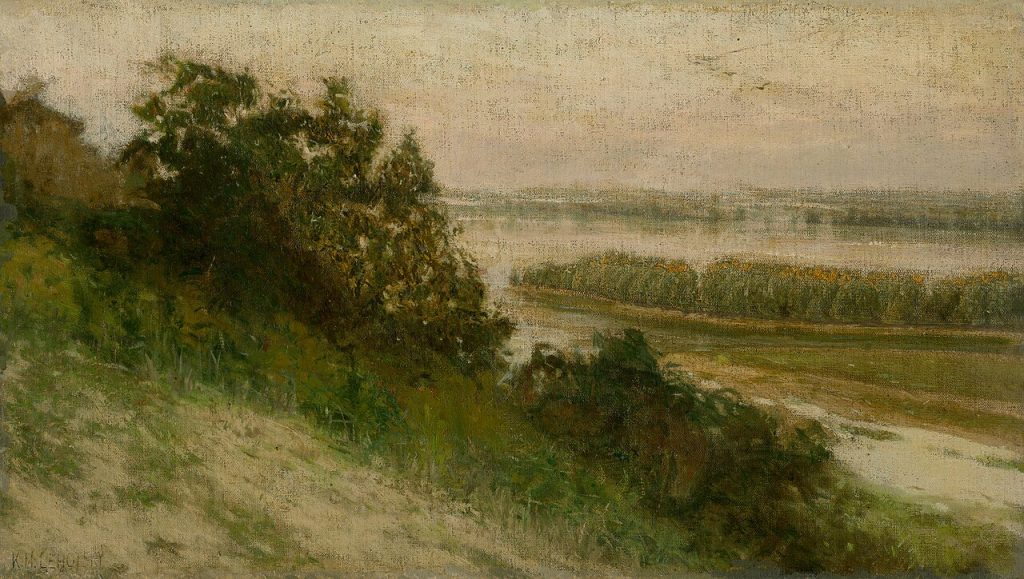
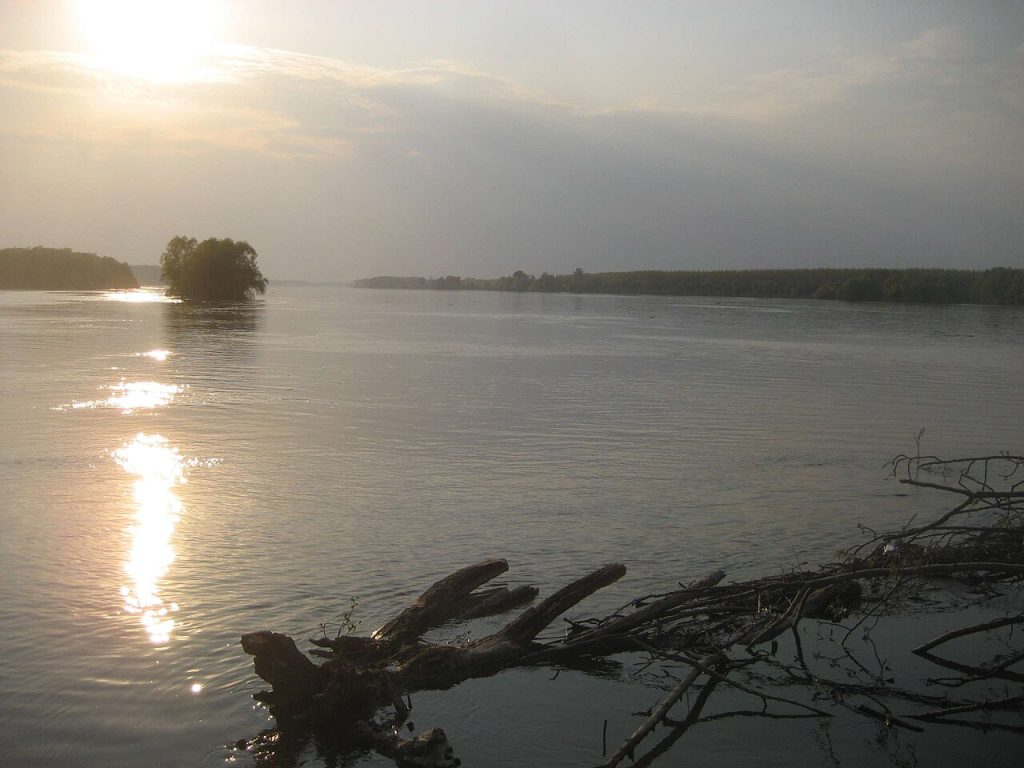
Ilok lies forty kilometres downstream from Vukovar, where the Danube swings north around the end of the Fruška Gora and the Croatian bank rises in a steep loess bluff a hundred metres above the water. The old town occupies the summit of the bluff inside walls that follow its edge, with the castle at the northern end above the river, the church and Franciscan monastery beside it and the lower town, the vineyards and the winery on the slopes below. From the castle terrace you look across the Danube into Serbia and along the river in both directions for thirty kilometres.
Now, stop here on the terrace and look at the river. This was the frontier of Hungary against the Ottomans, then of the Ottomans against Austria, then of Austria against Serbia, then of Croatia against Yugoslavia, and the castle on the bluff was built, lost, rebuilt and fought over for every one of those lines.
Nicholas of Ilok, King of Bosnia
The fortress and the walled town were built in the mid-fifteenth century by Nicholas of Ilok, Nikola Iločki, one of the richest and most ambitious magnates of the kingdom of Hungary, Ban of Croatia, Slavonia and Dalmatia, Voivode of Transylvania and, from 1471 to his death in 1477, titular King of Bosnia by grant of King Matthias Corvinus, who needed a frontier lord with a crown to hold the line against the Turks. Nicholas built the great walls with their towers and gates, a palace within them on the site of the present castle, and the Gothic church and Franciscan monastery, and he minted his own coins at Ilok as King of Bosnia.
His son Lawrence, Duke of Ilok, held the town until 1524 and was buried in the church, where his red marble tomb, one of the finest Renaissance monuments in Croatia, survives. Two years later the Turks came.
John of Capistrano Dies at Ilok
In the summer of 1456 the Franciscan preacher John of Capistrano, a seventy-year-old Italian who had preached a crusade across central Europe, led the peasant crusaders who, with John Hunyadi’s army, broke the Ottoman siege of Belgrade on 22 July. Hunyadi died of plague in the camp in August; Capistrano, exhausted and ill, was carried up the Danube to Ilok, where he died in the Franciscan monastery on 23 October 1456 and was buried in the church. His tomb became a place of pilgrimage, and he was canonised in 1690. The church was rededicated to him and the monastery beside the castle is still the Franciscans’.
The same year and the same fortress of Belgrade saw the murder of Ulrich of Celje, the last of the counts of Celje, whose story is told elsewhere in this series; 1456 was the year the Danube frontier was made.
1526: The Turks Take the Town
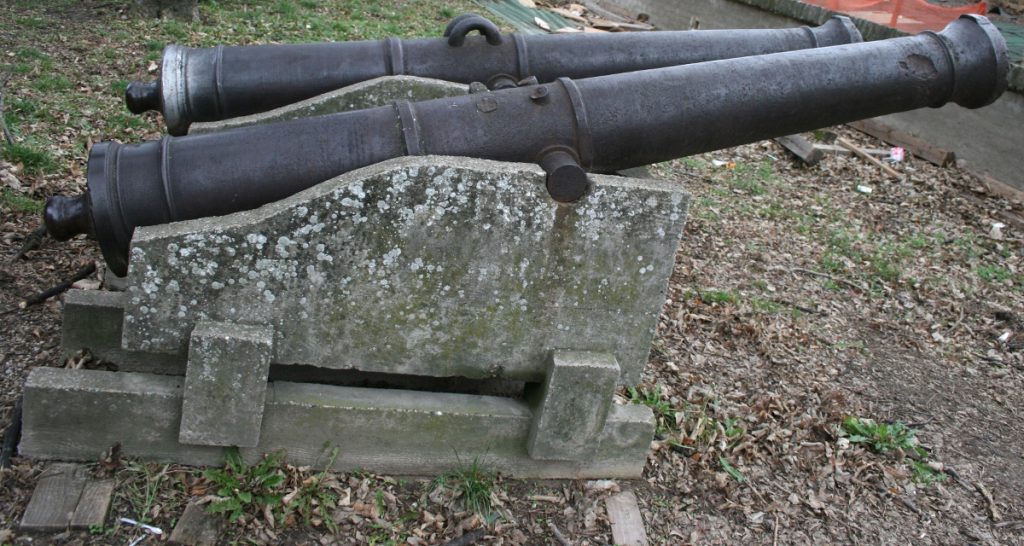
In August 1526 the army of Sultan Suleiman the Magnificent, marching up the Danube toward Hungary, took Ilok after a short siege, two weeks before it destroyed the Hungarian army at Mohács. The town became an Ottoman kasaba and the seat of a kadı, the fortress was garrisoned, the church was turned into a mosque and a Muslim town with mosques, a hammam, a caravanserai and a tekke grew up within and below the walls. Ilok was Ottoman for a hundred and sixty-one years, longer than it has been Croatian since, and the Christian population shrank to a few villages.
Now, stop here at the Ottoman tomb below the castle. The frontier moved north past Ilok in 1526 and stayed there for a century and a half, and the town’s memory of the Turks is as deep as its memory of the kings.
The Hammam, the Turbe and Ottoman Ilok
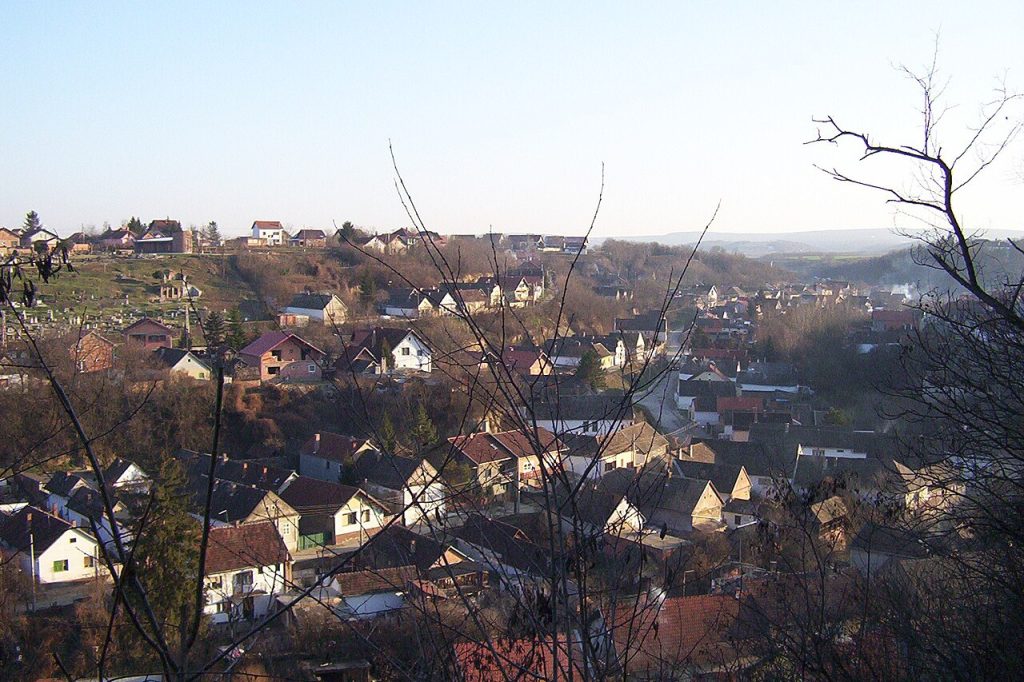
Below the castle, on the slope toward the lower town, stand the remains of an Ottoman hammam of the sixteenth century, a domed bathhouse that was excavated and conserved in the 2000s, and a turbe, a small domed tomb, probably of a Muslim holy man. With the mosque fragments found in the church and the Ottoman layers in the castle’s excavations, they are among the best-preserved Ottoman monuments in Croatia, where almost everything Turkish was swept away after the reconquest. The museum’s exhibition shows the pottery, pipes, coins and tombstones of the Ottoman town.
The Ottomans left in 1688, when the imperial army of the Great Turkish War took Ilok, and the Treaty of Karlowitz in 1699 fixed the frontier on the Danube and the Sava, leaving the town just inside Habsburg Syrmia. The emperor now had a ruined fortress and a depopulated estate to dispose of, and he owed a debt to a Roman banker.
1697: Prince Livio Odescalchi Is Rewarded
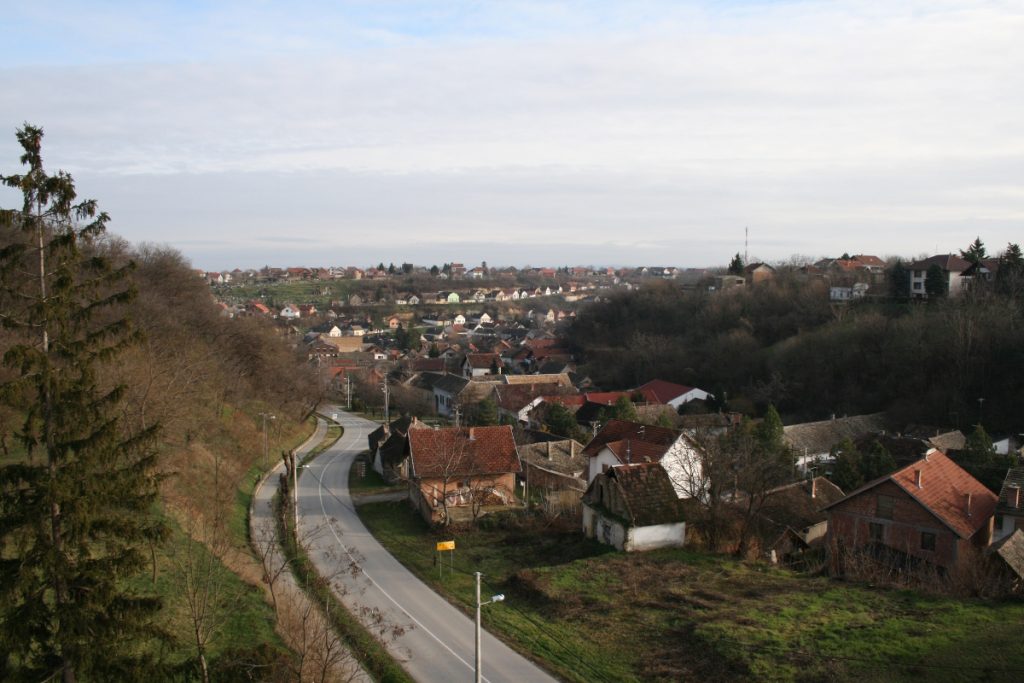
Pope Innocent XI, Benedetto Odescalchi of Como, had been the paymaster of the Holy League that fought the Turks after 1683, sending enormous sums to Vienna and Poland for the relief of Vienna and the campaigns in Hungary, and his nephew Prince Livio Odescalchi, Duke of Bracciano, continued the family’s loans after the pope’s death in 1689. In 1697 Emperor Leopold I repaid the Odescalchi with the duchy of Syrmia, a vast estate centred on Ilok, and the title of Prince of the Holy Roman Empire, and Livio, a collector and courtier who never came to Syrmia, became its absentee lord. His heirs, the Odescalchi of Rome and Bracciano, held Ilok for the next two hundred and forty-eight years.
The Odescalchi were among the greatest Roman families, owners of the Palazzo Odescalchi on the Piazza Santi Apostoli and the castle of Bracciano, and their Danube estate was an exotic possession run by stewards, visited rarely and valued for its income. It was a strange fate for the fortress of a Bosnian king.
A Baroque Castle on Mediaeval Walls
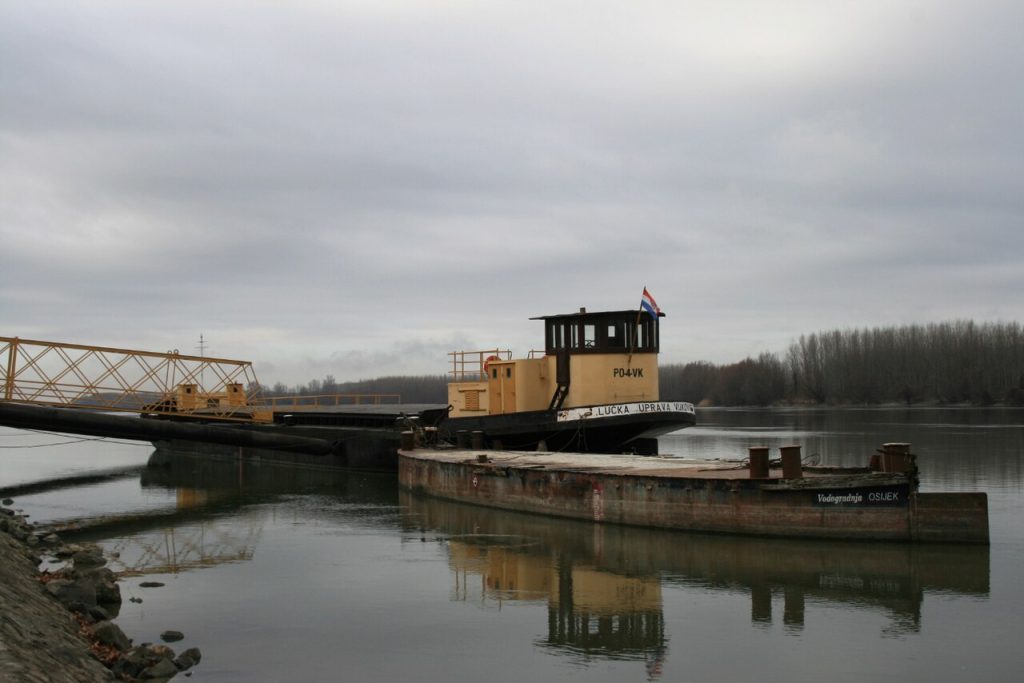
The Odescalchi stewards rebuilt Nicholas of Ilok’s ruined palace in the first decades of the eighteenth century as a two-storey Baroque castle, a long rectangular block with a plain facade, a mansard roof, a courtyard and an arcaded ground floor, standing on and incorporating the mediaeval walls and vaults, which survive in the cellars and the lower storey. The castle was an estate headquarters rather than a princely residence, with the administration, the archive, the granaries and the steward’s apartments, and its interiors were simple. In the nineteenth century it was enlarged, given a new staircase and reception rooms and a chapel, and a park was laid out within the walls.
The excavations of the 2000s uncovered the mediaeval palace’s foundations, Gothic window frames and a wealth of finds from Nicholas’s court beneath the Baroque floors, and the restored castle shows both layers, with glass floors over the mediaeval walls in the ground-floor galleries.
The Odescalchi Estate and Its Wines
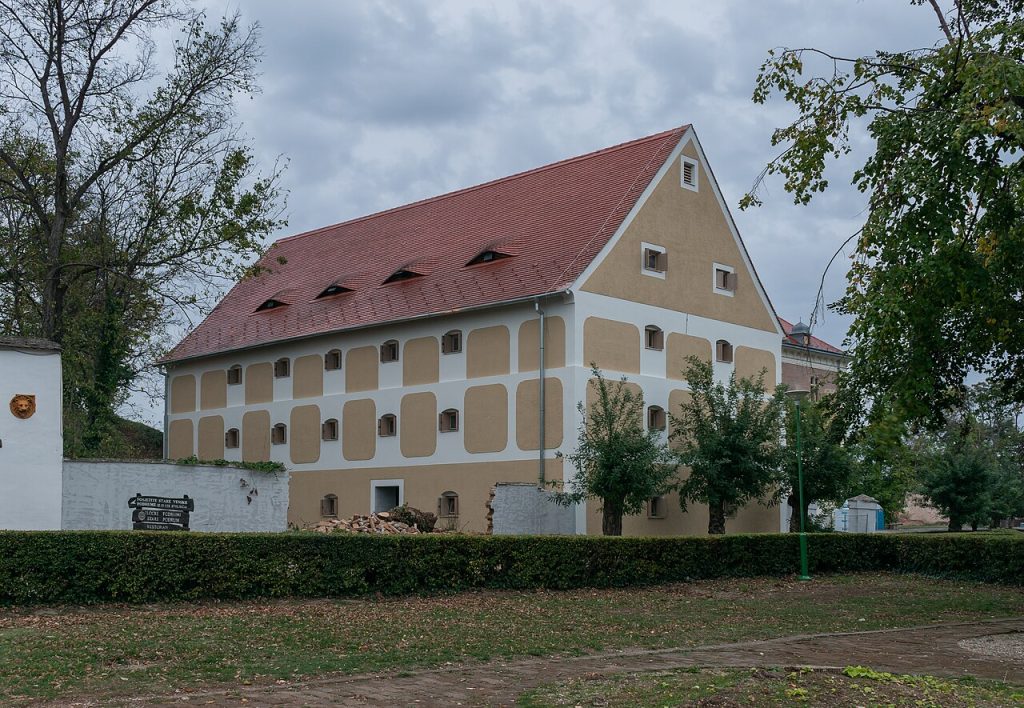
The duchy of Syrmia was enormous, more than a hundred thousand hectares at its height, with Ilok, Vukovar’s eastern neighbour, and dozens of villages resettled with Croats, Serbs, Germans and Hungarians, and its wealth was grain, forest and above all wine. The loess slopes above the Danube had been vineyards since Roman times, the Odescalchi planted them anew with Rhine and Italian varieties and built the great vaulted cellars below the castle, and Ilok wine, especially the white Traminac and Graševina, was shipped to Vienna, Budapest and the family’s table in Rome. The cellars, more than two hundred metres long, are still in use.
Now, stop here in the cellar among the great oak barrels, some of them a century old, and taste. This is the oldest continuous business in Ilok, and the castle above was built on its profits.
Roman Princes on the Danube
In the nineteenth century the Odescalchi took more interest in Ilok. Princes came from Rome to hunt and inspect, the castle was furnished as a residence with Italian pictures and furniture, the chapel and the park were made, a sugar refinery and a brickworks were built, and the estate, reduced by the land reforms of 1848 and after, remained one of the largest in Croatia-Slavonia. Prince Baldassare Odescalchi, a scholar and senator of the kingdom of Italy, wrote about the family’s Syrmian possessions, and the last princes, Innocenzo and Ladislao, lived at Ilok for part of each year in the 1920s and 1930s.
The Yugoslav land reform after 1918 took most of the remaining land, but the family kept the castle, the vineyards and the cellars until 1945, when the new state confiscated everything and the Odescalchi returned to Rome, where the family still lives.
Traminac and the Coronation of 1953
The confiscated Odescalchi vineyards and cellars became the state winery Iločki podrumi, and in 1953 it had its moment of fame: eleven thousand bottles of its Traminac of the 1947 vintage were ordered by the British court for the coronation of Queen Elizabeth II, chosen, the story goes, by a sommelier who had tasted Ilok wine before the war. The Traminac has been the winery’s flagship ever since, and bottles of the 1947 are kept in the archive cellar, where visitors can see them; the winery sent a case to London again for the Queen’s Diamond Jubilee in 2012 and for the coronation of Charles III in 2023.
The winery is now privatised and one of Croatia’s largest, with the castle cellars as its showpiece and a hotel in the old Odescalchi estate buildings, and the Ilok vineyards are a recognised wine region for Traminac, Graševina, Riesling and Chardonnay.
1945, the Museum and the War of 1991
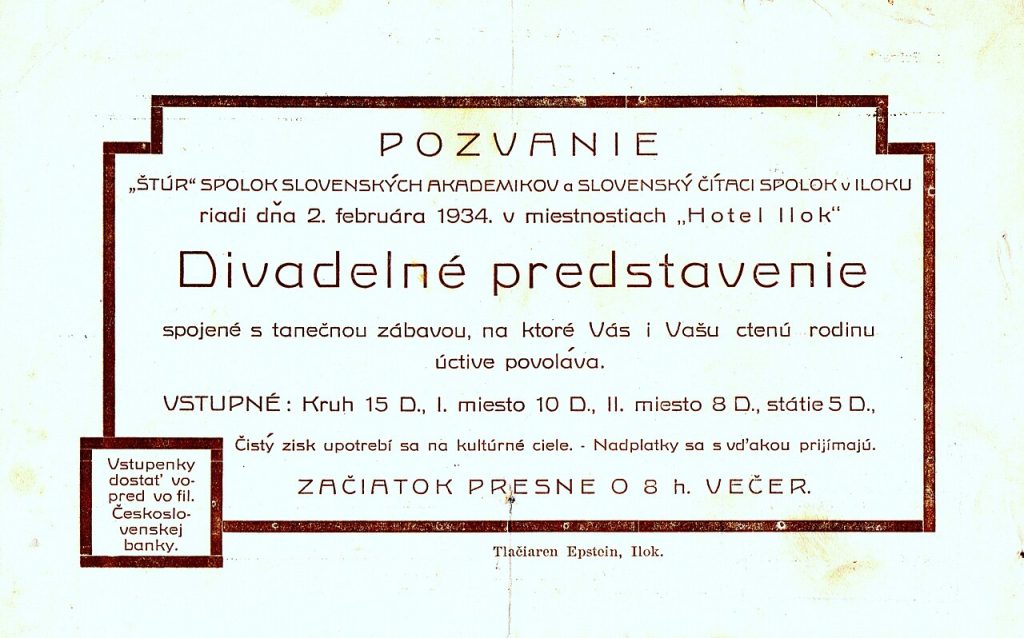
After 1945 the castle was nationalised and in 1952 the Ilok Town Museum was founded in part of it, with collections of archaeology from the mediaeval and Ottoman town, local history, ethnography and the Odescalchi period. The rest of the building housed offices and a school. In October 1991, after Vukovar was surrounded, the Yugoslav army took Ilok without a fight on condition that the Croatian population leave: on 17 October 1991 some eight thousand Croats were expelled from the town in a convoy of buses and cars, and Ilok was under Serbian control until peaceful reintegration in 1998. The castle was used by the occupying administration and the museum’s collections were partly removed to Serbia, but the building was not destroyed.
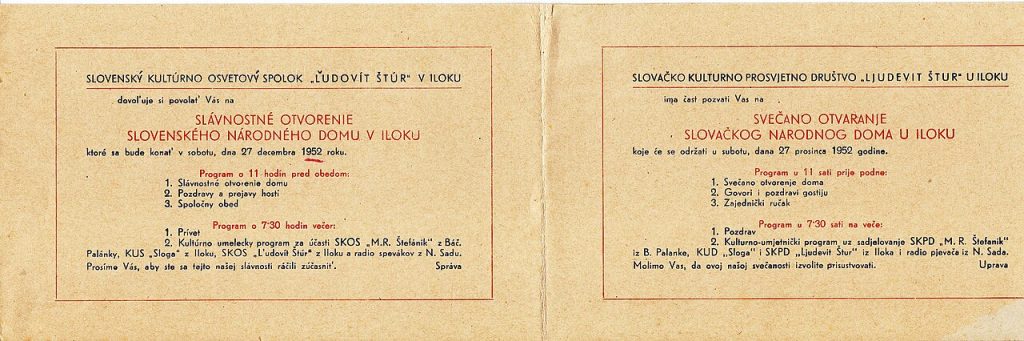
The Croats returned after 1998, the collections were returned under the same agreements as Vukovar’s, and the museum reopened in the damaged castle while a full restoration was planned.
2005 to 2010: A Complete Restoration
The restoration of the castle between 2005 and 2010, funded by the Croatian government and the European Union as part of the reconstruction of the Danube region, was one of the largest heritage projects in Croatia. The excavations uncovered Nicholas of Ilok’s palace and the Ottoman layers, the Baroque castle was restored inside and out, the roof, floors and stuccoes were remade, the mediaeval remains were displayed under glass, and the museum was given modern galleries on three floors, with the Odescalchi salons furnished as period rooms. The town walls, the church of St John of Capistrano with Lawrence of Ilok’s tomb, the hammam and the turbe were restored at the same time, so that the whole hilltop is now a single monument.
The museum reopened in 2010 with exhibitions on the mediaeval town, the Ottoman period, the Odescalchi, the wine and the war of 1991, and it is the finest small museum on the Croatian Danube.
Vineyards, Walls and the View Into Serbia
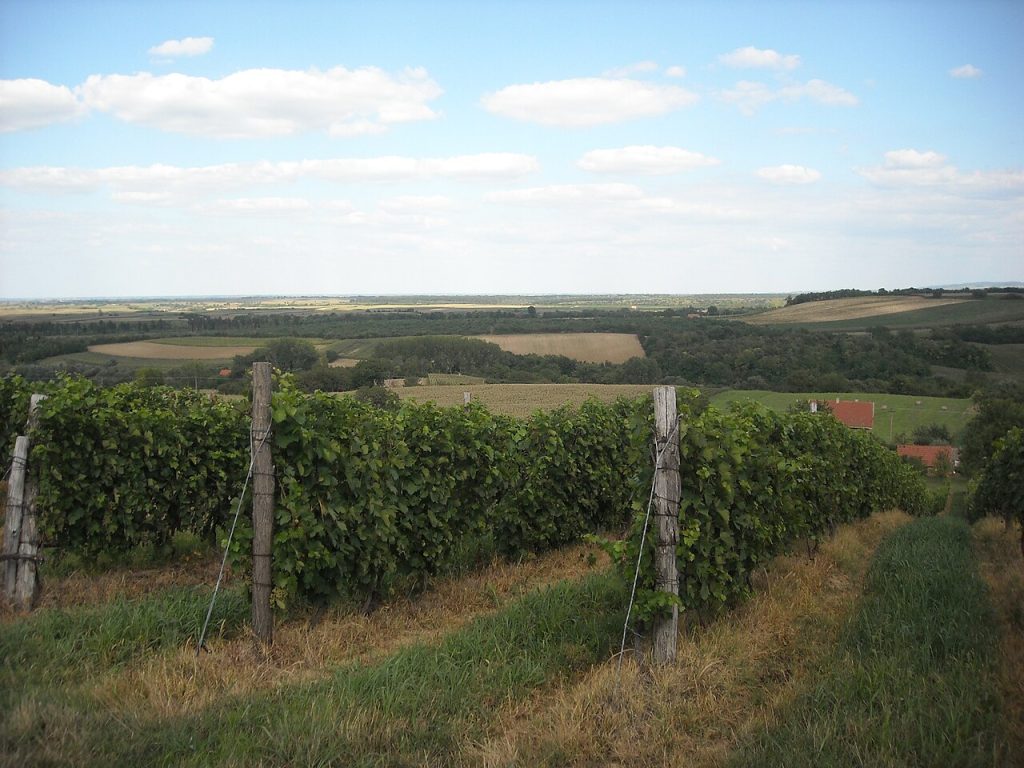
Ilok today is a town of about five thousand, Croatia’s easternmost, living on wine, the Danube cycle route, river cruises and the slow return of visitors to a region that was closed to them for a decade. The castle, the church, the walls, the cellars and the vineyards make a compact and beautiful whole on the bluff, with the Danube below and Serbia across the water, and the wine festival in September and the Traminac tastings in the castle cellars draw Croatians from across the country.
Now, stop here on the walls at sunset and look east along the river into Serbia. Nicholas of Ilok built these walls to hold this line, the Turks held it from the other side, the Odescalchi grew their wine on it for two and a half centuries and the town was emptied and refilled across it in our own time. The castle has outlasted every frontier, and the wine is still good.
Ilok on Video
Before you plan your trip, take a few minutes to see Ilok Castle in motion. The video below gives a good sense of the setting, the scale of the buildings and the atmosphere of the grounds.
Visiting Ilok Castle Today
The Ilok Town Museum in the Odescalchi castle is open Tuesday to Sunday, with longer hours in summer, and the ticket covers the mediaeval, Ottoman, Odescalchi and twentieth-century galleries and the period rooms; guided tours in English are available by arrangement. Allow two hours for the castle, then visit the church of St John of Capistrano with Lawrence of Ilok’s tomb, walk the walls and the hammam, and book a tour and tasting in the Iločki podrumi cellars below the castle, which run daily and include the archive cellar with the coronation Traminac. The winery’s hotel is the best place to stay.
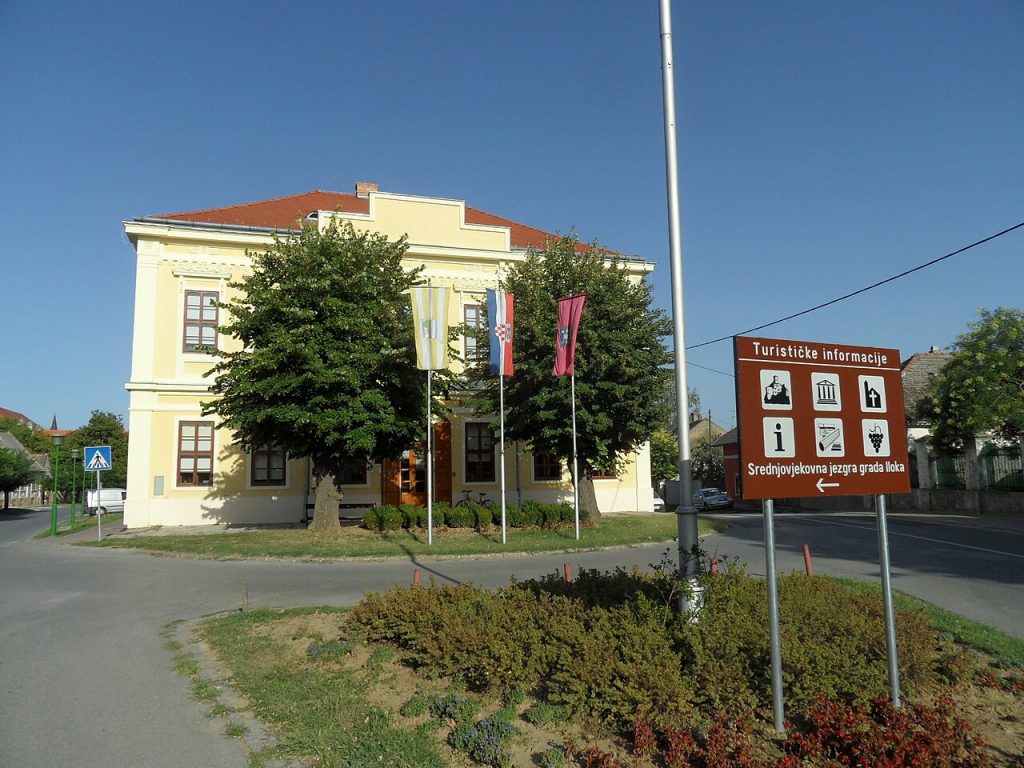
Ilok is forty minutes east of Vukovar and three and a half hours from Zagreb by road; the Danube cycle route passes through the town, and there is a border crossing into Serbia toward Novi Sad. Vukovar and the Eltz palace are the natural companion, and Našice is two hours to the west. Here is the exact spot: Ilok Castle on Google Maps.
Palaces Nearby
If you have enjoyed this palace, the region holds more remarkable residences. Here are two more well worth adding to your journey:
You May Like
Mon Repos and the Corfu Villa Where a Prince Was Born



