
Tucked between Ueno and Asakusa lies one of Tokyo’s most unusual and delightful shopping streets: Kappabashi, also known as “Kitchen Town.” For around 800 metres, this is where the city’s restaurants come to buy everything they need — and where curious visitors can pick up wonderful, very practical souvenirs. From world-class knives to the famous fake plastic food, it’s a paradise for anyone who loves cooking, eating, or just browsing the weird and wonderful.
The Famous Plastic Food
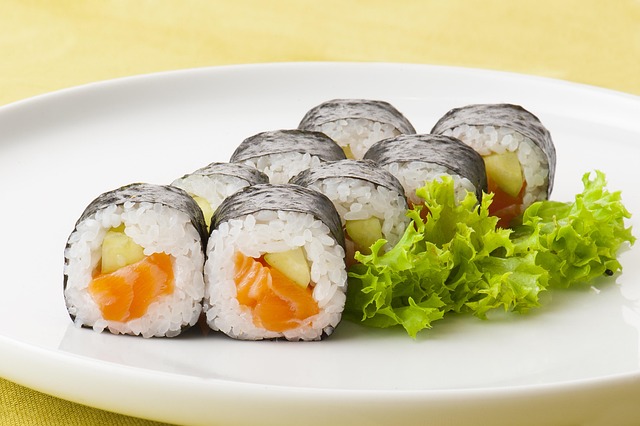
Kappabashi’s most beloved attraction is its shops selling sampuru — the astonishingly realistic plastic food models you see displayed in restaurant windows all over Japan. Glistening bowls of ramen, perfect sushi, dripping ice creams: they’re a craft in their own right, and they make brilliant, quirky souvenirs. Some shops even run workshops where you can make your own.
World-Class Knives
Japan is famous for its blades, and Kappabashi is the place to buy them. Specialist stores sell beautiful, razor-sharp Japanese kitchen knives, from affordable everyday blades to handmade works of art forged by master craftsmen. Staff can often help you choose the right knife and even engrave it — a treasured, lifelong souvenir for any keen cook.
Everything for the Kitchen
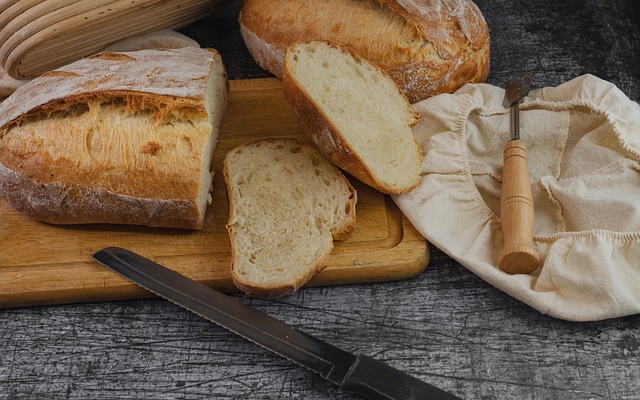
Beyond knives and food models, Kappabashi’s shops overflow with every kind of kitchen and restaurant supply imaginable: elegant ceramics and lacquerware, cast-iron teapots, bamboo steamers, sushi molds, beautiful chopsticks, noren curtains, and professional cookware. Whether you want a single lovely rice bowl or a full set of tableware, you’ll find it here, often at great prices.
Browsing and Atmosphere
Part of the joy is simply wandering and discovering. The street has a workaday, authentic feel — this is a real trade district, not a tourist trap — and poking around the specialist shops is endlessly fascinating. Look out for the giant chef’s head landmark and the kappa (water-sprite) statues that give the area its name and playful character.
Planning Your Visit
Kappabashi runs between Tawaramachi and Iriya stations, and is an easy walk from Asakusa and the Senso-ji temple. Note that many shops keep daytime hours and some close on Sundays, so it’s best visited during the day midweek. It pairs perfectly with a morning at Senso-ji — do your sightseeing, then come here to shop for unique, genuinely useful souvenirs.
More Tokyo guides: explore the full Tokyo Travel Guides series.


