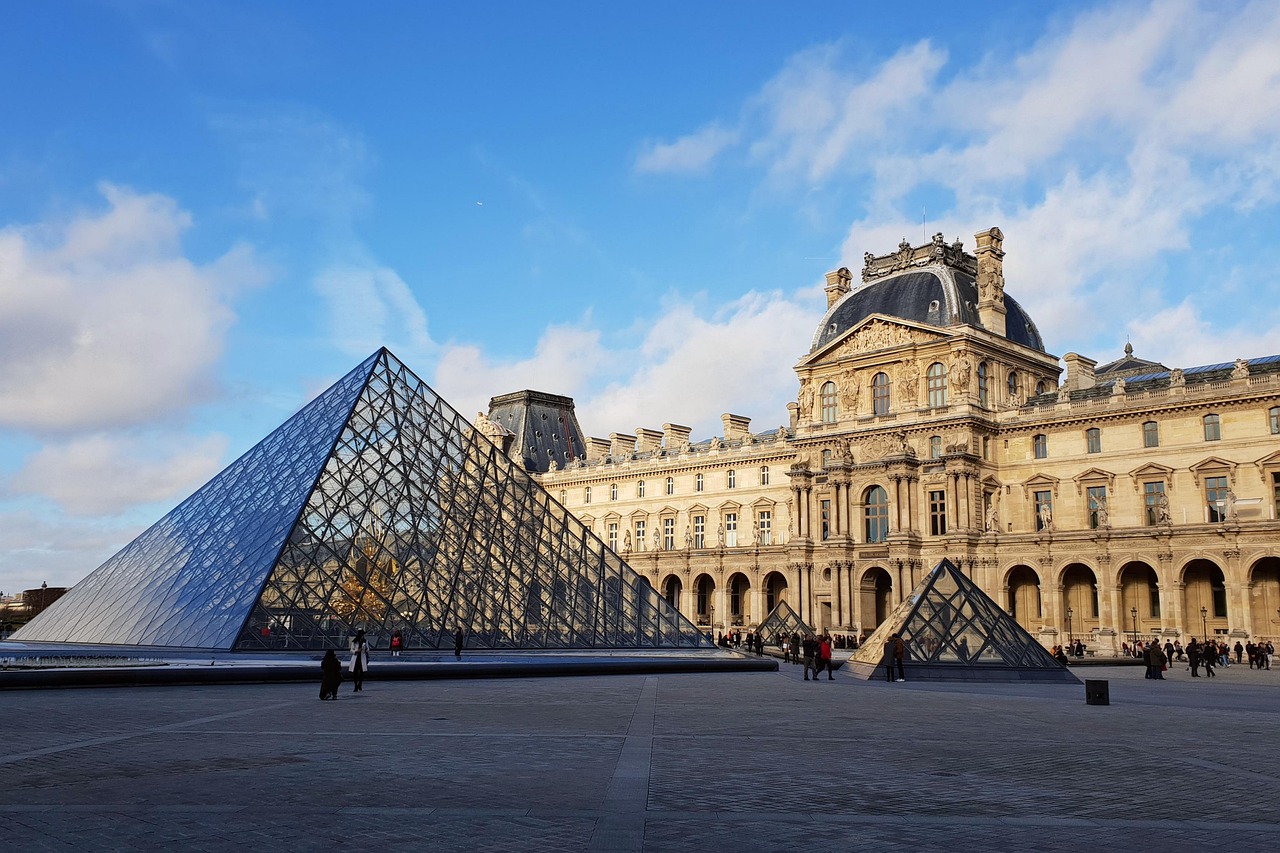
The largest and most-visited art museum on earth, the Louvre is a Paris essential — a vast palace housing tens of thousands of works spanning thousands of years of human creativity. From the Mona Lisa to ancient Egyptian treasures, it’s gloriously, almost impossibly rich. The trick is not to try to see everything, but to choose a few highlights, savor them, and enjoy the spectacle of the palace and its famous glass pyramid along the way.
From Fortress to Museum
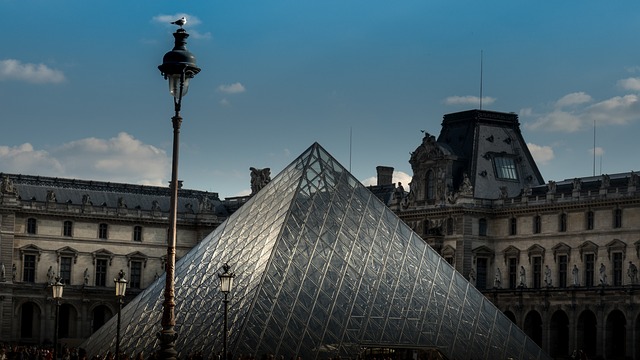
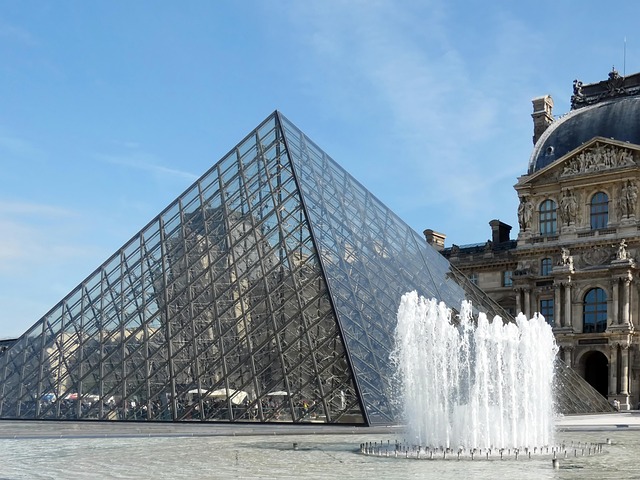
The Louvre began life as a medieval fortress in the late 12th century, before becoming a royal palace and finally, after the Revolution, a public museum in 1793. You can still see the foundations of the original fortress in the basement. The building itself is a work of art, and in 1989 the architect I.M. Pei added the now-iconic glass pyramid in the main courtyard — controversial at first, now beloved — which serves as the grand entrance.
The Mona Lisa and Star Attractions
The Louvre’s most famous resident is Leonardo da Vinci’s Mona Lisa, whose enigmatic smile draws huge crowds — be prepared for a scrum and a surprisingly small painting behind glass. Other unmissable masterpieces include the Venus de Milo, the dramatic Winged Victory of Samothrace, and vast, glowing canvases of French history. Each wing also holds extraordinary collections of Egyptian, Greek, Roman, and Islamic art.
Strategies for Visiting
The Louvre is enormous, so a plan helps. Decide on a handful of must-sees, pick up a map, and accept that you won’t see it all in one visit. Booking a timed-entry ticket online in advance is essential. To beat the crowds at the Mona Lisa, head there first thing or late in the day, and use the quieter side entrances rather than queuing at the pyramid.
Beyond the Galleries
Even without going inside, the Louvre is worth seeing. The grand courtyards, the pyramid (especially beautiful when lit at night), and the views down through the Tuileries toward the Champs-Élysées are spectacular and free. The inverted pyramid in the underground Carrousel du Louvre shopping arcade is another fun, photogenic stop.
Planning Your Visit
The nearest station is Palais Royal–Musée du Louvre. The museum is closed on Tuesdays, and busiest at weekends and on the first Sunday of certain months (when entry can be free). Wear comfortable shoes, allow at least two to three hours, and don’t over-pack your day — the Louvre is best enjoyed at a relaxed pace. It sits right beside the Tuileries Garden, making for an easy and lovely combination.
More Paris guides: explore the full Paris Travel Guides series.


