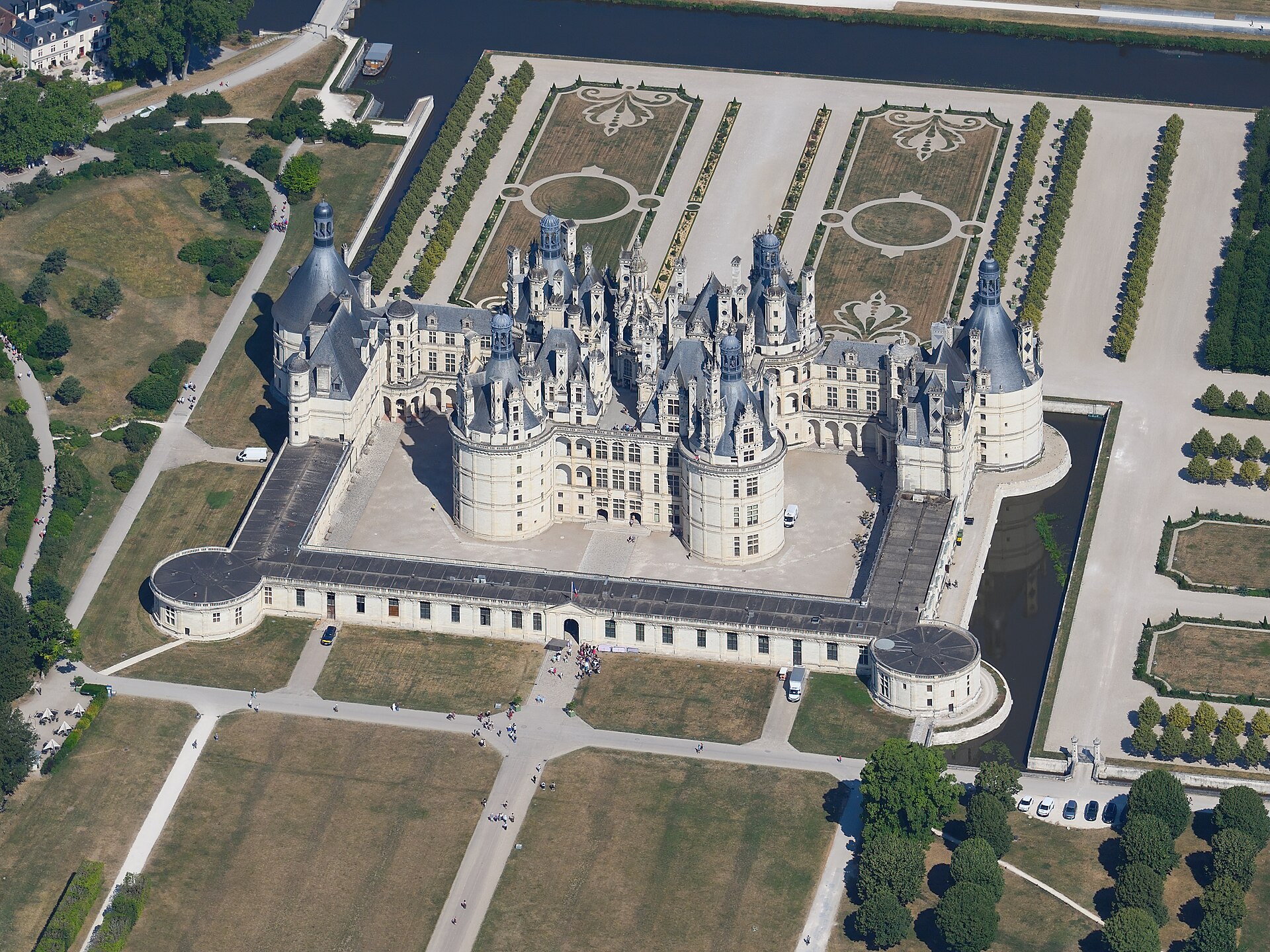
Rise early on a misty morning in the Loire Valley, and you may catch the Château de Chambord floating above the mist like a vision from a dream, its forest of towers, chimneys, and turrets crowding the sky above the flat green landscape. There is nothing else quite like it in the world. Part fortress, part fantasy, part royal boast in stone, Chambord is the most extravagant and astonishing of all the great châteaux of France, a building that seems to have escaped from the imagination of a Renaissance prince.
Chambord was the creation of a young and ambitious king who wanted a monument to his own glory, and it shows. Everything about it is designed to amaze, from its immense size and its impossible roofline to the famous double staircase at its heart, a marvel of ingenuity that has puzzled and delighted visitors for five hundred years. It is a palace built not for comfort or convenience but for wonder, and in that it succeeds completely.
Yet for all its magnificence, Chambord is a place of paradoxes. The king who built it barely lived in it; its rooms stood empty for long stretches of its history; and it was raised in a remote spot far from any city, in the middle of a great forest. It is a palace that seems to exist for its own sake, a pure expression of royal ambition and Renaissance imagination, unburdened by the practical business of a working court.
In the pages ahead you will explore this extraordinary place, from the king who dreamed it and the genius who may have inspired its famous staircase, through its astonishing architecture and its remarkable roofscape, to the centuries of history it has witnessed. Chambord is the boldest architectural gesture the French Renaissance ever made, and it remains one of the most breathtaking buildings you can ever hope to see.
In This Article
- A Young King’s Dream in Stone
- The Shadow of a Genius
- The Miraculous Double Staircase
- A Plan of Perfect Symmetry
- A City on the Rooftop
- Where Two Worlds Meet
- The King’s Emblem Everywhere
- The Great Hunting Forest
- The Palace That Stood Empty
- Kings, Guests, and Fortunes
- Surviving Revolution and War
- A Treasure of the Loire
- Standing Before Chambord
A Young King’s Dream in Stone
Chambord was born from the ambition of a young king determined to leave his mark upon the world. Fresh from early triumphs and fired by the ideals of the Renaissance, this monarch conceived a building that would proclaim his greatness in the most spectacular way imaginable, a palace so grand and so original that it would astonish all who saw it. Chambord was, from the very beginning, a monument to royal glory.

The king chose to build not near a city or an existing seat of power but in a remote and marshy spot in the heart of a great forest, valued above all as a superb hunting ground. This choice of location, far from the practical centres of the kingdom, reveals much about the building’s purpose. Chambord was not meant to be a working seat of government but a place of pleasure and display, a hunting palace of unimaginable splendour.
The scale of the project was staggering, and it would occupy much of the king’s reign, consuming vast resources and the labour of countless workers over many years. The building rose slowly from the marshy ground, its foundations secured against the difficult terrain, its walls climbing toward the extraordinary roofline that would become its crowning glory. It was an enterprise of enormous ambition and cost.
That a king should pour such resources into a palace he would rarely use tells us that Chambord was, above all, a statement. It was meant to demonstrate the power, wealth, and cultivation of its royal builder, a dazzling advertisement of his greatness set down in the countryside for the wonder of the world. In this it was less a practical residence than a work of art on the grandest possible scale.
There is something audacious, almost reckless, about the whole enterprise, and that audacity is part of what makes Chambord so compelling. A more cautious ruler might have built something useful and comfortable; this king built something impossible and magnificent, gambling vast wealth on a vision of pure splendour. The result is a building that could only have come from a young man supremely confident in his own destiny.
The Shadow of a Genius
Chambord is haunted by the possibility of a connection to one of the greatest minds in history, for the celebrated artist and inventor Leonardo da Vinci spent the last years of his life in France, close to where the château would rise, as a guest of the very king who built it. This tantalising proximity has led many to wonder whether the great genius had a hand in the design of Chambord, and above all in its famous staircase.

Leonardo’s fascination with architecture, geometry, and ingenious mechanisms makes the idea deeply appealing, and the extraordinary double staircase at the heart of Chambord is exactly the kind of brilliant, playful invention that his restless imagination delighted in. While the precise nature of any involvement remains uncertain and much debated, the spirit of Leonardo seems to hover over the building’s most ingenious features.
Whether or not the great artist personally shaped the design, Chambord unmistakably belongs to the world of ideas he embodied, the confident, inventive culture of the Italian Renaissance that the king was so eager to bring to France. The château is a monument to that culture, a building where French tradition and Italian genius met to produce something entirely new and wonderful.
The possible link to Leonardo adds a layer of romance and mystery to Chambord that only deepens its fascination. To stand before its astonishing architecture and to imagine the mind of one of history’s supreme geniuses at work upon it is to feel the full magic of the place, a building that seems to embody the boundless creativity of the Renaissance at its most brilliant.
Even setting aside the question of direct authorship, the presence of so great a mind in France at that very moment tells us much about the ambitions behind Chambord. The king who welcomed Leonardo to his kingdom was the same king who raised this château, and both acts sprang from the same desire to make France the equal of Italy in the arts. Chambord is the architectural expression of that grand cultural ambition.
The Miraculous Double Staircase
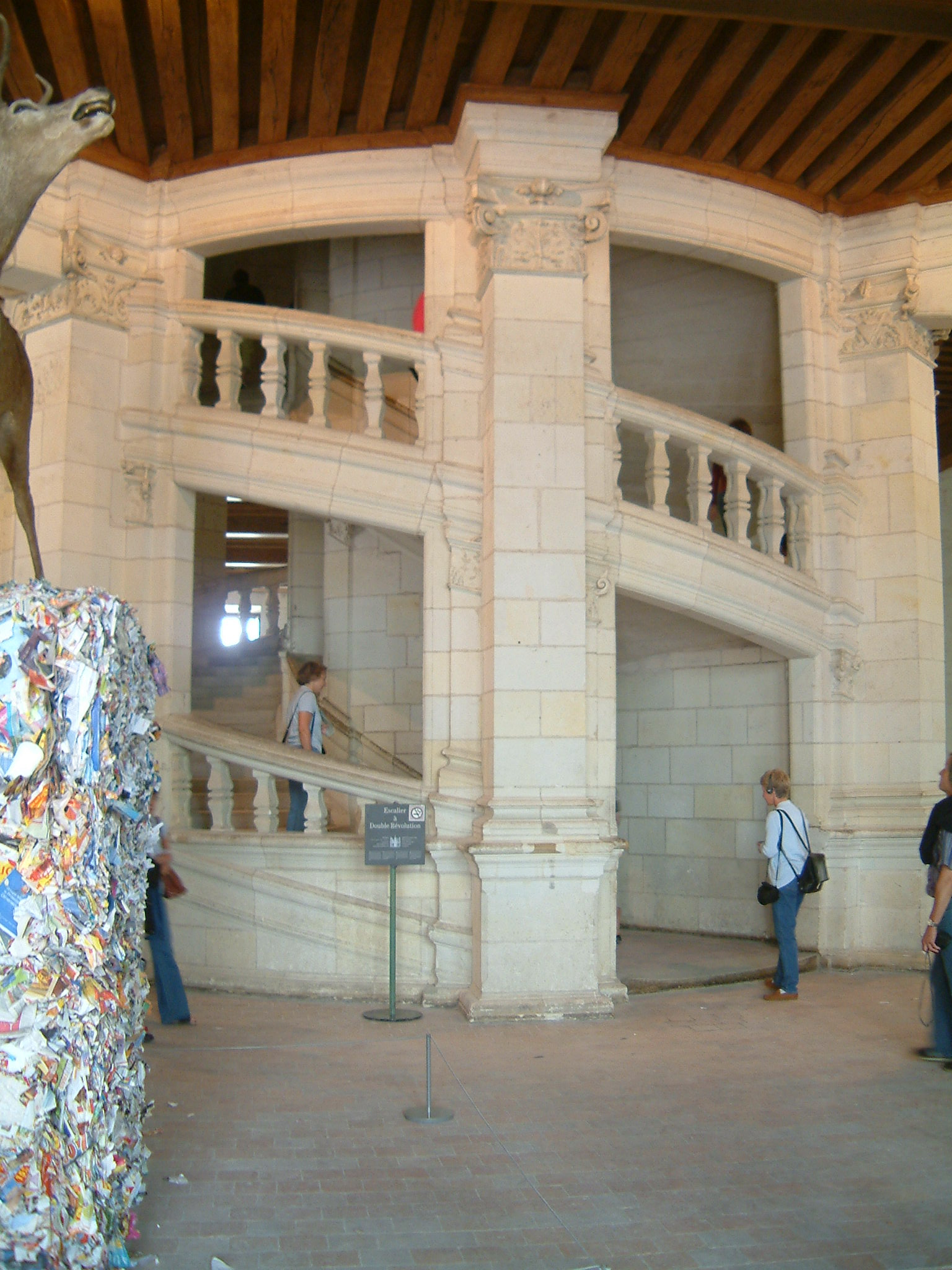
At the very heart of Chambord rises its most famous and ingenious feature, a great double staircase that has amazed visitors for five centuries. This is no ordinary stair but a double helix, two separate spiral flights winding around a common core, so arranged that two people can ascend or descend at the same time without ever meeting, glimpsing one another through openings as they pass.
The cleverness of this design is matched by its beauty, the twin spirals winding gracefully upward through the centre of the building toward the light. It is a piece of architectural wit as much as engineering, a staircase that turns the simple act of climbing into a delightful game of appearance and disappearance, and it has become the single most celebrated feature of the entire château.
The staircase occupies the central position in the plan of Chambord, the pivot around which the whole building is arranged. From it, the great halls of the château radiate outward, and up it the visitor climbs toward the wonders of the roof. Its placement at the heart of the building underlines its importance, for it is not a mere convenience but the very centrepiece of the design, a marvel around which everything else is organised.
This extraordinary staircase captures the spirit of Chambord perfectly, a building where ingenuity and delight matter more than mere utility. It is the kind of feature that could only have been created by minds intoxicated with the possibilities of the Renaissance, and it remains, five hundred years later, one of the most beloved and astonishing pieces of architecture in the world, endlessly fascinating to all who climb it.
Generations of visitors have delighted in testing the staircase for themselves, two friends setting off up the separate flights and calling to one another as they catch fleeting glimpses through the openings, only to arrive at the top without ever having met on the way. It is architecture as play, a serious feat of design that nonetheless never loses its sense of fun, and it captures the joyful inventiveness at the heart of the whole building.
A Plan of Perfect Symmetry
Behind the fantastic exterior of Chambord lies a plan of remarkable order and clarity, for the great central keep is organised around a design of near-perfect symmetry. Four great halls meet in the shape of a cross at the centre of the keep, and where they intersect stands the famous staircase, the pivot around which the whole building turns. This clear geometric logic underlies all the exuberance above.
This ordered plan reflects the ideals of the Renaissance, which prized symmetry, proportion, and rational design. The apartments of the keep are arranged in repeating units around the central cross, an early and influential example of a kind of systematic planning that would shape later architecture. Beneath the medieval silhouette, Chambord is a thoroughly modern building in the thinking that organises its spaces.
The clarity of the plan also served a practical purpose, creating self-contained sets of rooms that could be used independently within the vast building. This modular arrangement, with its repeating suites of apartments, brought a measure of order and usability to a structure of enormous size, showing that behind its wild fantasy Chambord was carefully and intelligently conceived.
The contrast between the disciplined logic of the plan and the extravagant fantasy of the roofline is one of the fascinating tensions of Chambord. The building marries rational Renaissance order with sheer imaginative exuberance, holding both in a single composition. To understand this underlying symmetry is to appreciate that Chambord’s wonders rest upon a foundation of real architectural sophistication.
This blend of order and fantasy also proved influential, for the ideas worked out at Chambord fed into the development of French architecture for generations. The building was studied and admired as a model of ambitious design, and its marriage of systematic planning with spectacular effect helped shape the grand tradition of the French château and, ultimately, of the great palaces that followed.
A City on the Rooftop
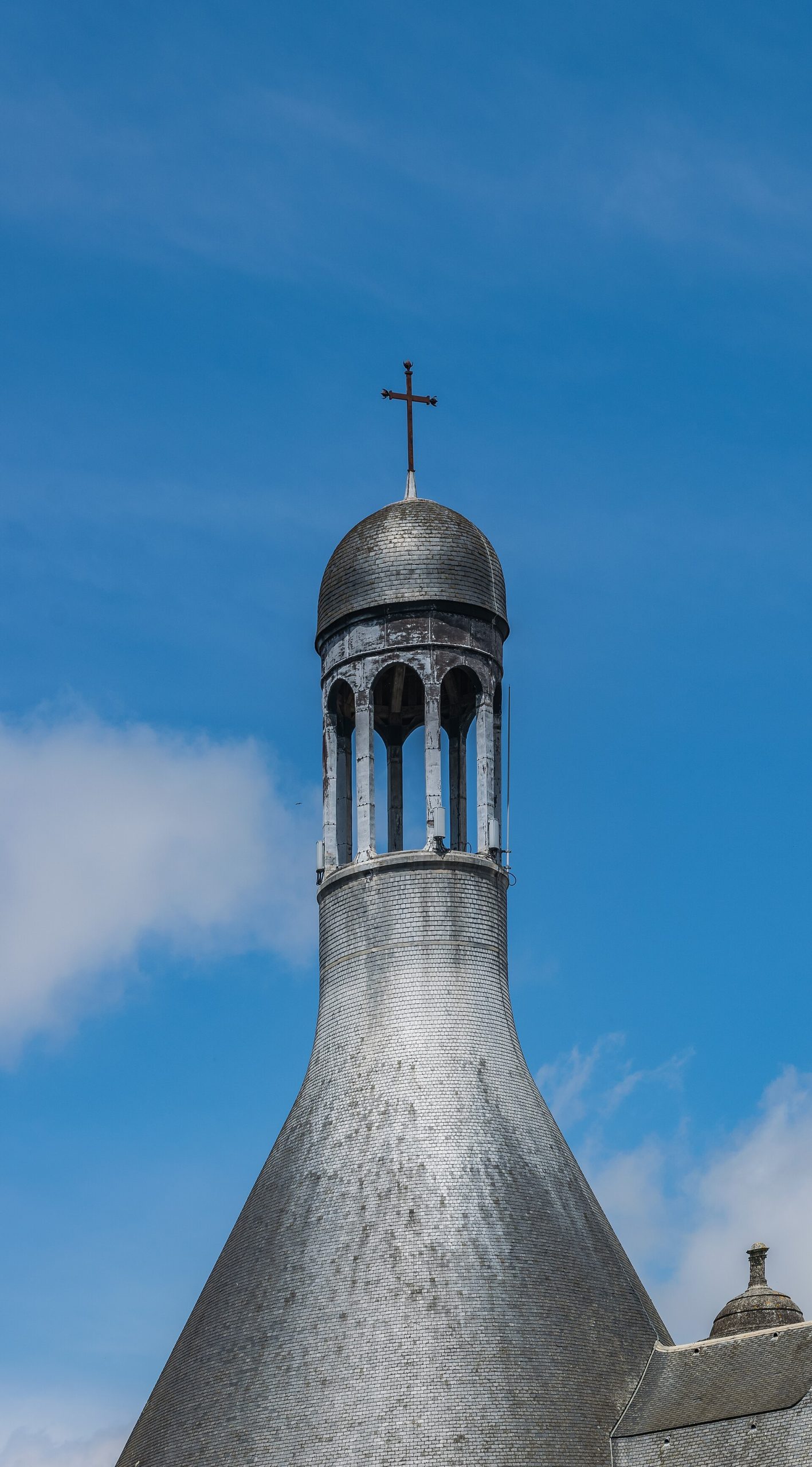
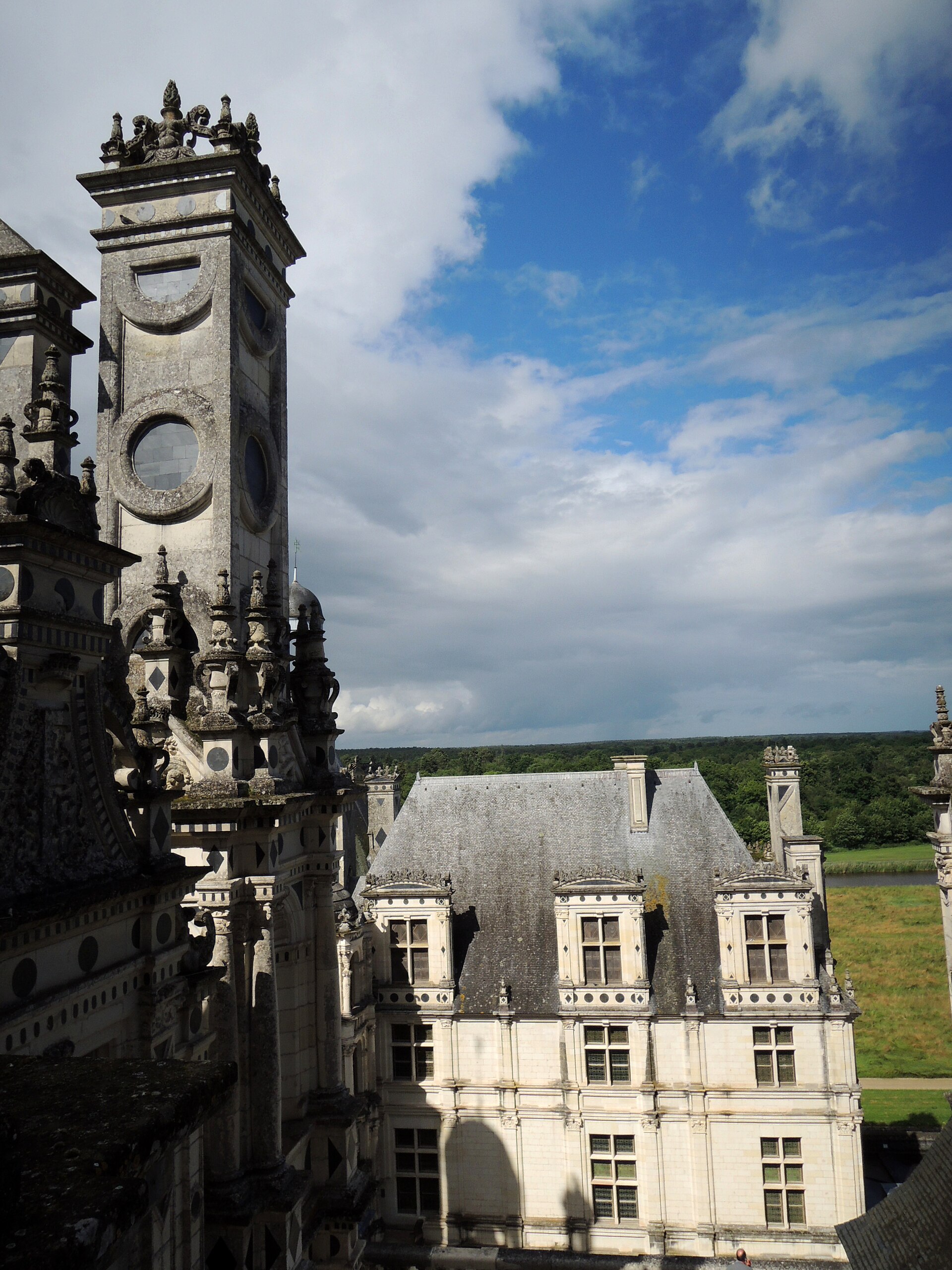
If the double staircase is the heart of Chambord, its roof is its crowning glory, an astonishing landscape of towers, turrets, chimneys, gables, and pinnacles crowded together in bewildering profusion. To climb up onto the great terraces of the château is to enter what feels like a small city in the sky, a fantastical skyline of stone rising above the surrounding forest.
This extraordinary roofscape was designed to be enjoyed, and the broad terraces were places where the court could gather to watch the hunt in the forest below, to take the air, and to admire the spectacle around them. The roof was thus not merely a covering for the building but an outdoor room in itself, a stage set high above the ground amid the forest of decorative stonework.
The profusion of chimneys reflects the practical need to heat the enormous building, with its countless rooms and fireplaces, but at Chambord even this utilitarian necessity was turned into an opportunity for display. The chimneys and turrets were richly decorated and arranged to create the maximum visual drama, transforming the functional roof into the most spectacular feature of the whole château.
Crowning it all rises the great lantern tower at the very centre, soaring above the roofscape as the highest point of the building and the culmination of the ingenious central staircase far below. From this lofty vantage the whole extraordinary composition can be appreciated, a roof unlike any other, where the fantasy and ambition of Chambord reach their dizzying climax against the sky.
Wandering among the towers and chimneys of the roof, it is easy to lose all sense of being on top of a building at all, so complete is the illusion of a miniature town. Every turn reveals a new vista of carved stone against the sky, and the sheer density and variety of the forms create an almost dizzying richness. Nowhere else in France, and perhaps nowhere else in the world, is there a roof quite like it.
Where Two Worlds Meet
Chambord is a building of fascinating contradictions, and one of the most striking is the way it blends two very different architectural worlds. In its overall form it recalls the great medieval castles of France, with a massive central keep and round towers at the corners, yet its decoration and detail belong to the elegant new world of the Italian Renaissance. The château is a meeting point of the old and the new.
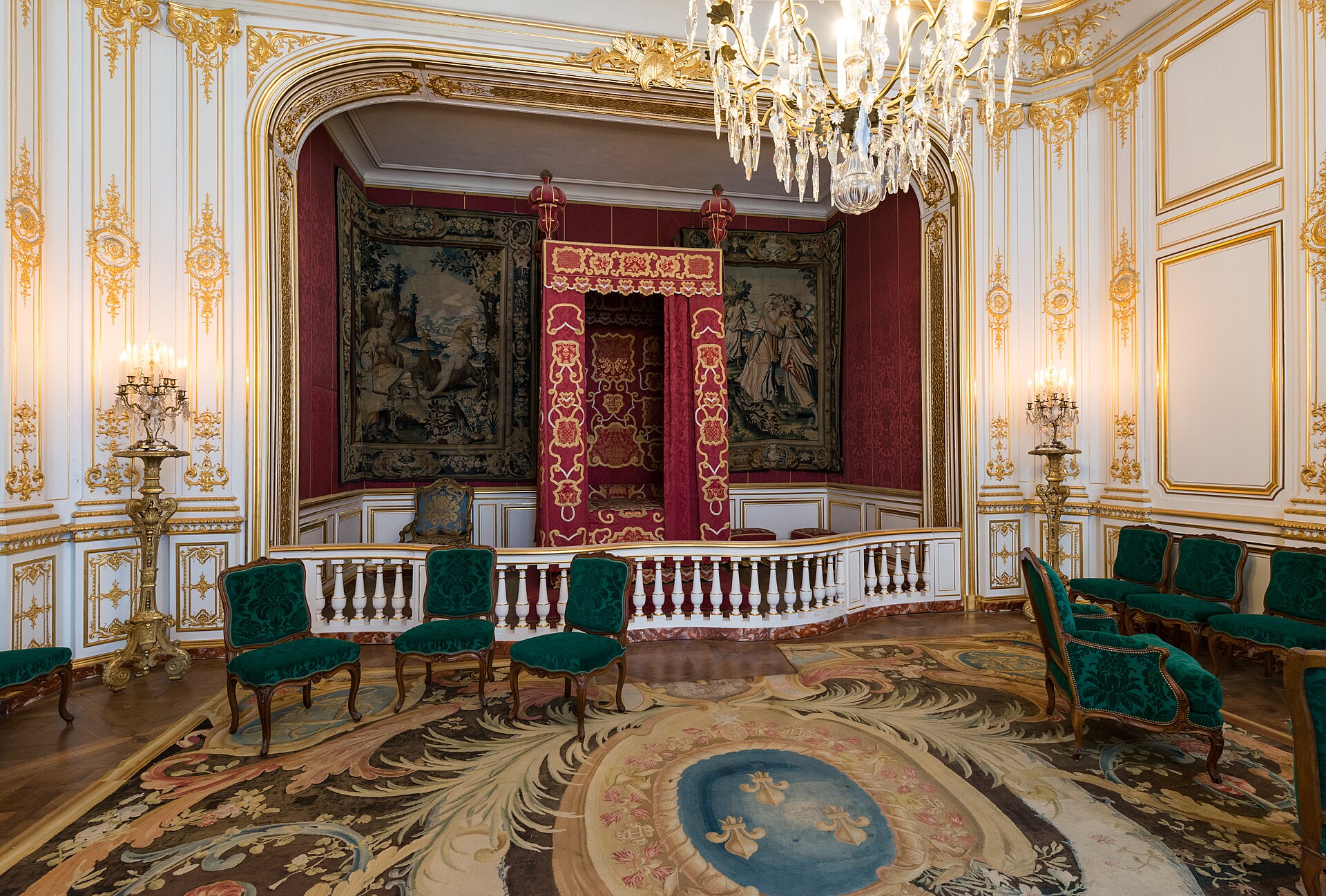
This fusion reflects the moment in which Chambord was built, when France was eagerly absorbing the artistic influences of Italy while still rooted in its own medieval traditions. The result is a building that looks back to the age of chivalry in its silhouette while looking forward to a new era of classical elegance in its ornament, a hybrid that could only have been created at this particular crossroads of history.
The medieval elements gave Chambord the imposing, castle-like presence appropriate to a royal residence, evoking the ancient power and dignity of the crown. The Renaissance elements, meanwhile, brought lightness, symmetry, and refinement, softening the martial character of the old castle form with the grace of the new style. Together they produce the château’s unique and unforgettable character.
In this blending of worlds, Chambord captures a pivotal moment in the history of French architecture, the transition from the medieval to the Renaissance. It stands as a magnificent expression of that transformation, a building in which the past and the future of French design are held in a single, harmonious, and utterly original composition, unlike anything built before or since.
This quality of standing between two ages gives Chambord a special place in the history of architecture. It is neither purely medieval nor fully classical but something in between, a snapshot of a culture in the act of transformation. That in-between quality, far from being a weakness, is the source of its originality, producing a building that belongs entirely to itself.
The King’s Emblem Everywhere
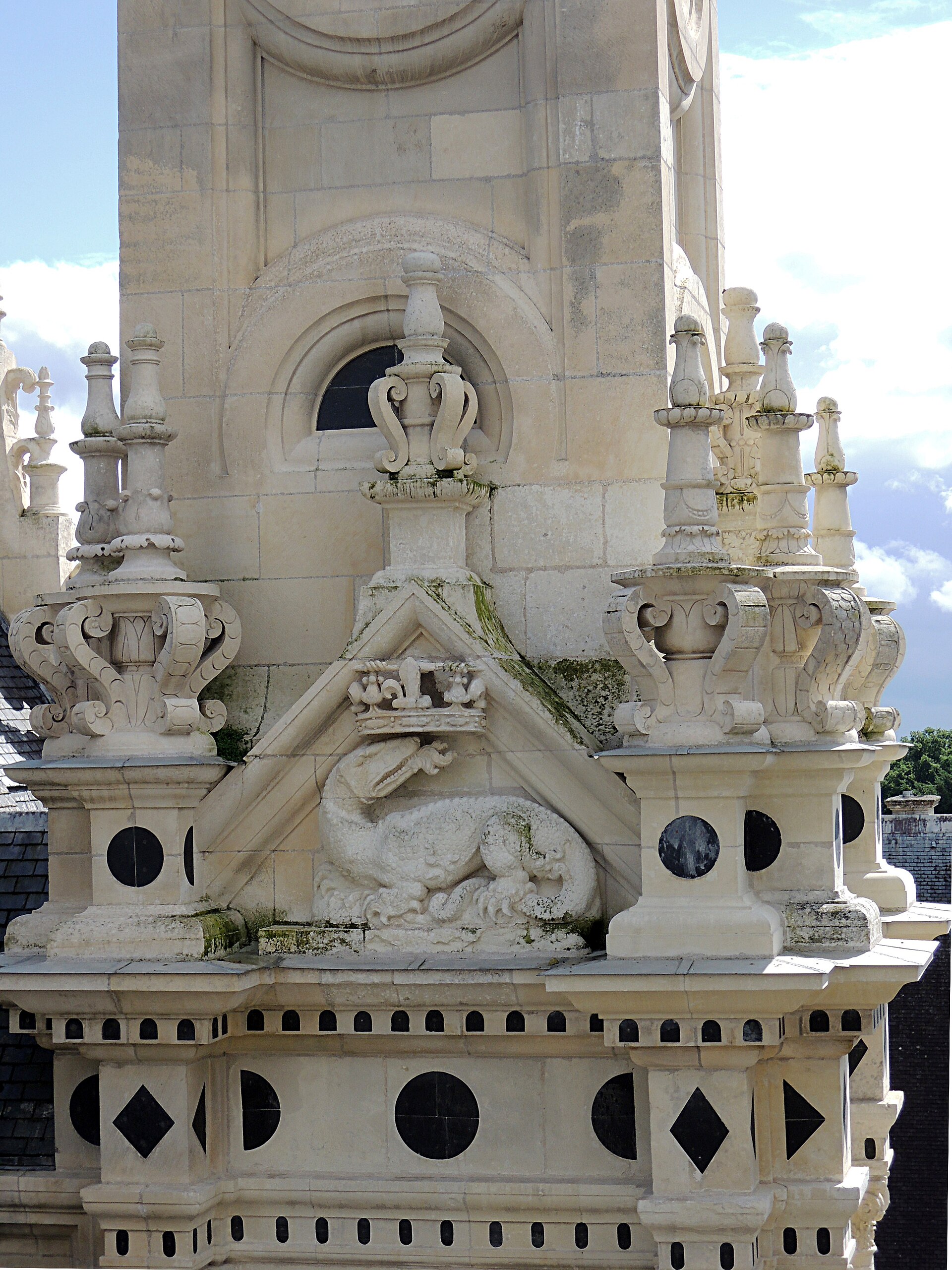
Throughout Chambord, a curious creature appears again and again, carved into ceilings, walls, and decoration all over the building, the salamander that served as the personal emblem of the king who built it. This recurring symbol turns the château into a kind of monument to its royal creator, his mark stamped everywhere upon the fabric of the building he raised to his own glory.
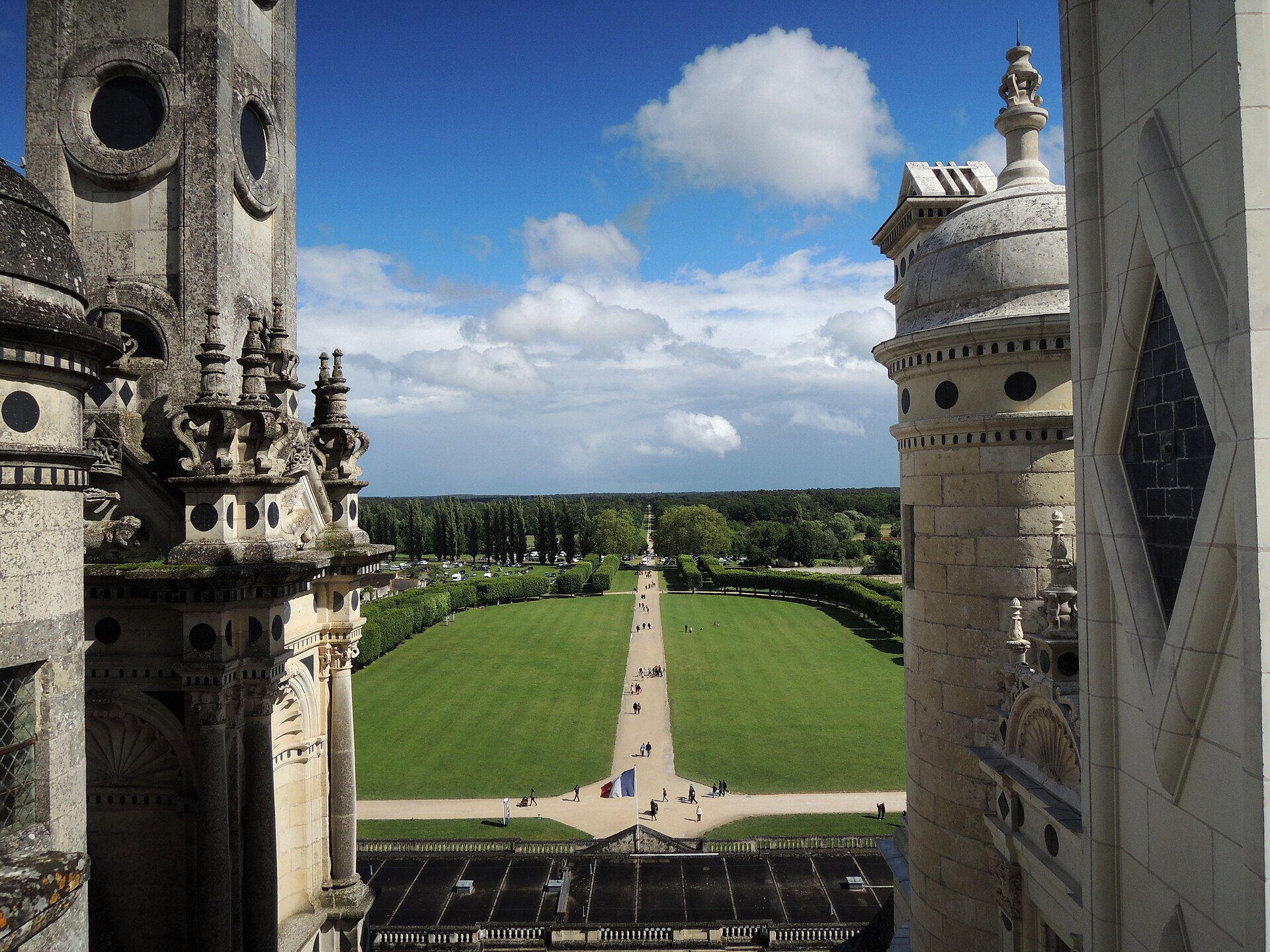
The salamander was an ancient symbol laden with meaning, believed to be able to survive fire, and it was adopted by the king as a device expressing his own qualities and aspirations. By scattering it throughout Chambord, the king ensured that the building would forever proclaim his identity, every visitor reminded at every turn of the monarch whose vision had brought the château into being.
This pervasive personal branding was characteristic of Renaissance princes, who used art and architecture to project their image and immortalise their names. At Chambord the practice reaches a remarkable intensity, the king’s emblem woven into the very decoration of the building so thoroughly that the château becomes inseparable from the man who made it, a portrait of a king rendered in stone.
To notice the salamander recurring through the halls and chambers of Chambord is to understand the building as a deeply personal creation, the expression of one man’s ambition and identity. It is a reminder that this vast and impersonal-seeming palace was, at its core, the dream of a single king, who left his mark upon it so indelibly that it can never be forgotten.
Counting the salamanders becomes a game for many visitors, who delight in spotting the creature tucked into ceilings and carved above doorways throughout the building. Each appearance is a small reminder of the guiding presence of the king, and together they knit the vast château into a single unified statement of one man’s identity and ambition, repeated hundreds of times over.
The Great Hunting Forest
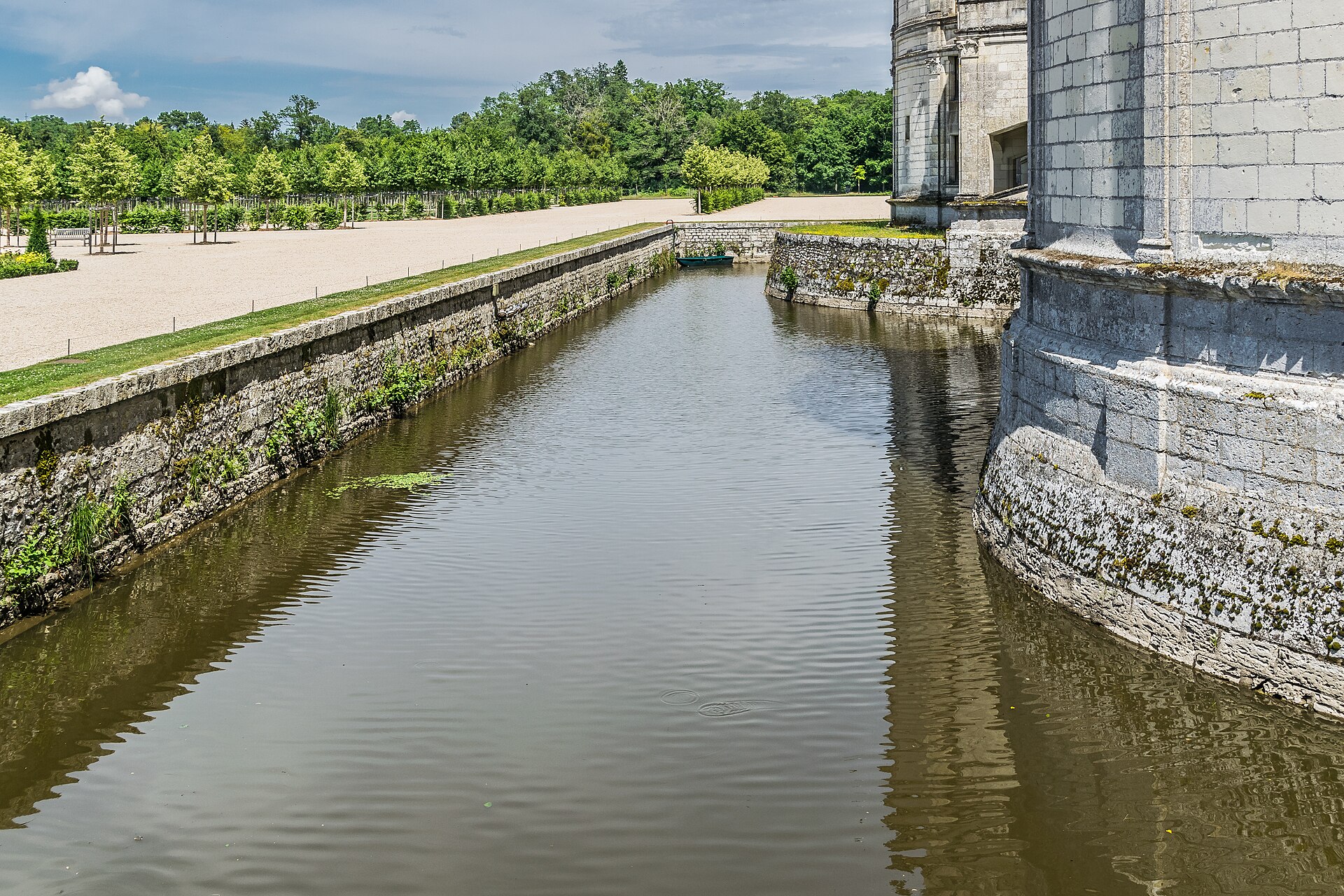
Chambord was built for the hunt, and it stands at the centre of an enormous forested park that remains one of the largest enclosed estates in Europe, ringed by a great wall that stretches for many miles. This vast domain of woodland and clearing was the whole reason for the château’s remote location, providing the superb hunting that its royal builder loved above almost all else.
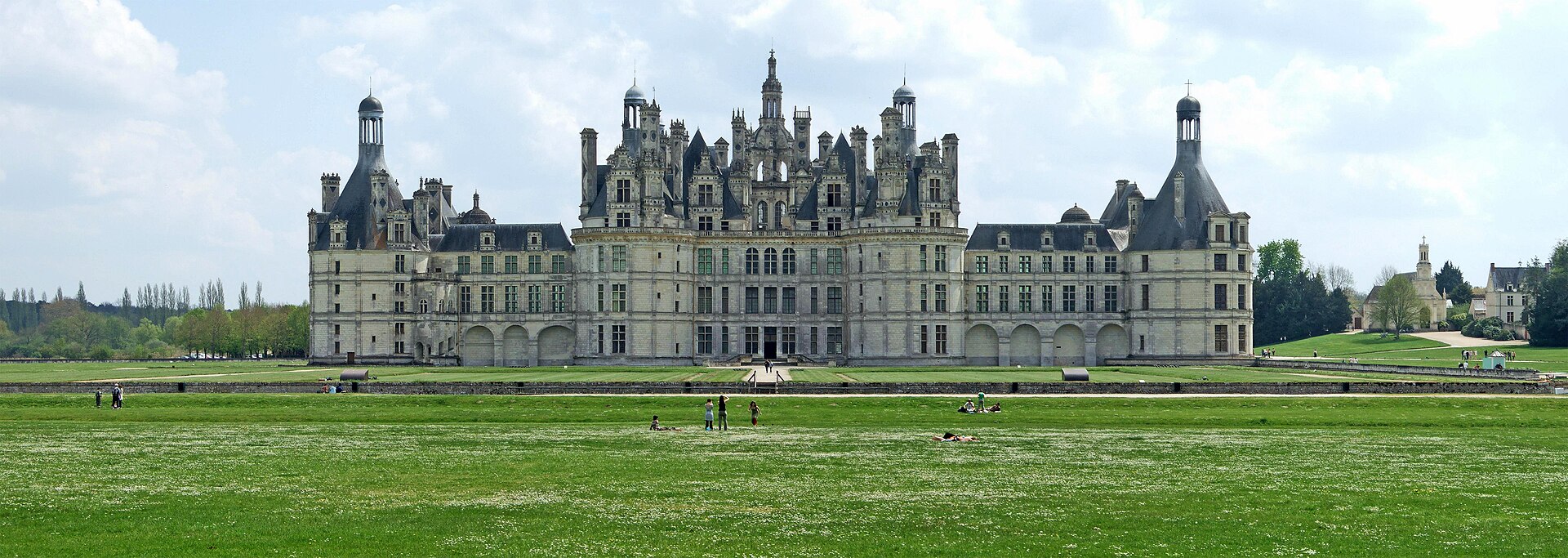
The chase was central to the life of Renaissance royalty, a passion and a pastime that shaped the way kings built and lived. Chambord’s forest offered game in abundance, and the château was designed with the hunt in mind, its very roof terraces arranged so that the court could watch the hunters and hounds at work in the woods below. The building and its forest were conceived as a single whole.
Today the great park survives largely intact, a magnificent expanse of forest that shelters deer and wild boar as it did in the age of the kings. It is a rare survival of a royal hunting domain on the grand scale, and it provides the château with a setting worthy of its splendour, an unbroken sweep of woodland from which the fantastic building rises like an apparition.
The relationship between the château and its forest is essential to understanding Chambord. This was not a palace of the city or the court but of the hunt and the wilderness, a place where a king could pursue his favourite sport amid the greatest luxury. The forest that surrounds it is not a mere backdrop but the very reason for its existence, and the two remain inseparable to this day.
For the modern visitor, the survival of this great forest is a rare gift, offering the chance to experience the château in something close to its original setting. Where many historic buildings have lost their surroundings to farms and towns, Chambord still rises from an unbroken sweep of woodland, allowing the full drama of the building in its landscape to be appreciated as its creator intended.
The Palace That Stood Empty
For all the effort and expense lavished upon it, Chambord was, for much of its history, a strangely empty place. The king who built it spent remarkably little time there, and for long periods the great château stood unused, its countless rooms silent and unfurnished. This is one of the enduring paradoxes of Chambord, a palace of staggering ambition that its creator scarcely inhabited.
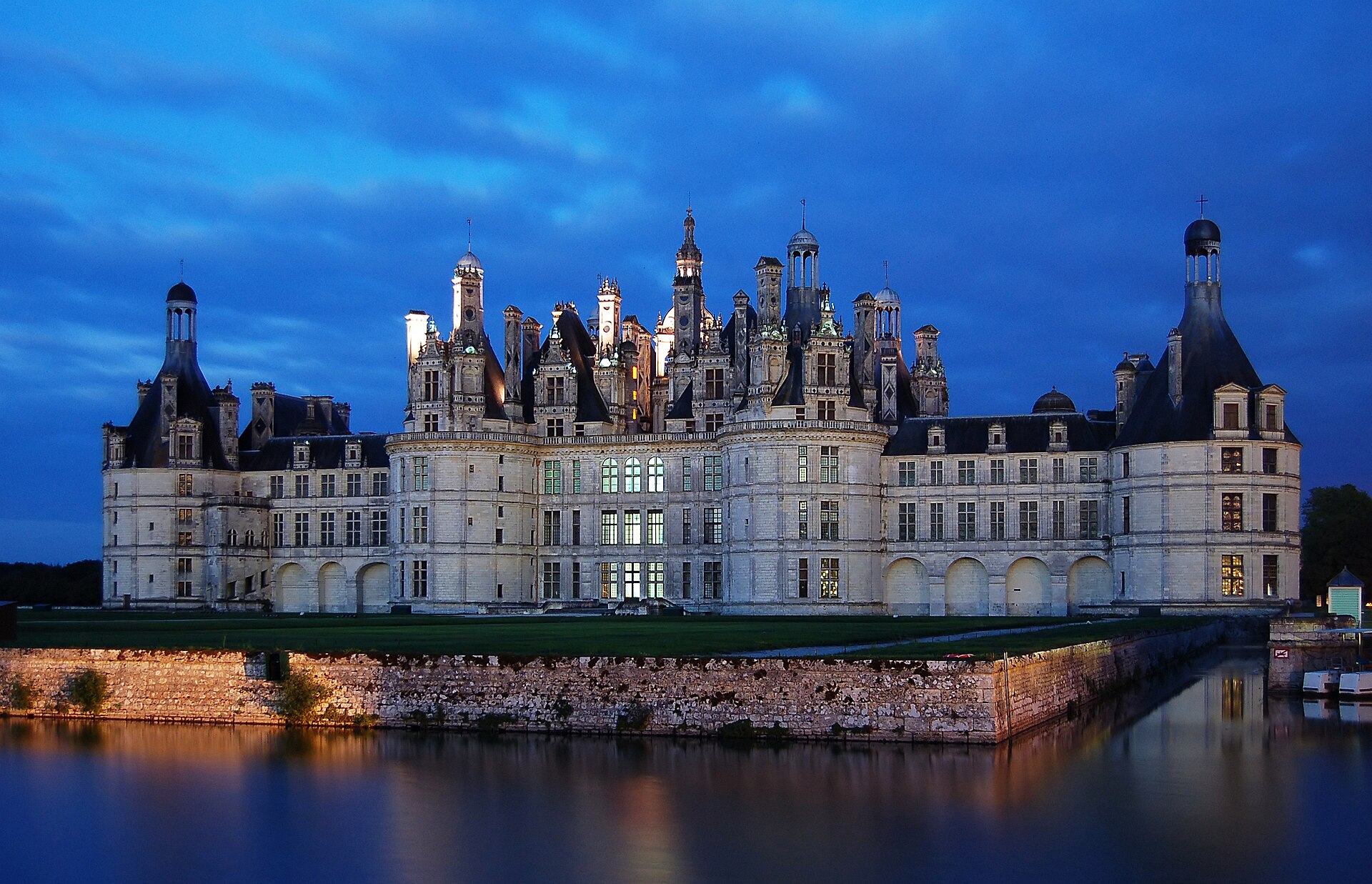
Part of the explanation lies in the very nature of the building, which was designed more as a showpiece and a hunting retreat than as a comfortable permanent residence. Its remote location, its enormous scale, and the difficulty of heating and maintaining so vast a structure all made it impractical as a regular home, and the court moved on to other palaces, leaving Chambord largely to itself.
The image of the great château standing empty in its forest, a magnificent creation with no one to enjoy it, has a certain melancholy poetry. It underlines the fact that Chambord was built as an expression of glory rather than as a practical dwelling, a monument whose purpose was fulfilled simply by existing, whether or not anyone actually lived within its walls.
This long emptiness is part of what gives Chambord its dreamlike quality, a building that seems to exist outside the ordinary demands of use and habitation. It stands as a pure architectural gesture, raised to astonish rather than to serve, and its history of emptiness only deepens the sense that it belongs to the realm of imagination as much as to the practical world of royal residences.
In a curious way, this emptiness has served the building well over the long run. Because it was never comprehensively furnished and lived in like a working palace, Chambord retained the purity of its architecture, uncluttered by the accumulations of centuries of habitation. What we see today is closer to the architectural gesture the king intended, a building experienced above all as a work of art in space.
Kings, Guests, and Fortunes
Though its royal builder used it little, Chambord did not remain forgotten, and over the centuries a succession of monarchs and notable figures took an interest in the great château, using it, adorning it, and adding to its story. Later kings visited and hunted there, and the building saw moments of life and splendour amid its long stretches of quiet.
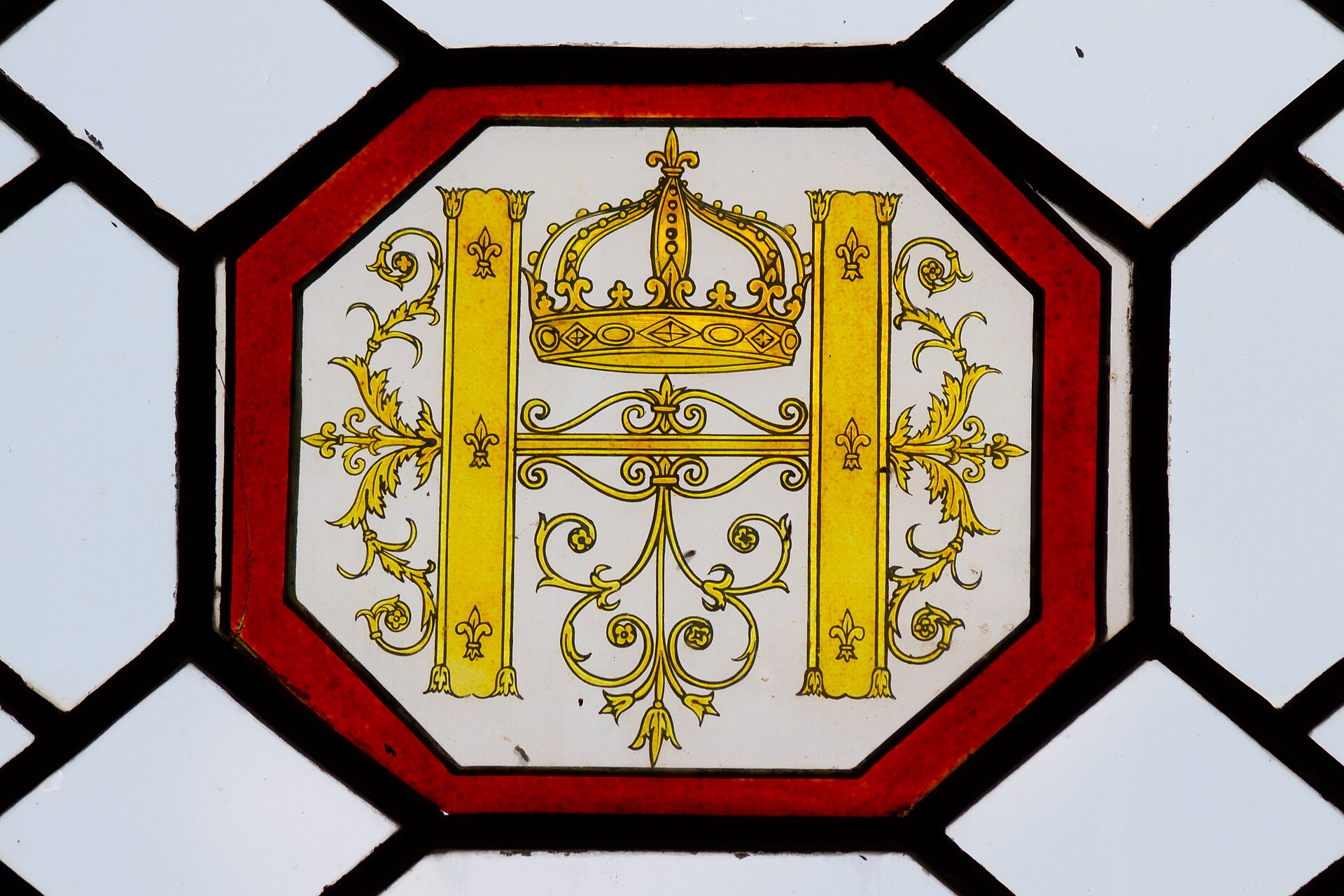
One famous king brought the court to Chambord and enjoyed lavish entertainments within its walls, and it was here that celebrated theatrical works were performed for the royal pleasure, filling the great château with music, laughter, and spectacle. Such episodes gave Chambord its share of glittering occasions, moments when the building fulfilled its original purpose as a setting for royal magnificence.
At other times the château was granted to favoured individuals, distinguished figures who were given the use of the great building as a mark of royal favour. These occupants left their own marks upon Chambord, and their stories added further layers to the history of a building that had passed through many hands over the centuries, each contributing to its rich and varied past.
Through all these changes of fortune, Chambord endured, its extraordinary architecture surviving the shifts of history that swept away so much else. The building proved remarkably resilient, weathering periods of neglect and danger to emerge, in time, as one of the most treasured monuments of France, its long and eventful history only adding to the fascination of the place.
Each of these chapters added to the character of the château without ever overwhelming the original vision. Chambord absorbed its later history while remaining, unmistakably, the creation of the king who first dreamed it, and the successive uses to which it was put form a rich overlay upon a building whose essential identity never changed across the centuries.
Surviving Revolution and War
Like other great symbols of royal France, Chambord faced grave dangers during the upheavals of revolution and war, moments when its survival was far from assured. The revolution that swept away the monarchy threatened its palaces, and the château might easily have been damaged, stripped, or destroyed in the turmoil of those years.

Chambord came through these dangers, though not untouched, and its survival allowed it to pass eventually into public ownership and care. The building’s remoteness may have helped to protect it, sparing it some of the worst of the destruction that befell more prominent royal residences, and it endured to become part of the national heritage of France.
In more recent times of war, the château even played an unexpected protective role, for its vast and secure spaces were used to shelter precious works of art from the great museums, kept safe within its walls far from the dangers of the cities. In this way the empty palace found a new purpose, its very emptiness and isolation making it an ideal refuge for treasures in peril.
The survival of Chambord through centuries of revolution and conflict is a story of remarkable good fortune and resilience. That so extravagant a monument to royal glory should have endured the ages that swept away the monarchy itself is one of the happy accidents of history, and it means that we can still experience today the full astonishing splendour of the château as its builder intended.
These episodes of danger and rescue add yet another dimension to the story of Chambord, binding the Renaissance château to the dramatic history of modern France. That a building raised for the glory of a sixteenth-century king should later guard the treasures of the nation in a time of war is a fitting testament to its enduring importance and to the affection in which it has come to be held.
A Treasure of the Loire
Today Chambord is celebrated as one of the supreme monuments of the French Renaissance and a jewel of the Loire Valley, its outstanding importance recognised at the highest level. The château and its surrounding landscape form part of a region acknowledged as a site of exceptional heritage value, and Chambord stands among the most admired and visited historic buildings in all of France.
As a state-owned monument, the château is carefully preserved and presented to the public, who come in great numbers to marvel at its architecture, climb its famous staircase, and explore its extraordinary roof. The work of conservation and interpretation ensures that the building’s wonders are both protected and made accessible, so that new generations can experience the astonishment it was designed to produce.
The great forest park too is preserved and managed, maintaining the essential relationship between the château and its wooded domain. Visitors can explore the grounds as well as the building, experiencing something of the setting that made Chambord such a paradise for the hunt and appreciating the château in the landscape for which it was conceived.
Chambord’s status as a treasure of France and of the world reflects its unique importance, not merely as a beautiful building but as a supreme expression of a moment in the history of art and architecture. It stands as the boldest achievement of the French Renaissance, a monument to royal ambition and creative genius that continues to inspire wonder five centuries after it first rose from the forest.
For all the scholarship and conservation that surround it, the deepest response Chambord provokes remains a simple one, sheer astonishment. Visitors arrive prepared by photographs and descriptions and are still overwhelmed by the reality, for no image can quite capture the scale, the intricacy, and the sheer improbability of the building. That capacity to astonish, five centuries on, is the truest measure of its greatness.
Standing Before Chambord
To visit Chambord is to encounter one of the most breathtaking buildings in the world, and the first sight of it, rising from its forest with its fantastic roofline crowded against the sky, is something no visitor ever forgets. The château rewards both the first amazed impression and the closer exploration that reveals its endless invention and detail.
Inside, the great double staircase is the star, and to climb its winding spirals toward the light is to experience the ingenuity of Chambord at first hand, a delight that has enchanted visitors for centuries. The halls and chambers that radiate from it, adorned with the king’s salamander and the splendours of the Renaissance, carry the visitor through the world of the monarch who built the château.
The climax of any visit is the ascent to the roof, where the astonishing landscape of towers and chimneys opens up around you and the great lantern soars overhead. From these terraces, once the setting for the court’s enjoyment, the whole extraordinary composition can be appreciated, along with sweeping views over the forest that surrounds the château on every side.
View the exact location on Google Maps
Beyond the building lies the great park, inviting exploration of the woodland domain that gave Chambord its purpose. However you choose to experience it, the château leaves an overwhelming impression of wonder and ambition, a building unlike any other in the world. Chambord is the French Renaissance at its most daring and imaginative, and to stand before it is to witness one of the supreme achievements of human creativity.
Palaces Nearby
If Chambord has drawn you into the world of France’s royal residences, two more great palaces are well worth exploring:
You May Like
Sanssouci: The Vineyard Palace Where Frederick the Great Found Peace of Mind


2 thoughts on “Château de Chambord: The French Renaissance’s Most Extravagant Dream”